Hear from Our Customers
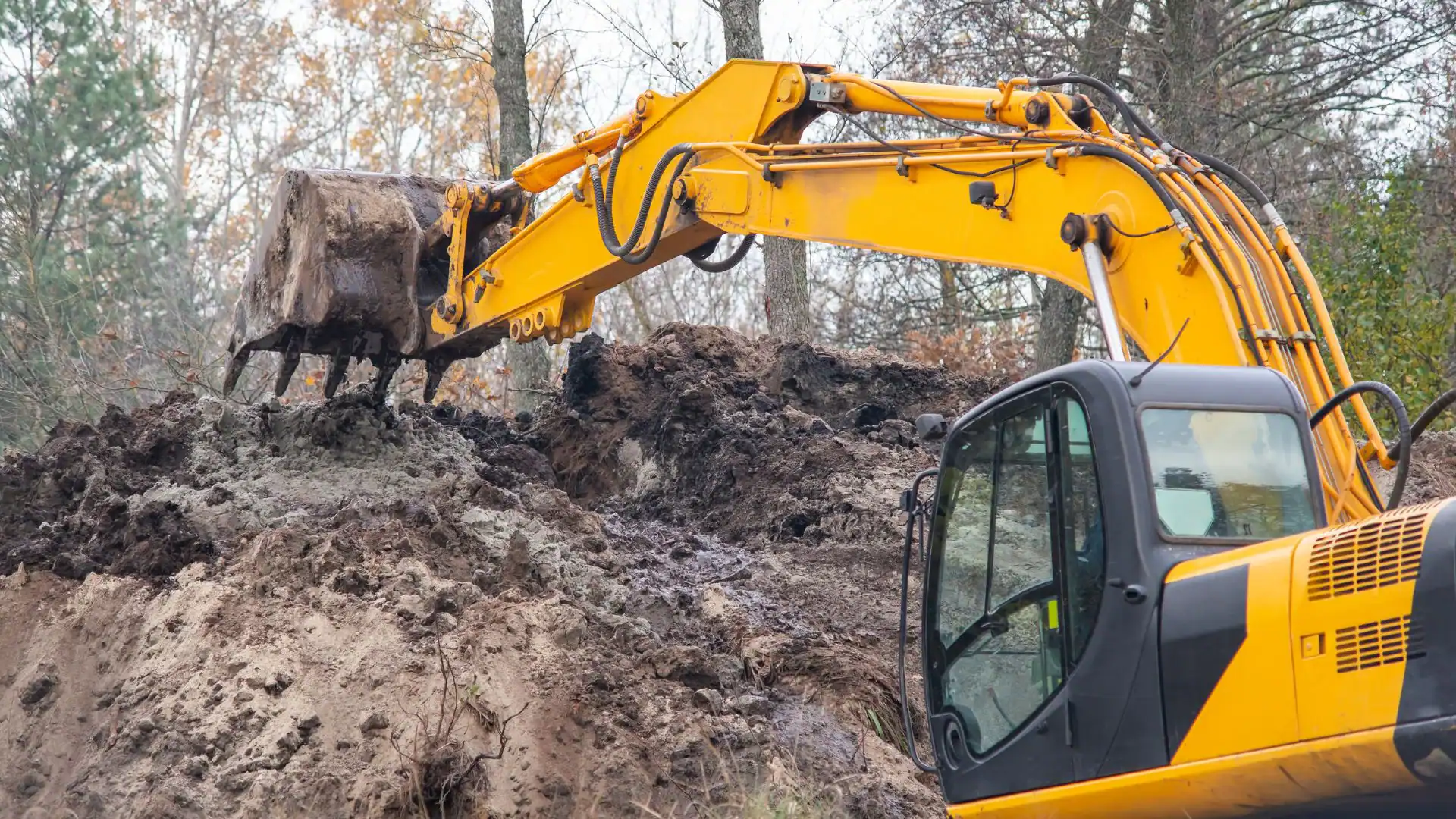
Calverton lots tend to come with a few things built in: trees, sandy soil, and more acreage than most of Long Island. That combination isn’t a problem if your contractor knows what they’re working with. It becomes a problem when they don’t and you end up with drainage issues, settling foundations, or a stop-work order from the Town of Riverhead before the project even gets going.
Sandy Pine Barrens soils drain fast but shift under load. That matters when you’re digging for a foundation, installing a retaining wall, or preparing a subbase for a driveway across a larger parcel. A contractor who treats your Calverton site like a standard suburban lot in Deer Park or Lindenhurst is going to miss things that show up later in the form of cracked slabs, pooling water, or unstable grades.
What you actually want is a site that’s been assessed, cleared, excavated, and graded with your specific conditions in mind. We understand the soil profile here, know what the Town of Riverhead requires before a shovel touches the ground, and can handle the full sequence under one contract so you’re not coordinating three separate crews across a wooded, sandy lot while trying to keep a build schedule together.
We’re a Long Island excavation and land preparation contractor that works across the East End including Calverton, Riverhead, and the surrounding areas of eastern Suffolk County. The work here is different from what you find closer to the island’s western end, and our approach reflects that.
Calverton sits at the edge of the Central Pine Barrens, straddles two town jurisdictions Riverhead and Brookhaven and carries environmental considerations that most contractors from outside the area simply aren’t prepared for. The Peconic River corridor, the DEC buffer requirements near Pine Barrens-designated land, and the Town of Riverhead’s Chapter 229 excavation permitting process are all part of doing this work correctly here.
We’re licensed, insured, and experienced with the specific soil, regulatory, and site conditions that define Calverton properties. When you call, you’re talking to people who already understand what you’re working with.
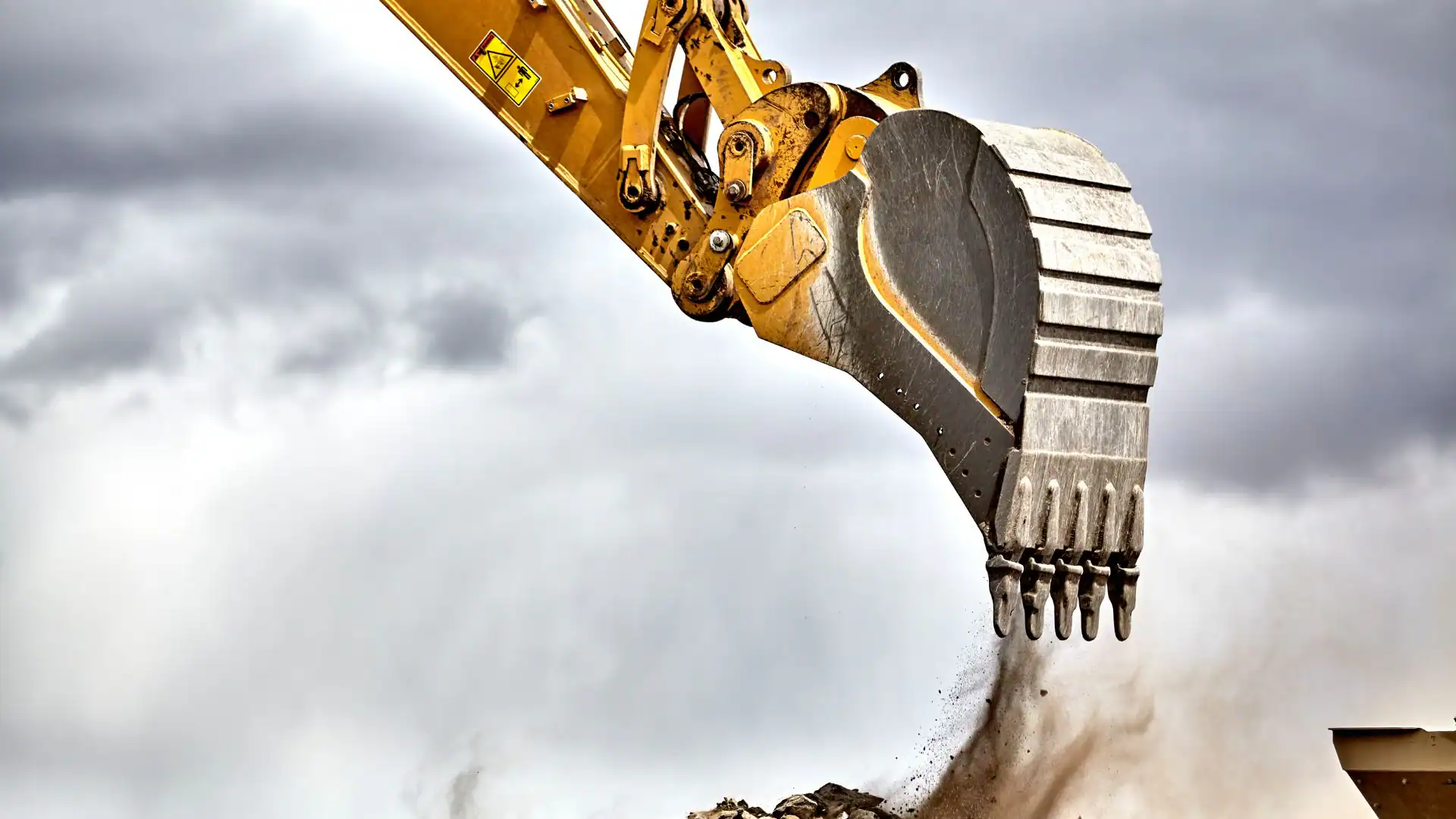
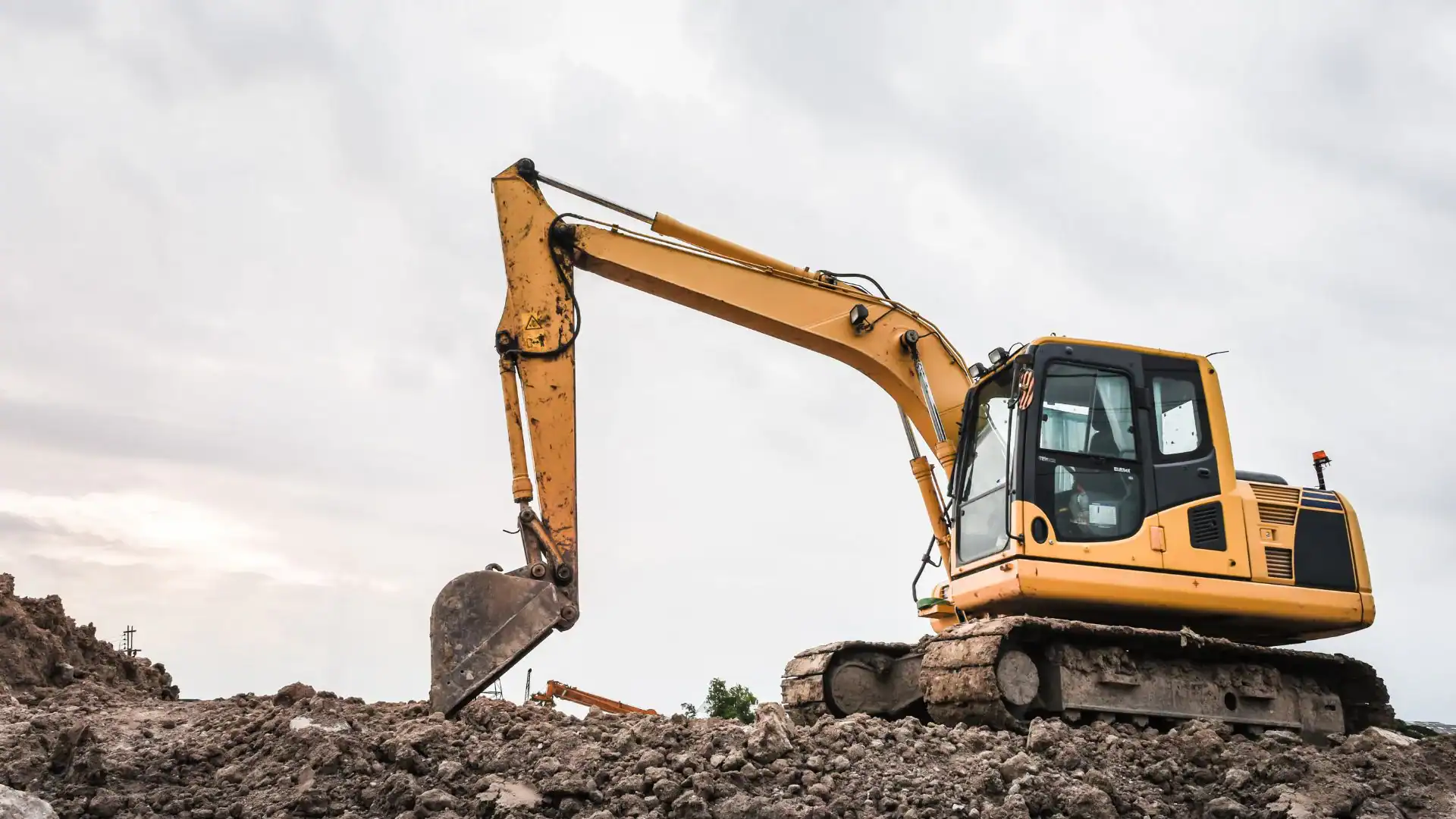
It starts with a site assessment. Before any equipment arrives on your Calverton property, the scope needs to be clearly defined what’s being cleared, what’s being excavated, where the spoil goes, and what permits or approvals are required. Under Town of Riverhead Chapter 229, excavation work requires either a permit or a certificate of exemption before any material is moved. If your property sits south of the Peconic River in the Town of Brookhaven portion of Calverton, the applicable requirements shift accordingly. Getting this right upfront is what keeps your project moving.
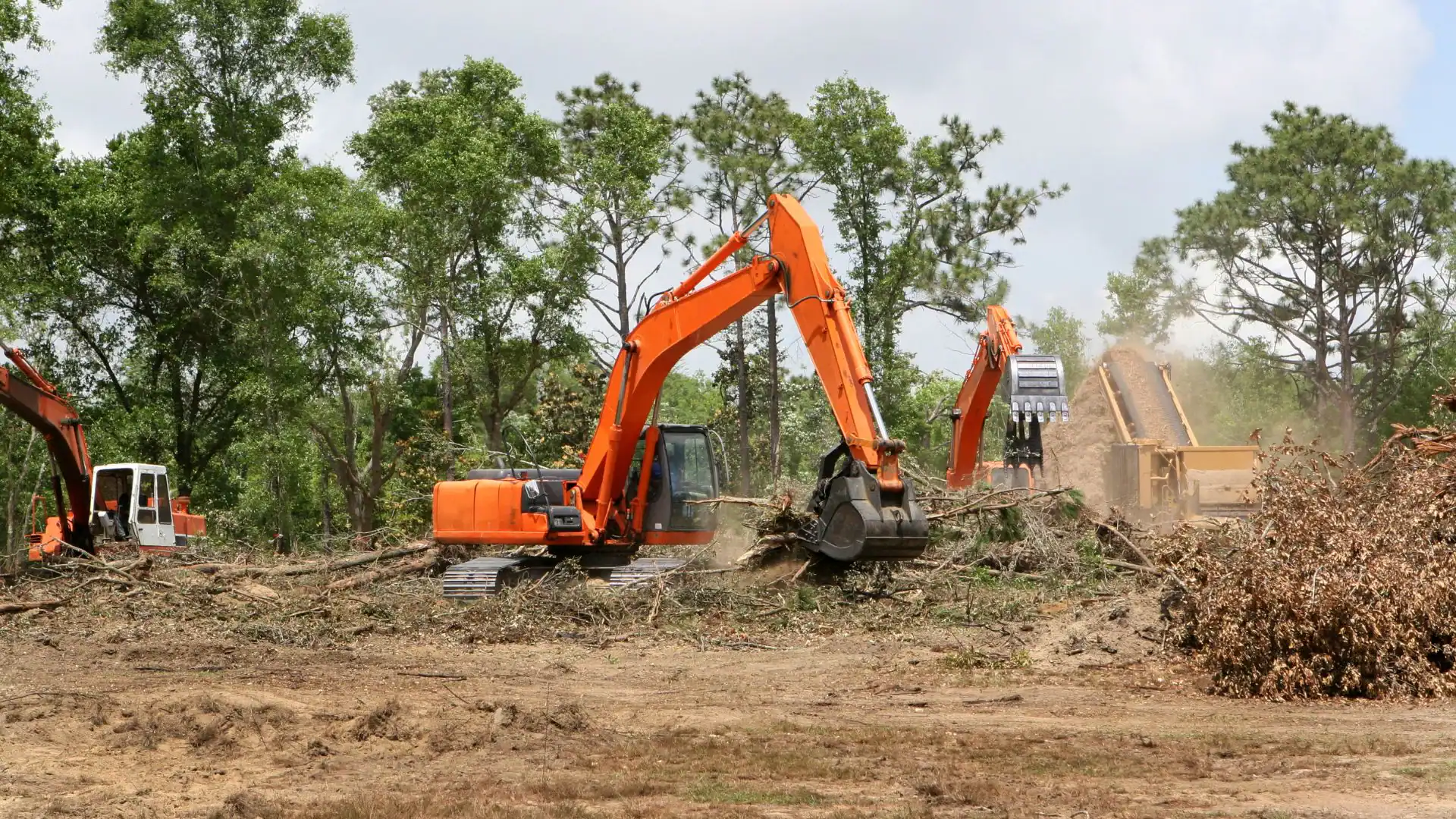
Once permits are confirmed, the sequence typically runs clearing first, then rough grading, then excavation to the required depth and specification. On Calverton’s sandy, wooded lots, clearing and grubbing aren’t optional extras they’re often the first real step before the excavator can get to grade. Stump removal and root clearing matter here because sandy soils don’t hold voids well, and buried organic material creates settlement problems down the line.
After excavation, we complete final grading and any erosion controls before the site is handed off. New York State law also requires contact with Dig Safely NY before breaking ground on every project no exceptions, regardless of lot size or scope. That step happens before the first machine moves, every time.
Ready to get started?
We handle residential excavation, commercial excavation, land clearing, cut and fill, dig and haul, trenching, grading, and retaining walls all under one contract. For Calverton property owners, that full-scope capability matters more than it does in denser parts of Long Island, because the work here rarely starts with a clean, cleared lot. Most projects begin with trees, root systems, and variable soil conditions that need to be addressed before excavation can even begin.
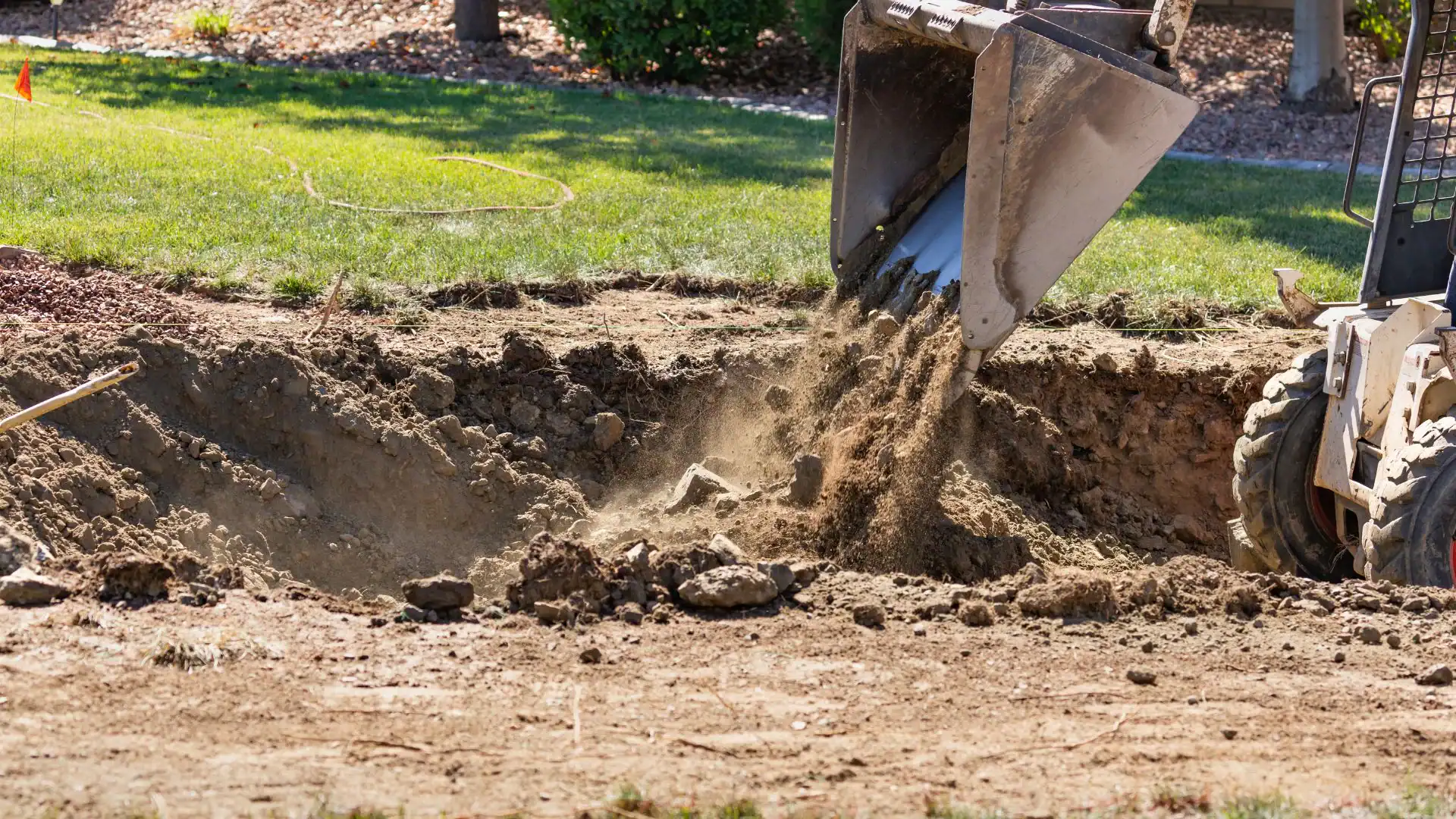
Residential work in Calverton commonly includes foundation excavation for new builds, pool excavation on larger residential lots, drainage improvement work on properties where the sandy water table creates seasonal issues, and driveway subbase preparation across extended lot lengths. Commercial and light industrial excavation in the Calverton area including the Route 25 corridor and the EPCAL zone requires site preparation that accounts for the area’s specific soil bearing conditions and local permit requirements.
Every project also includes appropriate erosion and sediment controls as standard. Sandy Pine Barrens soils are highly susceptible to erosion during active excavation, and disturbed sites near the Peconic River corridor or Pine Barrens-adjacent land can create environmental compliance issues quickly if that’s not managed from day one. It’s not an add-on it’s part of how we do the work here.
In most cases, yes. The Town of Riverhead which governs the majority of Calverton requires either a permit or a certificate of exemption under Chapter 229 of the town code before any excavation, material exportation, or importation takes place. If your project is also connected to a new build, you’ll need to coordinate that excavation permit with your building permit and any site plan approvals, since the town requires those to be in place together.
If your Calverton property sits south of the Peconic River, it may fall within the Town of Brookhaven rather than Riverhead which means a different set of permit requirements applies. Knowing which jurisdiction your parcel falls under is one of the first things to confirm before any work begins. We can help you understand what’s required based on your specific location, so you’re not caught off guard by a stop-work order mid-project.
Sandy glacial outwash soils which dominate Calverton’s landscape at the edge of the Central Pine Barrens behave very differently from the heavier clay soils found in western Suffolk towns. They drain quickly, which sounds like a benefit, but they also shift under load and have lower bearing capacity than denser soil types. For foundation excavation, that means subbase preparation needs to account for stability in a way that a standard suburban dig often doesn’t.
For retaining walls, pool excavation, and driveway subbase work, the same principle applies. Sandy soils that aren’t properly assessed and prepared before construction can settle unevenly, creating structural issues that show up months or years after the project is complete. We’ve worked on Calverton lots long enough to understand this going in and plan the excavation scope accordingly, rather than treating your site like any other Long Island job.
Dig and haul is exactly what it sounds like excavating material from your site and hauling it off the property entirely, rather than redistributing it on-site. It’s commonly needed when a project generates more spoil than the lot can absorb, when the excavated material isn’t suitable for reuse as fill, or when a clean, unobstructed site is needed before the next phase of construction begins.
In Calverton, dig and haul comes up frequently on raw land builds where large volumes of sandy material are removed during foundation or basement excavation, and on land clearing projects where the combination of removed vegetation, stumps, and displaced soil creates more material than the lot can accommodate. It’s also relevant for drainage improvement projects where saturated or unstable soil needs to be removed and replaced with engineered fill. If you’re not sure whether your project requires haul-off or on-site redistribution, that gets sorted during the initial site assessment.
Yes, and this is one of the more important things to understand before starting any land clearing or excavation project in Calverton. The New York State Department of Environmental Conservation manages the Calverton Pine Barrens State Forest, and the broader Central Pine Barrens region is governed under the Central Pine Barrens Joint Planning and Policy Commission’s land use regulations. Clearing or excavating near Pine Barrens-designated land without understanding those buffer requirements can result in DEC violations and remediation orders.
Additionally, if your property is near the Peconic River corridor, Article 24 of New York State Environmental Conservation Law which governs freshwater wetlands may impose setback and buffer requirements that affect where and how excavation can occur. These aren’t abstract regulations; they apply to real Calverton parcels and have real consequences when ignored. Working with a contractor who understands these constraints upfront is the most straightforward way to avoid compliance problems that stall your project.
The practical excavation season in Calverton runs from late March through November. Calverton’s inland location means it experiences the full range of Long Island’s freeze-thaw cycle without the moderating coastal influence you’d get closer to the Sound or the bay. Ground frost can penetrate to meaningful depths between December and February, making excavation during those months difficult and sometimes impractical without specialized equipment.
Spring and early fall tend to be the most active periods for residential and commercial site work in the area conditions are stable, soil workability is good, and project timelines align well with the broader construction season. Summer work is common but humidity and wet periods can affect soil compaction and site stability on sandy lots. If you’re planning a new build or major site preparation project, booking your excavation contractor in late winter for a spring start is the most reliable way to keep your schedule on track.
Excavation pricing in Calverton varies based on project scope, site conditions, and what the job actually requires but to give you a realistic frame: a standard foundation excavation for a residential new build typically runs in the range of $3,000 to $8,000 depending on footprint size and depth. Pool excavation on a Calverton lot commonly falls between $1,500 and $4,500. Land clearing on a wooded parcel which is a frequent requirement here given the heavily treed lots common in the area is priced by acreage and condition, and can range from $1,500 to $5,000 or more per acre depending on tree density and stump removal requirements.
What makes Calverton pricing slightly more complex than a standard suburban job is the combination of factors that often come together here: wooded sites that need clearing before excavation can begin, sandy soils that may require engineered fill or additional subbase work, and permit costs associated with the Town of Riverhead’s Chapter 229 requirements. A written, itemized quote that breaks these components out clearly is the only way to know what you’re actually committing to and that’s exactly what we provide before any work begins.