
Hear from Our Customers

Hampton Bays isn’t a typical Long Island suburb. You’re dealing with sandy coastal soils, a water table that sits closer to the surface than most people expect, and properties that border Peconic Bay, Shinnecock Bay, or Tiana Bay. When excavation is done without that context, you get unstable trenches, drainage problems that don’t show up until the next hard rain, and grading that sends water somewhere it shouldn’t go. The physical conditions here demand a contractor who’s worked in them before not one learning on your property.
Most of the housing stock in Hampton Bays was built around 1975, and a lot of those homes are now deep into renovation cycles. Aging septic systems, outdated drainage, foundations that need work these aren’t small projects, and the stakes are high when median home values are pushing close to a million dollars. A properly scoped excavation protects what you’ve built and what you’ve invested. Done wrong, it creates problems that cost far more to fix than the original job.
There’s also the regulatory layer that catches a lot of property owners off guard. The Town of Southampton doubles permit fees when land clearing or excavation starts without the required approvals. If your property sits near a wetland buffer or within the NYSDEC’s coastal management zone which covers the entire Hampton Bays shoreline there are additional permit requirements that need to be handled before a machine touches the ground. Knowing that going in is what keeps your project moving forward instead of getting stopped.
We are a licensed and insured excavation contractor serving Hampton Bays and the broader Southampton Town area. Our work spans residential and commercial projects pool excavations in Ponquogue, site preparation near the Shinnecock Canal corridor, drainage work in Tiana, land clearing on properties heading toward Dune Road. This isn’t a region we pass through. It’s a market we know, with soil conditions, permit offices, and seasonal timelines we’ve worked around many times.
What makes the difference for most clients isn’t just the equipment it’s having one contractor who handles the full scope. Land clearing, excavation, cut and fill grading, trenching, dig and haul all under one contract. No handoffs between crews, no finger-pointing when something doesn’t line up. You get a clear quote, a committed schedule, and a contractor who’s reachable when you have a question.
Every project starts with NY 811 contact before any digging begins. That’s not optional it’s required by New York State law for all excavation in Suffolk County, and it’s how we protect your property and everyone on it.

It starts with a site assessment and a conversation about what you’re trying to accomplish. Whether it’s a pool excavation in a Ponquogue backyard, a foundation dig near the canal, or a full land clearing and grading project on a larger lot, the scope needs to be understood before anything is quoted. That assessment also identifies whether your project triggers Southampton Town permit requirements, NYSDEC wetland or coastal permits, or Suffolk County Health Department approvals for septic work because in Hampton Bays, those questions come up more often than in most areas, and it’s better to answer them before work starts than after.
Once the scope is confirmed and permits are in order, we contact New York 811 to have underground utilities located and marked. This is a legal requirement under NYS Code Rule 753 for all professional excavators in Suffolk County, and it applies to every project regardless of size. Hampton Bays has aging infrastructure spread across a hamlet that’s been developed in layers since the 1740s you don’t skip this step.
From there, the work follows the agreed scope: clearing, excavating, grading, hauling whatever the project requires. Spoil is removed from site so the next trade or the next phase isn’t working around a pile of material. When the job is done, the site is clean, graded to spec, and ready for what comes next. The timeline we quote is the timeline we hold to, because in a hamlet with a compressed seasonal construction window, that matters.
Ready to get started?
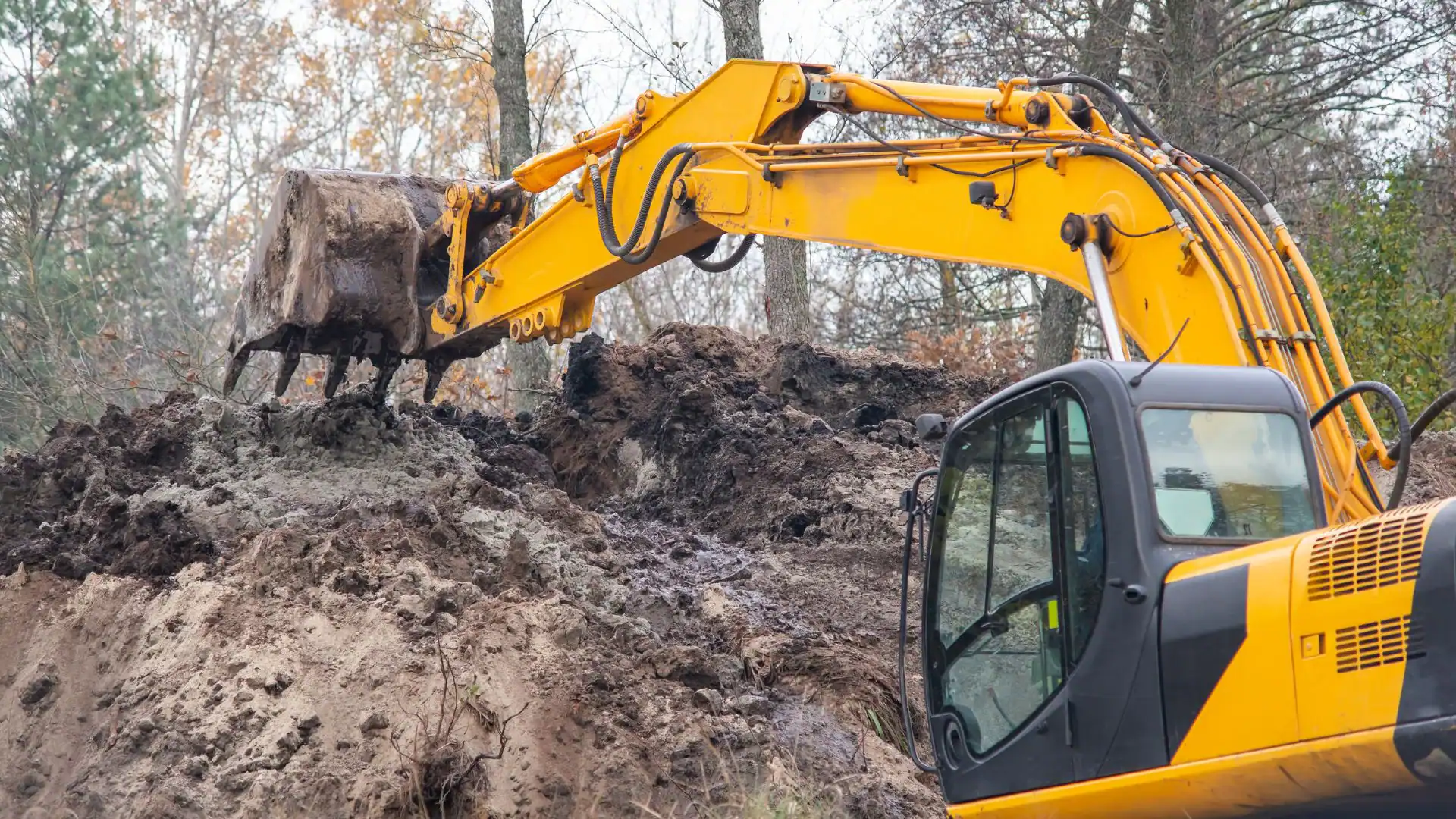
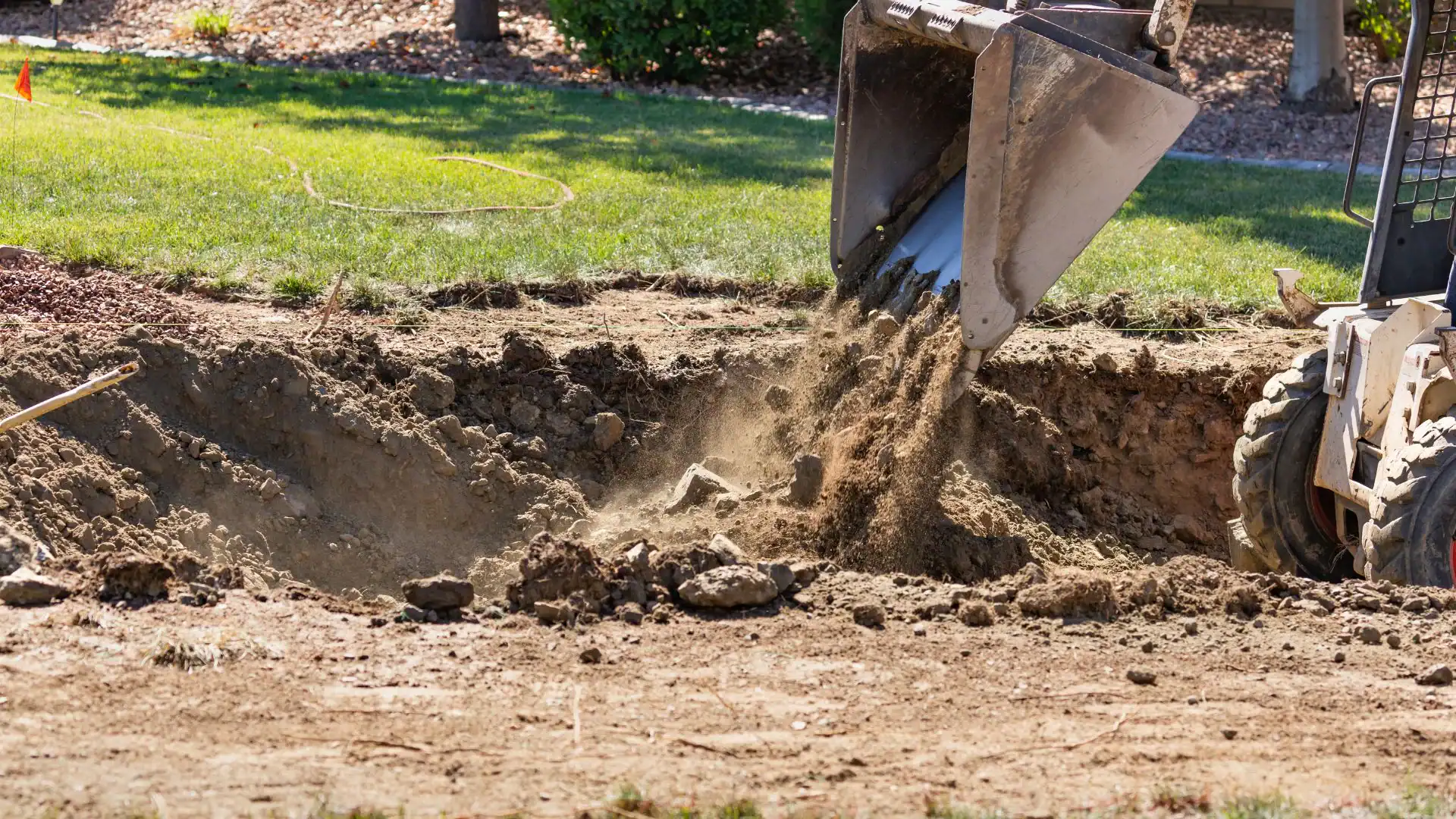
The excavation work we handle in Hampton Bays covers the full range of what residential and commercial property owners need. Residential excavation services include pool excavation, foundation work, septic system preparation, and drainage trenching all common in a hamlet where the housing stock is aging and the coastal environment creates consistent demand for below-grade improvements. Commercial excavation services cover site preparation, grading, and earthworks for businesses along the Montauk Highway corridor and the marine services area near the Shinnecock Canal.
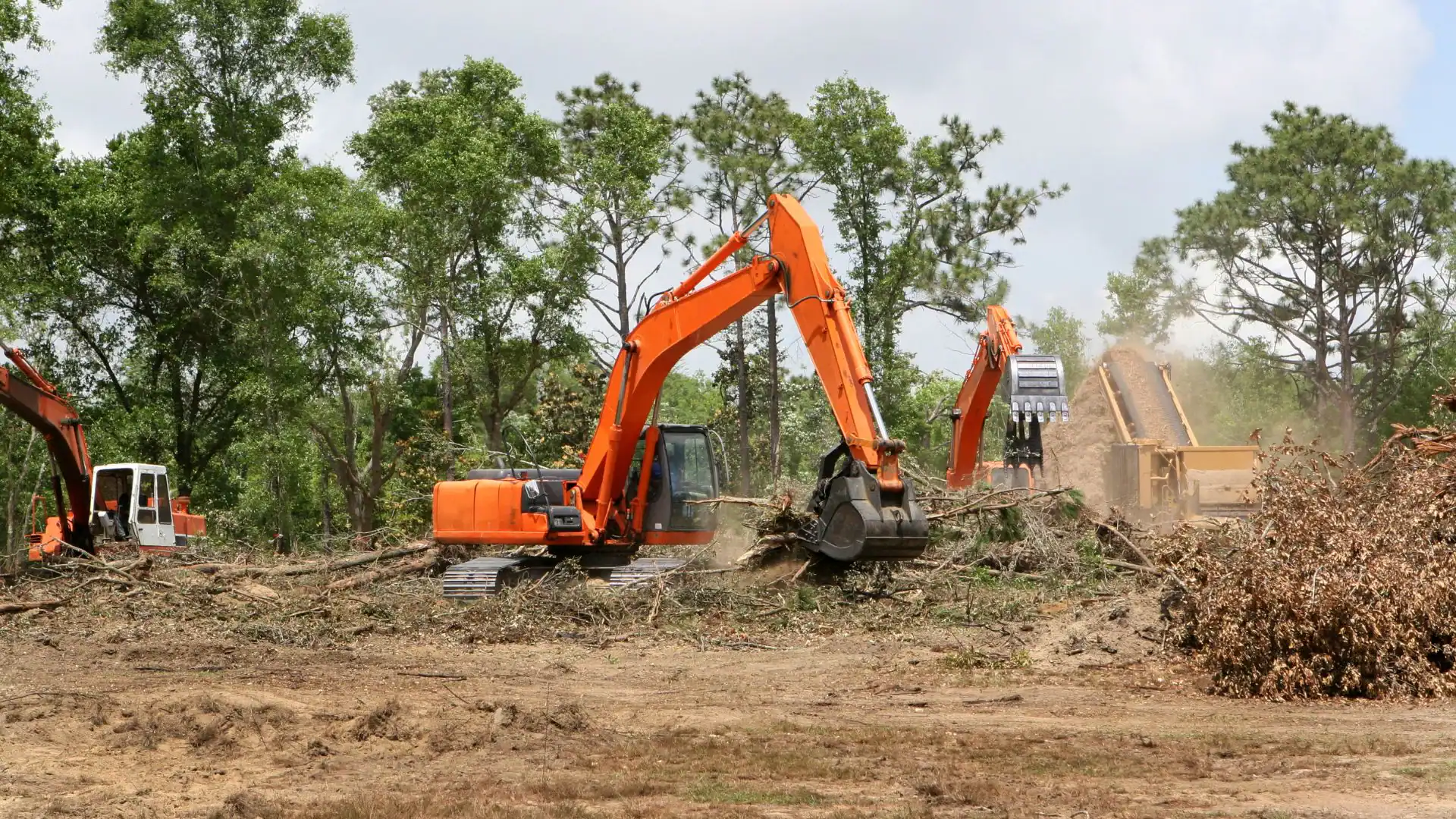
Land clearing and excavation and grading services address properties that need preparation before construction begins whether that’s a new build, an addition, or a major renovation. Cut and fill grading is particularly relevant in Hampton Bays, where coastal plain topography and proximity to bay edges means drainage needs to be designed carefully, not just eyeballed. Dig and haul services handle the material removal side of the equation, which matters on properties near Shinnecock Bay or Tiana Bay where leaving spoil on site near a wetland buffer creates both a regulatory and a practical problem.
Every project includes a written scope before work begins. What’s included spoil removal, erosion controls, site cleanup, NY 811 compliance is spelled out clearly so there’s no ambiguity when the invoice arrives. Hampton Bays property values don’t leave room for cost surprises, and our quotes are built to eliminate them.
In most cases, yes. The Town of Southampton requires building permits for excavation associated with construction, grading, or land clearing on residential and commercial properties. What catches a lot of Hampton Bays property owners off guard is the penalty provision in the Southampton Town Code: if land clearing or excavation begins without the required permits, all applicable fees are doubled. That’s a real financial hit that’s entirely avoidable if the permit process is handled correctly from the start.
Beyond the town level, properties near Peconic Bay, Shinnecock Bay, Tiana Bay, or the Shinnecock Canal may also fall within NYSDEC-regulated wetland or coastal areas. Excavation or grading in those zones can require a separate NYSDEC Coastal Erosion Management Permit or a freshwater wetlands permit, depending on the location and scope of work. If your property is anywhere near the water which describes a significant portion of Hampton Bays it’s worth confirming the full permit picture before any work begins.
NY 811 is a state-mandated notification system that connects excavators with utility companies before any digging begins. Under NYS Code Rule 753, all professional excavators in Suffolk County are legally required to contact New York 811 between two and ten working days before breaking ground. Once notified, utility companies send locators to mark the positions of underground gas lines, electrical, water, telecommunications, and other services at the dig site.
This matters in Hampton Bays for a few reasons. The hamlet has been developed in stages since the 1740s, and the underground infrastructure reflects that service routing isn’t always predictable, and the age of many utility installations means they may not be where you’d expect. If an underground line is struck because a contractor skipped the 811 process, the financial and legal consequences fall on the property owner, not just the contractor. We contact New York 811 on every project, without exception.
It’s one of the most important factors to plan around, and it’s specific to Hampton Bays’s coastal geography. The hamlet sits on the Atlantic Coastal Plain, surrounded by three bay systems, and the sandy soils that dominate the area drain well in the upper layers but reach groundwater at relatively shallow depths particularly on properties near Shinnecock Bay, Tiana Bay, or the Peconic Bay waterfront. Pool excavations, foundation work, and deep utility trenching all have a higher probability of encountering groundwater here than in inland Suffolk County towns.
An experienced excavation contractor accounts for this in the project scope not as a surprise discovered mid-dig. That means understanding how deep groundwater is likely to be on your specific lot, whether dewatering will be needed, how trench walls will behave in saturated sandy conditions, and how to achieve a stable finished grade. These aren’t issues that a contractor without coastal soil experience handles well, and they’re exactly why local knowledge matters on the East End.
Pool excavation is one of the most consistent drivers of residential excavation demand in Hampton Bays, as it is throughout the Hamptons corridor. The combination of high property values, outdoor lifestyle, and ongoing real estate investment keeps pool installation active year-round. Beyond pools, septic system replacement is a major category New York State has been actively pushing septic upgrades in coastal communities to protect bay water quality, and Hampton Bays, surrounded by three bays, is a priority area. Those projects require excavation to remove the old system and install the new one.
Foundation work, drainage improvements, and land clearing for additions or new builds round out the most common projects. The hamlet’s housing stock has a median construction year of around 1975, which means a large share of homes are now 50 years old and in active renovation cycles. Aging drainage infrastructure, deteriorating foundations, and undersized driveways are all driving consistent demand for excavation services across neighborhoods like Ponquogue, Tiana, and Red Creek.
The fall and early winter window roughly October through December is often the most practical time for excavation work in Hampton Bays, particularly for property owners who want their site ready before the following summer season. Contractor availability is generally better after the summer rush, permit processing at the Southampton Town Building Department tends to move faster, and the ground is workable before freeze-thaw cycles set in. For seasonal property owners who aren’t in Hampton Bays during the winter, this window also allows work to be completed while the property is unoccupied.
Spring scheduling is possible but comes with a caveat: snowmelt combined with Atlantic storm systems raises the water table in Hampton Bays’s sandy coastal soils during late winter and early spring, which can affect excavation depth and site conditions. Summer scheduling is the most constrained contractor availability tightens significantly, and the compressed seasonal window means any delay in permitting or weather can push work past the occupancy deadline. Planning ahead and locking in a start date early is the most reliable approach regardless of season.
Yes, and it’s one of the most important things to confirm before any work begins on a waterfront or near-waterfront property in Hampton Bays. The NYSDEC Coastal Erosion Management Permit Program covers the entire stretch of coastline from Fire Island Inlet to Montauk Point Hampton Bays sits squarely within that zone. Any grading, excavating, or soil disturbance near regulated coastal areas, including the shorelines of Shinnecock Bay and Tiana Bay, may require a Coastal Erosion Management Permit before work can legally proceed.
Properties near freshwater wetlands or within the adjacent area buffer of a wetland may also require a separate NYSDEC freshwater wetlands permit, depending on the proximity and the nature of the work. With 28.5 percent of Hampton Bays’s total area classified as water, a significant share of properties in this hamlet are close enough to a regulated area that the question is worth asking. The answer isn’t always that a special permit is required but confirming that upfront, rather than discovering a stop-work order mid-project, is what separates a smooth excavation job from a costly one.