Hear from Our Customers
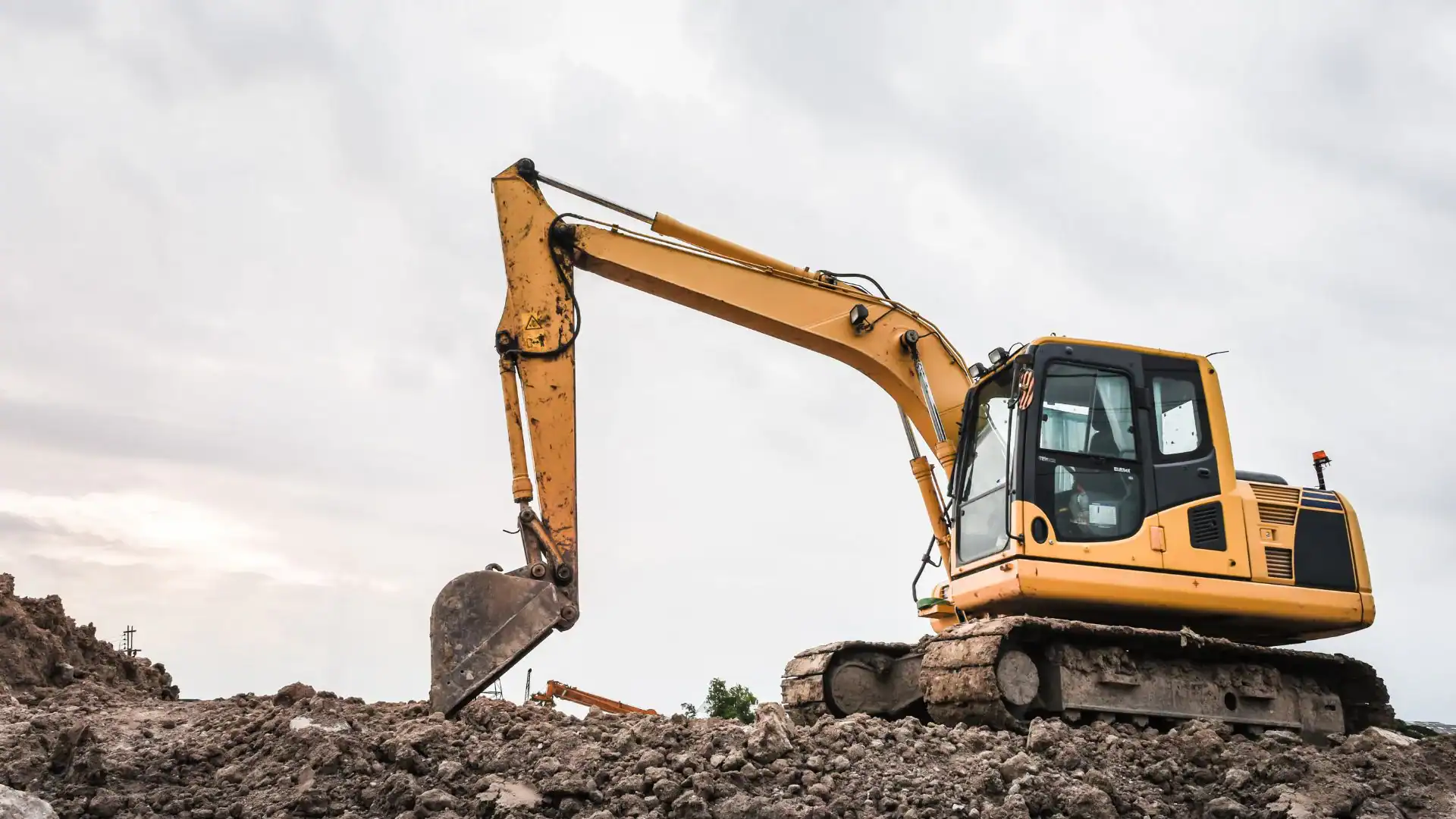
When excavation goes wrong on a South Shore property, it doesn’t just affect your timeline it affects every contractor scheduled after it. Foundation work pushed back, inspections delayed, materials sitting idle. The cost of a bad dig compounds fast, and in Oakdale, where homes are sitting at around $650,000, that’s not a risk worth taking to save a few hundred dollars upfront.
What makes Oakdale different from inland Long Island communities is what’s happening below grade. The water table here is shallow. The Connetquot River floodplain runs through the hamlet, and portions of the area fall within FEMA flood hazard zones. Soil saturation isn’t a seasonal surprise it’s a baseline condition that affects how deep you can safely dig, how spoil behaves, and how drainage needs to be managed after the machine leaves. A contractor who only works drier, higher-elevation sites won’t see it coming.
When the excavation scope is handled correctly from the start proper utility notifications, the right equipment for the soil conditions, clean spoil removal, and a site graded to drain your project moves. The builder shows up to a site that’s ready. The inspector sees work that meets Town of Islip standards. And you’re not making calls trying to figure out why there’s standing water where there shouldn’t be.
We’re a Long Island-based excavation contractor serving residential and commercial clients across Suffolk County, including Oakdale and the surrounding South Shore communities. This isn’t a call center routing your job to whoever’s available it’s a locally operated business where the people taking your call know what Bluepoint Road looks like after a nor’easter and understand what the Town of Islip Building Division expects before work begins.
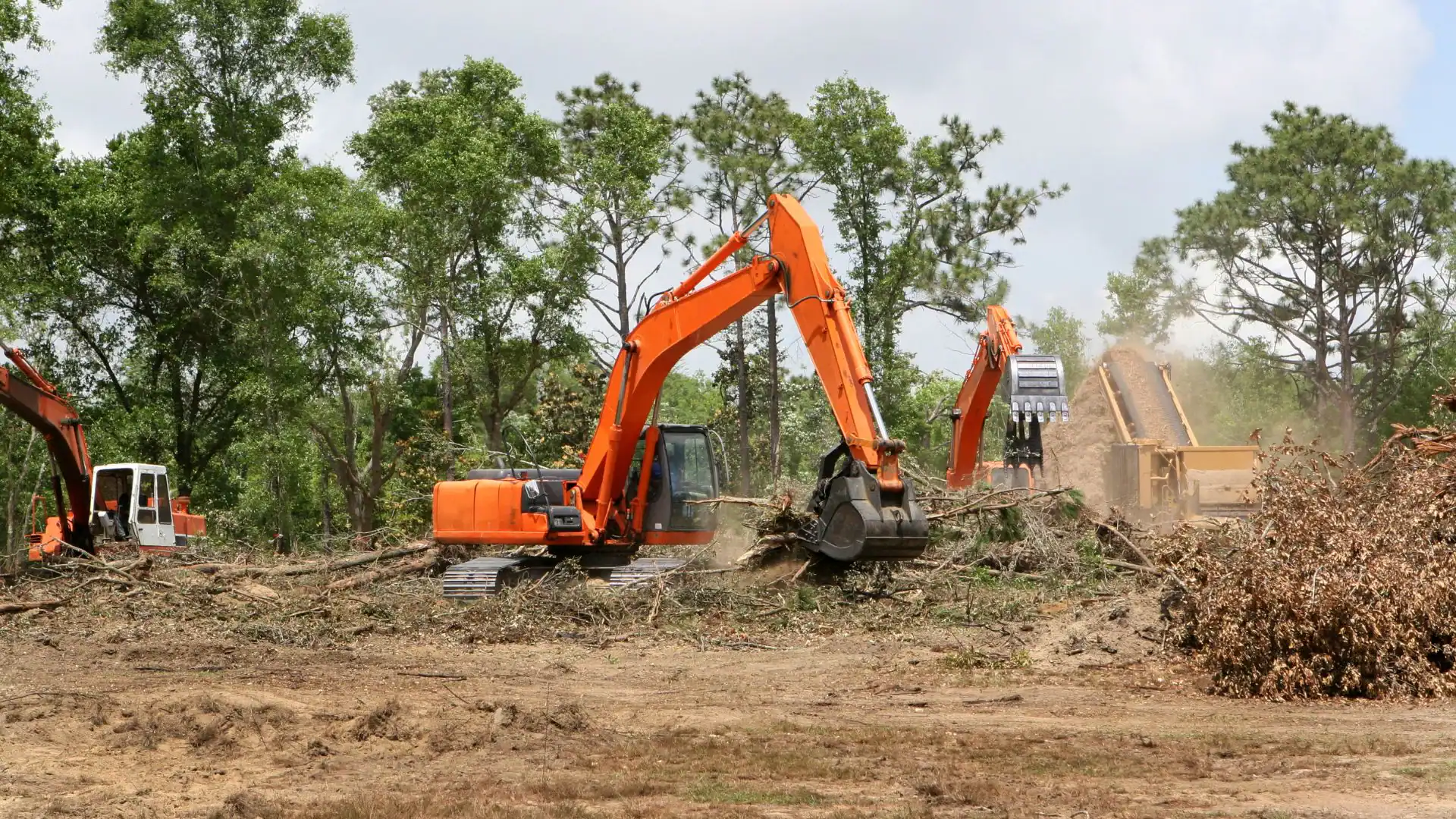
The work we do covers the full earthworks scope: land clearing, site preparation, foundation excavation, cut and fill, trenching, retaining walls, grading, and dig and haul. Handling all of that under one contract means you’re not coordinating between three different subcontractors during the most critical phase of your project.
We’re fully licensed and insured, and we comply with NY 811 underground utility notification requirements on every single job no exceptions. Oakdale homeowners and developers get straight answers, clear written quotes, and a crew that treats your property like the investment it is.

It starts with a site assessment. Before any pricing is finalized, we look at what you’re working with lot size, access, proximity to the Connetquot River corridor, and any flood zone designations that affect how the work needs to be scoped. Oakdale’s coastal plain geography means we’re checking water table depth and soil conditions as part of that initial evaluation, not discovering them after the machine is already on-site.
Once the scope is agreed on, we handle NY 811 notification before anything breaks ground. This is a legal requirement in New York State, and it’s one that the Town of Islip explicitly includes in its building permit documentation. Underground utility strikes are one of the most preventable problems in excavation and one of the most expensive when they happen. We don’t skip this step.
The work itself follows a clear sequence: clearing and stripping if needed, then excavation to the specified depth, with spoil management and haul-off handled as part of the job. If your project involves grading for drainage which is common on South Shore properties that deal with storm runoff and high groundwater that’s completed before we leave the site. You get a written scope before we start, and if something genuinely unexpected comes up below grade, you hear about it immediately, not when the invoice arrives.
Ready to get started?
Residential excavation in Oakdale covers more ground than most homeowners expect when they first start planning a project. A pool installation isn’t just a hole it’s excavation, spoil removal, drainage management, and final grading on a lot where there may be very little room to stage equipment or store material. A septic system replacement under Suffolk County’s current I/A OWTS regulations requires excavation that meets county health department standards, and the shallow water table in Oakdale directly affects where and how deep those systems can be placed. These aren’t abstract concerns they’re the specifics that determine whether your project passes inspection the first time.
For new construction and additions requiring foundation work, site preparation and cut and fill are often where the schedule is won or lost. Getting the site to the right elevation, with proper drainage away from the structure, is foundational work in the most literal sense. On South Shore lots where water moves toward structures during heavy rain or tidal events, grading isn’t optional it’s what protects the investment long after the build is complete.
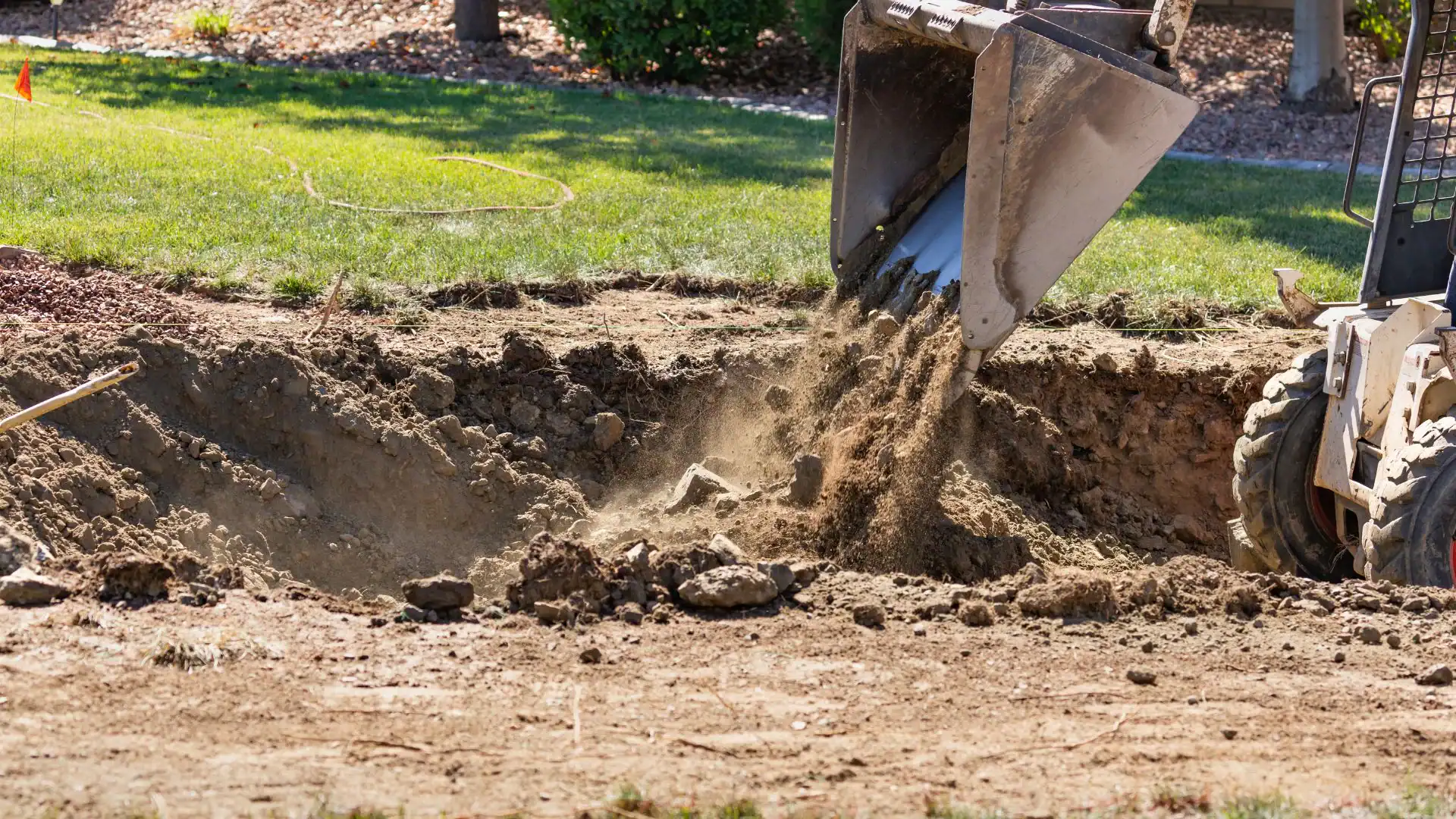
Dig and haul is included where required, because excavated material from a pool, foundation, or septic installation has nowhere to go on a typical Oakdale residential lot. We remove it. Erosion and sediment controls are in place throughout the job, which matters given the proximity of many Oakdale sites to the Connetquot River and Great South Bay. The Town of Islip and Suffolk County both have environmental standards for runoff from active excavation sites we work within those standards as a matter of course, not as an afterthought.
In most cases, yes. Because Oakdale falls within the Town of Islip, building permits for excavation-related work including foundation digs, retaining walls, and significant grading are processed through the Town of Islip Department of Planning and Development, Division of Building. The specific permit requirements depend on what you’re doing and where on your property, but the general rule is that anything structural or anything that meaningfully changes the site’s grade will require a permit before work begins.
Separately, if your project involves any sanitary system work a cesspool replacement or a new I/A OWTS installation the Suffolk County Department of Health Services also needs to be involved. That’s a county-level approval process that runs alongside the town permit, and it includes its own inspection requirements. Working with a contractor who understands both processes means your project doesn’t stall waiting on paperwork that should have been filed weeks earlier.
NY 811 is New York State’s underground utility notification service the law requires that anyone planning to dig must notify 811 before breaking ground so that underground gas, electric, water, telecommunications, and other utility lines can be marked. This applies to contractors and homeowners alike, and it’s not optional. The Town of Islip explicitly references NY 811 compliance in its building permit requirements.
The reason this matters for Oakdale specifically is that underground infrastructure in an established South Shore hamlet like this is dense and, in some areas, older. A strike on a gas or telecommunications line doesn’t just create a repair bill it can create liability for the property owner and significant delays for the entire project. Any excavation contractor who doesn’t proactively bring up NY 811 notification before pricing your job is a contractor worth being cautious about.
It affects it significantly, and it’s one of the most important things to understand before hiring an excavation contractor on the South Shore. Oakdale sits at roughly 10 feet above sea level on glacial and marine soils, with the Connetquot River floodplain running through the hamlet. Groundwater is close to the surface here closer than it is in the higher-elevation, inland communities of central or northern Long Island and that changes how excavation needs to be managed.
For a pool installation, we need to account for groundwater intrusion during the dig and ensure the site drains properly after excavation is complete. For foundation work, it affects the depth you can safely reach before water management becomes a factor. We assess these conditions during the site evaluation, not after the machine is already running. If you’re getting quotes from contractors who haven’t asked about your site’s proximity to the river or its flood zone status, that’s worth raising before you sign anything.
If you’re replacing a failed sanitary system or building new construction in Oakdale, yes it does. Suffolk County banned new cesspool installations effective July 1, 2019. Any new construction and any replacement of a failed system now requires an Innovative/Alternative Onsite Wastewater Treatment System, commonly called an I/A OWTS. These are advanced nitrogen-reducing systems designed to protect Long Island’s sole-source aquifer and reduce nitrogen loading into the Great South Bay.
From an excavation standpoint, these systems require careful site work that meets Suffolk County Department of Health Services standards. The shallow water table in Oakdale directly affects where and at what depth these systems can be installed it’s not a one-size-fits-all dig. The county also offers grants through the Suffolk County Septic Improvement Program to help offset replacement costs, so if you’re facing a mandatory system change, it’s worth checking your eligibility before the project begins. We can help you understand what the excavation scope will actually involve.
It depends on the scope, but for most residential projects a pool excavation, a foundation dig for an addition, or a septic system replacement the active excavation work itself typically runs between one and three days. Site preparation, including clearing and grading, can add time depending on the condition of the lot. What affects the overall timeline more than the digging itself is the permitting and notification process that has to happen before work begins.
In Oakdale, that means Town of Islip building permits, NY 811 notification with the standard response window for utility marking, and, where applicable, Suffolk County Department of Health Services involvement for sanitary work. Scheduling during late spring through early fall gives you the best conditions South Shore winters can bring ground saturation and nor’easter disruptions that complicate access to low-lying sites. If you’re planning a project for the coming season, earlier is better for locking in a start date, since excavation contractors on Long Island fill their schedules quickly once the weather turns.
Excavation is the digging removing material to a specified depth for a pool, foundation, trench, or sanitary system. Grading is what happens to the surrounding site after the excavation is complete shaping the terrain so that water drains away from structures rather than toward them. On a South Shore property in Oakdale, grading isn’t a finishing touch; it’s a functional necessity. Homes near the Connetquot River corridor or in low-lying areas near the bay deal with storm runoff, high groundwater, and occasional tidal influence. A site that isn’t graded correctly after excavation becomes a drainage problem that shows up every time it rains.
A complete excavation scope for a residential project in Oakdale should include the dig itself, spoil removal and haul-off (because there’s typically nowhere to leave excavated material on a residential lot), erosion and sediment controls during the work to meet Town of Islip and Suffolk County environmental standards, and final grading to achieve proper drainage. If a contractor’s quote doesn’t address spoil removal or post-excavation grading, ask specifically what’s included those omissions are where scope disputes and unexpected costs tend to originate.