Hear from Our Customers
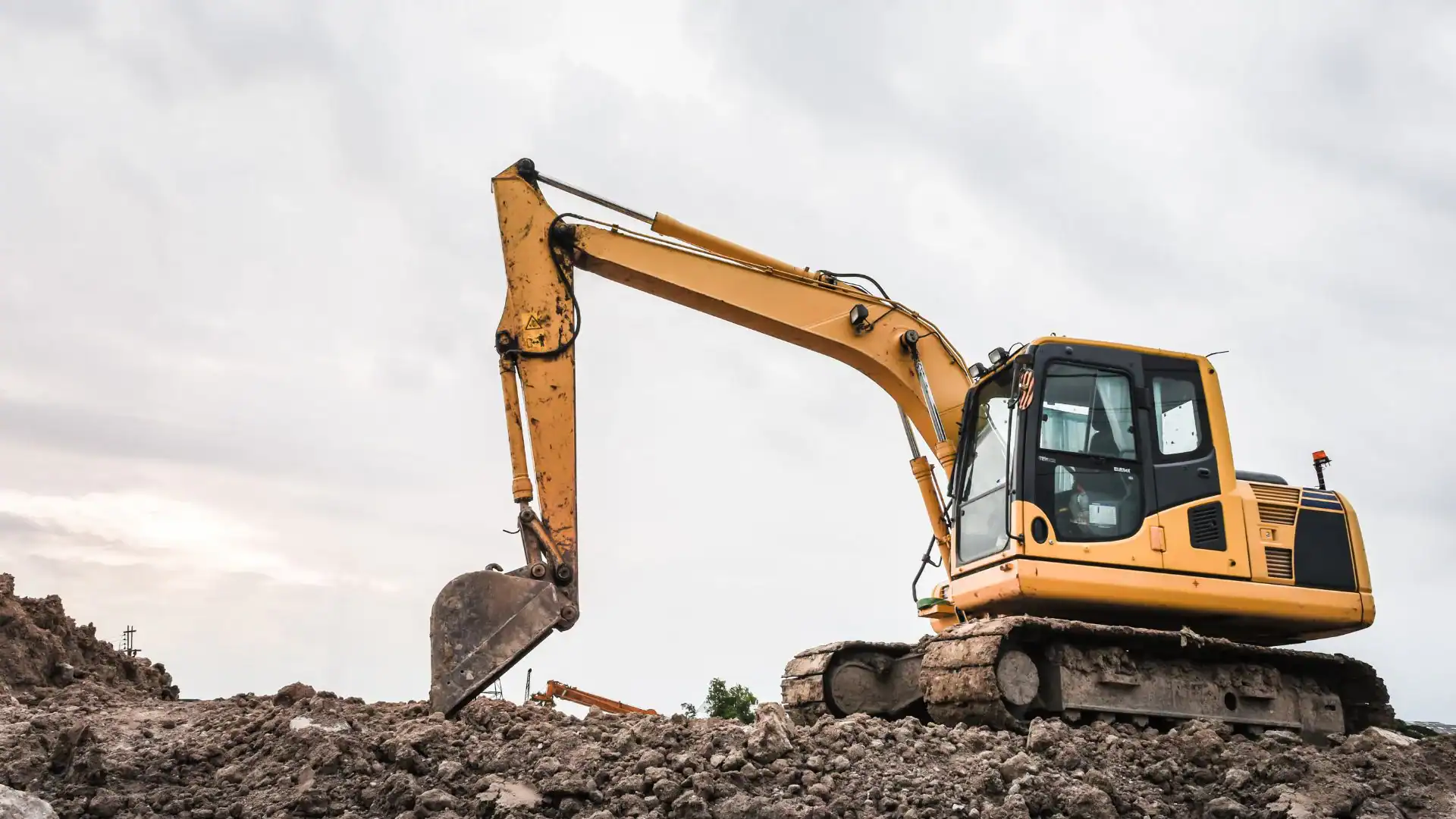
West Hills is not flat. The rolling terrain, the wooded lots, the natural grade changes they’re part of what makes this hamlet one of the most desirable places to live on Long Island. But that same character makes excavation here genuinely more demanding than what most contractors are set up to handle. When the ground drops ten feet across your backyard or a boulder shows up three feet down, the difference between the right contractor and the wrong one becomes very clear, very fast.
The glacial moraine soil under West Hills the same geological formation responsible for Jayne’s Hill sitting at 400 feet above sea level is a mix of compacted gravel, clay lenses, cobbles, and unpredictable rock deposits. Sandy-soil operators from the South Shore or East End are not prepared for it. We bring equipment sized for what’s actually in the ground here, and operators who have worked North Shore terrain enough times to read a site before the first pass.
That matters for your bottom line too. When a contractor hits unexpected rock and isn’t equipped for it, your project stalls and your quote evaporates. When we hit it and on a West Hills lot, we often do it’s already accounted for in how we planned the job.
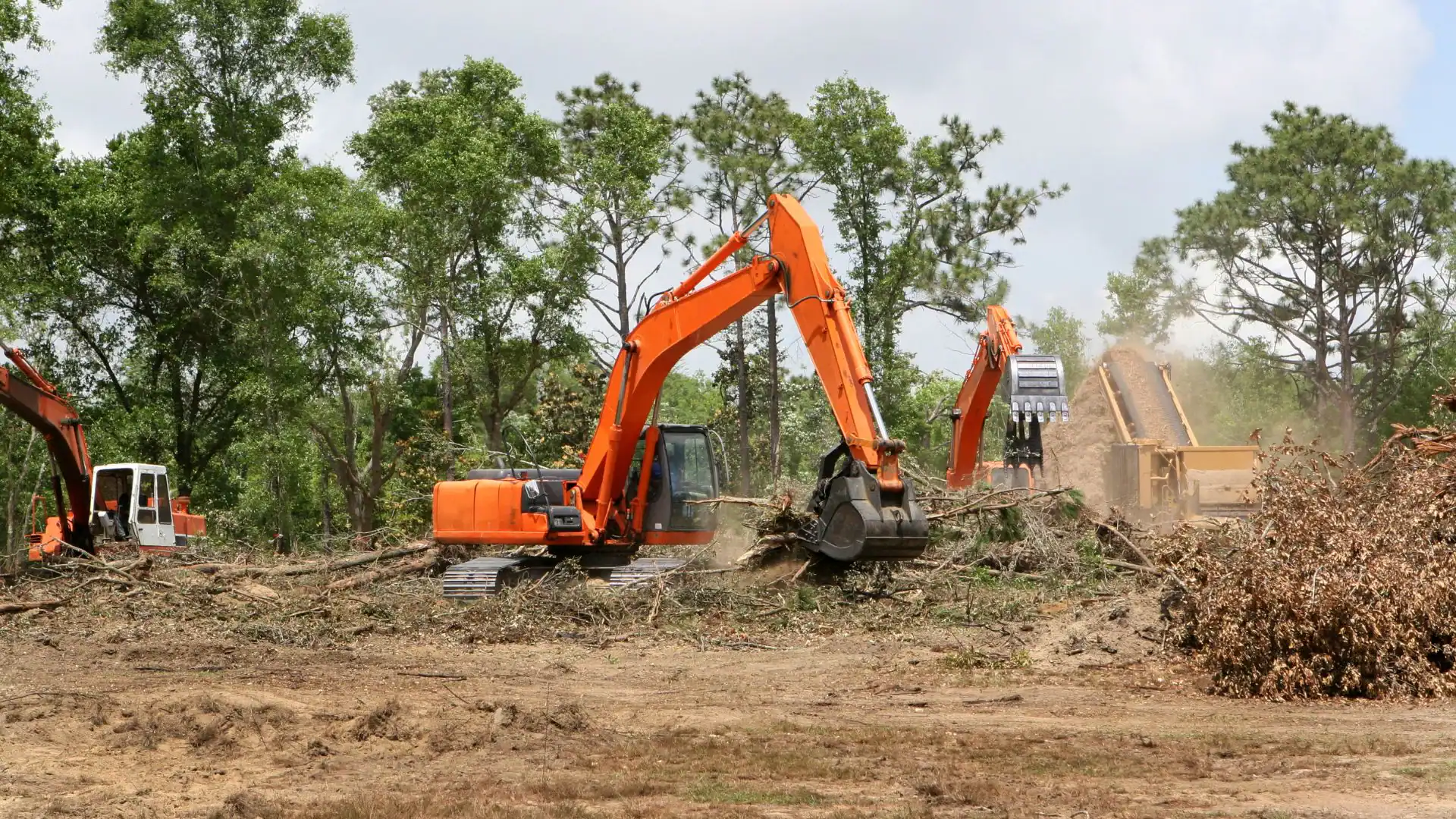
We’re a full-service excavation and land preparation contractor serving West Hills and the broader Huntington area. We handle residential and commercial earthworks land clearing, foundation excavation, cut and fill grading, drainage, pool digs, retaining wall excavation, and dig and haul services from a single point of accountability. No subcontracting the hard parts. No handing off your West Hills site to a crew that’s never been here before.
West Hills sits within the Town of Huntington, and we know that municipality’s grading and permit requirements the way a contractor should not because we looked it up, but because we’ve navigated that process for clients on properties just like yours. From the grading permit requirements under Chapter 87 to highway excavation approvals, we can tell you what your project needs before a shovel touches the ground.
If you’re on a wooded lot near West Hills County Park, or you’re rebuilding on one of the larger parcels off Old Walt Whitman Road, you want a team that’s already familiar with what those sites require. That’s what we bring.
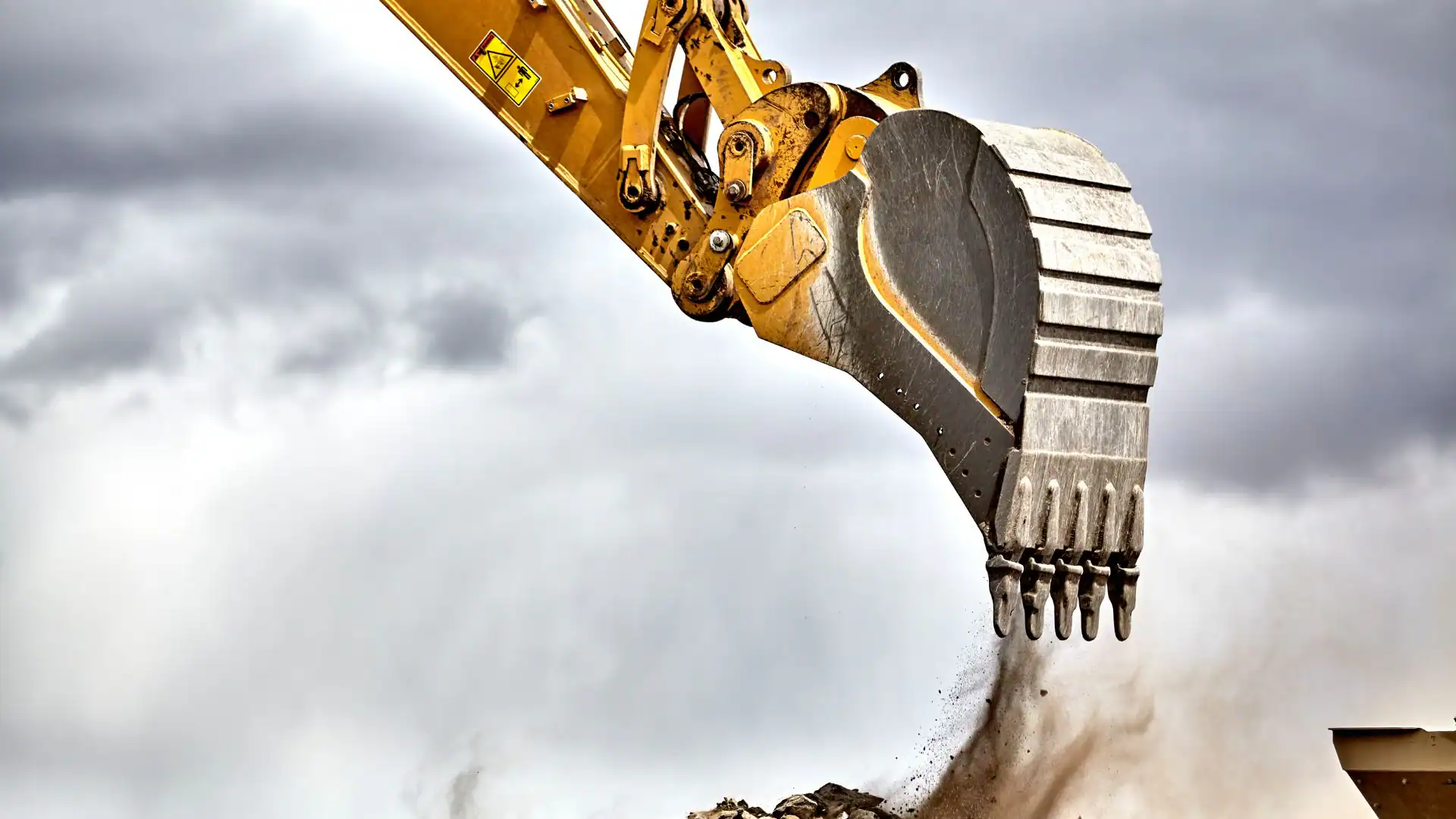
It starts with a site visit and a real conversation. We look at your lot the grade, the access, the soil indicators, the proximity to trees or structures and give you a written quote that reflects what’s actually there, not what we hope is there. On West Hills properties, that site assessment matters more than it does anywhere else on Long Island. The terrain and soil variability here make assumptions expensive.
Before any ground is broken, we handle 811 notification New York State’s call-before-you-dig requirement as a non-negotiable first step on every job. We also advise you on what Town of Huntington permits your project requires. If a grading permit is needed, we tell you upfront, not after you’ve already committed to a start date. That kind of sequencing keeps your project on schedule and keeps you out of stop-work territory.
Once we’re on site, the work follows a clear sequence: clearing and access prep, excavation to spec, spoil management and haul, and final grading to the agreed outcome. Spring bookings in West Hills fill quickly the seasonal surge from April through May is real, and clients who call early get the start dates they want. If you’re planning a project for the peak season, earlier is always better.
Ready to get started?
Residential excavation in West Hills covers more ground than it does in most Long Island communities literally. Large lots, significant elevation change, and moraine soil profiles mean that projects here often involve a combination of services rather than a single straightforward dig. We handle the full scope: land clearing, foundation excavation, pool excavation, retaining wall excavation, cut and fill grading, drainage installation, drywell excavation, and dig and haul services for spoil removal and site cleanup.
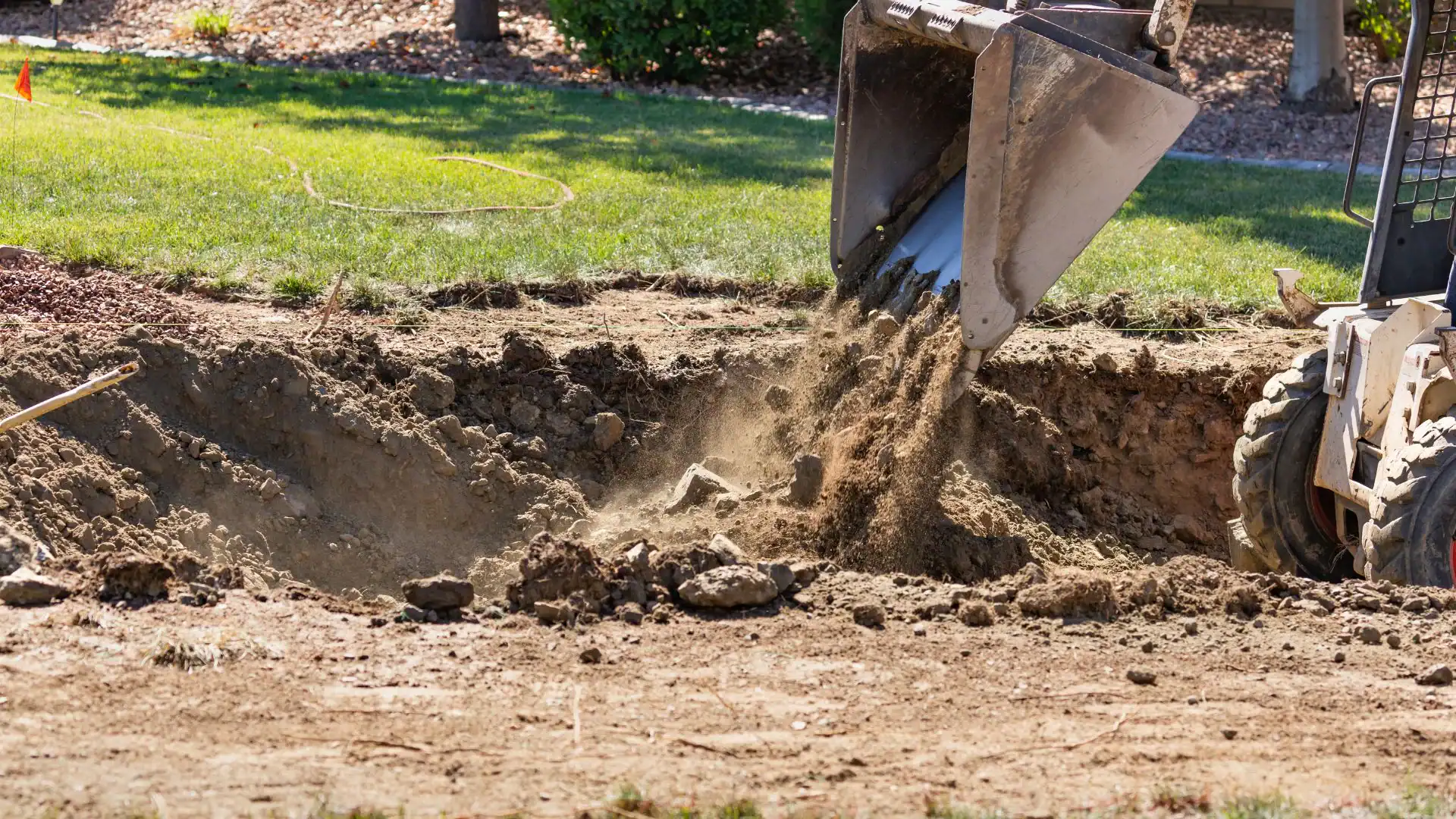
Pool excavation is one of the most requested services in this market, and it’s also one of the most frequently underestimated. On a West Hills lot, a pool dig can encounter boulders, clay layers, and compacted till that a standard mini-excavator simply cannot move. We bring the right equipment for what North Shore terrain actually produces, and we don’t reprice the job when the ground gets hard.
Drainage work is another consistent need here. The clay-bearing soils common across West Hills create perched water tables and drainage problems that don’t exist in sandy-soil communities. French drains, drywell installation, and corrective grading are all part of what we do and all of it is handled with the Town of Huntington’s grading and stormwater requirements in mind. You get a site that works, not just a site that looks finished.
In most cases, yes. West Hills falls within the Town of Huntington, and Huntington’s code requires a grading permit for any project that changes the contour or topography of land including excavation, fill operations, and hillside alterations. That covers a wider range of residential projects than most homeowners expect. A pool dig, a retaining wall, a driveway regrade any of these can trigger the requirement depending on the scope and slope involved.
The Town’s code also specifies that no grading permit can be issued where the final grade would exceed a one-on-three slope ratio, and projects involving significant material removal may require Planning Board review before a building permit is issued. If you’re planning work on a sloped West Hills lot, navigating that process in the right sequence matters. We walk our clients through what approvals are needed before anything is scheduled so your project doesn’t stall because of a permit that should have been filed two weeks earlier.
The terrain and the soil. West Hills sits on the Harbor Hill glacial moraine a geological formation that runs along the North Shore and is responsible for the rolling, elevated landscape that defines this part of Huntington. Jayne’s Hill in West Hills County Park reaches 400 feet above sea level, which is the highest natural point on Long Island. That kind of elevation doesn’t happen without significant topographic variation, and that variation shows up in every excavation project in the area.
The soil itself is the other major factor. Instead of the sandy, workable outwash soils you find on the South Shore or East End, moraine terrain in West Hills contains compacted gravel, clay lenses, cobbles, and boulders deposited by glaciers thousands of years ago. It’s harder, more variable, and more equipment-intensive than most contractors are prepared for. Operators who primarily work in flat, sandy-soil areas will encounter conditions on a West Hills lot that genuinely slow them down or stop them entirely without the right machinery.
There’s no honest flat answer to this because the variables on a West Hills property are real. Lot size, grade change, soil conditions, access constraints, spoil volume, and permit requirements all affect the final number. A straightforward dig on a flat, accessible lot with clean soil is a very different job from a cut-and-fill project on a sloped wooded lot with boulder encounters and a long haul route to the street. Both exist in West Hills, and they don’t cost the same.
What you should expect is that excavation in this area runs at a higher per-project cost than equivalent work in flatter, sandy-soil communities not because contractors are padding the number, but because the terrain, soil, and regulatory environment here genuinely require more. What you should insist on is a detailed written quote that explains what’s included, how subsurface conditions are handled, and what would trigger a legitimate change in scope. A quote that doesn’t address those things isn’t protecting you. We provide quotes that do.
This comes up on North Shore jobs more than anywhere else on Long Island, and it’s one of the most important questions to ask before you hire anyone. On a West Hills lot, encountering rock, cobbles, or compacted glacial till isn’t a surprise it’s a realistic expectation. The question is whether your contractor is equipped to handle it without stopping the job or rewriting the quote on the spot.
We size our equipment and our planning for what moraine terrain actually produces. When rock is encountered, we have the capability to break, remove, and haul it as part of the job not as a separate event that gets billed as an unforeseen condition. Our site assessments are designed to identify the indicators of difficult subsurface conditions before excavation starts, which lets us build a more accurate quote upfront. You won’t hear “we hit rock” as an explanation for a cost that doubled. We plan for what’s likely to be there, and we tell you that plainly before we start.
If you’re planning a project for spring or early summer which is when most West Hills homeowners want to start the time to call is well before that window opens. April and May bookings fill fast across the Huntington area, and contractors with strong local reputations are often committed weeks in advance by the time the ground thaws. Calling in February or March to secure a spring start is not early it’s on time.
From a site conditions standpoint, late spring through early fall is the most reliable window for excavation in West Hills. The ground is workable, access is manageable, and the weather is predictable enough to keep projects on schedule. Winter can freeze the upper soil layers and make excavation impractical, and early spring saturation particularly in clay-bearing moraine soils can make site access difficult without causing damage to surrounding landscaping. If you have a hard deadline, like a pool installation you want complete before summer, work backward from that date and call early. We’ll tell you honestly whether the timeline is achievable.
Yes, and handling both under one contractor is the right way to do it on a West Hills property. Dig and haul the removal and proper disposal of excavated material is not a secondary concern on large North Shore lots. West Hills properties often generate significant spoil volume, particularly on cut-and-fill projects or pool digs where moraine soil produces dense, heavy material that needs to be moved efficiently and disposed of correctly.
When excavation and haul are split between two contractors, coordination failures happen. Spoil sits longer than it should, equipment schedules conflict, and the property ends up bearing the cost of that disorganization in time, in landscaping damage, and sometimes in additional fees. We handle the full scope: excavation, spoil management, and site cleanup as part of a single, coordinated job. On a high-value West Hills property with premium landscaping and a long driveway, that matters. You want the site left clean, not left waiting for a second crew to show up.