Hear from Our Customers
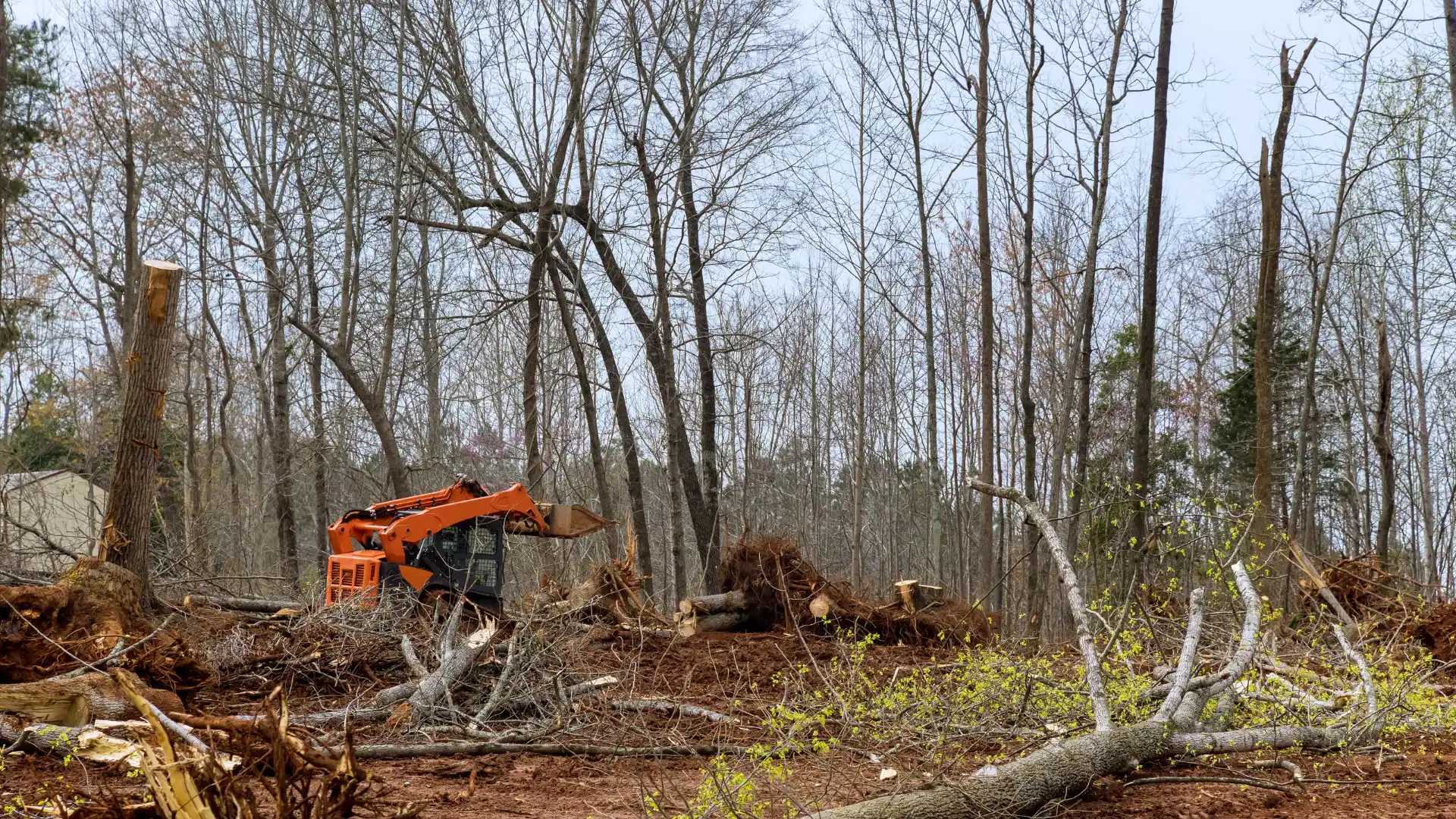
There’s a difference between a contractor who takes trees down and one who leaves you with a site you can actually build on, landscape, or hand off to the next phase of your project. That gap shows up fast when you’re managing a property in Dix Hills where lot sizes are generous, terrain is hilly, and the expectations for how the finished site looks are high.
Dix Hills sits on the Harbor Hill Moraine, which means sloped ground, uneven grades, and wooded backyard lots are the norm not the exception. Clearing on that kind of terrain requires more than a chainsaw and a chipper. It takes the right equipment, a team that knows how to work a grade, and enough experience to protect the trees and landscaping you want to keep while removing what you don’t.
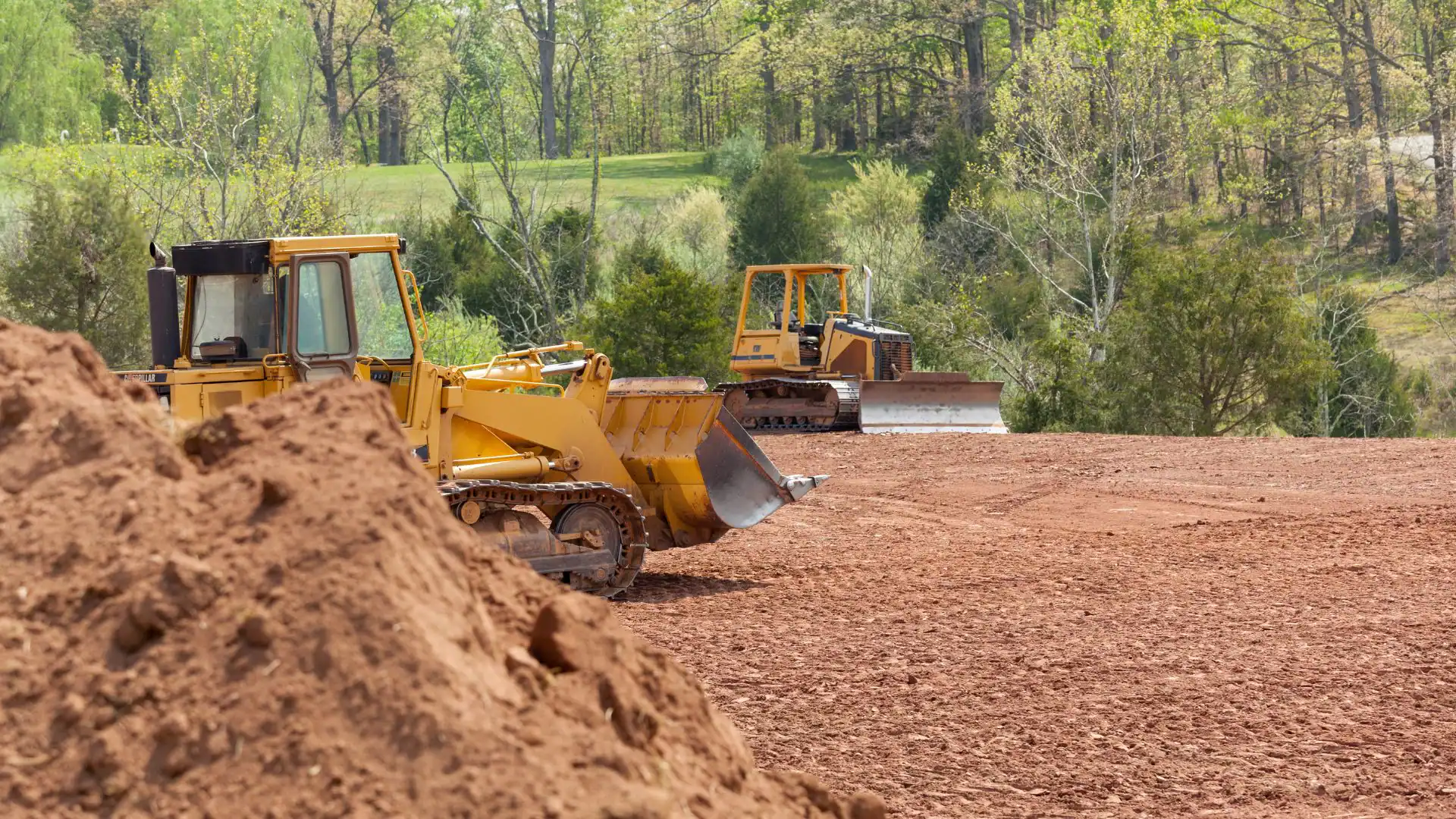
What you get at the end of one of our jobs isn’t a pile of debris pushed to your property line. It’s a clean, level site stumps ground below grade, material removed, and the ground ready for whatever comes next. For a Dix Hills property where the investment is real and the standards are high, that’s the only acceptable outcome.
We’re a land clearing and earthworks contractor serving Dix Hills and the broader Town of Huntington. The work here isn’t treated like a generic Long Island clearing job because it isn’t one. The terrain is different, the regulations are specific, and the properties carry real value that deserves a careful approach.
Every quote we provide starts with a site assessment. That means looking at the actual ground conditions, identifying what the Town of Huntington’s tree removal permit process requires for your specific scope, and flagging anything wetland buffers, invasive species, sloped terrain that affects how the job gets done. You get a clear picture of the work before anything starts.
From the wooded lots near Dix Hills Park to the larger estate properties off Half Hollow Road, the clearing work in this community has a character of its own. We know it, and that knowledge is built into how every job is scoped, quoted, and executed.
The first step is a site walkthrough. Before anything is quoted, the property gets assessed grades, vegetation density, proximity to wetland features, and any trees or landscaping you want preserved. In Dix Hills, that walkthrough also includes a permit review. The Town of Huntington requires permits for most clearing and tree removal work, and if your property falls within a hillside area under the Town Code, there are additional survey requirements that affect the application. We sort that out before the quote goes out not after work begins.
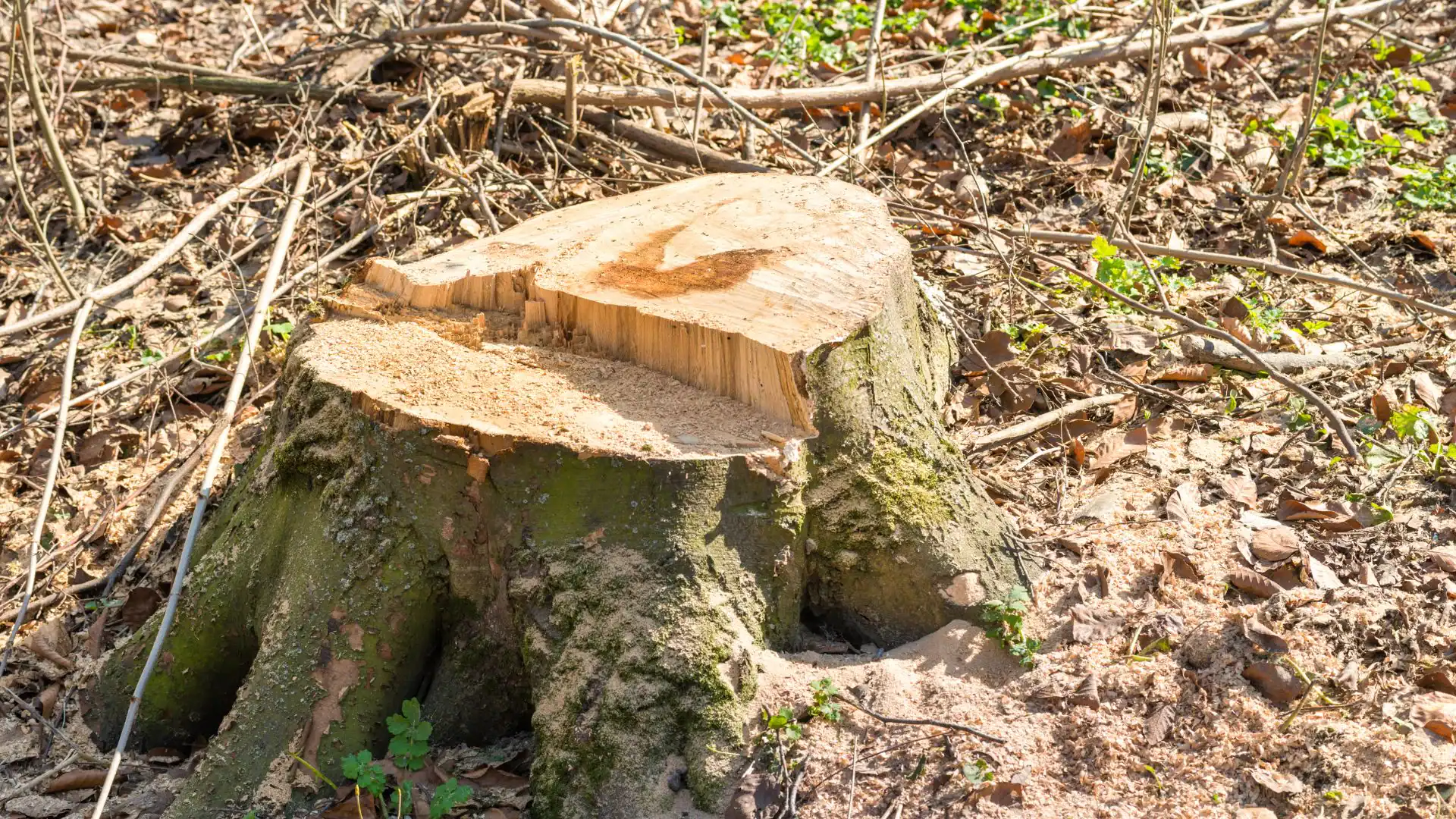
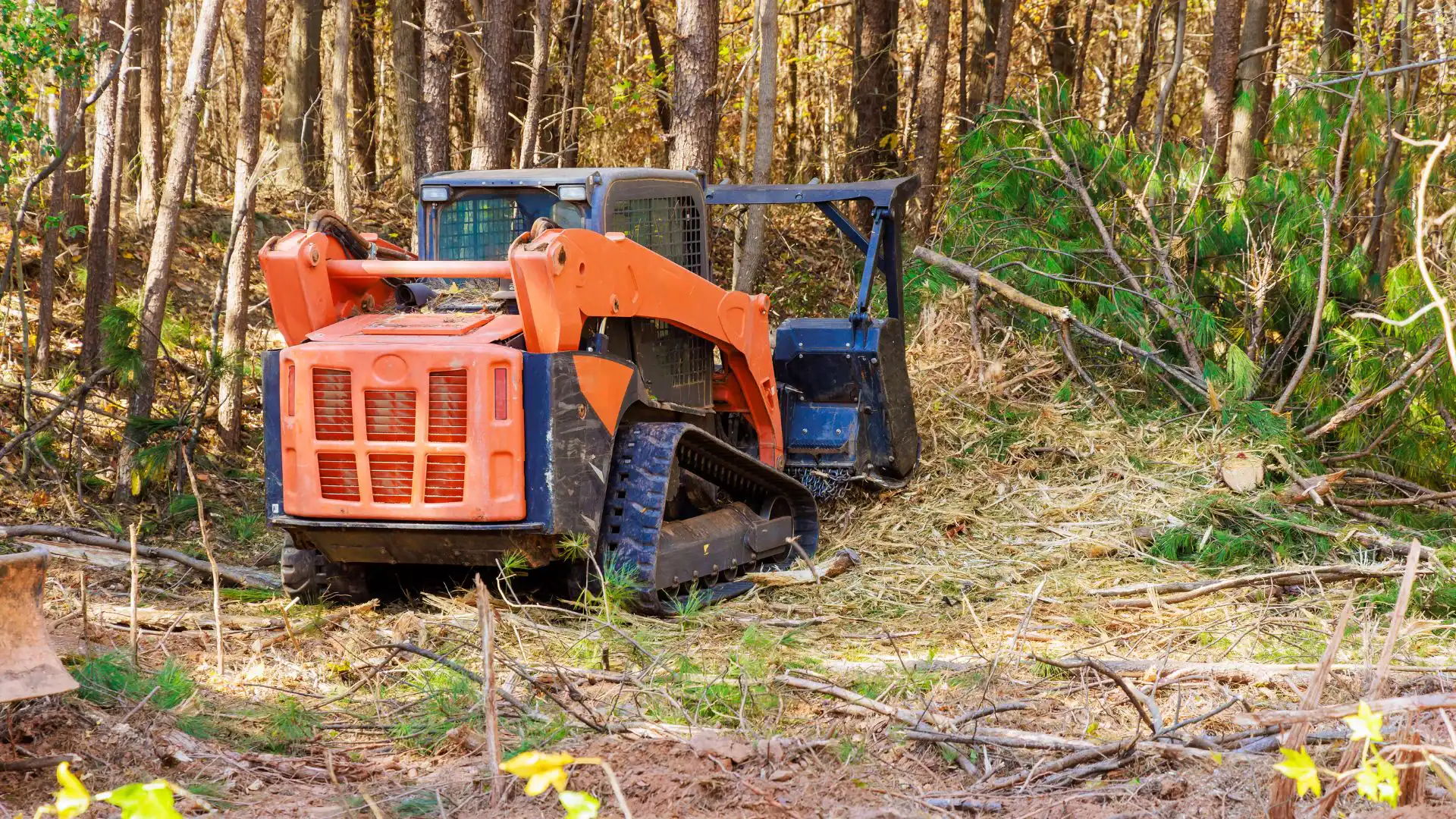
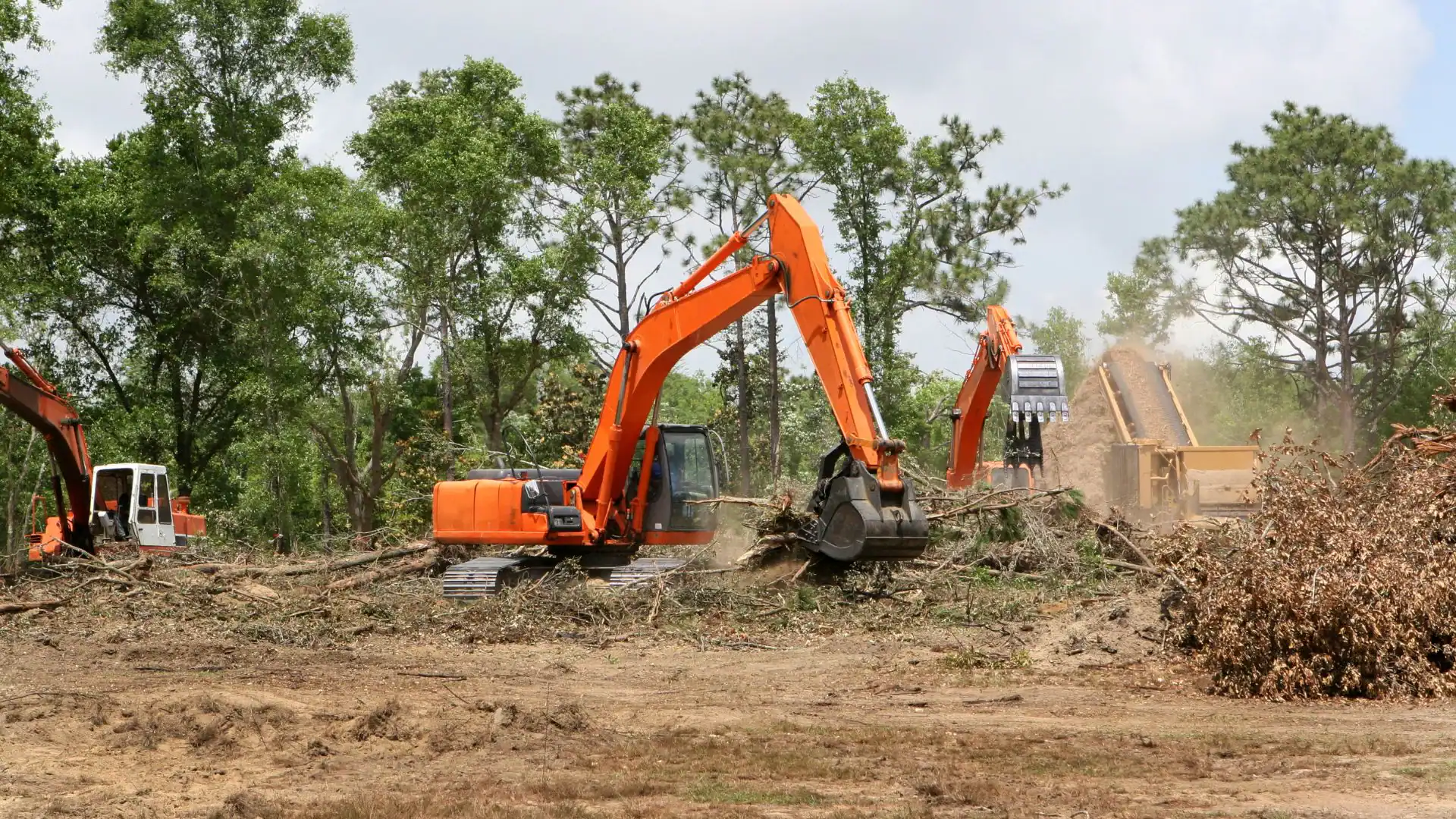
Once the scope is agreed and permits are in order, clearing begins with a defined sequence. Larger trees come down first, then understory vegetation and brush. Stump grinding follows below grade, not flush cut. Debris is processed on site and removed entirely, so you’re not left managing a pile of material after the crew leaves. If invasive species are present Japanese knotweed, Oriental bittersweet, multiflora rose are all common across Dix Hills and Suffolk County properties we handle those and dispose of them in compliance with New York State DEC regulations and Suffolk County’s invasive species law.
The final walkthrough confirms the site matches the agreed scope. Clean ground, no surprises on the invoice, and a site that’s ready for what comes next.
Ready to get started?
Land clearing in Dix Hills covers a range of scopes and what your job actually involves depends on the property. Some lots need full clearing ahead of new construction or a teardown-rebuild, where everything from canopy trees to root systems needs to come out cleanly. Others need selective clearing removing overgrown sections, invasive species infestations, or dense brush while leaving mature hardwoods and established landscaping intact. Both require a different approach, and we handle both as part of our land clearing services in Dix Hills, NY.
Overgrown property clearing is one of the more common scopes in this area. Dix Hills lots that have been left unmanaged for even a few seasons can develop dense infestations of regulated invasive species that require more than basic brush clearing to address properly. Suffolk County’s invasive species legislation among the first of its kind in New York State governs how these plants are removed and disposed of, and that compliance is built into every job we do, not treated as an optional add-on.
Stump grinding, debris removal, and site cleanup are included in the scope, not invoiced separately as surprises. If your project also requires grading or erosion control on Dix Hills’ sloped terrain, that gets scoped and quoted alongside the clearing work so you have one clear number before any equipment arrives on your property.
Yes, in most cases. Dix Hills falls under the jurisdiction of the Town of Huntington, which requires a tree removal permit for the clearing or removal of trees and woodland on most residential and commercial properties. The application goes through the Town’s Planning Department and typically requires a property survey as part of the submission. Permits are valid for one year from the date of issue, so all clearing work needs to be completed within that window.
One thing worth knowing upfront: if clearing begins before a permit is issued, the Town of Huntington triples the standard permit fee. That penalty falls on the property owner, not the contractor. It’s one of the more consequential details in the local regulatory process, and it’s exactly why every quote we provide includes a permit assessment before any work is scoped or scheduled. There are exemptions trees confirmed dead, dying, or hazardous by a qualified arborist typically don’t require a permit fee but those need to be documented properly before work starts.
It affects almost every part of the job. Dix Hills sits on the Harbor Hill Moraine a glacial ridge that runs across central Long Island which gives the hamlet its characteristic rolling topography and an average elevation around 200 feet above sea level. That’s a meaningful difference from the flat South Shore communities just a few miles south, and it changes what equipment is appropriate, how the clearing sequence is planned, and what erosion control measures need to be in place during and after the work.
On sloped lots in Dix Hills, there’s also a regulatory dimension. The Town of Huntington’s tree removal permit process includes specific provisions for hillside areas, which require a topographical survey with two-foot contours as part of the permit application. If your property or the area being cleared falls within a designated hillside zone, that survey requirement needs to be factored into the timeline before work begins. We identify this during the initial site assessment so it doesn’t become a delay after you’ve already committed to a schedule.
Several invasive species are widespread across Dix Hills and Suffolk County properties, and they do affect how clearing is handled. Japanese knotweed, Oriental bittersweet, multiflora rose, and autumn olive are among the most common in the Dix Hills area particularly on lots that have been unmanaged for a few seasons or that back onto wooded sections of the hamlet’s park system. These aren’t just aggressive growers that make clearing harder. They’re regulated under New York State DEC rules (6 NYCRR Part 575) and Suffolk County Local Law 22-2007, which govern how they’re removed and disposed of.
Suffolk County was one of the first counties in New York State to pass legislation restricting invasive plant species so the compliance requirements here are real and enforced. Improper disposal of regulated invasives, including transporting them off-site without following the correct protocols, can create legal exposure for the property owner. We identify regulated species during the site walkthrough and handle removal and disposal in compliance with both state and county requirements. If invasives are present on your Dix Hills property, that gets documented in the scope before any clearing begins.
Land clearing costs vary significantly depending on the size of the area being cleared, the density and type of vegetation, terrain conditions, and what’s included in the scope stump grinding, debris removal, and permit costs all factor in. On a typical residential lot in Dix Hills, clearing a moderately wooded section with stump grinding and full debris removal generally falls somewhere between $3,000 and $10,000 or more for larger or more complex scopes. Estate-sized properties or lots requiring full clearing ahead of new construction can run higher depending on what’s on the ground.
What matters more than a ballpark number is what’s actually included in the quote you receive. The most common complaint about land clearing contractors on Long Island is the gap between the initial quote and the final invoice usually because debris removal, stump grinding, or permit costs weren’t itemised upfront. We provide itemised quotes that separate each component of the scope, so you know exactly what the final number covers before any equipment arrives on your Dix Hills property.
Yes, and this is one of the more important things to check before clearing begins. Dix Hills contains freshwater wetlands and small stream corridors that drain into tributaries of the Nissequogue River. Properties near these features are subject to New York State DEC freshwater wetlands regulations, which typically require permits for any clearing or ground disturbance within 100 feet of a regulated wetland boundary. That buffer zone applies even if the wetland itself isn’t on your property it’s measured from the wetland edge, which can extend onto adjacent lots.
Starting clearing work within a regulated buffer without the appropriate NYSDEC permit can result in enforcement action, stop-work orders, and mandatory restoration at the property owner’s expense. The site assessment we conduct before every quote includes a review of whether the clearing scope falls near any regulated wetland or stream features. If it does, the permit requirements get factored into the project timeline and scope before any work is scheduled not flagged as a problem after equipment is already on site.
Spring and early summer tend to be the busiest periods for land clearing on Long Island homeowners who spent winter planning construction projects, lot preparation, or property renovations start executing as soon as the ground firms up. If your project has a hard start date tied to a building permit or construction schedule, booking earlier in the season gives you more control over timing and avoids the situation where every qualified contractor in Suffolk County is already committed through July.
That said, late fall and winter clearing has real advantages in Dix Hills specifically. Once the deciduous canopy drops, site visibility improves significantly it’s easier to assess the full scope of what’s on the ground, identify invasive species infestations that were hidden by summer growth, and work precisely around trees and landscaping you want to preserve. Dormant season clearing also reduces the risk of disturbing nesting birds and lowers the chance of spreading certain invasive species through seed dispersal. Ground conditions on Dix Hills’ hilly terrain can be a factor in deep winter, but for most residential scopes, fall through early spring is a practical and often preferable window to get the work done.