Hear from Our Customers
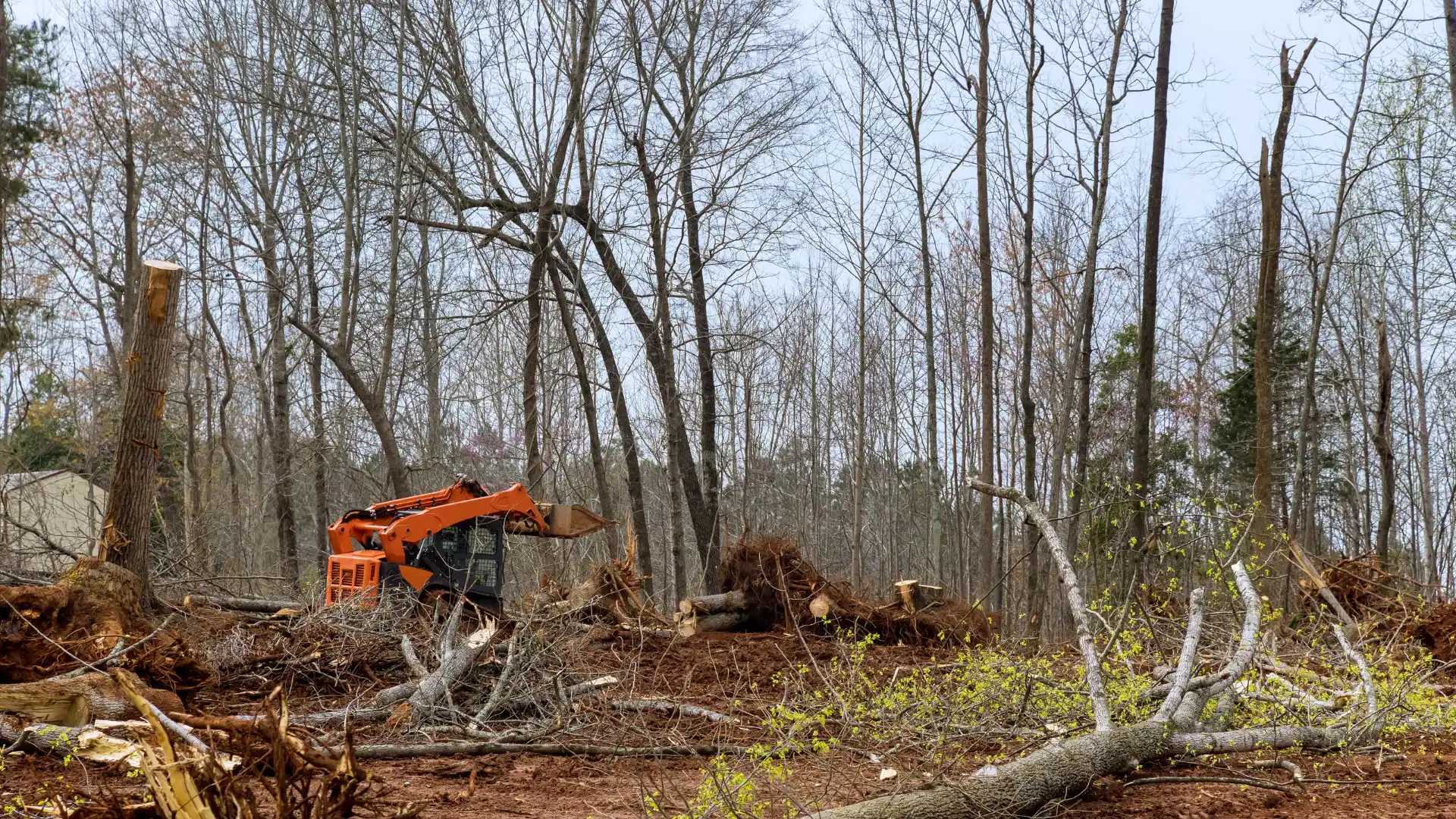
Most property owners in East Hampton North don’t find out about the Town’s clearing limits until something goes wrong. A stop-work notice. A revegetation order. A problem that surfaces right before closing. By the time it becomes a problem, it’s already a costly one. Getting ahead of it before any equipment rolls onto your lot is the entire difference between a smooth project and an expensive mess.
The properties around Springs, Northwest Harbor, and Three Mile Harbor aren’t like a typical Long Island lot. Many sit near protected water bodies, fall inside the Harbor Protection Overlay District, or sit within the sole-source aquifer recharge zone that supplies all drinking water on the South Fork. That means what you’re allowed to clear, and how, is more specific here than almost anywhere else on Long Island. A contractor who doesn’t know that isn’t just unhelpful they’re a liability.
What you get on the other side of a properly executed clearing job is straightforward: usable land, a clean site, and no regulatory surprises waiting for you down the road. Whether you’re preparing for construction, reclaiming an overgrown lot, or getting a property ready to sell, the goal is the same land that works for you, cleared the right way, the first time.
We’re a Long Island land clearing contractor that works across Suffolk County, including East Hampton North, Springs, Amagansett, and the surrounding South Fork. This isn’t a market we stumbled into. The vegetation here the native oak woodland, the maritime scrub, the invasive species spreading across neglected lots and the regulations that govern what you can do with it are something we’ve built real working knowledge around.
The Town of East Hampton enforces five separate codes that affect clearing work, plus a standalone Vegetation Protection Ordinance that’s been on the books since 1980. Accabonac Harbor and Three Mile Harbor bring Harbor Protection Overlay District requirements into the picture for a significant portion of properties in East Hampton North. We factor all of that in before we quote not after something goes wrong.
You get a contractor who shows up, does the work correctly, and leaves your site clean. No debris piles. No compliance gaps. No surprises.
It starts with a site assessment. Before any clearing happens, we look at your property against the Town of East Hampton’s clearing limits, check whether your lot falls inside the Harbor Protection Overlay District or the Water Recharge Overlay District, and identify any vegetation that’s protected under the Town’s codes. If a Natural Resources Special Permit or a vegetation compliance form submission is required, you’ll know that upfront not after we’ve already started cutting.
From there, we build a scope of work that reflects what’s actually on your lot. East Hampton North properties vary a lot some are modest residential parcels off Accabonac Road that have accumulated a decade of invasive growth, others are larger wooded lots being prepared for a new build or a major renovation. The approach is different depending on what’s there. Invasive species like Japanese knotweed, mugwort, Phragmites, and porcelain berry are common throughout the Springs and East Hampton North area, and the Town permits their removal without a clearing permit which is something we factor into the plan.
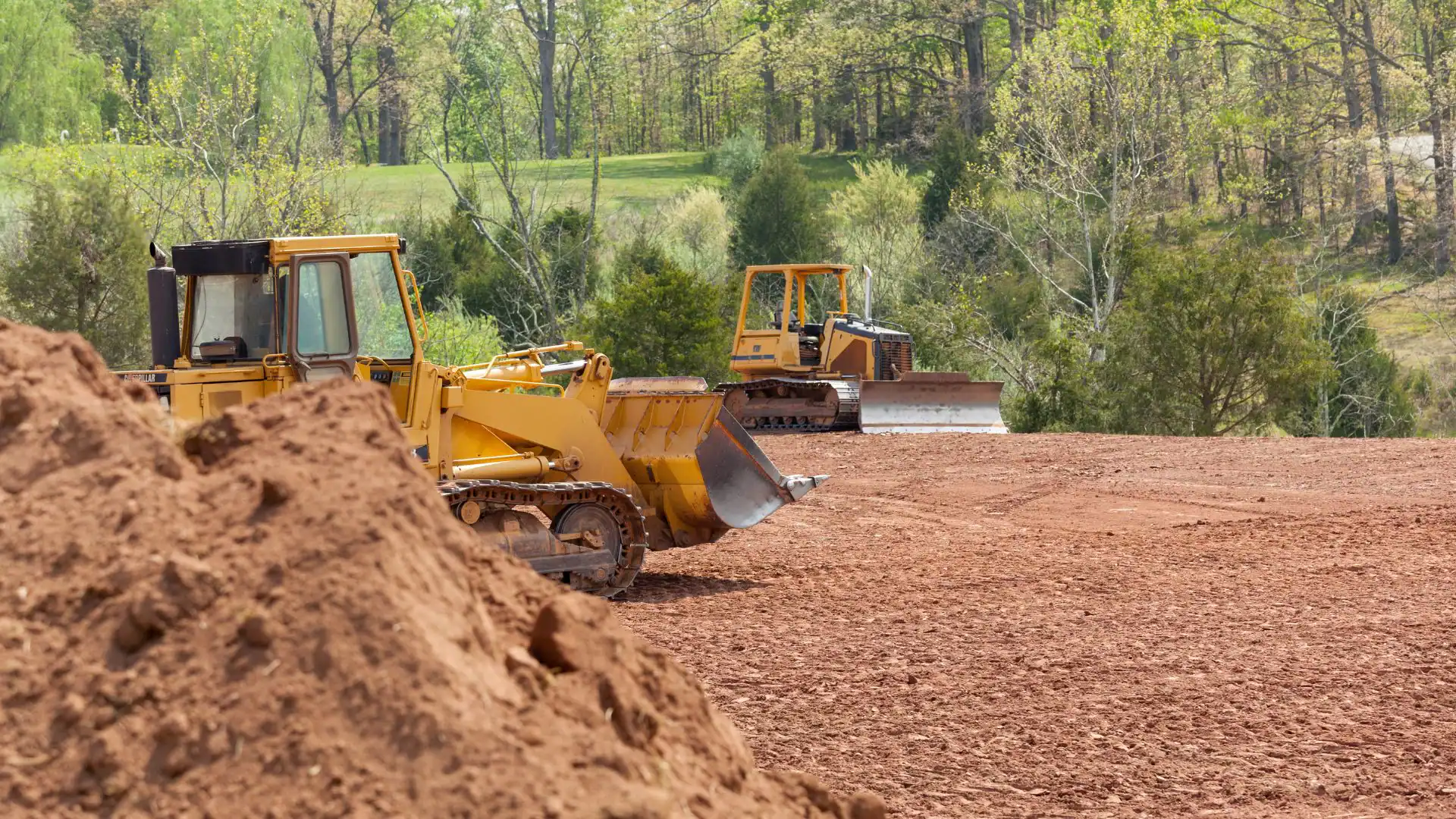
Once the scope is agreed and any required permits are in order, we execute the clearing, remove all debris from site, and leave the land clean, level, and ready for whatever comes next. If revegetation is required under your permit conditions, we’ll walk you through what that involves so there are no loose ends after we leave.
Ready to get started?
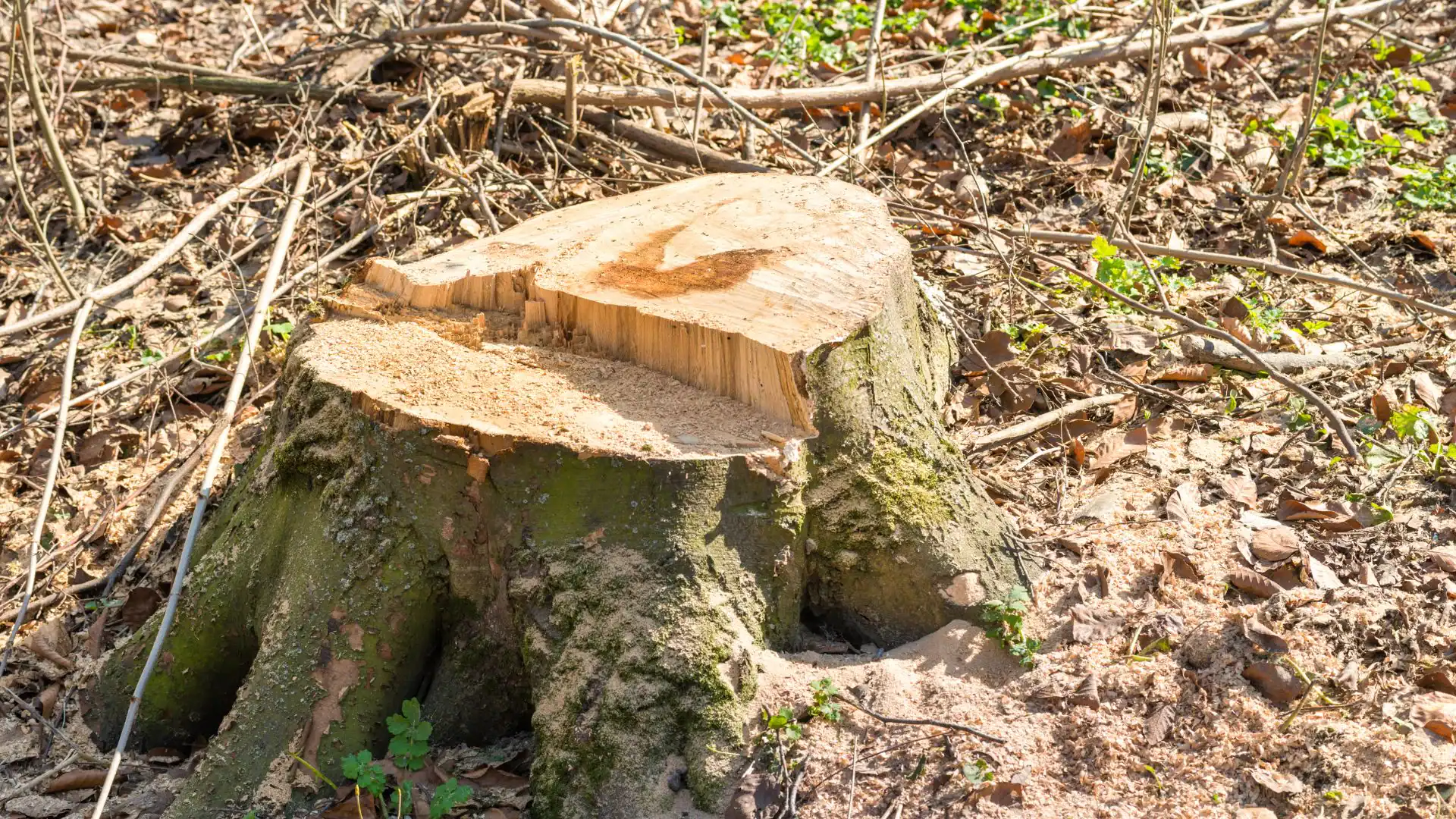
Land clearing in East Hampton North covers a wider range of work than most people expect when they first call. Depending on your property, the job might involve brush clearing, full lot clearing, invasive species removal, stump grinding, debris removal, or a combination of all of the above. What ties all of it together is that every scope of work is built around what the Town of East Hampton actually allows on your specific parcel not a generic approach that ignores the regulatory environment you’re in.
Overgrown property clearing is one of the most common requests we handle in this area. Lots in East Hampton North and Springs that have been left unmanaged for several seasons can become genuinely impassable dense stands of invasive shrubs, fallen trees, and accumulated scrub that make the land feel unusable. Land reclamation work like this is methodical: invasive species come out first, then native vegetation is assessed for protection status, then clearing proceeds within the permitted limits. It’s not a bulldoze-first situation, and it shouldn’t be.
For properties near Three Mile Harbor, Accabonac Harbor, or Northwest Harbor, we account for the additional setback and permit requirements that apply inside the Harbor Protection Overlay District. Every job in East Hampton North gets the same thing: a transparent, itemised quote, a clear plan, and a site left clean when the work is done.
It depends on what you’re clearing and how much of your lot is involved. The Town of East Hampton sets clearing limits based on lot size and those limits apply to all residential properties in the town outside of incorporated areas. If your proposed clearing stays within the permitted percentage for your lot’s zoning district, you may be able to proceed without a special permit. But if you’re over that threshold, you’ll need a Natural Resources Special Permit from the Town’s Natural Resources Department, which involves submitting a vegetation compliance form and, in many cases, a revegetation plan.
There’s also an important distinction when it comes to invasive species. The Town of East Hampton maintains a list of non-native invasive plants including mugwort, Japanese knotweed, Phragmites, and porcelain berry whose removal is permitted without a clearing permit. If your lot in East Hampton North is primarily overgrown with invasive species rather than native vegetation, that changes the picture significantly. Before any work starts on your property, we assess exactly what’s on your lot and what rules apply so you’re not guessing.
The Harbor Protection Overlay District is a zoning overlay that the Town of East Hampton applies to properties near its tidal water bodies including Three Mile Harbor, Accabonac Harbor, and Northwest Harbor, all of which border East Hampton North and Springs. If your property falls within this district, you face additional clearing restrictions and setback requirements on top of the standard residential district clearing limits. A lot that might be straightforward to clear elsewhere in Suffolk County can have a significantly more restricted clearing envelope here.
Many property owners in East Hampton North don’t know they’re inside this overlay district until they try to pull a permit or until a contractor starts work and triggers an enforcement issue. We check this as part of every site assessment for properties in the East Hampton area. If your lot is near any of the local harbors, we’ll tell you exactly what that means for your project before we quote it not after.
The honest answer is that it varies more here than in most parts of Long Island, and for specific reasons. Lot size, vegetation density, the presence of invasive species versus protected native growth, proximity to water bodies, and whether a permit is required all affect the final number. A modest residential lot in East Hampton North that’s primarily overgrown with invasive shrubs will cost considerably less to clear than a multi-acre wooded parcel being prepared for construction especially if that parcel requires a Natural Resources Special Permit and a revegetation plan.
What we can tell you is that every quote from us is itemised. You’ll see what you’re paying for clearing, stump removal, debris disposal, and any permit-related steps as separate line items not bundled into a single number that leaves you guessing. In a market like East Hampton, where getting clearing wrong can mean mandatory revegetation orders or complications at the time of sale, the cost of doing it incorrectly almost always exceeds any savings from going with the cheapest option. We’d rather give you a number you can trust upfront.
The Town of East Hampton maintains a list of non-native invasive species that property owners are permitted to remove and maintain without a clearing permit. In practice, the invasive plants most commonly found on East Hampton North and Springs residential lots include mugwort, Japanese knotweed, Phragmites (the invasive common reed), porcelain berry, Oriental bittersweet, multiflora rose, and autumn olive. These species are widespread across the area particularly on lots near Accabonac Road, along wetland margins near Accabonac Harbor, and on properties that have been left unmanaged for multiple seasons.
The key is correct identification. Removing a plant you believe is invasive when it’s actually a native species protected under the Town’s Vegetation Protection Ordinance is a compliance problem, not a solution. Part of what we do during site assessment is identify what’s actually on your property invasive versus native so the clearing plan is built around what’s genuinely permitted. If your lot is heavily infested with invasive species, that’s often good news from a permitting standpoint, but it needs to be documented correctly.
This is one of the most common land use issues that comes up in Hamptons real estate transactions, and it’s worth understanding before it becomes your problem. If a property in East Hampton North has been cleared beyond the percentage permitted under the Town’s zoning code, the Town’s Natural Resources Department can require the owner to submit a revegetation plan and replant the over-cleared area with approved indigenous species at specified densities. This isn’t a minor inconvenience revegetation orders can delay property sales, add significant cost, and require ongoing maintenance until the replanted vegetation establishes itself.
If you’ve recently purchased a property or are preparing one for sale and you’re not sure whether existing clearing is compliant, that’s worth finding out before you do anything else. A vegetation compliance review looking at what’s been cleared against what’s permitted for your lot size and district can tell you where you stand. We can assess the current state of your property and help you understand your options, whether that’s proceeding with additional clearing within the permitted envelope or addressing an existing over-clearing issue before it surfaces at the wrong moment.
Late spring and early fall are the most practical windows for land clearing in East Hampton North, and there are a few reasons specific to this area. If you’re clearing land in preparation for a construction project a new build, a pool, a major renovation you’ll want the site cleared before your builder’s schedule kicks in, which typically means booking in April or May for a summer construction start. Contractors and equipment are in high demand across the East End once the summer season hits, and scheduling certainty becomes much harder to come by between June and August.
Fall clearing September through November works well for properties being prepared for sale in the spring market, or for construction projects starting the following year. Long Island’s climate doesn’t make outdoor clearing work impossible in winter, but demand is lower and scheduling is more flexible, which can work in your favour if your timeline allows it. One thing worth noting for East Hampton North specifically: if your property is near Accabonac Harbor or Three Mile Harbor, seasonal conditions near the water can affect site access and erosion risk, so timing the work thoughtfully around wet periods matters more here than it would on an inland lot.