Hear from Our Customers
Most Hampton Bays property owners don’t realize how much is sitting underneath years of unchecked growth. Bamboo rhizomes running fifteen feet underground. Japanese knotweed pushing through the sandy soil near the canal. Phragmites choking out the wetland edge of a bayside lot. Surface cutting doesn’t solve any of that and a contractor who doesn’t know the difference between a protected native shrub and an invasive species can leave you worse off than when they started.
When the job is done right, you’re not just looking at cleared land. You’re looking at a lot that’s ready for what comes next a build, a pool, a clean yard, or simply property you can actually use. For seasonal owners who arrive Memorial Day weekend expecting a usable outdoor space, that outcome isn’t optional. It’s the whole point.
Hampton Bays sits within Southampton Town’s jurisdiction, which means clearing work here carries real regulatory weight. Properties near Shinnecock Bay, the canal, or the barrier island face wetland setbacks, coastal soil conditions, and aquifer protection rules that most contractors either don’t know about or don’t bother to check. Getting those details right before the first machine moves is what separates a clean job from an enforcement notice.
We work across the East End, and Hampton Bays is one of the most distinct clearing environments we operate in. The terrain shifts from the elevated ground near Shinnecock Hills down to flat, water-adjacent lots along the canal and the bay. Every site has its own conditions and we assess each one before we quote it.
Southampton Town’s vegetation protection rules under Chapter 308 of the Town Code aren’t something we learned about after a job went sideways. We check clearing scope against current regulations, identify what’s protected, flag what needs a permit, and give you a clear picture before work begins. That’s not extra that’s how this should work.
We carry full liability insurance and hold the required Suffolk County licensing for this type of work. If you’re a year-round Hampton Bays resident, a seasonal property owner managing a job from the city, or a developer with a timeline to hit, you’ll know exactly what you’re getting before we start.
It starts with a site assessment. We come out to your Hampton Bays property, walk the lot, and look at what’s actually there not just the surface growth, but the root systems, the proximity to wetland buffers, the soil conditions, and the access points. If you’re on a canal-adjacent parcel near Canoe Place or a bayside lot off Tiana, that assessment looks different than it does for an inland lot off Good Ground Road. We treat it that way.
From there, you get a written, itemised quote. Every line item is broken out clearing scope, stump removal, debris disposal, any invasive species handling that requires specific treatment under NYS DEC guidelines. You know what you’re paying for before anything moves. No surprises at invoice time.
Once work begins, we clear in the right sequence. Invasive species like bamboo and knotweed are addressed at the root, not just cut back. Debris is removed from site not left in piles for you to deal with. If your job sits within Southampton Town’s proposed clearing permit threshold, we walk you through that process before we start. The goal is a site that’s clean, compliant, and ready for whatever comes next and a job that doesn’t come back to haunt you with a town notice six weeks later.
Ready to get started?
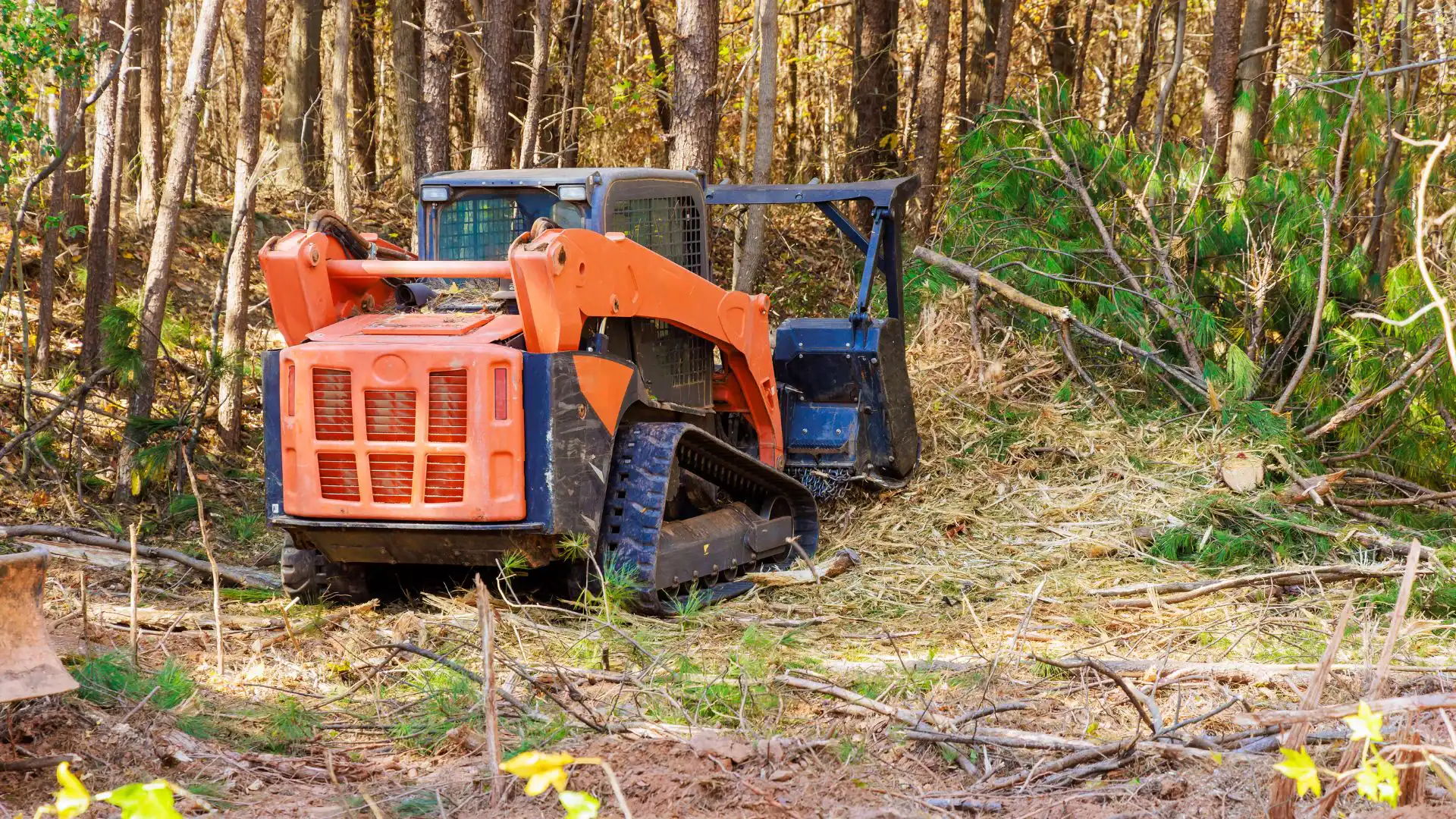
Land clearing in Hampton Bays covers more ground than most people expect when they first call. It’s not just trees and brush. It’s bamboo stands with root systems that have been spreading for a decade. It’s Phragmites along a wetland margin that needs to be handled in compliance with DEC guidelines. It’s an overgrown lot that hasn’t been touched since the house was built in 1975 and needs full land reclamation before it’s usable. We handle all of it under one scope.
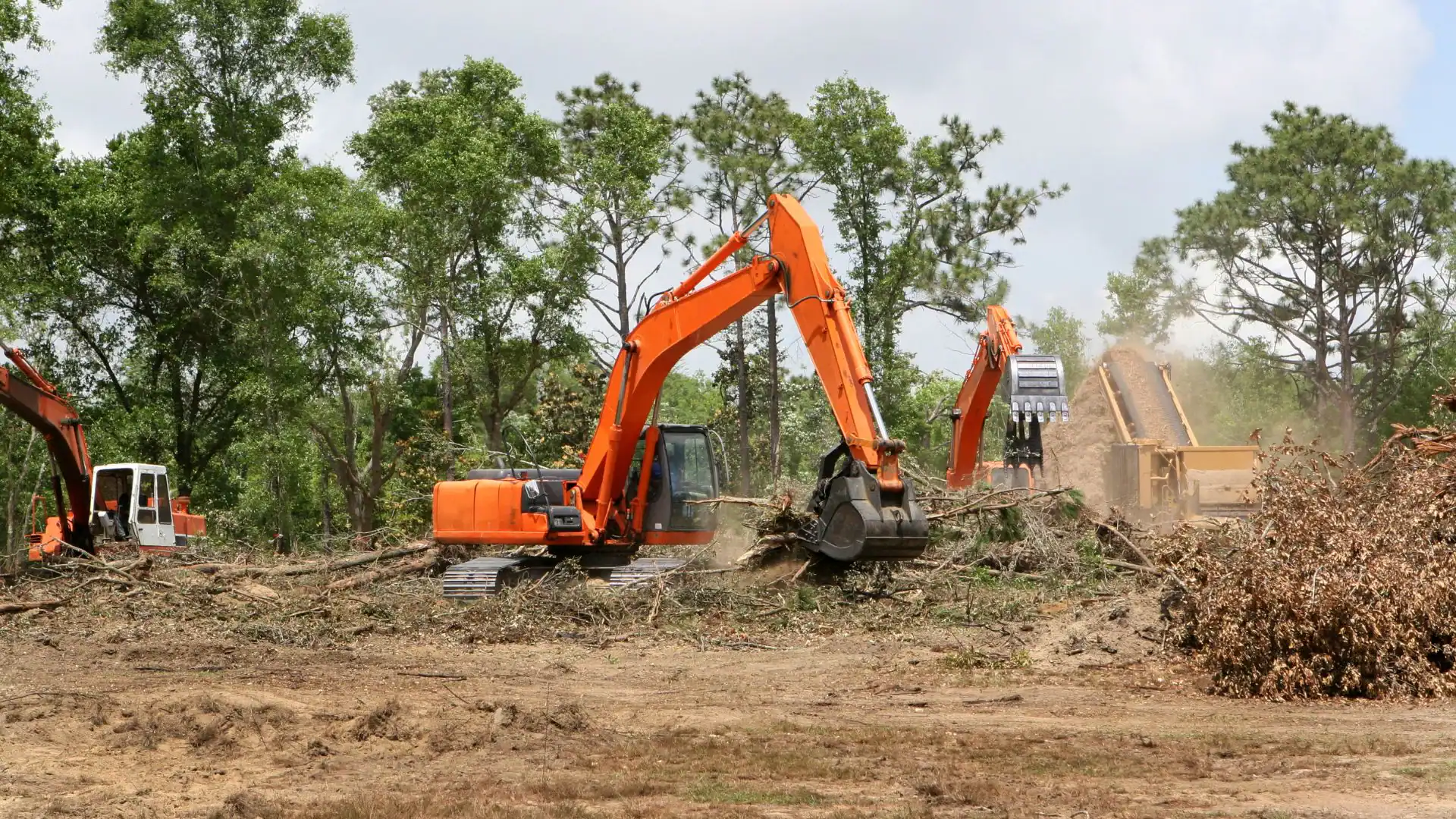
The services we provide in Hampton Bays include land clearing, brush clearing, lot clearing, vegetation removal, land reclamation, and overgrown property clearing. Whether you’re preparing a vacant lot for a new build, clearing a neglected property you recently purchased, or dealing with invasive species that have taken over a waterfront parcel, the process is the same thorough assessment, honest quote, compliant execution, clean finish.
One thing worth knowing: Southampton Town is actively developing new clearing permit requirements that would require approval for any clearing or regrading over 800 square feet on residential properties. If your job falls into that range, we’ll tell you upfront and help you understand what that means for your timeline. That’s information you need before you book not after the equipment is already on site.
It depends on the scope of the work and where your property sits within Southampton Town’s regulatory framework. Currently, Southampton Town’s Chapter 308 Vegetation Protection ordinance makes it unlawful to remove or damage vegetation without proper authorisation in certain circumstances and the town is actively developing new clearing permit requirements that would mandate approval for any clearing or regrading exceeding 800 square feet on residential properties.
If your lot is near Shinnecock Bay, the Shinnecock Canal, or any tidal or freshwater wetland, additional layers apply including the town’s wetlands regulations under Chapter 325 and potentially NYS DEC jurisdiction. Properties within the Aquifer Protection Overlay District also face specific clearing restrictions. Before any work begins on your Hampton Bays property, we assess your lot against the current regulatory framework and tell you exactly what requires a permit and what doesn’t. That conversation happens before we quote not after we’ve already started cutting.
The three we see most consistently on Hampton Bays and East End properties are Japanese bamboo, Japanese knotweed, and common reed (Phragmites australis). All three are aggressive, all three are problematic near waterways, and none of them respond well to surface-only cutting. Bamboo rhizomes can spread fifteen feet laterally underground cut the canes and the root system keeps pushing. Knotweed regrows from root fragments as small as a thumbnail. Phragmites crowds out native vegetation along wetland margins and can establish rapidly on the sandy, moisture-retaining soils common throughout Hampton Bays.
Correct removal involves addressing the root system, not just the visible growth. New York State prohibits two bamboo species under DEC regulations, and disposal of invasive plant material has to be handled in a way that prevents further spread. We identify the species, remove them properly, and dispose of the material in compliance with NYS DEC requirements. If you’ve had someone cut bamboo or knotweed on your property before and watched it come back within a season, this is why.
There’s no honest flat rate for land clearing in Hampton Bays because the variables are too significant. Lot size, density of growth, species present, proximity to wetlands or the canal, access conditions, and debris volume all affect the final number. A quarter-acre inland lot with overgrown scrub and a few mature trees is a very different job from a half-acre waterfront parcel covered in bamboo and Phragmites with wetland buffer setbacks to work around.
What we can tell you is that every quote from us is itemised clearing scope, stump removal, debris disposal, and any invasive species handling are broken out separately so you know exactly what you’re paying for. The most common complaint about clearing contractors on the East End is quote blowouts: a low number up front that becomes a much higher invoice at the end. We don’t operate that way. You get the full picture before any work begins, and the invoice reflects the quote.
Yes but waterfront and canal-adjacent clearing in Hampton Bays requires a different level of care than inland work. Properties near the Shinnecock Canal, Shinnecock Bay, Peconic Bay, or the barrier island face tidal influence, high water tables, and sandy coastal soils that can destabilise quickly if clearing is done without attention to erosion risk. Southampton Town’s wetlands regulations under Chapter 325 set significant setback distances from wetland boundaries, and any clearing near those boundaries requires Conservation Department review.
Beyond the regulatory side, the practical conditions matter. Coastal soils in Hampton Bays behave differently from the clay-heavy soils you’d find further inland in Suffolk County heavy equipment can cause real ground damage during wet periods, and the wrong approach on a waterfront lot can affect neighbouring properties and the bay itself. We assess every waterfront job individually, identify the applicable setbacks and buffer zones, and work within them. If a job requires DEC consultation before we start, we’ll tell you that upfront rather than proceed and leave you exposed.
Fall through early spring roughly October through April is the optimal clearing window for most Hampton Bays properties. Vegetation is dormant, which makes clearing more efficient and significantly reduces the risk of spreading invasive species seeds across the site. Ground conditions in Hampton Bays tend to be firmer during the cooler months, which matters for equipment access on the sandy coastal soils common throughout the hamlet. And working in the off-season means less disruption to neighbours and easier site access before the summer population returns.
For seasonal property owners, the practical deadline is Memorial Day weekend. If you want a cleared, usable property for the summer season, you need to be booking in the fall or winter not April. Spring slots fill quickly because the demand is concentrated. If you’ve purchased a Hampton Bays property recently and haven’t started the clearing conversation yet, the sooner you reach out, the better your chances of hitting that summer deadline.
Land clearing typically refers to removing vegetation from a site to prepare it for a specific next step a build, a pool installation, a clean yard. Land reclamation goes further. It’s the systematic restoration of a property that has been neglected or left unmanaged for years, sometimes decades, to a functional and usable state. Given that Hampton Bays has a median housing construction year of 1975 and a significant number of homes built before 1980, land reclamation is one of the most common jobs we do here.
On a reclamation job, we’re not just clearing brush we’re working through layered overgrowth, addressing invasive species at the root, removing debris that has accumulated over years, and leaving the property in a condition you can actually maintain going forward. If you’ve purchased an older Hampton Bays property that’s been sitting neglected, or inherited a lot that hasn’t been touched since the 1990s, that’s a reclamation job. The scope is larger, the process takes longer, and it requires a contractor who can assess the full picture accurately not just quote the surface and figure out the rest once we’re on site.