Hear from Our Customers
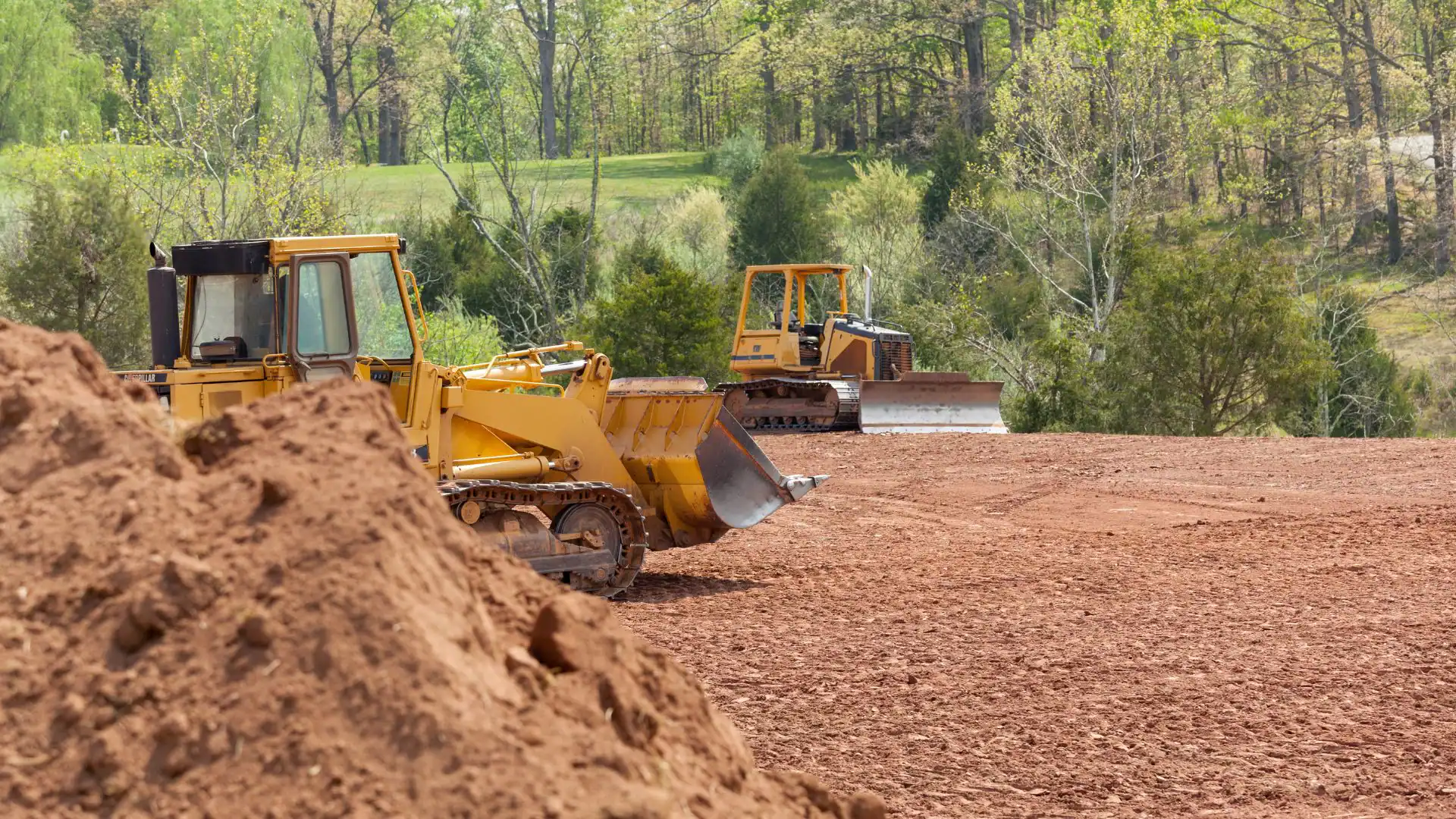
When the work is done right, you don’t just get a cleaner lot. You get a site that’s usable, compliant, and ready for whatever comes next whether that’s a renovation, a new build, or finally listing a property you’ve been sitting on for years. That’s what land clearing services in Oakdale should deliver.
A lot of Oakdale properties come with decades of growth that nobody planned for. Post-war homes built in the 1960s and 70s have had 50-plus years for vegetation to take over fence lines, crowd out bulkheads, and push into areas that were never meant to go wild. On the canal streets and Connetquot River frontages, that problem compounds fast Phragmites can overtake a waterfront margin in a single growing season if it’s not dealt with properly. Brush clearing that only cuts the surface doesn’t solve anything. The root system regrows, and you’re back to square one by next summer.
What changes after a proper clearing job is the property itself. You can see the boundaries again. You can access the lot without fighting through scrub. And if you’re near the water, you’re not staring at a wall of invasive reeds anymore. The difference between a surface cut and a real clearing job is the difference between a temporary fix and a property that actually functions the way it should.
Gold Coast Landworks is a dedicated land clearing and earthworks contractor serving Oakdale and the broader South Shore of Long Island. We’re not a tree service that added clearing as a side offering. We’re not a multi-county aggregator dispatching whoever’s available. We’re a focused operation built specifically around land clearing, brush clearing, lot clearing, vegetation removal, and land reclamation from first cut to clean site.
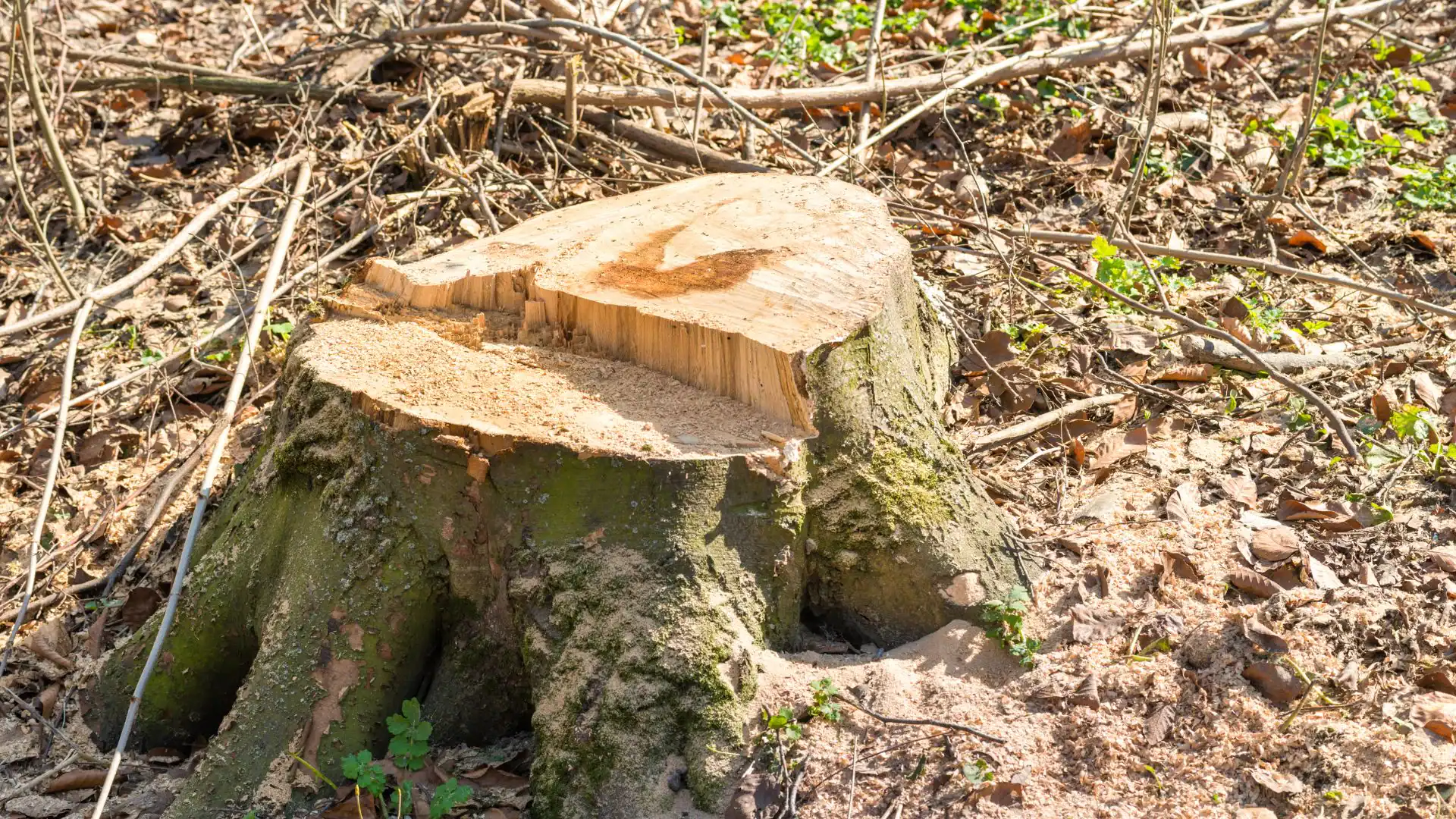
What that means for you is that one crew handles everything. Clearing, stump grinding, debris removal, site cleanup it’s all under the same quote and the same set of hands. For Oakdale homeowners dealing with waterfront lots, tidal margins, and properties that back up against the Connetquot River State Park Preserve, that matters. You need a contractor who knows this terrain, understands the Town of Islip permit process, and doesn’t disappear after the first day.
We work in communities where reputation travels fast and neighbours notice everything. Oakdale is exactly that kind of community and that’s the standard every job is held to.
It starts with a site assessment. Before any equipment moves, we look at the property properly lot boundaries, vegetation type, access points, and proximity to any mapped wetlands or watercourses. In Oakdale, that last part matters more than in most towns. A significant number of properties here sit near the Grand Canal, the Connetquot River, or the Pickman-Remmer Wetlands 87 acres of NYSDEC-owned tidal wetlands adjoining the Oakdale waterfront. If your property falls within a regulated area, that gets identified before work begins, not after.
From there, the scope gets defined and quoted. Every line item is spelled out clearing area, stump removal if needed, debris disposal, and any permit-related steps. The Town of Islip requires a formal Land Clearing Permit for most clearing work, including a survey or scaled drawing identifying trees over 10 inches in diameter. If that applies to your job, it gets factored in upfront so there are no surprises mid-project.
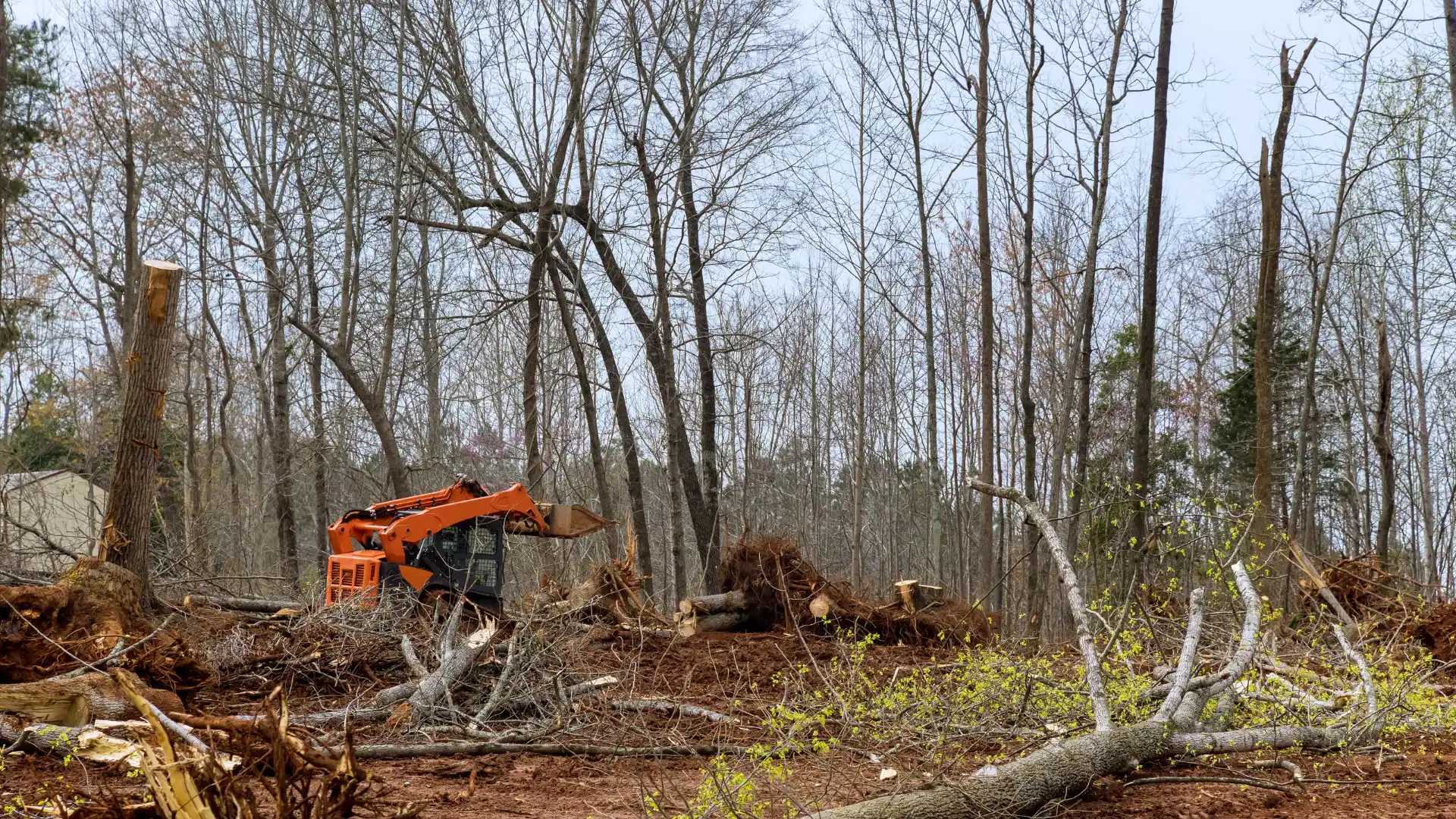
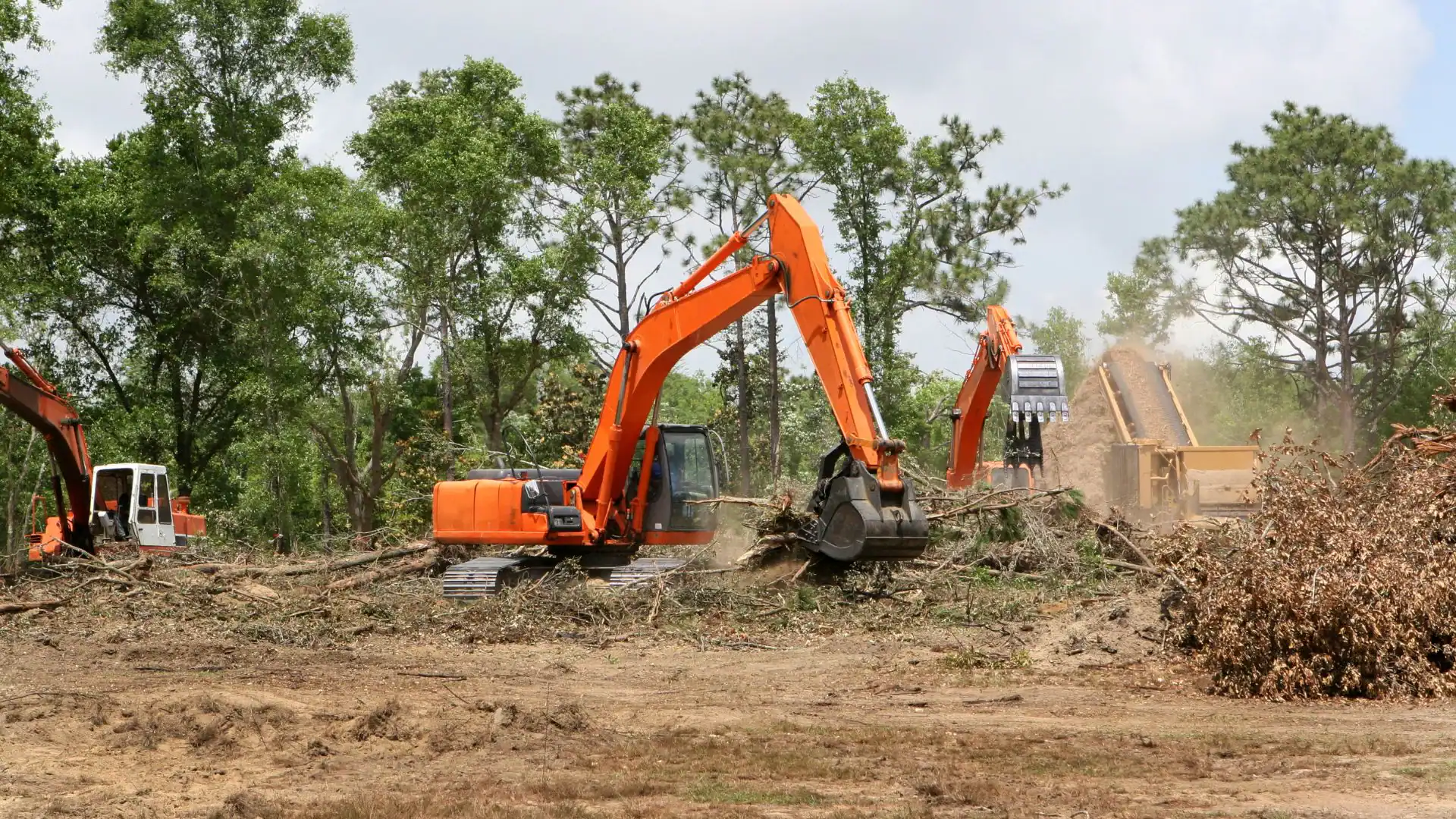
Once the site is assessed and the scope is agreed on, our crew gets to work. Vegetation is cleared, root systems are addressed where needed especially critical for invasive species like Phragmites and Japanese knotweed that spread from the Connetquot preserve corridor into residential lots and debris is removed from the site. You don’t end up with a pile of brush pushed to the fence line. The job isn’t done until the site is clean.
Ready to get started?
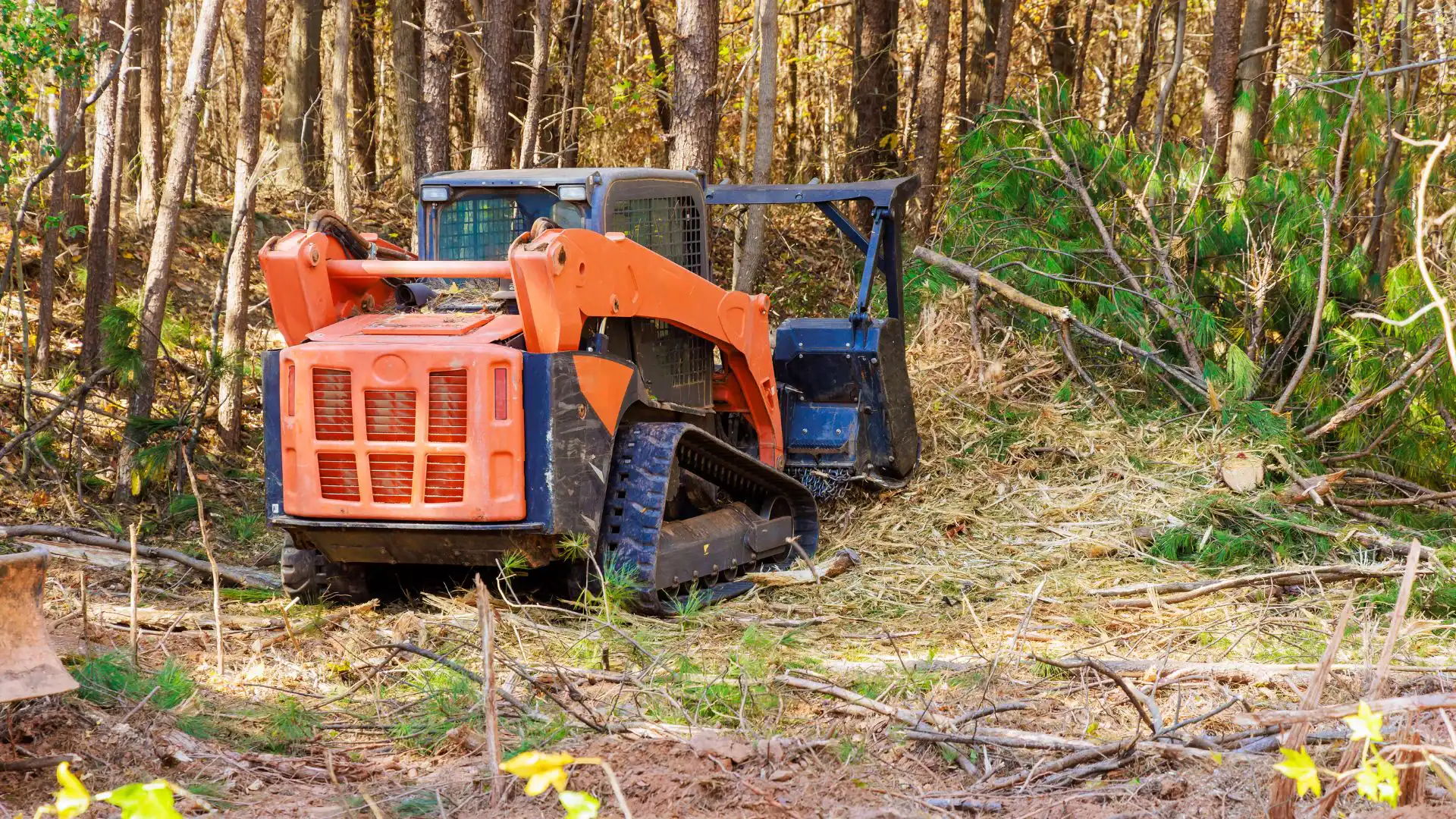
Land clearing services in Oakdale cover a wider range of conditions than most homeowners expect when they first call. Some jobs are straightforward an overgrown residential lot that needs to be cleared before a renovation or sale. Others involve waterfront margins with invasive Phragmites colonies, pitch pine and scrub oak growth pushing in from the preserve edge, or mature post-war lots where decades of root systems have made the ground difficult to work without the right equipment.
Brush clearing in Oakdale addresses targeted overgrowth fence lines, property margins, waterfront buffers without disturbing the broader lot. Lot clearing takes it further, preparing a full site for construction, landscaping, or listing. Land reclamation is for properties that have been left unmanaged for years and need a full reset the kind of job where you can’t see the lot lines anymore and the vegetation has taken over completely. Vegetation removal and overgrown property clearing round out the scope, covering everything from selective clearing of specific species to full-site preparation.
Every job in Oakdale gets assessed against the Town of Islip’s land clearing permit requirements and the NYSDEC wetland regulations that apply to this area specifically. If your property is near the canal streets, the Connetquot River, or any mapped tidal or freshwater wetland, that gets checked before a single piece of equipment arrives on site.
In most cases, yes. The Town of Islip requires a Land Clearing Permit through its Department of Planning and Development before you can clear trees and brush on a property. The application needs to include a survey map or scaled drawing that clearly marks all areas to be cleared and identifies any trees with a trunk diameter over 10 inches. That documentation goes through a Planning Board review process, so it’s not something you want to figure out the day before work is scheduled to start.
For Oakdale properties specifically, there’s an additional layer to consider. If your lot is near the Grand Canal, the Connetquot River, or any area mapped as a wetland or watercourse under Town of Islip Chapter 67, you may also need a Planning Wetlands and Watercourses Permit before clearing begins. And if the property borders NYSDEC-mapped tidal wetlands which applies to a number of Oakdale waterfront and near-waterfront lots a separate state-level permit review may be required. We check all of this before quoting, so you know exactly what the permitting picture looks like before any work begins.
The clearest way to find out is to check the NYSDEC tidal wetland maps, which are publicly available and specifically reference the Oakdale area including the Pickman-Remmer Tidal Wetland that adjoins the Grand Canal and Connetquot River estuary. If your property falls within or adjacent to a mapped tidal wetland area, any clearing work near that boundary will likely require a NYSDEC permit review before it can proceed.
The Town of Islip also maintains its own Wetland and Watercourse Management Area Overlay District, which identifies additional environmentally sensitive areas beyond what the state maps. Properties on the canal streets in the Idle Hour neighbourhood, along the Connetquot River frontage, and near the Pickman-Remmer Wetlands are the most commonly affected in Oakdale. If you’re not sure where your property stands, that’s exactly the kind of thing that gets sorted during a site assessment. The goal is to know the regulatory picture before the equipment shows up not after.
Brush clearing is targeted work. It focuses on specific areas of overgrowth a fence line that’s been taken over, a waterfront buffer that’s gone to Phragmites, a property margin where scrub has been encroaching for years. The rest of the lot stays intact. It’s the right approach when you have a specific problem area and don’t need the whole site touched.
Full lot clearing is a complete site preparation job. Everything on the lot gets cleared vegetation, stumps, root systems, and debris so the site is ready for construction, landscaping, or whatever the next step is. For Oakdale properties where a homeowner is preparing for a renovation, a new build, or a sale, this is typically what’s needed. The vegetation type in this area pitch pine, scrub oak, dense understorey growth from the preserve fringe, and invasive species spreading from the Connetquot corridor means that full lot clearing here is more involved than it is in many other parts of Long Island. Having a crew that knows what they’re working with makes a real difference in how efficiently it gets done and how clean the site is when it’s finished.
Phragmites australis common reed is one of the most persistent invasive plants on Long Island, and it’s particularly aggressive in the tidal and near-tidal zones around Oakdale’s waterfront. The reason it keeps coming back after basic clearing is that cutting the above-ground growth does nothing to the root system, which can extend several feet deep and spread laterally across a wide area. If you only cut the surface, the plant regrows within a season. In some cases it comes back thicker than before.
Effective Phragmites removal addresses the root system directly, not just what’s visible above ground. The specific approach depends on the site proximity to water, soil conditions, and the extent of the colony all factor into how the job gets planned. For Oakdale properties near the Grand Canal or the Connetquot River estuary, any removal work near tidal margins also needs to be assessed against NYSDEC tidal wetland regulations before work begins. The same applies to Japanese knotweed, which is documented in the Connetquot River State Park Preserve corridor and spreads readily into adjacent residential lots. Treating these species correctly the first time is the only way to get a result that actually holds.
Cost varies based on lot size, vegetation density, access conditions, and what’s included in the scope clearing only, or clearing plus stump grinding and debris removal. For a standard residential lot in Oakdale, basic clearing work typically starts in the range of a few hundred dollars for targeted brush clearing on a smaller area and can run into several thousand dollars for a full lot clearing job with stump removal and debris hauling included.
What tends to push costs higher on Oakdale properties specifically is the combination of mature vegetation most homes here were built in the 1960s and 70s, so root systems are well established and the presence of invasive species that require more involved removal methods. Waterfront and canal-adjacent lots also add complexity, since access can be more restricted and the work needs to be planned around any applicable wetland buffers. The most reliable way to get an accurate number is a site assessment and an itemised quote that breaks down each component of the job. That way you know exactly what you’re paying for and there’s no ambiguity when the invoice arrives.
We handle debris removal directly it’s either included in the quoted price or clearly itemised as a separate line, depending on the job. Either way, it’s accounted for upfront so there’s no situation where the clearing is done and you’re left with a pile of vegetation sitting on the property waiting for someone else to deal with it.
In a community like Oakdale, where properties are close together and neighbours are paying attention, leaving debris on a cleared site isn’t acceptable. On canal-front and waterfront lots, it’s also a practical concern vegetation piled near the water or pushed against a bulkhead can create drainage problems and, in some cases, create conditions that accelerate invasive species recolonisation. The job is quoted as a complete scope: clearing, stump work where applicable, and site cleanup. When our crew leaves, the property is clean. That’s the standard every Oakdale job is held to.