Hear from Our Customers
A lot of property owners on the North Fork find out the hard way that Southold isn’t like the rest of Suffolk County. The town has its own clearing percentage limits under Chapter 240, wetlands permit requirements under Chapter 275, and a proposed tree removal code that’s been through fifteen revisions and counting. Start clearing without understanding those rules and you’re looking at stop-work orders, mandatory replanting, and fines that make the clearing job look cheap by comparison.
When you work with us, the compliance check happens before a single piece of equipment rolls onto your property. We look at your lot size, your proximity to the Peconic Bay or the Long Island Sound, and what the town’s current code allows so you know exactly what can come down and what needs to stay. That clarity up front is what keeps your project on schedule and your budget intact.
The North Fork real estate market is moving fast Southold and Peconic recorded the highest single-family sales volume on the North Fork in both Q1 and Q2 of 2025, with a median sales price approaching $999,000. Whether you’re preparing a wooded parcel for new construction, reclaiming overgrown agricultural land, or clearing a waterfront lot you just purchased, you need a contractor who understands this landscape specifically not one who’s treating your property like a suburban lot in Hauppauge.
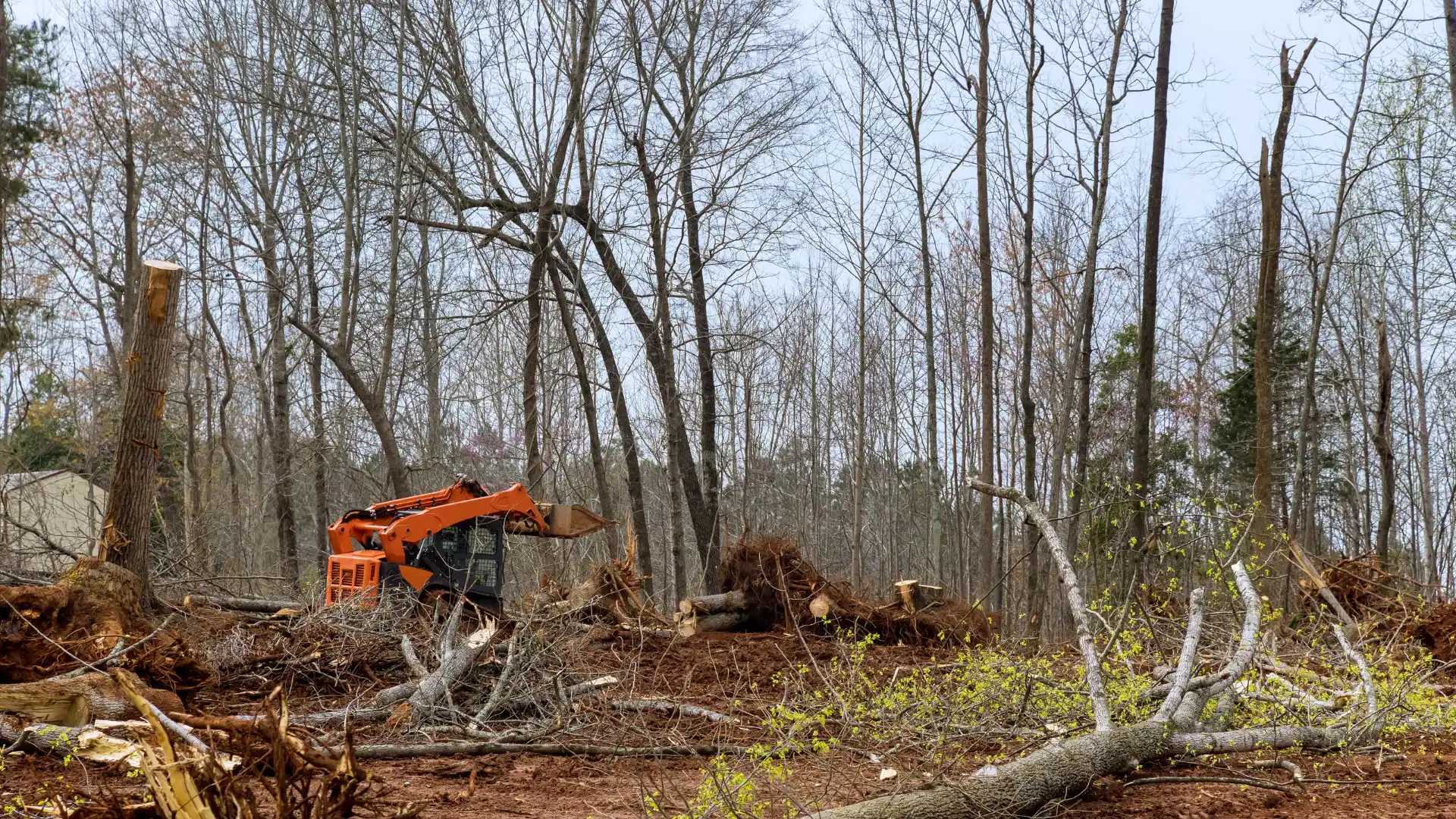
Gold Coast Landworks is a land clearing and earthworks contractor serving Southold and the greater North Fork. We work across the full Town of Southold from Mattituck and Cutchogue in the west to Orient and East Marion in the east and we understand what clearing work actually looks like out here. That means coastal oak-hickory forest on wooded residential lots, phragmites-lined shoreline parcels, invasive species like Oriental bittersweet and Japanese knotweed taking over farm margins, and waterfront properties that require Board of Trustees permits before a single branch comes down.
We don’t subcontract your job out and hope for the best. You get a clear scope, a confirmed schedule, and a contractor who shows up when we said we would which matters more than most people expect until they’ve dealt with a contractor who didn’t. If you’re managing your North Fork project from the city, that reliability isn’t a bonus. It’s the whole thing.
It starts with a site visit. We walk the property with you or ahead of you, if you’re not local and assess what’s there: tree species, vegetation density, proximity to any wetlands or shoreline buffers, and what the town’s code allows for your specific lot size. If your parcel is near the water, we determine upfront whether a Chapter 275 wetlands permit or a NYSDEC permit is required before any clearing begins. Southold’s Building Department is also clear that land clearing cannot start before a building permit is issued on new construction jobs, so if you’re on that path, we factor the permit timeline into the schedule from day one.
Once the compliance picture is clear, you get an itemised written quote clearing, stump grinding, debris removal, and any permit-related costs broken out separately. No lump sums that leave you guessing. After you approve the scope, we schedule the work and get it done. Depending on the season and site conditions, late spring through early fall tends to be the most reliable window on the North Fork, when ground conditions are firm and weather is predictable.
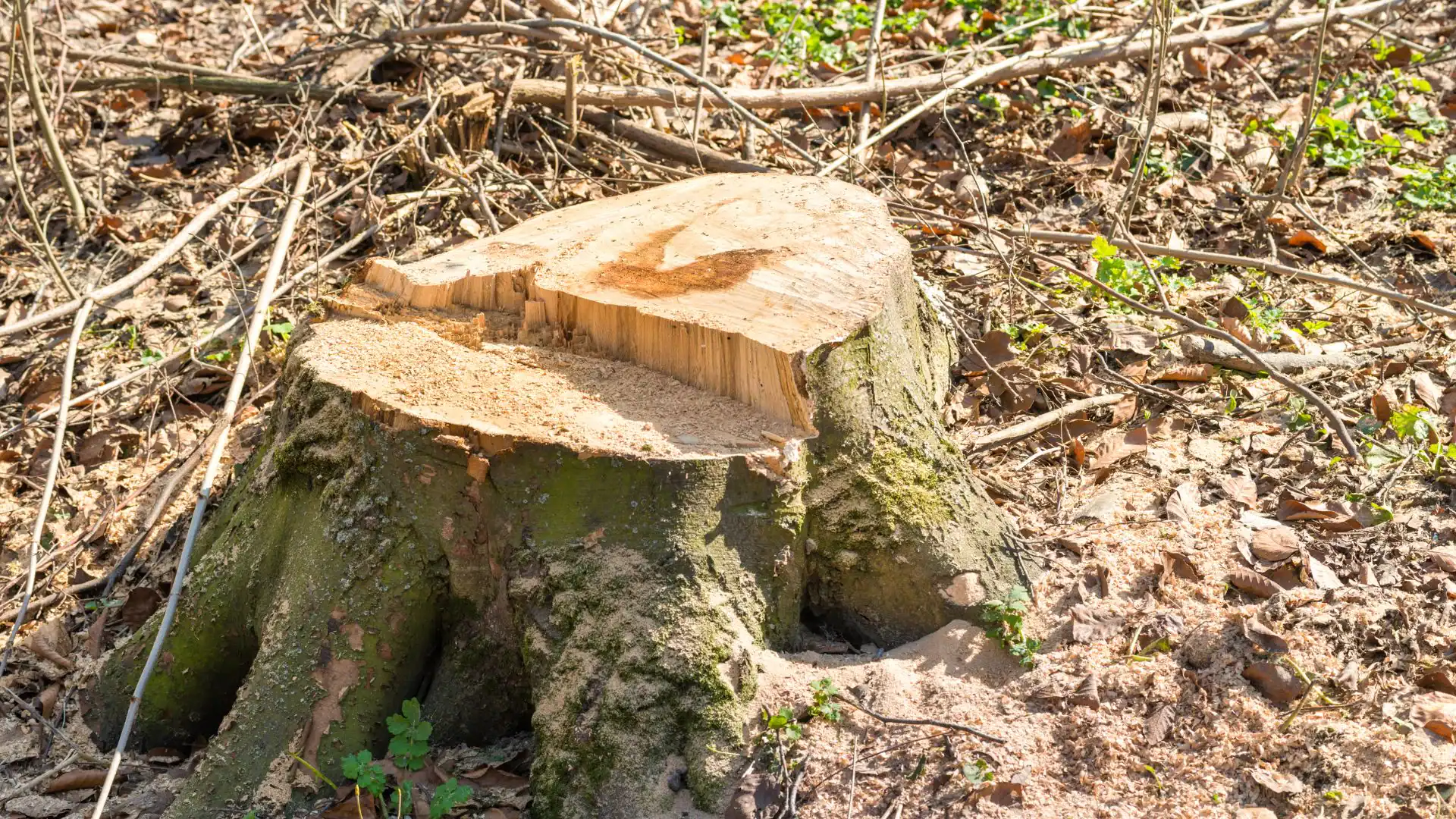
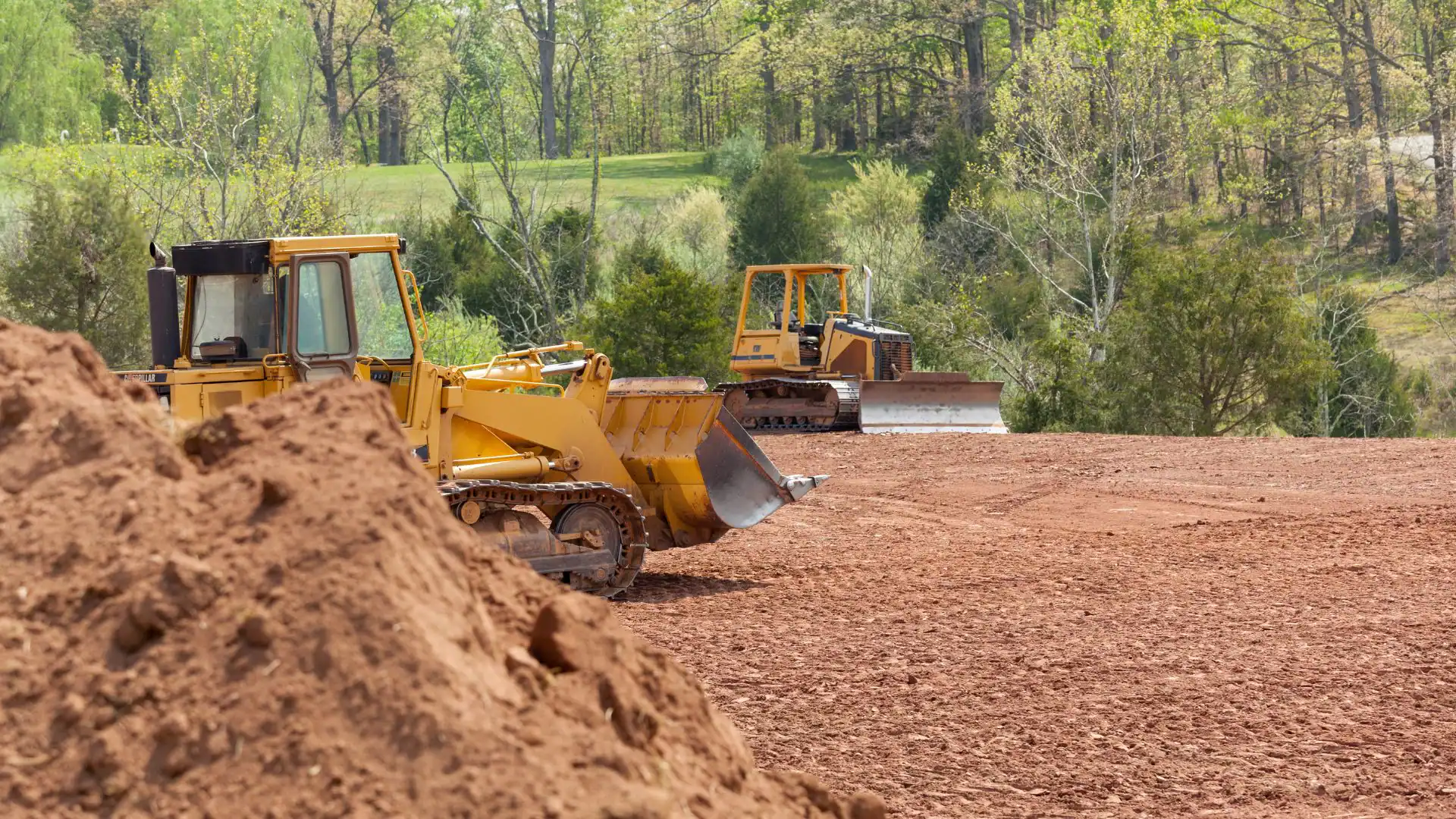
When we leave, the site is clean. Stumps are ground, debris is hauled, and the property is ready for whatever comes next whether that’s a builder, a landscaper, or a vineyard crew. You get a completed-site report so you have documentation regardless of whether you were there to watch.
Ready to get started?
Land clearing services in Southold, NY cover a wider range of work than most property owners expect going in. On a standard wooded residential lot near Founders Landing or along the North Road in Cutchogue, that might mean felling mature oaks and hickories, grinding stumps, and hauling debris. On a waterfront parcel on the Peconic Bay or the Sound, it means all of that plus navigating wetlands buffers, maintaining required ground cover in protected areas, and making sure the cleared site doesn’t destabilise the shoreline. On an overgrown agricultural parcel near the North Fork AVA, it might mean targeted brush clearing and invasive species removal to bring land back to productive use without disturbing neighbouring vineyard operations.
Overgrown property clearing and land reclamation services are a significant part of what we do across the town’s hamlets. Invasive species multiflora rose, Oriental bittersweet, porcelain berry, Japanese knotweed don’t respond to surface-level cutting. They come back harder if the root system isn’t addressed. We remove them correctly, advise on disposal to prevent spread, and can point you toward native replanting options that are consistent with the town’s waterfront consistency requirements if your property falls within a buffer zone.
Lot clearing services, brush clearing services, vegetation removal, and full land reclamation services are all available across Southold, Peconic, Cutchogue, Mattituck, East Marion, Orient, and the surrounding hamlets. Every job gets the same process: compliance check, itemised quote, confirmed schedule, clean finish.
It depends on your lot, your location, and what you’re planning to clear and in Southold, the answer is more often yes than property owners expect. The town’s Chapter 240 sets clearing percentage limits based on lot size for subdivided residential properties. A lot under 15,000 square feet can clear up to 75% of its vegetation, but that percentage drops on a sliding scale as lot size increases down to 15% for lots over 200,000 square feet. Those aren’t suggestions. They’re hard limits tied to your certificate of occupancy.
If your property is near the Long Island Sound, the Peconic Bay, or any of Southold’s tidal creeks and inlets, clearing within the wetlands buffer zone requires a permit from the Town Board of Trustees under Chapter 275. In some cases, a separate NYSDEC tidal or freshwater wetlands permit is also required. On top of that, the town has a proposed tree removal code still being finalised as of 2025 after fifteen iterations that would require permits for trees over 20 inches in diameter. The regulatory picture here is genuinely more layered than in most Suffolk County towns, and a compliance check before you start isn’t optional it’s the difference between a smooth job and a stop-work order.
Land clearing costs on the North Fork vary more than most people expect, and the range is wide for good reason. A straightforward residential lot in Southold with moderate tree cover and no wetlands considerations might fall in the range of $1,500 to $5,000 depending on size, density, and stump removal requirements. A larger wooded parcel, a waterfront property with buffer zone restrictions, or a lot requiring invasive species treatment and full land reclamation can run significantly higher sometimes $10,000 or more for multi-acre jobs with complex site conditions.
What drives the cost up on Southold properties specifically is the regulatory layer. If your job requires a wetlands permit from the Board of Trustees or a NYSDEC permit, that adds time and cost to the process not because permits are expensive in themselves, but because they affect the timeline and the scope of what can be done in certain areas. The best way to get an accurate number is a site visit and an itemised quote that breaks out clearing, stump grinding, debris disposal, and any permit-related work separately. A quote that lumps everything into one number is harder to evaluate and easier to inflate at invoice time.
The North Fork has a well-documented invasive species problem, and Southold properties especially those that have been left unmanaged for a few years commonly have infestations of Japanese knotweed, Oriental bittersweet, multiflora rose, porcelain berry, and black swallow-wort. These aren’t plants you can manage by cutting them back once. All of them regenerate aggressively from root stock, and some knotweed in particular can push through compacted soil and pavement if the root system isn’t properly addressed.
Effective removal means treating the root system, not just the above-ground growth. Depending on the species and the density of the infestation, that can involve mechanical removal, targeted treatment, or a combination of both. Debris from invasive species also needs to be disposed of carefully bittersweet and knotweed can spread from cut material if it’s left on site or composted improperly. If your Southold property has a significant invasive species problem, it’s worth addressing it as part of the clearing process rather than after, because trying to manage it once the site is otherwise clear is harder and more expensive.
No and this is one of the most common misconceptions we see from buyers who are new to building on the North Fork. The Town of Southold’s Building Department is explicit: land clearing and site work may not commence before the building permit is issued. This applies to new construction projects where clearing is being done to prepare the lot for a build. It’s not a grey area, and it’s not something that gets overlooked the town’s permit application makes it clear.
What this means practically is that your clearing contractor needs to understand the permit timeline and build the schedule around it. If your building permit is expected in six weeks, your clearing job gets scheduled to start after approval not before. Trying to get ahead of the permit to save time on the back end can result in a stop-work order that costs you far more time than you saved. A contractor who understands Southold’s process will plan accordingly from the first conversation, not after the fact.
Brush clearing and full land clearing are related but different in scope, and which one you need depends on what’s on your property and what you’re trying to do with it. Brush clearing services typically focus on removing undergrowth, shrubs, brambles, vines, and smaller woody vegetation the kind of dense, tangled growth that takes over field margins on agricultural land, creeps into vineyard borders, or makes a residential lot look completely unmanageable. It’s targeted work, and it’s often done with a brush hog or similar equipment that can cover ground efficiently without taking down mature trees.
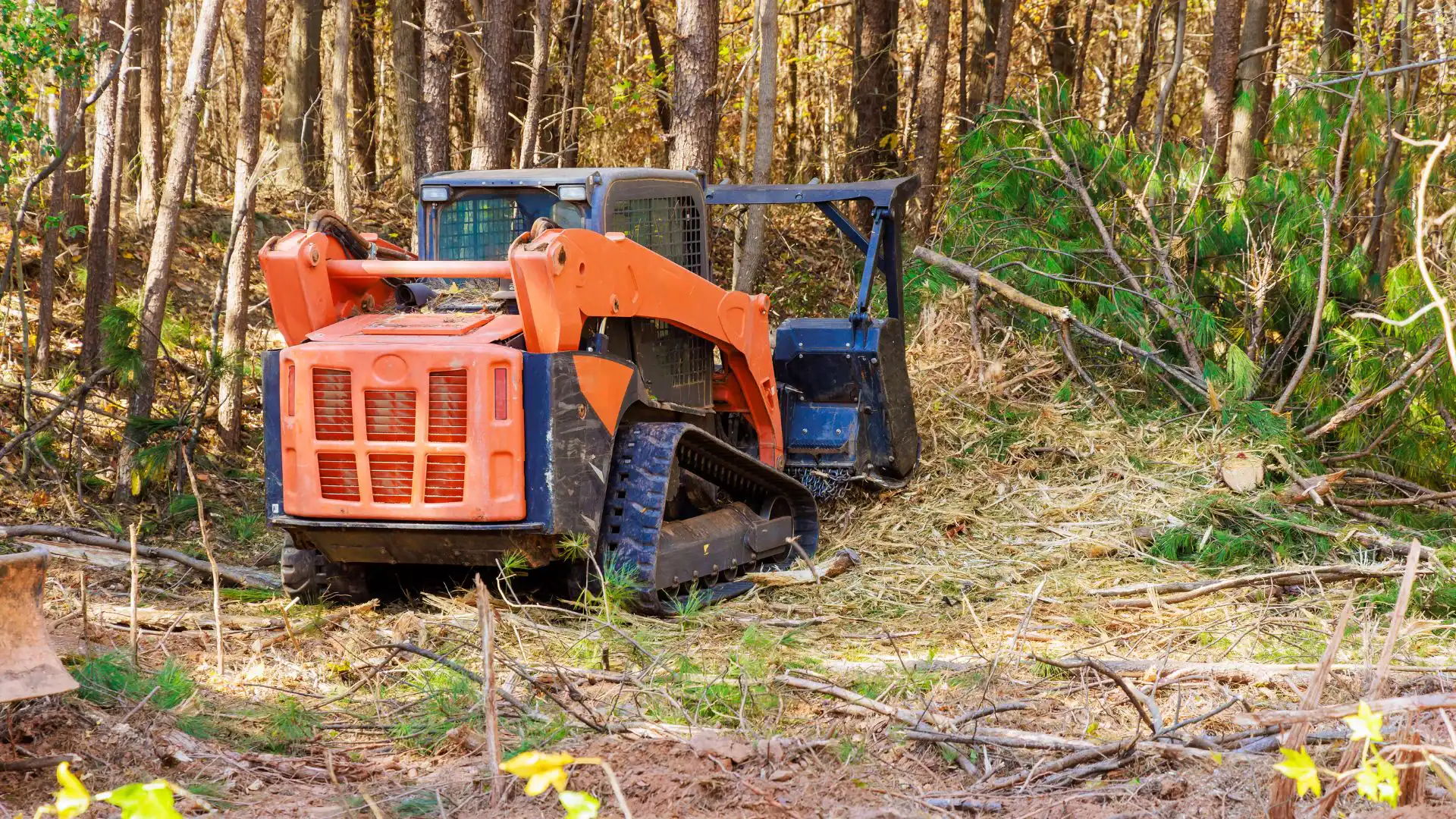
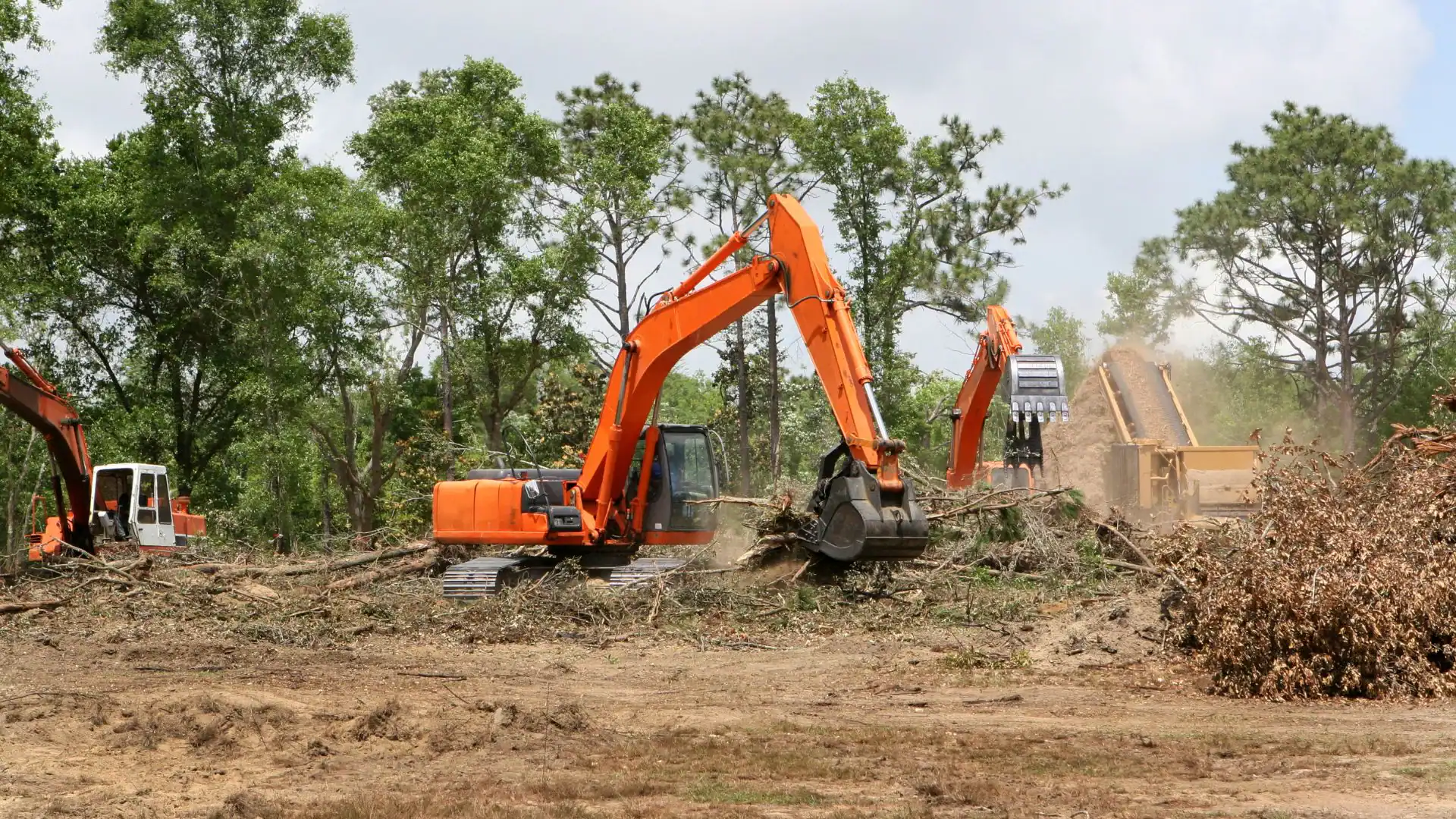
Full land clearing services in Southold, NY go further removing trees, grinding stumps, hauling debris, and leaving a site that’s ready for construction, landscaping, or agricultural use. On a wooded North Fork lot, that might mean felling mature oaks and hickories that have been growing for decades. Both services can be combined depending on what the property needs, and both require the same compliance check upfront because even brush clearing near a wetlands buffer on the Peconic Bay or the Sound can fall within Chapter 275’s regulated area.
Waterfront and near-water properties in Southold are subject to a different set of rules than inland residential lots, and it’s one of the most important things to understand before you start any clearing work. Chapter 275 of the Town Code the Wetlands and Shoreline chapter requires a permit from the Town Board of Trustees for any clearing activity near tidal or freshwater wetlands, shorelines, or coastal areas. The town’s Waterfront Consistency Review process under Chapter 268 adds another layer, including requirements to maintain vegetation buffers and restrictions on what can be cleared within those buffer zones. The minimum ground cover requirement in buffer areas is 95%, which means clearing right up to the shoreline isn’t permitted regardless of what the rest of your lot allows.
On top of the town-level requirements, NYSDEC tidal and freshwater wetlands regulations apply independently meaning you may need both a town permit and a state permit before work begins on a waterfront parcel. For properties on the Peconic Bay, the Long Island Sound, or the many tidal creeks throughout Southold’s hamlets, this isn’t a hypothetical. It’s the standard process. The compliance check we do before every job is specifically designed to identify these requirements early, so your project timeline reflects reality from the start rather than hitting a wall after equipment is already on site.