Hear from Our Customers
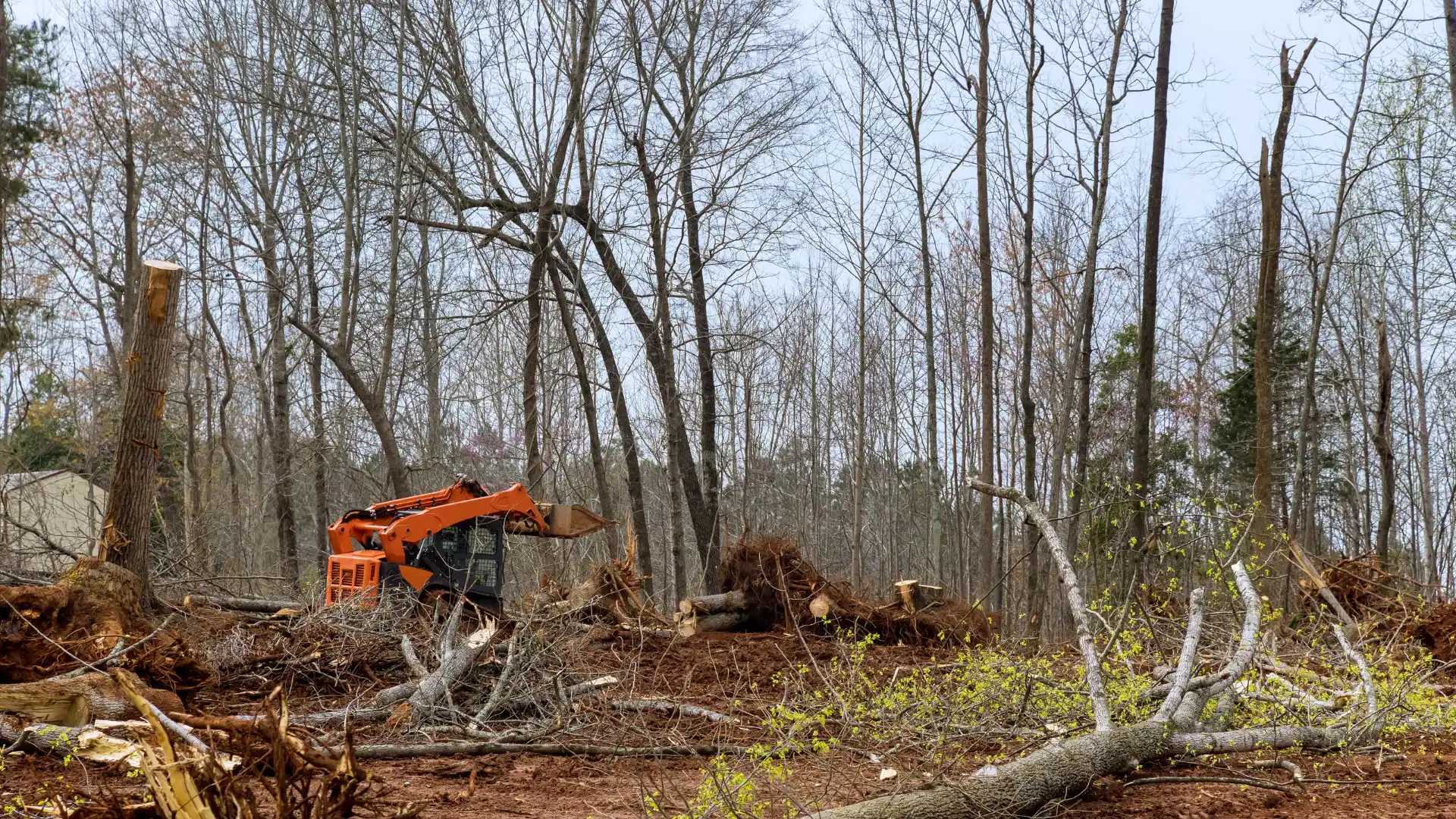
A wooded lot in Wading River can look completely different after a proper clearing not stripped bare, but genuinely usable. Whether you’re prepping for a new build, reclaiming a neglected parcel, or just trying to get a handle on a property that’s been left to grow wild, the goal is the same: land that works for you instead of against you.
Wading River’s North Shore woodland is dense. Mature oak canopy, pitch pine stands, and aggressive understory growth like Oriental bittersweet and multiflora rose can make a property feel impenetrable within a few seasons of no management. That’s not just an aesthetic problem it’s a real obstacle to construction, landscaping, and safe access. We remove what needs to go and leave what should stay, so the natural character of your property is preserved, not erased.
The dual-jurisdiction reality here matters too. A cleared lot with the right permits behind it moves forward. One cleared without them gets stopped sometimes with restoration orders attached. Getting that piece right from the start is what separates a smooth project from an expensive one.
We work across Long Island, but the North Shore is its own world and Wading River is a good example of why. The wooded terrain, the proximity to Wildwood State Park, the wetland systems around Wading River Marsh, and the fact that your property might fall under Riverhead or Brookhaven rules depending on your exact address these aren’t things we figure out on the job. They’re things we know before we start.
Every site visit we conduct in Wading River includes a jurisdiction check, a wetland buffer assessment, and an honest look at what permits are needed before any equipment is scheduled. That’s not a sales pitch it’s just how the job should be done out here. Wading River property owners deserve a contractor who shows up already knowing what they’re dealing with, not one who’s learning it at your expense.
It starts with a site visit. Before anything is quoted, we take a proper look at the property vegetation density, terrain conditions, proximity to wetlands or the Sound bluff, and which town’s permit requirements apply to your parcel. In Wading River, that last part matters more than most people expect. A lot that sits on the Brookhaven side of the town line has different tree clearing thresholds than one under Riverhead’s jurisdiction, and properties near Wading River Marsh or the coastal area may need a DEC wetland permit on top of the town-level approval. All of that gets sorted before the quote goes out.
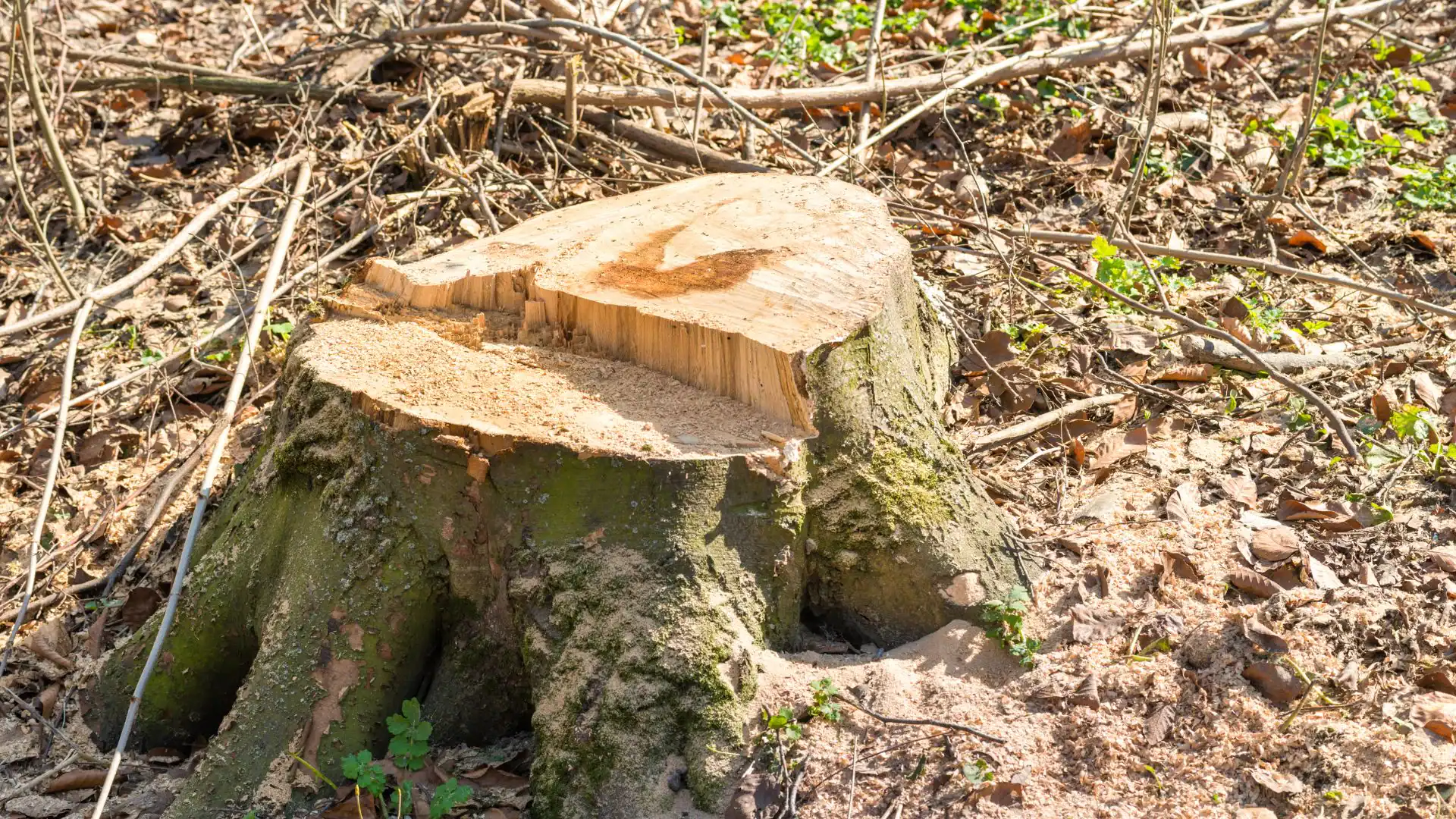
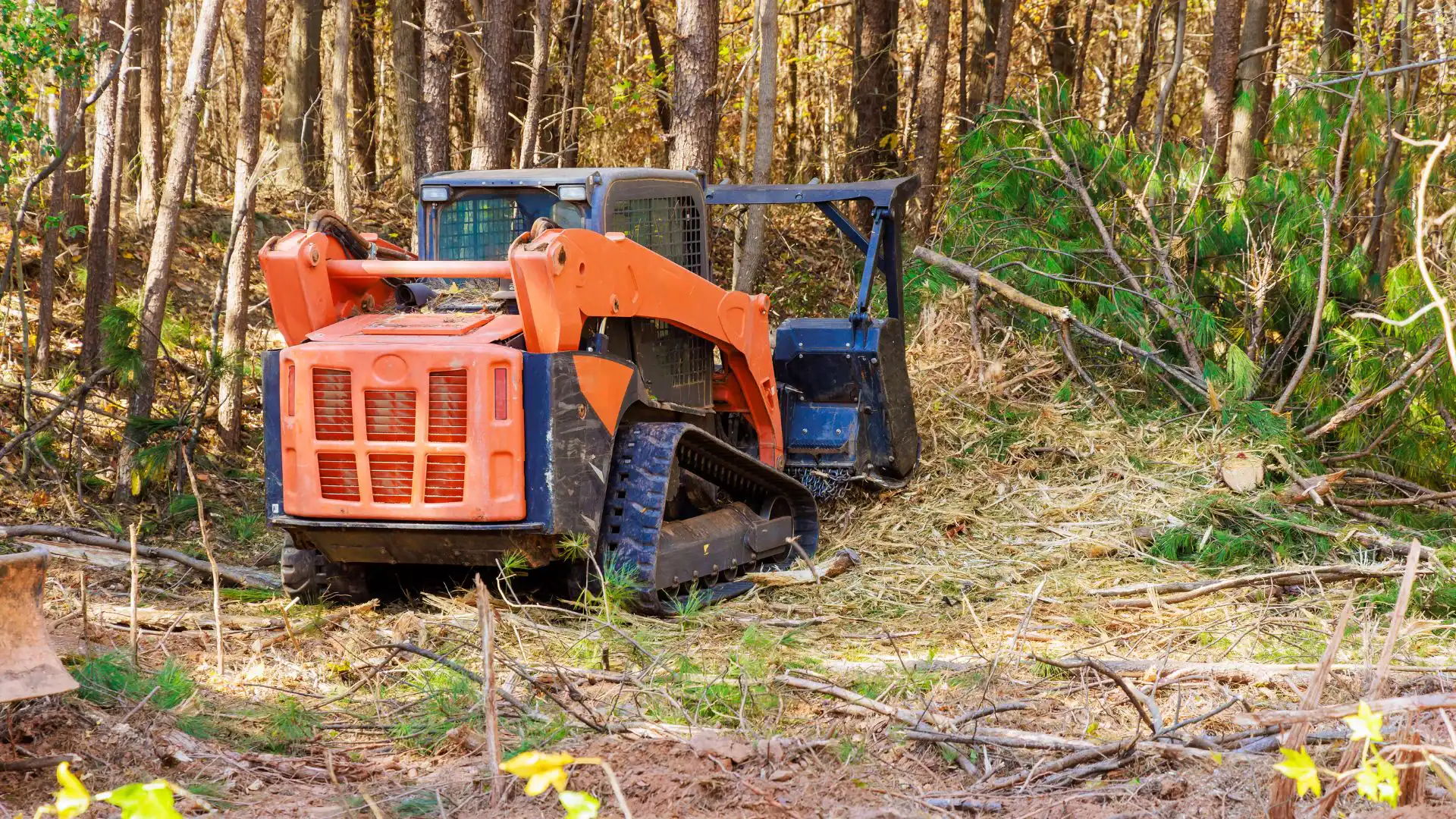
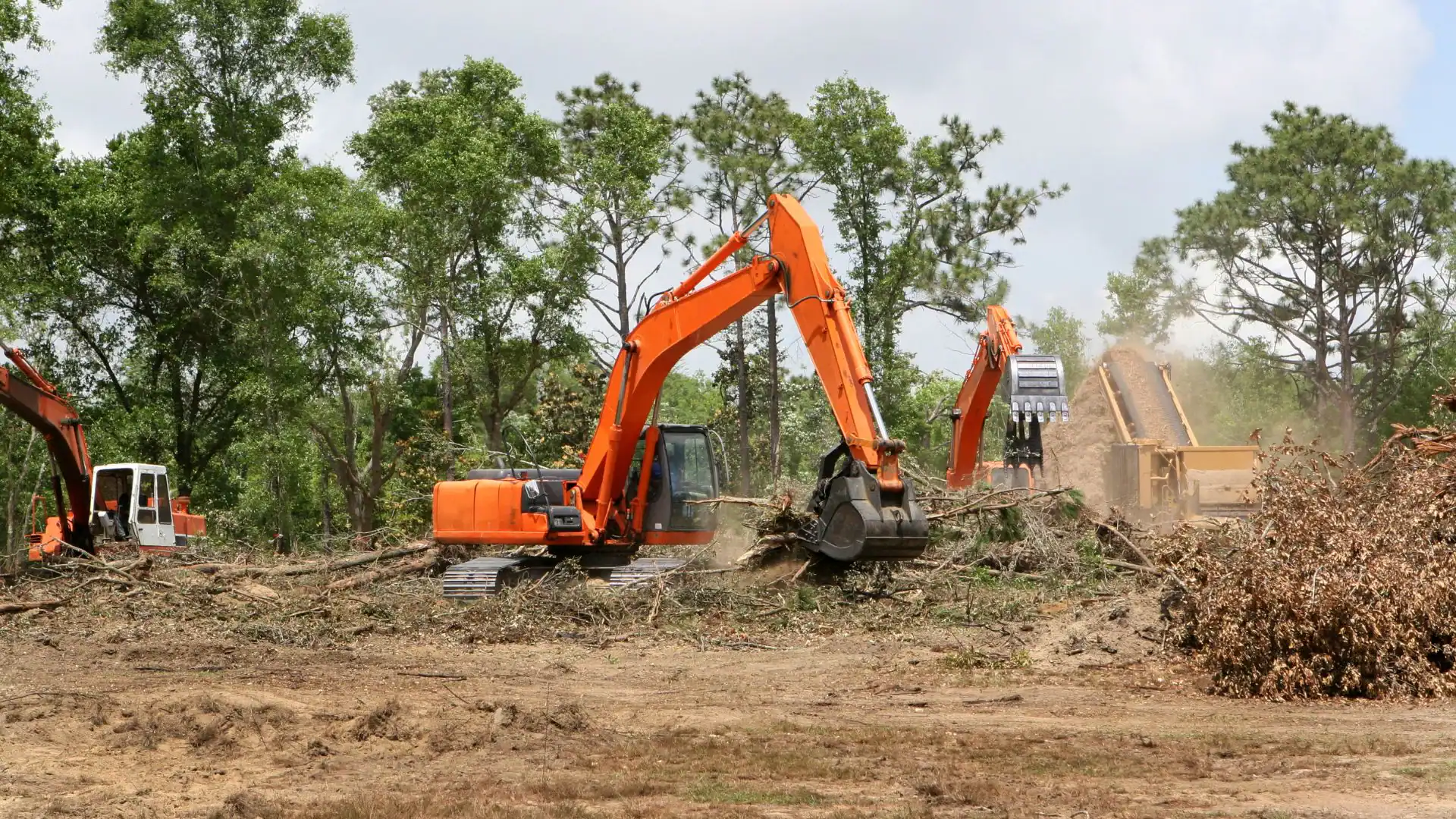
Once the scope is clear and permits are in order, the clearing work begins. We handle vegetation removal, stump grinding, debris processing, and haulage as part of the job not handed off to a separate crew or left as a line item surprise. The equipment and approach are matched to what’s actually on your property, whether that’s dense bramble and invasive scrub, mature timber, or a combination of both.
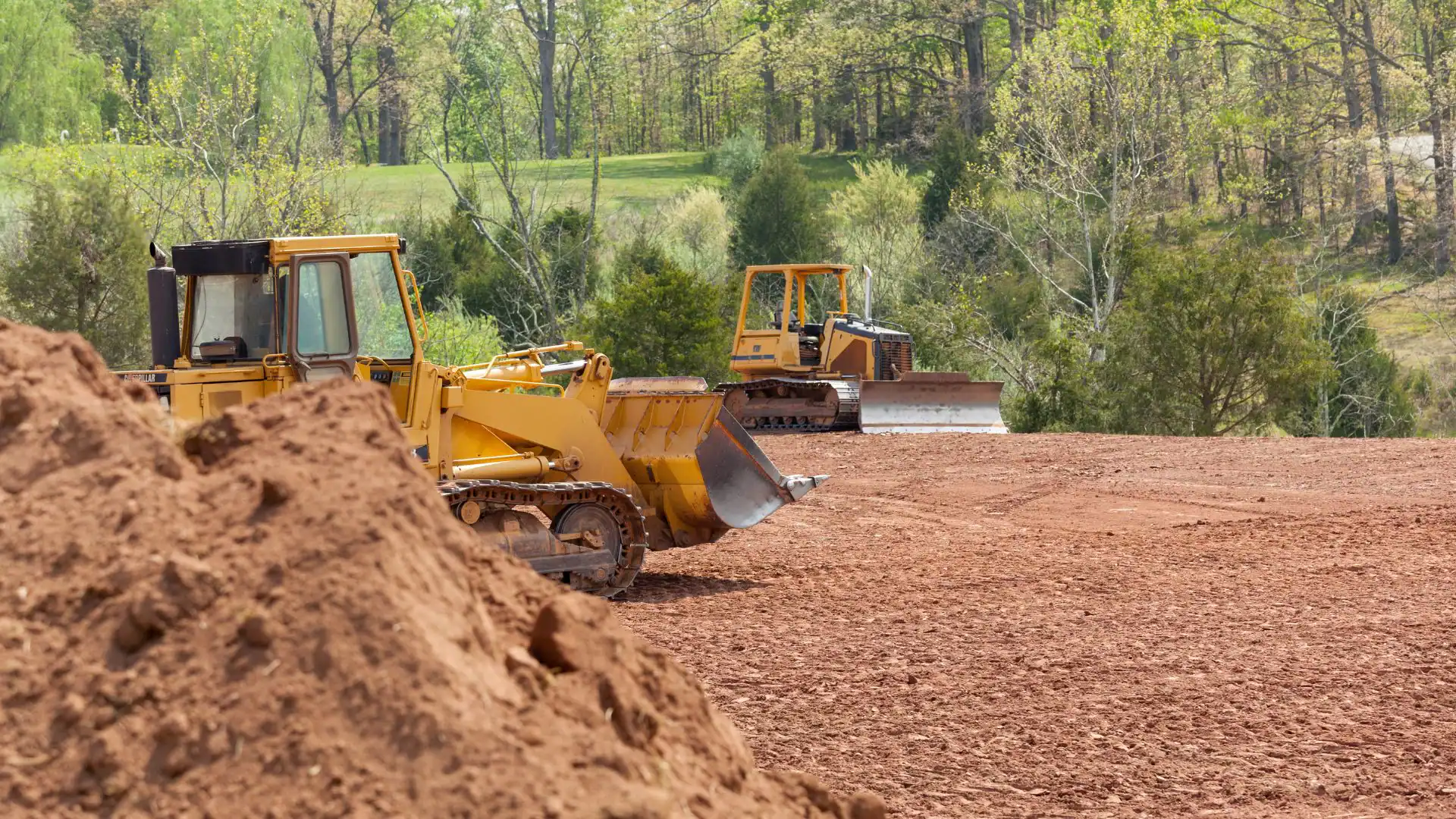
When the work is done, you get a site that’s ready for what comes next whether that’s a foundation, a landscaping plan, or simply land you can walk and use again. No debris left behind, no open questions on compliance, and no need to manage multiple contractors to get to that point.
Ready to get started?
Land clearing in Wading River covers more ground than a lot of property owners expect when they first call. The core work vegetation removal, brush clearing, stump grinding, and debris haulage is consistent across jobs. What changes is how we approach it based on what’s on the property and where it sits.
Invasive species are a real factor on North Shore lots. Oriental bittersweet, Japanese knotweed, multiflora rose, and Phragmites in low-lying and marsh-adjacent areas all require targeted removal, not just a cut-and-move-on approach. Knotweed in particular can regenerate from root fragments left in the soil, so how it’s removed matters as much as whether it’s removed. That’s built into how we handle overgrown property clearing here not treated as an afterthought.
For lots near the Long Island Sound bluff or the wetland systems around Wading River Marsh, the clearing plan accounts for what needs to stay. Vegetation on bluff-facing slopes plays a role in erosion control, and removing the wrong material near a DEC-regulated wetland buffer can trigger restoration requirements that cost far more than the clearing itself. We always include that assessment upfront for land reclamation services on neglected parcels in this area because the last thing you need after investing in a clearing job is a notice from the DEC or the town telling you to put it back.
It depends on which side of the town line your property falls on and that’s not a question every contractor in this area thinks to ask. Wading River spans the boundary between the Town of Riverhead and the Town of Brookhaven, and the permit requirements are different under each jurisdiction. Under Brookhaven’s code, tree clearing permits are generally required for residential properties of two acres or more, and trees over six inches in diameter at breast height typically need approval before removal. Riverhead has its own land clearing permit process tied to grading, excavation, and site development activity.
On top of the town-level requirements, properties near NYS-regulated wetlands including the wetland systems around Wading River Marsh require a DEC freshwater or tidal wetlands permit for clearing within the 100-foot adjacent area buffer. Properties in a Coastal Erosion Hazard Area along the Sound may need a separate coastal erosion management permit from the Town of Riverhead. The short answer is: yes, permits are likely required, and the specific ones depend on your address and what’s on your land. Getting that sorted before clearing starts is the only way to avoid a stop-work order or a restoration requirement after the fact.
Land clearing costs in Wading River vary based on lot size, vegetation density, terrain, and what’s being done with the debris. A standard residential lot clearing including vegetation removal, stump grinding, and debris haulage generally runs anywhere from a few thousand dollars for a smaller, moderately overgrown parcel to $10,000 or more for a heavily wooded multi-acre lot with mature timber, invasive species, or difficult access conditions. The wooded North Shore character of Wading River means most jobs here are on the denser end of the spectrum compared to more suburban parts of Suffolk County.
What matters most is that the quote you receive is itemized. Clearing, stump treatment, debris processing, and haulage should each be broken out so you know exactly what you’re paying for and so there’s no gap between the number you agreed to and the invoice you receive. If a quote comes back as a single lump sum with no breakdown, that’s worth asking about before you sign anything.
Several invasive species are well-documented on North Shore Long Island properties, and Wading River is no exception. Oriental bittersweet is one of the most common it grows aggressively over native vegetation and regrows from root stock if it’s only cut and not treated. Japanese knotweed is another significant problem, and it’s one of the harder invasives to fully eradicate because it can regenerate from small root fragments left in the soil after clearing. Multiflora rose spreads quickly through wooded understory and can make sections of a property completely impenetrable.
In low-lying areas and near the wetland margins around Wading River Marsh, Phragmites australis common reed is a persistent issue. It spreads through tidal and freshwater wetland edges and requires targeted removal methods rather than standard brush clearing. Identifying these species before clearing begins affects both the approach and the cost estimate, because treating them correctly takes more than just running equipment over them. A site visit that includes invasive species identification upfront saves a lot of frustration and regrowth down the line.
Yes, but it requires a more careful approach than standard lot clearing, and the regulatory requirements are real. Properties near the Long Island Sound bluff in the northern part of Wading River particularly near Wildwood State Park and the Wading River Beach area may fall within a Coastal Erosion Hazard Area designated by New York State. Clearing vegetation in those areas without a coastal erosion management permit from the Town of Riverhead can result in fines and mandatory restoration work.
Beyond the permit side, there’s a practical reason to be selective near the bluff. Vegetation on slope-facing terrain plays a direct role in holding soil and preventing erosion. Removing too much of it or removing the wrong plants can destabilize a slope that was previously holding fine. Any clearing plan for a bluff-adjacent Wading River property should account for what stays as much as what goes. For properties near Wading River Marsh or other NYS-regulated wetlands, the 100-foot buffer rule applies, and DEC permits are required for clearing within that zone. Getting the right permits in place before the work starts is the only way to move forward without risk.
Spring is the most popular season for land clearing on Long Island, and for good reason ground conditions are workable, vegetation hasn’t hit full growth yet, and property owners who want to build or landscape over summer need the clearing done first. For Wading River specifically, getting clearing completed in March through May puts you in the best position to start construction or landscaping work by early summer.
Fall is a strong secondary window. Once the leaves drop, it’s much easier to assess the full canopy and identify what work is needed, and property owners planning a spring build often use fall to get clearing and permits completed ahead of the season. Winter clearing is less common but not off the table dormant-season work on frozen ground can actually reduce equipment damage to surrounding lawn areas and avoids disturbing nesting birds. The one thing that creates urgency regardless of season is storm damage. Wading River’s wooded North Shore position makes it one of the areas most affected by nor’easters, and downed trees or debris accumulation after a major storm can create immediate safety hazards that need to be addressed quickly.
The simplest way is to look up your parcel on the Suffolk County GIS mapping system, which shows town boundaries and can confirm which municipality your property falls under. Your property tax bill will also list the assessing municipality either the Town of Riverhead or the Town of Brookhaven which tells you whose zoning and land clearing codes apply to your lot.
This matters more than most people realize when planning a clearing project. Riverhead and Brookhaven have different permit thresholds, different tree protection rules, and different processes for getting clearing approved. A contractor who doesn’t ask which town your property falls under or who assumes it’s one without checking is skipping a step that can create real problems once the work starts. During a site visit with us, the jurisdiction question gets answered before anything else, so the quote you receive reflects the actual permit requirements for your specific parcel, not a generic estimate that may or may not apply to where your land actually sits.