
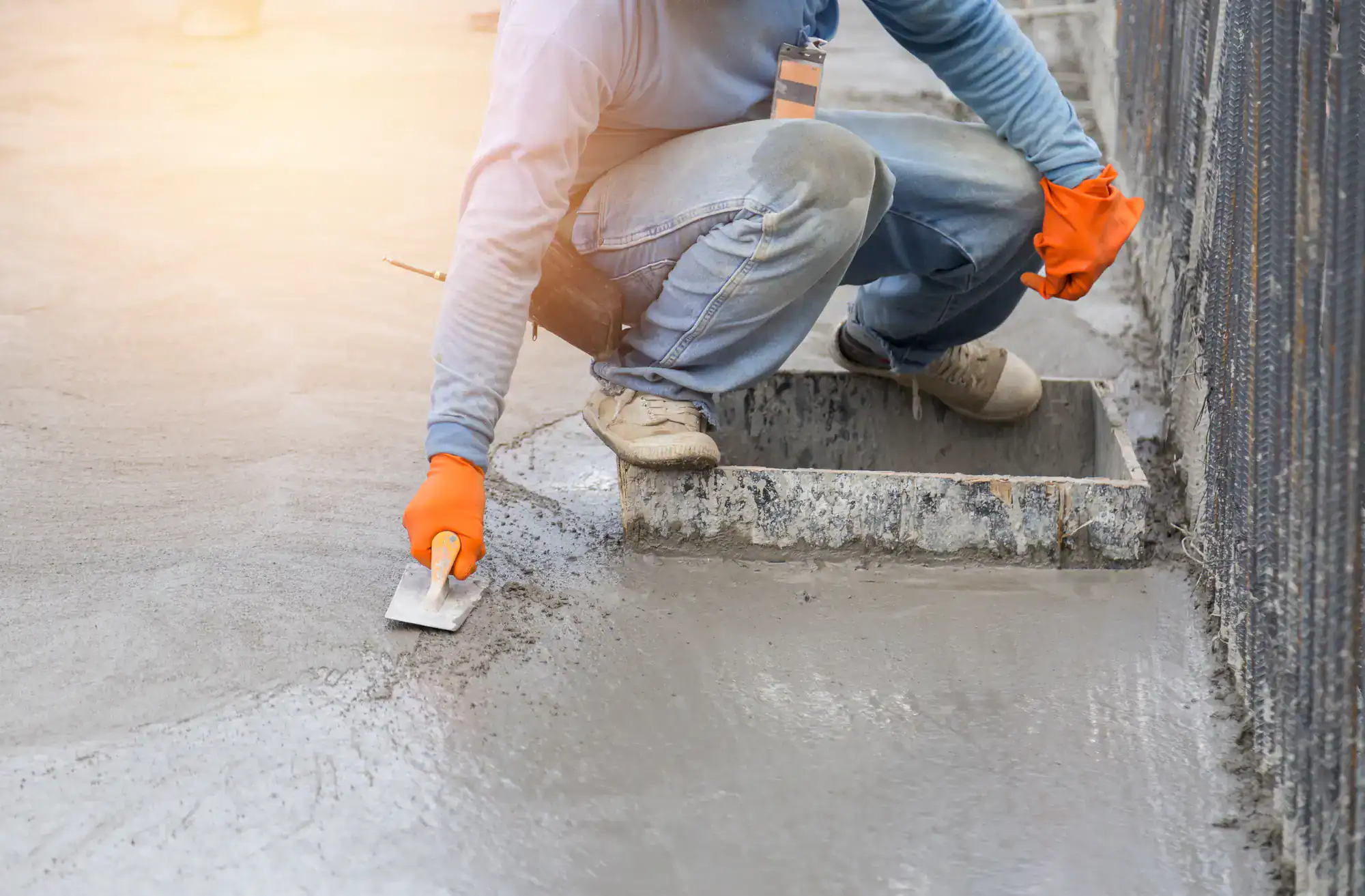
Hear from Our Customers
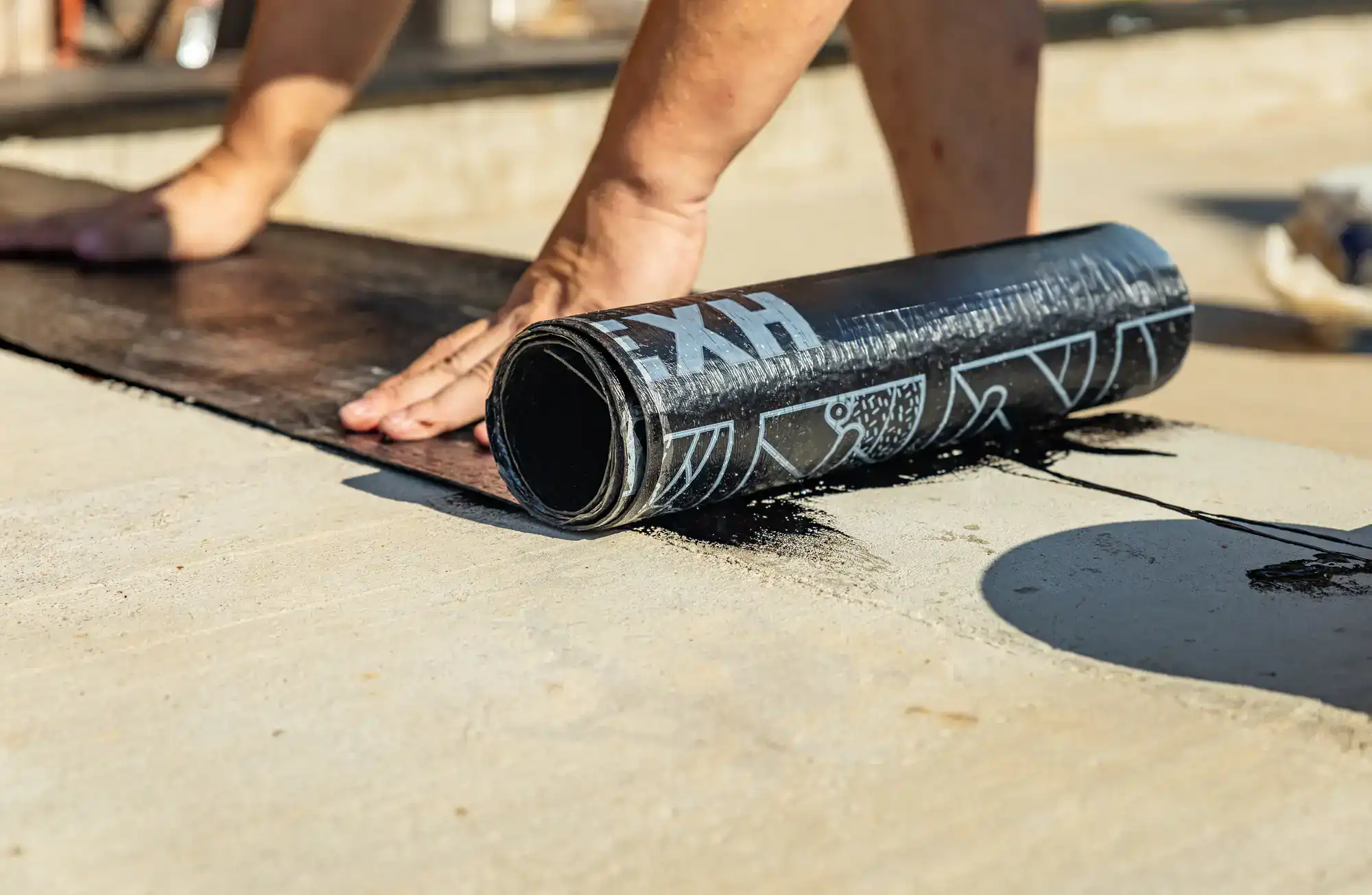
Water in your basement isn’t just an inconvenience it’s a slow drain on a property worth protecting. In East Hampton North, homes start at over a million dollars. A wet basement is a disclosed defect at closing. A properly waterproofed one is a documented upgrade that removes one of the most common inspection objections buyers raise on the South Fork.
The soil beneath East Hampton North is Late Wisconsinan glacial outwash highly permeable material that transmits groundwater at rates most homeowners wouldn’t believe. When a Nor’easter stalls over the South Fork or autumn rains saturate the ground for days, that water table rises fast and presses hard against your foundation walls. Surface sealants don’t hold against that kind of hydrostatic pressure. A system designed for these specific conditions does.
And if you’re not here year-round, that matters even more. Many East Hampton North properties sit empty through the winter while freeze-thaw cycles quietly widen foundation cracks and storm events go unmonitored. The damage that gets discovered in April after months of undetected seepage is always more expensive than the waterproofing that would have prevented it.
We’re not a national franchise that listed East Hampton North as town number 47 in a service area dropdown. We’re a Long Island-based contractor with real working knowledge of the East End the soil conditions, the coastal storm patterns, the East Hampton Town building permit process, and the specific neighborhoods where basement water problems show up most.
We’ve seen what happens to foundations in Springs after a prolonged rain event floods Accabonac Road. We understand why properties near Three Mile Harbor deal with chronic groundwater seepage that has nothing to do with a leaking pipe. And we know that East Hampton Town’s Building Department requires licensed contractors, workers’ compensation insurance, and proper permit documentation and we handle all of it.
When you call us, you’re not getting a call center 90 miles away. You’re getting a contractor who can actually get to your property, assess what’s happening, and give you a straight answer about what it’s going to take to fix it.
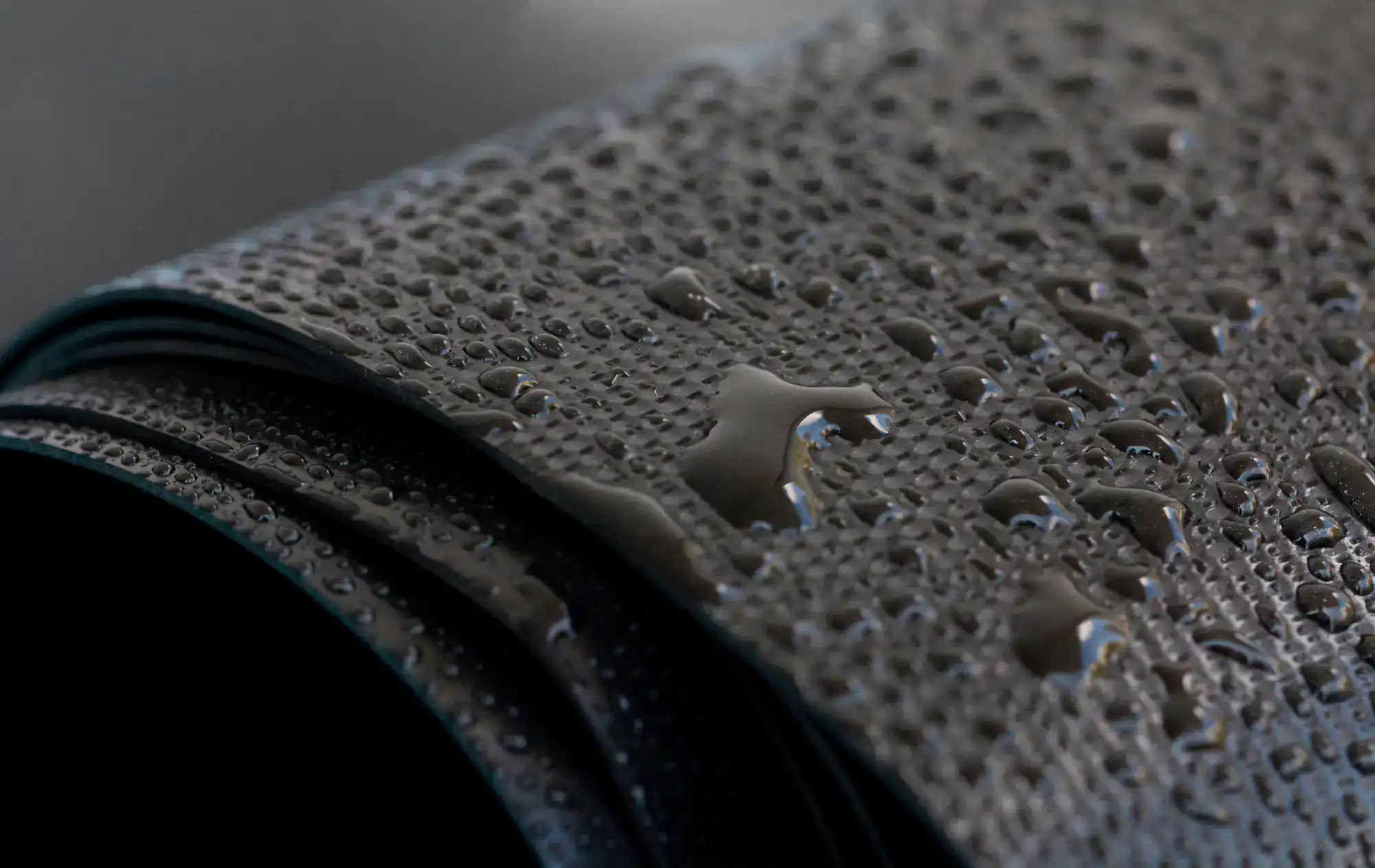
It starts with a free in-home inspection interior and exterior, no phone quotes, no ballpark estimates based on square footage. We look at where the water is entering, what’s driving it, and whether the cause is hydrostatic pressure from a rising water table, surface water from poor grading, freeze-thaw crack damage, or something else entirely. On the South Fork, those causes aren’t interchangeable, and neither are the fixes.
Once we know what we’re dealing with, we walk you through what we found and what we recommend in plain language, with a written, itemized estimate. If your property falls within one of East Hampton Town’s FEMA flood zone overlay districts, we factor those code requirements into the scope from the start. Permits are handled on our end. You don’t have to manage that process.
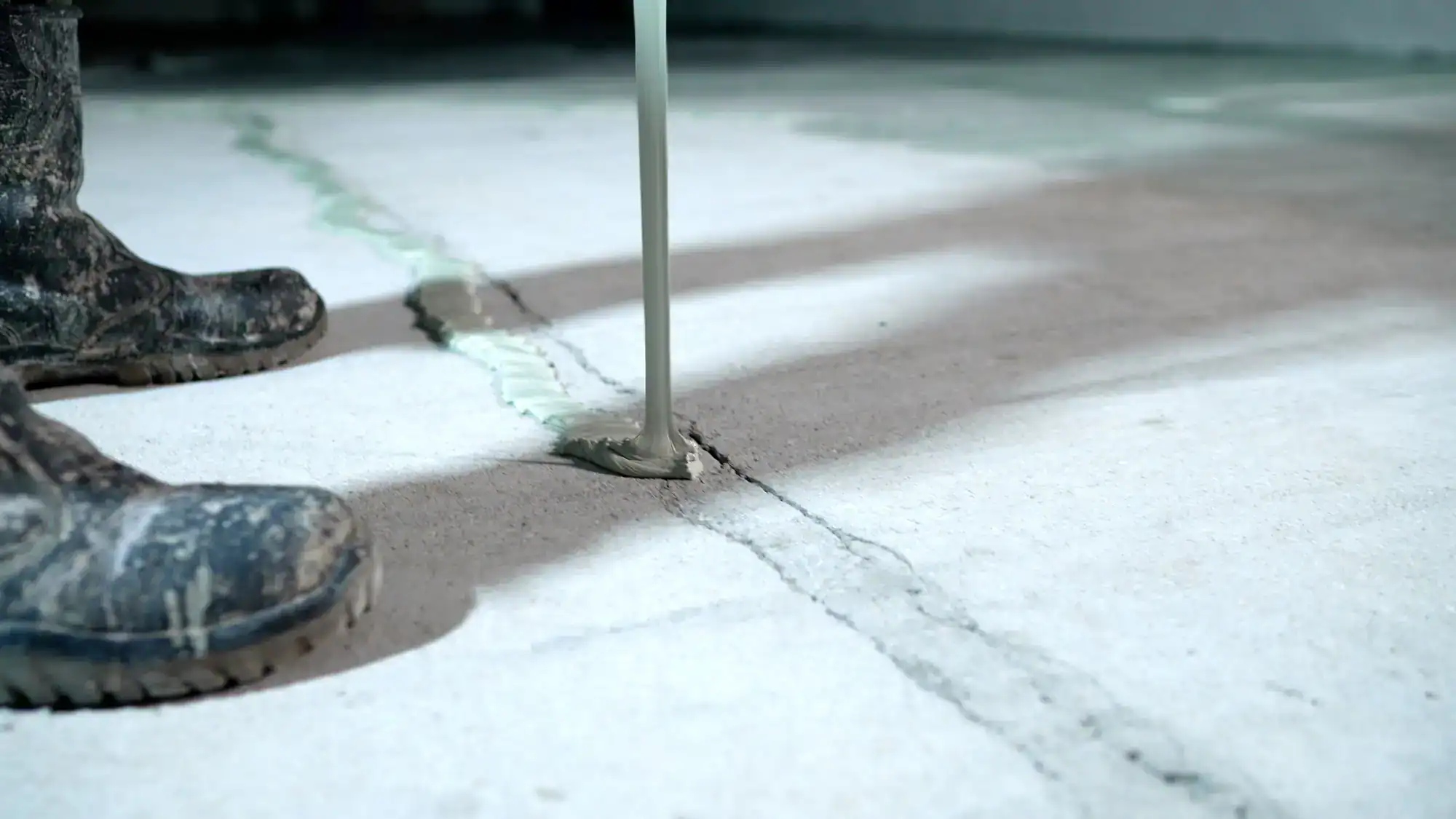
The work itself depends on what the inspection reveals. Interior drainage systems and sump pump installation address chronic groundwater pressure from below. Foundation crack sealing typically done with epoxy or polyurethane injection stops active water infiltration through the wall and restores the structural integrity of the concrete before the next freeze-thaw cycle widens the breach further. For second-home owners especially, we recommend battery backup sump pump systems that keep working when East Hampton’s winter storms knock out the power because that’s exactly when you need them most.
Ready to get started?
Basement waterproofing in East Hampton North covers a range of conditions, and what your property needs depends on what’s actually causing the problem not on what’s easiest to sell. Foundation crack sealing addresses water coming through the wall itself, typically the result of freeze-thaw damage or settlement. Interior drainage systems manage groundwater that enters at the floor-wall joint, which is common in East Hampton North’s shallow-water-table environment. Sump pump installation including battery backup systems handles the discharge and gives you a failsafe when coastal storms cut the power.
For homes near Springs, Wainscott, or along the lower-lying stretches of Route 114, exterior grading and drainage solutions are sometimes part of the picture too. Surface water that pools against the foundation during heavy rain events contributes to seepage just as much as rising groundwater does, and addressing only one side of that equation leaves the other one open.
Every project comes with a written estimate, proper permit documentation where required by East Hampton Town, and warranty coverage you can put in writing at closing. If you’re planning to sell or just want to stop worrying every time a storm rolls in off Gardiners Bay the goal is the same: a basement that stays dry, documented proof that the work was done right, and no surprises the next time it rains for four days straight.
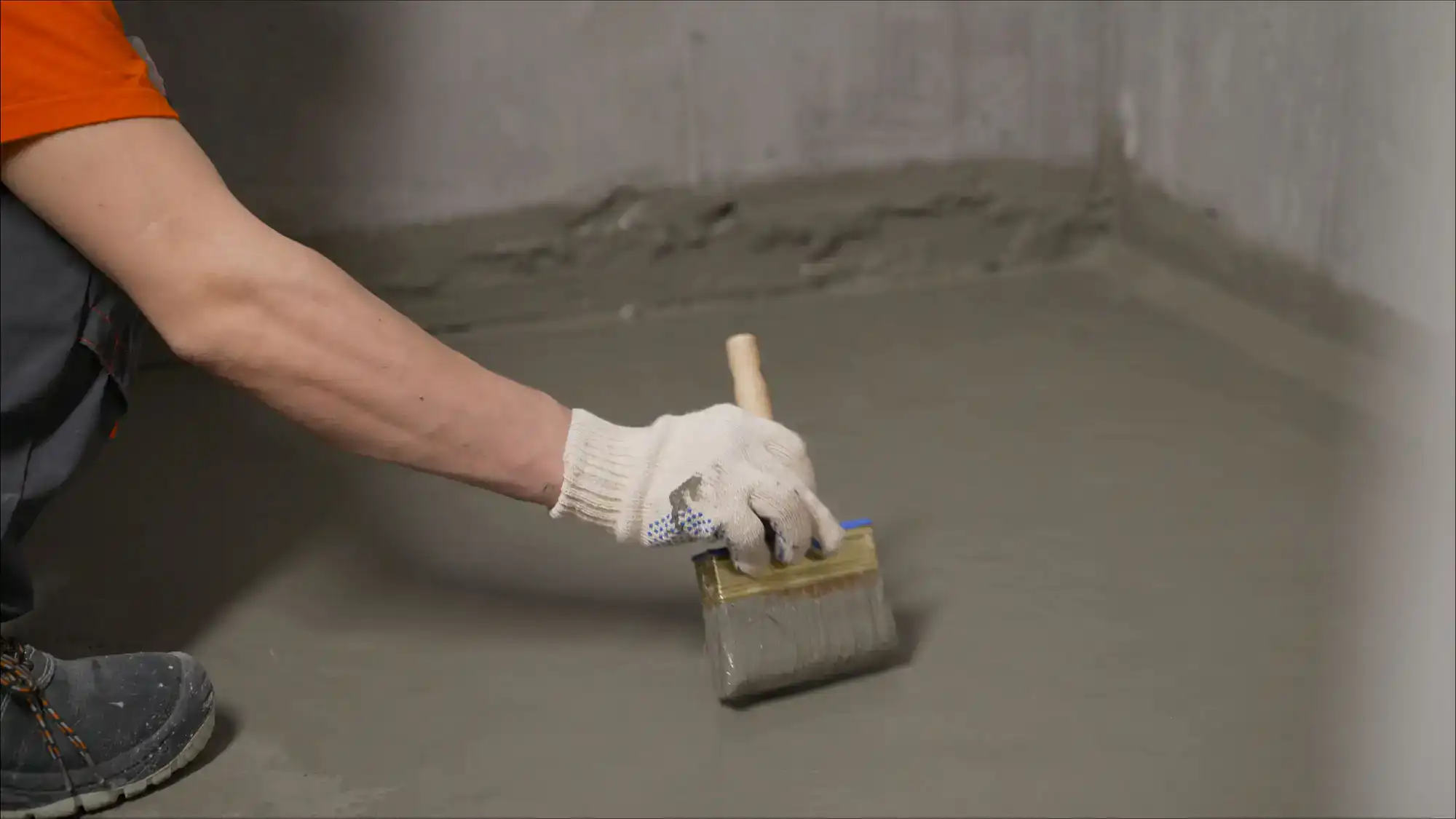
The short answer is the soil. East Hampton North sits on glacial outwash deposits loose, sandy, highly permeable material left behind when the last glaciers retreated. The U.S. Geological Survey has measured groundwater moving through the upper glacial aquifer on the South Fork at rates up to 350 feet per day. That means when it rains hard or rains for several days in a row, the water table rises quickly and presses against your foundation with significant hydrostatic force.
Most basements aren’t built to resist that kind of sustained pressure indefinitely. Hairline cracks in the foundation wall, gaps at the floor-wall joint, and porous concrete all become entry points when the water table gets high enough. The fix isn’t more waterproofing paint it’s a drainage system designed to relieve that pressure before it finds its way inside. An inspection will tell you exactly where the water is entering and what’s driving it on your specific property.
In most cases, yes. East Hampton Town’s Building Department requires permits for construction, alteration, and repair work and interior drainage systems, sump pump installation, and exterior foundation waterproofing typically fall within that scope. The permit application process requires a licensed contractor, a signed and notarized application, workers’ compensation insurance documentation, and two sets of scaled plans depending on the scope of work.
This matters more than most homeowners realize. Work done without the required permits can create complications at resale buyers’ attorneys and inspectors in this market look for permit records, and unpermitted work on a property worth $1.5 million or more is a negotiating liability you don’t want. We handle the permit process as part of the project. You don’t have to navigate East Hampton Town’s Building Department on your own.
East Hampton North’s proximity to Gardiners Bay, Three Mile Harbor, and the Atlantic Ocean affects your foundation in two ways. First, the ambient humidity is consistently higher than inland Suffolk County communities and elevated humidity accelerates moisture infiltration through porous concrete and masonry walls even when there’s no active storm. Basements that feel dry in July can develop serious moisture problems by November simply because the air never fully dries out.
Second, the South Fork’s freshwater lens is relatively thin compared to the broader Long Island aquifer system. In practical terms, that means the water table sits closer to the surface here than in mid-Island communities, giving your foundation less margin before groundwater becomes a problem. Homes in lower-lying areas near Springs and Wainscott both of which have been identified in East Hampton Town’s coastal resilience planning as flood-prone areas deal with this more acutely, but it’s a factor across East Hampton North as a whole.
Foundation crack sealing is the process of filling active cracks in your concrete foundation wall to stop water infiltration and restore the wall’s structural integrity. The two most common materials are epoxy injection which bonds the crack back together and restores compressive strength and polyurethane foam injection, which expands to fill the crack and remains flexible enough to handle minor movement without re-opening.
In East Hampton North, the most common driver of foundation cracks is the freeze-thaw cycle. January temperatures here hover around 31°F and cycle above and below freezing regularly throughout the winter. Water that enters a hairline crack freezes, expands, and widens the opening incrementally with each cycle. After two or three winters, what started as a surface crack becomes a structural breach. Sealing it early ideally before the freeze-thaw season begins in late fall costs a fraction of what full foundation repair runs after the damage has compounded. If you’ve noticed a crack that seems to be growing, that’s not something to monitor. It’s something to address.
This is one of the most common concerns we hear from East Hampton North homeowners, and it’s a legitimate one. The winter months when freeze-thaw cycles are most active and coastal storms hit hardest are exactly the months when many South Fork properties sit unoccupied. Water damage that goes undetected from November through March is almost always more extensive and more expensive than the same problem caught early.
The most effective solution for an unoccupied property is a combination of a properly installed interior drainage system, a primary sump pump, and a battery backup sump pump system. East Hampton has documented power outages affecting thousands of customers during winter storms and when the power goes out, a standard sump pump stops working. A battery backup system keeps running regardless, so your basement stays protected even when no one is there to notice the lights went out. We can also walk you through what a pre-winter inspection should cover if you want to button up the property before the season starts.
Cost depends on what the inspection finds and what system is actually needed which is why we don’t quote over the phone. That said, here are honest ballpark ranges so you can plan accordingly. Foundation crack sealing typically runs $800 to $1,500 per crack depending on length, depth, and access. Sump pump installation generally falls between $600 and $1,900 for a primary unit. A full interior drainage system with sump pump the right solution for chronic groundwater pressure typically costs between $4,500 and $10,000 depending on the size of the basement and the severity of the problem. Battery backup systems add to that, but in a market where power outages during coastal storms are a documented reality, they’re worth factoring in from the start.
In East Hampton North, where homes regularly sell for $1.5 million and above, the math on waterproofing is straightforward. A wet basement is a disclosed defect that buyers will use to negotiate. A properly waterproofed basement with a written warranty is a documented improvement that holds its value. The inspection is free and it’s the only way to give you a number that actually reflects what your property needs.