
Hear from Our Customers
Most Hampton Bays homeowners don’t call until there’s standing water. By then, the crack that started as a hairline has been letting moisture in for two or three seasons, and the musty smell that crept upstairs is mold already taking hold. The fix at that stage is never cheap and it’s never just waterproofing anymore.
When you address it early, you’re protecting the structure, the air quality, and the value of a home that’s now worth close to a million dollars in this market. That’s not a small thing. A properly waterproofed basement in Hampton Bays means you’re not gambling every time a nor’easter rolls in off the Atlantic and the power flickers out at midnight.
The homes here were mostly built in the 1970s which means original waterproofing membranes, if there were any, are well past their useful life. Concrete block foundations from that era crack. Sump pumps installed in the 1990s fail. And in a community where the water table is pushed up by Shinnecock Bay on one side and Tiana Bay on the other, there’s nowhere for that moisture to go except through your walls. Getting ahead of it is the only move that actually makes sense here.
We’re a Long Island-based basement waterproofing contractor that works specifically in Suffolk County which means the conditions in Hampton Bays aren’t new to us. The sandy soil, the elevated water table, the coastal storm exposure, the aging housing stock along Montauk Highway and back toward the canal we’ve seen it, and we know what it does to a basement over time.
We don’t send a salesperson to your door. We send someone who can actually read a foundation, explain what’s causing the problem, and tell you what it’s going to take to fix it in plain language, in writing, before any work begins.
Hampton Bays homeowners have enough to deal with when a storm rolls through. You shouldn’t also be wondering whether we’ll pick up the phone two years from now if something needs attention. We’re here year-round, and we stand behind every job we do.
It starts with a free in-home inspection. A technician comes out, walks your basement, looks at the walls, the floor slab, the sump pit if you have one, and any visible cracks or staining. Nothing is quoted over the phone, because the right solution depends on what’s actually happening in your specific foundation not what’s common in the neighborhood.
After the inspection, you get a written estimate that breaks down exactly what’s recommended and why. If it’s a foundation crack that needs polyurethane or epoxy injection, that’s what we’ll say. If the water table in your area is high enough that you need a perimeter drainage system and a properly sized sump pump, we’ll explain that too and show you the difference between the two approaches so you can make an informed decision.
Once you approve the scope, we schedule the work. For interior waterproofing systems in Hampton Bays, we account for the local soil conditions and the proximity to tidal water bodies when sizing drainage components a system designed for an inland home isn’t always the right fit here. When the job is done, you’ll have a written warranty and a clear understanding of how to maintain the system going forward. No loose ends.
Ready to get started?
Basement waterproofing isn’t one thing it’s a category that covers several different problems with several different solutions. The right answer depends on where the water is coming from, how your foundation is built, and what the groundwater conditions look like on your specific property.
For homes with active cracks in poured concrete or block foundations which covers the majority of Hampton Bays homes built between 1960 and 1985 foundation crack sealing using pressure-injected epoxy or polyurethane is often the most direct fix. It stops the water at the source, restores structural integrity to the crack, and doesn’t require tearing up your floor. For properties where the water table itself is the problem, an interior perimeter drainage system paired with a properly rated sump pump handles the hydrostatic pressure that sandy, bay-adjacent soil creates. We also install battery backup sump pump systems something that matters a great deal in a community where nor’easters cut power and an unprotected sump pit can overflow within hours.
If you own a seasonal or rental property near Dune Road or along the Tiana Bay waterfront, we can assess and waterproof basement walls and crawl spaces that may have gone unmonitored through the off-season. Every service comes with a written warranty. The scope, the cost, and the expected outcome are all on paper before a single tool comes out of the truck.
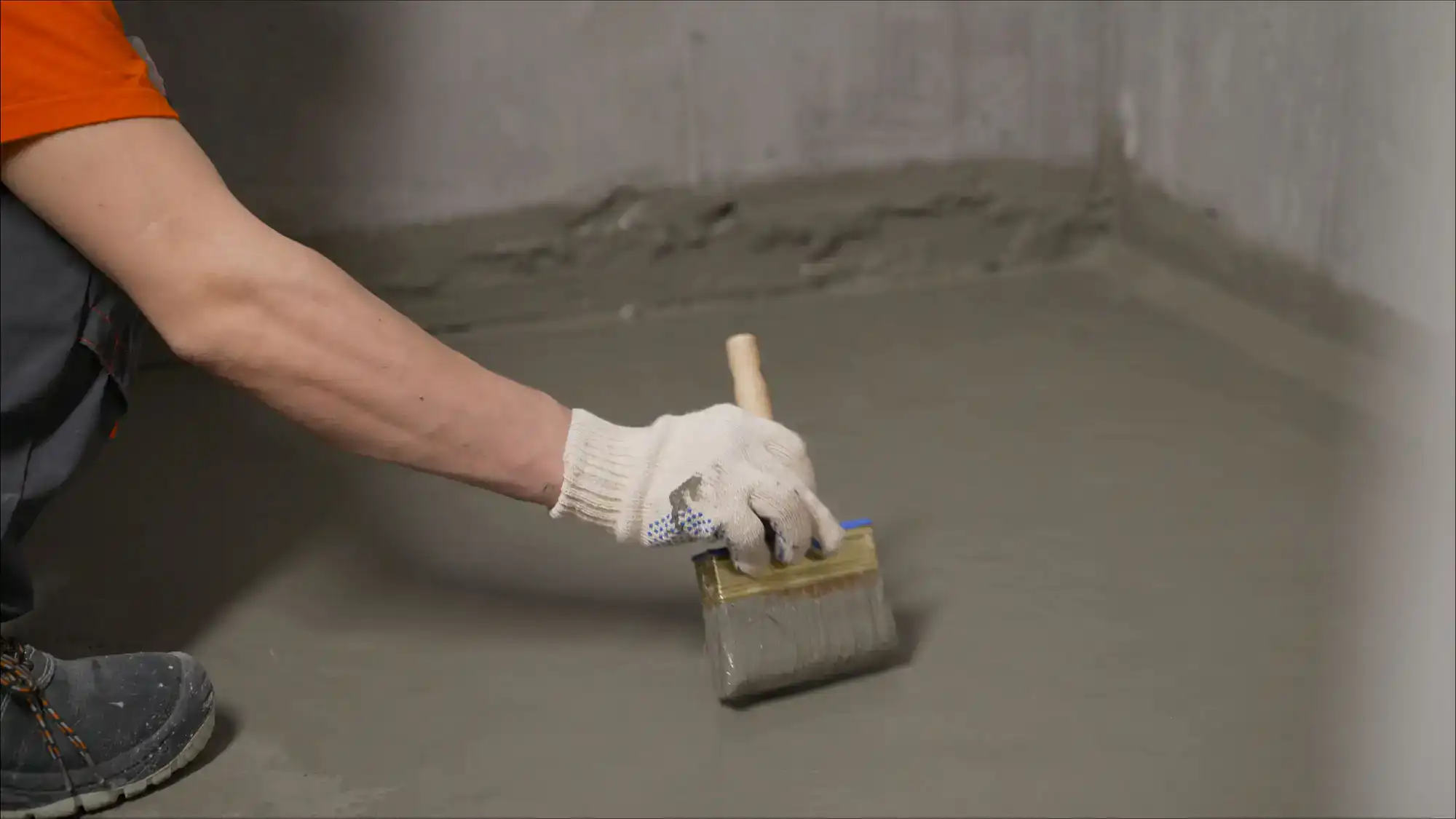
This is one of the most common questions we hear from homeowners in Hampton Bays, and the answer almost always comes down to the water table. Hampton Bays sits between the Atlantic Ocean, Shinnecock Bay, and Tiana Bay and the groundwater here doesn’t drain the way it does in an inland community. When winter snowmelt and early spring rainfall hit simultaneously, the water table rises quickly, and sandy soil doesn’t hold it at the surface. It percolates straight down and accumulates against your foundation.
What you’re seeing isn’t necessarily a roof drainage problem or a grading problem, though those can contribute. It’s often hydrostatic pressure water pushing laterally through the soil and finding the path of least resistance, which is usually a crack, a cold joint, or a porous section of your block wall. The fix depends on how the water is entering and how high the table is rising on your property. That’s why an in-person inspection matters more than a phone diagnosis there’s no universal answer for a town where the groundwater behaves the way it does in Hampton Bays.
Exterior waterproofing means excavating around the outside of your foundation, applying a waterproof membrane to the exterior wall, and installing drainage board and a footing drain to redirect water away from the structure before it ever reaches the wall. It’s the most comprehensive approach, but it’s also the most invasive and expensive and in Hampton Bays, where many properties have mature landscaping, tight lot lines, or structures close to the foundation, exterior excavation isn’t always practical.
Interior waterproofing manages water after it enters the foundation perimeter. A drainage channel is installed along the inside of the footing, water is directed to a sump pit, and a pump removes it before it can accumulate on the floor or wick up the walls. For most Hampton Bays homes dealing with hydrostatic pressure from a high water table, interior waterproofing is the more realistic and cost-effective solution. It doesn’t stop water from touching the foundation, but it controls where that water goes and when done correctly, it keeps the basement dry and the air quality intact. We’ll tell you honestly which approach fits your situation after we’ve seen the foundation.
Cost varies depending on what the problem actually is, which is why we don’t quote over the phone. That said, here are realistic ranges based on common scenarios. Foundation crack sealing using pressure injection typically runs between $800 and $1,500 per crack depending on length, location, and access. A sump pump installation including the pit, the pump, and proper discharge generally falls between $600 and $1,900. A full interior perimeter drainage system for a Hampton Bays home of average size typically ranges from $4,500 to $10,000 or more depending on square footage and system complexity.
In a market where the median home value is approaching $1 million, those numbers need to be weighed against what happens if you don’t act. Mold remediation alone can run $2,000 to $6,000 for a moderate case. Structural foundation repair, if a crack is left to widen through multiple freeze-thaw cycles, can reach $10,000 to $30,000. The inspection is free, the estimate is written and itemized, and there’s no pressure to decide on the spot. You’ll know exactly what you’re looking at before you commit to anything.
Having a sump pump and having a functioning, properly sized sump pump are two different things. Most Hampton Bays homes built in the 1970s and 1980s that have sump pumps are working with equipment that’s anywhere from 15 to 30 years old. Sump pumps have a typical service life of 7 to 10 years under normal use. A pump that’s still technically running isn’t necessarily keeping up with the volume of water your foundation sees during a significant storm or a high-water-table season.
There’s also the backup question. A standard sump pump runs on grid power which means the moment a nor’easter knocks out electricity in Hampton Bays, your pump stops working at exactly the time you need it most. A battery backup system keeps the pump running during outages, which is especially critical if you own a seasonal or rental property that won’t have someone there to catch a problem early. During an inspection, we test your existing pump, assess its capacity relative to your water table conditions, and let you know whether it’s adequate or whether it needs to be replaced or supplemented.
Yes and in Hampton Bays specifically, this connection matters more than it does in most inland communities. The ambient outdoor humidity along the South Fork is already elevated compared to areas like Hauppauge or Commack. When a basement has even minor moisture intrusion a slow seep through a crack, condensation on walls, or a chronically damp floor slab that coastal humidity combines with the basement moisture to create conditions where mold colonizes quickly and spreads into wall cavities, floor joists, and eventually the living space above.
Waterproofing the basement walls and managing the source of moisture removes the environment mold needs to grow. It doesn’t replace mold remediation if mold is already present that’s a separate process but it eliminates the recurring condition that keeps bringing mold back after remediation. If your basement smells musty every spring, or you’ve had mold treated before and it came back, the underlying moisture problem hasn’t been solved yet. That’s where we start.
In this market, it’s one of the most practical investments you can make before listing. Hampton Bays home values have risen sharply median sold prices are near $870,000 to $1 million depending on the source and timing. A wet basement flagged during a buyer’s home inspection is one of the most common deal-killers in the Long Island real estate market. Buyers either walk away, demand a significant price reduction, or ask for a repair credit that often exceeds what the actual fix would have cost.
A completed waterproofing job with a written, transferable warranty does the opposite it removes the objection before it comes up and gives the buyer documented confidence in the foundation. In a community where many buyers are purchasing vacation homes or investment properties and may not be doing deep due diligence in person, a warranty they can hold in their hand carries real weight. If you’re planning to list in the next 6 to 12 months, getting the basement inspected and addressed now gives you time to do it right rather than rushing a fix under contract pressure.