
Hear from Our Customers
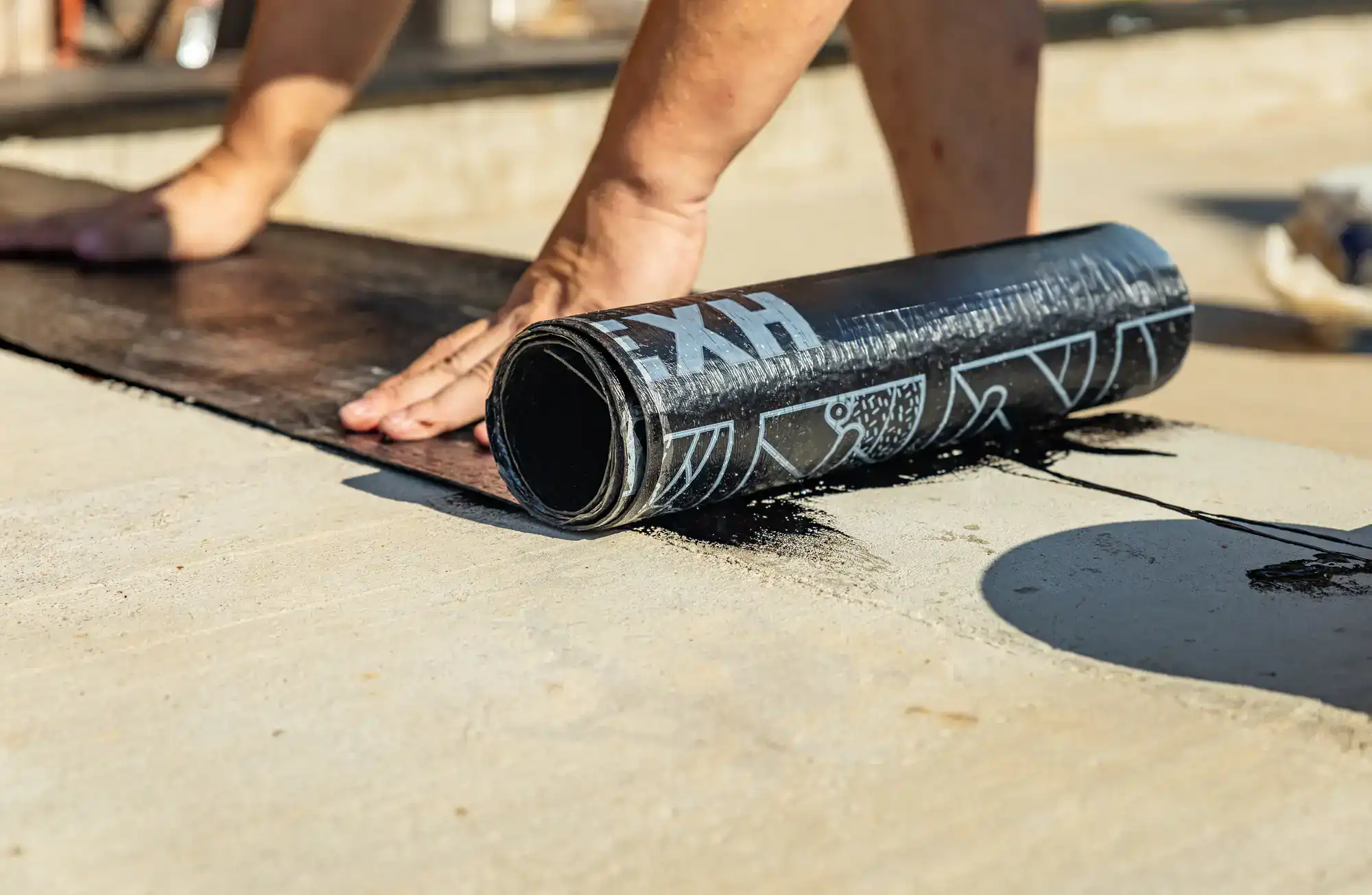
When water stops coming in, things change quickly. The musty smell clears out. The storage space you’ve been avoiding becomes usable again. And that low-grade worry every time a storm rolls in off the North Shore that goes away too.
Huntington Station sits right in the zone influenced by the Harbor Hill Moraine, the glacial ridge that runs across Long Island’s North Shore. The soil here isn’t uniform you’ve got dense clay patches sitting next to sandy outwash deposits, and that inconsistency is exactly why hydrostatic pressure builds up against foundation walls the way it does. Your neighbor’s basement might stay dry while yours floods after the same storm. That’s geology.
Most of the homes in Huntington Station were built between 1945 and 1975, and those poured concrete and concrete block foundations were never designed with today’s waterproofing standards in mind. After 50 to 70 years of freeze-thaw cycling and soil pressure, the cracks that form aren’t cosmetic they’re structural invitations for water. A properly waterproofed basement stops that cycle and protects the home you’ve worked hard to own.
We’re a locally operated waterproofing company serving Huntington Station and the surrounding North Shore communities in Suffolk County. We’re not a national franchise with a Long Island phone number we’re based here, we work here, and when you call five years from now about your warranty, you’ll reach the same company that did the original job.
We know the Town of Huntington’s permit process for interior drainage systems and sump pit installations. We know what the soil looks like on the residential streets stepping down toward Jericho Turnpike, and we know what that means for how water moves against your foundation. That’s the kind of familiarity that doesn’t come from a service area map it comes from doing this work in this community.
Every estimate starts with a real inspection. No phone quotes, no guessing. You get a written, itemized proposal based on what we actually find and no pressure to sign anything that day.
It starts with a free in-home inspection. We walk the basement with you, look at where the water is entering, and identify the actual source whether that’s a crack in the foundation wall, seepage through the cove joint where the floor meets the wall, or hydrostatic pressure pushing moisture through the wall face itself. Each one of those requires a different fix, and skipping this step is how homeowners end up paying twice.
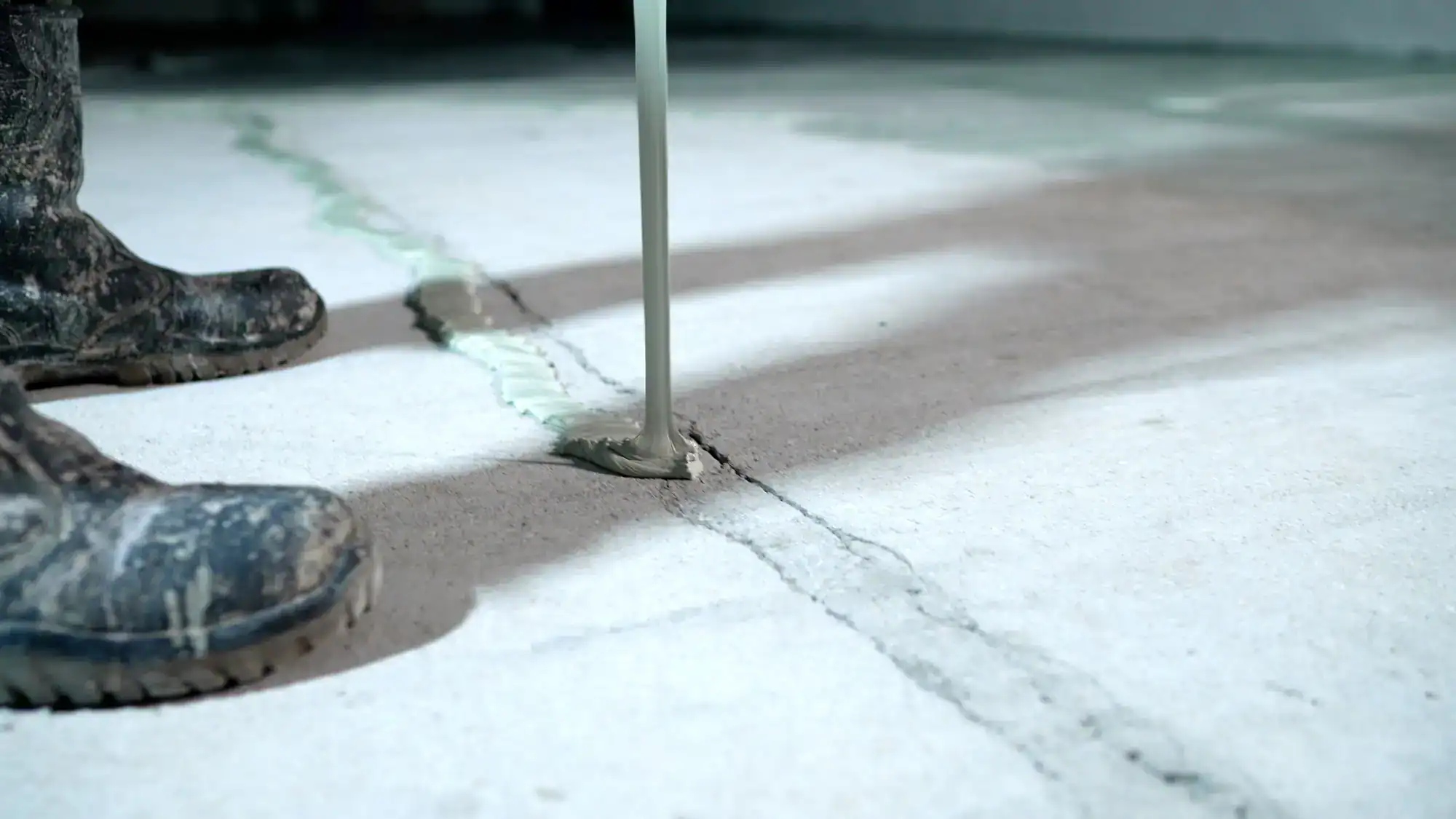
Once we know what’s causing the problem, we put together a written estimate that breaks down exactly what the work involves and what it costs. For many Huntington Station homes, the solution is an interior perimeter drainage system that intercepts water at the foundation and routes it to a sump pump rather than trying to stop it at the wall surface, which rarely holds long-term against the clay-heavy soils in this area. For foundation cracks, we use epoxy or polyurethane injection that bonds directly to the concrete and restores the wall’s integrity, not just fills the gap temporarily.
If the scope of work requires a permit through the Town of Huntington Building Department which applies to interior drainage systems, sump pit installation, and exterior excavation we handle that process as part of the job. You don’t need to figure out the Town’s requirements on your own.
Ready to get started?
Basement waterproofing isn’t one thing it’s a diagnosis followed by the right solution. For Huntington Station homeowners, that usually means addressing one or more of the following: foundation crack sealing using injected epoxy or polyurethane, interior perimeter drainage systems that manage water at the footing level, sump pump installation with battery backup for power outages during nor’easters, or exterior waterproofing for situations where the water source needs to be addressed from outside the foundation wall.
The battery backup piece matters more here than people realize. Long Island’s North Shore loses power during the exact storms that put the most water in your basement. A sump pump without a backup is a liability during a nor’easter. Every sump pump installation we complete in Huntington Station includes a conversation about backup capacity because a pump that fails at 2 a.m. during a storm undoes everything else.
We carry full New York State contractor licensing and general liability insurance, and every project comes with a written warranty. If you’re planning to sell your home in the next several years, a transferable waterproofing warranty is a real asset it tells buyers the problem has been solved and documented, not just painted over. For a community where homes change hands regularly and buyers’ inspectors are thorough, that documentation carries weight.
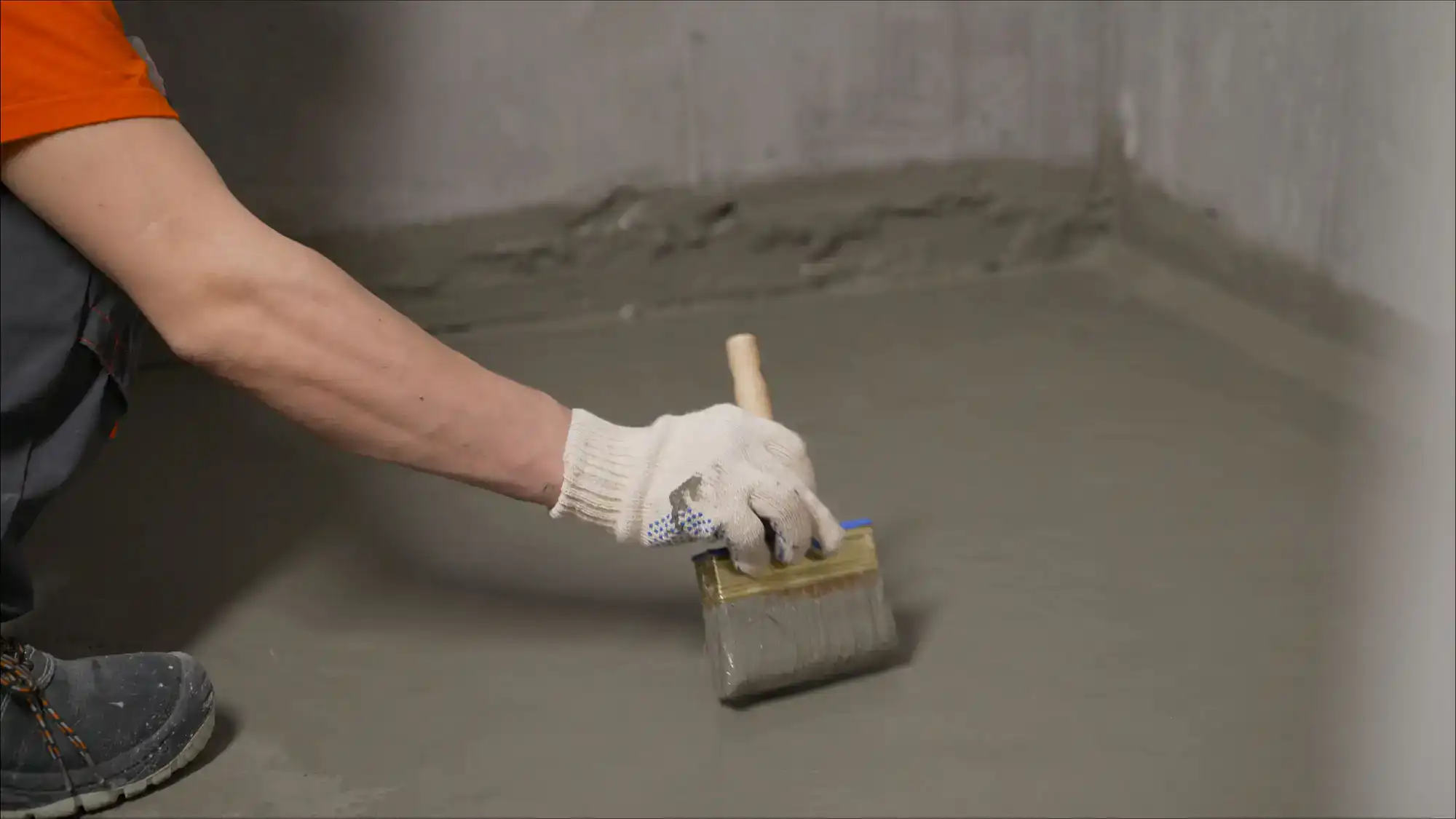
The most common reason is the soil. Huntington Station sits in the zone of the Harbor Hill Moraine, and the ground here is a patchwork of clay, glacial till, and sandy outwash. Clay-heavy soil doesn’t drain it holds water and builds hydrostatic pressure against your foundation walls until something gives. That’s why you can get significant flooding after a moderate storm while a neighbor two streets over stays dry. The soil composition varies block by block, and your foundation is dealing with whatever’s directly around it.
The other factor is age. Most homes in Huntington Station were built in the postwar decades without waterproofing membranes or proper footing drains. After 50-plus years, those foundations have experienced enough freeze-thaw cycling and soil pressure that small cracks are almost inevitable. Once a crack forms, water finds it. The fix isn’t to seal the crack from the inside with hydraulic cement and hope it’s to understand where the water pressure is coming from and address the drainage at the source.
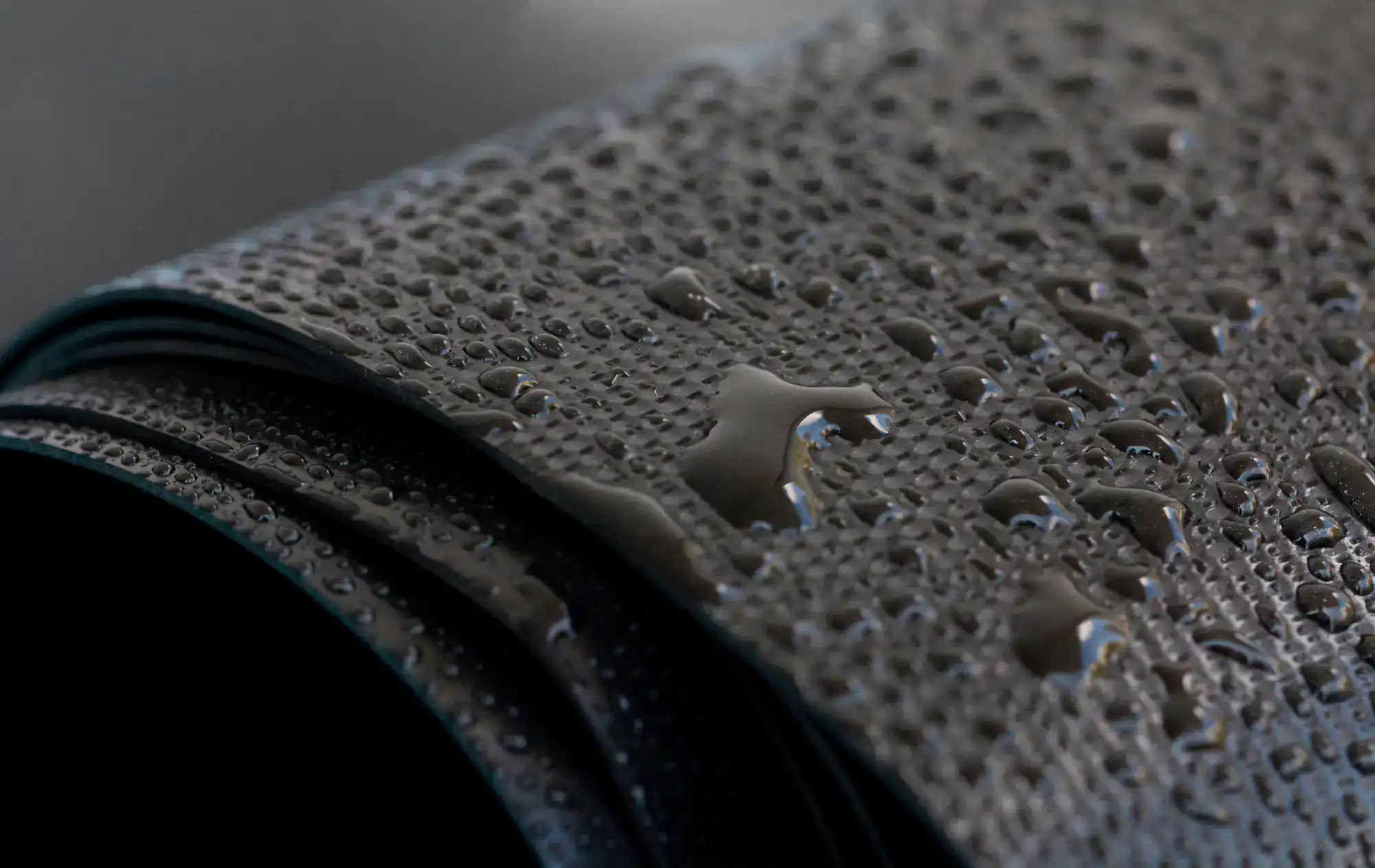
Exterior waterproofing addresses the problem from outside the foundation it typically involves excavating around the perimeter of the home, applying a waterproofing membrane to the outside of the foundation wall, and installing drainage board and a footing drain to redirect water away before it ever contacts the foundation. It’s the most comprehensive approach, but it’s also the most disruptive and expensive, and it’s not always necessary.
Interior waterproofing manages water after it enters the foundation zone using a perimeter drainage channel installed at the base of the foundation wall to intercept seepage and route it to a sump pump. It doesn’t stop water from reaching the wall, but it stops water from reaching your living space. For most Huntington Station homeowners dealing with hydrostatic seepage through aging concrete block or poured concrete walls, interior waterproofing is the more practical and cost-effective solution. The right answer depends on your specific situation, which is why the inspection comes before any recommendation.
The range is wide because the scope varies significantly depending on what’s causing the problem and how much of the basement is affected. Foundation crack injection typically runs $800 to $1,500 per crack. Sump pump installation generally falls between $600 and $1,900 depending on the system and whether battery backup is included. A full interior perimeter drainage system for a typical Huntington Station home can run anywhere from $5,000 to $15,000 or more, depending on the size of the basement and the complexity of the drainage layout.
What’s worth keeping in mind is the cost of not acting. Mold remediation in a chronically wet basement typically costs $2,000 to $6,000. Structural foundation repair the kind that becomes necessary when water damage goes unaddressed long enough can reach $10,000 to $30,000. A $1,500 crack repair today is a very different financial decision than a $20,000 structural repair three years from now. We give you a written, itemized estimate after the inspection so you know exactly what you’re looking at before committing to anything.
It depends on the scope of work. Surface-level repairs crack injection, waterproofing paint, minor sealants generally don’t require a permit. But if the work involves breaking through the concrete floor slab to install a perimeter drainage channel, digging a sump pit, or any exterior excavation around the foundation, the Town of Huntington Building Department requires a permit before work begins. This applies to most full interior waterproofing systems.
The permit process exists to make sure the work is done correctly and inspected which is actually in your interest as a homeowner. We handle the Town of Huntington permit application as part of the project when it’s required. You don’t need to navigate that process separately. Suffolk County also has specific rules about where sump pump discharge can go, so that’s another piece we confirm during the planning stage to make sure everything is code-compliant when the job is done.
For most homes in Huntington Station, yes and the reason is straightforward. The storms that put the most water in your basement are the same storms that knock out power on Long Island’s North Shore. Nor’easters, heavy summer thunderstorms, and the remnants of tropical systems can all cause extended outages, and a sump pump that loses power during peak water intrusion is effectively useless at the exact moment you need it most.
A battery backup system keeps the pump running independently of the grid. Some systems also include a water-powered backup that operates off municipal water pressure as a secondary failsafe. For a home with a finished basement or one where water intrusion has been an ongoing issue, the cost of a backup system typically a few hundred to around $1,000 depending on the setup is a small number compared to the cost of a flooded basement and the contents inside it. It’s one of those additions that most homeowners wish they’d included from the start.
Not every crack is a structural emergency, but not every crack is harmless either and the difference matters a lot before you decide how to address it. Hairline cracks in poured concrete walls are common in homes of the age that dominate Huntington Station’s housing stock, and they’re often the result of normal concrete curing and decades of freeze-thaw cycling rather than structural movement. These typically respond well to epoxy or polyurethane injection and don’t indicate a deeper problem.
Cracks that are wider at one end than the other, cracks that run horizontally across a concrete block wall, or walls that are visibly bowing inward are different situations those can indicate soil pressure or structural movement that needs to be evaluated more carefully before any waterproofing work begins. During our inspection, we look at crack pattern, width, direction, and any signs of displacement to give you an honest read on what you’re dealing with. If something looks like it warrants a structural engineer’s review, we’ll tell you that directly rather than waterproof over a problem that needs a different solution first.