
Hear from Our Customers
Southold homes aren’t average Long Island real estate. With typical property values approaching $1 million, a wet basement isn’t just an inconvenience it’s a documented liability at inspection time, a mold risk inside your walls, and a problem that compounds every winter it goes unaddressed.
The North Fork’s geology works against you in ways most contractors don’t bother to explain. The soil here is a glacially deposited mix of sand, gravel, and clay lenses meaning drainage behavior changes dramatically from one property to the next. In areas where clay sits beneath the surface, water doesn’t drain away from your foundation. It builds pressure against it. That pressure doesn’t stop when the rain does.
And if your Southold home sits unoccupied for part of the year which is true for a significant number of seasonal properties throughout the town water that enters in November can go unnoticed until April. By then, you’re not dealing with a damp wall. You’re dealing with mold, rotted framing, and a remediation bill that dwarfs what a proper waterproofing system would have cost. Getting ahead of it is the only move that makes financial sense here.
We serve homeowners across Southold from Mattituck and Cutchogue through Peconic, New Suffolk, and out to Orient at the tip of the North Fork. We understand the conditions here because we work in them: the shallow groundwater, the coastal storm exposure, the aging foundations in historic hamlets that predate modern waterproofing standards by decades.
What sets our work apart isn’t a sales pitch it’s the inspection that happens before one. We don’t quote over the phone, and we don’t recommend a $12,000 interior drainage system without first understanding where the water is entering your home and why. That’s not a standard most contractors hold themselves to, but it’s the only one that produces results you can count on.
Whether you’re a year-round resident protecting your primary home or a seasonal property owner trying to make sure your place survives another North Fork winter intact, the process starts the same way: we look at the actual problem before we talk about the fix.
It starts with an in-person inspection not a phone estimate, not a quote based on square footage alone. We look at the exterior grading around your foundation, the condition of your foundation walls, the floor-wall joint, and any visible cracks or efflorescence that point to where water is entering. In Southold, that inspection also accounts for your proximity to the Sound, the Bay, or local inlets like Jockey Creek because those factors directly affect groundwater pressure at your specific property.
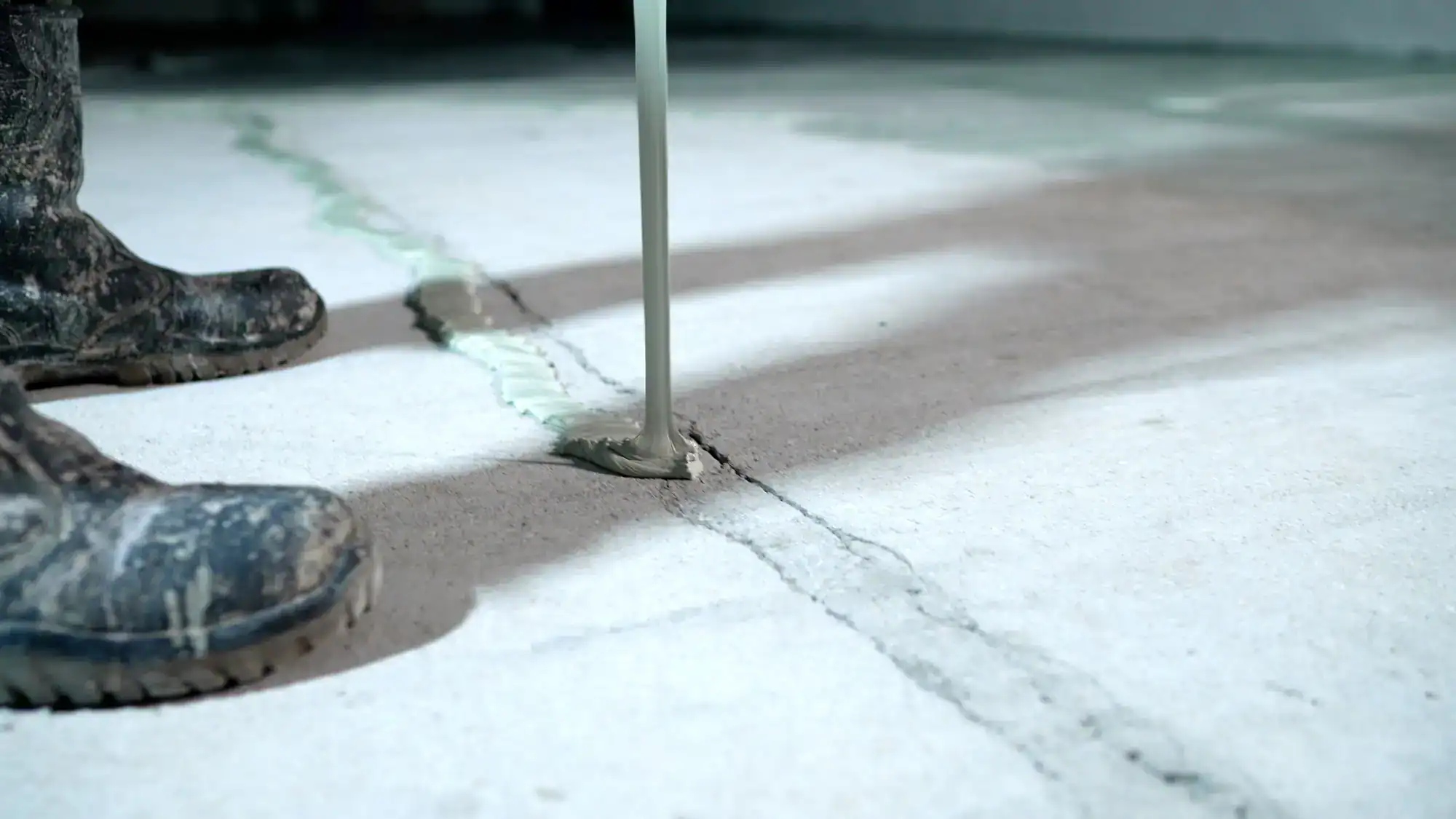
From there, the scope of work is built around what we actually found. If the issue is a foundation crack, we inject it with epoxy or polyurethane filling it from the inside out and restoring the structural integrity of the wall rather than just covering the symptom. If the problem is water moving through the perimeter of the foundation floor, an interior drainage system that channels water to a sump pit may be the right answer. If it’s both, we’ll tell you that clearly and explain why.
Any work that involves structural alteration or drainage system installation may require a permit through the Southold Town Building Department on Main Road and if that applies to your project, we handle that process as part of the job. When the work is done, you get written documentation of what was completed and what your warranty covers. No surprises on the invoice, no vague verbal guarantees.
Ready to get started?
The services we offer cover the full range of what North Fork homeowners actually run into. Foundation crack sealing addresses the most common entry point for water in older Southold homes particularly in Orient, Cutchogue, and the Southold hamlet, where block and early poured-concrete foundations have been cycling through freeze-thaw seasons for generations. Epoxy and polyurethane injection fills those cracks structurally, not cosmetically.
Interior basement waterproofing is the right call when water is entering through the foundation perimeter rather than through a specific crack. A properly installed interior drainage system collects water at the base of the wall, channels it to a sump pit, and removes it from the home before it can pool or saturate the floor. That system only works reliably if it’s paired with a sump pump that won’t quit when a nor’easter knocks out the power which is why we include battery backup as part of every sump pump installation we do in Southold.
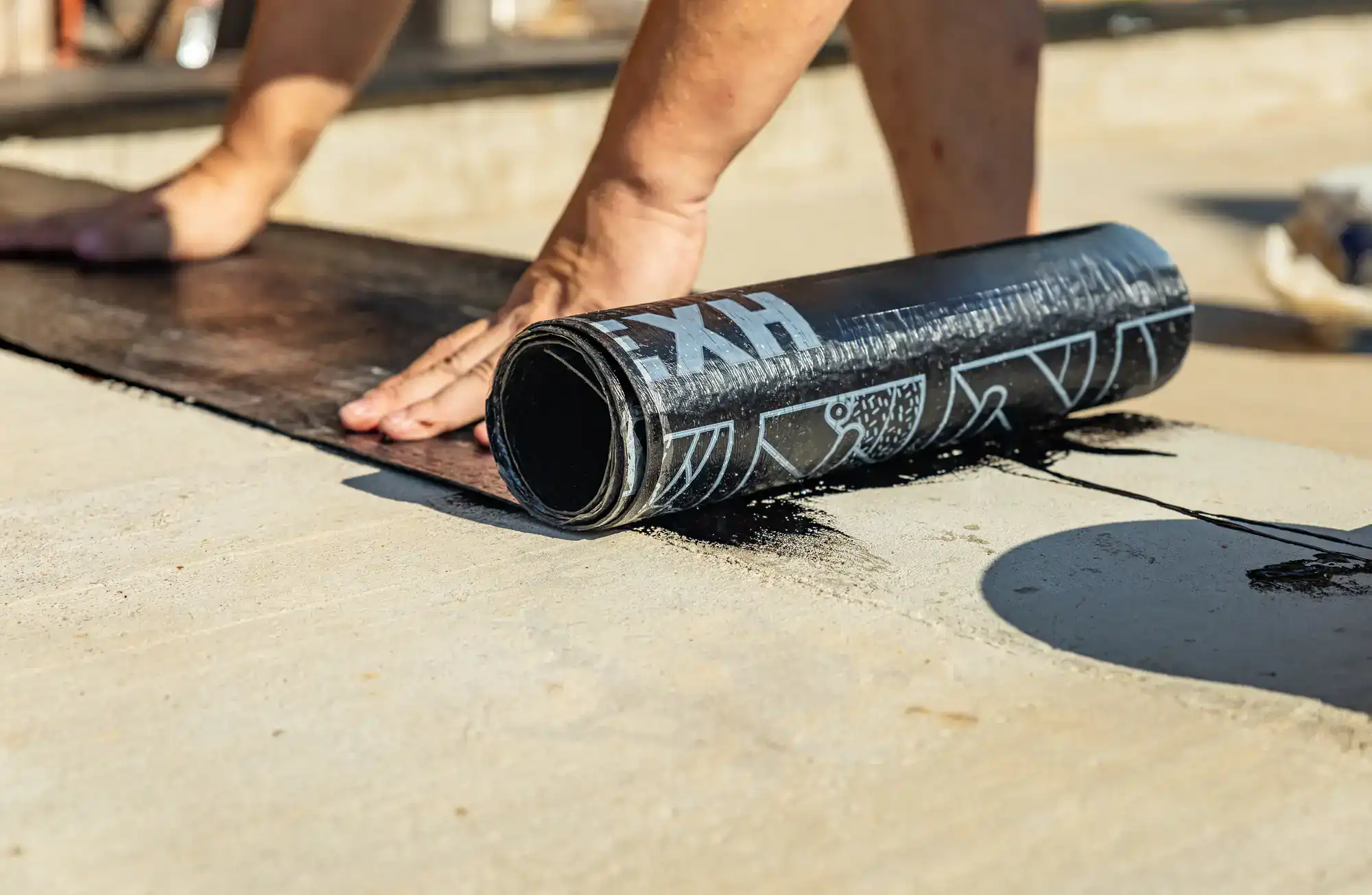
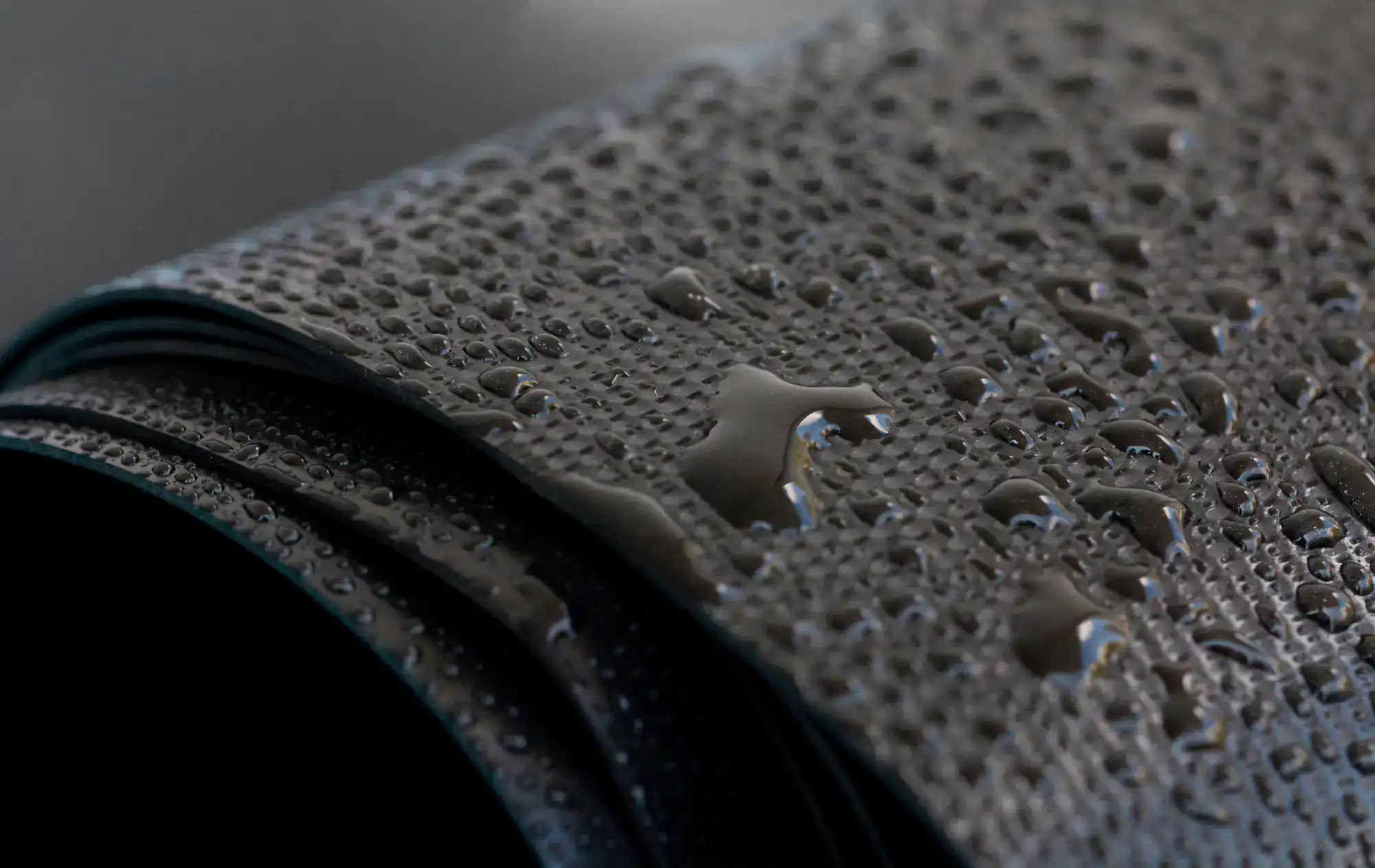
Waterproofing basement walls with the right membrane or coating is also part of the picture for homes dealing with chronic humidity and hydrostatic pressure but the product selection depends on what the pressure conditions actually are at your property, not what’s easiest to apply. For seasonal homeowners closing up for winter, a pre-vacancy inspection and targeted crack sealing can be the difference between opening a dry home in spring and opening a remediation project.
Spring is the peak water intrusion season on the North Fork, and it’s not always about a single rainfall event. What’s usually happening is a combination of snowmelt, sustained spring rain, and a water table that’s already elevated from winter saturation. The USGS has documented that Long Island’s groundwater levels have reached near-record highs in recent years due to above-normal precipitation and in coastal communities like Southold, where the water table is naturally shallow due to proximity to Long Island Sound and Peconic Bay, that elevation pushes moisture closer to your foundation than most homeowners realize.
When the water table rises high enough, it creates hydrostatic pressure against your foundation walls and floor. That pressure doesn’t need a crack to find its way in it will work through porous concrete, mortar joints in block foundations, and the floor-wall joint. The fix depends on where the water is actually entering. Sometimes it’s a targeted crack repair. Sometimes it’s an interior drainage system with a properly sized sump pump. An in-person inspection in late winter or early spring before the problem peaks is the best way to understand what your specific property needs.
The honest answer is that it depends on where the water is coming from and what’s practical for your property. Exterior waterproofing involves excavating around the foundation to apply a membrane or drainage layer directly to the outside of the wall it addresses the problem at the source, but it’s also more invasive and more expensive. For most Southold homeowners, especially those with landscaping, mature plantings, or limited side-yard clearance, exterior excavation isn’t always the most practical first option.
Interior waterproofing manages water that has already entered or is entering through the foundation perimeter. A drainage channel installed at the base of the wall collects that water and routes it to a sump pump before it can pool on the floor. It doesn’t stop water from entering the wall, but it controls where that water goes and keeps your basement dry. For many North Fork homes particularly older properties in Cutchogue, Peconic, or the Southold hamlet with established landscaping and historic foundations interior waterproofing is the more realistic and cost-effective path. The right answer for your home comes from an inspection, not a phone call.
Cost varies significantly depending on what the inspection reveals. Foundation crack injection the most targeted repair typically runs $800 to $1,500 per crack. Sump pump installation ranges from $600 to $1,900 depending on the unit and whether battery backup is included. A full interior waterproofing system with perimeter drainage and a sump pump for a 1,000-square-foot basement typically falls in the $4,500 to $10,000 range, with more comprehensive projects reaching $13,000 or more depending on the scope.
For Southold homeowners, the more useful framing is the cost of not acting. A foundation crack that costs $1,200 to seal today can widen through two or three more North Fork freeze-thaw cycles and become a structural repair in the $20,000–$30,000 range. If water intrusion leads to mold growth which it often does in unoccupied seasonal properties mold remediation alone typically runs $3,000 to $6,000 before any waterproofing work even begins. The investment in a proper waterproofing system is almost always less than the cost of the damage it prevents. We provide written, itemized estimates after every inspection so you know exactly what you’re looking at before any work begins.
It depends on the scope of the work. Minor repairs like crack injection or applying a waterproofing coating to existing walls typically don’t require a permit. But work that involves structural changes to the foundation, installation of a drainage system that affects how water moves around or beneath the building, or any excavation near the foundation may require a building permit through the Southold Town Building Department, located at 54375 Main Road in Southold.
Southold also has specific stormwater management regulations under Town Code Chapter 236 that can apply to work affecting subsurface drainage patterns. And if your property is near a wetland, tidal marsh, or one of the town’s many coastal inlets which is true for a significant number of properties throughout the ten hamlets there may be additional environmental setback requirements that affect how exterior work is planned and executed. A contractor who doesn’t know Southold’s regulatory environment may overlook these details entirely. We account for permit requirements as part of the project scope from the start, so nothing gets flagged after the work is already underway.
A pre-vacancy inspection is one of the most practical investments a seasonal homeowner can make. Water intrusion that begins in late fall when temperatures drop and freeze-thaw cycles start working on existing foundation cracks can go completely undetected until you return in spring. By that point, what might have been a $1,000 crack repair has potentially turned into standing water, mold inside wall cavities, and damaged belongings.
Before closing your Southold property for the season, it’s worth having the foundation inspected for active cracks or gaps at the floor-wall joint, checking that the sump pump is operational and that the battery backup is charged and functional, and sealing any entry points that could admit water over a long unoccupied period. For properties in low-lying areas near the bay or local inlets particularly in New Suffolk, Peconic, or East Marion groundwater can rise significantly during winter storms without anyone on-site to notice. A few hundred dollars in preventive work before you leave is almost always less than what you’ll spend dealing with the consequences of a wet winter basement in April.
A properly installed interior drainage system with a quality sump pump can last 20 years or more with basic maintenance primarily keeping the sump pit clear and testing the pump annually before storm season. Foundation crack repairs done with epoxy or polyurethane injection are permanent fixes when the crack has been properly prepared and filled the injected material bonds to the concrete and doesn’t degrade over time the way surface coatings can.
Warranty terms matter as much as the installation quality, especially in a market like Southold where many homeowners may eventually sell. A transferable warranty one that passes to the next owner of the property is a documented asset in a home sale. With median sold prices in Southold around $999,000, buyers’ inspectors scrutinize basement conditions closely, and a warranted waterproofing system removes a significant line item of concern from that process. We provide written warranty documentation for completed work. Before you sign anything, ask us directly what the warranty covers, what voids it, and whether it transfers and we’ll give you a straight answer.