
Hear from Our Customers
Water in your basement isn’t just an inconvenience it’s a slow drain on the most valuable thing you own. With median home values in West Babylon sitting around $680,000 and appreciation that’s more than doubled over the past decade, what happens below grade directly affects what your home is worth above it.
The southern half of West Babylon Venetian Shores, Bergen Point, the streets closest to the Great South Bay sits above a naturally high water table. That means hydrostatic pressure against your foundation walls isn’t something that shows up after a bad storm and goes away. It’s a year-round condition, and surface sealants won’t hold against it. The right waterproofing system manages water at the foundation perimeter, not just at the wall surface.
For homes built in the 1940s through the 1960s which accounts for nearly two-thirds of West Babylon’s housing stock the original damp-proofing has long since broken down. What you’re left with is a foundation that’s been quietly absorbing moisture for decades. A properly installed interior drainage system, a correctly sized sump pump, and sealed foundation cracks don’t just stop the water. They stop the mold, the structural deterioration, and the air quality problems that follow when moisture goes unaddressed in a Long Island basement through a humid July.
We work exclusively on Long Island the same sandy soils, the same coastal groundwater, the same post-war housing stock that defines West Babylon and the surrounding communities. This isn’t a regional franchise dispatching crews from a call center. When you call, you’re reaching people who know what a nor’easter does to a 1955 foundation, and who understand that the Great South Bay isn’t just a backdrop for the Venetian Shores neighborhood it’s a direct factor in why your basement is wet.
Every job we do starts with a real inspection, inside and out. No phone quotes. No pressure. Just an honest look at what’s going on and a written estimate that reflects what actually needs to be done. We serve West Babylon and the surrounding communities throughout the Town of Babylon and western Suffolk County and the work comes with the kind of local accountability that follows you when your neighbors can look up the same contractor you used.
It starts with a free in-home inspection not a sales visit, an actual diagnostic. Our goal is to identify where the water is coming from and why. In West Babylon, that answer varies more than people expect. A home on the south end near the bay has a different problem than a home near Belmont Lake State Park, and a cape cod with a poured concrete foundation behaves differently than one with hollow concrete block. The inspection accounts for all of it.
Once the source is identified, you get a written, itemized estimate. Every line item is explained. There are no charges that appear on the invoice that weren’t in the original scope. If the job requires a permit through the Town of Babylon’s building department which is sometimes the case for interior drainage installation or exterior excavation work that process is handled and explained upfront, not discovered after the fact.
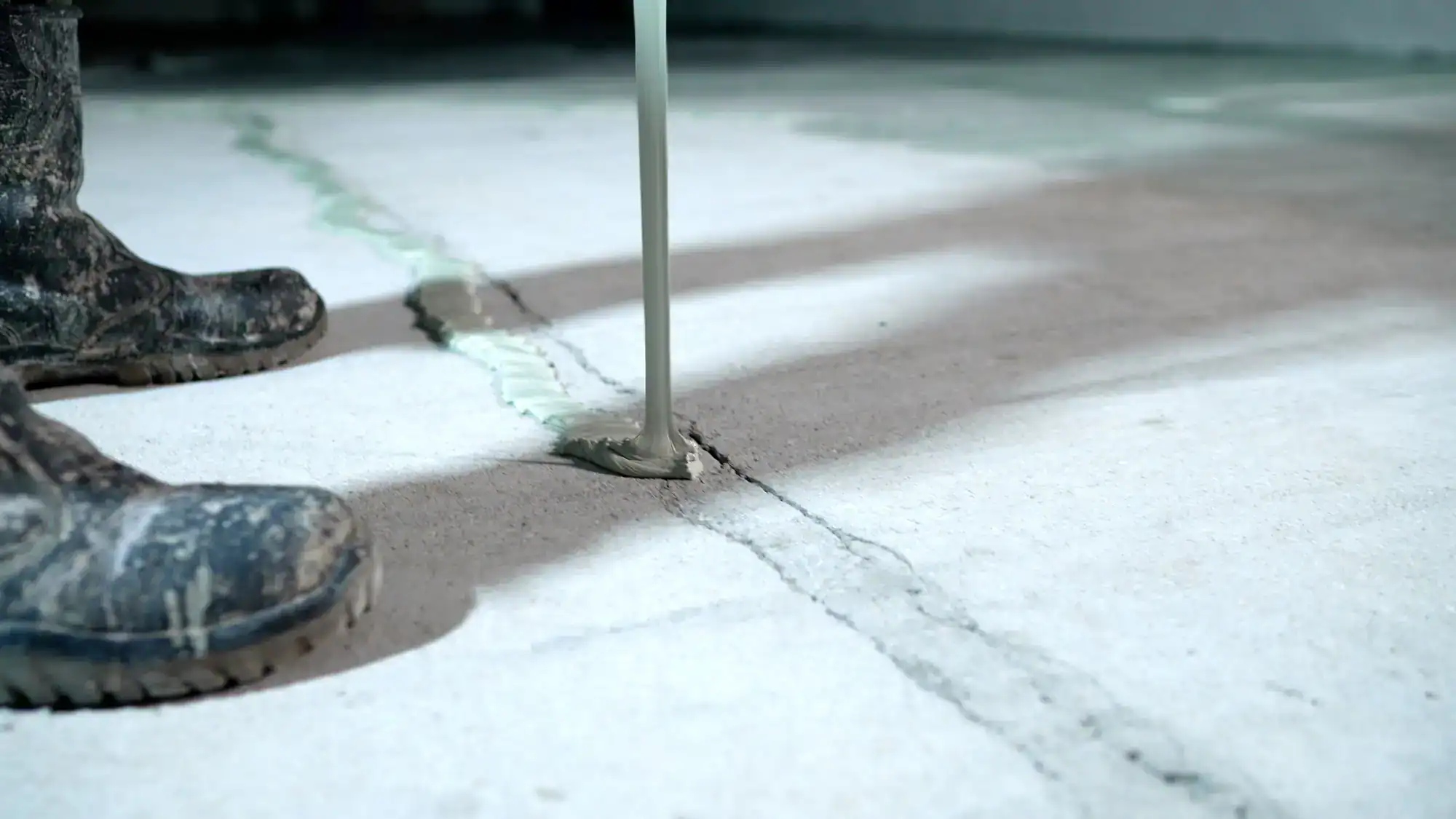
The work itself depends on what the inspection finds. Foundation crack sealing via epoxy or polyurethane injection closes the entry point at the source. Interior drainage systems intercept water before it reaches your living space and route it to a properly sized sump pump. Battery backup systems are strongly recommended for West Babylon homes when a nor’easter knocks out power on Sunrise Highway, that’s exactly when your sump pump needs to keep running. When the job is done, you’ll know what was installed, how it works, and what to watch for going forward.
Ready to get started?
Basement waterproofing in West Babylon isn’t one-size-fits-all, and the homes here make that clear. The post-war capes and ranches that line the residential grid between Sunrise Highway and the Great South Bay were built in an era when damp-proofing meant a thin asphalt coating one that started failing long before most current owners moved in. What your foundation needs now depends on its age, its construction type, and where in West Babylon you live.
Foundation crack sealing addresses the most direct entry point for water. Epoxy and polyurethane injection fills cracks from the inside out, bonding to the concrete and stopping the freeze-thaw cycle from widening them further through another Long Island winter. Interior drainage systems installed along the foundation perimeter are the appropriate solution when hydrostatic pressure is the source, which is common in the southern portions of West Babylon where the water table runs high. Sump pump installation, including battery backup systems, rounds out a complete waterproofing approach for homes that need active water removal rather than passive sealing alone.
For homeowners in West Babylon who are thinking about resale, a warranted waterproofing system is a documented selling point not a liability. With homes in this market valued at $680,000 and up, buyers and their inspectors will ask about the basement. Having a professional system in place with transferable warranty terms is the kind of detail that holds up during a transaction. Beyond resale, a dry, usable basement in a post-war cape or ranch adds real livable square footage in a community where the homes are modest in size and square footage carries real value.
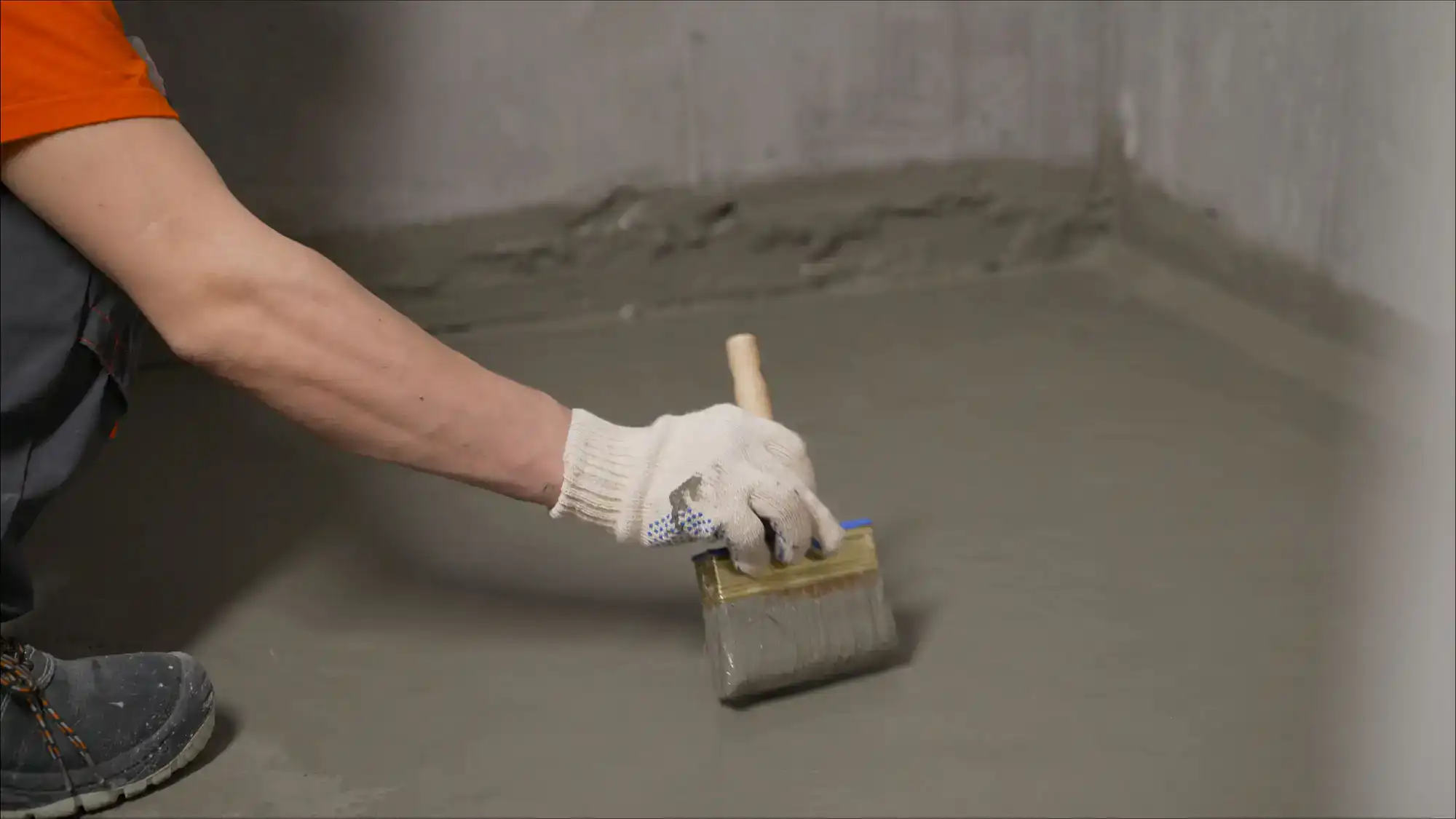
The most common reason is hydrostatic pressure water-saturated soil pressing against your foundation walls with nowhere else to go. In West Babylon, this is especially common in the southern portions of the hamlet near the Great South Bay, where the water table naturally sits higher than in more inland communities. After a sustained rainfall or spring snowmelt, even the sandier soils of western Suffolk County reach saturation and start pushing against your foundation.
The second most common cause is foundation cracks that have widened over time. Homes built in the 1940s through the 1960s which make up the majority of West Babylon’s housing stock have foundations that have gone through decades of freeze-thaw cycles. Each winter, water enters a hairline crack, freezes, expands, and makes the crack slightly larger. By the time you’re seeing water on the floor, the crack has often been there for years. The fix depends on which issue or combination of issues is actually driving the water in, which is why a proper inspection matters before any work begins.
Cost varies based on the scope of the problem, but here are realistic ranges to work with. Foundation crack sealing via epoxy injection typically runs $800 to $1,500 per crack. Interior drainage system installation on a standard Long Island basement generally falls between $4,500 and $10,000 depending on the perimeter length and the complexity of the drainage route. Sump pump installation ranges from $600 to $1,900, with battery backup systems adding to that figure and in West Babylon, where nor’easters regularly knock out power, a battery backup is worth factoring into the budget from the start.
The number that matters most isn’t the upfront cost it’s the cost of not acting. Mold remediation alone averages $2,000 to $6,000, and that’s before addressing any structural damage underneath. For a home worth $680,000, spending $1,500 to seal a crack that’s been letting water in for three winters is straightforward math. Every estimate we provide is written and itemized after an in-person inspection not quoted over the phone so you know exactly what you’re paying for before any work starts.
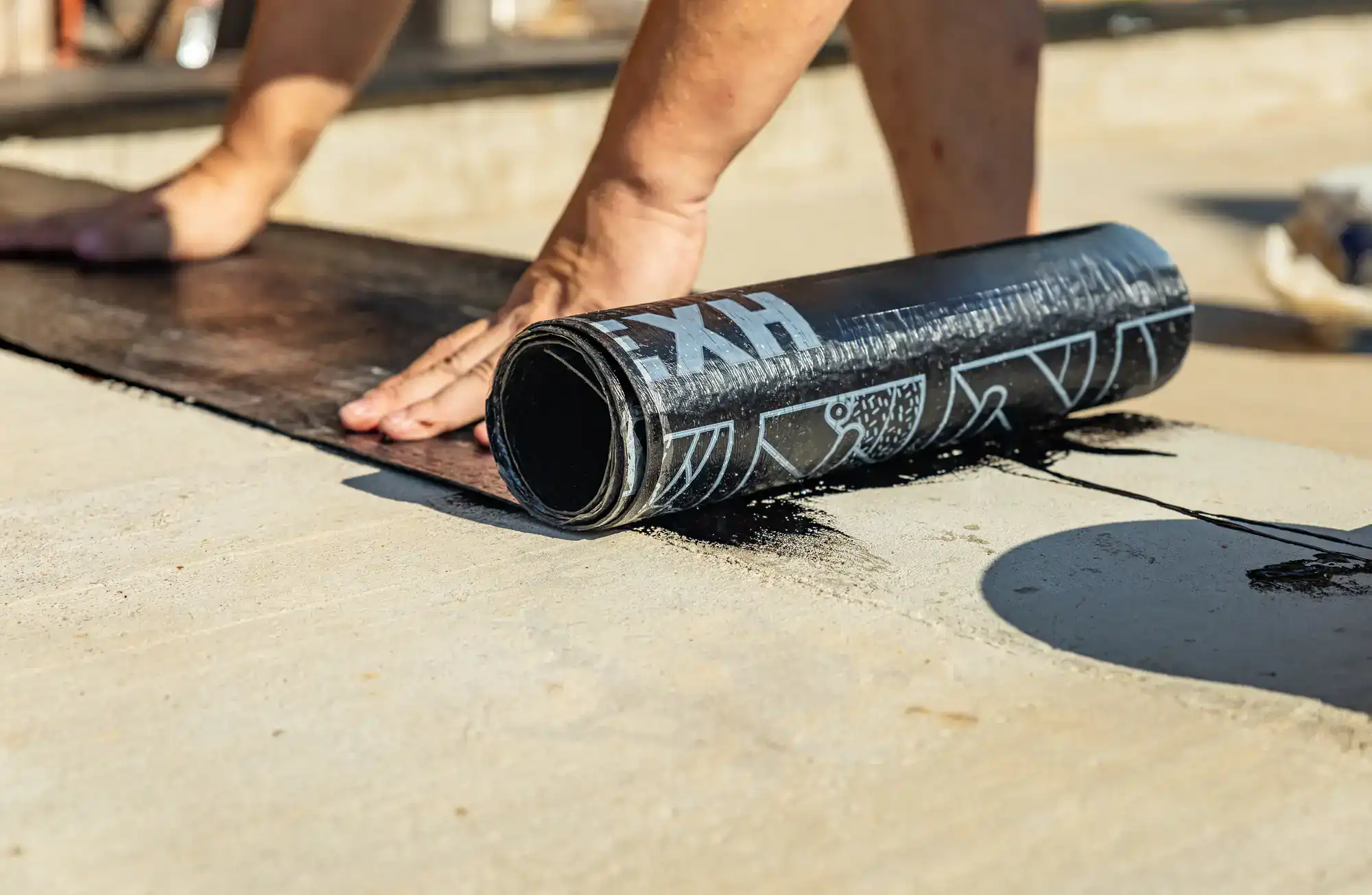
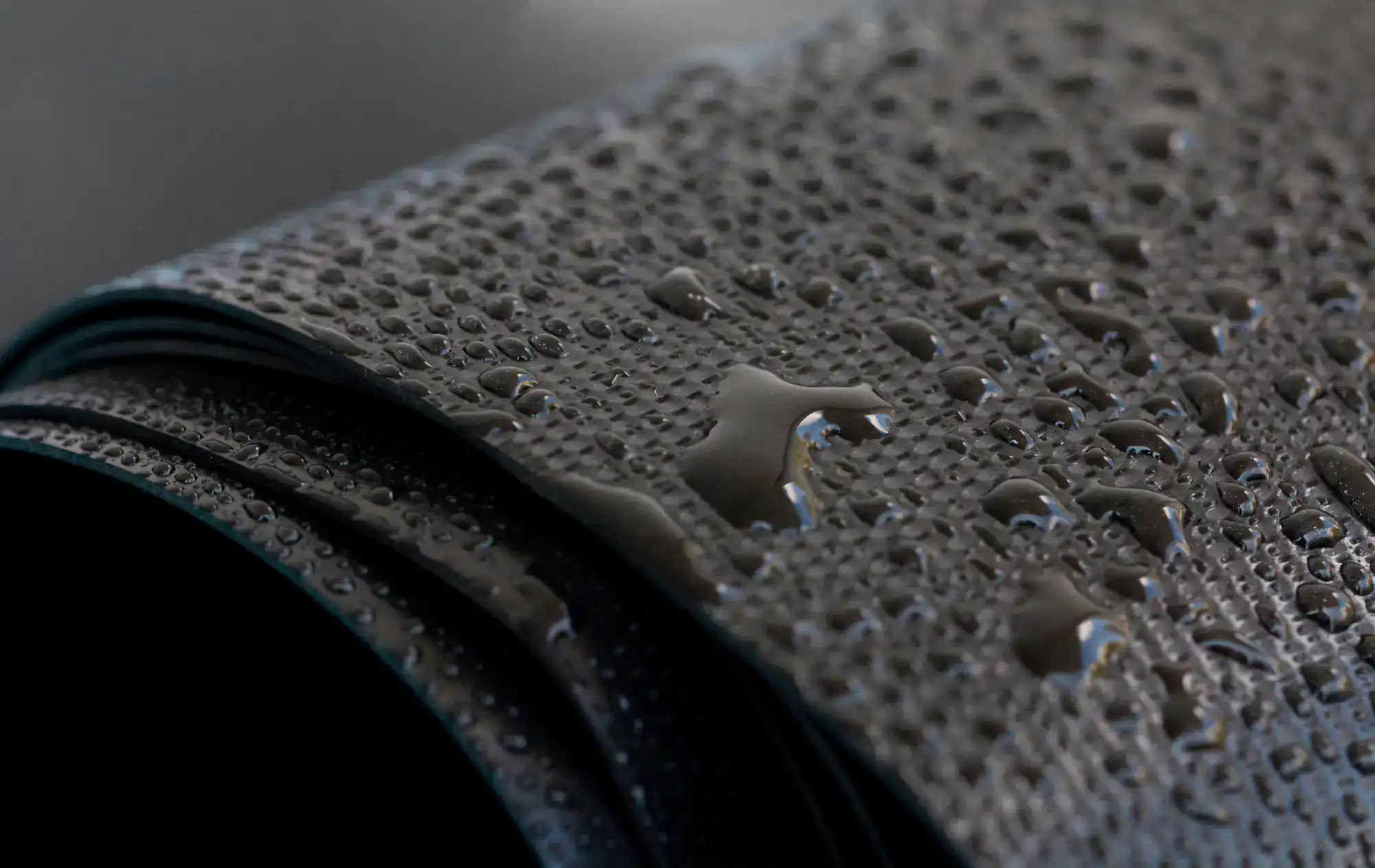
Exterior waterproofing addresses the problem at the source outside the foundation wall, before water ever makes contact with the structure. It typically involves excavating around the perimeter of the home, applying a waterproof membrane to the exterior foundation wall, and installing drainage board and a footing drain to redirect water away from the structure. It’s the most comprehensive approach, but it’s also more disruptive and more expensive. For homes in West Babylon where exterior access is limited by tight lot lines or established landscaping, exterior work isn’t always practical.
Interior waterproofing manages water after it enters the foundation zone intercepting it at the footing level before it reaches your living space and channeling it to a sump pump for removal. This is the more common approach for Long Island homes, and when it’s properly designed and installed, it’s highly effective. The key distinction is that interior waterproofing is a water management system, not a barrier. For homes dealing with chronic hydrostatic pressure from the high water table in southern West Babylon, interior drainage is often the right long-term solution not a compromise. The inspection determines which approach, or combination, fits your specific situation.
It depends on the scope of the work. For simple crack sealing or sump pump replacement, a permit is generally not required. For interior drainage system installation which involves cutting into the concrete floor along the foundation perimeter the Town of Babylon’s building department may require a permit depending on the extent of the work. Exterior excavation adjacent to the foundation will typically require one.
Any reputable contractor working in West Babylon should be familiar with current Town of Babylon permit requirements and should handle that process transparently as part of the project scope. If a permit is needed, it should be disclosed before the job starts not discovered mid-project. We handle permit questions during the estimate phase so there are no surprises. It’s also worth noting that before any exterior excavation, underground utilities must be located through 811 that’s standard practice for any licensed contractor operating in Suffolk County, and it’s handled as part of the job preparation.
If your basement has an interior drainage system, a sump pump is part of that system it’s what removes the water once the drainage channels collect it. But even homes without a full drainage system can benefit from a sump pump if they experience periodic water accumulation during heavy rain. Signs that a sump pump may be needed include water pooling near the floor drain during storms, a consistently damp or musty basement, or a visible sump pit without a functioning pump in it.
As for battery backup in West Babylon, this isn’t optional. It’s the difference between a basement that stays dry during a nor’easter and one that floods while the power is out. Long Island storms regularly knock out electricity for hours or longer, and that power outage happens simultaneously with the heaviest rainfall and the highest water table pressure. A sump pump that runs on grid power alone will stop working at exactly the wrong moment. A battery backup system keeps the pump running through the outage. For homes near the Great South Bay or in any of the lower-lying areas of West Babylon, this is one of the most practical investments in the entire waterproofing system.
It can and in West Babylon’s current market, it’s worth understanding why. Home values here have climbed to a median of around $680,000, up more than 104% over the past decade. When a buyer’s inspector walks through a home and finds evidence of past water intrusion staining, efflorescence on the walls, a musty smell, or an unwarranted crack it creates leverage for price negotiation or, in some cases, a deal that falls through entirely.
A professionally installed waterproofing system with transferable warranty documentation changes that conversation. It tells the next buyer that the problem was identified, addressed properly, and backed by a warranty they can rely on after the sale closes. For West Babylon homeowners who’ve watched their equity grow significantly and are thinking about selling within the next several years, a warranted basement waterproofing system isn’t just maintenance it’s a documented asset that holds up during the transaction. Beyond resale, a dry, usable basement in a post-war cape or ranch adds real livable square footage in a community where the homes are modest in size and square footage carries real value.