
Hear from Our Customers
Water in your basement isn’t just an inconvenience it’s a slow drain on your home’s value, your air quality, and your peace of mind. Once you fix the actual source, the difference is immediate. No more smell, no more staining, no more dreading a heavy rain.
West Hills homes sit on the Harbor Hill moraine a glacially deposited mix of clay, gravel, sand, and boulders that drains unevenly around foundations. Clay pockets hold water against your walls and build pressure. Gravel pockets channel it fast and direct. The result is unpredictable moisture behavior that generic waterproofing approaches miss entirely. Getting this right requires someone who understands what’s actually happening underground, not just someone who shows up with a drain system and a sales pitch.
The hilly terrain here adds another layer. Homes built on slopes and there are plenty of them in West Hills experience lateral hydrostatic pressure on the downslope wall that flat-lot homes simply don’t deal with. When the soil uphill gets saturated after a spring melt or a heavy storm off the North Shore, that pressure builds fast. A properly diagnosed and installed solution accounts for that. A rushed one doesn’t, and you’ll know it by the following spring.
We work in West Hills and the surrounding Huntington area because this is where we’re from. We know the housing stock here the mid-century hi-ranches, the split-levels, the older Colonials with concrete block foundations that have been cycling through freeze and thaw for fifty-plus years. We know what Huntington-area soil does after a wet March. That’s not marketing that’s just showing up to enough jobs in this area to understand what you’re actually dealing with.
The name Gold Coast Landworks isn’t an accident. This stretch of the North Shore the same region that gave the world Oheka Castle has a character worth respecting. We approach every job the same way: figure out what’s actually wrong before recommending anything, explain it clearly, and do the work right. No pressure tactics, no oversized proposals for problems that have a simpler fix.
If you’re in West Hills, Huntington, South Huntington, or anywhere nearby in the Town of Huntington, you’re in our backyard. We’re not dispatching from a regional office we’re local, and our reputation here matters to us.
It starts with an in-person inspection. We don’t quote jobs over the phone because a number without a diagnosis is meaningless. We walk the basement interior, check the foundation walls, look at the exterior perimeter, assess the grading, and evaluate your drainage conditions. In West Hills, that inspection always accounts for your lot’s slope, the soil composition around your foundation, and the age and construction type of your home. A 1960s concrete block foundation behaves very differently than a poured concrete wall from the 1990s, and the fix needs to match.
Once we know what’s actually causing the water entry, we put together a written, itemized estimate. You’ll know exactly what work is being done, what materials are going in, and what the total cost is before anything starts. If the work requires a permit through the Town of Huntington Building Department which applies to interior drainage systems and sump pump installations we handle that process and make sure everything is done to code.
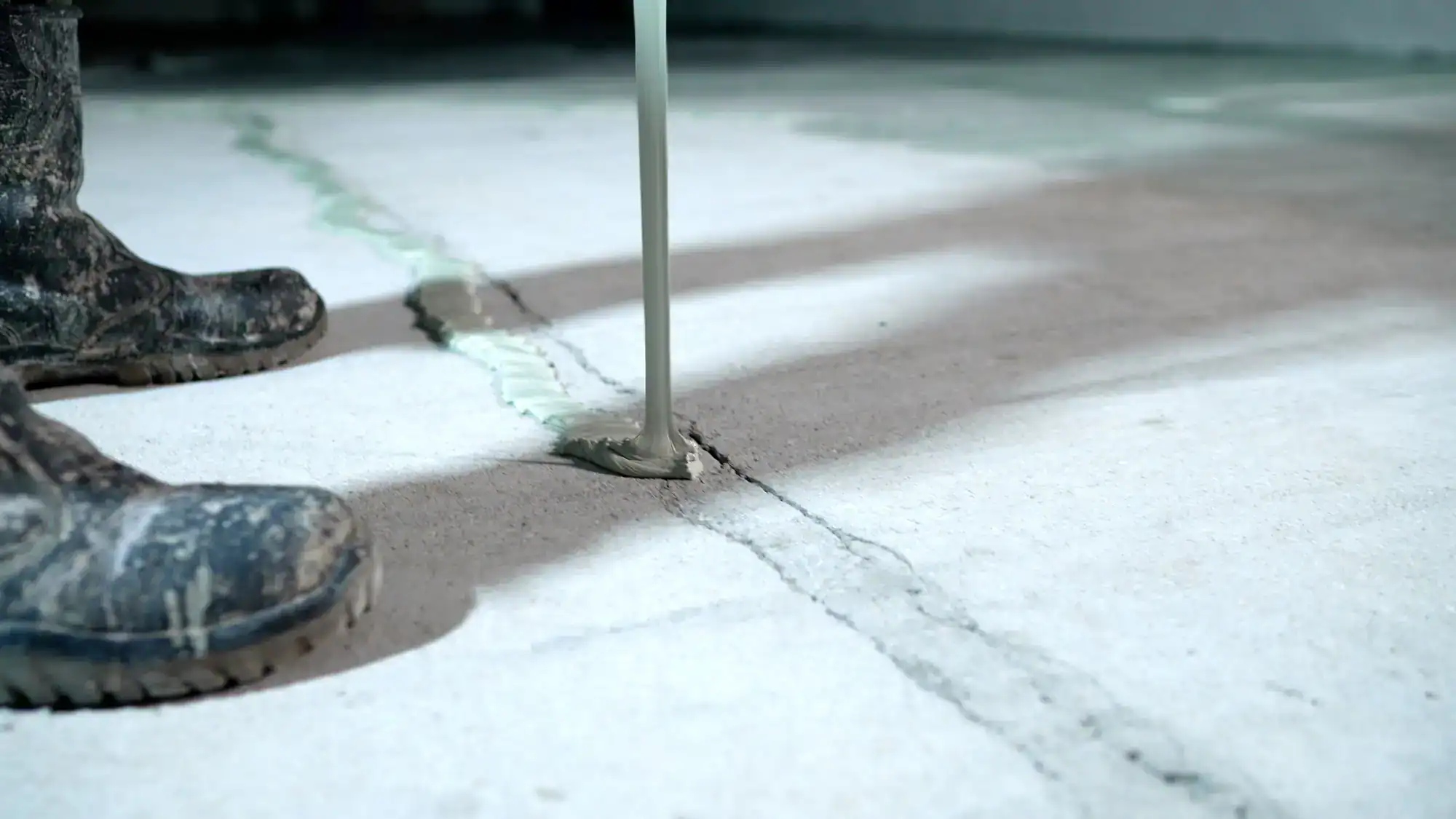
The work itself depends on the diagnosis. Some jobs are foundation crack injections polyurethane or epoxy, sealed from the inside. Some require a full interior drainage system with a properly sized sump pump. Some are exterior drainage corrections. Most are a combination. When we’re done, we walk you through what was done, why it was done that way, and what your warranty covers. No mystery, no guesswork.
Ready to get started?
Basement waterproofing in West Hills isn’t one-size-fits-all, and the range of services we provide reflects that. Foundation crack sealing handles active leaks through shrinkage cracks and mortar joint failures common in older poured concrete and concrete block foundations throughout the Huntington area. Interior drainage systems manage water that enters through the base of the wall or the floor-wall joint, routing it to a sump pit before it spreads. Exterior waterproofing addresses the problem at the source, applying membrane protection and correcting drainage at the foundation perimeter. Sump pump installation and replacement including battery backup systems rounds out the picture for homes that need active water removal during peak storm season.
For West Hills specifically, sump pump sizing matters more than most homeowners realize. Spring on the moraine is not a slow drizzle it’s snowmelt from elevated terrain combining with heavy rainfall, sometimes over 48 hours straight. A pump that handles average conditions can fail exactly when you need it most. We size primary systems for peak demand and pair them with battery backup units so a power outage during a storm doesn’t become a flooded basement.
Everything we do in the Town of Huntington is permitted where required, insured, and backed by a written warranty. That warranty is transferable which matters in a community where homes in the South Huntington school district carry real resale value and buyers’ inspectors are thorough. A documented, warranted waterproofing repair is a selling point, not just a receipt.
This is one of the most common patterns we see in West Hills and throughout the elevated terrain of the North Shore. Spring brings a combination of snowmelt from the Harbor Hill moraine and sustained rainfall and because the soils here are a mix of clay, gravel, and sand deposited by glaciers, water doesn’t drain uniformly. Clay pockets saturate slowly and hold pressure against your foundation walls long after the rain stops. That sustained hydrostatic pressure is what pushes water through cracks, mortar joints, and the floor-wall joint during spring, then eases off as the soil dries out in summer.
The summer dry spell can make it tempting to delay repairs, but the underlying problem doesn’t go away. Every wet season, the same pressure builds in the same spots and each freeze-thaw cycle between fall and spring widens any existing cracks incrementally. What leaks a little this spring can leak significantly more next spring. Getting an inspection done in the fall, before the ground freezes, is usually the most practical timing for West Hills homeowners.
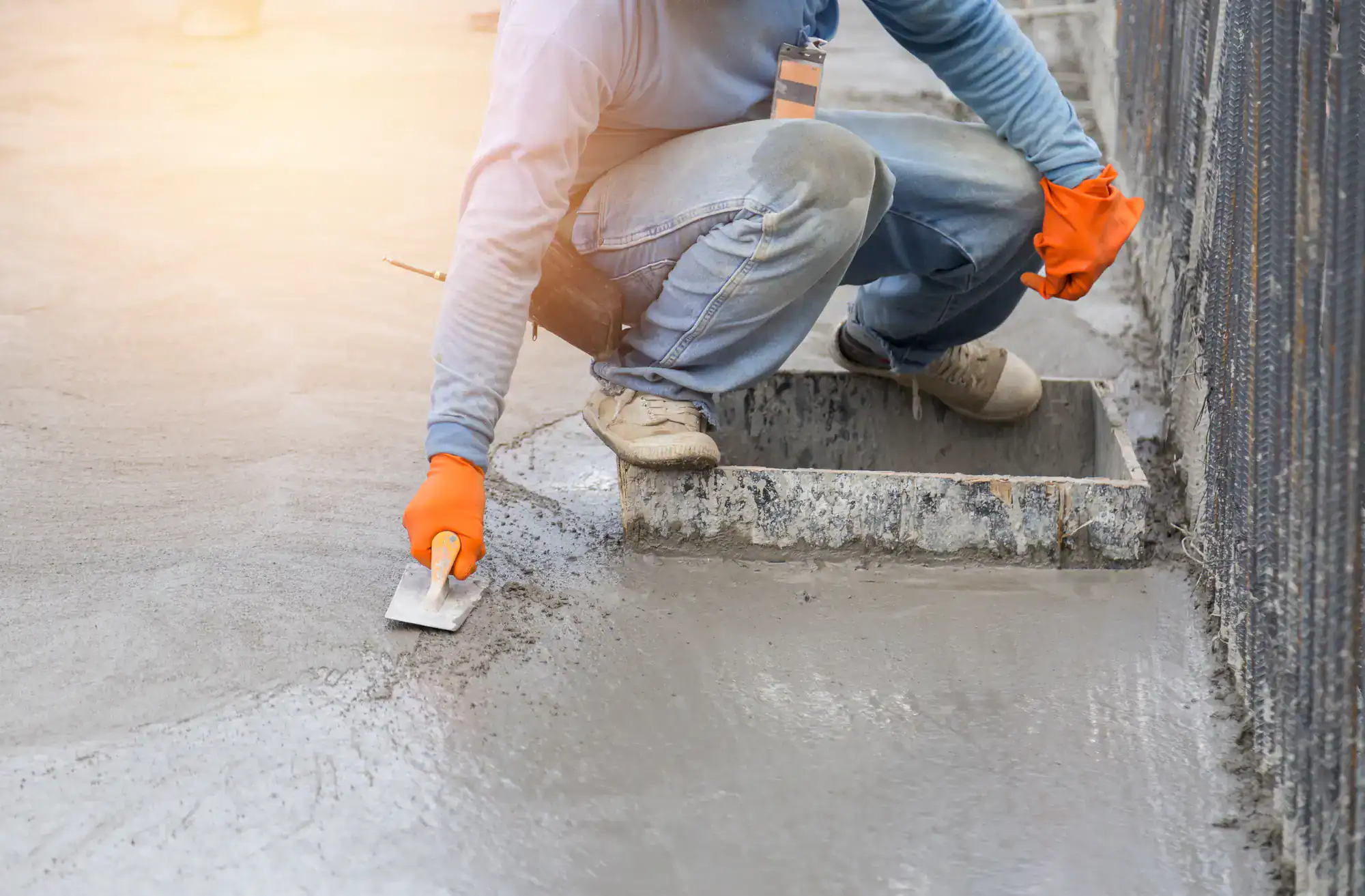
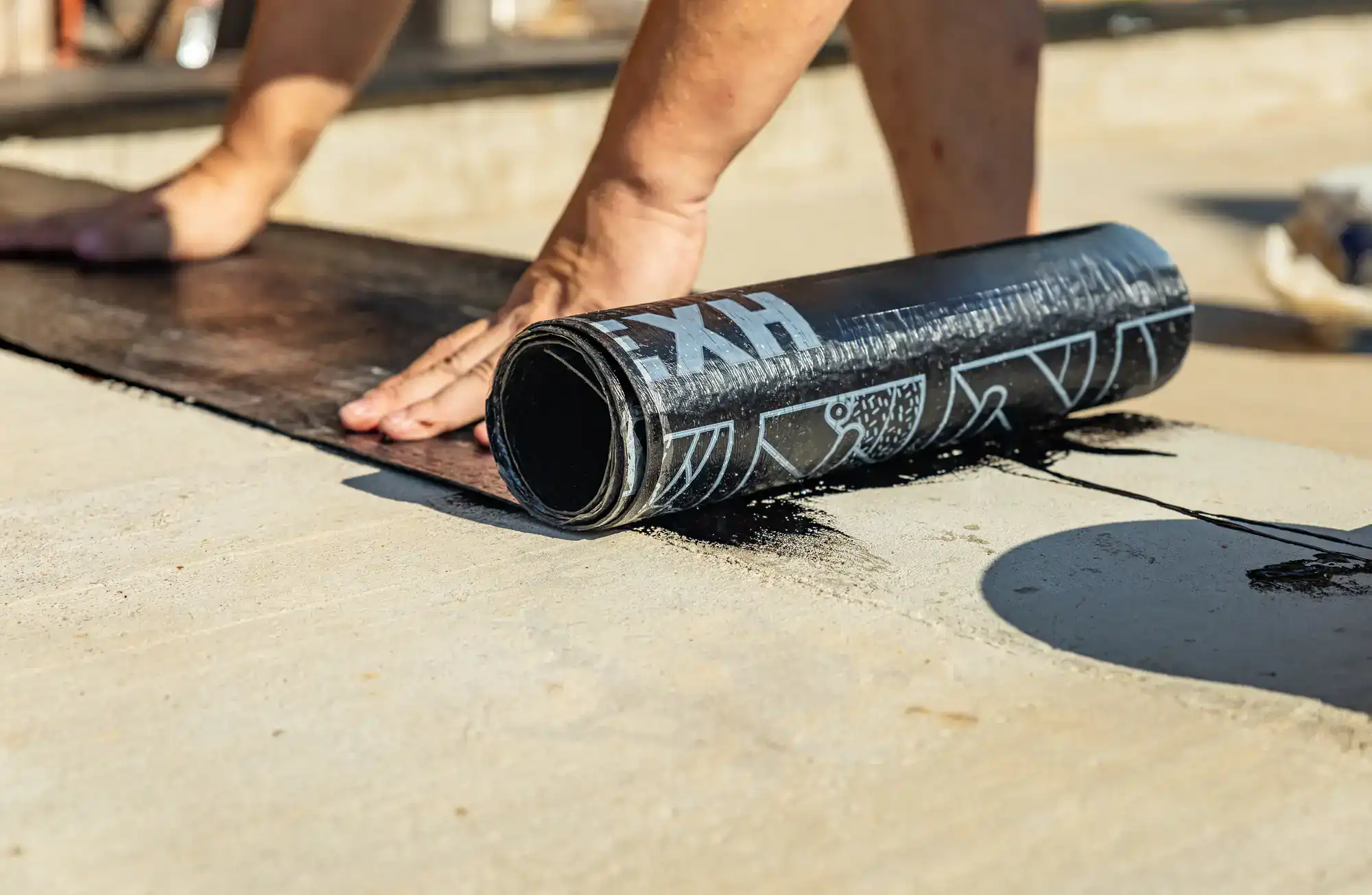
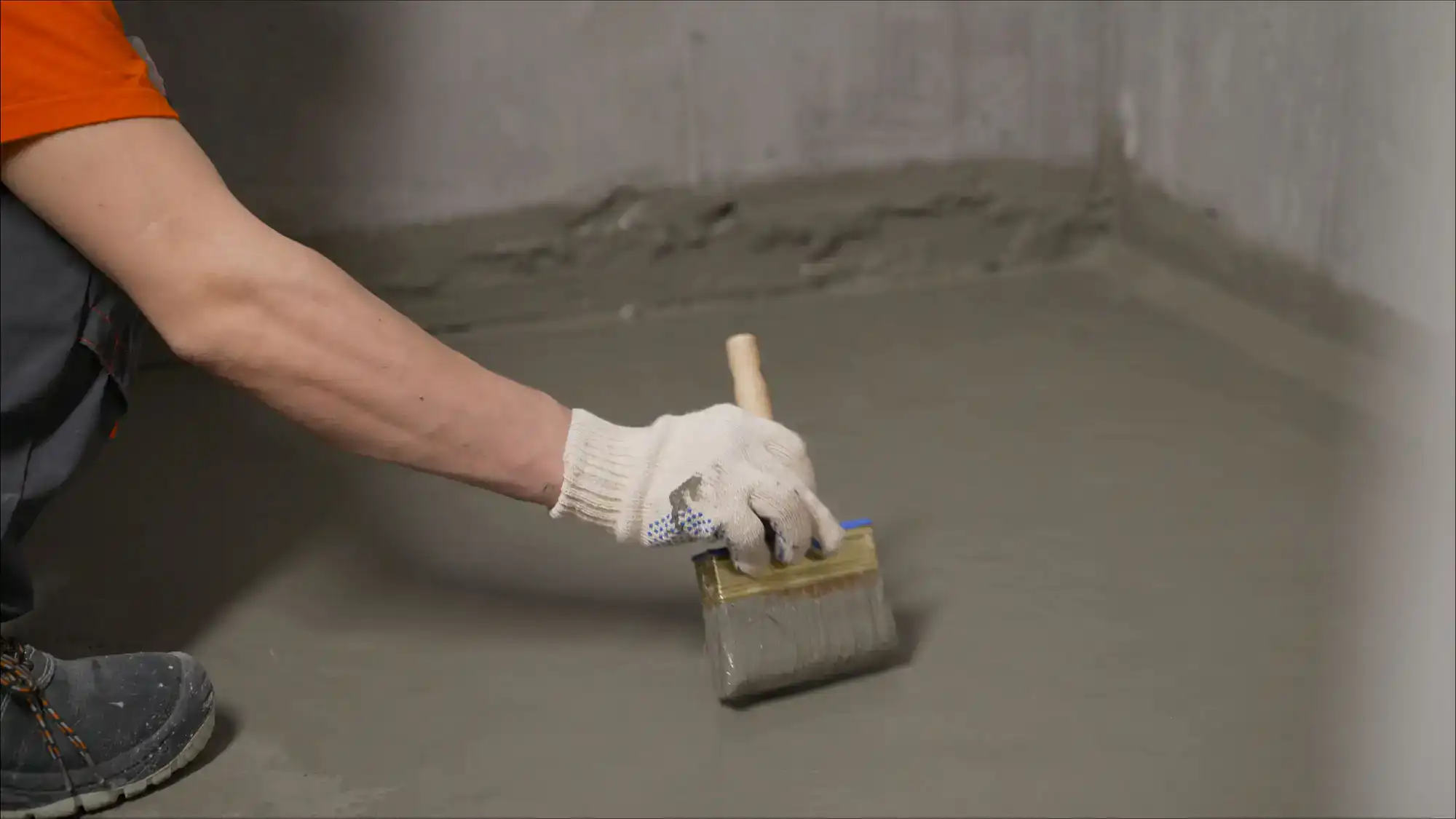
Exterior waterproofing addresses the problem at the source it involves excavating around the foundation, applying a waterproof membrane to the outside of the wall, and correcting drainage so water is directed away from the foundation rather than toward it. It’s the most comprehensive approach when the source of the problem is exterior soil pressure or a failed exterior drainage system. The downside is cost and disruption excavating around a foundation on a wooded West Hills lot with mature trees and established landscaping is a significant undertaking.
Interior waterproofing manages water after it enters the wall system, routing it through a perimeter drainage channel to a sump pit where it’s pumped out. It doesn’t stop water from entering the wall, but it prevents it from spreading across your floor and causing damage. For many homes particularly older concrete block foundations that weep moisture through the block itself interior drainage is the practical, cost-effective solution. The right answer depends on your specific foundation type, the source of the water entry, and your lot conditions. That’s exactly what the inspection is for.
The range is genuinely wide, and anyone who quotes you a number without seeing your basement first isn’t giving you a real answer. Targeted crack injection repairs sealing a specific crack in a poured concrete wall typically run in the range of $400 to $1,200 depending on the length and location of the crack. A full interior drainage system with sump pump installation in a mid-sized basement runs anywhere from $5,000 to $12,000 or more depending on the linear footage, the sump pit configuration, and whether a battery backup system is included. Exterior waterproofing with excavation is typically the most expensive option, often starting around $8,000 and climbing based on the depth and perimeter of the foundation.
In West Hills, where homes tend to sit on larger lots with older foundations and more complex drainage conditions, it’s worth budgeting for a thorough diagnosis before assuming you know what the fix will cost. The most expensive mistake homeowners make in this area is paying for a full interior drainage system when the actual problem was a single exterior crack or a grading issue that could have been corrected for a fraction of the price. A proper inspection upfront saves money not just time.
It depends on the scope of work. West Hills falls under Town of Huntington jurisdiction, and the Building Department at Town Hall on Main Street in Huntington does require permits for certain types of waterproofing work. Interior drainage system installation including the sump pit and sump pump generally requires a building permit. The discharge from a sump pump also needs to comply with local stormwater regulations, meaning it cannot be directed into the sanitary sewer system. Exterior waterproofing that involves excavation typically requires a permit as well, and you’ll need utility locates called in before any digging starts.
Crack injection repairs to an existing foundation wall generally don’t require a permit since they’re classified as maintenance to an existing structure, but it’s always worth confirming the specific scope with the Building Department before work begins. A contractor who is familiar with Town of Huntington permitting requirements and handles that process on your behalf protects you from unpermitted work that can surface as a problem during a home sale. We manage permits as part of the job, not as an afterthought.
If your sump pump is more than seven to ten years old and hasn’t been tested under real load recently, replacement is almost always the more practical answer. Sump pumps are mechanical devices that wear out, and the failure mode is the worst possible one they stop working exactly when water is coming in fastest. In West Hills, where spring storms can push significant water volume through morainic soils in a short window, a pump that’s borderline functional in normal conditions will fail during a high-demand event.
Signs that replacement rather than repair makes sense include the pump running constantly without clearing the pit, visible rust or corrosion on the unit, unusual noise during operation, or a pit that fills and drains more slowly than it used to. If your pump is working but you don’t have a battery backup system, that’s worth addressing regardless of the pump’s age. Power outages during the same storms that cause the most flooding are common on Long Island, and a primary pump without a backup is a single point of failure at the worst possible time.
Yes, and more directly than most homeowners expect. Buyers’ inspectors in the Huntington area are experienced and thorough water staining, efflorescence on foundation walls, active moisture, and evidence of past flooding are all documented in inspection reports and handed directly to the buyer. In a market where West Hills homes carry significant value and property taxes that exceed $10,000 annually, a wet basement finding gives buyers immediate negotiating leverage. It can force a price reduction, a repair credit, or in some cases cause a deal to fall apart entirely.
The practical upside is that a properly documented and warranted waterproofing repair is a genuine selling point. A written warranty that transfers to the new owner with clear terms about what’s covered and for how long tells a buyer’s agent that the problem was addressed professionally, not patched over. In a top-10 Suffolk County school district where buyers are paying a premium for the full package, a dry, sound foundation with documentation behind it is part of what justifies the asking price. Waterproofing before you list isn’t just maintenance it’s asset protection.