Hear from Our Customers
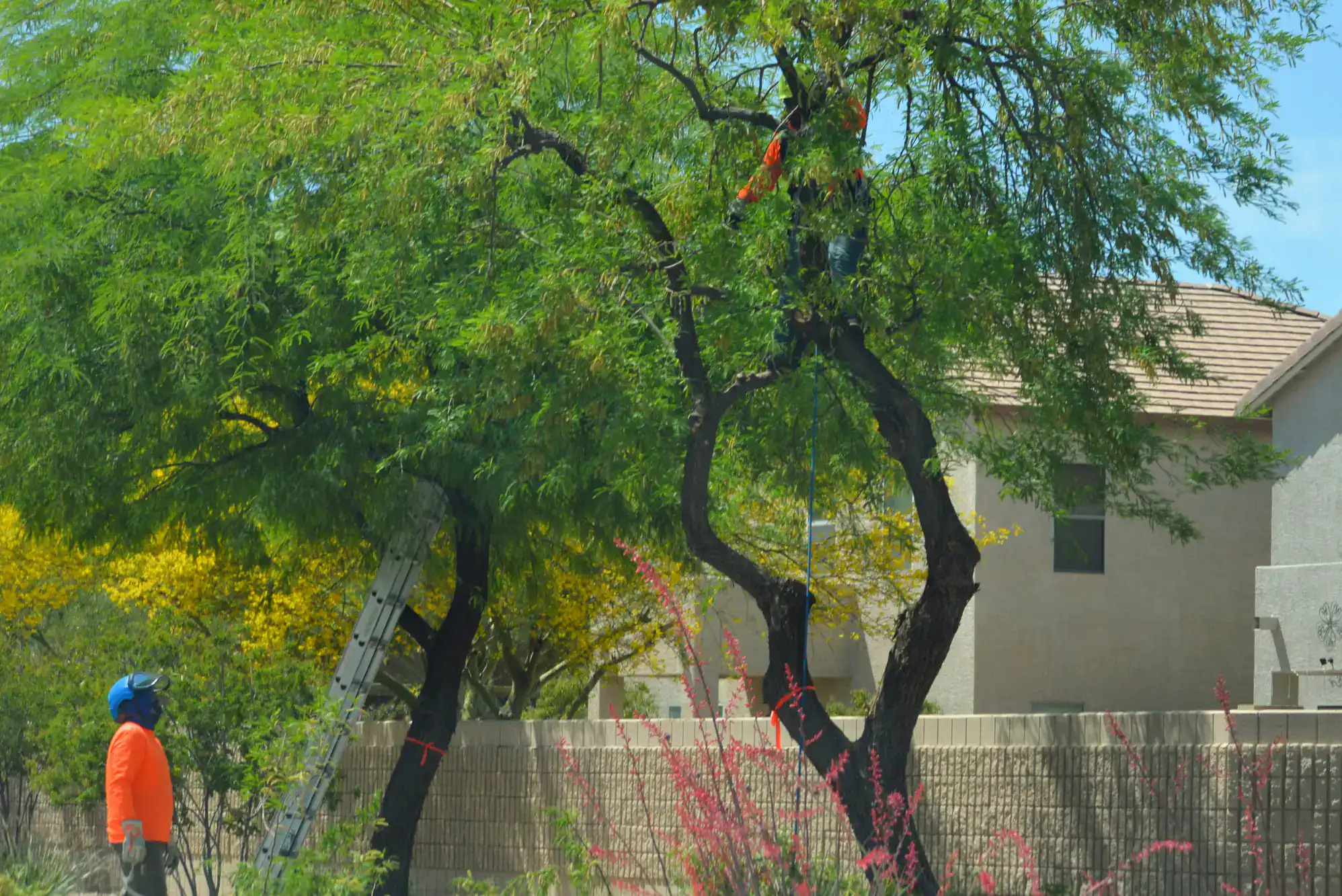
East Hampton North sits on glacial sandy soil that drains fast, compacts under foot traffic, and doesn’t hold seed the way heavier inland soils do. Add salt air blowing off the Atlantic and you’ve got a combination that quietly destroys turf, erodes grades, and leaves lawns thin and patchy no matter how much time or money you throw at them from the hardware store aisle. The fix isn’t more fertilizer it’s addressing the ground itself.
When the grade is right and the soil is properly amended, water moves away from your foundation instead of pooling against it. Your lawn establishes real roots instead of a temporary green surface that burns out by July. And when the next nor’easter rolls through and it will your yard isn’t the first casualty. East Hampton North properties in flood-adjacent areas especially benefit from proper grading, because the difference between a yard that drains and one that doesn’t is often the difference between a dry basement and a serious repair bill.
Beyond the practical side, there’s a financial one. Landscaping done right adds 5% to 12% to property value when structural work is involved, and professional lawn care returns 217% ROI at resale. In a market where home values are real and meaningful, the outdoor condition of your property isn’t just curb appeal it’s equity.
We’re not a maintenance crew that also does grading on the side. Our work spans the full scope from structural site grading and property leveling to lawn restoration and finished outdoor renovation handled by a contractor who understands what it takes to do all of it correctly in the same project.
That matters in East Hampton North specifically. The Town of East Hampton has its own commercial landscaping license endorsement requirement, its own seasonal leaf blower ordinance, and its own grading documentation standards. A contractor who doesn’t know those rules creates problems for you. We hold the required Town of East Hampton landscaping license endorsement and operate in full compliance with local code including the May 20 through September 20 gas and diesel leaf blower ban that catches out-of-area operators off guard every summer.
The year-round residents of East Hampton North, Springs, and Northwest Harbor deserve a contractor who’s here when the season ends, not one who disappears after Labor Day. That’s exactly what you get with us.
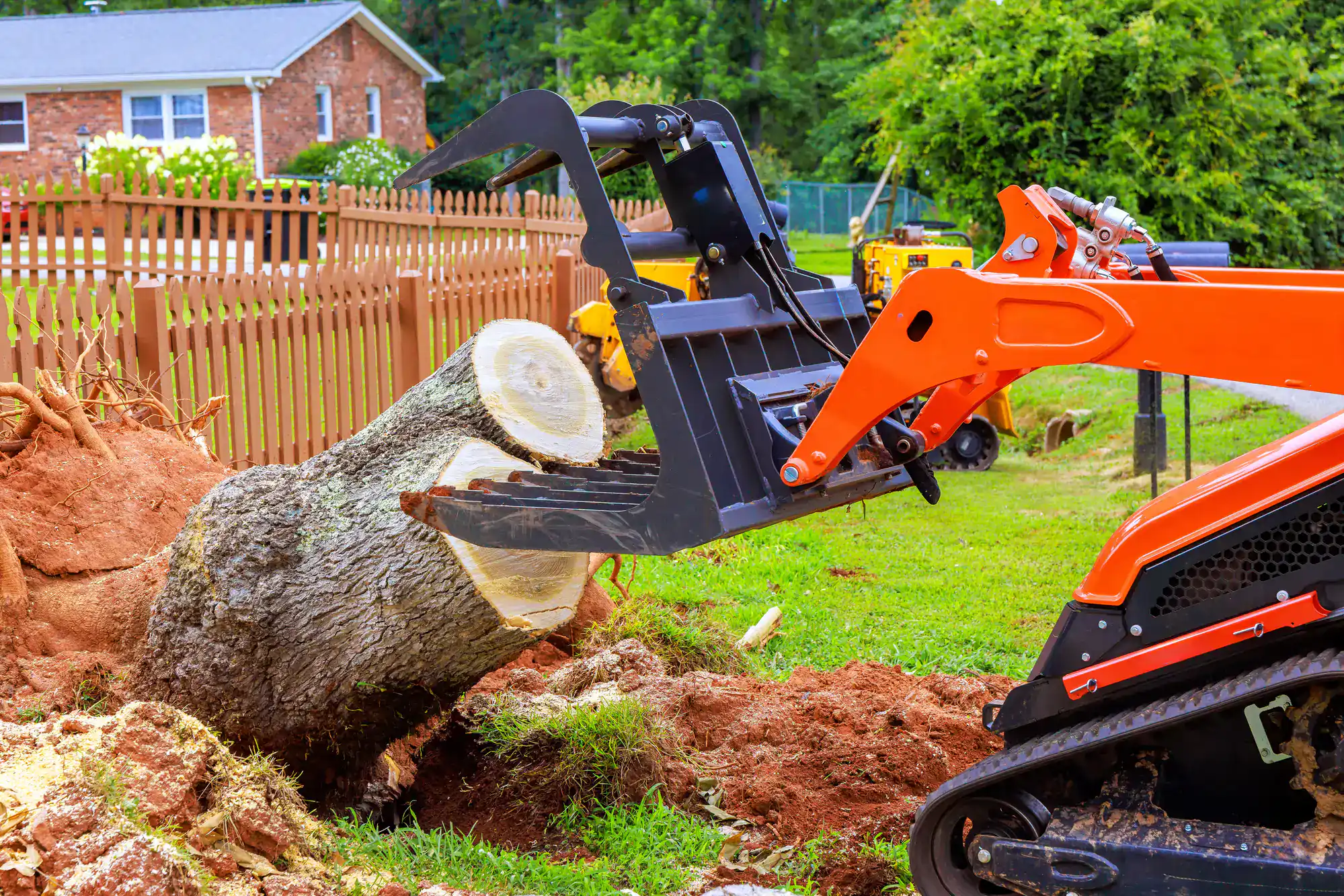
It starts with a site assessment. Before any equipment moves, we look at your existing grade, identify where water is moving and where it’s collecting, evaluate the soil condition, and understand what you’re trying to accomplish whether that’s correcting a drainage problem, restoring a damaged lawn, leveling a yard for outdoor use, or a combination of all three. In East Hampton North, that assessment always accounts for the sandy soil profile and any proximity to FEMA flood zones, because both affect how the work needs to be approached and documented.
From there, we build a clear scope of work. You get a written contract with a detailed breakdown before anything starts no vague estimates, no surprises mid-project. If the work involves grading or berm construction, we handle the required topographic plan documentation that East Hampton Town code mandates. You don’t have to navigate the permit process alone.
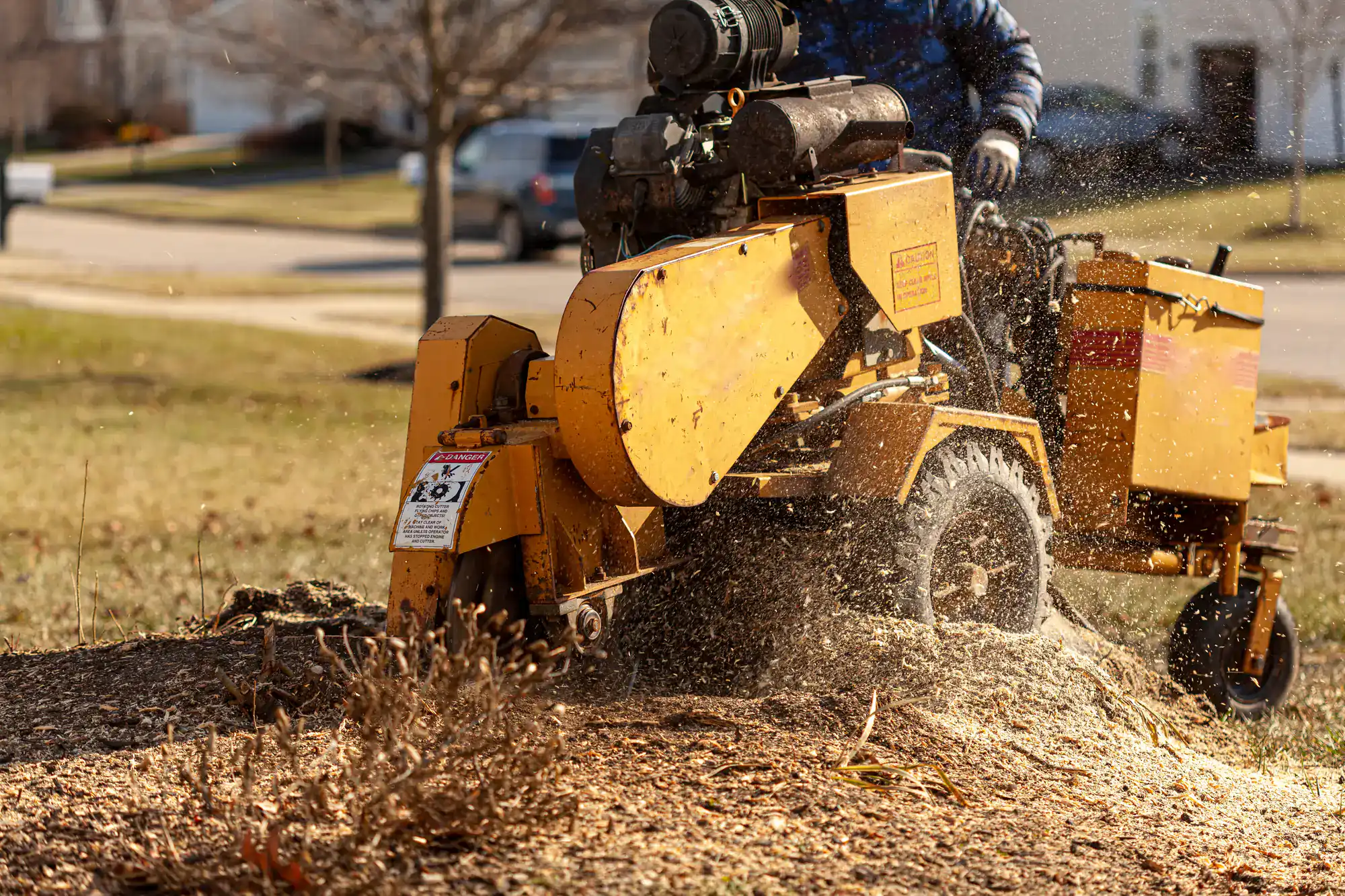
Once work begins, the sequence matters: grading and leveling come first, drainage corrections are addressed, then topsoil placement meets the Town’s minimum six-inch specification, and finally lawn restoration or outdoor renovation finishes the project. Everything is sequenced so each phase supports the next. When it’s done, you have a yard that was built correctly from the ground up not just patched on the surface.
Ready to get started?
The landscaping services we deliver in East Hampton North cover the complete range of what a property actually needs not just the visible finish, but the structural foundation underneath it. Landscape grading and property leveling correct the grade problems that cause water to pool, lawns to fail, and outdoor spaces to stay unusable. These aren’t cosmetic fixes. They’re the kind of work that protects your foundation, supports everything built on top of it, and holds up through the coastal storms this area sees every season.
Lawn restoration here means more than overseeding. It means addressing the sandy, salt-exposed soil conditions specific to East Hampton North properties proper soil amendment, topsoil placement to Town-required depth, and seed selection suited to the coastal environment. Hydroseeding is particularly effective in this area for exactly that reason, providing the seed-and-mulch layering that sandy soil needs to establish successfully rather than washing away with the first rain.
Outdoor renovation patios, graded outdoor living spaces, functional yard transformations rounds out the scope. For homeowners in the Springs and Northwest Harbor areas who are ready to actually use their outdoor space, not just look at it, this is where the project comes together. One contractor handles the full sequence, which means no coordination gaps, no grade problems discovered after the patio is already poured, and no finger-pointing between separate crews.
The honest answer is that it depends on what’s causing the problem. If your lawn is thin, patchy, or struggling to establish, and the grade of your property is directing water toward low spots or sitting against your foundation, no amount of lawn care will produce lasting results until the grade is corrected. You’re treating the symptom instead of the cause.
In East Hampton North specifically, the sandy glacial soil drains quickly but also creates uneven settling over time, especially on properties that have seen storm activity or significant foot traffic. A site assessment will tell you whether the issue is primarily a soil and restoration problem or whether there’s a grading component that needs to be addressed first. Most properties we work on in this area need some combination of both the grade sets the foundation, and the restoration builds on top of it. Skipping the grading step to save money upfront usually means redoing the lawn work within a season or two.
East Hampton Town prohibits the use of gas and diesel-powered leaf blowers from May 20 through September 20. There are also day and time restrictions on all leaf blowers, including battery-powered equipment, outside of that window. This applies to commercial landscapers performing work within the Town which means any contractor who isn’t aware of or complying with this ordinance is putting you at risk of complaints and fines tied to work happening on your property.
We operate in full compliance with this ordinance. During the restricted period, we use battery-electric equipment for the work it covers, and we schedule projects accordingly. This isn’t a minor administrative detail it’s a real operational consideration that separates contractors who actually know East Hampton Town from those who don’t. If you’re hiring a landscaping contractor for summer work in East Hampton North, asking about their leaf blower compliance is a straightforward way to tell whether they’ve actually worked here before.
Fall is generally the best window specifically late August through October. Cooler air temperatures reduce heat stress on newly germinated seed, soil moisture is more consistent with the area’s fall rainfall patterns, and the sandy soils of East Hampton North retain enough warmth from summer to support germination without the scorching conditions that make summer seeding unreliable. Hydroseeding in particular performs well during this window because the mulch layer retains moisture and protects seed during the establishment phase.
Spring is the second-best option, typically April through early May before summer heat sets in. The challenge with spring restoration is that East Hampton North’s peak demand season starts ramping up quickly, which means scheduling fills fast. If you’re planning a spring project, booking in late winter gives you the best chance of hitting the optimal planting window before the summer rush takes over contractor availability. Summer restoration is possible but requires more intensive irrigation management given the coastal heat and the sandy soil’s tendency to dry out quickly.
It depends on the scope of the work. For berm construction and significant grading projects, East Hampton Town code requires detailed grading plans including topographic contour maps showing existing and proposed grades. The Town’s standards also require that grading work not interfere with existing natural drainage patterns or cause ponding or flooding on neighboring properties, and that any graded surfaces be properly vegetated before erosion can occur.
For properties in or near FEMA flood zones and East Hampton North has documented Zone A and AE designations there are additional requirements around drainage and development that apply. These aren’t obstacles, but they do need to be accounted for in the project plan. We handle the documentation requirements as part of the project scope, so you’re not navigating the Town’s permitting process on your own. Understanding what East Hampton Town requires before work starts is part of what makes the project go smoothly and it’s one of the things that separates a contractor who’s worked here from one who hasn’t.
Yes, and it’s one of the more practical reasons to invest in professional landscape management in this area. East Hampton North’s wooded, brushy residential character creates ideal tick habitat particularly the interface zones where maintained lawn meets leaf litter, overgrown brush, and wooded edges. That transition area is where deer ticks concentrate, and it’s where most tick encounters happen on residential properties.
Professional landscape management addresses this directly. Maintaining proper lawn height, clearing brush and leaf litter from property edges, and designing outdoor spaces that reduce the unmaintained border between your yard and surrounding vegetation all measurably reduce tick habitat. It’s not a guarantee of zero exposure, but it’s one of the most effective property-level tools available. When we assess a property in East Hampton North, we look at those edge conditions as part of the overall landscape evaluation because a yard that’s been graded and restored but still has a dense brushy perimeter hasn’t fully solved the problem.
It varies based on scope, but here’s a realistic range to work from. Basic lawn restoration soil amendment, topsoil placement, and hydroseeding for a standard residential lot typically runs between $2,500 and $6,000 depending on square footage and the condition of the existing soil. If grading or property leveling is involved, that adds to the project cost depending on how much material needs to move and whether drainage corrections are part of the work. Full outdoor renovation projects that include grading, restoration, and finished outdoor living spaces can range from $8,000 to $25,000 or more for larger East Hampton North properties.
What’s worth understanding is that the landscaping market in this area skews toward estate-level pricing because most established firms are targeting East Hampton village clients with very different budgets. We work with the year-round homeowners of East Hampton North people who want contractor-grade quality without the estate markup. Every project starts with a written quote that breaks down exactly what’s included, so you know what you’re paying for before any work begins. The investment also has a documented return: proper grading and lawn restoration adds measurable value at resale, which matters in a market where property values in East Hampton North are ones worth protecting.