
Hear from Our Customers
If you’ve got a low spot that stays wet for a week after rain, or a front lawn that never fills in no matter what you throw at it, you already know surface fixes don’t hold. Medford’s terrain is flat historically described as “a flat wilderness” when the LIRR first came through in 1843 and that flatness means water has nowhere to go unless someone engineers it that way. That’s not a DIY problem. That’s a grading problem.
The soil here compounds it. Medford sits in and around the Long Island Central Pine Barrens, where the ground is sandy, acidic, and low on organic matter. Decades of suburban development have compacted that soil further. When you seed over it or fertilize without fixing what’s underneath, you’re working against the yard not with it. Lawn restoration in Medford has to start below the surface, or it won’t last past the first dry summer.
When the structural issues get corrected proper grade, restored soil, real drainage everything changes. The wet spots dry out. The lawn actually takes. The yard stops being the thing you apologize for when people come over. On a Medford home currently worth over $515,000, a professionally graded and restored yard isn’t a luxury. It’s one of the highest-return investments you can make in the property.
We’re a full-scope landscape contractor not a mow-and-go crew, not a garden center with a truck. When a yard needs structural work regrading, leveling, drainage correction, full turf restoration that’s exactly what we’re built for. Most landscaping companies in the Patchogue-Medford corridor focus on maintenance and aesthetics. Very few do the grading work that actually solves the problem underneath.
We work throughout Medford and the surrounding 11763 ZIP, from Medford East and Gordon Heights to the neighborhoods running along Route 112 and Horseblock Road. We’re familiar with Brookhaven Town’s permitting process, and we understand what it means to work near the Pine Barrens including what the NYSDEC expects on projects that disturb land in this area. You shouldn’t have to figure that out yourself.
Every project starts with a written scope of work. You know what’s being done, what it costs, and what the finished result will look like before we touch the yard. That’s not standard in this industry. It should be.
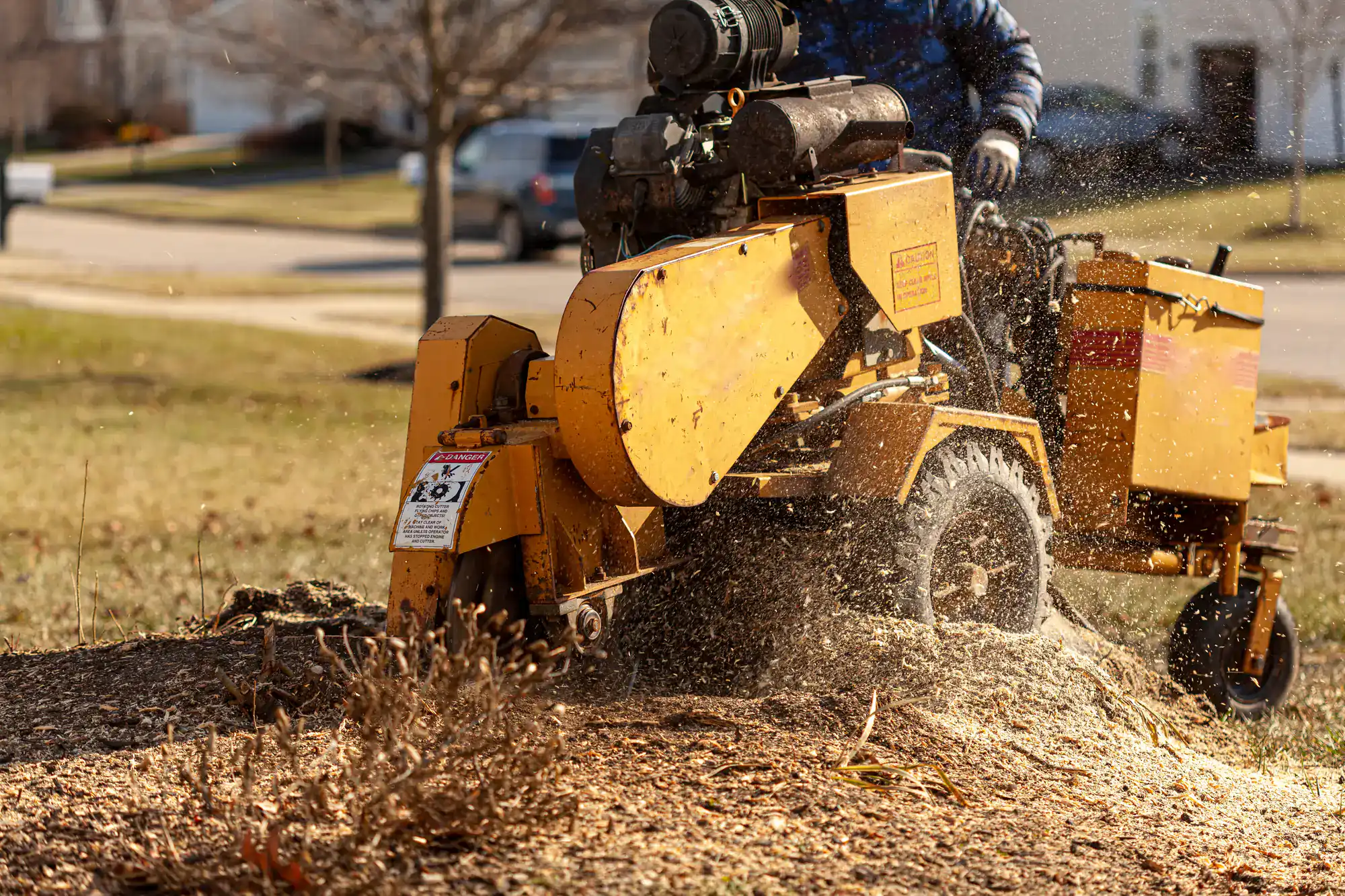
It starts with a site visit. Before anything gets quoted or scheduled, we walk the property and assess what’s actually going on where the grade is off, where water is pooling, what the soil looks like, and what the realistic path to a functional yard is. In Medford, that assessment almost always includes a drainage evaluation, because the flat Pine Barrens terrain means even a minor grading issue can create a chronic wet area that no amount of seeding will fix.
From there, you get a written estimate with a clear scope of work. If the project requires a Brookhaven Town permit which grading and land-disturbance work sometimes does we handle that process. You don’t need to become an expert in Suffolk County land-use requirements to get your yard fixed. That’s part of what you’re hiring us for.
Once work begins, grading and leveling happen first. That’s the structural layer correcting slope, eliminating low spots, preparing the ground for whatever comes next. Lawn restoration, topsoil installation, and seeding follow once the grade is set. Fall is the strongest window for seeding in Medford, when cooler temperatures and reduced weed pressure give new turf the best chance to establish before winter. If you’re planning ahead, scheduling grading work in late summer or early fall puts you in the best possible position for a full lawn by the following spring.
Ready to get started?
Landscape grading and property leveling are the foundation of everything else we do. If the grade is wrong, nothing else holds not the lawn, not the drainage, not the outdoor space you’re trying to build. For Medford properties, where flat terrain and compacted Pine Barrens soil create drainage problems that compound over decades, getting the grade right is step one. We correct slopes, eliminate standing water areas, and prepare ground that’s ready to support healthy turf and plantings for the long term.
Lawn restoration services go deeper than overseeding. On a Medford property where the soil has been compacted and depleted over 30 to 60 years of suburban use, we assess soil condition first compaction levels, drainage, and nutrient profile before any seed goes down. That’s the difference between a lawn that looks good for one season and one that actually fills in and stays.
Yard renovation and outdoor renovation contracting cover the full picture: transforming an outdoor space that’s broken, neglected, or just never worked right into something functional and finished. Whether you’re on a new-construction lot along Patchogue-Yaphank Road or working with an established property in Medford East that needs a complete reset, the approach is the same structural first, surface second, and a written scope of work before a single piece of equipment touches your yard.
This is one of the most common complaints we hear from homeowners in the 11763 ZIP, and the answer almost always comes back to grade. Medford’s terrain is naturally flat there’s no natural slope to move water away from your property after a storm. When the grade across your yard is even slightly off, or when soil has settled unevenly over the years, water collects in low spots and sits there because it has nowhere to drain.
The Pine Barrens soil underneath most Medford yards makes this worse. In its natural state, sandy soil drains quickly. But after decades of foot traffic, vehicle weight, and general suburban use, that soil gets compacted and loses its permeability. Water that should move through the ground ends up sitting on top of it instead. The fix isn’t a bag of topsoil or a French drain installed without correcting the grade first it’s a proper site assessment, a grading plan that creates intentional slope away from problem areas, and in some cases soil remediation to restore the drainage capacity the ground has lost.
Landscape grading is the process of reshaping the surface of your yard to control how water moves across it. That means cutting down high spots, filling and compacting low spots, and establishing a consistent slope that directs water away from your foundation and toward appropriate drainage areas. On a typical Medford residential property, grading work can range from a focused correction of one problem area to a full-yard regrade depending on how much the terrain has shifted over the years.
Timeline depends on the scope. A targeted grading correction on a single problem area might take one to two days. A full property regrade particularly on a larger lot or one with significant soil disturbance can take three to five days, with additional time for topsoil installation and seeding to follow. In Medford, projects that involve significant land disturbance may require a permit through the Town of Brookhaven, and properties near the Pine Barrens boundary may also require NYSDEC review. We handle both as part of the project so the permitting process doesn’t slow you down or catch you off guard.
If you’ve seeded the same spots two or three times and the results don’t hold, the problem almost certainly isn’t the seed. In Medford, the most common culprit is the soil underneath specifically, compaction and low organic matter. Pine Barrens-adjacent soil is naturally sandy and nutrient-poor, and after years of suburban use it becomes dense enough that grass roots can’t establish properly. Seed germinates, looks decent for a few weeks, and then thins out because the soil can’t support a healthy root system through summer heat or drought stress.
Fixing this starts below the surface. Before any lawn restoration work makes sense, the soil needs to be assessed compaction levels, drainage, pH, and nutrient content. In most Medford yards, that means some combination of aeration, soil amendment, and in some cases light regrading to address any drainage issues that are keeping the root zone too wet or too dry. Once the soil is in the right condition, seeding actually works. Fall is the best window for this in Medford cooler temperatures, more consistent rainfall, and lower weed competition give new turf the best chance to establish before the ground freezes.
It depends on the scope of the work. For minor grading smoothing out a low spot or correcting a small drainage issue a permit may not be required. But for projects that involve significant land disturbance, changes to drainage patterns, or work on larger areas of the property, the Town of Brookhaven which governs all permitting in Medford as an unincorporated hamlet may require a grading or land-disturbance permit before work begins.
There’s an additional layer specific to Medford: because the hamlet sits in and around the Long Island Central Pine Barrens, certain projects may also fall under NYSDEC review requirements tied to the Long Island Pine Barrens Protection Act. This isn’t something most homeowners are aware of, and it’s not something you should have to navigate on your own. As part of every project we take on in Medford, we assess whether permits are required and handle the application process if they are. The last thing you want is to have work stopped mid-project because the right approvals weren’t in place so we make sure they are before anything starts.
For lawn restoration and seeding, fall is the strongest window in Medford typically late August through October. Cooler temperatures reduce heat stress on new seed, rainfall is generally more consistent than summer, and weed competition drops significantly, giving new turf a real chance to establish before the ground freezes. Lawns seeded in fall on properly prepared soil come in fuller and stronger the following spring than anything seeded in spring or summer.
For grading and property leveling, the timing is more flexible. Grading work can be done in spring, summer, or fall and in many cases, late winter or early spring before the ground fully thaws is actually a smart window if you want the site ready for seeding as soon as conditions allow. Scheduling grading in the off-season also tends to mean better contractor availability and shorter lead times. The freeze-thaw cycles that Long Island sees through winter can cause some soil movement, so professional grading accounts for that a DIY grade done in fall without proper compaction can shift enough over winter to undo the work before spring arrives.
Nationally, landscape grading runs roughly $1,000 to $3,300 for a typical residential project, with an average around $2,100. In Medford and the broader Long Island market where the cost of living runs about 49% above the U.S. average you should expect pricing toward the higher end of that range or beyond it, depending on the scope of the work, the size of the property, and whether permit fees are involved.
What matters more than the raw number is what you’re getting for it. A properly graded and restored yard in Medford can add 5% to 12% to your property’s value. On a home currently worth around $515,000, that’s $25,000 to $60,000 in added equity and that’s before you factor in the cost of foundation repairs, repeated failed DIY seeding attempts, or water damage that comes from drainage that was never corrected. Every project we take on starts with a written estimate so you know exactly what the work costs before anything begins. No surprises mid-project, no vague scopes that expand without your approval.