
Hear from Our Customers
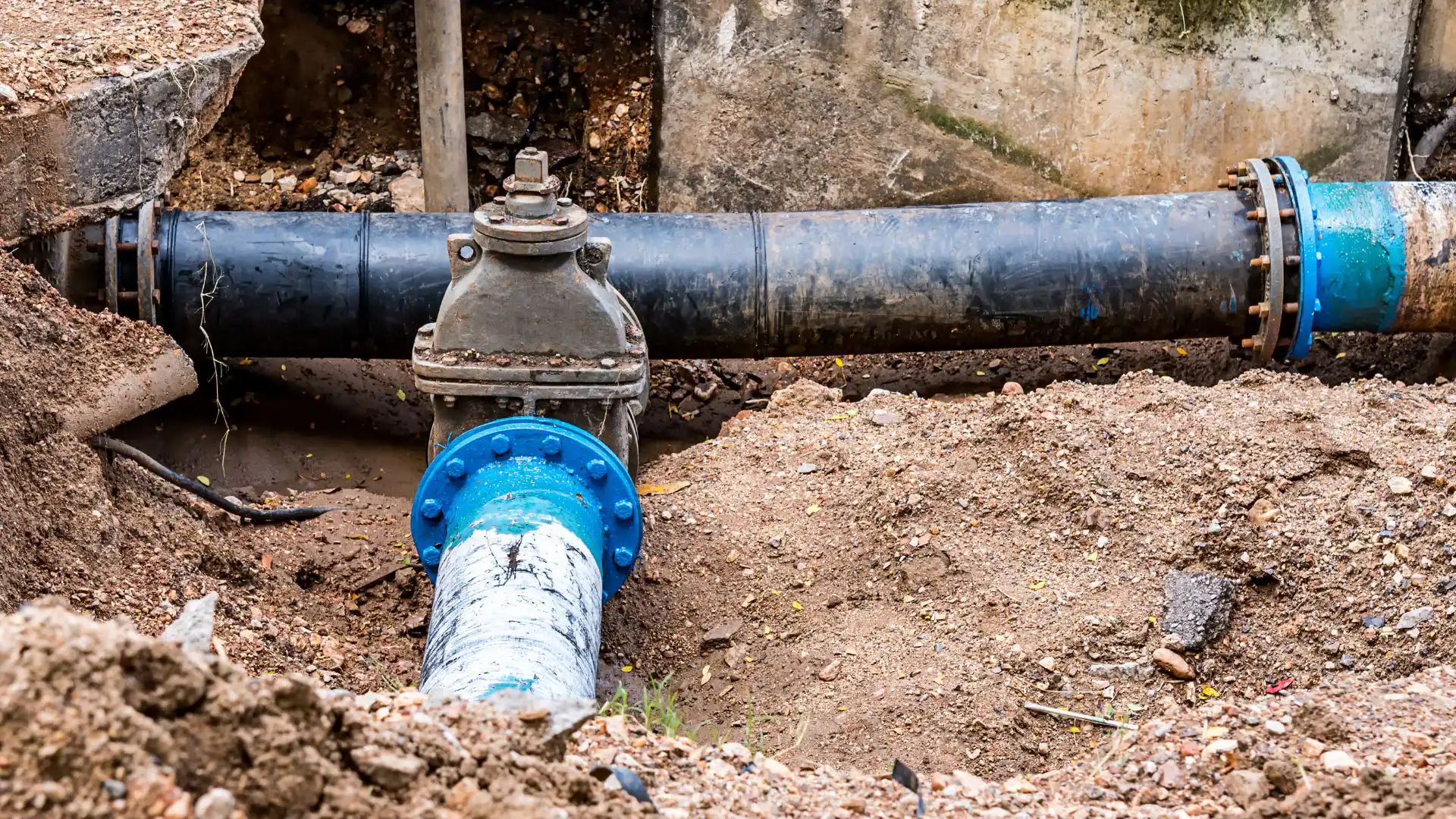
If your yard is still waterlogged days after a storm, or you’re watching water creep toward your foundation every time the sky opens up, that’s not just inconvenient it’s a problem that compounds over time. One inch of floodwater causes an average of $27,000 in home damage. Foundation repairs from chronic water intrusion can run $23,000 to $48,000. A properly installed drainage system costs a fraction of that, and it protects the investment you’ve already made.
East Hampton North sits on glacially deposited outwash soils with one of the highest groundwater conductivity rates in New York State around 350 feet per day, according to the USGS. What that means practically is that during a heavy storm, the water table rises fast. Your yard can go from fine to flooded before the rain even stops. A system designed without accounting for that will fail when it matters most.
The goal isn’t just moving water off your property. It’s making sure your lawn, your garden, and the grounds you’ve invested in are usable again and stay that way. When the work is done right, you stop thinking about drainage entirely. No standing water, no soggy turf that takes a week to recover, no anxious walk around the foundation after every storm. That’s what a well-designed drainage system actually delivers.
There’s a real difference between a contractor who lists East Hampton North as a service area and one who understands why a property near Accabonac Harbor drains differently than one up toward Springs or why the same storm that barely affects one block can leave another completely underwater. We work across the South Fork with a genuine understanding of what makes this area’s drainage conditions unique, and that knowledge shapes every assessment, every design, and every installation we do.
You’re not dealing with a crew that shows up, digs a trench, and disappears. Every project starts with a real site assessment mapping how water actually moves across your specific property before a single recommendation is made. That matters a lot on lots over an acre with mature landscaping, which is common throughout East Hampton North.
We’re fully licensed, insured, and we back our work with a written workmanship warranty. If something doesn’t perform the way it should, we make it right. That’s not a talking point it’s in writing before the job starts.
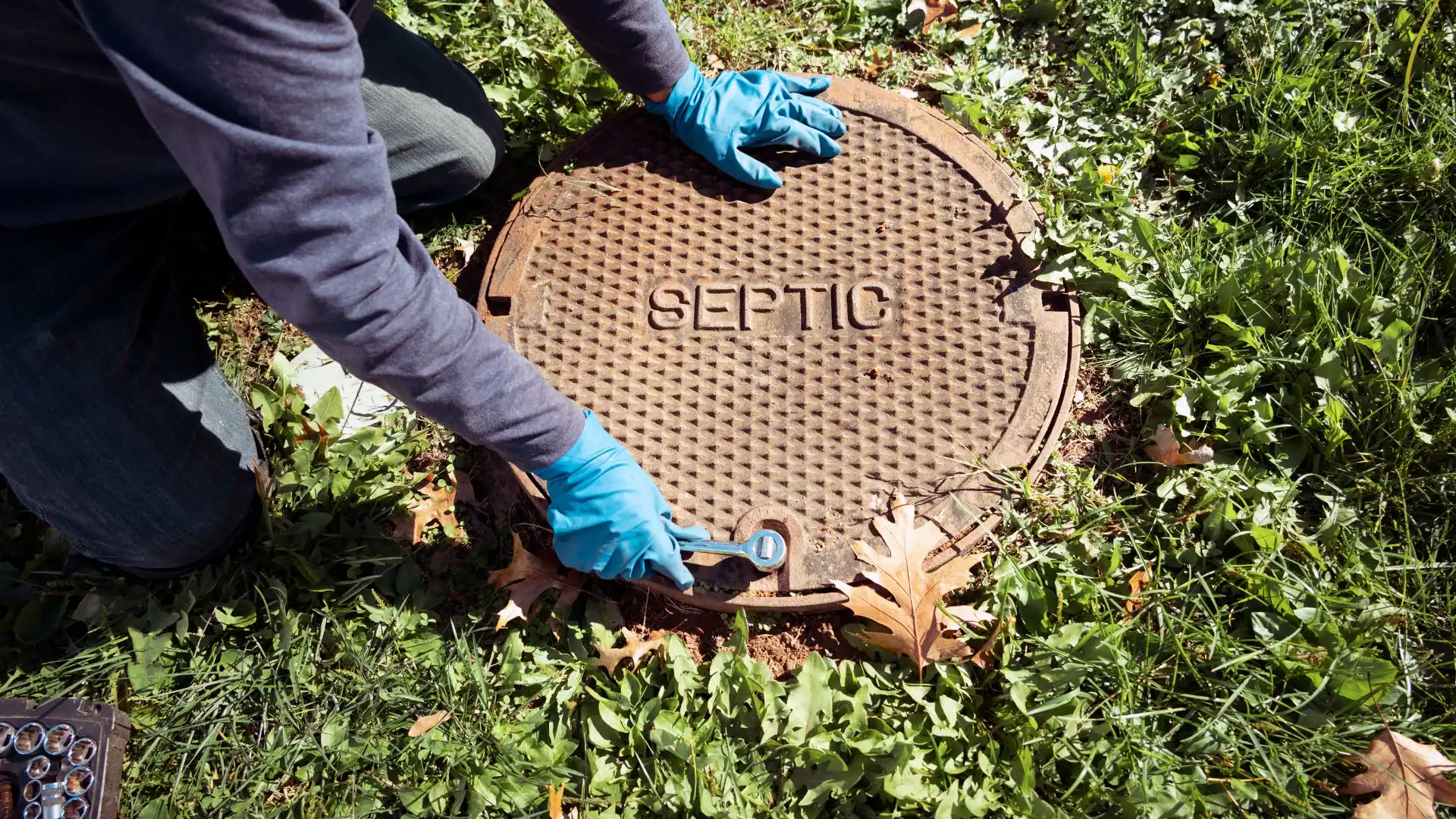
It starts with a site assessment, not a sales pitch. Before anything is recommended, we look at how water is actually moving across your property where it’s entering, where it’s pooling, and where it needs to go. On East Hampton North properties, that means accounting for soil type, lot grade, proximity to any sensitive water bodies, and how the water table behaves during the kind of summer storm events that have become increasingly common in East Hampton. This step is what separates a system that works long-term from one that looks fine and fails in the next big rain.
Once we understand the site, we design a system around the real problem not just the visible symptom. That might mean French drains, catch basins, dry wells, regrading, or a combination of several approaches depending on what your property actually needs. We’ll walk you through the plan clearly, give you a written quote with the full scope of work, and answer any questions before anything is scheduled. If your property is near a regulated water body or wetland buffer, we’ll factor that into the design from the start East Hampton Town has an active water quality protection program, and any discharge needs to be handled appropriately.
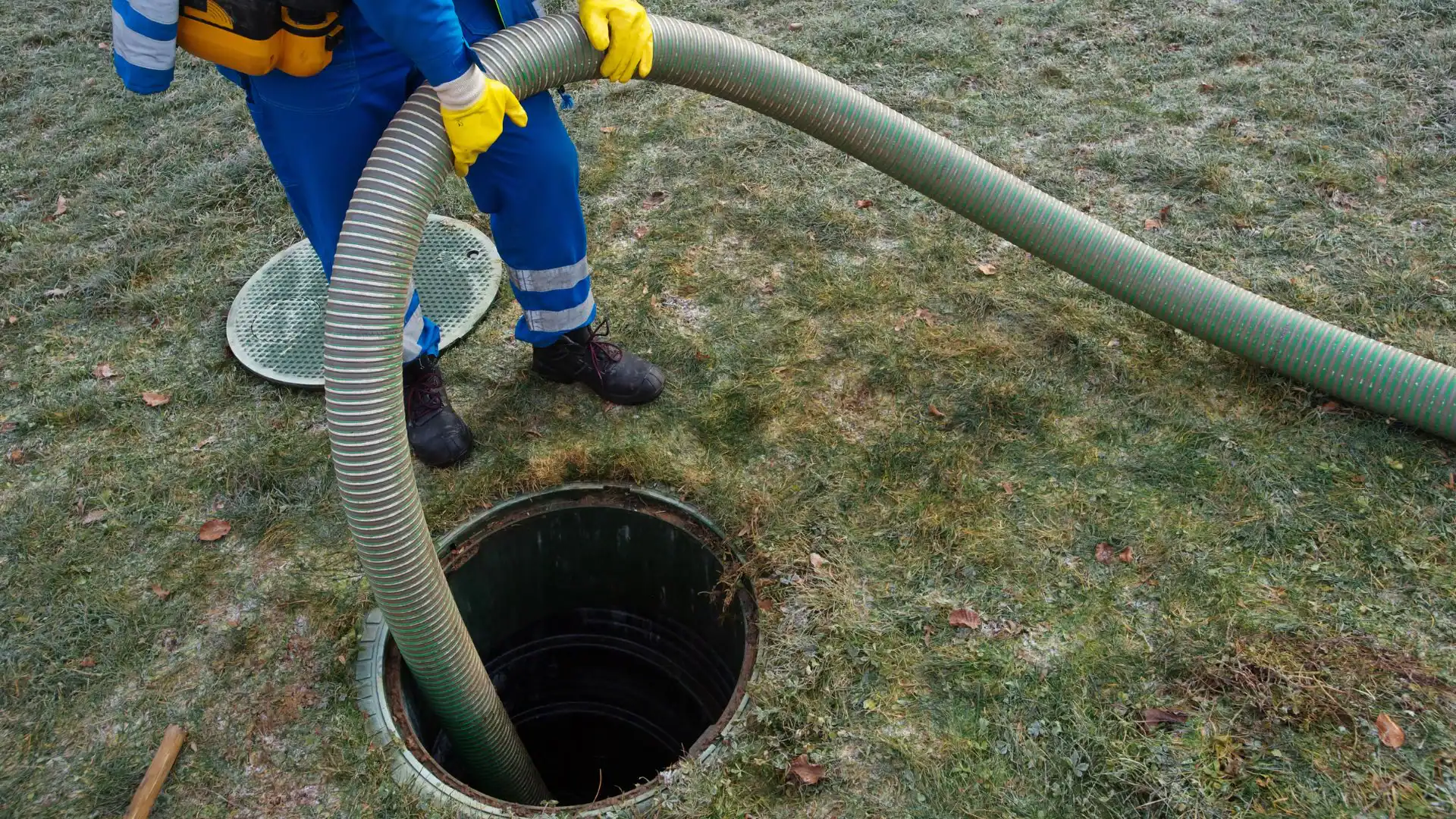
Installation is handled cleanly and efficiently, with full restoration of disturbed lawn, topsoil, and plantings included as part of the project. When we’re done, your yard should look right not like a job site. For seasonal residents who may not be on-property during the work, we keep communication clear throughout and do a full post-installation walkthrough, whether that’s in person or over a video call.
Ready to get started?
East Hampton North isn’t a neighborhood where drainage is just a utility problem. At a median property value over $1 million, the grounds and landscaping surrounding your home are part of what you’ve built and drainage work that ignores that does real damage. Every project we take on includes landscape restoration as a standard part of the scope, not an add-on. The lawn gets repaired. Disturbed plantings get addressed. The property looks the way it should when we leave.
The drainage systems we install are sized for peak conditions, not average ones. The July 2023 flash flooding event that generated 50 emergency calls across East Hampton in a single weekend isn’t an outlier anymore it’s the kind of storm your drainage system needs to be ready for. Whether that means a French drain running the length of your property, a network of catch basins tied to a dry well, or a full regrading of a problem area, the system is designed around your specific site and what it actually needs to handle.
For properties near Three Mile Harbor, Accabonac Harbor, or other ecologically sensitive areas in East Hampton Town, we design with discharge and water quality requirements in mind. Suffolk County regulations apply throughout the area, and East Hampton Town has its own environmental review considerations for work near wetlands and protected water bodies. We work within that framework so you’re not left dealing with compliance issues after the fact.
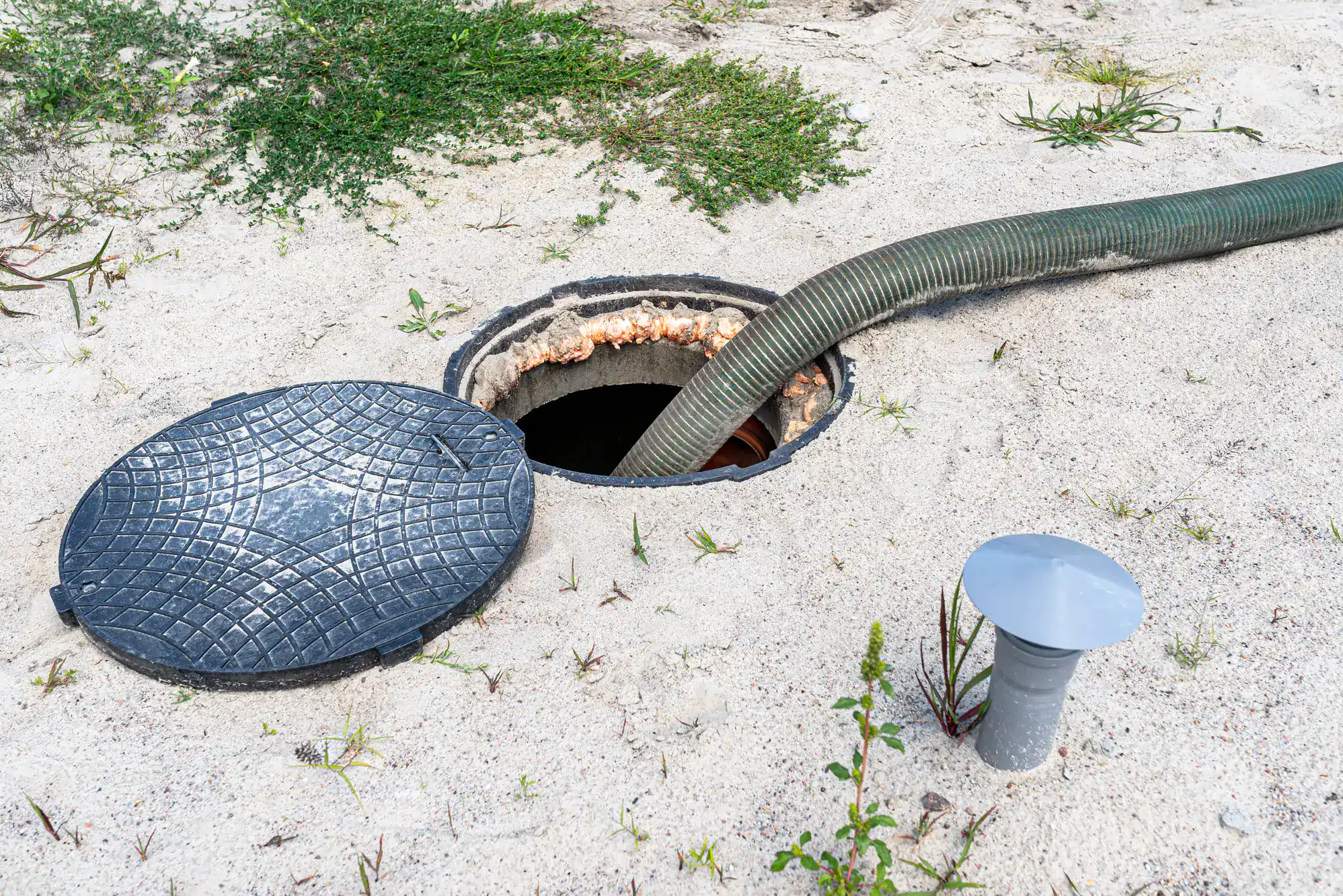
This is one of the most common questions we hear, and the answer usually comes down to two things: micro-topography and soil variation. East Hampton North sits on glacially deposited outwash material, but the soil profile isn’t uniform across the area. Some lots have sandier, faster-draining soil while others have pockets of heavier morainal material that holds water much longer. A slight low point in your grade sometimes just a few inches can turn your yard into a collection basin while your neighbor’s property sheds water cleanly.
The other factor is the water table. The upper glacial aquifer under the South Fork has a hydraulic conductivity of around 350 feet per day. During a significant storm, the water table rises fast sometimes saturating the soil from below before the rain even finishes. If your yard sits in a naturally lower area or has any grade that directs water toward it, you’re going to see flooding that your neighbor on higher ground simply won’t. The fix requires understanding both of those dynamics before any system is designed.
Most residential drainage projects fall somewhere between $2,000 and $7,500, depending on the scope, the system type, and the size of the property. Simpler installs a single French drain run or a catch basin tied to a dry well sit toward the lower end. More complex projects involving regrading, multiple drainage components, or restoration of mature landscaping will run higher.
In East Hampton North specifically, property sizes tend to be larger than average, and the landscaping surrounding most homes is established and detailed. That affects both the scope of the drainage work and the restoration that follows it. A quote that doesn’t account for landscape restoration after installation isn’t a complete quote. At a median property value over $1 million, cutting corners on the restoration side creates a different kind of problem. We provide written, itemized quotes before any work begins so you know exactly what’s included and there are no surprises when the job is done.
It depends on the scope and location of the work. East Hampton Town has an active water quality protection program and environmental review processes that can apply to drainage projects particularly those near wetlands, regulated water bodies, or properties within proximity to Accabonac Harbor, Three Mile Harbor, or Gardiners Bay. Suffolk County stormwater regulations also apply throughout the area. For most standard residential drainage installations on upland properties, permits may not be required, but that determination needs to be made based on your specific lot and what the system involves.
The safest approach is to have a contractor who already understands the local regulatory landscape evaluate the project before work begins. If your property is near a wetland buffer or a protected shoreline area, the design of the drainage system including where water is discharged needs to account for those requirements from the start. We factor this into every site assessment for East Hampton North properties so you’re not dealing with compliance questions after the work is already done.
They solve different problems, and most properties that flood seriously need both. A French drain is a subsurface trench filled with gravel and a perforated pipe it intercepts groundwater and sheet flow moving through the soil and redirects it away from problem areas. It works well for yards where water is saturating the ground across a broad area or moving laterally toward a foundation or low point. A catch basin is a surface-level inlet essentially a drain box that captures standing water that pools on top of the ground and channels it underground through a pipe to a discharge point or dry well.
On East Hampton North properties, where summer storm events can deliver significant rainfall in a short window and the water table can rise quickly, it’s common for both issues to occur at once: water coming up from below and pooling on the surface at the same time. A system that only addresses one of those won’t fully solve the problem. Part of what a proper site assessment does is determine which dynamic is driving your specific flooding issue and design a system that handles it completely.
Any drainage installation that involves excavation will disturb the ground there’s no honest way around that. The real question is what happens after. A contractor who installs a French drain and leaves a dirt trench running across your lawn has completed half the job. On East Hampton North properties, where mature landscaping, established trees, and detailed garden areas are common, the restoration side of a drainage project matters just as much as the installation itself.
We include full landscape restoration as a standard part of every drainage project not as a separate line item or an optional add-on. That means topsoil is replaced, lawn areas are reseeded or resodded as needed, and any plantings that were disturbed are addressed before we’re done. The expectation is that your property looks right when we leave. On lots over an acre with significant landscaping investment, that’s not a minor detail it’s a core part of what you’re paying for.
This happens more often than most homeowners expect, and it almost always comes down to a misdiagnosis at the start. The most common scenario is a system that was designed for the visible symptom standing water in one spot without tracing the actual source of the problem. On the South Fork, where the water table can rise rapidly during a storm and saturate soil from below, a French drain installed in the wrong location or sized for average rainfall rather than peak events will appear to work fine most of the time and fail completely when conditions are severe.
The other common failure is a system that was undersized for the property. Larger lots collect more water over more surface area, and a drainage system that would work fine on a quarter-acre suburban lot may be completely overwhelmed on a one-acre-plus East Hampton North property during a real storm event. If a previous installation didn’t solve your flooding problem, the first step is a fresh site assessment one that maps the full water flow path across your property and identifies where the original design fell short. That’s where every project we take on begins, regardless of what’s been done before.