
Hear from Our Customers
Water pooling in your yard after a storm is frustrating. Water pooling near your foundation on a property worth close to a million dollars is a problem that compounds quietly until it becomes expensive. The difference between the two is usually a drainage system that was either never installed correctly or never designed for the full picture of how water moves through a Hampton Bays property.
Here, water doesn’t just fall from the sky. It rises from the ground when Shinnecock Bay pushes the water table up during a tidal cycle. It sheets across your lot when the sandy soil is already saturated from three days of nor’easter rain. It pools near your foundation because the grading on your lot was never designed to account for any of that. A drainage system that handles one of those sources but ignores the others isn’t a solution it’s a delay.
When the drainage is working right, you stop watching the weather with dread. Your lawn stays intact. Your crawl space stays dry. And when the next storm rolls through and it will your property handles it the way it should. That’s what a well-designed yard drainage system in Hampton Bays actually delivers.
A lot of Hampton Bays homeowners have already paid for drainage work that didn’t hold up. One French drain installed without accounting for the tidal groundwater influence near Tiana Bay. A catch basin that handles light rain but backs up completely when a nor’easter stalls offshore for two days. It’s not that the installation was sloppy it’s that the diagnosis was incomplete.
We approach every property as a system. Before any equipment shows up, we assess where the water is coming from, where it’s going, and what combination of solutions will actually address the problem at your specific address. We hold a valid Suffolk County Home Improvement Contractor license, carry full liability insurance and workers’ compensation, and we know Southampton Town’s permit requirements well enough to handle that process on your behalf.
We serve the full Long Island corridor, including Hampton Bays and the surrounding Hamptons-area communities. This isn’t a market we’re new to.
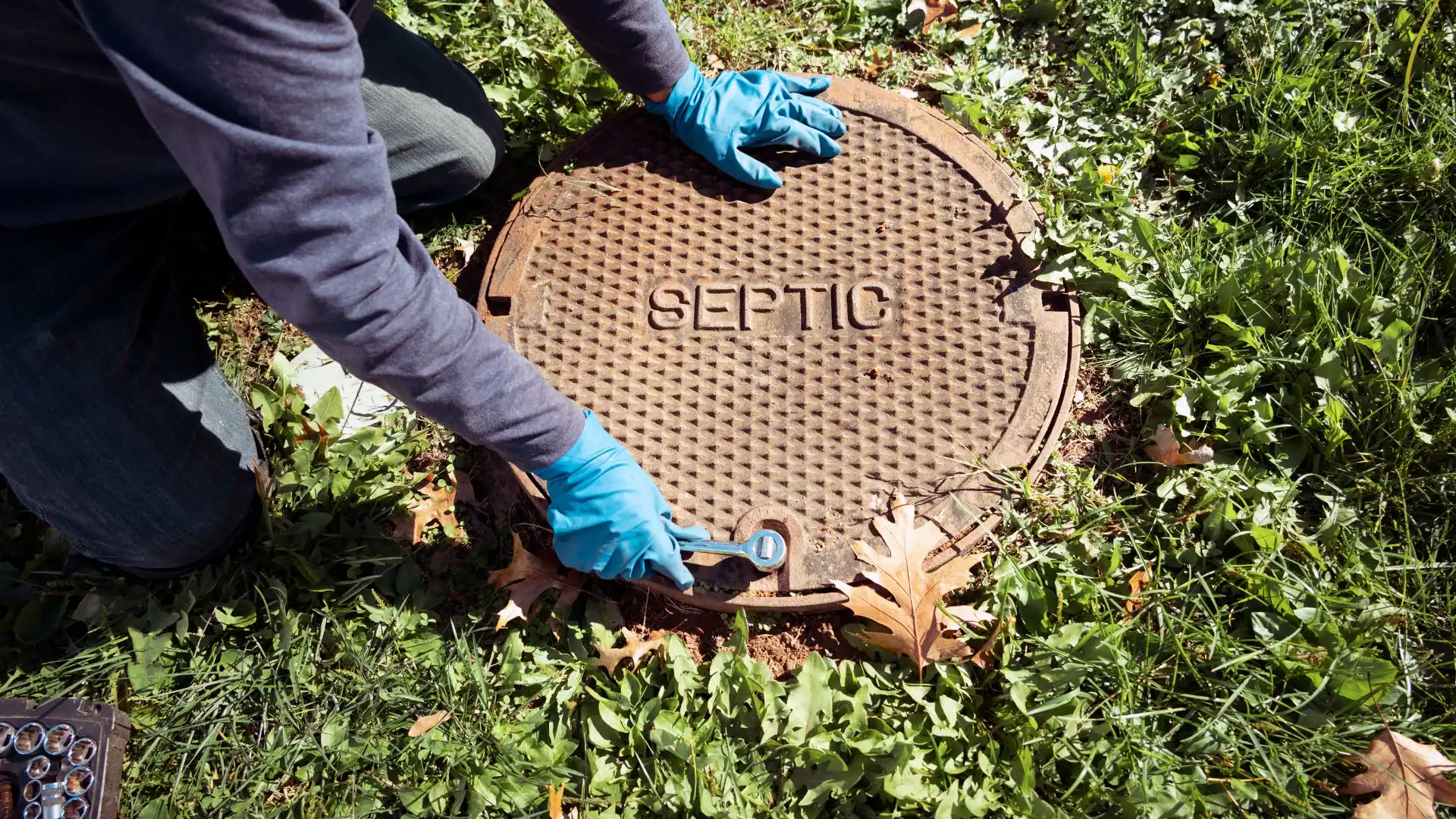
It starts with a site assessment not a sales visit. We walk the property, look at where water is entering, where it’s sitting, and what the grading and soil conditions tell us about why it’s happening. On a Hampton Bays property, that assessment includes checking proximity to the bays, evaluating how close the water table is to the surface, and identifying whether you’re dealing with a surface drainage problem, a groundwater problem, or both. Those are different problems with different solutions, and they’re not always obvious from the surface.
From there, we put together a written scope that explains what we’re recommending and why. Whether that’s a French drain, a catch basin system, a dry well, channel drains, regrading, or a combination you’ll know exactly what’s being installed and what it’s designed to handle. If the project requires a permit through Southampton Town’s Engineering Division or compliance with Suffolk County’s dry well registration requirements, we handle that. You don’t have to chase paperwork.
Once installation is complete, we restore the yard. Topsoil, turf, everything disturbed during the work gets put back properly. You shouldn’t have to look at a torn-up lawn to know the drainage is working. By the time we’re done, the only evidence of the work is a yard that finally drains the way it’s supposed to.
Ready to get started?
The drainage solutions that work on a standard inland Suffolk County lot don’t always translate to Hampton Bays. The sandy glacial outwash soils here can accept a lot of infiltration but only when the water table is deep enough to allow it. Near Shinnecock Bay or along the canal-adjacent streets, that depth shrinks considerably, and a dry well that would work perfectly in Hauppauge may be the wrong call entirely on your block. Getting that right requires knowing the local soil conditions, not just running through a standard checklist.
We provide French drain installation, catch basin systems, dry well installation and Suffolk County registration compliance, surface channel drains, lot regrading, and full turf and landscape restoration following installation. For properties near wetland buffers which are common in Hampton Bays given its proximity to Tiana Bay and Shinnecock Bay we factor in the Town of Southampton’s Natural Resources requirements before the design is finalized, so there are no surprises mid-project.
If you’re a seasonal homeowner who arrives in spring to find six months of storm damage waiting for you, we understand the timeline pressure. We work efficiently, document everything, and make sure your property is functional well before summer occupancy.
This is one of the most common questions we hear from Hampton Bays homeowners, and the answer usually has nothing to do with how much rain fell. Hampton Bays sits adjacent to Shinnecock Bay and Great Peconic Bay, which means the water table in many parts of the hamlet rises and falls with tidal cycles. When the tide is high and the water table is already elevated, even a modest rain event has nowhere to go the soil is already holding as much as it can.
The result looks like a drainage problem but is actually a groundwater problem, and those require different solutions. A French drain that redirects surface water won’t fix a yard that’s flooding from below. Diagnosing which type of water problem you’re dealing with or whether it’s both is the first step, and it’s the step that most failed drainage installs skipped entirely.
The honest answer is that it depends on where the water is coming from and where it has room to go. French drains are designed to intercept and redirect water that’s moving laterally across or through the soil. Dry wells are designed to collect water and allow it to infiltrate into the ground below which works well in Hampton Bays’s sandy soils, but only when the water table is deep enough to accept it. In areas close to Shinnecock Bay or Tiana Bay, the water table can be quite shallow, and a dry well installed in the wrong location will simply fill up and stop working.
In many Hampton Bays properties, the right answer is a combination of systems a catch basin to collect surface runoff, a French drain to handle lateral groundwater movement, and proper regrading to ensure water is moving away from the foundation in the first place. That’s why a site assessment matters more than any individual product recommendation.
For most standard residential drainage projects in Hampton Bays, a full state stormwater permit isn’t required that threshold generally kicks in for projects disturbing one acre or more of land. But that doesn’t mean permits are off the table entirely. The Town of Southampton has its own stormwater management requirements overseen by the Engineering Division, and if your property is near a wetland area which is common given Hampton Bays’s proximity to Tiana Bay, Shinnecock Bay, and Red Creek you may need a Natural Resources Special Permit before work can begin.
Dry wells in Suffolk County also require registration and compliance with county health department standards, including minimum distances from septic systems and water supply wells. These aren’t obstacles they’re just part of doing the work correctly. We handle the permit and compliance process as part of the project, so you’re not left figuring out what Southampton Town requires on your own.
Most residential drainage projects in Hampton Bays fall somewhere between $3,000 and $10,000, depending on the scope of the problem and what combination of systems is needed. A straightforward French drain installation on a smaller lot will land at the lower end. A more complex system involving catch basins, dry wells, regrading, and full turf restoration on a larger bay-adjacent property will be higher.
The more useful number to keep in mind is what deferred drainage problems actually cost. Foundation repairs from water intrusion run $23,000 to $48,000. A single basement or crawl space flooding event averages $10,000 to $26,000 in damage. The average water damage insurance claim pays out around $13,954 and that’s before you factor in the impact on property value. In a market where Hampton Bays homes are selling at or above $1 million, a properly installed drainage system is one of the highest-ROI improvements you can make to the property.
This comes up more than you’d think, especially in Hampton Bays. The most common reason a previous drainage install didn’t hold up is that it addressed one source of water while ignoring others. A single French drain installed along one side of the yard won’t solve a problem that involves tidal groundwater pressure from the bay, storm surge during a major nor’easter, and surface runoff from a neighboring property all arriving at once. Coastal drainage is a multi-source problem, and a single-component fix rarely covers it completely.
The other common failure point is sizing. A catch basin or dry well that’s undersized for the volume of water your property receives during a significant storm will back up quickly and provide little real protection. When we assess a property where previous work has failed, we look at what was installed, what it was designed to handle, and what it clearly wasn’t. That diagnosis shapes everything about what we recommend next.
Early fall is actually one of the better windows for drainage installation in Hampton Bays, and it’s a window that closes faster than most homeowners expect. The nor’easter season typically picks up in October and runs through March, and those storms are the primary drainage stress-test for properties on the South Fork. Getting a system in the ground before that season starts means your property is protected when it matters most not sitting on a waiting list while the yard floods again.
Late summer and early fall also tend to be more workable conditions for excavation and turf restoration than the wet, frozen ground of midwinter. If you’ve been putting off a drainage assessment after noticing problems last spring or summer, fall is the right time to act not because of any urgency tactic, but simply because the timeline between “scheduled” and “storm season” is shorter than it looks on the calendar.