Hear from Our Customers
Standing water isn’t just an eyesore. On a property worth over half a million dollars, it’s a slow threat to your foundation, your lawn, and the value of everything you’ve invested in your home. When a properly designed drainage system is in place, that threat goes away and your yard becomes usable again, not just after dry weeks, but after the storms that actually test it.
Huntington Station sits on predominantly clay and clay-loam soil. That’s not a minor detail it’s the reason water pools in your yard for three days when it would drain overnight somewhere else on Long Island. Clay absorbs slowly and releases even more slowly, and when you factor in decades of lawn maintenance and landscaping that have compacted that soil further, you’ve got a yard that was never going to drain on its own. A drainage system designed for these specific conditions the right depth, the right materials, the right discharge path changes that completely.
The post-war ranch and Cape Cod homes that make up most of Huntington Station’s housing stock weren’t built with modern stormwater thinking in mind. Foundations from the 1950s and 1960s weren’t engineered to handle the hydrostatic pressure that builds up when saturated clay sits against them season after season. Getting the water moving away from your home isn’t a landscaping upgrade. It’s the most practical form of asset protection available to you.
Gold Coast Landworks is a landscape drainage contractor not a plumber, not a cesspool company, not a generalist landscaper who handles drainage as a side job. When your yard floods, the problem is land, not pipe. It’s how water moves across your property, how your soil absorbs it, where your grade directs it, and whether there’s a discharge point that can actually handle the volume. That’s what we solve.
We work throughout Huntington Station and the surrounding North Shore communities, and we understand what drainage looks like in this specific environment. We know the clay soil conditions here are fundamentally different from the sandy profiles you’ll find in South Shore towns. We know the Town of Huntington’s Chapter 170 stormwater regulations, what work requires documentation, and how to keep your project compliant from start to finish.
Every project starts with a thorough site assessment no guessing, no generic solutions. You get a written quote, a clear scope, and a workmanship warranty before anything gets touched.
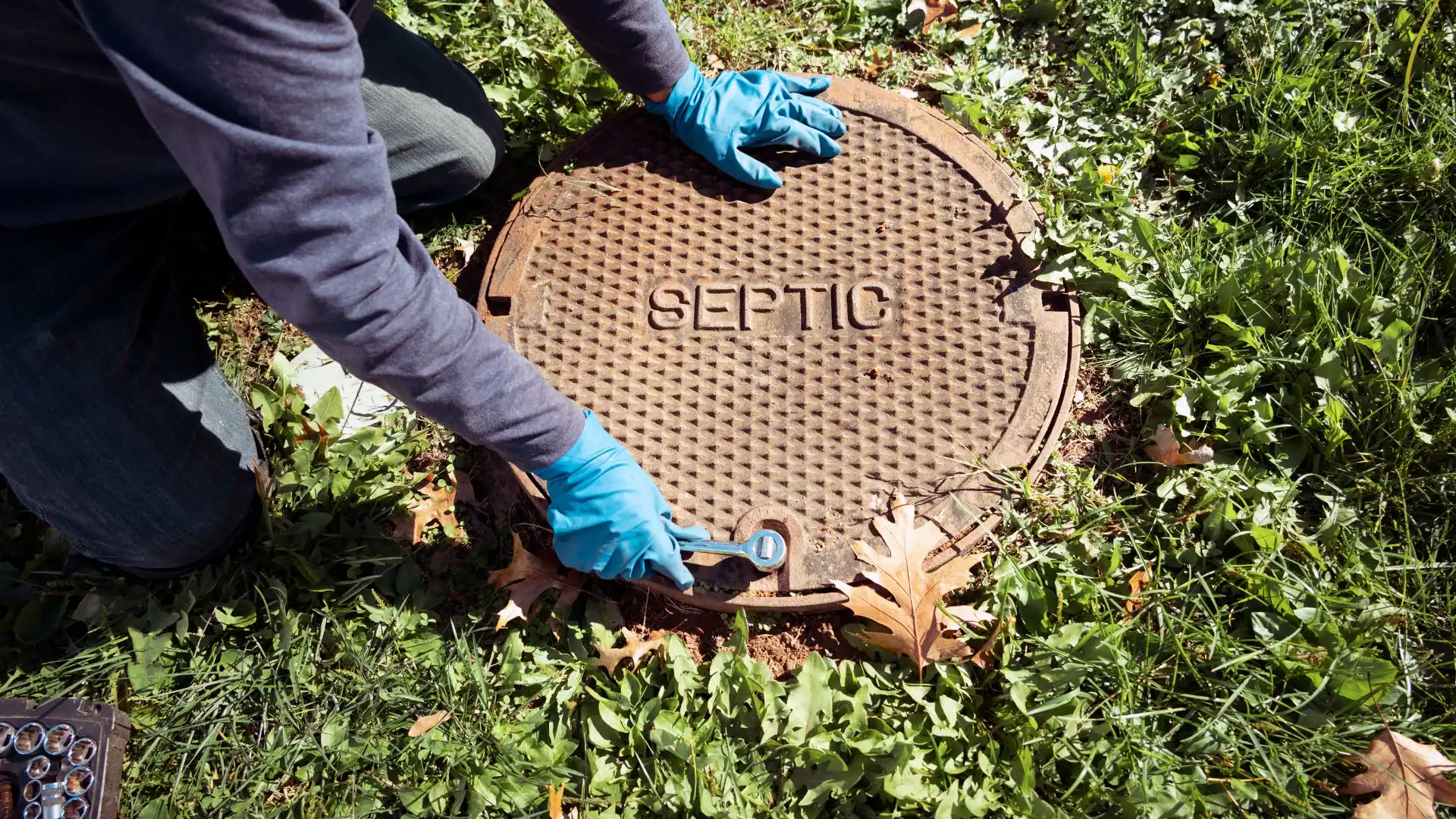
It starts with a site assessment. Before any work is planned, we walk your property and map the full water flow path where the water is entering, how much volume your site collects during a significant storm event, what the soil is doing beneath the surface, and where it needs to go. In Huntington Station, that assessment always accounts for the clay-dominant soil conditions and the fact that most homes here were built without any meaningful drainage engineering built in.
From there, we design a system sized for your actual conditions not the average rainfall, but the kind of event that drops four or five inches in a few hours, which is exactly what nor’easters have delivered in this area. That might mean a French drain, a catch basin network, regrading, a dry well, or a combination of systems working together. The design determines the solution, not the other way around. If your project falls under the Town of Huntington’s Chapter 170 stormwater requirements, we handle the documentation.
Once the work is done, we restore everything we disturbed. Lawn, landscaping, surface grade you don’t inherit a construction site when we leave. The last thing you see is a yard that looks right and finally drains the way it should.
Ready to get started?
The drainage systems we install in Huntington Station are designed around the specific conditions here North Shore clay soil, aging post-war housing stock, and a rainfall pattern that includes year-round storm events with no reliable dry season to give your yard a break. That means every component of your system is specified for clay-soil performance: the right aggregate, the right geotextile fabric to prevent clay silt from migrating into and clogging the system, and the right pipe sizing to handle peak storm volume without backing up.
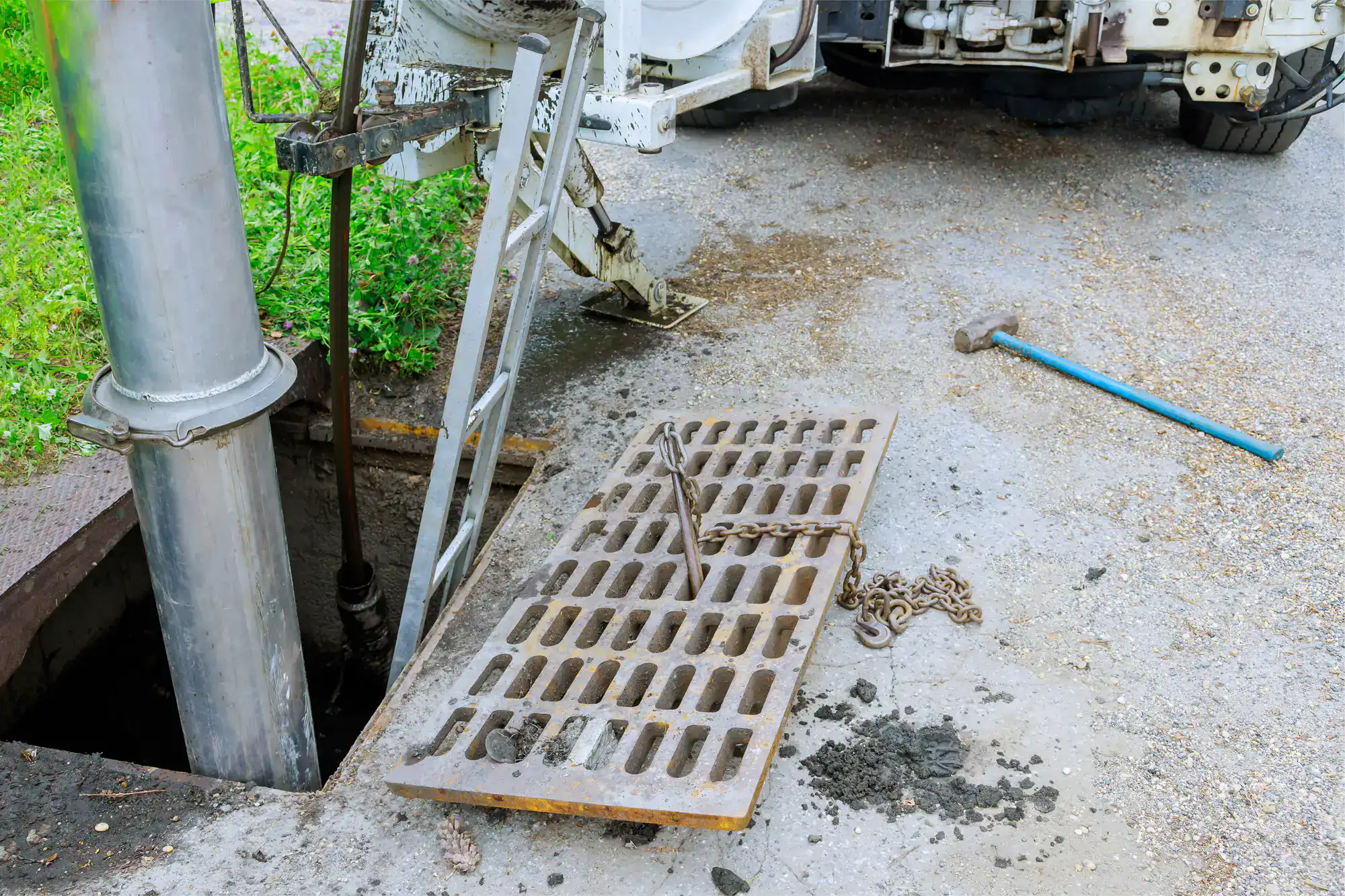
Depending on what your property needs, the work may include French drain installation, catch basin placement, surface channel drains, yard regrading, dry well installation, or an integrated system that addresses multiple water entry points at once. For homes in the Half Hollow, South Huntington East, or Town Center areas of Huntington Station where lot sizes vary and neighboring runoff can compound your own drainage issues we design with the full water picture in mind, not just what’s happening at the low spot in your lawn.
Every installation includes a written workmanship warranty. You’ll know exactly what was installed, why it was installed that way, and what to expect from it. If something isn’t performing as designed, we come back and make it right.
The most common reason is the soil itself. Huntington Station sits on the North Shore of Long Island, where the ground is predominantly clay and clay-loam a profile that absorbs water very slowly and releases it even more slowly. Unlike the sandy soils you’ll find in South Shore communities, clay acts almost like a barrier. Water hits the surface, can’t move through the ground fast enough, and pools. Decades of lawn activity and landscaping have often compacted that clay further, making the problem worse over time.
The other factor is grading. Many homes in Huntington Station were built in the 1950s and 1960s without drainage engineering factored into the lot design. Over the years, settling, landscaping additions, and changes to neighboring properties can create low spots and grade patterns that direct water toward your yard rather than away from it. A proper drainage assessment identifies both the soil issue and the grading issue because fixing one without addressing the other rarely solves the problem for long.
A plumber solves pipe problems a blocked drain, a broken sewer line, a clogged catch basin inlet. If water isn’t moving through your home’s internal plumbing, that’s their territory. A landscape drainage contractor solves land problems how water moves across your property, how your soil absorbs it, where your grade is directing runoff, and whether your yard has a functional path for water to exit. These are completely different disciplines.
If your yard floods after rain, the problem almost certainly isn’t a broken pipe. It’s a land and grading issue that requires a landscape drainage contractor, not a plumber. This distinction matters in Huntington Station because when you search for help locally, most of what comes up are plumbing companies and cesspool services. They’re not the wrong companies they’re just the wrong type of company for what you’re dealing with. Calling the right contractor from the start saves you time, money, and a second round of repair work.
Most residential drainage projects in the Huntington Station area fall somewhere between $2,500 and $8,000, depending on the scope of work, the number of drainage components needed, and how much regrading the site requires. A straightforward French drain installation on a smaller lot will sit at the lower end of that range. A more comprehensive system one that addresses multiple water entry points, includes catch basins, requires significant regrading, or involves a dry well installation will be higher.
The more useful frame is what you’re comparing that cost against. Foundation repair from water intrusion runs $23,000 to $48,000 for structural work. A basement flooding event averages $10,000 to $26,000 per incident. With roughly 25% of Huntington Station properties identified as being at risk of severe flooding over the next 30 years, the cost of a properly installed drainage system is almost always less than the cost of the first significant damage event it prevents. We provide a written quote after a site assessment, so you know the exact number before any work begins.
The right drainage solution depends on where the water is coming from, how much of it there is, and where it needs to go and that determination requires a site assessment, not a guess. French drains work well for intercepting subsurface water movement and redirecting it away from a foundation or low area. But if your problem is primarily surface water pooling after heavy rain, a catch basin or surface channel drain may be more effective. If your grade is directing runoff toward your home from a neighboring property or the street, regrading may need to be part of the solution.
In Huntington Station specifically, the clay soil conditions mean that a French drain needs to be installed with the right aggregate and geotextile fabric otherwise clay silt migrates into the system and clogs it within a season or two. This is a common reason why drainage systems installed by less experienced contractors fail here. The system type matters, but so does how it’s installed for the specific soil conditions on your property.
It depends on the scope of the project. Smaller residential drainage installations a French drain, a catch basin, minor regrading typically don’t require a formal permit. However, larger projects that involve significant land disturbance, systems that connect to or affect the Town of Huntington’s Municipal Separate Storm Sewer System (MS4), or work on properties near streams, wetlands, or designated flood zones may fall under Chapter 170 of the Town Code, which governs stormwater management. Some qualifying projects require a Stormwater Pollution Prevention Plan (SWPPP) and a Notice of Intent filing.
This is one of the reasons it matters who you hire. A contractor unfamiliar with Town of Huntington’s regulatory framework may not flag a permit requirement until the project is already underway which creates delays and potential compliance issues. We’re familiar with the local requirements and will identify during the assessment phase whether your project requires any documentation or Town notification before work begins.
This is more common than most people realize, and it usually comes down to one of a few specific installation failures. The most frequent issue in Huntington Station is a system that was installed without accounting for the clay soil no geotextile fabric, or the wrong aggregate, which allows clay silt to migrate into the pipe and clog it within a year or two. The second most common issue is inadequate slope: a French drain that was installed without enough fall to move water effectively, so it sits and stagnates rather than draining. The third is undersizing a system designed for average rainfall that gets overwhelmed the first time a real nor’easter comes through.
When we assess a property where previous drainage work has failed, we start by identifying exactly what went wrong before recommending anything new. Sometimes the existing infrastructure can be partially salvaged. Sometimes it needs to be removed and replaced correctly. Either way, you get an honest assessment of what’s there, what failed, and what a properly designed system for your specific property and soil conditions would look like before you spend another dollar.