
Hear from Our Customers
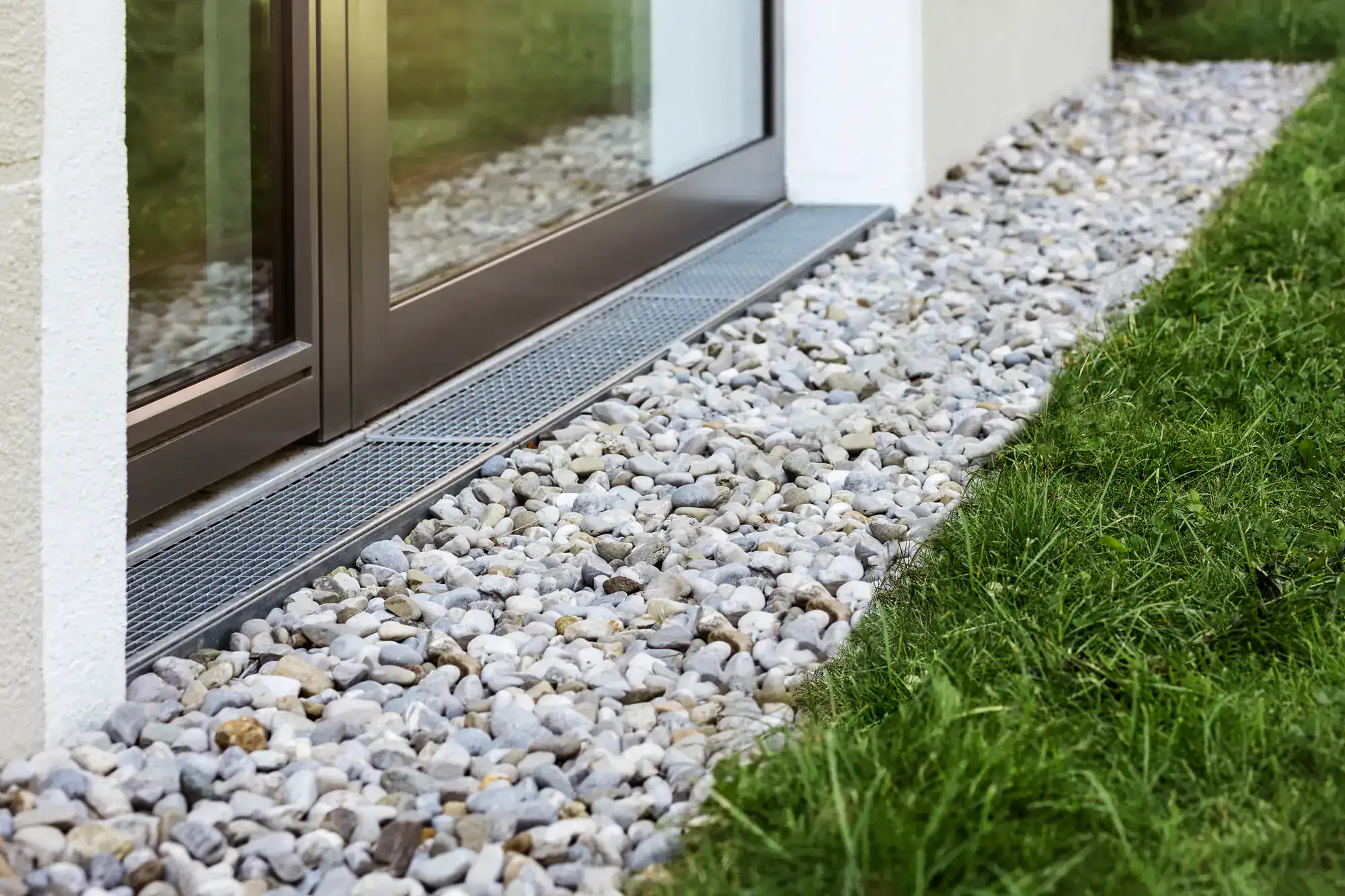
East Hampton North sits on Type C hydrologic soils the kind that saturate quickly and stay that way. When it rains here, water doesn’t percolate down through the ground the way it does in sandier parts of Long Island. It pools. It presses against your foundation. It turns your yard into something you can’t use for days. A French drain system intercepts that water before it becomes your problem, routing it away from your home through a buried perforated pipe surrounded by gravel and filter fabric.
Once we install the system, the difference is noticeable fast. Your yard dries out within a day or two of a heavy rain instead of staying saturated for a week. The hydrostatic pressure against your foundation drops, which means less seepage, less moisture in your basement, and less long-term structural stress on your home. For homeowners near Three Mile Harbor or in the lower-lying residential pockets of East Hampton North, that relief is real because the water table in those areas can sit surprisingly close to the surface during wet seasons.
This isn’t just about comfort. Drainage problems left alone get worse, not better. Foundation repairs on the South Fork can run $15,000 to $50,000. Mold remediation in a finished basement starts at $3,000 and climbs quickly. A French drain installation costs a fraction of that and it stops the damage before it compounds.
Gold Coast Landworks is a licensed and insured drainage contractor serving East Hampton North and the surrounding South Fork communities. We’re not a generic Suffolk County operator who added East Hampton to a service area list. We work here. We know the soil conditions in the northern residential zones of East Hampton Town, we understand how the proximity to Three Mile Harbor and Northwest Harbor affects groundwater behavior, and we’re familiar with the stormwater regulations under East Hampton Town Code Chapter 216 that affect how drainage systems need to be designed and where they can discharge.
That local knowledge matters more than most homeowners realize until something goes wrong. A French drain system that’s designed without understanding the local water table, soil profile, or outlet restrictions near protected water bodies isn’t just ineffective it can create regulatory liability. Every system we install in East Hampton North is designed for this specific area, not copied from a template built for inland Long Island.
It starts with a site assessment. Before any digging happens, we walk your property and look at where water is entering, where it’s accumulating, and what the ground is doing with it. In East Hampton North, that means accounting for your soil type, your proximity to any protected water bodies, and the grade of your lot because the South Fork’s topography varies more than people expect. This step determines where the drain trench goes, how deep it needs to be, and where the system will outlet.
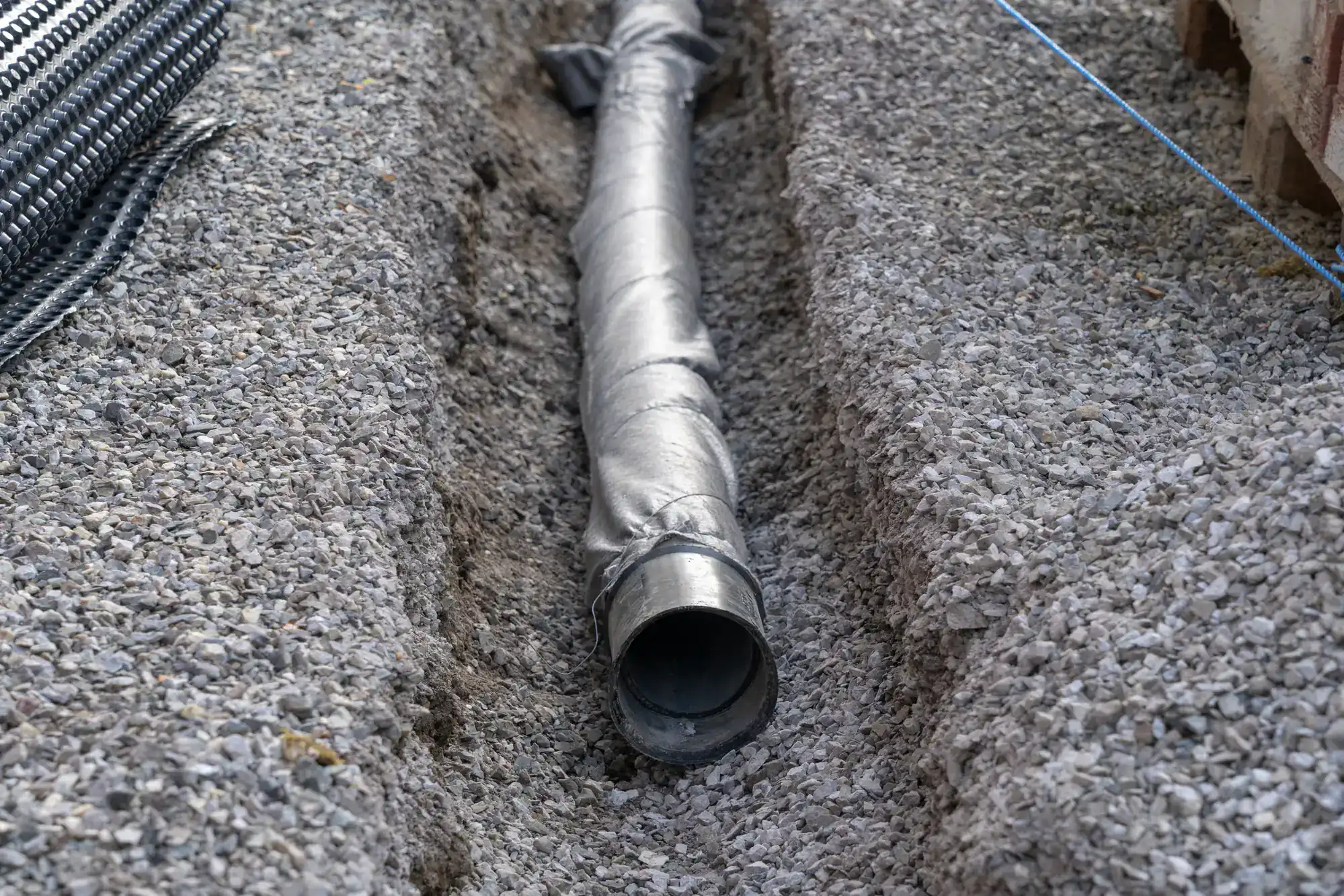
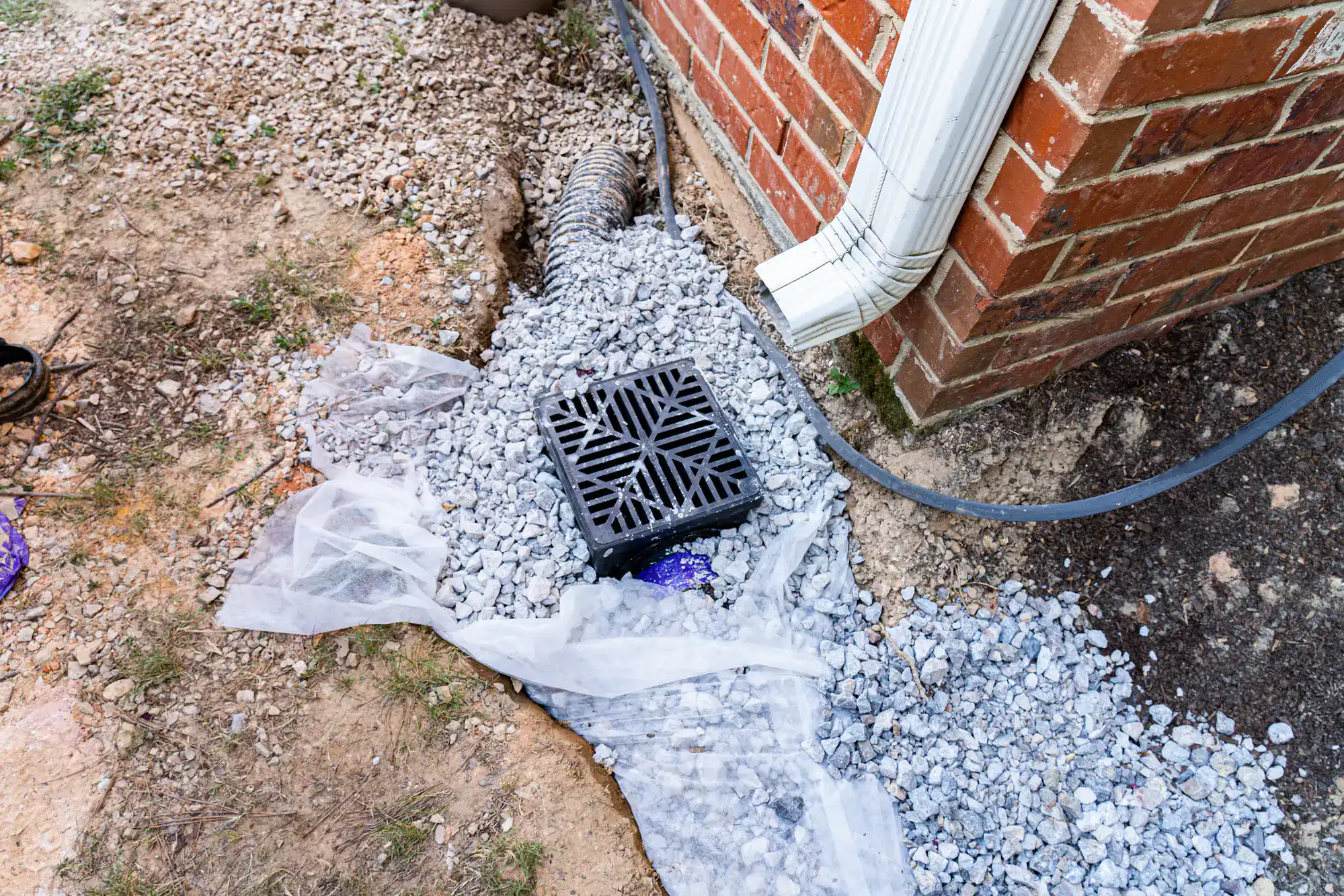
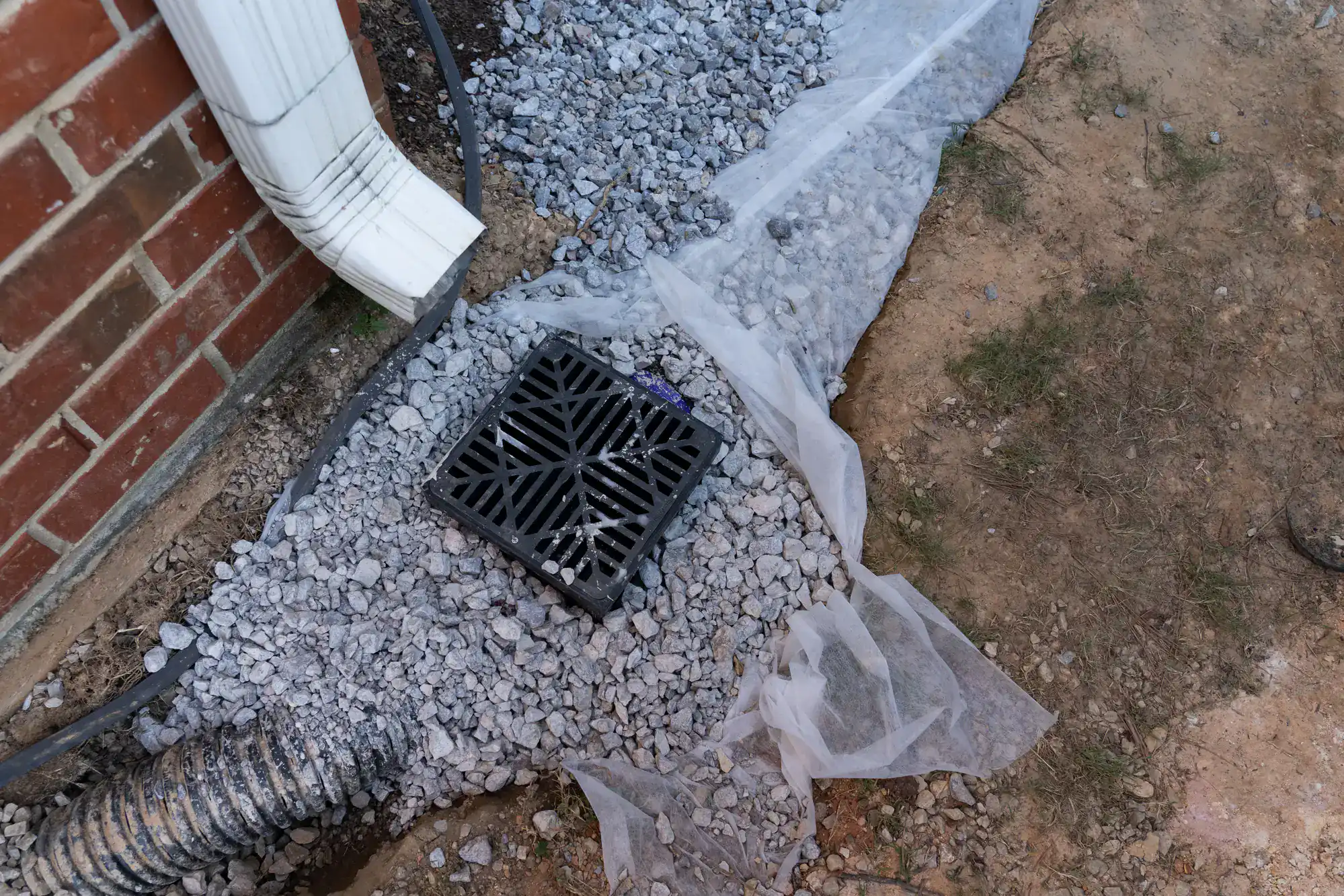
Once the design is confirmed, we call 811 to have utilities marked that’s a legal requirement in New York before any excavation, and it’s non-negotiable regardless of how shallow the work looks. Then we excavate the trench at the correct depth for Long Island’s frost line, lay the perforated pipe on a bed of clean gravel, wrap the system in geotextile filter fabric to keep sediment out, and backfill. We also verify the outlet point is compliant with East Hampton Town’s stormwater code the town prohibits positive outfall into streams or bays without special permission, which is a real constraint when you’re working near Three Mile Harbor or other protected water bodies in this area.
When the work is done, we restore the yard. The trench gets filled, the surface gets graded, and the property looks like we were never there except the water problem is gone.
Ready to get started?
Every French drain system we install in East Hampton North is designed from the ground up for the conditions here not adapted from a one-size-fits-all approach that ignores what the soil, water table, and local code actually require. That means pipe installed at frost-appropriate depth so it doesn’t crack and fail after the first hard winter. It means geotextile fabric selected for Long Island’s glacially derived soils, which carry more fine particles than sandy coastal soils and will clog a poorly wrapped system faster than you’d expect. And it means outlet points that are sited in compliance with East Hampton Town’s stormwater regulations not just pointed toward the nearest low spot.
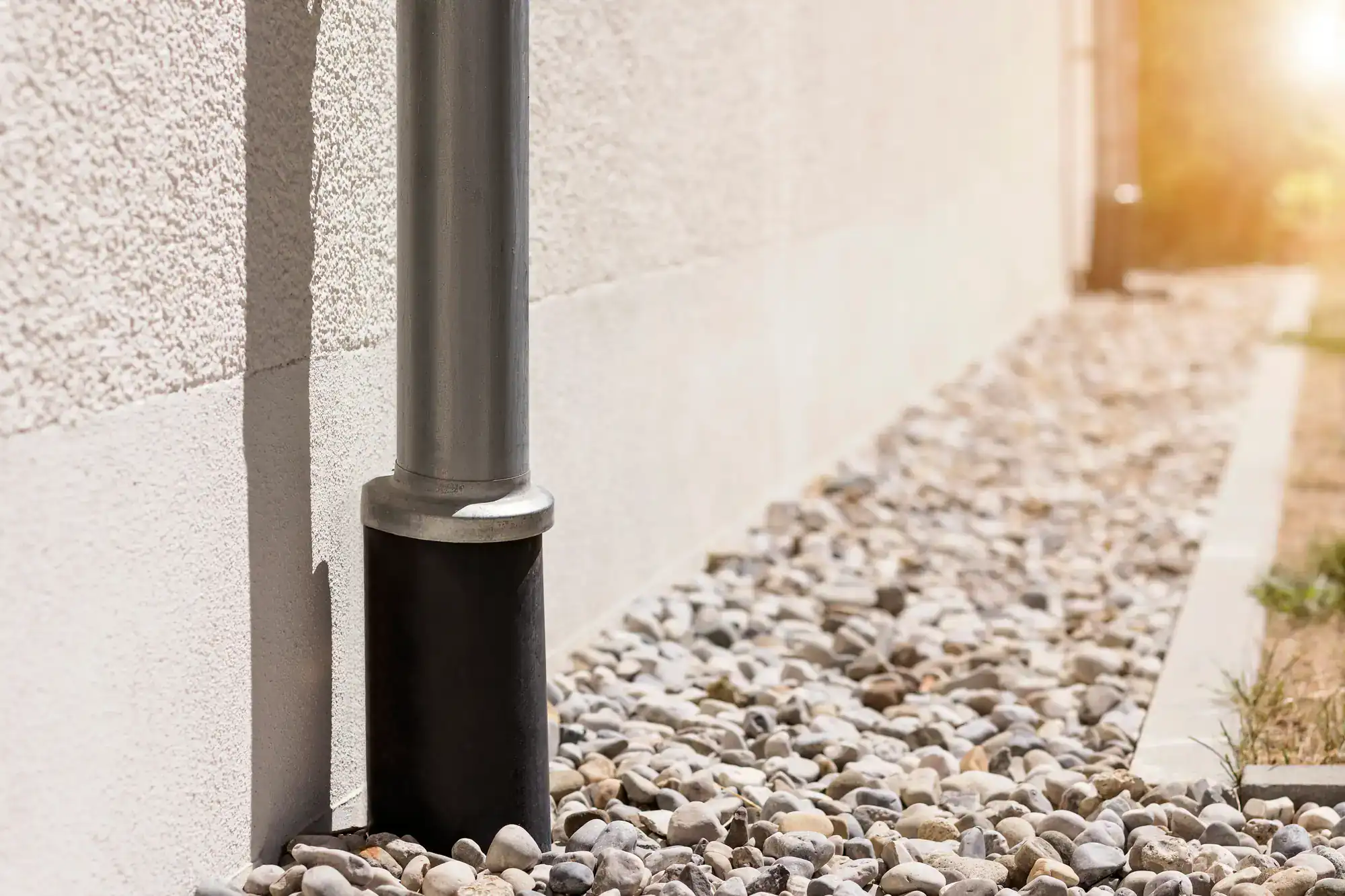
For yards dealing with chronic surface pooling or saturation, we install exterior French drain systems that intercept runoff before it reaches the foundation. For homes where water is already getting into the basement or pressing against foundation walls, we assess whether an interior perimeter drain or an upgraded exterior system is the right call and we’ll tell you honestly which one addresses your actual problem. We also handle downspout drainage integration when roof runoff is contributing to the yard saturation, which is common in East Hampton North’s older housing stock where gutters discharge directly onto the ground.
If your property is near Three Mile Harbor Road, Springs-Fireplace Road, or in any of the lower-lying residential sections of East Hampton North, we already understand the drainage dynamics of your area. You won’t need to explain the problem from scratch.
French drain installation in East Hampton North typically runs between $4,500 and $9,000 for a residential project, depending on the length of the system, the depth required, the outlet configuration, and how much yard restoration is needed afterward. Per linear foot, you’re generally looking at $60 to $70 in the Suffolk County market slightly above the national average, which reflects the cost of doing business on the South Fork where labor and material costs are higher than inland Long Island.
The biggest variable is scope. A straightforward exterior drain along one side of a foundation is a very different project than a full perimeter system with multiple outlet points and downspout integration. The best way to get an accurate number is to have us walk the property and look at what’s actually happening because a quote built on square footage alone, without seeing the soil conditions and grade, is rarely accurate for East Hampton North’s varied topography.
It depends on the scope of work. For most standard residential French drain installations in East Hampton North, a building permit may be required through the East Hampton Town Building Department and the answer changes based on how much land disturbance is involved and whether the system connects to or affects the town’s stormwater infrastructure. East Hampton Town Code Chapter 216 governs stormwater management under the SPDES framework, and Chapter 220 sets design standards for stormwater collection systems in subdivisions.
One provision that catches people off guard is the town’s restriction on drainage outfall near protected water bodies. East Hampton Town’s code specifies that no positive outfall into streams or bays is allowed without special permission which is directly relevant if your property is near Three Mile Harbor, Northwest Harbor, or any of the other water bodies that border East Hampton North. A contractor who doesn’t know this can design a system that violates town code. We verify permit requirements and outlet compliance before any work begins, so you’re not left holding a code violation after the job is done.
The most likely reason is the soil itself. East Hampton North sits in a zone of Type C hydrologic soils, as documented in East Hampton Town’s own Water Quality Improvement Plan. Type C soils have moderately low infiltration rates meaning water moves through them slowly, and once they’re saturated, they stay that way for an extended period. This is different from the high-infiltration sandy soils found in other parts of Long Island, where water drains away relatively quickly after a storm.
When the soil can’t absorb water fast enough, it pools on the surface, creates soggy patches, and gradually works its way toward any low point on your property which is often your foundation. Standard grading and surface drainage can redirect some of this, but it doesn’t solve the underlying problem. A French drain system installed below the surface intercepts the water before it accumulates, giving it a clear path away from your yard and foundation. For properties in the lower-lying sections of East Hampton North, where the water table can rise close to the surface during wet seasons, this kind of subsurface drainage is often the only solution that actually works.
In most cases, yes but the right system depends on where the water is coming from. If the source is surface runoff and groundwater pressing against the exterior of your foundation, an exterior French drain system installed around the perimeter of your home will significantly reduce or eliminate basement seepage. It intercepts the water before it ever reaches your foundation wall and routes it away from the house entirely.
If water is already getting through the floor or through cracks in the foundation walls, an interior perimeter drain may be part of the solution as well. The 2023 South Fork flash flood event which generated 50 emergency calls to the East Hampton Police Department in a single weekend showed how quickly conditions here can overwhelm properties that don’t have adequate drainage infrastructure. Window wells overflowed, basements filled, and property managers were fielding emergency calls from homeowners who had no system in place. A properly designed French drain doesn’t eliminate the risk of an extreme event entirely, but it dramatically raises the threshold at which your home starts taking on water.
Depth depends on two things: what you’re trying to drain and how deep the frost line goes. In East Hampton and across Long Island, the frost depth is generally around 36 inches, though the South Fork’s coastal location provides some temperature moderation from the Atlantic that can make winters slightly milder than inland areas. That said, temperatures still drop below freezing regularly, and freeze-thaw cycling is one of the most common causes of French drain failure when pipe is installed too shallow.
For a yard drainage system intercepting surface runoff, the pipe typically sits 18 to 24 inches below grade. For a foundation perimeter drain targeting hydrostatic pressure, the pipe needs to be at or below the footing level, which often puts it deeper sometimes 36 inches or more depending on the foundation depth. Shallow installations are a common shortcut that saves time on the front end and costs significantly more when the pipe cracks and the system needs to be dug up and redone. We install at the depth the job actually requires, not the depth that’s fastest.
Especially so. Seasonal and vacation properties in East Hampton North face a specific risk that year-round homes don’t: months of unmonitored exposure to drainage failures. When a basement starts taking on water in January or a foundation wall develops a seep in March, there’s no one there to catch it early. By the time you return for the season, you may be looking at mold growth that’s been developing for weeks, damaged finishes, and moisture intrusion that has worked its way deeper into the structure than it ever would have if the property had been occupied.
A French drain system is passive it works whether you’re there or not. It doesn’t need to be turned on, checked, or managed. It intercepts groundwater and surface runoff around the clock, through every storm and every thaw, without anyone present to monitor it. For East Hampton North homeowners who rent their properties during the summer season, that protection matters even more. A drainage failure discovered mid-rental season doesn’t just cost you a repair it can cost you the rental income, the tenant relationship, and potentially a liability claim. Getting the drainage right before you leave for the off-season is one of the most straightforward ways to protect both the property and the income it generates.