
Hear from Our Customers
Water that sits against your foundation doesn’t stay harmless for long. In Southold, where a significant portion of properties sit on Haven silt loam soils that compact over time and lose their natural drainage capacity, that slow saturation turns into real structural pressure the kind that leads to cracked foundations, flooded basements, and mold remediation bills that start in the thousands.
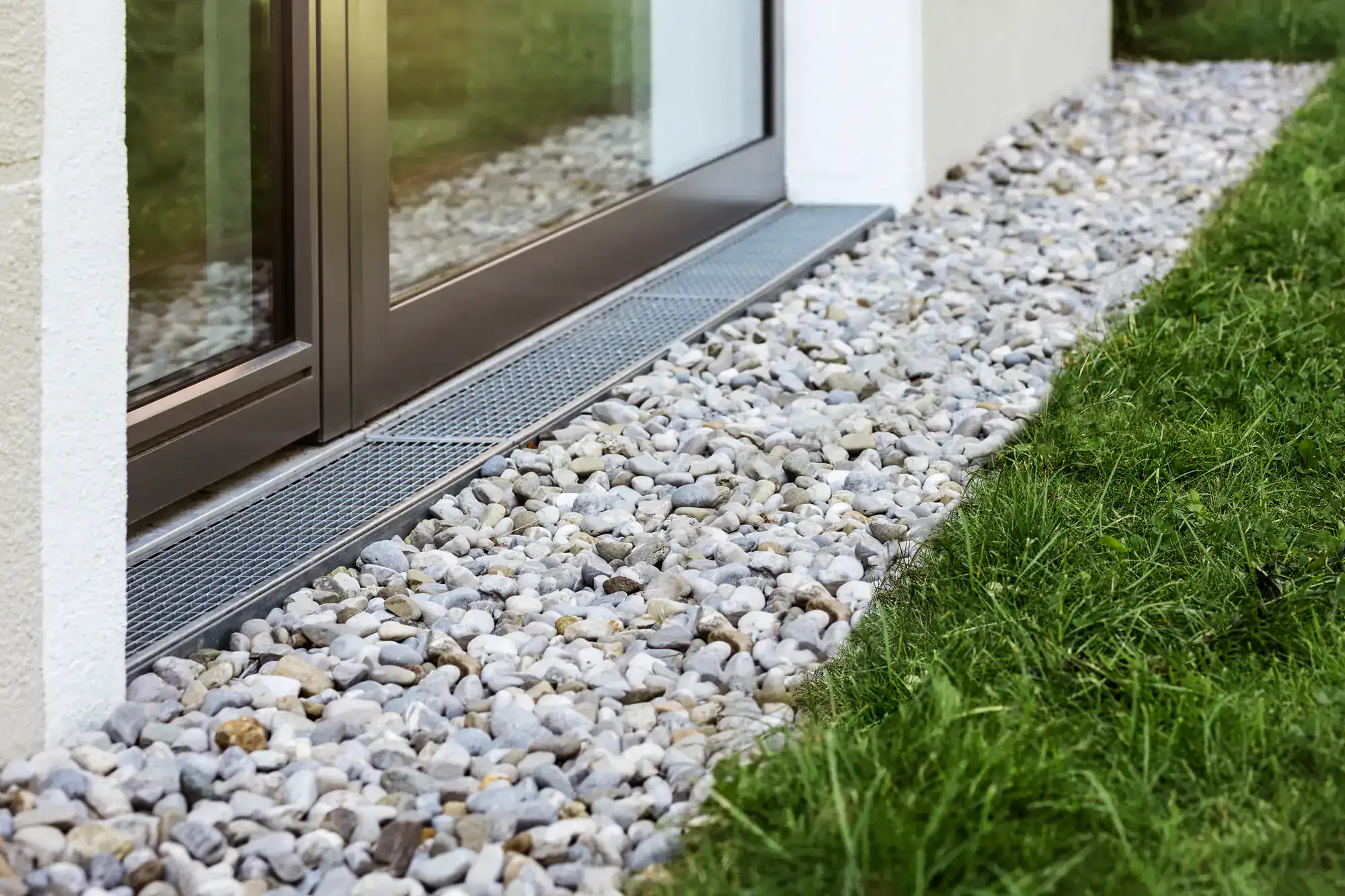
A French drain system intercepts that water before it reaches your home. It redirects subsurface flow away from your foundation and toward a defined discharge point, so after a nor’easter rolls through or a heavy August rain event soaks the North Fork, your yard drains within hours not days.
For Southold homeowners, that matters beyond just comfort. Properties here carry serious value and a chronically wet yard or a basement that floods every spring is a liability that compounds every season you leave it unaddressed. Whether your home sits near Jockey Creek, backs up to Southold Bay, or sits on a lot that’s never drained quite right, we design a French drain system that gives your property the drainage foundation it should have had from the start.
We’re a Long Island drainage contractor that works specifically in the conditions you’re dealing with in Southold coastal water tables, loamy North Fork soils, properties that were built decades or centuries before modern drainage engineering existed. Southold is the oldest English settlement in New York State, and many of the homes along Route 25 and throughout the hamlets from Cutchogue to Orient were never designed with perimeter drainage in mind. We understand that challenge intimately.
We’re familiar with Southold Town’s Chapter 236 Stormwater Management requirements, and we handle the permit process so you don’t have to navigate the Building Department on your own. When we show up to assess your property, we’re not guessing we know what coastal drainage problems look like on the North Fork, and we know how to fix them in a way that lasts.
It starts with a free on-site assessment. There’s no way to responsibly diagnose a drainage problem on the North Fork over the phone the source could be surface runoff, a high water table, tidal groundwater influence, or some combination of all three. We come to your property, evaluate the grade, the soil conditions, and where the water is actually coming from, and then we tell you what we found and what we recommend. No obligation, no pressure.
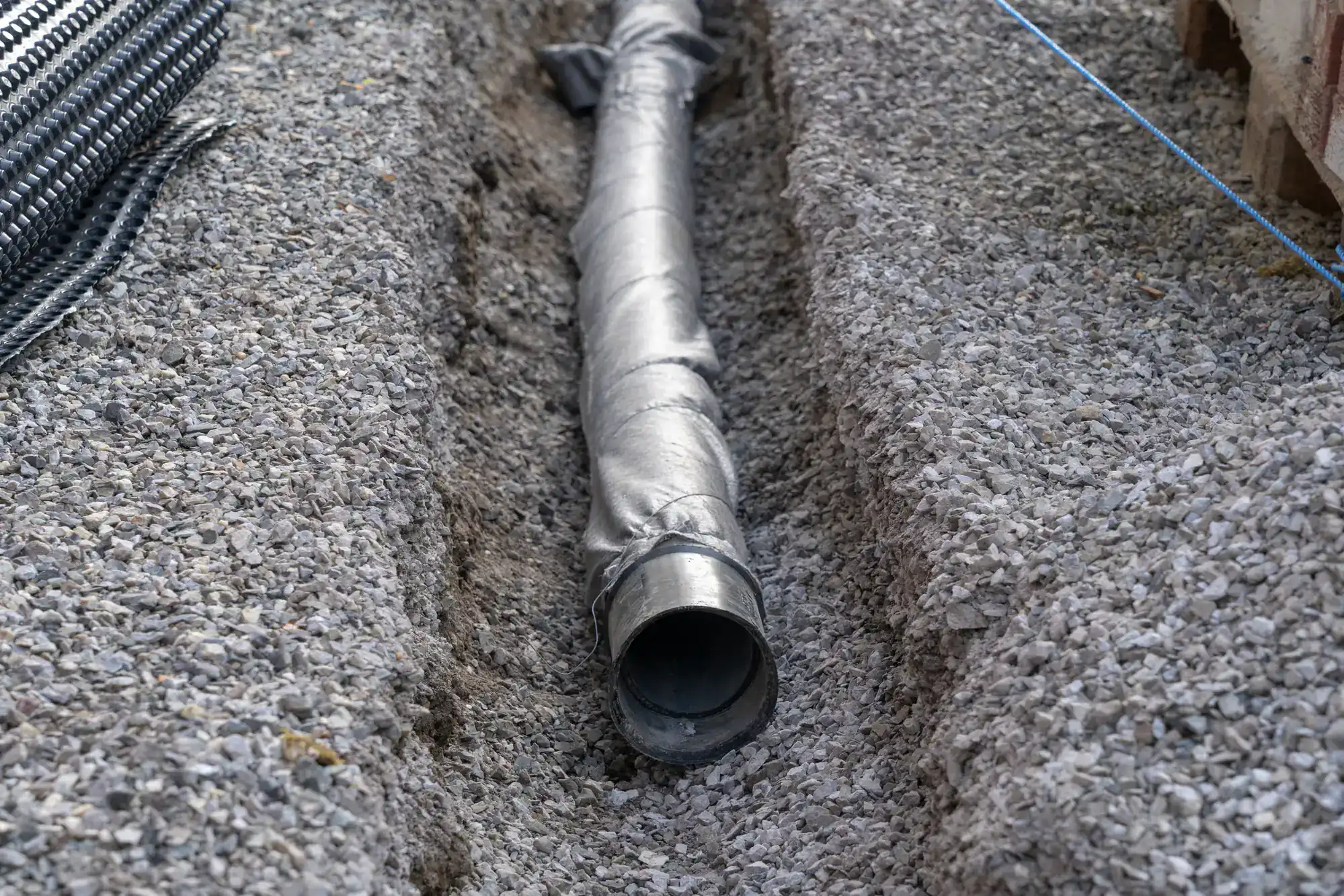
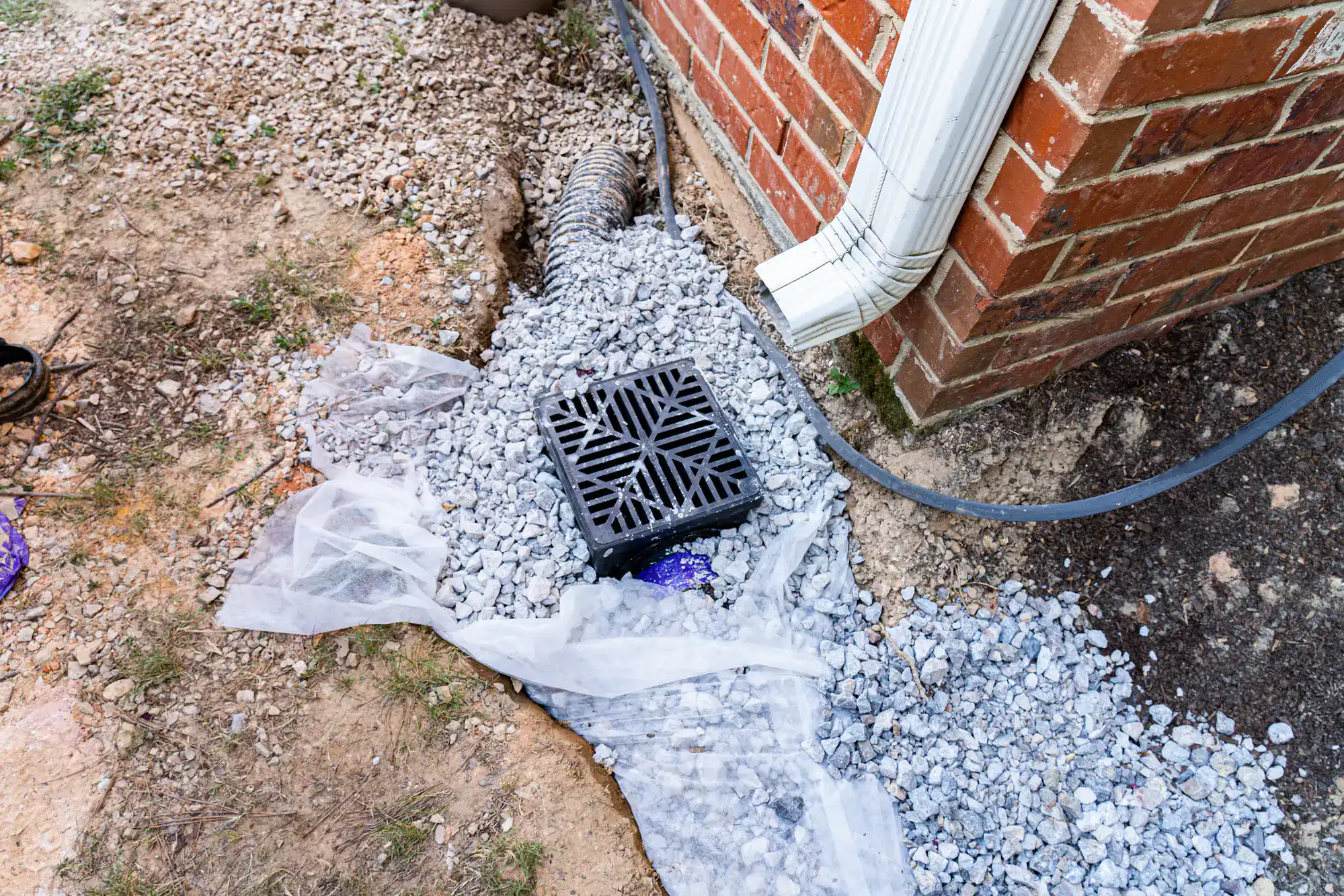
Once you move forward, we map the drain line route, excavate the trench to the correct depth deep enough to stay below Suffolk County’s frost line so the pipe doesn’t freeze and crack in a hard winter and install a perforated pipe wrapped in geotextile fabric, bedded in clean gravel, and graded to carry water to a proper discharge point. Every installation we complete in Southold is done in compliance with Chapter 236 stormwater requirements, which mandate that all land-disturbing work contain a two-inch rainfall event on site.
When the work is done, we restore the yard topsoil, seeding, cleanup. Most residential installations are completed in one to three days. The disruption is short. The drainage protection, when installed correctly, lasts for decades.
Ready to get started?
Not every French drain job is the same, and Southold properties make that especially clear. A waterfront home near Hashamomuck Cove deals with different groundwater dynamics than a historic farmhouse in Cutchogue or a newer build off The North Road. We design each system around what your specific property actually needs the right pipe diameter, the right trench depth, the right discharge location not a one-size approach that gets installed and forgotten.
For properties near tidal water or wetlands, we’re also mindful of Southold’s Local Waterfront Revitalization Program requirements, which can affect how and where drainage work is permitted near the shoreline. That’s not something every contractor thinks about before they start digging. We do.
What you get is a drainage system designed for the North Fork’s conditions: the loamy soils that hold water after heavy rain, the elevated water table that comes with living between two bodies of water, and the increasingly intense storm events that Southold’s own stormwater management program has publicly acknowledged the existing infrastructure wasn’t built to handle. If you’re a second-home owner managing this property remotely, we document the work thoroughly and communicate clearly at every step because we understand that you can’t always be here in person.
It depends on the scope of work, but in many cases yes. Southold Town’s Chapter 236 Stormwater Management ordinance requires that any land-disturbing activity contain a two-inch rainfall event on site, and building permit applications in Southold explicitly hold the contractor responsible for drainage and stormwater compliance. If your French drain installation is connected to permitted site work, an addition, or any significant grading, Chapter 236 applies.
The good news is that navigating the Southold Town Building Department at 53095 Route 25 doesn’t have to fall on you. We handle the permit process as part of the job, and we make sure the system is designed and installed to meet local code requirements from the start. Getting this right upfront protects you from failed inspections, code violations, and the cost of having work redone.
The honest answer is that you need someone to look at your property before anyone can tell you that with confidence. In Southold, drainage problems can come from a few different places surface water running toward your foundation, a high water table pushing groundwater up from below, or both happening at the same time. A French drain is the right fix for many of these situations, but the design and placement depend entirely on where the water is originating.
A surface-water problem typically calls for a yard-level French drain that intercepts runoff before it reaches the foundation. A high water table issue may require a deeper perimeter system. Some properties near tidal inlets or low-lying areas off Peconic Bay need a combination approach. That’s exactly why we start with a free on-site assessment so the recommendation is based on what’s actually happening at your property, not a guess made over the phone.
Depth depends on the purpose of the system, but on Long Island and specifically on the North Fork frost depth is a real consideration that affects minimum installation requirements. Suffolk County frost depth typically reaches 24 to 36 inches in a hard winter. A French drain pipe installed too shallow will freeze, crack, and fail, often without any visible sign until the next heavy rain event proves the system isn’t working.
For a perimeter foundation drain, the pipe generally needs to sit at or below the footing level, which on older Southold homes can vary considerably depending on when the home was built and how deep the original foundation goes. For a yard drainage system, depth is determined by where the water is traveling and what grade is needed to move it effectively toward a discharge point. We account for all of this during the site assessment so the system is built to last through North Fork winters, not just the first dry season after installation.
French drain installation does require excavation, so there will be some disruption to the area along the drain line. That’s just the reality of the work. But a professional installation minimizes that disruption and restores the yard when the job is done topsoil, seeding, and cleanup are part of the process, not an afterthought.
For Southold properties with established gardens, mature plantings, or carefully maintained lawns, we map the route carefully before we dig to avoid unnecessary damage to root systems or ornamental beds. If there’s an existing feature a garden border, a stone path, a specific planting you want protected tell us before we start and we’ll plan around it. Most residential installations are completed in one to three days, so the disruption window is short. What you’re left with is a yard that drains properly and looks like itself again.
Nationally, residential French drain installation typically runs between $5,000 and $9,250 depending on the length of the system, the depth required, site conditions, and discharge options. In Southold, a few factors can affect where your project lands in that range. Properties near tidal water or wetlands may require additional planning for LWRP compliance. Older homes with deeper or irregular foundations may need a more involved perimeter system. Larger lots with significant grade changes require longer drain runs.
The most useful thing we can tell you is that the cost of a properly installed French drain system is a fraction of what foundation repair, mold remediation, or structural waterproofing costs after chronic water intrusion has been left unaddressed. For a property on the North Fork where home values are substantial and the conditions that cause drainage problems are year-round this is one of the more straightforward investments in long-term property protection you can make. We provide a clear, itemized estimate after the on-site assessment so you know exactly what you’re getting before any work begins.
A well-designed French drain system handles subsurface water and surface runoff effectively but it’s worth being honest about what it’s designed to do. A French drain is not a seawall. During an extreme coastal surge event, no subsurface drainage system is going to override tidal flooding. What a French drain does exceptionally well is manage the groundwater saturation and surface runoff that causes the majority of basement flooding and yard ponding that Southold homeowners deal with after typical nor’easters and heavy rain events.
Southold’s own stormwater management program has acknowledged that the town’s existing drainage infrastructure was designed for rainfall volumes that are already being exceeded. That means the burden increasingly falls on individual properties to manage their own stormwater. A French drain system sized and installed correctly with proper pipe diameter, appropriate slope, and a discharge point that can handle the volume gives your property a meaningful edge against the kind of drainage stress that the North Fork experiences with increasing frequency. It won’t stop a historic storm surge, but it will stop the slow, chronic water intrusion that quietly does the most damage to foundations and basements over time.