
Hear from Our Customers
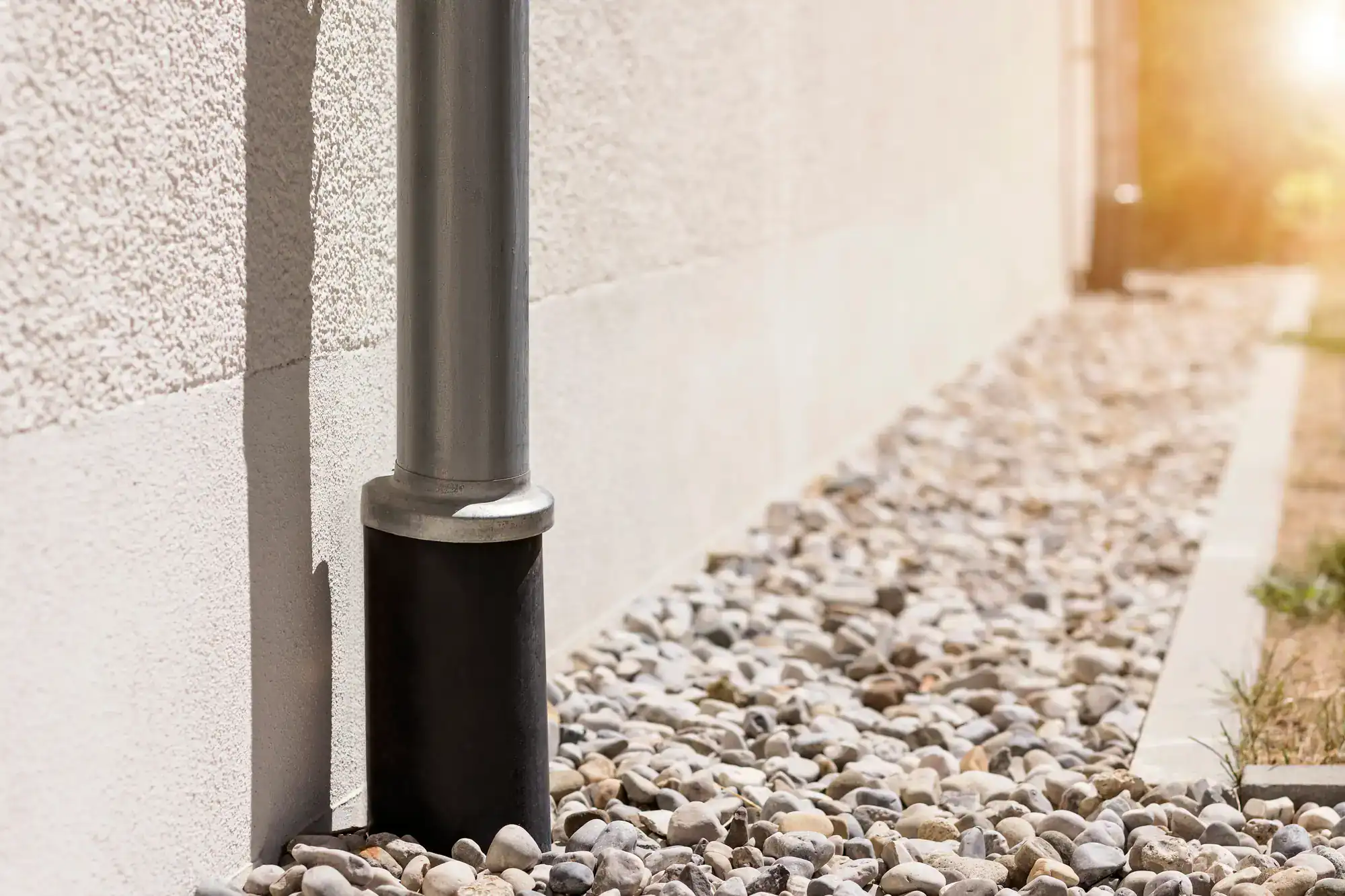
Standing water in your yard isn’t just an eyesore it’s a slow-moving problem that gets worse every season. Left alone, it saturates the soil around your foundation, creates hydrostatic pressure against your basement walls, and turns outdoor space you’re paying for into something you can’t use. A properly installed French drain system intercepts that water before it reaches your foundation and redirects it to a defined outlet, permanently.
For Yaphank homeowners specifically, this matters more than most people realize. The Carmans River runs directly through the hamlet, and the USGS has been monitoring its watershed at the Yaphank gauging station since 1942. When that 73-square-mile drainage area gets saturated after a heavy rain, groundwater levels across Yaphank respond and properties that seemed fine for years can develop wet basements seemingly out of nowhere. That’s not bad luck. That’s hydrology.
The other piece of this is the housing stock in Yaphank. Most homes were built around 1986, which puts them squarely in the 35-to-40-year range where original drainage infrastructure starts to fail. Grading settles, waterproofing membranes degrade, and drainage swales that worked fine when the house was new stop keeping up. If your yard or basement has gotten noticeably worse in recent years, the drainage system not the weather is usually the culprit. Getting it fixed means getting it done right, once, with materials and depth specifications built for Long Island soil conditions and Long Island winters.
We’re a Long Island drainage contractor that works specifically in residential outdoor water management. We’re not a general landscaping company that installs drains on the side. Drainage is the work, and we’ve built our process around the specific soil conditions, groundwater dynamics, and permit requirements that come with doing this work in Suffolk County.
In Yaphank, that means understanding how Pine Barrens-adjacent sandy soil behaves differently from the clay-heavy ground you find in other parts of the Island and why that difference matters when it comes to fabric selection, pipe depth, and outlet design. It means knowing that properties near the Carmans River corridor carry a different drainage profile than homes further inland, and that the Town of Brookhaven has its own permitting requirements that apply to drainage work in this area. We handle all of that before a shovel goes in the ground.
What you get is a drainage system designed for where you actually live in Yaphank not a template that gets reused from town to town.
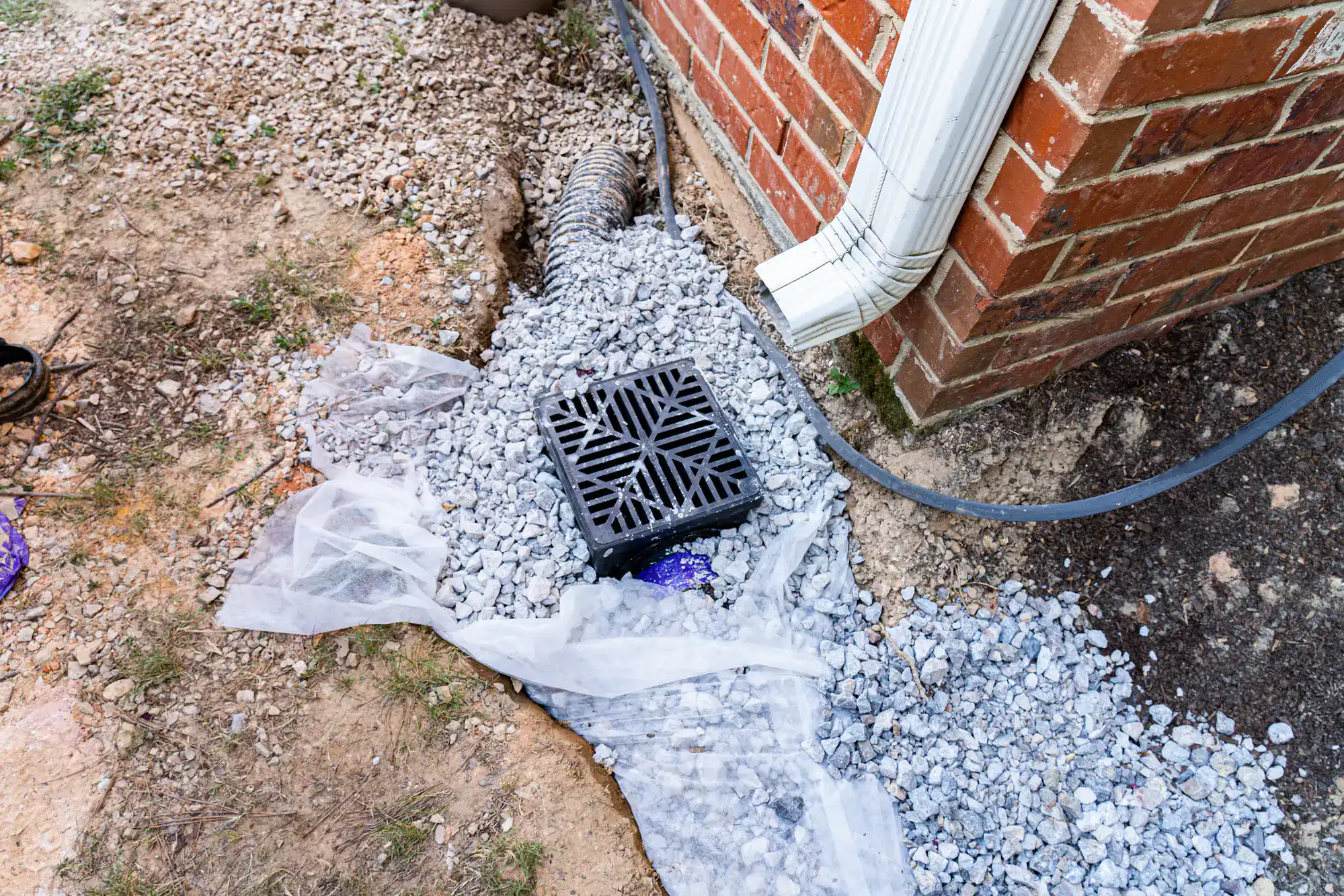
It starts with a free on-site assessment. Drainage problems in Yaphank aren’t diagnosable over the phone the combination of Carmans River watershed groundwater dynamics, variable soil composition near the Pine Barrens, and the specific grading of your lot means every property needs to be walked and evaluated in person. We look at where the water is coming from, how it’s moving across and under your property, and what system design will actually solve the problem. You get a clear explanation of what we found and what we recommend before any work is discussed.
Once you move forward, we handle the logistics. That includes pulling any required permits from the Town of Brookhaven, calling 811 to mark underground utilities which is legally required in New York State before any excavation and confirming the outlet location so water has somewhere to go when the system does its job. For properties near the Carmans River corridor or within areas subject to the Town of Brookhaven’s stormwater management regulations, we make sure everything is properly authorized before the crew arrives.
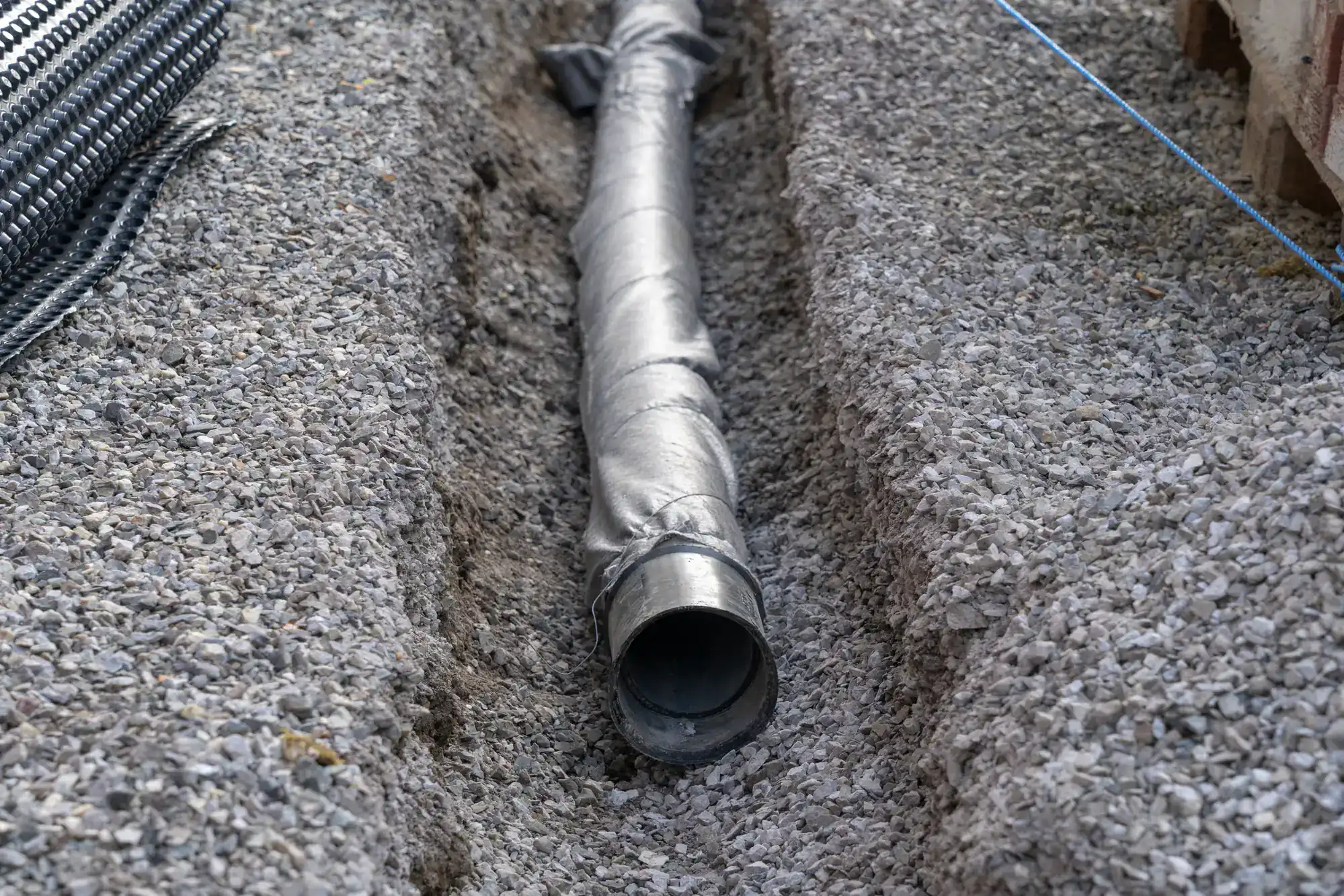
Installation itself is straightforward. We excavate the trench at the correct depth for Long Island’s frost conditions, lay perforated pipe wrapped in double-punched geotextile fabric rated for Yaphank’s sandy soil, backfill with clean drainage stone, and restore the surface with topsoil and seed or sod. Most residential projects in Yaphank are completed in one to three days. When we leave, your yard looks like a yard again not a construction site.
Ready to get started?
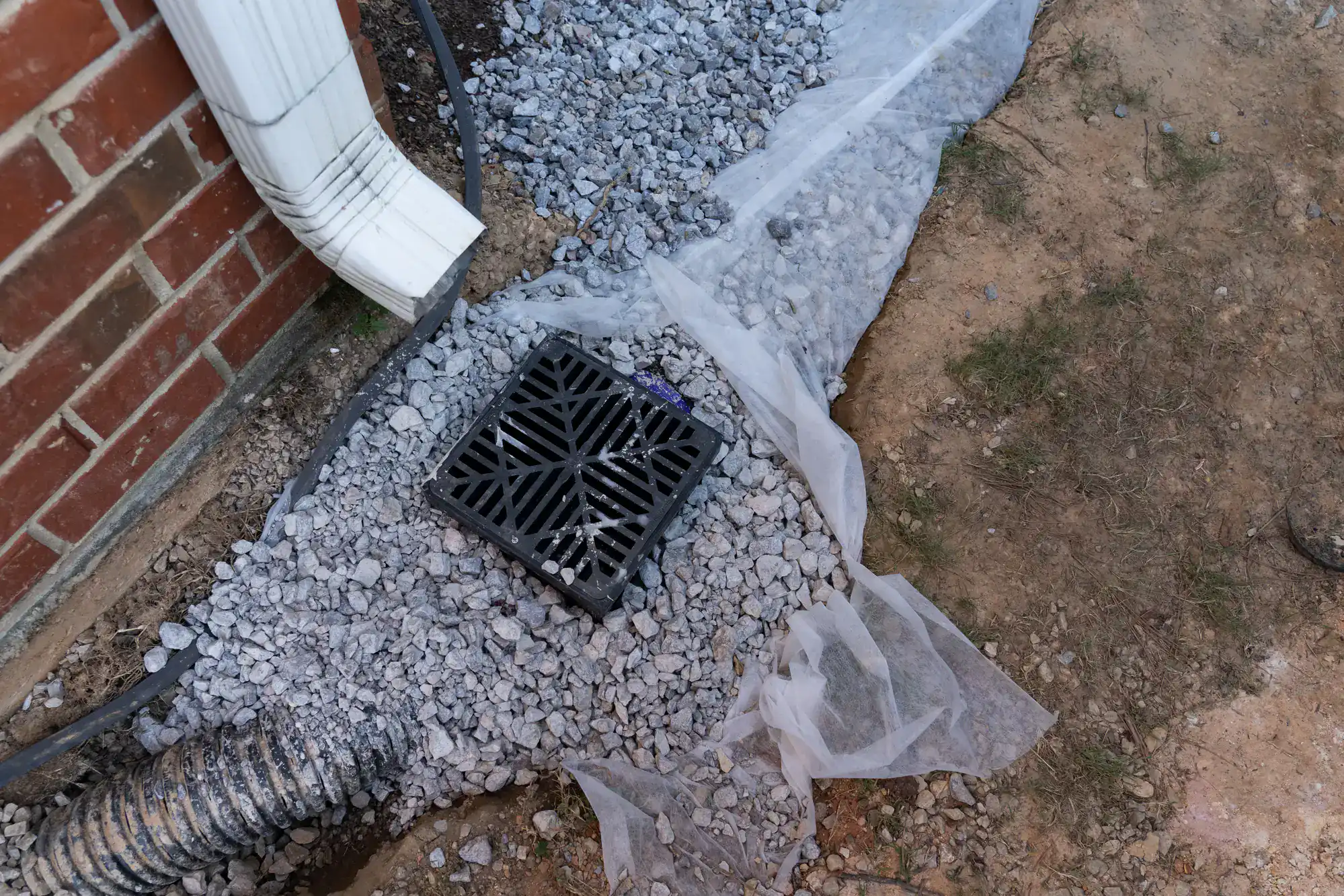
Not every drainage problem in Yaphank is the same, and the system we install reflects that. Yard drainage issues standing water, soggy turf, saturated areas near the foundation are typically addressed with an exterior French drain that intercepts surface and subsurface water and redirects it away from the structure. Basement water intrusion driven by groundwater pressure, which is more common on properties near the Carmans River corridor where the water table sits higher, is addressed with an interior French drain installed below the basement floor to capture water before it reaches the slab. Some properties need both.
What goes into every installation is consistent regardless of scope. We use rigid perforated pipe not the cheap corrugated flex hose that collapses and clogs within a few years wrapped in double-punched geotextile fabric specifically selected for the sandy soil conditions common in Yaphank’s Pine Barrens-adjacent landscape. That fabric choice matters because fine sandy particles are exactly what will infiltrate and clog a system installed with the wrong material. Clean drainage stone surrounds the pipe, the trench is set at proper depth for Long Island’s freeze-thaw cycles, and the outlet is designed to function even when the water table is elevated.
French drain installation in Yaphank typically runs between $5,000 and $12,000 for most residential projects, depending on linear footage, system depth, and whether interior or exterior drainage or both is required. Every proposal is itemized so you understand exactly what you’re paying for. No vague totals, no surprises after the job starts.
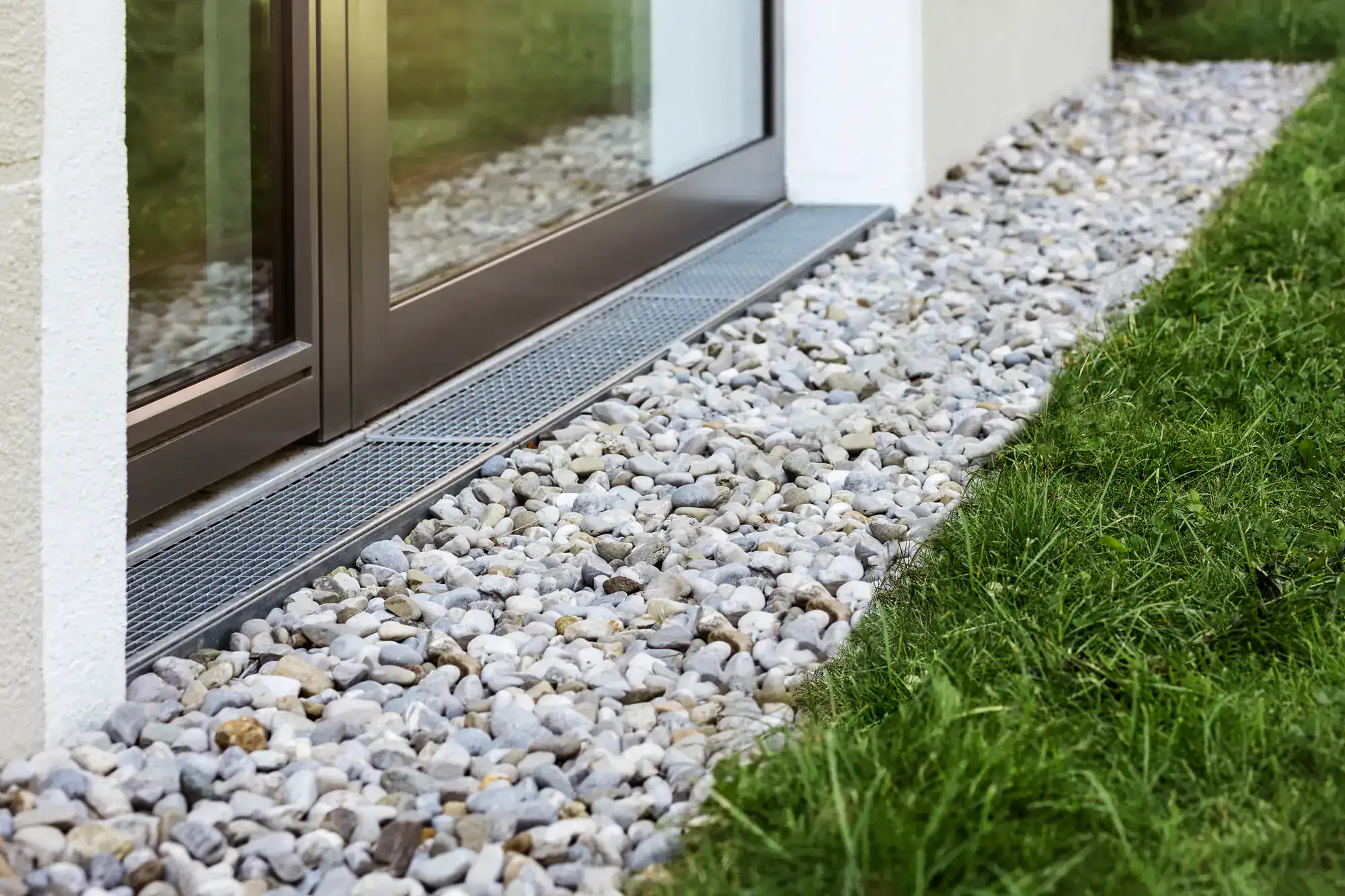
Sandy soil drains well on its own until it hits something it can’t drain through. In Yaphank, the Pine Barrens-adjacent soil is highly permeable near the surface, but that water has to go somewhere. When it reaches a layer of denser soil, a compacted subgrade, or the impermeable surface of a foundation wall, it stops moving down and starts moving laterally. That’s when you get pooling, saturated yard areas, and hydrostatic pressure against basement walls.
The other issue with sandy soil is what it does to drainage systems installed without the right fabric. Fine sandy particles migrate easily, and if a French drain is installed with cheap sock material or no geotextile at all, those particles infiltrate the pipe and clog it within a few years. A properly designed French drain for Yaphank’s soil conditions uses double-punched geotextile fabric with the correct permeability rating fabric that blocks fine particles while still allowing water to pass freely. That’s the difference between a system that lasts 30 years and one that fails before your lawn fully grows back.
For most residential projects in Yaphank, French drain installation runs between $5,000 and $12,000. Interior French drains installed below the basement floor typically come in at $50 to $60 per linear foot, so a standard 100-linear-foot basement perimeter system runs around $5,000 to $6,000. Exterior yard drainage systems vary more widely depending on how much linear footage is needed to intercept and redirect water across your specific lot.
What drives cost up or down is mostly scope: how deep the pipe needs to go, how many linear feet of trench are required, what the outlet situation looks like, and whether you need interior drainage, exterior drainage, or both. Properties near the Carmans River corridor in Yaphank sometimes require deeper systems because the water table sits higher in that area, which adds to the overall footage. We provide itemized proposals after the on-site assessment so you know exactly what’s included and why not a single number with no context behind it.
It depends on the scope and location of the work. The Town of Brookhaven has an active stormwater management program, and drainage work that alters the flow of surface water, connects to a municipal storm system, or is located near the Carmans River corridor, designated wetlands, or flood zones may require a permit from the Town and potentially from the New York State Department of Environmental Conservation as well. Properties within or adjacent to the Central Pine Barrens core preservation area also fall under additional land use restrictions administered by the Central Pine Barrens Joint Policy and Planning Commission.
Beyond permits, New York State law requires that 811 be called to mark underground utilities before any excavation begins no exceptions. We handle all permit research, applications, and utility marking coordination on behalf of Yaphank homeowners. You don’t need to navigate Brookhaven Town Hall or figure out which agency has jurisdiction over your property. We sort all of that out as part of the project, and the first shovel goes in only after everything is properly cleared.
Yes, it can and yes, it causes real problems when it happens. A French drain installed at insufficient depth in Long Island’s climate will freeze during extended cold snaps. When the water inside the pipe freezes, it expands, which can crack or deform the pipe and disrupt the system’s ability to function when spring thaw and rain arrive exactly when you need it most.
The fix is straightforward: install the pipe at a depth appropriate for Long Island’s frost conditions and design the system so water doesn’t sit stagnant in the pipe during cold weather. A properly sloped French drain with a functional outlet moves water through the system rather than letting it pool and freeze. We design every French drain installation in Yaphank with Long Island’s freeze-thaw cycles in mind not a national template that doesn’t account for what winters here actually look like. If you’ve had a French drain installed before that stopped working after a hard winter, insufficient depth or a poorly designed outlet is almost always the reason.
This is one of the most common situations we see in Yaphank. The hamlet’s median housing construction year is 1986, which means the majority of the housing stock is now 35 to 40 years old. At that age, the original drainage infrastructure grading, waterproofing membranes, drainage swales is commonly beginning to fail or underperform. Grading that directed water away from the foundation when the house was new has settled and shifted. Waterproofing membranes have degraded. Drainage swales have filled in with sediment and organic material.
There’s also a groundwater component specific to Yaphank. The USGS has documented that Long Island’s water table responds to multi-year precipitation trends, and periods of above-normal rainfall can bring groundwater levels to near-record highs across the region. The Carmans River watershed that runs through Yaphank is actively monitored, and it responds measurably to significant rain events. A home that drained adequately for two decades can develop a wet basement when the water table rises to a level the original drainage system wasn’t designed to handle. The answer isn’t to wait it out it’s to install a system designed for current conditions, not 1986 conditions.
A French drain installed with the right materials and proper slope has a documented lifespan of 30 to 40 years. That’s not a marketing claim it’s based on how perforated pipe and drainage stone perform over time when they’re protected by quality geotextile fabric and installed at the correct depth. For a Yaphank homeowner with a home valued in the $500,000 to $600,000 range, that kind of longevity makes a properly installed drainage system one of the most cost-effective structural investments available.
What shortens that lifespan is almost always one of four things: cheap corrugated pipe that collapses under soil pressure, the wrong geotextile fabric that allows fine sandy particles common in Yaphank’s Pine Barrens-adjacent soil to infiltrate and clog the pipe, insufficient depth that leads to freeze-thaw damage during Long Island winters, or no defined outlet, which causes water to back up and the system to fail from the inside out. Every one of those failures is avoidable. When we install a French drain system in Yaphank, we’re designing for the full 30-to-40-year lifespan not just getting through the first inspection.