
Hear from Our Customers
Most Bohemia homes were built between the 1950s and 1970s and the drainage infrastructure underneath them is just as old. Decades of compacted soil, aging catch basins, and impervious surfaces like driveways and patios have quietly reduced your yard’s ability to move water where it needs to go. When a nor’easter drops two inches of rain over 36 hours, that backlog shows up fast.
The real cost isn’t the soggy lawn. It’s what happens when water sits against your foundation long enough to work its way in. Foundation repairs on Long Island run anywhere from $23,000 to $48,000. A properly installed drainage system costs a fraction of that and prevents the damage entirely. With median home values in Bohemia hitting $700,000 and climbing, protecting that equity isn’t optional.
When the work is done right, your yard drains within hours of a storm instead of days. The crawlspace stays dry. The kids can actually use the backyard. And you stop dreading the weather forecast every time a low-pressure system rolls up the South Shore.
A lot of drainage contractors on Long Island install a French drain and call it done. If the system still floods in the next heavy storm, that’s your problem. We work differently every project starts with a real site assessment, mapping where water enters your property, where it travels, and where it needs to go before any equipment rolls in.
We know Bohemia and the South Shore. We know what happens to older homes in this area when the water table rises in late winter and nor’easters stack back to back. We understand Suffolk County’s stormwater regulations, the Town of Islip’s permit requirements, and what it takes to build a system that handles peak rainfall not just a light summer shower.
When we leave your property, it looks better than when we arrived. Turf restored, soil graded, drainage working. That’s the standard.
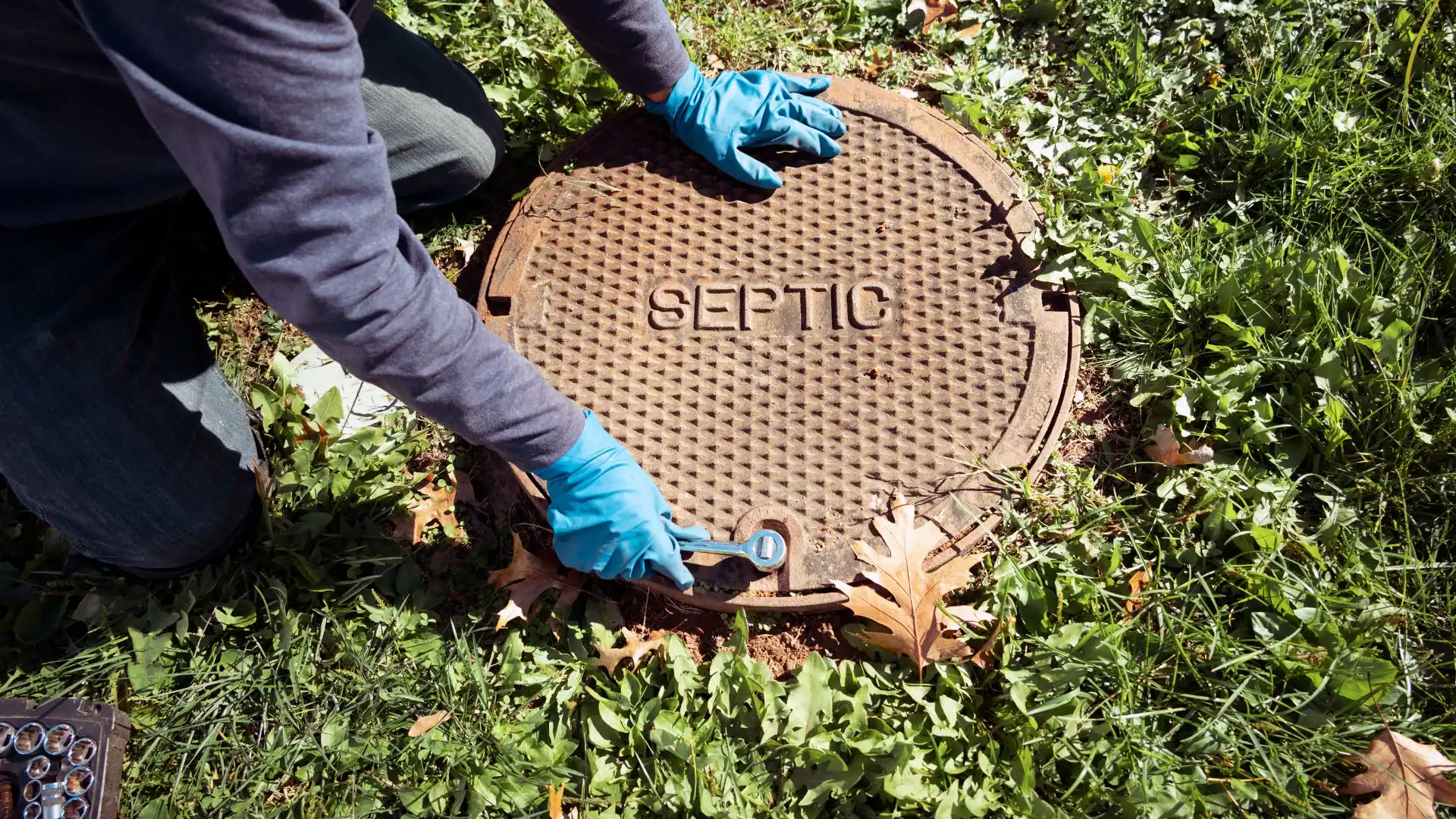
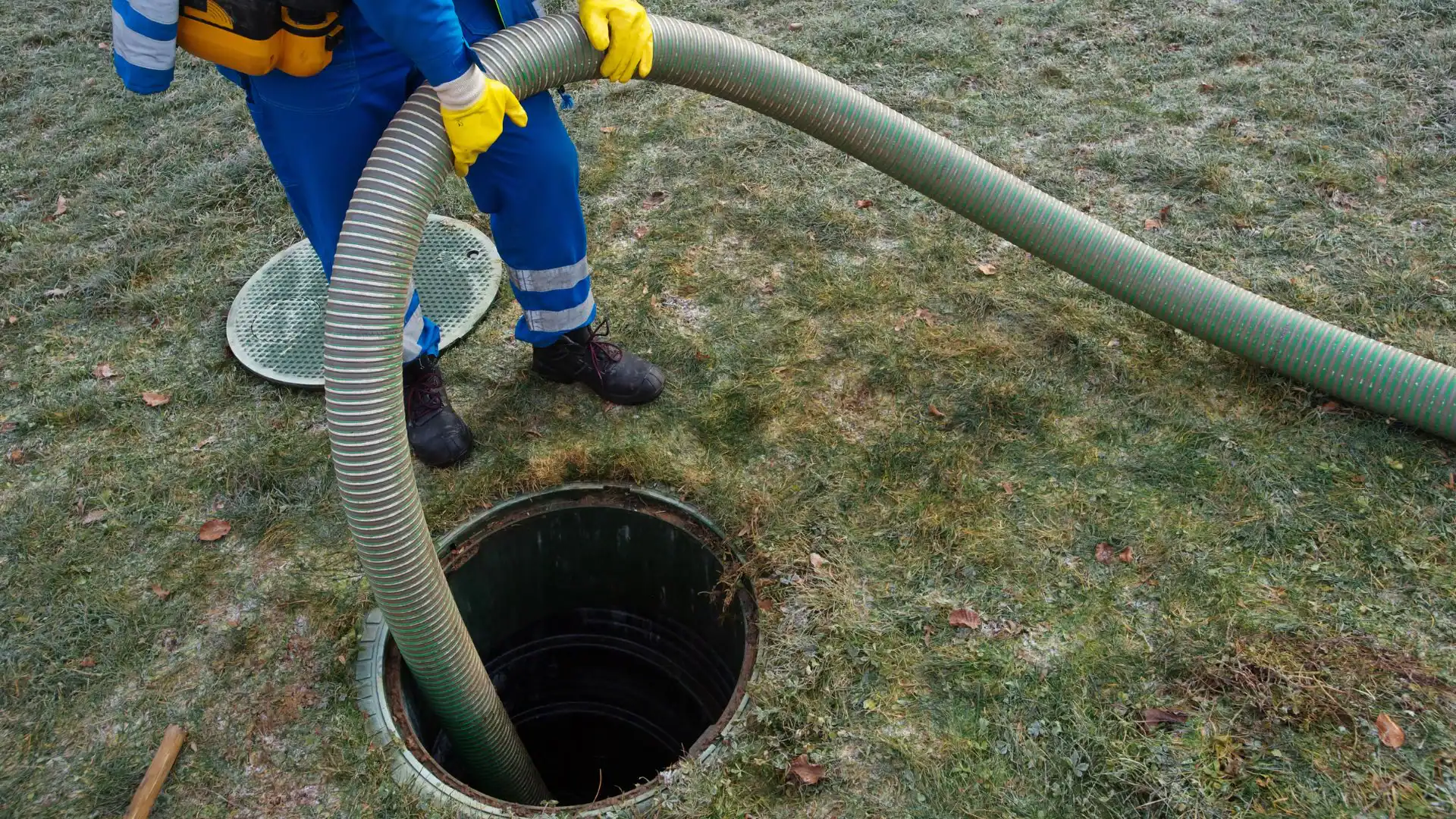
It starts with a site visit. We walk your property, look at how water moves across it during a rain event, identify where it’s pooling, and figure out what’s causing it. In Bohemia, that often means aging catch basins clogged with decades of debris, poor lot grading that sends water toward the house instead of away from it, or compacted suburban soils that stopped absorbing water years ago. We find the real cause not just the visible symptom.
From there, we put together a clear, written quote that breaks down exactly what’s being installed, where, and why. No vague estimates. Before work begins, we handle any permit requirements through the Town of Islip and make sure the design is compliant with Suffolk County’s stormwater management regulations. That protects you from code violations and ensures the system is built to last.
Installation is clean and deliberate. Once the drainage system is in, we restore the yard topsoil, turf, grading so the finished result looks like a landscaping improvement, not a construction site. You get a written walkthrough of what was installed and what to expect going forward.
Ready to get started?
The drainage challenges in Bohemia are specific. Post-war housing stock with aging infrastructure, glacially deposited soils that behave differently depending on how much development has compacted them, low-lying residential streets that sit in the path of South Shore runoff, and a seasonal water table that rises every late winter and reduces the soil’s ability to absorb anything. A drainage system designed for this area accounts for all of it.
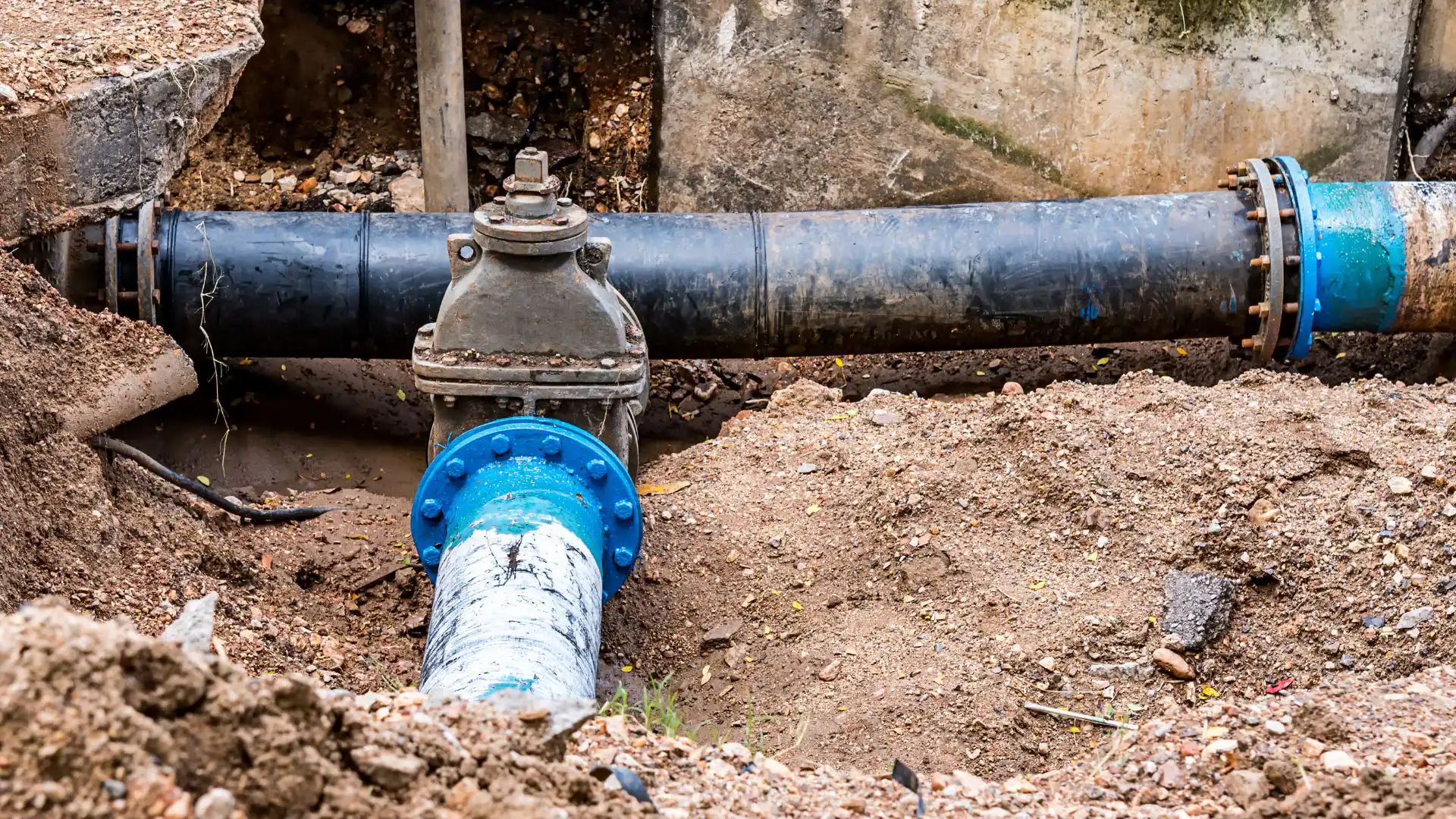
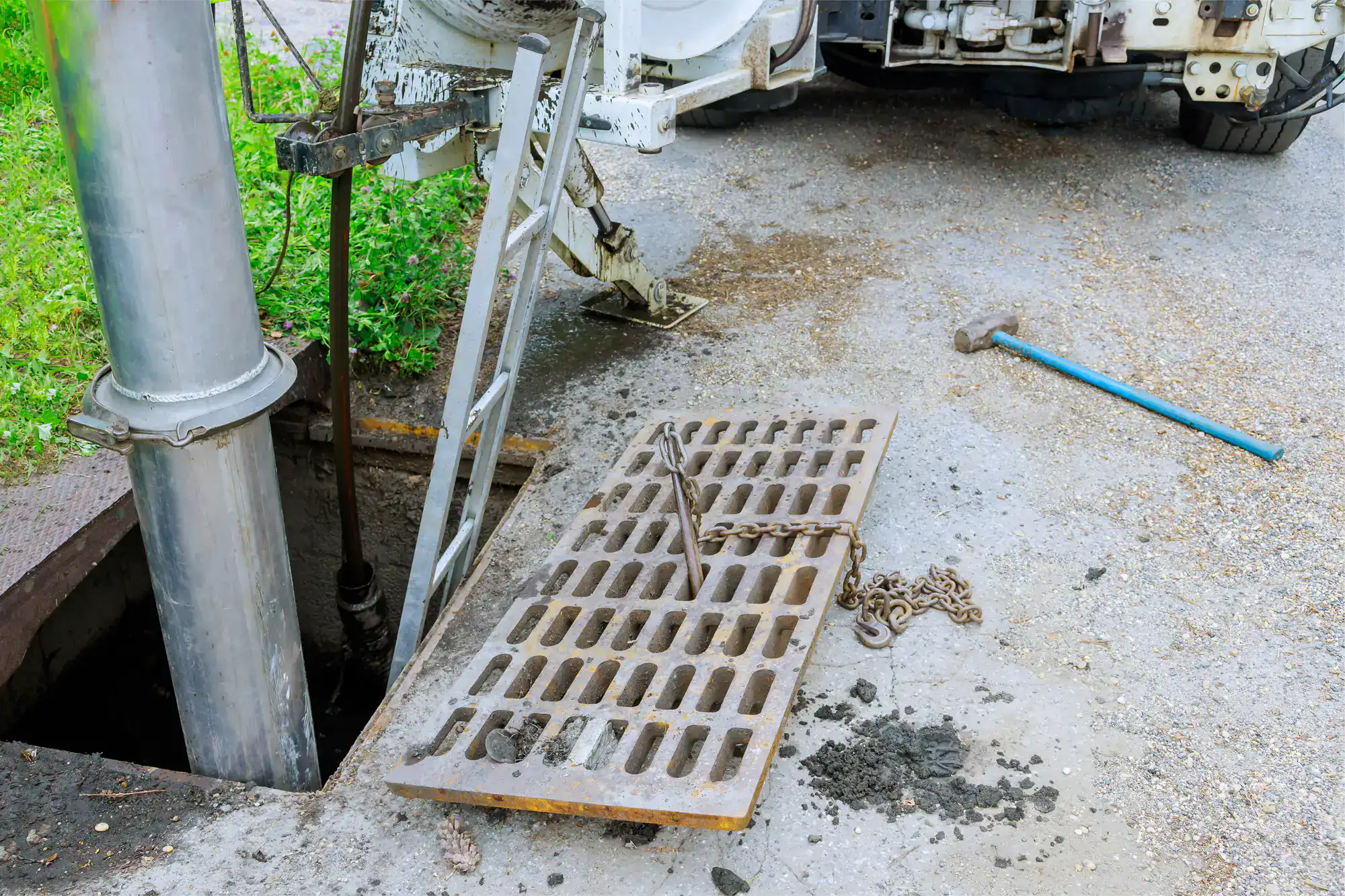
Depending on what your property needs, the work might involve French drain installation to intercept and redirect subsurface water, catch basin installation to capture surface runoff before it reaches the foundation, channel drains for hardscape areas like driveways or patios, regrading to correct slope issues that are directing water toward the structure, or a combination of several of these working together. The right solution depends on your specific lot which is why the site assessment comes first, every time.
Every drainage installation we complete includes full yard restoration as part of the scope. We also carry full public liability and workers’ compensation insurance, and all work comes with a written workmanship warranty. If you’ve already had drainage work done that still isn’t performing, we offer second-opinion assessments because getting the diagnosis right is the only way to actually solve the problem.
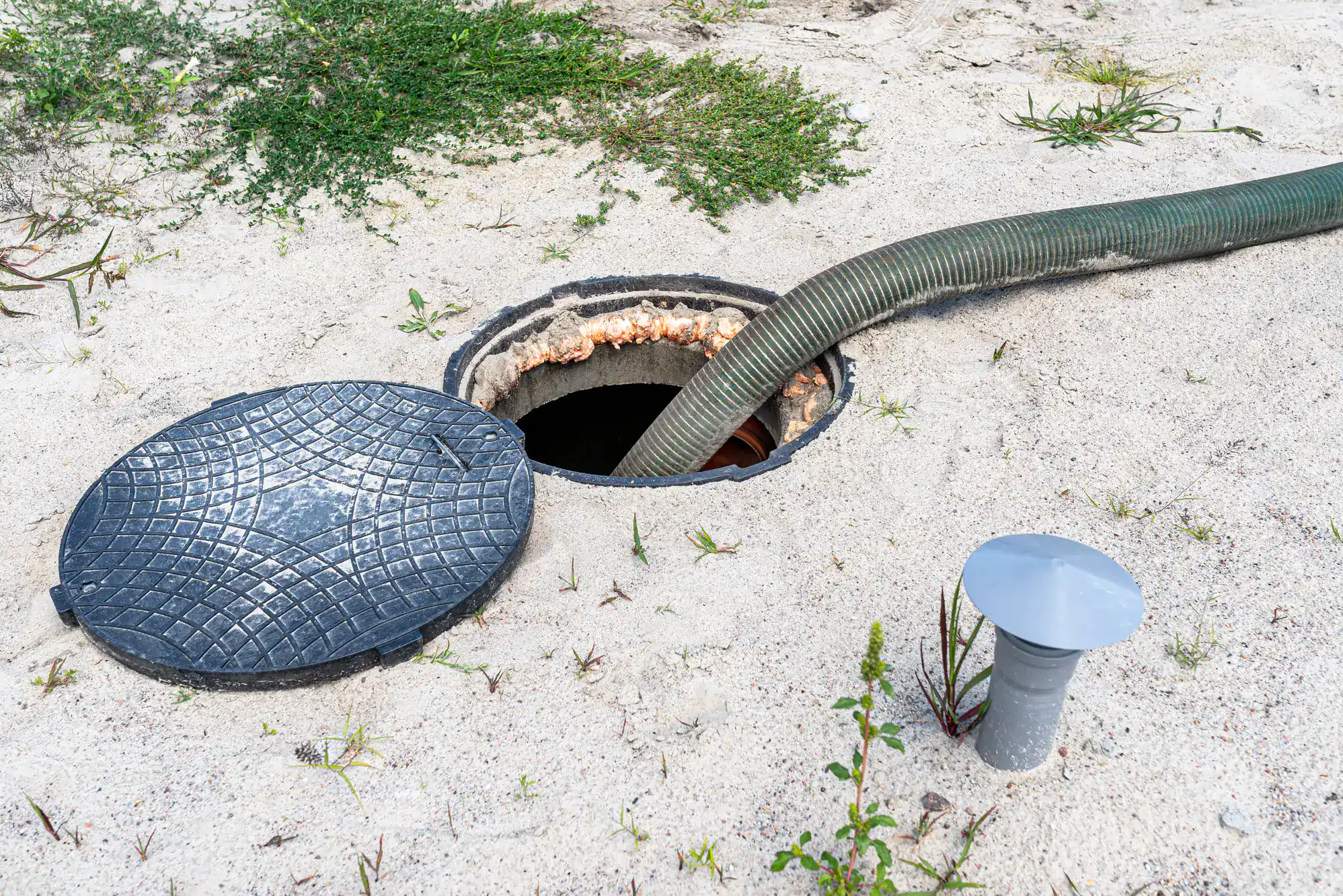
This is one of the most common situations we run into on Long Island. The most frequent reason a drainage system fails to perform is that it was undersized for the actual rainfall volume your property receives. A system that handles a July thunderstorm may completely fail during a nor’easter that delivers sustained rainfall over 24 to 48 hours which is exactly the storm pattern Bohemia gets hit with every season.
Other common failure points include incorrect gradient, meaning water sits in the pipe instead of flowing to the outlet, no geotextile fabric around the drain aggregate, which causes the system to clog with silt within a year or two, or water being redirected to a discharge point that’s still too close to the structure. If your previous drainage work isn’t performing, a proper site assessment will identify exactly where the design fell short. From there, we can either repair what’s in place or replace it with a system that’s actually sized for your conditions.
Most residential drainage projects in this area fall somewhere between $2,145 and $7,163, with the national average sitting around $4,622. That said, the actual cost for your property depends on the scope how many drainage points are needed, how much regrading is required, whether catch basins or channel drains are part of the solution, and how much yard restoration work follows the installation.
In Bohemia specifically, older homes on the South Shore often need more comprehensive solutions than a single French drain because the drainage issues tend to involve multiple contributing factors compacted soils, aging infrastructure, and lot grading that’s shifted over decades. Getting a written, itemized quote before any work starts is the right move. It lets you compare proposals accurately and understand exactly what you’re paying for, rather than discovering scope changes mid-project.
It depends on the scope of the work. The Town of Islip does require permits for certain drainage and earthworks projects, particularly those that involve significant grading changes or new drainage structures. Beyond the town level, Suffolk County has its own stormwater management regulations under Chapter 763 and storm sewer ordinances under Chapter 759 that govern how drainage systems are designed and where water can be discharged.
The NYSDEC has also delegated groundwater discharge oversight to the Suffolk County Department of Health, which means there’s an additional layer of compliance for drainage work that affects groundwater relevant for most residential installations in this area. Working with a contractor who understands these requirements protects you from code violations, fines, and the cost of having to redo non-compliant work. We handle the permit process as part of every project so you don’t have to navigate it yourself.
There’s no single answer, because it depends on what’s actually causing the water problem on your specific lot. That said, homes built in the 1950s through 1970s which make up a large portion of Bohemia’s housing stock tend to share a few common issues. Decades of foot traffic and landscape changes compact the soil, reducing absorption. Original drainage infrastructure, if any was installed at all, is often undersized or fully clogged. And lot grading that was correct when the home was built may have shifted enough over 50 years to direct water toward the foundation instead of away from it.
For these properties, the solution often involves a combination of approaches: French drains to handle subsurface water, catch basins to capture surface runoff, and regrading to correct slope issues. Addressing only one of these while ignoring the others is why so many drainage projects on Long Island underperform. A thorough site assessment identifies which factors are in play on your property before any installation decisions are made.
Most residential drainage installations take one to three days depending on the complexity of the system and the size of the property. More involved projects those requiring significant regrading or multiple drainage structures may take longer, but we’ll give you a realistic timeline in writing before work begins.
As for your lawn, yes, installation involves excavation there’s no way around that. But yard restoration is included in every project we do. Once the drainage system is in place, we restore the disturbed areas with topsoil and turf so the finished result looks clean and intentional, not like a trench was dug through your backyard. For Bohemia homeowners who have invested heavily in their properties, that matters. The goal is a yard that drains properly and looks better for it, not one that’s been left in rough shape after the crew leaves.
The clearest sign is standing water that doesn’t drain within a few hours of a storm. If your yard is still waterlogged the day after a nor’easter or worse, two days after that’s not a soil quirk, it’s a drainage problem. Other signs include water pooling near the foundation or along the base of your home, damp or wet crawlspace conditions after heavy rain, erosion channels forming in the yard where water is cutting its own path, and soggy patches that never fully dry out between storms.
In Bohemia, the combination of older housing stock, South Shore rainfall patterns, and seasonal water table rise means these symptoms are more common than most homeowners expect. Water damage restoration companies specifically identify Bohemia as an area where poor drainage and stormwater runoff overwhelm homes built at lower elevations. If any of these patterns sound familiar, a site assessment will tell you quickly whether a drainage system is the right solution and what it would involve for your specific property.