
Hear from Our Customers
Living south of Montauk Highway in Center Moriches isn’t the same as living anywhere else on Long Island. The water table sits higher here. Moriches Bay, Terrell River, and Areskonk Creek don’t just define the landscape they limit where excess water can actually go when a storm rolls through. A drainage system that works fine in Holbrook or Centereach can fail completely in your yard, because the surrounding ground is already near capacity before the rain even starts. That’s not a flaw in your property. It’s a condition that requires a contractor who understands it.
When your drainage is working the way it should, the difference is immediate and lasting. Your lawn dries out between storms. Water stops pooling against your foundation. You’re not watching the weather forecast with dread every time a nor’easter is in the picture. With median home values in Center Moriches sitting between $635,000 and $750,000 and waterfront properties pushing past $820,000 the cost of doing nothing compounds fast. Foundation repairs from chronic water intrusion can run $23,000 to $48,000. A properly installed yard drainage system typically costs a fraction of that.
The August 2024 flash flooding across Long Island wasn’t a once-in-a-generation event for south shore communities. It was a reminder. If your yard showed you something that weekend, the answer isn’t to wait and see it’s to fix it before the next storm arrives.
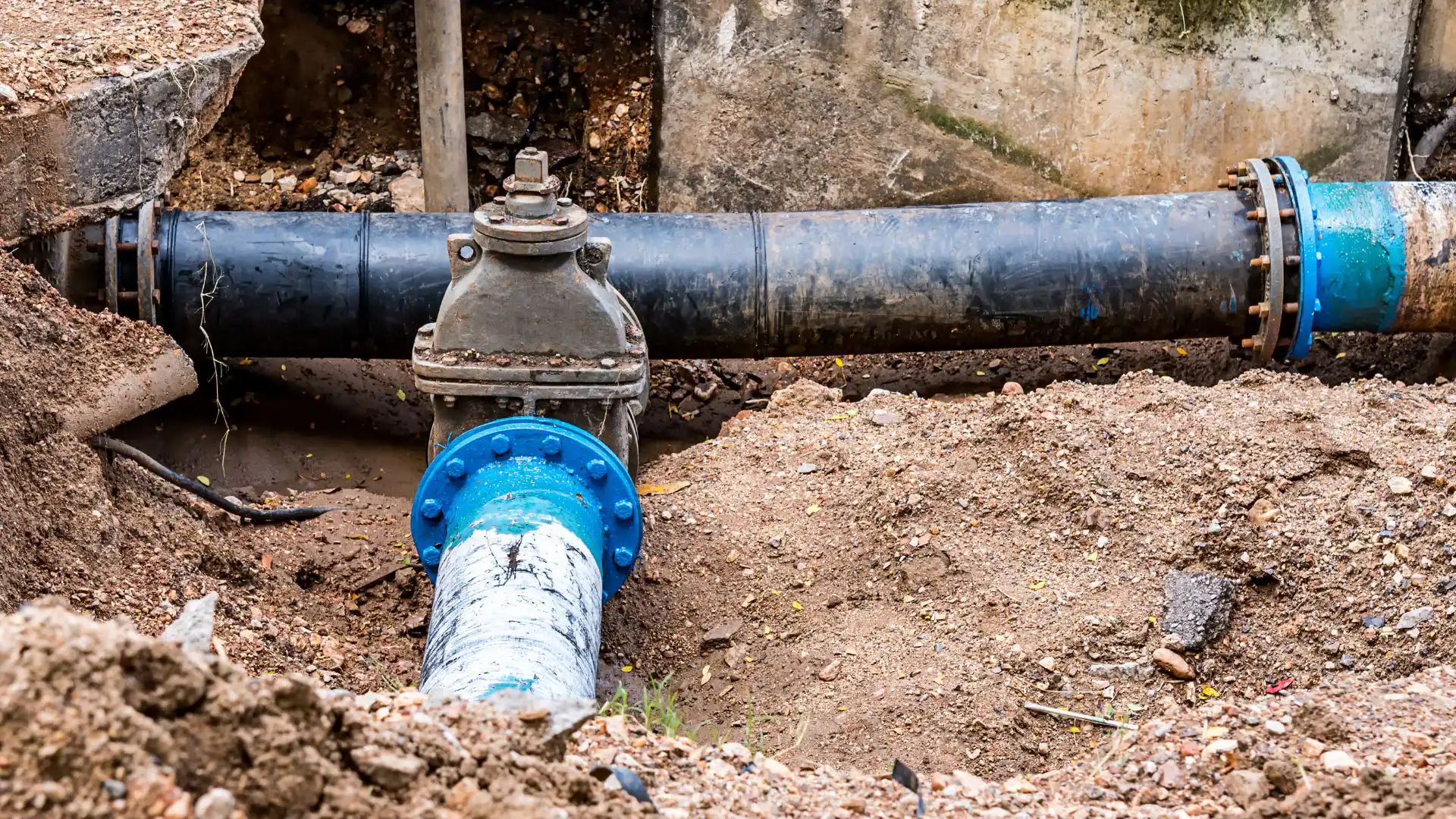
We’re a landscape drainage contractor not a plumber. That distinction matters more than it sounds. If you search for drainage services in Center Moriches, most of what comes up is sewer and cesspool companies. They solve a different problem entirely. What we do is assess how water moves across and through your land, find where it’s getting stuck and why, and install a system that actually moves it where it needs to go.
We work throughout south shore Suffolk County and understand the specific conditions that make Center Moriches different from inland communities. We know the flood divide that Hurricane Sandy made impossible to ignore. We know how the Terrell River corridor and the bay-side water table affect drainage design in the southern portions of the hamlet. That local knowledge shapes every site assessment we do and every system we recommend because a solution that ignores your environment isn’t really a solution.
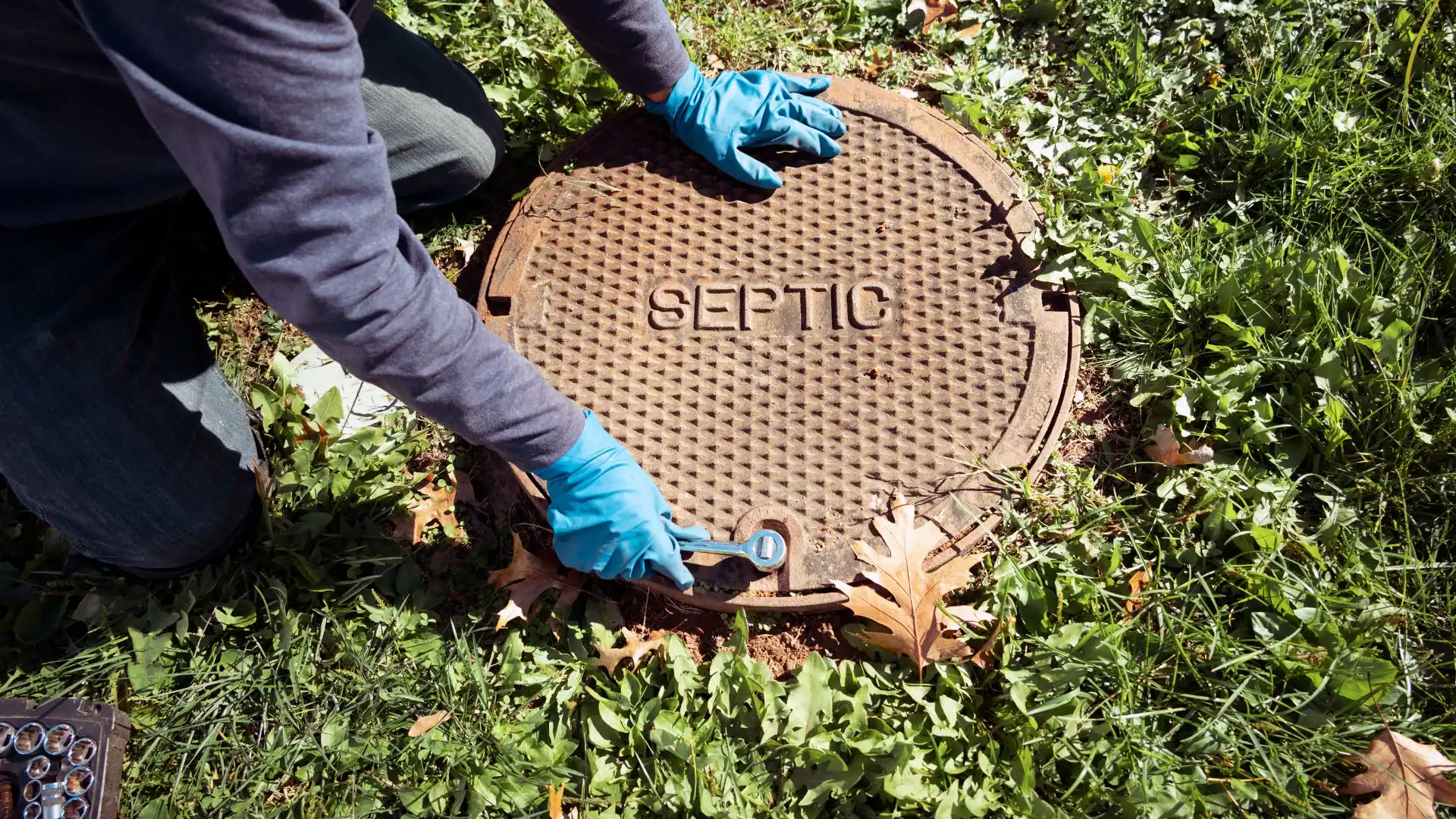
It starts with a site assessment not a ballpark over the phone, but an actual walk of your property. We’re looking at where water enters, where it accumulates, how the grade is working, and critically, where it can realistically discharge. In Center Moriches, that last question matters more than most contractors acknowledge. If your property sits south of Montauk Highway, the surrounding water table during a storm event limits your options. We design around that reality, not past it.
From there, you get a written, itemized quote. No vague estimates, no scope that expands after work begins. The quote tells you exactly what’s being installed, where, and why. Depending on the scope of work, we handle the necessary permitting through the Town of Brookhaven and ensure the installation meets Suffolk County Department of Health Services requirements particularly relevant for dry well placement given the county’s sole-source aquifer protections. You don’t have to navigate that process yourself.
Installation typically involves excavation, system placement whether that’s a French drain, catch basin, channel drain, dry well, or a combination and proper restoration of your turf and topsoil when the work is done. We don’t leave a torn-up yard behind. Center Moriches residents take care of their properties, and we treat yours the same way.
Ready to get started?
The drainage systems we install are designed around what your specific property needs and what the local environment will actually allow. For bayfront-adjacent and creek-side properties in Center Moriches, that often means combining multiple components: a catch basin to intercept surface water, a French drain to move it laterally, and a properly sized dry well to handle the volume when the surrounding soil is already saturated. Single-component systems frequently underperform here because they’re designed for average conditions, not peak ones.
For properties in the southern portions of the hamlet particularly those near the Terrell River County Nature Preserve or along the Areskonk Creek corridor we pay close attention to discharge point viability and proximity to regulated waterways. Any system that redirects water toward a neighboring property or a protected area creates problems down the road. We design to avoid that from the start.
Every installation includes a thorough site assessment, a written quote, proper permitting where required under Town of Brookhaven and Suffolk County regulations, professional installation, and full yard restoration. We also stand behind our work with a workmanship warranty because a drainage system that fails in year two isn’t a solution, and you should have recourse if it does. If you’ve already paid someone to fix a drainage problem that didn’t stay fixed, that warranty isn’t a small thing.
This is one of the most common questions we hear from homeowners south of Montauk Highway, and the answer usually comes down to water table elevation. Properties in the lower, bay-side portions of Center Moriches sit in a hydrological environment that’s fundamentally different from those further north or inland. When Moriches Bay is high and the surrounding creek systems are running full, the ground beneath your yard has limited capacity to absorb additional rainfall regardless of how well your lawn is graded or how healthy your soil is.
That means two neighboring properties can behave very differently during the same storm. One yard drains within hours because the water table beneath it has room to receive more water. The other stays saturated for days because the surrounding ground is already at or near capacity. If your yard consistently falls into the second category, the fix isn’t simply adding topsoil or regrading the surface. You need a system that accounts for where the water can actually go and a contractor who understands the local hydrology well enough to design for it.
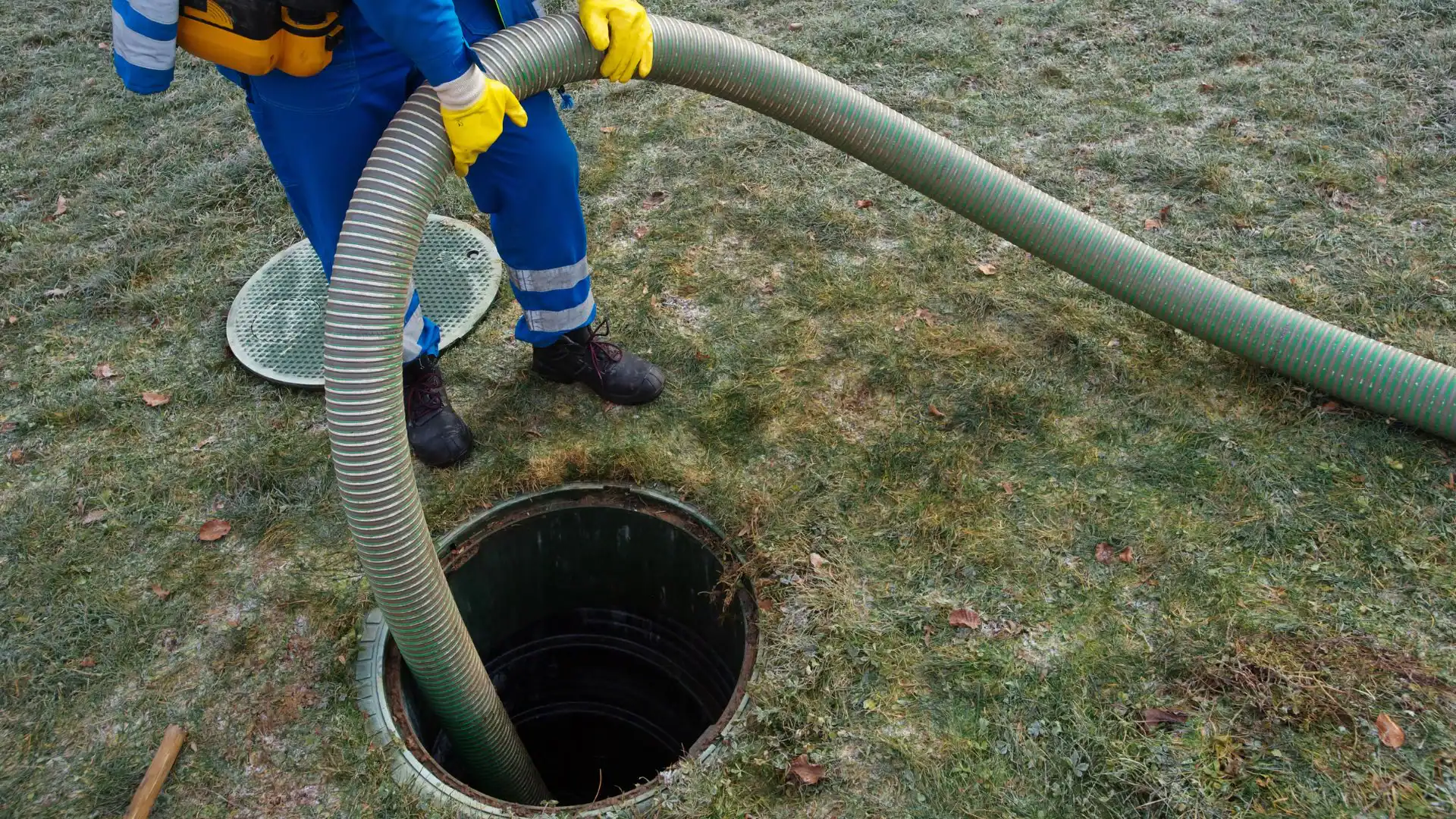
A plumber handles what happens inside pipes blockages, sewer lines, cesspools, and similar issues. If your drain is clogged or your sewer is backing up, that’s the right call. But if your yard is flooding after rain, water is pooling near your foundation, or your lawn stays saturated for days, that’s a land and water management problem and it requires a different kind of contractor entirely.
We assess how water moves across and through your property. We look at grade, soil conditions, water table levels, and discharge options. Then we design and install systems French drains, catch basins, dry wells, channel drains, surface grading that redirect water away from where it’s causing damage. In Center Moriches, where most of the search results for “drainage services” return plumbing companies, this distinction trips up a lot of homeowners. They call a plumber, get told there’s no pipe problem, and still have a flooded yard. The problem was never a pipe.
It depends on the scope of work, but for many drainage projects in Center Moriches particularly those involving grading changes, stormwater redirection, or the installation of structures that connect to existing drainage infrastructure a permit from the Town of Brookhaven Building Department is required. Projects that alter how water flows across your property or affect impervious surface coverage typically go through a review process.
Beyond the town-level requirements, Suffolk County has its own layer of regulation. Because Long Island sits over a sole-source aquifer meaning the groundwater beneath it is the primary drinking water source for the region the Suffolk County Department of Health Services has specific requirements for dry well installation, including setback distances from cesspools, wells, and property lines. If your property is also in a FEMA-designated Special Flood Hazard Area, which applies to significant portions of south shore Center Moriches, there are additional floodplain management requirements to consider. We handle the permitting process as part of the project so you’re not left navigating it on your own.
For most residential drainage installations on Long Island, you’re looking at a range of roughly $2,145 to $7,163 depending on the scope, the components involved, and the complexity of the site. Simpler projects a single French drain or a targeted catch basin installation tend to fall toward the lower end. Properties in Center Moriches that require multi-component systems due to the elevated water table and proximity to the bay or creek systems often fall toward the middle or upper range.
It’s worth framing that cost against what you’re protecting. With home values in Center Moriches sitting between $635,000 and $750,000, and foundation repairs from chronic water intrusion running $23,000 to $48,000, the math on professional drainage installation is straightforward. Every dollar invested in flood protection returns an estimated $5 to $8 in avoided damage costs. We provide written, itemized quotes after a proper site assessment so you know exactly what you’re paying for and why before any work begins.
There’s no single answer, because the right system depends on where the water is coming from, where it’s accumulating, and where it can realistically be discharged. That said, properties in the Center Moriches area particularly those south of Montauk Highway with elevated water tables typically benefit most from multi-component systems rather than a single fix.
A French drain handles lateral water movement through a perforated pipe in a gravel-filled trench, redirecting water away from problem areas. A catch basin intercepts surface water at a low point before it spreads. A dry well provides a below-grade storage and infiltration point for water that needs somewhere to go when the surrounding soil is saturated. Channel drains work well along driveways, patios, and hardscape edges where surface water concentrates. In many Center Moriches yards especially those near Areskonk Creek or the Terrell River corridor the most effective solution combines two or three of these components, sized for peak rainfall conditions rather than average ones.
Spring is generally the best window ideally before hurricane season begins on June 1. The ground is workable, contractor schedules tend to have more availability than mid-summer, and you have time to complete the project properly before the south shore’s most active storm months arrive. Installing a drainage system in August, when a nor’easter or tropical system could arrive within weeks, doesn’t leave much margin.
That said, fall is also a viable installation window for homeowners who experienced flooding over the summer and want the system in place before winter. The ground in Center Moriches typically remains workable well into November. What we’d caution against is waiting through another full season after you’ve already seen the problem. The August 2024 flash flooding affected homes across Long Island, and for south shore communities near Moriches Bay and the inlet storm surge corridor, that kind of event isn’t a rarity it’s a recurring risk. The best time to install is before the next one, not after.