
Hear from Our Customers
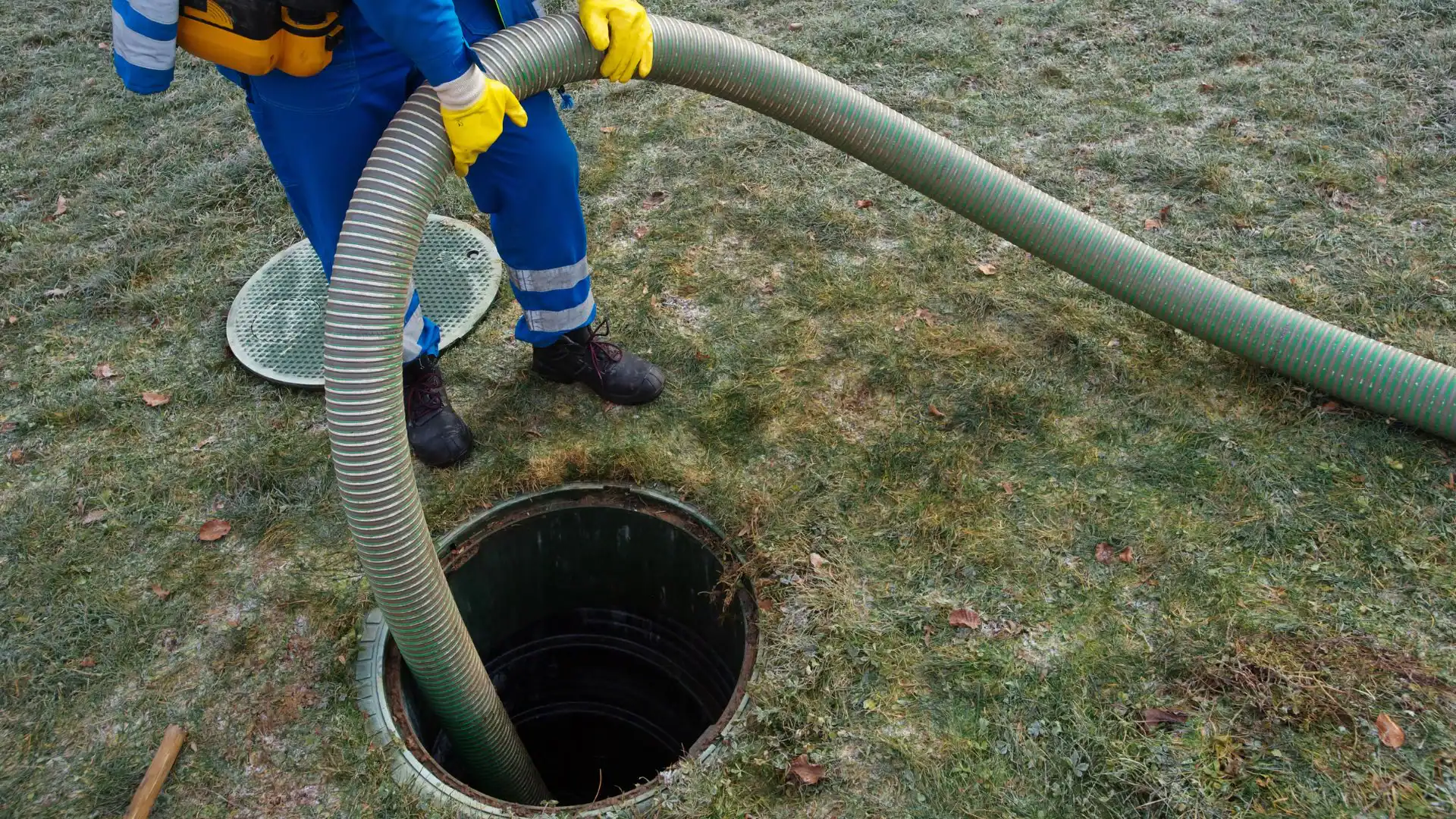
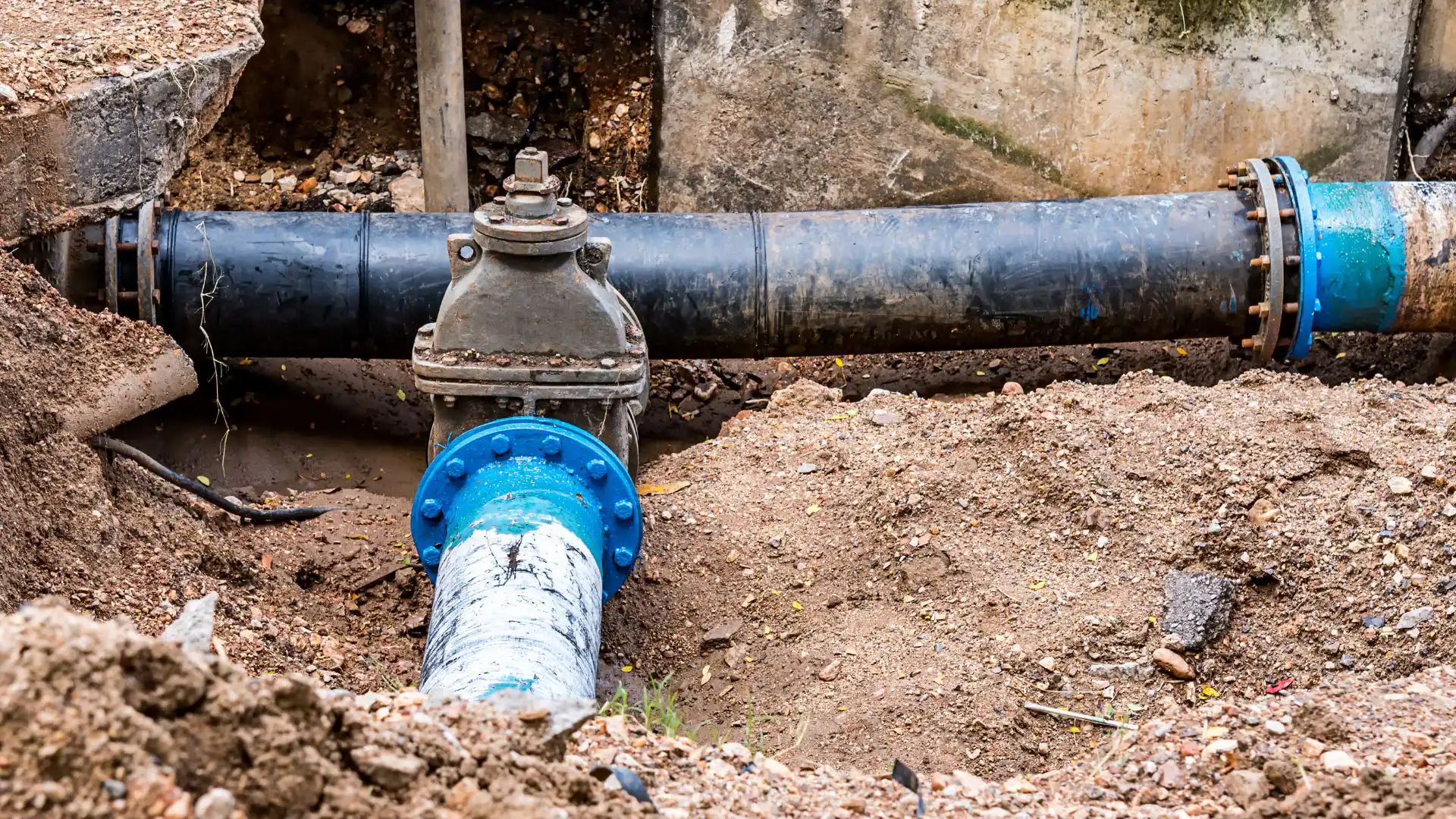
Most drainage problems in East Patchogue aren’t random. They’re predictable and they’re connected to where you live. You’re on the south shore, a few miles from the Great South Bay, with the Swan River running through town and a water table that’s never far from the surface. When a nor’easter drops three inches overnight, the ground here saturates fast and the water has nowhere to go. That’s not bad luck. That’s geography.
What changes after a properly designed drainage system is installed isn’t just that your yard stops flooding. It’s that you stop dreading the weather forecast. You stop watching the corner of your foundation after every heavy rain. You stop losing weekends to a soggy backyard that won’t dry out until June. The anxiety that builds every time a storm rolls in from the coast that goes away too.
For homeowners in East Patchogue, most of whom own a ranch, Cape Cod, or split-level built somewhere between the 1950s and 1970s, the original drainage was never designed for how these lots actually behave today. Decades of hardscape additions, soil compaction, and silted-up dry wells have made the problem worse. A real fix addresses all of that not just one symptom of it.
We’re a landscape drainage contractor serving East Patchogue, NY and the surrounding south shore communities. The work here isn’t guesswork it starts with understanding exactly where the water is coming from, where it’s going, and why whatever’s already there isn’t handling it.
That matters more in East Patchogue than in a lot of other towns. Properties near the Swan River and Miramar Beach face drainage challenges with a tidal component that most contractors miss entirely. When the receiving waterway is backed up or running high, a standard French drain just doesn’t perform the way it should. Designing around that reality is part of what separates a system that works from one that fails the first real storm of the season.
Every project starts with a thorough site assessment. No recommendations until the full picture is clear. That’s not a policy it’s just how good drainage work gets done.
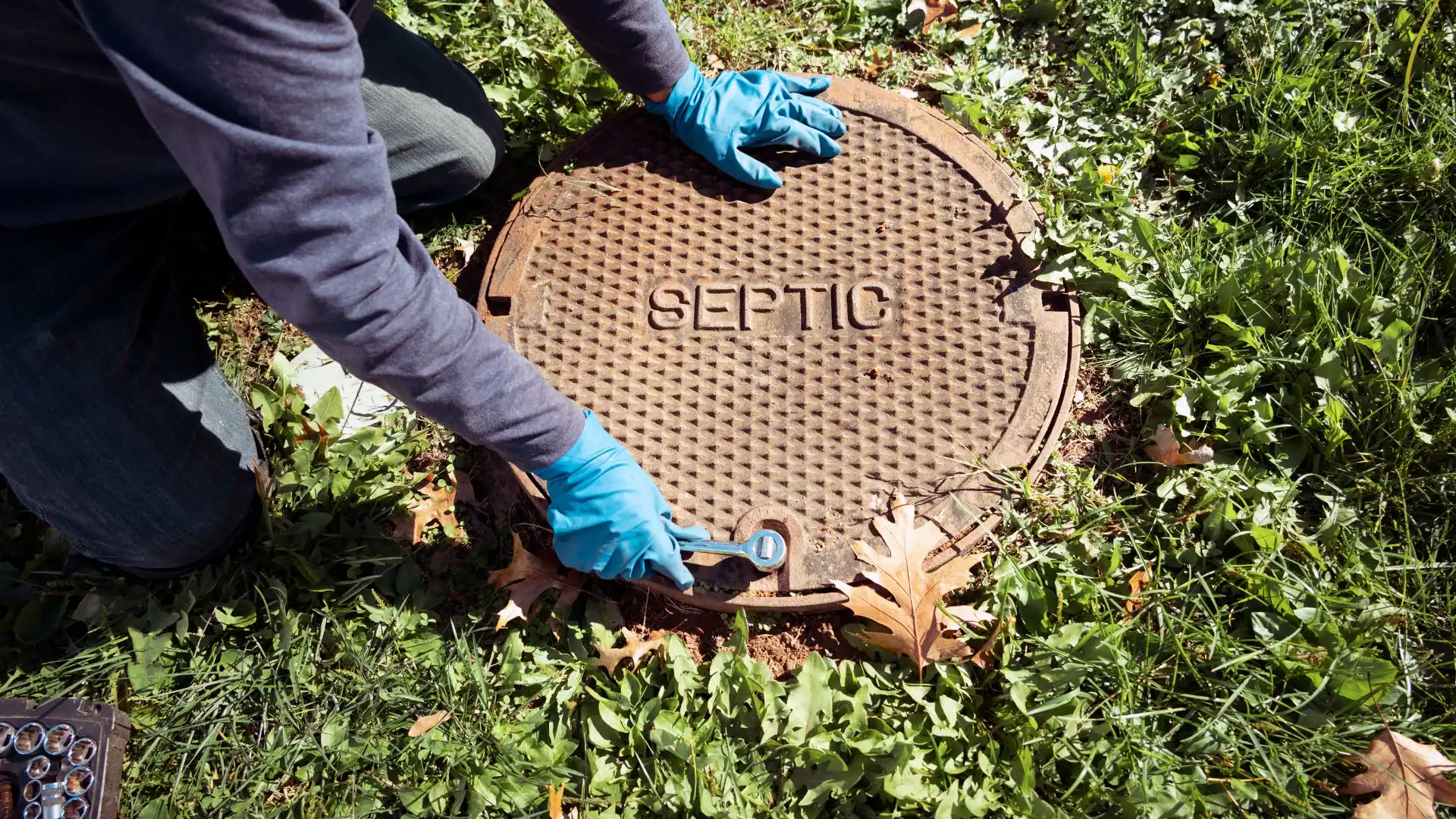
It starts with a site assessment not a quick walk-around, but a real look at how water moves across your property. Where it enters, where it pools, what the soil is doing beneath the surface, and where it ultimately needs to go. On Long Island’s south shore, that last part matters more than people realize. Sandy topsoil over a clay subsoil layer is common here, and it means water that looks like it’s draining can actually be backing up just below the surface. That gets identified before anything else.
From there, we build a drainage plan around your specific property whether that’s a French drain, a catch basin system, re-grading, a dry well replacement, or some combination. In East Patchogue, where Town of Brookhaven permit requirements and Suffolk County stormwater regulations apply depending on the scope of work, that process gets handled as part of the project. You won’t be left figuring out what needs a permit and what doesn’t.
Installation is done with your existing landscaping in mind. Mature trees, garden beds, established lawns none of that gets treated as collateral damage. When the work is done, the yard gets fully restored. The drainage system does its job quietly underground, and your property looks the way it should above it.
Ready to get started?
The drainage services we provide in East Patchogue, NY cover the full range of what south shore residential properties actually need. French drain installation, catch basin systems, dry well replacement, yard re-grading, surface channel drains, and integrated systems that address both surface runoff and subsurface saturation. If a previous system was installed and failed which happens often on older properties here that gets diagnosed first so the replacement is designed to actually solve the problem, not repeat it.
Long Island’s south shore has specific soil conditions worth understanding. The glacial composition means you often have permeable sandy topsoil sitting over a denser clay layer that slows or stops downward percolation. For homeowners near Robinson Pond or along the lower streets that feed toward the Swan River, that subsurface condition combined with a high water table creates flooding that surface-only fixes won’t resolve. The system design accounts for what’s happening underground, not just what’s visible after a storm.
Every installation includes a written workmanship warranty, a written quote with no hidden line items, and complete yard restoration after the work is finished. The goal isn’t just a functioning drainage system it’s a yard that drains properly and looks like the work was done right, because it was.
This is one of the most common questions from homeowners on Long Island’s south shore, and the answer usually comes down to one of two things or both. The first is a subsurface drainage issue: East Patchogue sits on glacial soil that often has a clay-rich layer beneath the sandy topsoil. That clay layer slows or stops water from percolating downward, so even a moderate rain event can saturate the upper soil quickly and leave water sitting on the surface with nowhere to go.
The second factor is the water table. In south shore communities like East Patchogue, the water table is naturally elevated due to proximity to the Great South Bay and local waterways like the Swan River. When the water table is already near the surface which is common in late winter and spring even a light rain has no room to absorb. A proper drainage assessment looks at both the surface flow path and the subsurface conditions before recommending a solution, because treating only one side of the problem rarely fixes it.
Residential drainage projects on Long Island generally range from around $2,000 to $7,000 for most installations, with more complex systems those involving multiple components, significant excavation, or subsurface conditions that require additional engineering running higher. The wide range reflects real differences in scope: a single French drain on a straightforward lot is a very different job than an integrated catch basin and dry well system on a property near the Swan River that also needs re-grading.
What’s worth keeping in mind is the cost comparison. The average water damage insurance payout is just under $14,000 per claim, and foundation repairs from prolonged water intrusion can run $23,000 or more. A properly installed drainage system is one of the higher-return investments a homeowner can make not because it adds curb appeal, but because it prevents damage that costs far more to fix than the system itself. Every project from us comes with a detailed written quote upfront so you know exactly what you’re getting and what it costs before any work begins.
It depends on the scope of the work. Most standard residential drainage installations a French drain, a dry well replacement, basic re-grading don’t require a building permit from the Town of Brookhaven. But certain situations do trigger permit requirements: if the system connects to a public storm sewer, involves significant excavation, or falls under Suffolk County’s stormwater management regulations (Chapter 763 of the Suffolk County Code), additional approvals may be needed.
Suffolk County also has SPDES permit requirements administered by the Suffolk County Department of Health Services for certain groundwater discharge situations. This isn’t something most homeowners need to navigate on their own and they shouldn’t have to. Part of what we handle on every East Patchogue project is identifying what permits are required, managing the application process, and making sure the installed system is compliant with all applicable Town of Brookhaven and Suffolk County regulations. You won’t be left holding a permit question you didn’t know you had.
This is more common than most homeowners expect, and it’s almost always a diagnosis problem rather than an installation problem. The most frequent failure modes are: the system was sized for average rainfall rather than the storm events that actually hit East Patchogue nor’easters that can drop three to four inches in a matter of hours; the French drain was installed without proper geotextile fabric, which means silt has clogged the pipe within a few years; or the discharge point was chosen without accounting for where that water goes during a heavy storm, which on the south shore often means it’s backing up from a waterway that’s already running high.
In some cases, a single component was installed when the property needed an integrated system. One catch basin on a flat lot with clay subsoil and a high water table isn’t going to keep up when a coastal storm moves through. Before recommending any replacement, we assess why the previous system failed because the right fix depends entirely on understanding what went wrong the first time.
Flat yards are one of the most common drainage challenges in East Patchogue, where much of the housing stock is post-war ranch homes and split-levels on lots with minimal natural slope. Without gradient, water doesn’t move on its own it just sits. The solution depends on what’s happening beneath the surface as much as what’s visible above it.
For most flat lots here, an integrated approach works best: a French drain to intercept and redirect subsurface water, combined with a catch basin or surface channel drain to capture pooling water and move it to an appropriate discharge point. If the existing dry well is silted up which is common on properties built in the 1960s and 1970s replacing it with a properly sized unit is often part of the fix. Re-grading to create even a slight slope away from the foundation can also make a significant difference on properties where the original builder grading has settled or been altered over the decades. The right combination gets determined during the site assessment, not before it.
Yes and it’s actually one of the better windows for it. June and July tend to be the driest months in East Patchogue, which makes excavation cleaner, soil conditions more workable, and contractor scheduling more flexible compared to the fall and spring rush. More importantly, getting a system installed before October means it’s fully functional before nor’easter season begins, rather than scrambling to schedule work after the first major storm has already flooded your yard.
The seasonal pattern for drainage demand on the south shore is predictable: enquiries spike after nor’easters from October through April, and again after tropical storm remnants in August and September. That means contractors are busiest and scheduling is tightest exactly when the flooding is most urgent. Homeowners who schedule in the summer even if their yard isn’t actively flooding at that moment typically get faster turnaround, more thorough site assessments, and installations that are complete and settled before the first coastal storm of the season tests them. If you’ve been putting it off, summer is the practical window to act.