
Hear from Our Customers
Standing water after a storm isn’t just an inconvenience. In Flanders, where the water table near Reeves Bay and the Peconic River can already be sitting close to the surface, a single heavy storm can turn a yard into a swamp for days. When that water lingers near your foundation, you’re not looking at a lawn problem anymore you’re looking at the beginning of something much more expensive.
The right drainage system changes that picture completely. Your yard dries out after rain instead of staying saturated for a week. The kids can actually use the backyard again. You stop watching the weather forecast with that knot in your stomach every time a nor’easter is tracking up the coast.
What most homeowners in Flanders don’t realize is that the soil here doesn’t behave like soil further inland. Parts of the hamlet carry a clay-heavy composition that holds water for extended periods which means surface water can’t absorb fast enough and subsurface water has nowhere to move. A drainage system designed around your specific property and soil conditions solves that. Not a generic fix a real one, sized for the worst storms this area sees, not just the average ones.
We work the East End. That means we know that Flanders is governed by Southampton Town not Brookhaven, not Islip and that drainage work here comes with its own set of regulations, wetland considerations, and permit requirements that a contractor from central Suffolk County simply won’t be familiar with walking in.
We know the Flanders Bay Wetlands designation and what it means for properties near the water. We know that homes along the lower stretches of Flanders Road and near Reeves Bay deal with tidal influence on top of stormwater a combination that demands a different approach than a standard yard drainage installation. We’ve worked in this area long enough to understand that the drainage challenges here are real, they’re specific, and they don’t respond to generic solutions.
When you call us, you’re not getting a contractor who added Flanders to a service area list. You’re getting a team that already knows what your yard is up against.
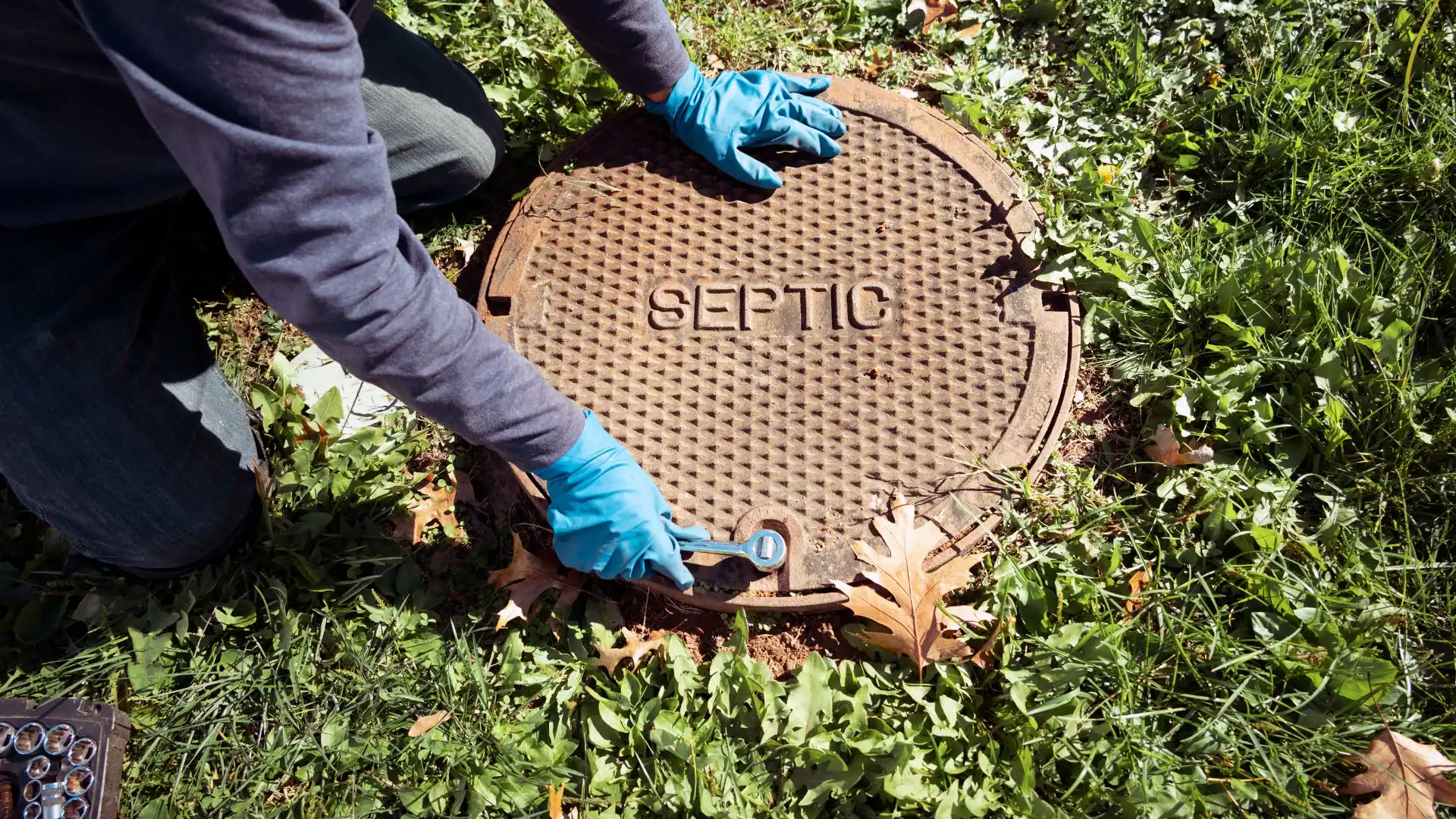
It starts with a proper site assessment. Before any design gets drawn up or any equipment gets scheduled, we walk your property and map the full picture where water is entering, where it’s collecting, how the soil is behaving, and how close the water table is to the surface. In Flanders, that last part matters more than most places. Properties near Reeves Bay or the Peconic River can have a naturally elevated water table that fluctuates with tidal cycles, not just rainfall. That changes the design.
From there, we put together a drainage plan sized for your property’s actual conditions not a one-size-fits-all system, and not something designed around average rainfall when this area regularly sees nor’easters delivering two to five inches over a 24-hour period. You get a written quote with a clear scope before anything starts. No vague estimates, no scope creep.
Once the work begins, we handle everything from installation through to complete landscape restoration. Excavation is part of the job and so is leaving your yard in better shape than we found it. We also handle the permitting side under Southampton Town’s stormwater requirements, including Chapter 285 compliance and any NYSDEC considerations that apply to your site. You don’t have to navigate that on your own.
Ready to get started?
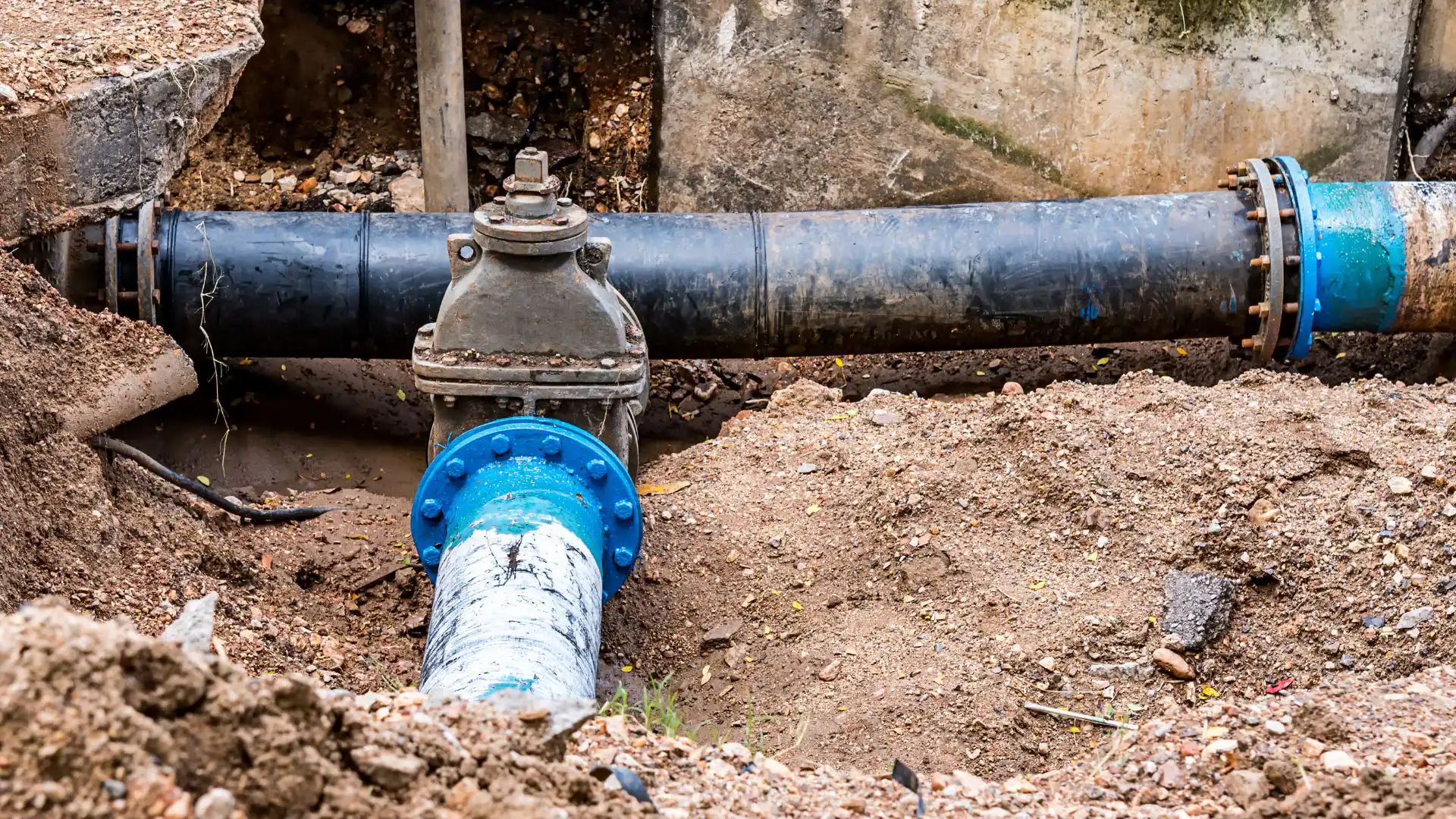
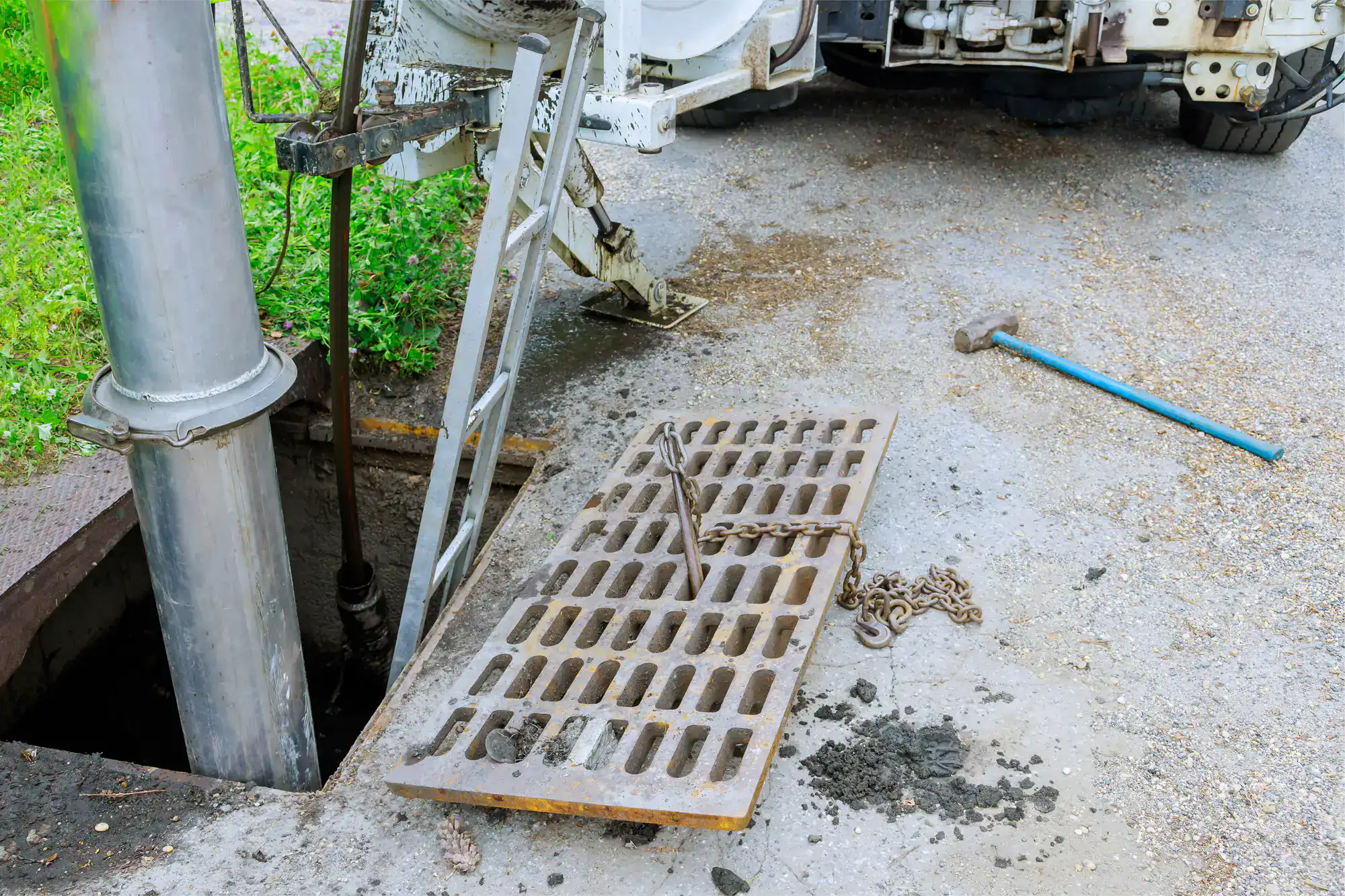
The drainage systems we install in Flanders are designed around what this specific area throws at a property. That includes French drains to intercept and redirect subsurface water, catch basins to capture surface runoff before it pools, dry wells where soil conditions and setbacks allow for proper infiltration, channel and trench drains for hardscape areas, and regrading where the land itself is the problem. In many cases, the right fix is a combination of these because a single drain rarely solves a system-wide water management issue.
For properties near Reeves Bay, Flanders Bay, or the Peconic River, we pay close attention to where water is being directed. The Peconic Estuary is one of the most ecologically sensitive water bodies on Long Island, and drainage systems that simply push water toward the bay carrying fertilizers and sediment with it create a different problem than the one they solved. We design with that in mind.
Every installation includes full landscape restoration once the drainage work is complete. Turf, topsoil, planting areas whatever the excavation disturbed gets put back properly. And every project is backed by a written workmanship warranty. If the system fails because of how it was installed, we come back and make it right. That’s not a marketing line it’s in writing.
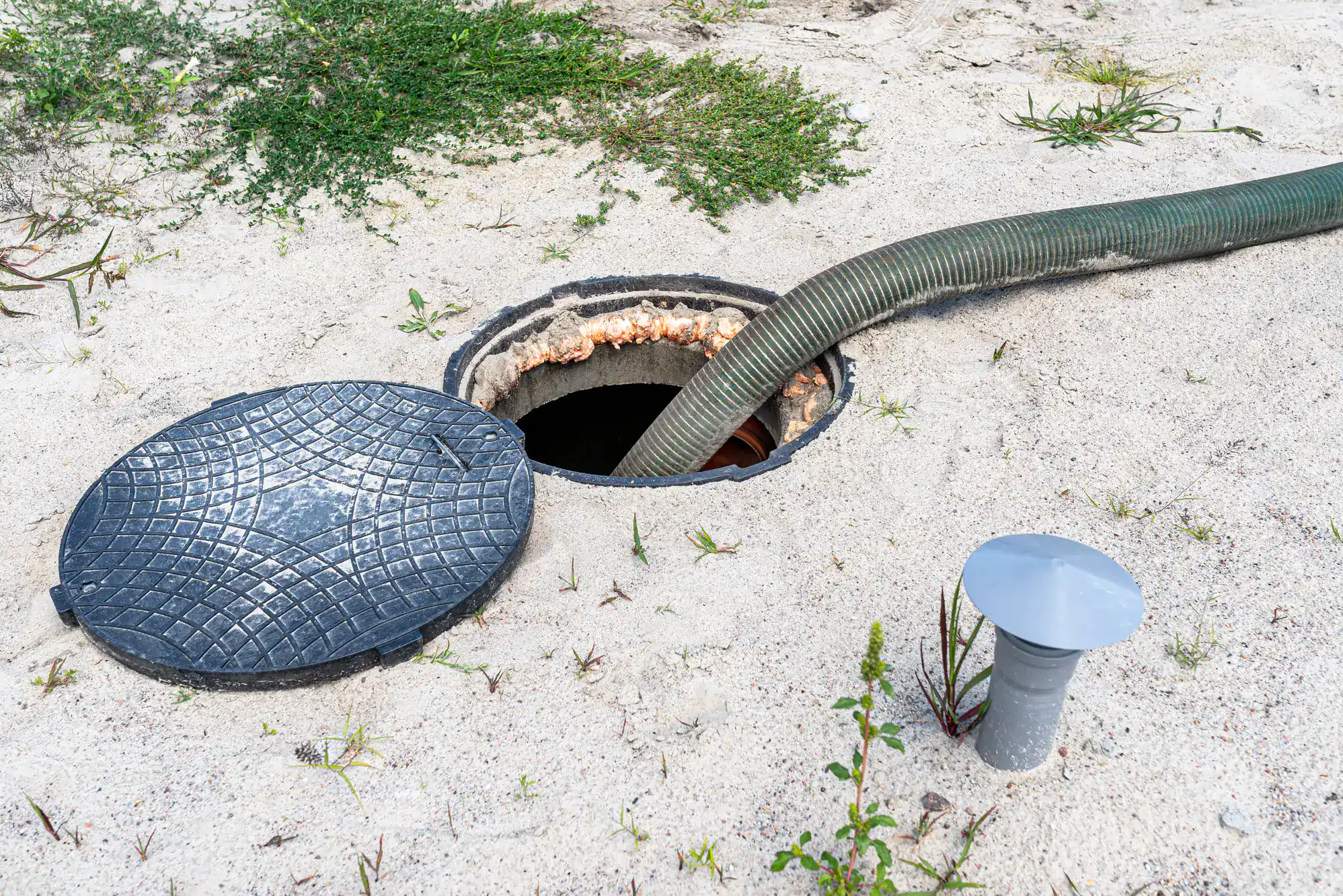
The most common reason is a combination of two things working against you at the same time. First, parts of Flanders carry clay-heavy soil that absorbs water slowly when it rains hard, the ground simply can’t take it in fast enough and water sits on the surface. Second, properties in lower-lying areas of the hamlet particularly those near Reeves Bay or along the Peconic River can have a naturally high water table that rises further after a storm, leaving the soil already saturated before the rain even starts.
When both of those factors are present, standing water for two or three days after a major storm isn’t unusual it’s almost predictable. The fix isn’t waiting for better weather. It’s a drainage system that accounts for both the surface runoff problem and the subsurface water table reality specific to your part of Flanders. That’s why a proper site assessment matters before any design gets finalized.
The honest answer is that it depends on where the water is coming from and where it needs to go and that’s not something you can fully diagnose from the surface. A French drain is designed to intercept subsurface water moving through the soil and redirect it away from the problem area. A catch basin captures surface water that’s pooling in a specific low spot. A dry well holds water on-site and lets it slowly infiltrate into the ground below. In many cases, the right system uses more than one of these components working together.
What determines the right combination is a real site assessment looking at soil composition, the slope and grade of the property, proximity to the water table, and where the water is ultimately going to go once it’s moved. In Flanders, the proximity to tidal water bodies adds a layer to that analysis that doesn’t apply in most other parts of Long Island. Getting the diagnosis right is more important than picking a product.
For most standard residential drainage installations, a full permit isn’t always required but it depends on the scope of work and the specifics of your property. Southampton Town’s stormwater management ordinance under Chapter 285 governs land development and drainage activities in Flanders, and projects that disturb one or more acres of land trigger a NYSDEC SPDES general permit requirement. For smaller residential projects, local code compliance and proper erosion controls still apply.
Where it gets more specific is for properties near Reeves Bay, Flanders Bay, or the Peconic River. The Flanders Bay Wetlands are designated by New York State as a significant coastal fish and wildlife habitat, and drainage work near those boundaries may require additional review under coastal zone management rules and the Town’s wetland regulations. Working with a contractor who already knows Southampton Town’s requirements and can identify whether your project triggers any of these thresholds saves you from finding out after the fact that something wasn’t done to code.
This comes up more than you’d think, and it’s almost never random bad luck. The most common reasons a drainage system fails after installation: it was sized for typical rainfall instead of peak storm events which in Flanders means it gets overwhelmed the first time a real nor’easter comes through. Or a single drain was installed when the problem actually required multiple interconnected components addressing different parts of the water’s path. Or the pipe was installed without enough slope to drain completely, so water sits and eventually backs up.
Sometimes the issue is that the previous contractor treated it as a pipe problem rather than a land and water problem they installed something without fully understanding the soil conditions, the water table, or how water was actually moving across the property. Before we design anything for a property that’s already had drainage work done, we start by finding out what the previous system missed. Fixing the diagnosis is the first step. Fixing the drainage comes after.
For most residential drainage projects in Flanders, the installation itself runs anywhere from one to three days depending on the scope how many components are involved, how much excavation is required, and what the soil conditions look like once we’re into the ground. Properties with more complex water management needs, or those near the water where additional care is required around wetland boundaries, may take a bit longer.
What adds time on the front end is the assessment and design phase, and that’s time well spent. Rushing into installation without a solid site assessment is exactly how you end up with a system that works for a year and then fails. After installation, landscape restoration is part of the process so the total project timeline includes getting your turf and topsoil back in order before we consider the job finished. We’ll give you a realistic timeline during the quote process so you know what to expect from start to finish.
The math on this is pretty straightforward. The average water damage insurance claim runs close to $14,000. Foundation repairs from water intrusion which is exactly what happens when water pools near a structure long enough typically run between $23,000 and $48,000. A professional drainage installation for most residential properties in Flanders falls well below either of those figures.
The “wait and see” approach works until it doesn’t and in a community where homes are valued close to $570,000 and the proximity to Reeves Bay and the Peconic River means flooding risk is real and documented, waiting tends to be the more expensive choice. Every major storm that moves water closer to your foundation is doing work that compounds over time. The cost of acting now is fixed. The cost of waiting is open-ended. Most homeowners who’ve already been through one significant flooding event don’t need to be talked into this they just wish they’d done it sooner.