
Hear from Our Customers
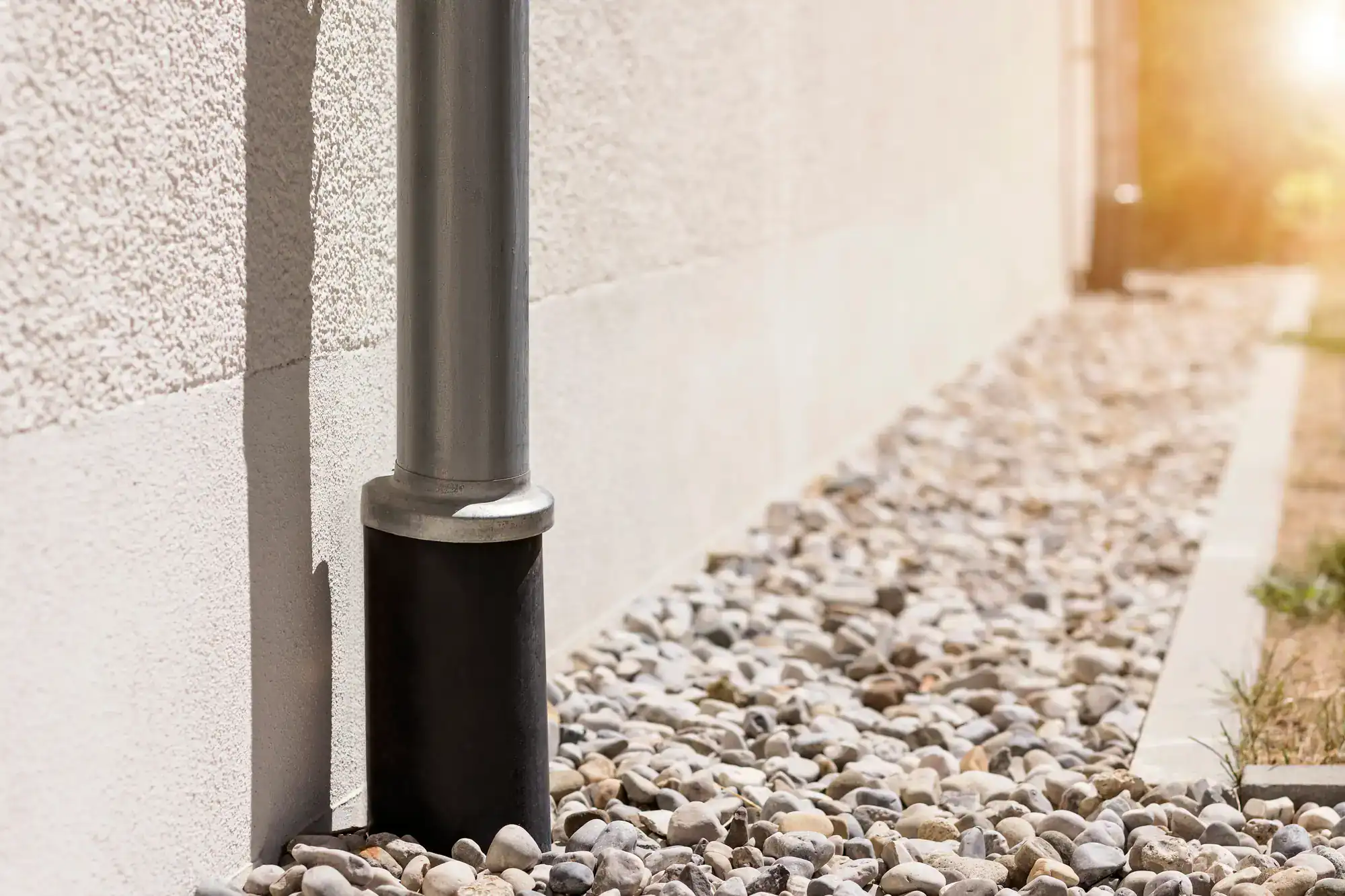
Most Blue Point homeowners dealing with drainage problems have already tried something. Extra topsoil in the low spot. A redirected downspout. A surface drain from the hardware store. And the water still shows up every spring, every nor’easter, every time the rain doesn’t stop for two days straight. The issue isn’t what you tried it’s that surface fixes don’t address what’s happening underground.
Blue Point sits on flat South Shore terrain with a water table that the Great South Bay keeps elevated year-round. When that table rises and it rises fast during spring wet season and fall storm season even the sandy soil that usually drains well becomes fully saturated. At that point, water has nowhere to go except sideways, and sideways often means toward your foundation. A properly installed French drain intercepts that groundwater before it gets there, redirecting it through a defined path to a controlled discharge point away from your home.
What changes after that? Your yard dries out after rain instead of staying soft and pooled for days. Your basement stops smelling like mildew in March. The corner of your foundation that always felt damp stays dry. For homeowners in established Blue Point neighborhoods many of whom have lived in the same house for decades and watched this problem compound that’s not a minor upgrade. It’s the fix that should have been there from the start.
We are a dedicated residential drainage contractor serving Long Island, including the Bayport-Blue Point area and communities throughout Suffolk County. Drainage is all we do which means when we show up to assess your property, we’re not a landscaper trying to upsell you on a drainage add-on. We’re a water drainage contractor that diagnoses the actual source of the problem and builds a system around it.
Working on the South Shore means understanding conditions that inland contractors simply don’t deal with. The tidal influence of the Great South Bay on local groundwater, the compact lot sizes that require precise discharge engineering, the older housing stock that was never built with perimeter drainage in mind these aren’t abstract factors for us. They’re what we account for on every Blue Point property we assess.
We handle everything from the initial site walkthrough to permits with the Town of Brookhaven to final yard restoration. You get one contractor, one clear scope of work, and a system that’s built to last through whatever the South Shore throws at it.
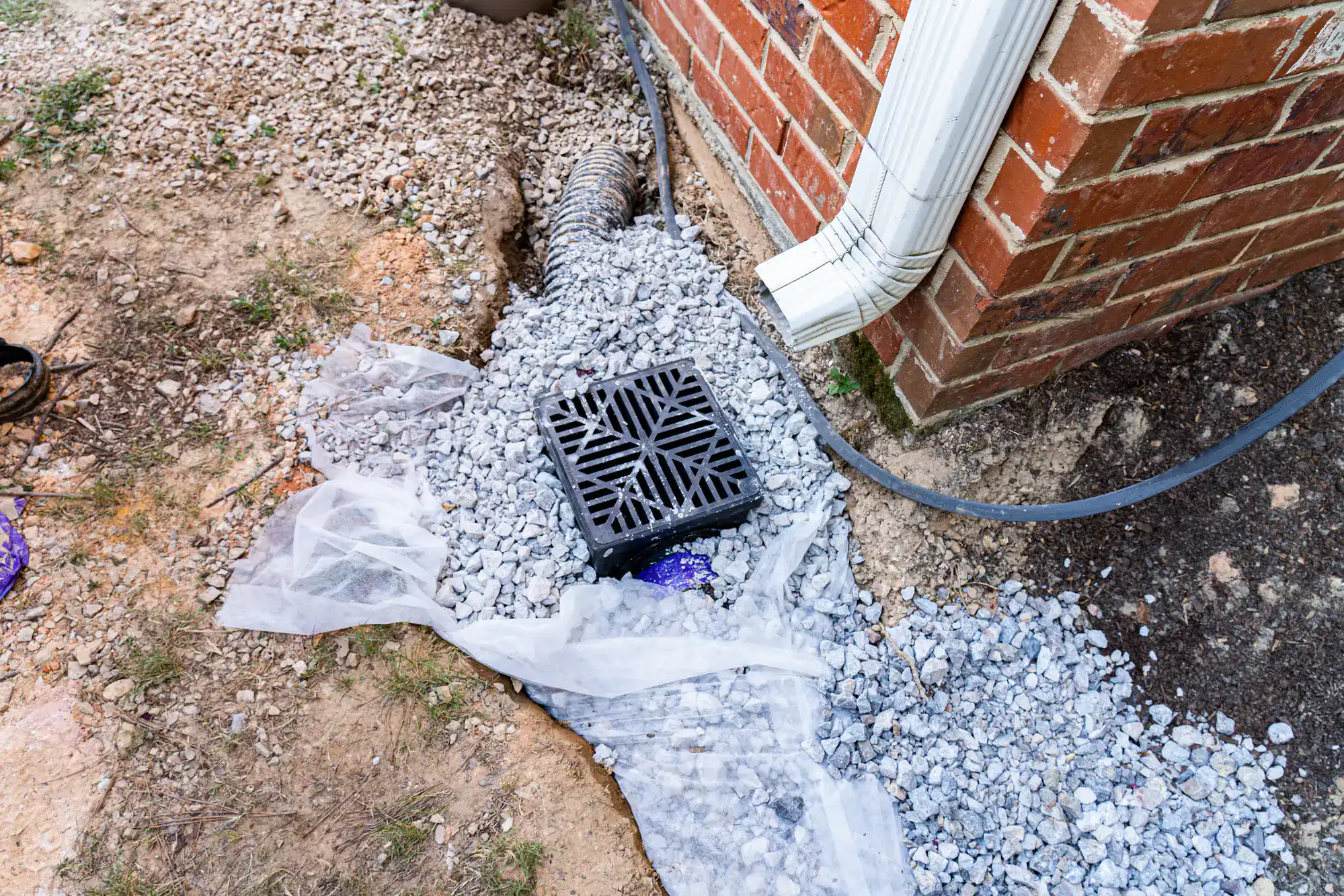
It starts with a free on-site assessment not a phone quote, not a ballpark based on square footage. We walk your property, look at where the water is entering, check the grade, assess how close the water table is running, and identify where a discharge point can be established without sending your problem into your neighbor’s yard. On compact Blue Point lots, that last part matters more than most homeowners realize.
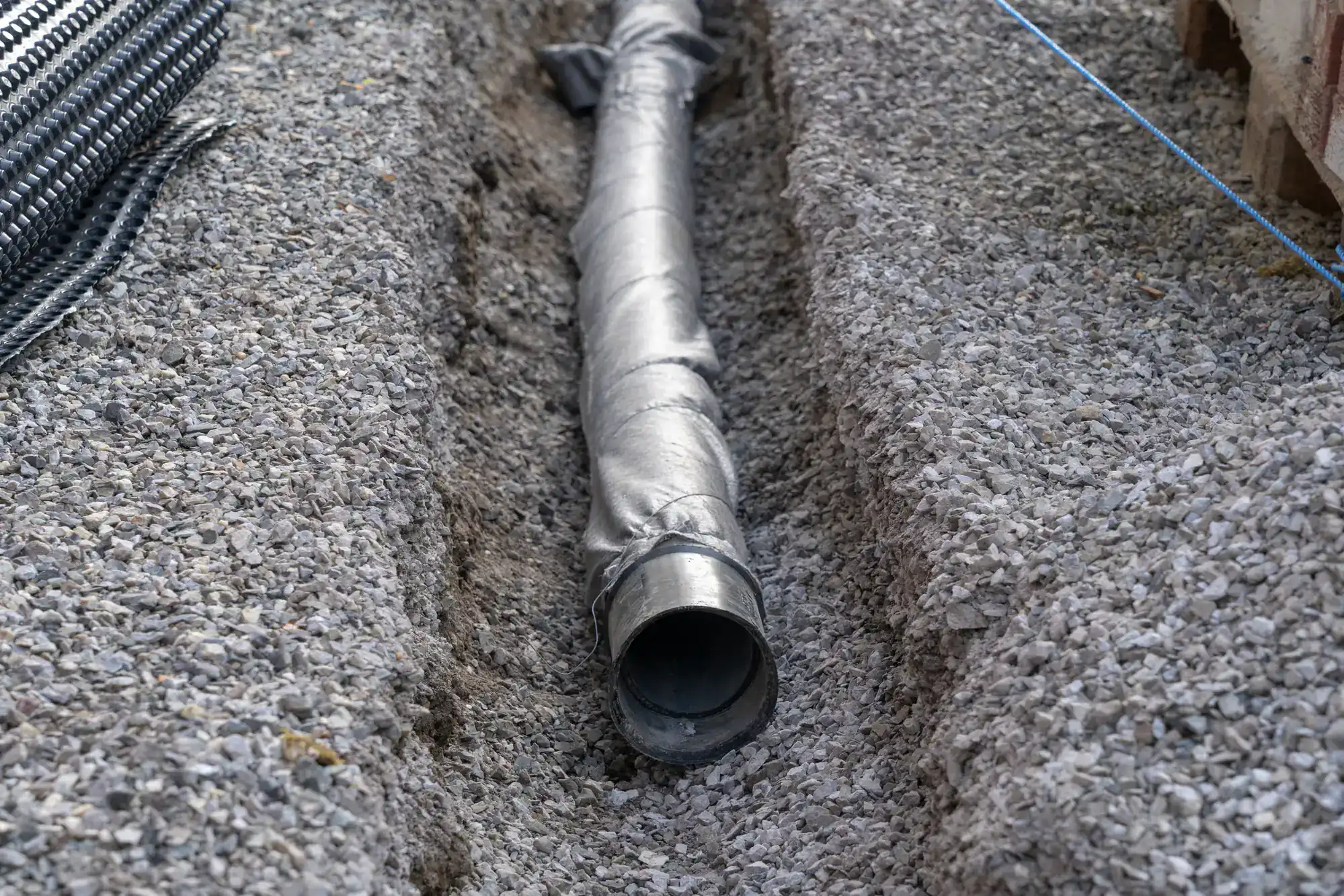
From there, we design the system around what we actually found. That means specifying the right pipe depth deep enough to stay below Suffolk County’s frost line and below the saturation zone the right geotextile filter fabric to keep silt out of the gravel bed over time, and a discharge path that works for your specific lot. Before any digging starts, we handle all required 811 utility marking and any applicable permitting through the Town of Brookhaven. Properties near the Great South Bay sometimes fall within flood zone designations that add a layer to the permitting process, and we know how to navigate that.
Installation on most residential properties takes one to three days. When we’re done, we restore the disturbed areas topsoil, seeding, surface matching so your yard looks the way it did before we got there, minus the drainage problem. The system itself is underground and out of sight. The result is the only thing you’ll notice.
Ready to get started?
A French drain is only as good as the materials and engineering behind it. The most common reason systems fail within a few years and the reason many Blue Point homeowners end up calling a second contractor is that the first installation cut corners somewhere. Wrong pipe. No filter fabric. Improper slope. No real discharge point. We use perforated SDR pipe, double-punched geotextile fabric wrapping the full gravel bed, clean washed angular gravel, and verified slope throughout the run. Every component is specified before the first shovel goes in.
For Blue Point properties, we also account for factors that a generic drainage install wouldn’t address. The elevated water table near the bay means pipe depth matters more here than in inland towns a shallow system that sits above the saturation zone won’t intercept the groundwater that’s actually pressuring your foundation. We size the system to handle not just routine rain events but the kind of sustained saturation that follows a nor’easter or a tropical system moving up the South Shore. Homes in this area have seen what those storms do, and your drainage system should be built with that in mind.
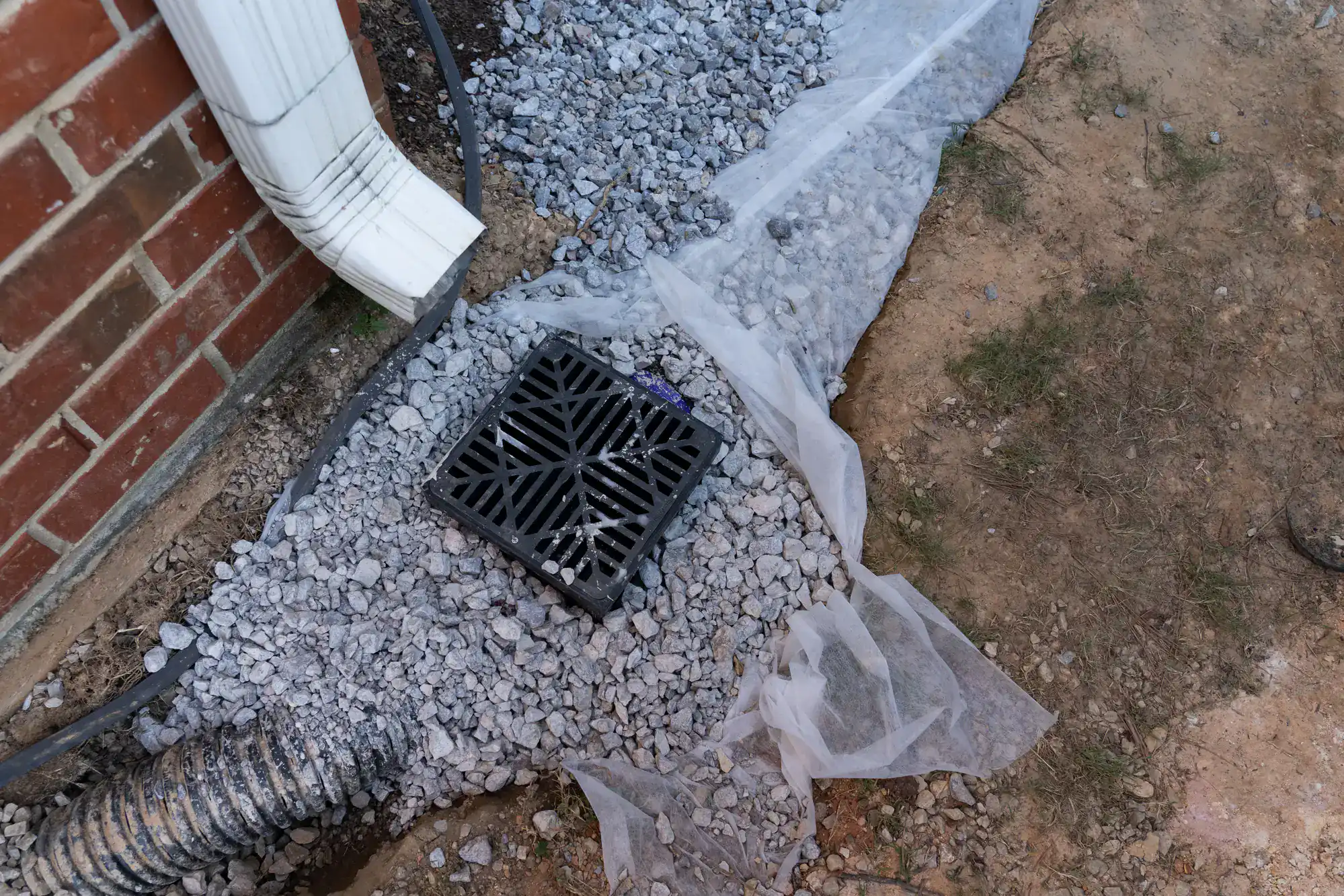
Every installation includes a defined discharge point whether that’s a daylight outlet, a dry well, a catch basin, or a connection to existing stormwater infrastructure and full yard restoration when the work is complete. We also carry full liability insurance and workers’ compensation coverage, and we stand behind our work with a workmanship warranty. If the system doesn’t perform as designed, we come back and make it right.
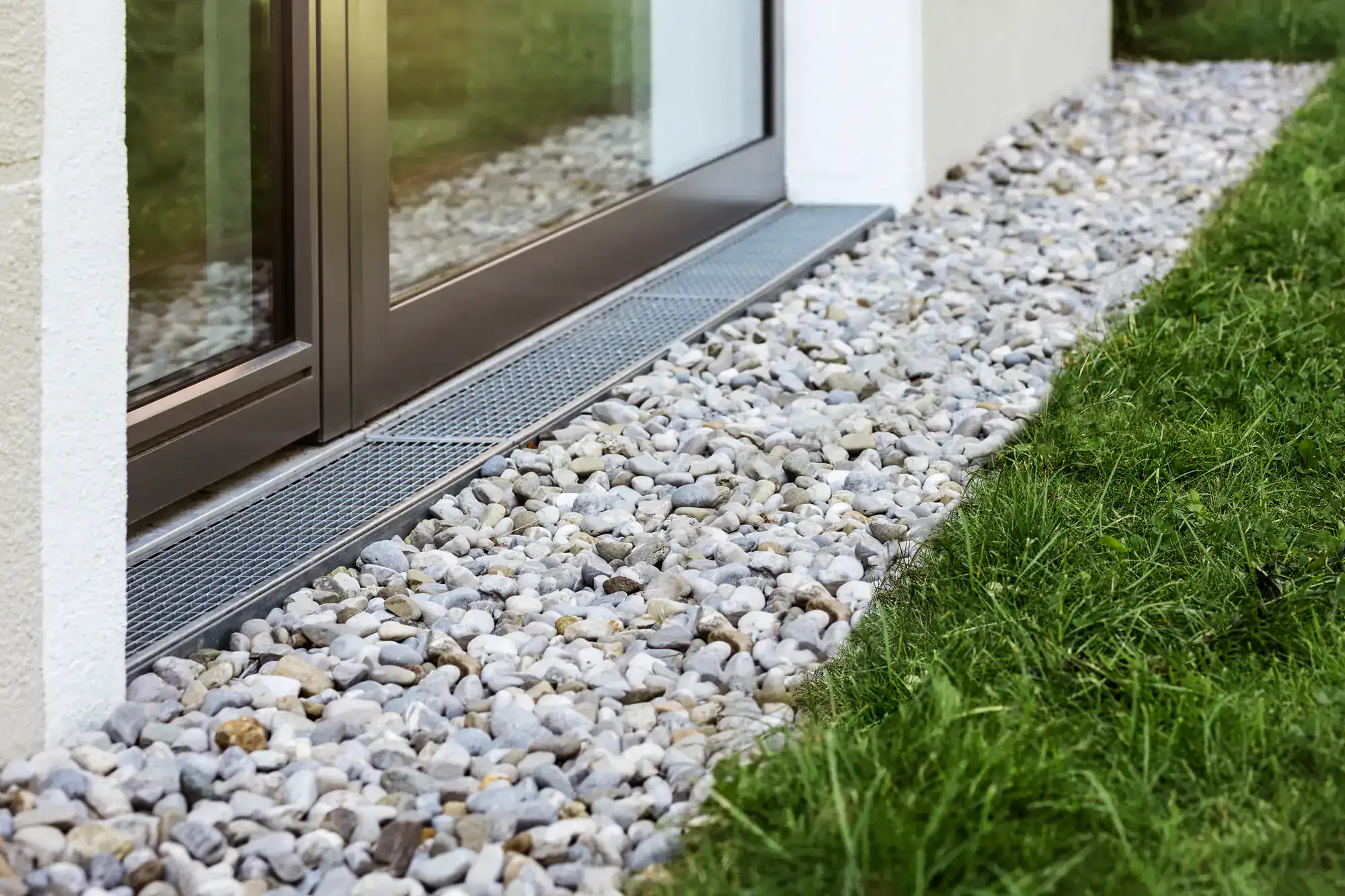
The short answer is that your yard isn’t draining because the water has nowhere to go fast enough. Blue Point sits on flat terrain with no natural grade to carry surface water away from your property, and the Great South Bay’s tidal influence keeps the local water table elevated especially during spring and fall wet seasons. When the water table is already high and rain adds more volume on top of it, the soil becomes fully saturated and stops accepting water entirely. Surface runoff pools because there’s no downward path for it to take.
This is different from a drainage problem caused by clay-heavy soil or a low spot that just needs regrading. In Blue Point, the issue is often subsurface the water table itself is the primary driver. A French drain system installed at the right depth intercepts that groundwater before it saturates the root zone and redirects it through a controlled path to a proper discharge point. That’s what actually resolves the pooling, not surface-level fixes.
For most residential properties in Blue Point, French drain installation runs somewhere between $5,000 and $12,000, with the average project landing around $8,000 to $10,000. The range is wide because the scope varies significantly a shorter perimeter drain on a compact Blue Point lot costs less than a full yard drainage system with a deep discharge line and catch basin integration. Pipe depth also affects cost, and Blue Point properties often require deeper installation than inland communities because of the elevated water table near the bay.
The more useful way to think about that number is what it’s protecting. Median home values in Blue Point are approaching $730,000. Foundation crack repair on Long Island runs $15,000 to $50,000. Mold remediation starts at $3,000 and climbs fast. A wet basement also affects your home’s resale value buyers in this market will negotiate hard against documented water intrusion, and sellers often have to reduce asking prices by 10% or more to close. A properly installed French drain system is one of the more straightforward investments you can make in a South Shore property.
It depends on the scope of the project and where your property sits. Blue Point falls within the Town of Brookhaven, and drainage work that alters surface water flow, involves significant excavation, or connects to municipal stormwater infrastructure may require a building permit. Properties located in or near FEMA-designated flood zones which includes portions of Blue Point closer to the Great South Bay are more likely to trigger permit requirements, and any work in those areas needs to be done in compliance with both town and county regulations.
Suffolk County also has stormwater management rules that govern how drainage systems discharge, particularly in relation to groundwater protection. Long Island sits on top of the sole-source Nassau-Suffolk Aquifer, which is the primary drinking water source for the entire island, so improper discharge isn’t just a code issue it’s an environmental one. We handle all permitting as part of every project. We also perform mandatory 811 utility marking before any excavation. You don’t need to figure out which requirements apply to your specific property that’s our job.
Sandy soil is actually one of the better environments for a French drain to function in up to a point. Sand has good permeability, which means water moves through it relatively easily under normal conditions. The problem on the South Shore, and in Blue Point specifically, is that sandy soil loses its drainage capacity entirely when the water table rises into it. Once the ground is saturated from below, it doesn’t matter how permeable the top layer is there’s nowhere for additional water to go.
That’s why French drain design in Blue Point needs to account for water table depth, not just soil type. A system installed too shallow sits above the saturation zone and doesn’t intercept the groundwater that’s actually causing the problem. We size and position the drain based on the actual conditions on your property including how high the water table runs during peak wet season so the system works when you need it most, not just during a light rain on a dry day.
A French drain installed with quality materials and proper engineering should last 30 to 40 years or more. The systems that fail early almost always come down to the same issues: corrugated pipe that collapses under soil pressure, missing or inadequate filter fabric that lets silt infiltrate the gravel bed over time, or improper slope that causes water to sit in the pipe rather than flow to the outlet. When those corners get cut, you’re looking at a system that clogs and backs up within five to ten years.
On Long Island, there’s one additional factor worth noting: freeze-thaw cycles. Suffolk County’s frost depth runs approximately 36 inches, and a pipe buried too shallow can freeze, crack, and fail over winter. We bury pipe below the frost line as standard practice. Routine maintenance is minimal periodically checking that the outlet isn’t blocked by debris, especially after a major storm, is typically all that’s needed. We’ll walk you through what to watch for after installation so you’re not left guessing.
Yes and for homes in Blue Point, it’s often the most effective long-term solution available. Basement flooding in coastal communities on the South Shore is frequently driven by hydrostatic pressure: groundwater builds up around the foundation and forces its way through cracks, joints, and porous concrete. Interior waterproofing products like sealants and coatings manage the symptom, but they don’t address the pressure itself. A French drain installed at the foundation perimeter intercepts that groundwater before it reaches the wall and redirects it away from the structure entirely.
For Blue Point homes near the Great South Bay, where the water table stays elevated for much of the year and tidal fluctuations add another variable, perimeter drainage is especially important. Many of the homes in this area were built in the 1950s and 1960s without any foundation drainage at all they were never engineered for the sustained hydrostatic pressure that decades of coastal groundwater exposure creates. A properly installed French drain system gives those foundations the protection they were originally built without, and it does it by removing the water before it ever becomes a problem.