
Hear from Our Customers
When water moves the way it’s supposed to, a lot of things stop being problems. Your lawn stops turning into a swamp after every Nor’easter. The soft, soggy patch near your foundation dries out. You stop watching the sky nervously every time a storm rolls in off the Sound.
Middle Island sits at the edge of the Long Island Central Pine Barrens, where the native soil is naturally sandy and fast-draining but decades of driveways, additions, and settled grading have changed how your lot actually handles rain. Water that used to infiltrate now concentrates. It pools in the low spots, runs toward your foundation, and sits. That’s not a soil problem anymore. It’s a grading and drainage problem, and it has a fix.
Homes in this area are worth close to $500,000. The average water damage insurance claim runs nearly $14,000. Foundation repairs from water intrusion can push $23,000 to $48,000. A properly installed drainage system costs a fraction of any of those numbers and it protects the full value of what you’ve built here.
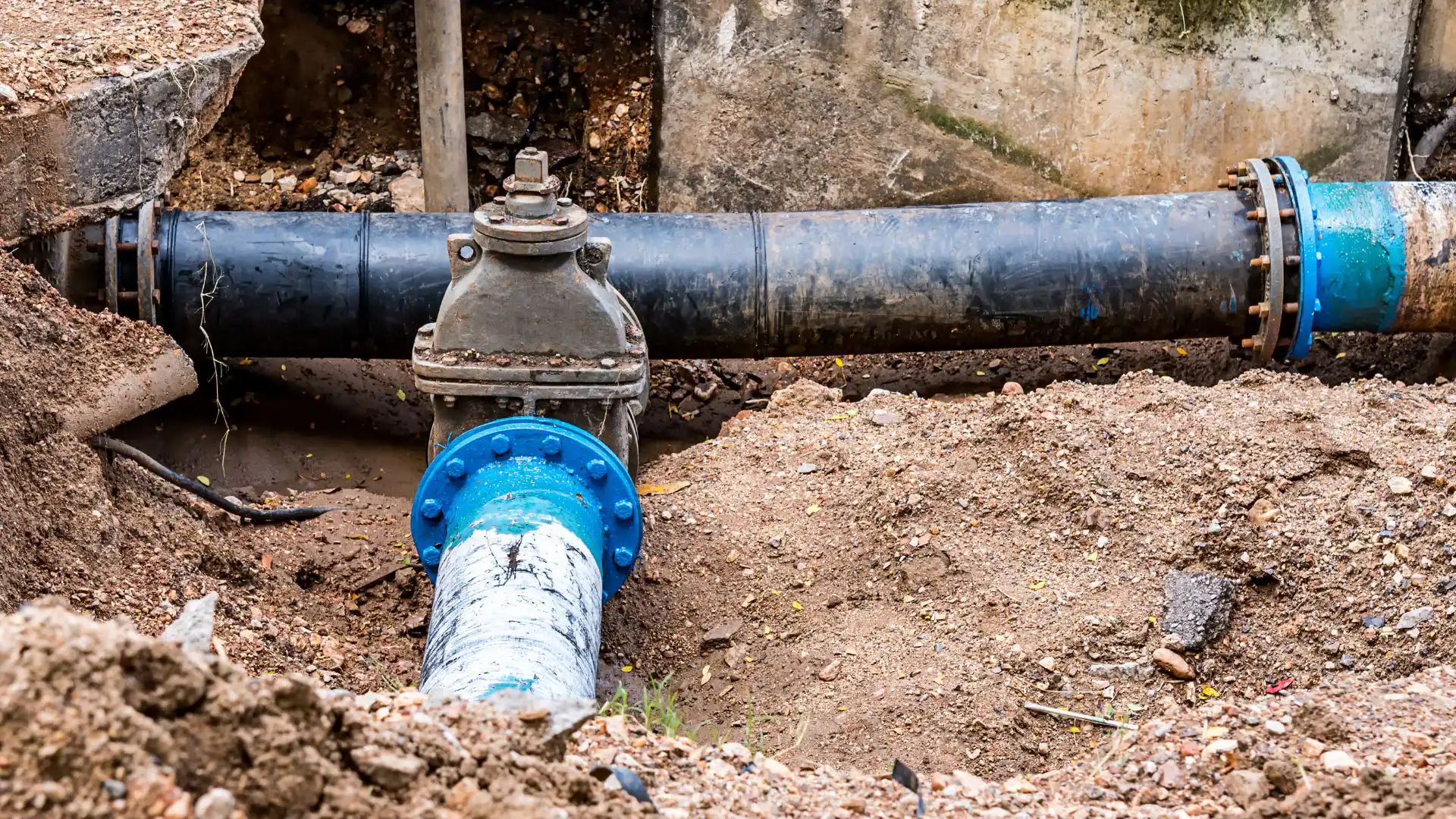
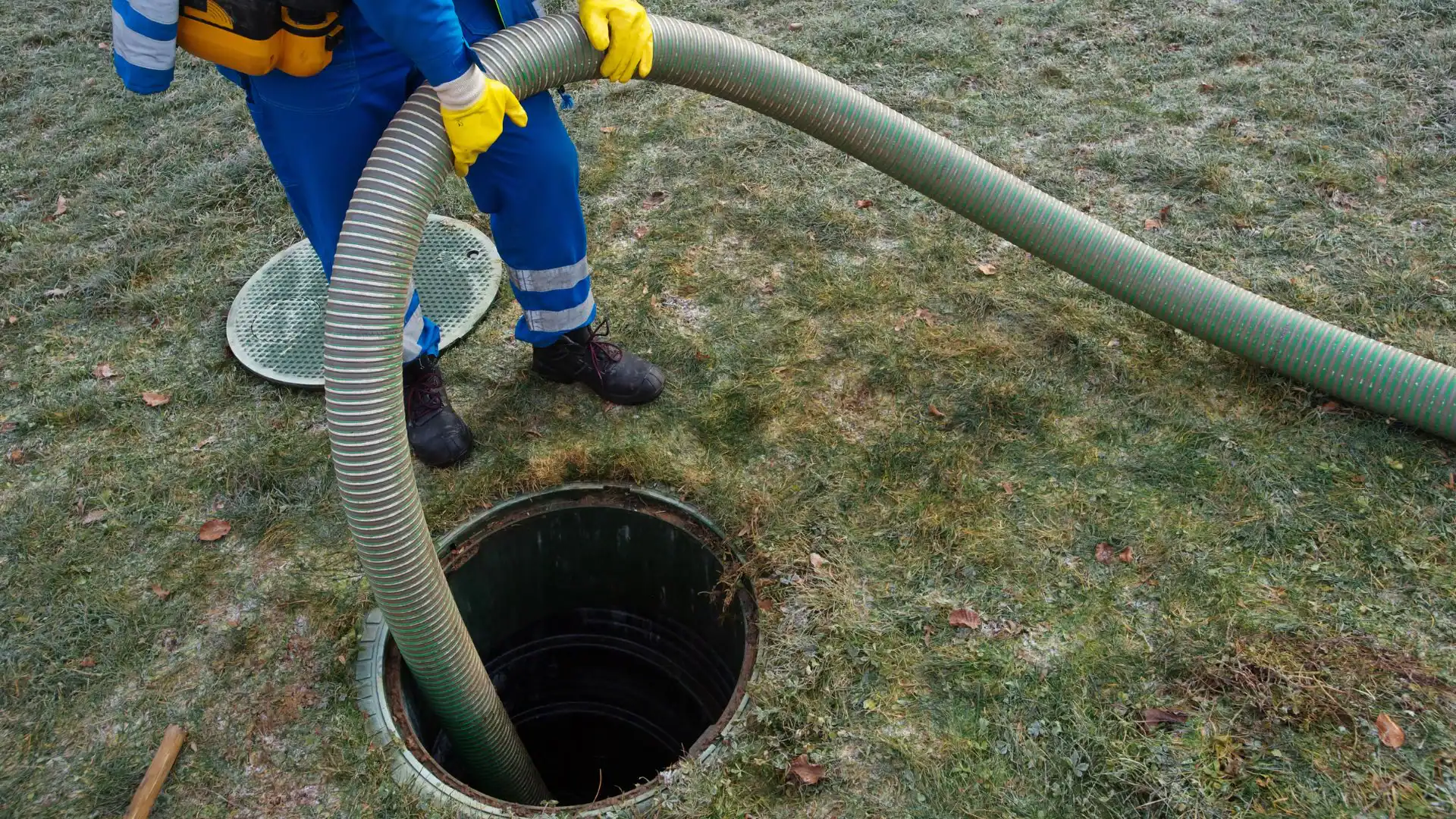
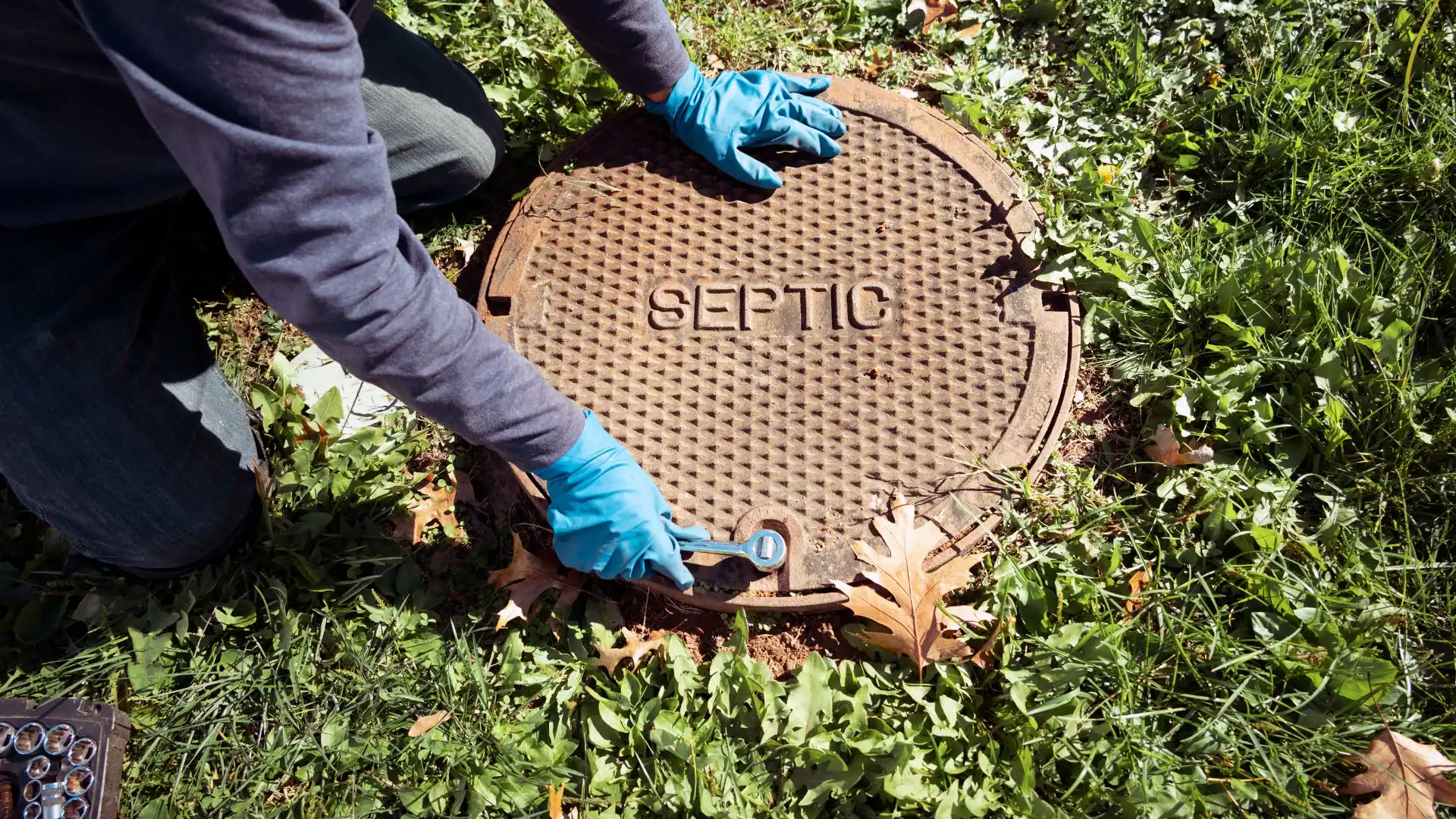
When you search for a drainage contractor in Middle Island, most of what comes up are cesspool and septic companies. That’s a completely different problem. We’re a landscape drainage company we deal with how water moves across and through your land. French drains, catch basins, dry wells, surface regrading, channel drains that’s our work.
We’ve served homeowners across the Longwood Central School District’s 53-square-mile footprint, including Middle Island, Coram, Ridge, Yaphank, and the surrounding hamlets. We know the soil conditions here in Middle Island, we know how Brookhaven Town’s stormwater codes work, and we know what the August 2024 storms exposed about which properties were protected and which weren’t.
Every project starts with a real site assessment not a phone quote. We look at your property, understand where the water is coming from and where it needs to go, and design a system that actually addresses the root of the problem.
It starts with a site walkthrough. We come out, look at the property, and trace the water’s path where it enters, where it collects, and where it needs to go. In Middle Island, that means accounting for your lot’s grading, any proximity to Artist Lake, Pine Lake, or the Carmans River watershed, and whether your soil has been compacted or disrupted by past construction. That context matters before a single shovel goes in the ground.
From there, we put together a drainage design specific to your property. That might mean a French drain running along a fence line, a catch basin at a low point in the yard, a dry well to handle roof runoff, or a combination of all three. We also make sure the discharge point is appropriate Town of Brookhaven’s Chapter 86 stormwater code prohibits redirecting water onto neighboring properties, and we design every system with that in mind from the start.
Once the work is done, we restore the yard. Turf, topsoil, landscaping it all goes back. You don’t need to hire a separate crew to fix what the drainage installation disturbed. That’s part of the job here, not an add-on.
Ready to get started?
The drainage work we do in Middle Island is designed around what’s actually happening here not a one-size-fits-all system pulled from a catalog. The Pine Barrens aquifer sits beneath this area and supplies all of Long Island’s drinking water. That means discharge points matter, runoff paths matter, and the contractor you hire needs to understand the environmental sensitivity of working in this watershed. We do.
Whiskey Road the main artery running from Ridge Road to County Road 21 right through Middle Island required active drainage remediation before it could even be repaved. The Town of Brookhaven’s own crews had to install additional drainage and raise the road at low points to move water to functioning drains. If the town’s road infrastructure needed that kind of intervention, the drainage challenges on private residential lots in Middle Island aren’t hypothetical. They’re real, and they’re common.
Whether your issue is a backyard that holds water for days, a driveway that channels runoff toward your front door, or a foundation that’s been taking on moisture season after season, we assess the full picture and build a system that handles it. One contractor, one project, one result and a workmanship warranty behind every installation.
It’s a fair question, and it trips a lot of people up. Middle Island sits within the Long Island Central Pine Barrens, where the native soil is naturally sandy and drains quickly under undisturbed conditions. The problem is that most residential lots in this area haven’t been undisturbed in decades. Construction compacts the soil, driveways and patios add impervious surface, and grading settles over time all of which disrupts the natural drainage pattern that made the sandy soil useful in the first place.
What you’re left with is a lot where water that used to infiltrate now runs across the surface and collects in low spots. It’s not the soil type that’s failing you it’s the altered grading and surface conditions on your specific property. A drainage system designed around your lot’s actual topography, combined with proper discharge routing, is what corrects it. That’s a landscape drainage problem, not a plumbing problem, and it requires a contractor who understands the difference.
For most residential drainage projects on Long Island, you’re looking at a range of roughly $2,100 to $7,200 depending on the scope of work. A straightforward French drain installation runs $10 to $50 per linear foot. More complex systems catch basins, dry wells, surface regrading, or full yard drainage design will land toward the higher end or beyond it depending on your property’s specific needs.
What’s worth keeping in mind is the comparison. The average water damage insurance claim pays out nearly $14,000. Foundation repairs from water intrusion routinely run $23,000 to $48,000. A properly installed drainage system is almost always cheaper than the damage it prevents and in Middle Island, where home values are approaching $500,000, protecting that investment with a functional drainage system is one of the more straightforward financial decisions a homeowner can make. We provide written quotes before any work begins, so you know exactly what you’re getting into before you commit.
It depends on the scope of the project, but there are a few things Middle Island homeowners should know upfront. The Town of Brookhaven has a stormwater management code under Chapter 86 that specifically prohibits redirecting stormwater runoff onto neighboring properties without prior approval. That’s not a technicality it’s a real legal constraint that affects how a drainage system has to be designed. If your contractor isn’t aware of it, you could end up with a system that creates a neighbor dispute or a code violation.
For larger projects involving significant land disturbance or new impervious surface, Brookhaven may require a Stormwater Pollution Prevention Plan (SWPPP) in line with NYSDEC requirements. Projects near wetlands, watercourses, or water bodies including the Carmans River watershed and the lakes within Middle Island may also trigger review under Chapter 81. We’re familiar with Brookhaven’s regulatory environment and design every system to comply with it from the start, which protects you from problems down the road.
The Town of Brookhaven actually has a straightforward standard for this: if water is still pooling on your property more than 24 hours after rain stops, your drainage is not functioning properly. That’s the threshold the town uses to evaluate whether its own 44,000 drainage structures are working and it’s a reasonable benchmark for your yard too.
Beyond the 24-hour rule, a few things should move this up your priority list. If water is pooling within a few feet of your foundation, that’s not a cosmetic issue it’s a structural risk. If your basement has taken on moisture during heavy storms, the source is almost always surface water that isn’t being directed away from the house. And if you were one of the homeowners in Suffolk County who saw water levels during the August 2024 storms that you’d never seen before, that’s a signal worth taking seriously. Climate experts are clear that those kinds of events are becoming more frequent on Long Island, not less. Getting ahead of it now is significantly cheaper than reacting after the damage is done.
These are three different tools that solve three different parts of the same problem, and most residential drainage systems use some combination of them depending on the property.
A French drain is a gravel-filled trench with a perforated pipe running through it. It intercepts water moving through the soil or across the surface and redirects it away from where it’s causing problems typically along a foundation, fence line, or slope. A catch basin is a surface inlet, usually a grated box set into the ground at a low point in the yard, that collects surface water before it can pool and channels it into an underground pipe. A dry well is an underground chamber often perforated concrete or plastic that receives collected water and allows it to slowly infiltrate back into the soil. On Middle Island properties near the Pine Barrens, dry wells work well in areas where the native sandy soil is still relatively undisturbed beneath the surface. Each system has a specific application, and the right design depends on where your water is coming from, how much of it there is, and where it needs to go.
Yes, but it requires a contractor who knows what they’re doing in that environment. Properties near Artist Lake, Pine Lake, Spring Lake, or the Carmans River headwaters in Middle Island fall within areas where the Town of Brookhaven’s Chapter 81 wetlands and waterways regulations may apply. Depending on how close the work is to a regulated water body, certain activities may require review or approval before work begins. This isn’t a reason to avoid the project it’s a reason to hire someone who understands the local regulatory picture.
Beyond the permit question, drainage work near water bodies in this area carries real environmental weight. The Central Pine Barrens overlays a federally designated sole-source aquifer meaning all of Long Island’s drinking water comes from groundwater, and there are no reservoirs as a backup. Discharge points and runoff paths matter here in a way they simply don’t in other parts of Long Island. We design drainage systems near sensitive areas with that responsibility in mind, making sure water is managed in a way that protects both your property and the watershed that the entire region depends on.