
Hear from Our Customers
Most Miller Place homeowners don’t think about drainage until they’re standing in three inches of water. After August 2024 dropped nearly 10 inches of rain on the North Shore in a single event, a lot of people stopped putting it off. If your yard flooded that night or has been holding water longer than it should after any heavy rain the problem isn’t going away on its own.
What a properly installed drainage system gives you is simple: water moves away from your home instead of toward it. No more soggy patches that kill grass and invite mosquitoes. No more watching a puddle creep toward your foundation and hoping it stops. No more basement smell after every storm. You get your yard back, and more importantly, you protect a home that’s worth protecting.
In Miller Place, where a lot of the housing stock was built in the 1970s and 1980s, original drainage infrastructure if there was any is aging. Grading shifts over time. French drains silt up. Systems that handled a normal rainy season 30 years ago aren’t built for what the North Shore throws at properties today. Getting ahead of it now costs a fraction of what foundation repair runs if water keeps winning.
When you search for drainage help in Miller Place, most of what comes up is plumbers. They’re great at what they do pipes, clogs, sewer lines. But if your yard is flooding, your lawn won’t dry out, or water is running toward your foundation from the grade above, that’s not a plumbing problem. That’s a landscape drainage problem, and it takes a different kind of contractor to fix it.
We work across the North Shore of Long Island Miller Place, Sound Beach, Mount Sinai, Rocky Point, and the surrounding areas. We know the terrain here. We know what hilly properties near Cordwood Landing deal with after a storm. We know the soil conditions near Mount Sinai Harbor. We know what Town of Brookhaven requires before a drainage system gets installed. That local knowledge isn’t a footnote it’s what separates a system that works from one that fails the next time it rains hard.
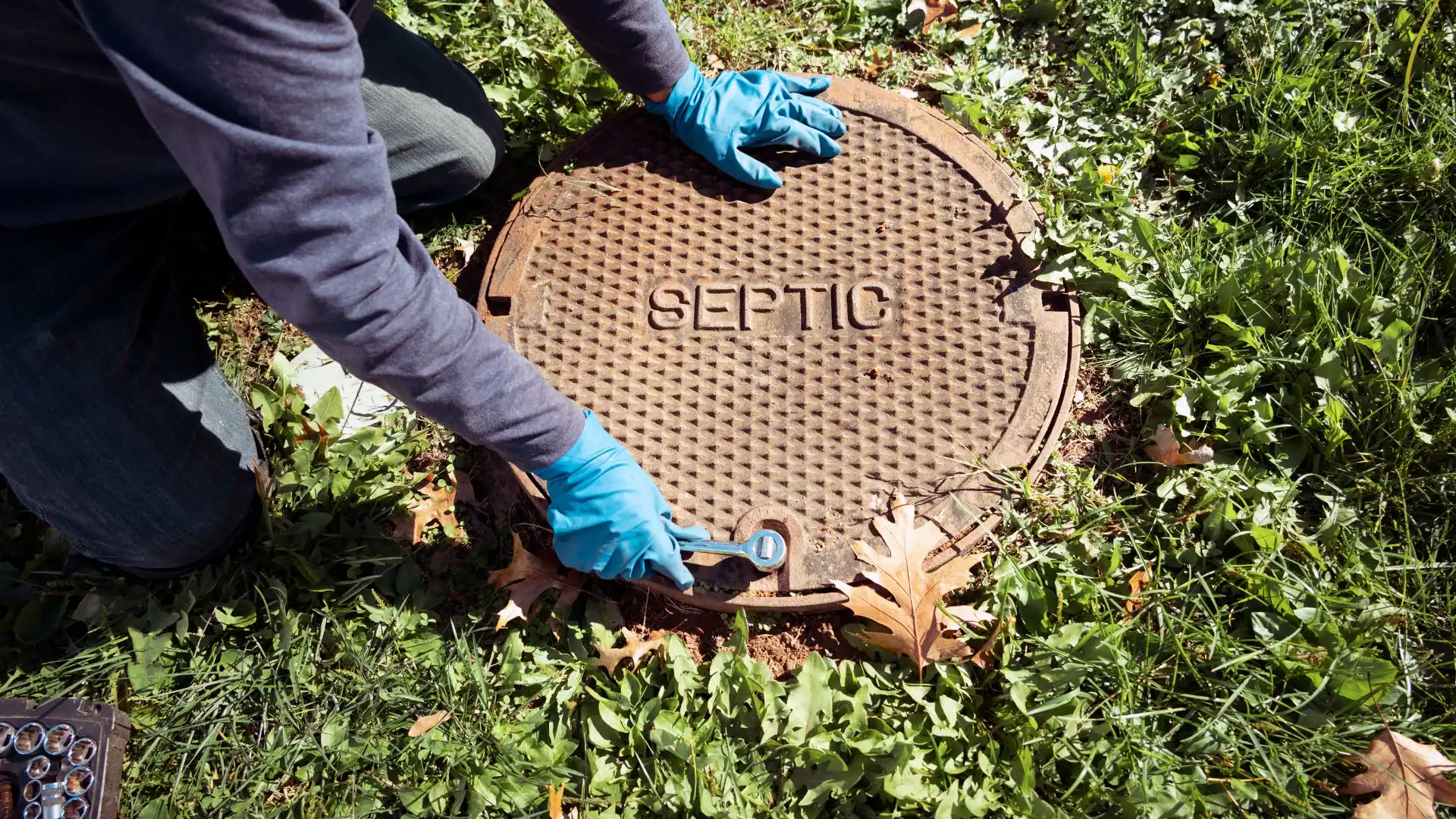
It starts with a site assessment not a sales pitch. Before anything gets designed or quoted, we walk the property and map how water is actually moving across it. Where is it coming from? Where is it pooling? What’s the grade doing? What does the soil look like? In Miller Place, that last question matters more than most people realize. The Town of Brookhaven requires a soil percolation test before drainage installation, and the results directly affect what kind of system will actually work on your specific property. We handle that process the right way from the start.
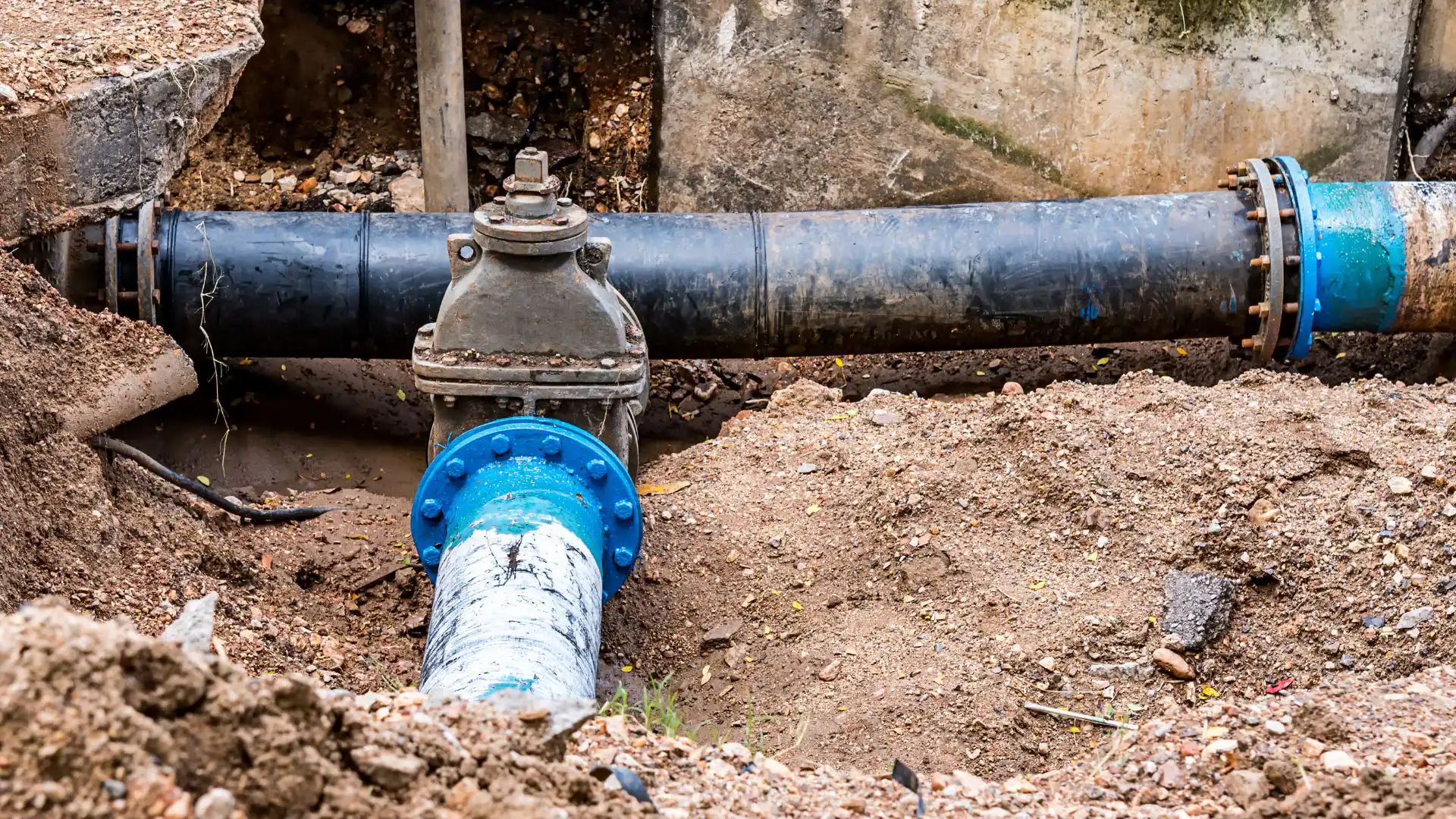
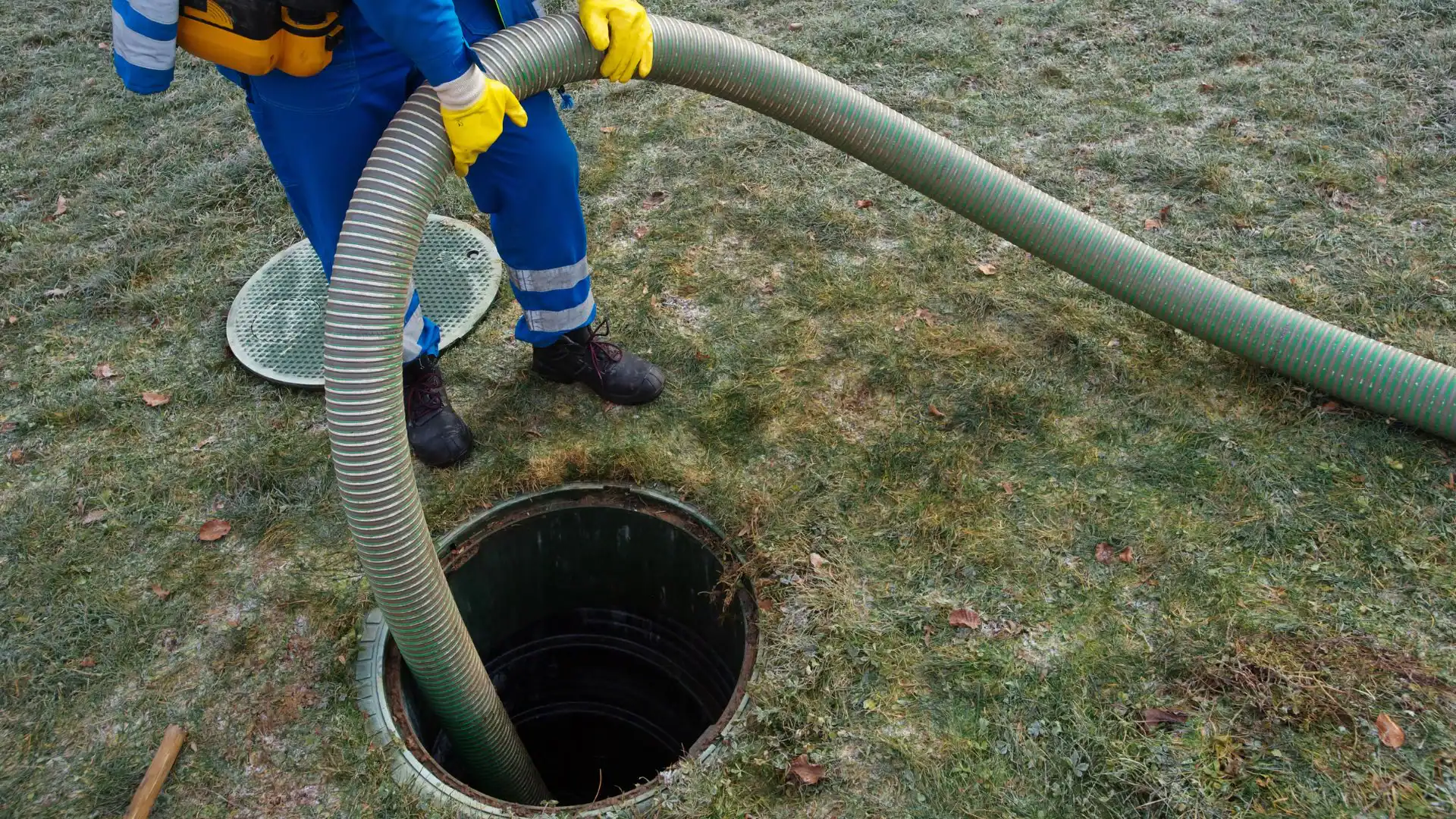
Once we understand the full picture, we design a system around it. That might mean a French drain to intercept and redirect subsurface water, a catch basin to collect surface runoff, regrading to correct the slope, or a combination of several approaches working together. There’s no single formula the North Shore’s varied terrain means what works on a flat lot in central Suffolk County may be completely wrong for a hilly property near the bluffs.
When the work is done, we restore the yard. You shouldn’t end up with a trench-scarred lawn that looks worse than when we started. By the time we leave, the ground is graded, seeded or sodded as needed, and the system is ready for whatever comes next whether that’s a normal rainy week or another August 2024.
Ready to get started?
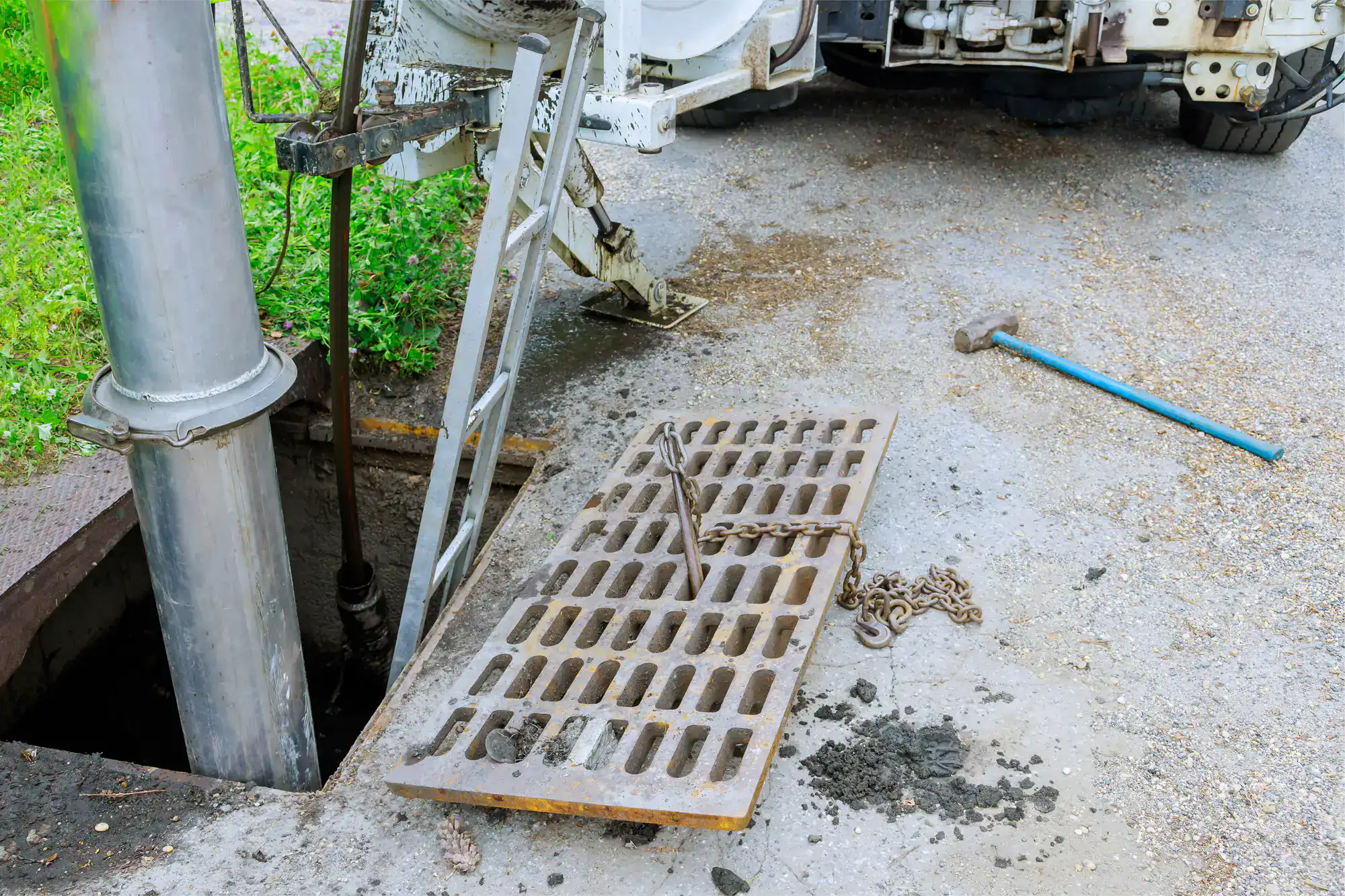
Drainage work in Miller Place isn’t one-size-fits-all, and the services we provide reflect that. French drain installation is one of the most common solutions for properties dealing with subsurface water buildup especially on sloped terrain where water migrates downhill from neighboring grades. Catch basins handle concentrated surface runoff, particularly in low spots or near driveways where water collects fast. Yard regrading corrects the root cause on properties where the slope has settled over time and is now directing water toward the house instead of away from it.
For properties near Mount Sinai Harbor or in areas with higher water table conditions, dry wells and subsurface discharge systems are often part of the solution though any system that interacts with groundwater goes through Suffolk County Health Department review, given Long Island’s sole-source aquifer designation. We know that process and build it into the project timeline so nothing gets held up after work begins.
Every drainage project in Miller Place also has to comply with Town of Brookhaven’s stormwater code, which prohibits redirecting runoff onto neighboring properties. That’s not just a technicality it’s a liability issue for homeowners if it’s done wrong. We design every system to manage water on your property or direct it to an approved discharge point, so you’re covered on all fronts when the job is complete.
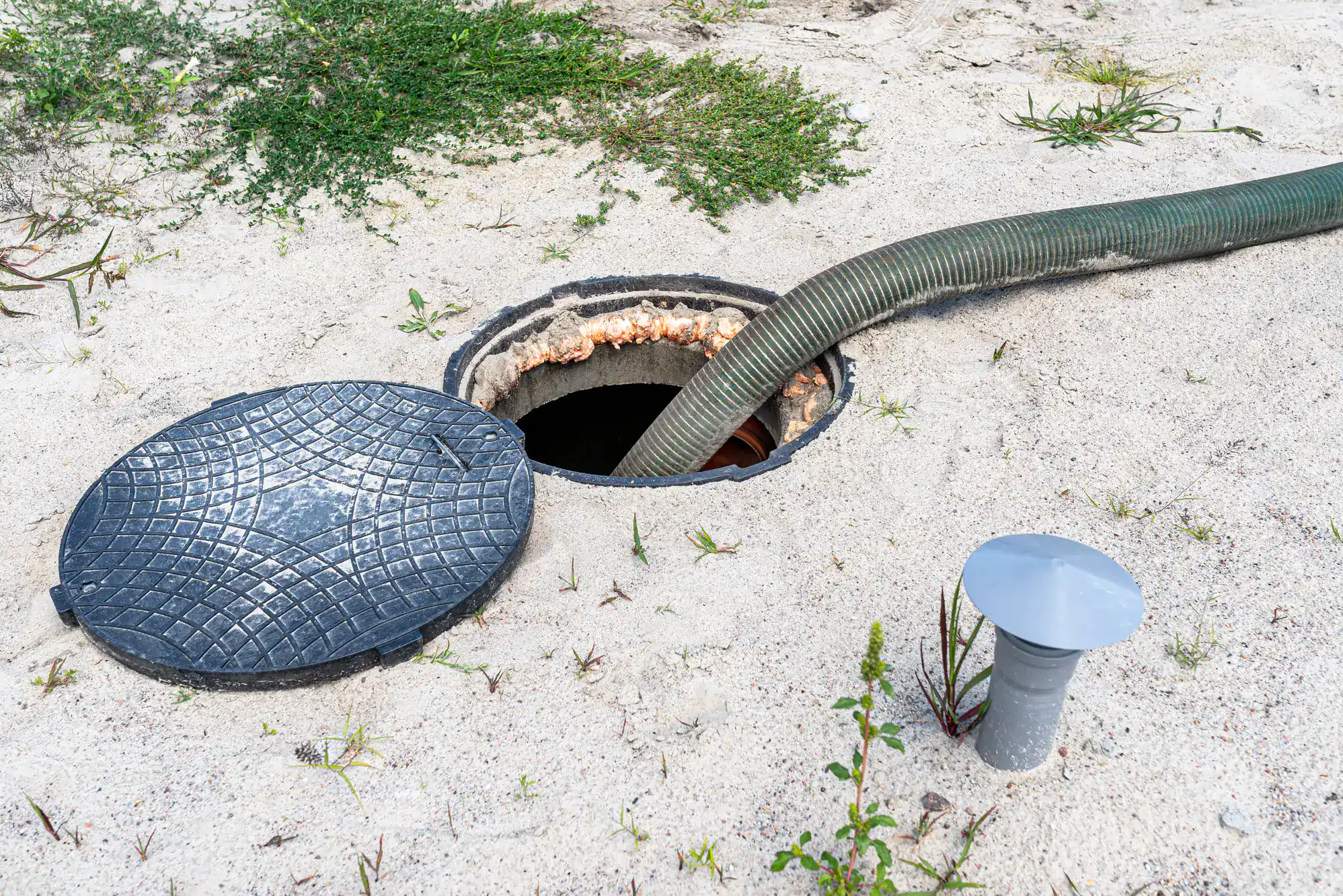
A few things could be happening, and they’re not mutually exclusive. The most common cause is poor or degraded grading the slope of the ground around your home is directing water toward low spots instead of away from them. Over time, soil settles, landscaping changes, and what used to drain reasonably well stops working. The second common cause is soil permeability. Parts of Miller Place have heavier, more clay-dense soil that doesn’t absorb water quickly, so even a moderate rain event can leave the surface saturated for days.
The third factor is the North Shore terrain itself. Miller Place isn’t flat. If your property sits at the base of a slope or receives runoff from a neighboring grade, you’re collecting water from more than just your own yard. A drainage system that only addresses what’s on your property without accounting for where the water is coming from uphill will underperform every time it rains hard. A proper site assessment identifies all three factors before any solution gets designed.
A plumber works inside the pipe system blockages, broken lines, sewer backups, water supply issues. If your drain is clogged or your sewer is backing up, that’s the right call. A landscape drainage contractor works with how water moves across and through your land surface grading, subsurface drainage systems, catch basins, French drains, and the overall flow path water takes from the moment it hits the ground to where it ends up.
When a yard floods, a basement takes on moisture from the outside, or water is running toward a foundation, that’s almost never a plumbing problem. It’s a grading and drainage problem. The pipe inside the wall isn’t the issue the water outside the wall is. That’s the distinction that matters, and it’s why a lot of Miller Place homeowners who’ve called a plumber first are still dealing with the same problem. The two trades solve different things.
In most cases, yes at least in part. The Town of Brookhaven operates under a Phase II MS4 stormwater management program, which means drainage work is regulated and has to meet specific standards. One of the most important requirements is a soil percolation test, which must be performed by a qualified professional before installation. The test determines how quickly your soil absorbs water, and it directly affects what kind of drainage system is appropriate for your property.
Beyond that, Brookhaven’s stormwater code prohibits diverting runoff onto neighboring properties without prior approval. That means any drainage system needs to be designed to manage water on-site or direct it to an approved discharge point not just push the problem next door. For larger projects or those near sensitive water bodies like Mount Sinai Harbor, NYSDEC review may also apply. We handle the regulatory side of every project, so you’re not navigating that on your own.
Most residential drainage installations fall somewhere between $2,000 and $8,000, depending on the scope of the problem, the size of the property, the type of system required, and site-specific conditions. A straightforward French drain on a smaller lot is going to cost less than a full regrading and catch basin system on a larger property with multiple drainage issues. The soil percolation testing that Brookhaven requires adds a step to the process, but it also ensures the system is designed correctly for your specific site which saves money in the long run.
It helps to frame the cost against what you’re protecting. Miller Place homes carry median values in the $600,000 to $860,000 range. Foundation repair from water damage runs $23,000 to $48,000. A basement flooding event averages $10,000 to $26,000 in damage. A drainage system that prevents those outcomes isn’t a landscaping expense it’s one of the most cost-effective investments you can make in a home at that value. We provide detailed written quotes before any work begins, so you know exactly what you’re getting and what it costs.
The most obvious sign is standing water that sticks around for more than 24 to 48 hours after rain stops. But there are subtler indicators that are worth paying attention to before it gets to that point. Grass dying in a specific low spot, a damp or musty smell in a basement or crawl space, soil erosion along a slope or near a downspout, and efflorescence those white mineral deposits on foundation walls are all signs that water is finding its way somewhere it shouldn’t be.
For homes in Miller Place built in the 1970s and 1980s, there’s an additional consideration: even if a drainage system was installed originally, it’s been working for 40 to 50 years. French drains fill with silt. Catch basins collect debris. Pipe joints shift and separate. A system that handled a typical rainy season in 1985 wasn’t designed for the kind of rainfall intensity the North Shore experienced in August 2024. If your home is in that age range and has never had a drainage assessment, it’s worth scheduling one before the next storm season rather than after.
It does, and the impact is more direct than most homeowners expect. In a market where Miller Place homes regularly list between $600,000 and $860,000, water-related issues are among the most common reasons buyers negotiate down or walk away entirely. A soggy yard, a damp basement, or visible erosion near the foundation are red flags during a showing and they show up in inspections even when sellers aren’t aware of them.
Resolving drainage issues before listing removes one of the most common negotiating points buyers use to lower their offer. Beyond resale, there’s the ongoing value of not losing money to water damage in the meantime. Homes with documented, properly installed drainage systems are easier to insure, easier to sell, and less likely to develop the kind of structural issues that compound over time. In a community like Miller Place, where homeowners tend to stay long-term and have significant equity invested, getting drainage right is less about curb appeal and more about protecting what you’ve built.