
Hear from Our Customers
North Patchogue gets hit with serious rainfall nor’easters, summer thunderstorms, and the occasional tropical system that dumps inches in hours. The August 2024 flooding that triggered a state disaster declaration for Long Island wasn’t a fluke. It was a reminder that if your yard drainage isn’t built for peak storm conditions, it’s not really built for anything.
When a proper drainage system is in place, your yard stops being the problem after every storm. No more standing water that takes days to absorb. No more muddy patches killing your lawn. No more anxious walks around the foundation every time the forecast calls for rain. You get your yard back and you stop watching a slow-motion threat to your home’s structure.
For homes near Canaan Lake in North Patchogue, this matters even more. That area carries a naturally elevated water table, especially after heavy rain, which means surface water has nowhere to go fast. A drainage system designed with that local hydrology in mind not a generic fix dropped in without a real site assessment is the difference between a yard that drains and one that just moves the problem around.
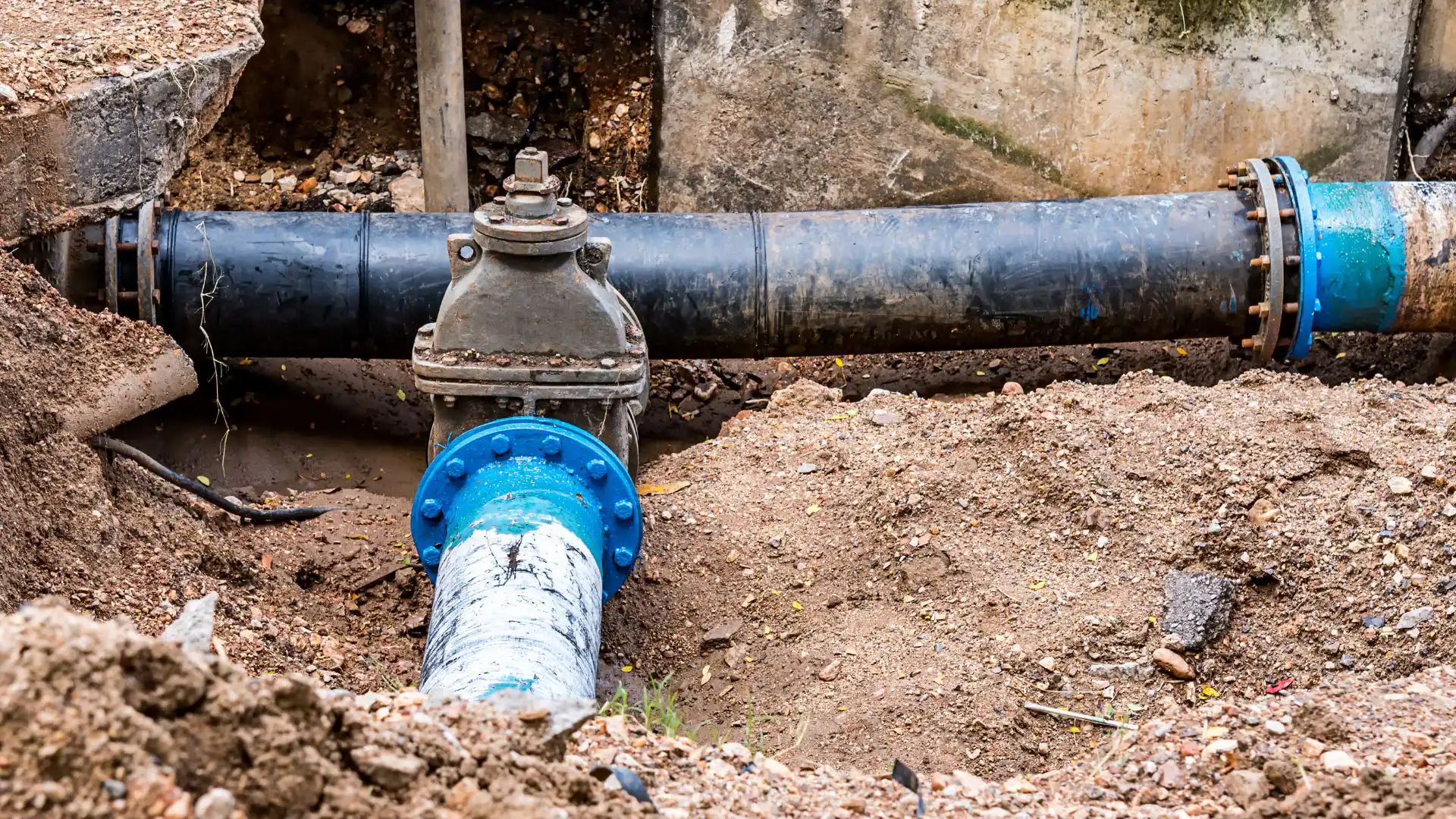
We’re a landscape drainage contractor serving North Patchogue and the broader Suffolk County area. We specialize in the landscape side of drainage French drains, catch basins, dry wells, surface regrading, and stormwater management not pipe cleaning or sewer work. That distinction matters, because most yard flooding problems in North Patchogue aren’t plumbing problems, and calling the wrong contractor first costs you time and money.
We work in the Town of Brookhaven regularly and understand what that means for your project including the requirement that stormwater be contained on your property rather than redirected onto neighboring land or the public right-of-way. That’s not a technicality. It’s a design constraint that affects every drainage system we build here, and we account for it from the start.
Every project starts with a real site assessment. We look at where the water is coming from, how much volume is involved, what the soil is doing, and where it needs to go. That’s how problems actually get solved.
It starts with a site visit. We walk your property, map the water flow, check the grade, and assess soil conditions including how close you are to Canaan Lake or any of the waterways that feed into the Patchogue River system. Water table depth affects what kind of system will actually work on your property, and we need to see it firsthand before recommending anything.
From there, we put together a clear, written quote that breaks down exactly what will be done, what materials will be used, and what the total cost is before any work begins. No vague estimates. No scope that quietly expands once we’re on the job. You know what you’re paying for before a single shovel hits the ground.
Once the work starts, we handle everything excavation, drainage installation, and full yard restoration when we’re done. Because in North Patchogue’s established neighborhoods, most of the homes were built decades ago and the last thing you want is a torn-up yard sitting for weeks. We treat the restoration as part of the job, not an afterthought. When we leave, the drainage works and the yard looks like it should.
Ready to get started?
The drainage solutions we install are selected based on what your property actually needs not a one-size-fits-all package. French drains are common in North Patchogue’s residential lots because they move subsurface water effectively in sandy loam soils, but they need to be sized and positioned correctly to handle the volume of a serious nor’easter. Catch basins and channel drains address surface water that accumulates faster than the ground can absorb it. Dry wells give that water somewhere to go on-site which is essential in Brookhaven, where the town code requires stormwater to stay on your property.
For homes near Canaan Lake or in lower-lying parts of North Patchogue, we factor in the water table before designing anything. When the table is high, a standard French drain can back up because there’s no gradient to discharge into. That’s a common reason previous drainage fixes fail the contractor didn’t account for local hydrology. We do.
Most of North Patchogue’s housing stock was built between the 1950s and 1980s, and those homes were never designed for today’s rainfall intensity or the cumulative runoff from decades of added driveways, patios, and impervious surfaces. If your yard is flooding and the house is older, that’s not a coincidence it’s a pattern we see regularly, and it’s one we know how to fix.
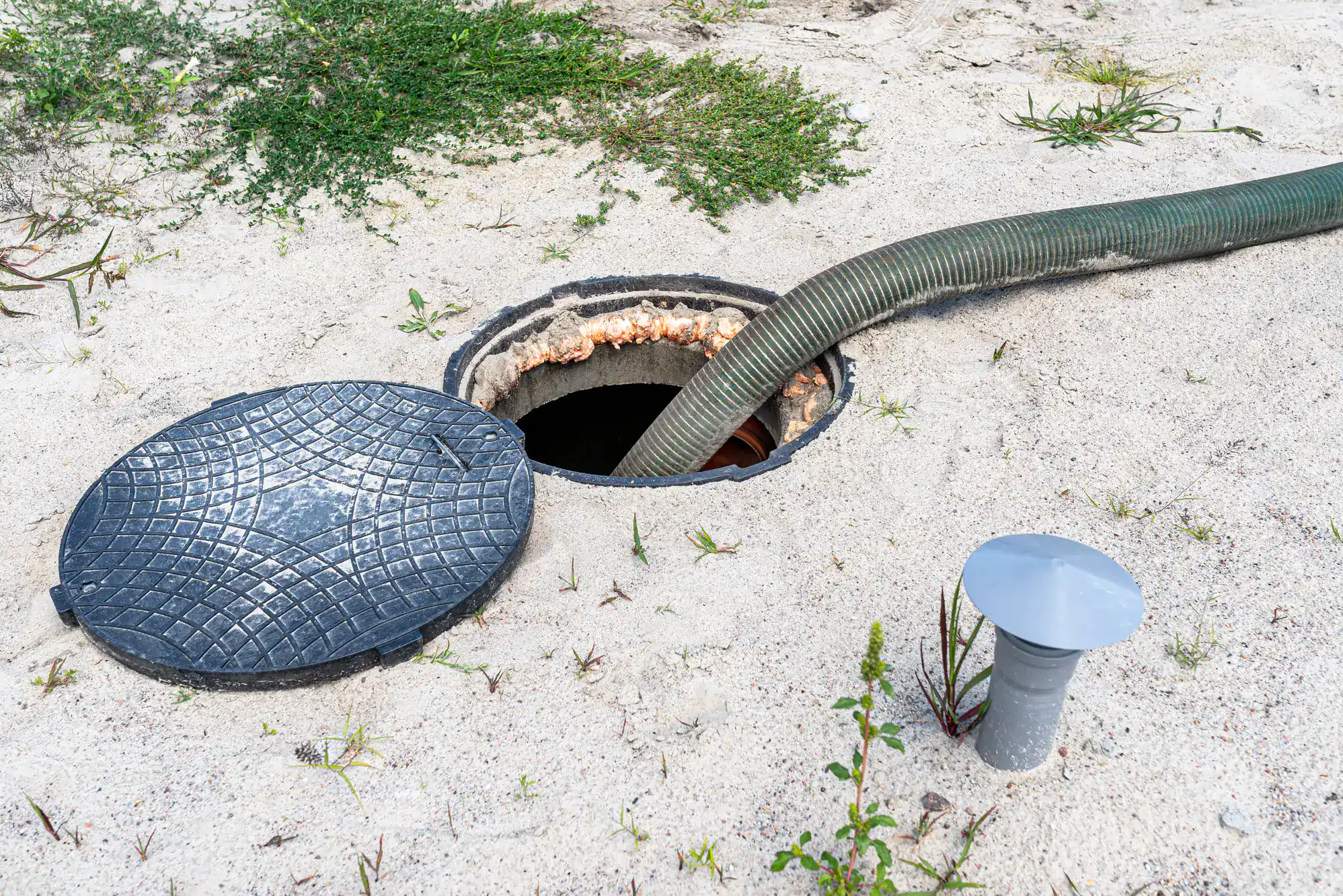
This is one of the most common situations we run into in North Patchogue. A previous contractor installed something a drain, a pipe, maybe a French drain and the yard still floods after heavy rain. The usual reason is that the fix addressed where water was pooling without diagnosing where it was coming from or how much volume was involved. A drain installed in the wrong location, or one that’s undersized for the actual storm load, will fail when a nor’easter or a serious summer thunderstorm rolls through.
In North Patchogue specifically, there’s another factor: the water table. Homes near Canaan Lake or the lower parts of the hamlet sit in areas where the water table rises significantly after heavy rain. When that happens, even a well-placed French drain can back up because the surrounding soil is already saturated. If the original contractor didn’t account for that, the system was set up to underperform from the start. A proper fix requires understanding the full picture surface water, subsurface conditions, soil percolation, and discharge options before any installation begins.
If you search for drainage help in North Patchogue, the first results you’ll likely see are plumbing companies. That’s not a coincidence plumbers rank well for drainage-related searches. But a plumber handles pipe blockages, sewer lines, and drain clogs inside your home’s infrastructure. If your toilet is backing up or your sink won’t drain, that’s a plumbing call.
If your yard floods after every storm, water pools near your foundation, or your lawn stays saturated for days after rain, that’s a landscape drainage problem. The solution involves French drains, catch basins, dry wells, surface regrading, and stormwater management none of which are in a plumber’s scope. Calling a plumber for a yard flooding problem is a common and expensive mistake. They’ll diagnose what they can fix, which usually isn’t the actual cause of your flooding. We handle the landscape side of drainage the part that’s actually responsible for what you’re dealing with in your yard.
It depends on the scope of the project, but there’s a regulatory requirement in Brookhaven that every homeowner should know before hiring a drainage contractor: stormwater runoff cannot be redirected onto neighboring properties or the public right-of-way without prior approval from an authorized body. That means any drainage system installed in North Patchogue must be designed to manage water on your property not just push it somewhere else.
For larger projects or work that disturbs significant ground area, additional documentation under New York State’s SPDES stormwater permit requirements may apply. A contractor who isn’t familiar with Brookhaven’s stormwater management framework can design a system that solves your flooding problem while creating a code violation leaving you with a notice from the town and a fix that needs to be redone. We work in Brookhaven regularly and build compliance into the design from the start, so you’re not dealing with that after the fact.
For most residential drainage projects in North Patchogue, you’re looking at a range of roughly $2,000 to $8,000 depending on the scope the size of the area, the type of system needed, how much excavation is involved, and whether yard restoration is required afterward. French drain installations typically run $10 to $50 per linear foot for standard residential work. More complex systems involving catch basins, dry wells, or regrading will land toward the higher end.
Those numbers look different when you put them next to what you’re protecting against. One inch of floodwater causes an average of $27,000 in home damage. Foundation repairs from water intrusion run $23,000 to $48,000. Basement flooding averages $10,000 to $26,000 per event. A properly installed drainage system is not a luxury expense it’s the most cost-effective form of property protection available. Every dollar spent on drainage prevention saves an estimated $5 to $8 in future damage costs. We provide detailed written quotes so you know exactly what you’re getting and what it costs before any work begins.
The right solution depends on where the water is coming from and how it’s behaving on your property. French drains are designed to intercept and redirect subsurface water they work well in North Patchogue’s sandy loam soils when the water table isn’t too high and the soil still has percolation capacity. If water is sheeting across the surface faster than the ground can absorb it common during the intense summer thunderstorms this area gets a catch basin or channel drain is often more effective because it captures surface flow before it accumulates.
Dry wells are frequently part of the solution in Brookhaven, where on-site containment is required. They give the captured water a place to slowly percolate into the ground rather than sitting on the surface or being discharged off the property. In many North Patchogue yards, especially older homes with compacted soil and lots of impervious surface from driveways and patios, the right answer is a combination of two or three of these systems working together. That’s why a site assessment matters there’s no way to recommend the right system without actually looking at your property.
Honestly, the best time is before the next storm causes damage which on Long Island means there’s rarely a bad window. That said, late summer through early fall tends to be a practical sweet spot for North Patchogue homeowners. The ground is workable, the heavy spring rain season has passed, and you have time to get a system installed and settled before nor’easter season picks up in late fall and winter. Getting ahead of that window means your yard is ready when the storms that matter most arrive.
Spring is also a common time homeowners call us usually right after a nor’easter or a stretch of heavy rain makes the problem impossible to ignore. That’s fine too, and we can often work through much of the year in Suffolk County’s climate. What we’d caution against is waiting through another full storm season after you’ve already identified the problem. The August 2024 flooding event was a hard reminder for a lot of North Patchogue homeowners that deferred drainage fixes don’t stay deferred they just get more expensive.