Hear from Our Customers
When your backyard floods after every significant rain, it stops being an annoyance and starts being a threat. Water that sits against your foundation long enough will find its way in and by the time you see the damage inside, the repair bill is already in the tens of thousands. A properly designed drainage system stops that before it starts.
Here’s what’s happening in most Wheatley Heights yards: the original drywells and drainage pipes installed back in the 1960s are decades past their useful life. Those systems were designed to last 25 to 30 years. They’re now pushing 60. When a drywell fills with sediment and stops absorbing, the water it used to handle doesn’t disappear it pools in your yard and migrates toward your house. Replacing the gutter downspout isn’t the fix. Redesigning the drainage system is.
Wheatley Heights also sits on Long Island’s flat mid-island plain there’s no natural slope to carry surface water away from your property. Without an engineered system doing that work, water just sits. Add in Long Island’s weather summer storms that can dump several inches in an hour, nor’easters that bring sustained heavy rain for days and a yard without proper drainage is a yard that floods on a schedule. After a proper installation, you get usable outdoor space back, a lawn that actually grows, and the peace of mind that the next big storm isn’t going to cost you.
We work throughout western Suffolk County the same flat, mid-island geography that defines Wheatley Heights. We understand what the soil does here, how the aging 1960s infrastructure fails, and what it actually takes to move water off a property that has no natural grade working in its favor. This isn’t general Long Island knowledge it’s the specific experience that comes from doing this work in Wheatley Heights, Deer Park, Dix Hills, and Wyandanch.
We’re also familiar with the Town of Babylon’s permit process and stormwater requirements. If your project requires coordination with the town, we handle it. You don’t have to figure out what paperwork is needed or who to call that’s part of what you’re hiring us for.
Every project starts with an honest assessment of what’s actually causing the problem on your property. We’re not going to sell you a French drain if a catch basin and regrading is what the situation calls for. The goal is a system that works not one that looks good on paper.
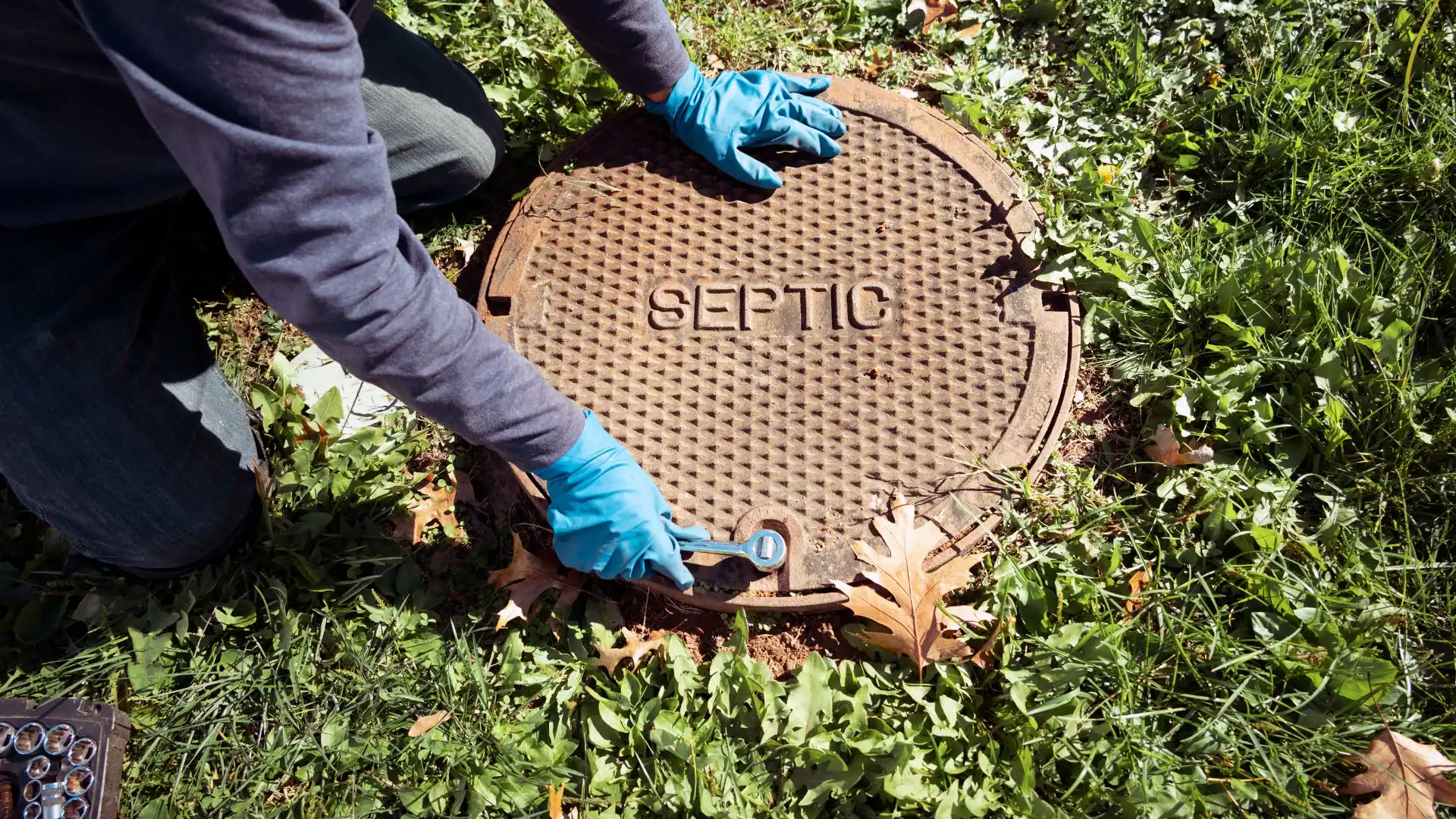
It starts with a site assessment. We walk your property, look at where water is entering, where it’s pooling, and what the existing drainage infrastructure if any looks like. In Wheatley Heights, that usually means checking on drywells that are well past their design life, downspouts discharging in the wrong locations, and soil compaction from decades of foot traffic that’s made the problem worse over time. We also take note of mature trees, since root systems from 50-to-60-year-old trees can infiltrate and crack original drainage pipes throughout the neighborhood.
From there, we put together a written quote that outlines exactly what will be done, what it will cost, and what you can expect the finished result to look like. No vague estimates, no surprise add-ons after the work starts. If the project requires a permit through the Town of Babylon, we handle that process a sewer excavation permit runs $50 and requires contractor and homeowner signatures, and we manage the coordination so you don’t have to.
Once work begins, we move efficiently and restore the yard when we’re done. Drainage installation requires excavation, but a finished project from us leaves your yard level, clean, and in better shape than before we arrived. Reseeding bare areas, restoring disturbed turf, and making sure the surface grade is right that’s part of the job, not an add-on.
Ready to get started?
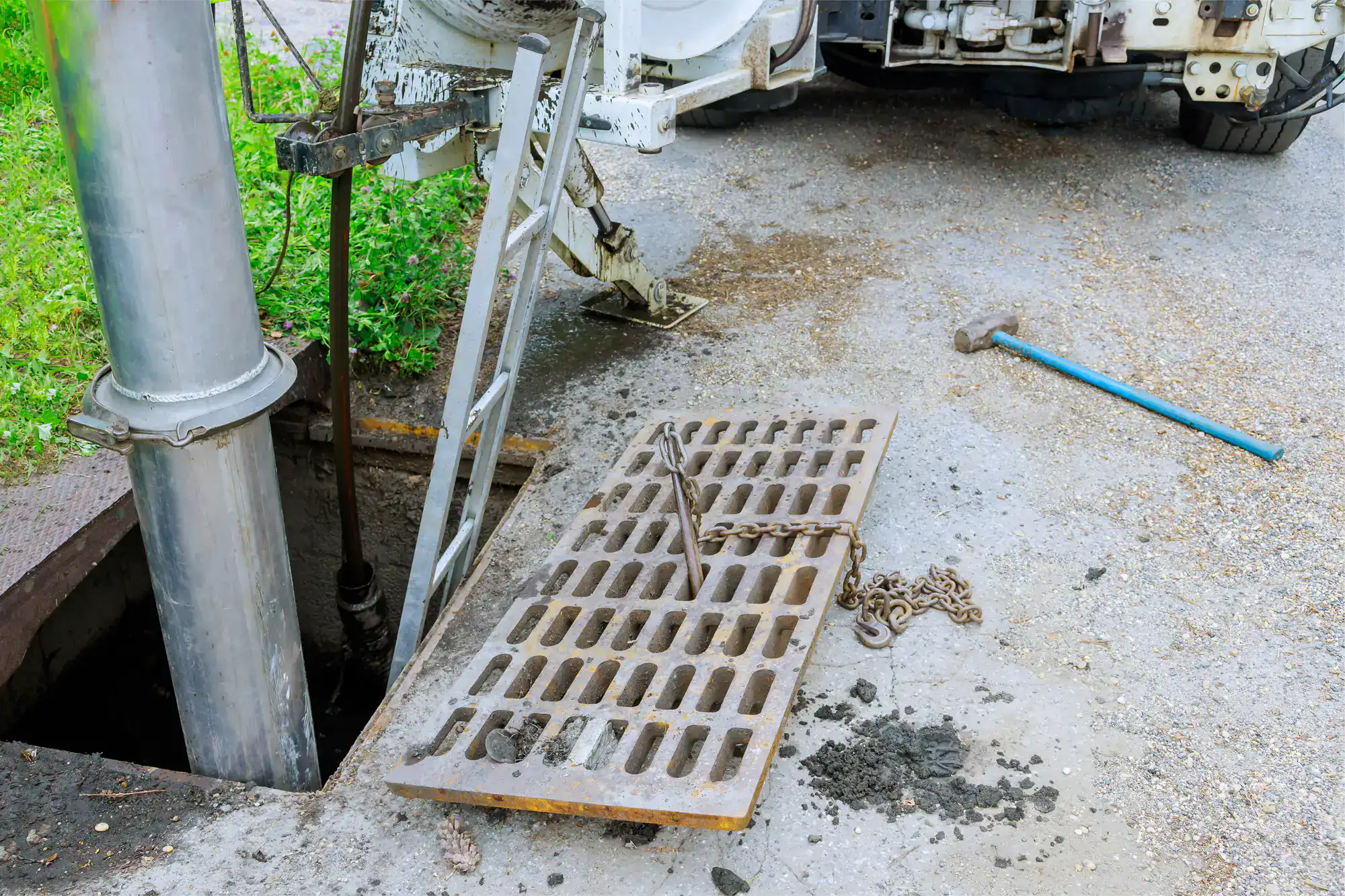
Not every drainage problem is the same, and not every yard needs the same solution. French drains work well for intercepting subsurface water and redirecting it away from foundations and low spots. Catch basins handle surface water collection in areas where runoff concentrates driveways, patio edges, low corners of a yard. Drywell replacement addresses the most common failure point in Wheatley Heights specifically: the original absorption system from the 1960s that has long since stopped working. In many cases, the right answer is a combination of these, designed as an integrated system rather than a single fix.
Surface regrading is often part of the solution too. On flat mid-island lots like most of those in Wheatley Heights, the grade of the yard itself determines where water flows or doesn’t. Regrading directs surface water away from the house and toward a collection or discharge point, which is especially important on properties where compaction and settling have created low spots over the years.
Every project also accounts for what’s specific to your property. Mature trees near Butterfly Park and throughout Wheatley Heights are a real factor we route drainage systems around established root systems wherever possible to protect both the installation and the trees. If your home is in a section of Wheatley Heights with heavier clay-bearing soil, we account for that in how the system is designed and sized. The goal is a drainage system built for your yard, not a generic one-size-fits-all install.
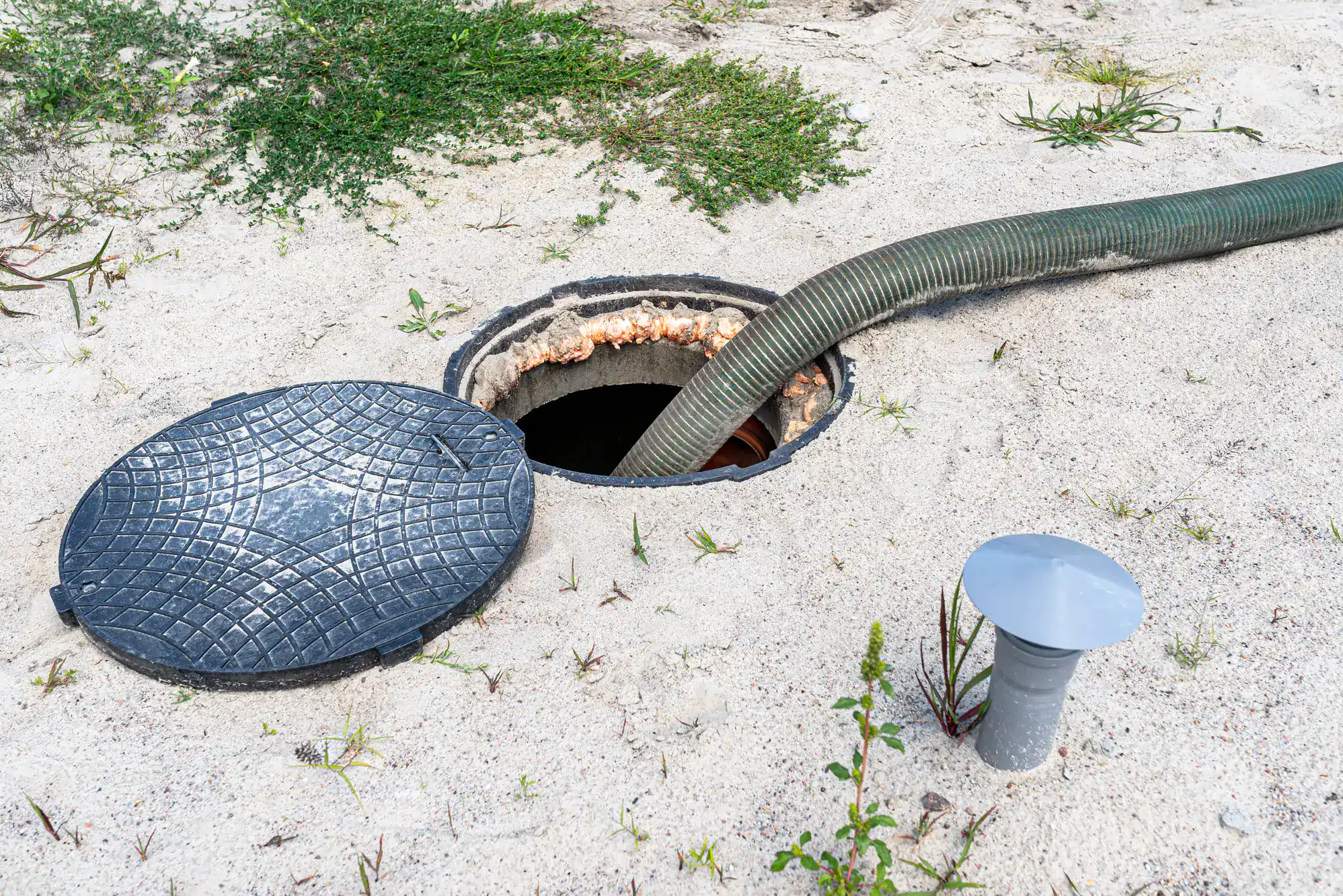
The most common reason is that the original drainage infrastructure drywells, catch basins, or drainage pipes installed when the house was built has reached the end of its useful life. Nearly half of all homes in Wheatley Heights were built between 1960 and 1969. The drywells installed alongside those homes were designed to last 25 to 30 years. When they fill with sediment, they stop absorbing water and that water has nowhere to go except your yard.
The other factor is geography. Wheatley Heights sits on Long Island’s flat mid-island plain. There’s no natural slope carrying water away from your property, so when the engineered drainage system fails, water just accumulates. Combine that with Long Island’s storm intensity summer thunderstorms, nor’easters, and the occasional extreme event like the near-10-inch rainfall Suffolk County saw in August 2024 and a yard with failed drainage infrastructure is going to flood repeatedly. The fix isn’t clearing a clogged pipe. It’s replacing or redesigning the system that’s supposed to manage that water in the first place.
A French drain is a trench filled with gravel and a perforated pipe that collects subsurface water and redirects it away from a problem area typically a foundation, a low spot in the yard, or a saturated lawn section. It works by intercepting water moving through the soil before it reaches where you don’t want it.
Whether you need one depends on what’s actually causing your flooding. If water is coming up from saturated soil or migrating toward your foundation through the ground, a French drain is often the right tool. If the issue is primarily surface runoff water sheeting across the yard after a heavy rain a catch basin or surface regrading may be more effective, or both may be needed together. That’s why a site assessment matters before any work starts. In a lot of Wheatley Heights yards, the real answer is a combination: a French drain to handle subsurface movement, a catch basin to collect surface runoff, and a drywell connection to give the collected water somewhere to discharge. Recommending a single solution without looking at your specific property first is how you end up with a system that still doesn’t work.
Residential drainage projects on Long Island generally range from around $2,000 on the lower end for straightforward installations to $8,000 or more for larger or more complex systems involving multiple components French drains, catch basins, drywell replacement, and surface regrading combined. The final cost depends on the size of the area being addressed, what’s already in the ground, how much excavation is required, and whether permit fees apply.
It’s worth putting that number in context. The average water damage insurance claim runs close to $14,000. Foundation repair from chronic water intrusion can cost $23,000 to $48,000. Basement flooding damage averages $10,000 to $26,000 per incident. For a Wheatley Heights homeowner with a home valued around $600,000, a drainage system isn’t really an expense it’s protection for an asset that’s worth significantly more than the cost of the fix. Every dollar spent on proper drainage saves an estimated $5 to $8 in damage down the road. The projects that feel expensive upfront are almost always cheaper than what happens when you wait.
It depends on the scope of the work. Standard residential drainage improvements French drains, catch basins, and drywells that stay entirely on private property typically don’t require a permit for routine installations in the Town of Babylon. However, any work that connects to or affects public stormwater infrastructure does require coordination with the town, and a Sewer Excavation Permit ($50) is required for work that touches public drainage systems. That permit requires signatures from both the contractor and the homeowner, along with approval from the Commissioner of Public Works.
The Town of Babylon is also explicit that homeowners are responsible for drainage on their own properties the town maintains public recharge basins and roadway drainage structures, but once water enters your lot, managing it is your responsibility. A licensed drainage contractor who works regularly in the Town of Babylon will know exactly which projects require permits and will handle the process for you. If a contractor can’t tell you whether your project needs a permit, that’s worth paying attention to.
This is one of the most common points of confusion for homeowners dealing with yard flooding and it’s the reason a lot of people spend money on a fix that doesn’t actually solve the problem. Plumbers and drain cleaning companies handle pipe-based issues: clogs, blockages, hydrojetting, cesspool maintenance. If your drain pipe is backed up or your sewer line is blocked, that’s who you call. But if your yard floods after every rain, that’s not a pipe problem it’s a landscape drainage problem.
Landscape drainage contractors address water at the ground level: where it enters the property, where it pools, how it moves through the soil, and how to redirect it through engineered systems like French drains, catch basins, and drywells. The local search results for drainage help in Wheatley Heights are dominated by plumbing and cesspool companies Wyandanch Plumbing, Long Island Sewer and Drain, and others all of whom are good at what they do, but none of whom can fix a saturated yard. If you’ve already had a plumber out and your yard still floods, that’s exactly why. The two services address entirely different problems.
The clearest sign is progressive worsening. If your yard drained reasonably well five or ten years ago and now floods after every significant rain, the most likely explanation is a drywell that has filled with sediment and lost its absorption capacity. Original drywells installed in the 1960s which describes most of the drainage infrastructure throughout Wheatley Heights were designed to last 25 to 30 years. At 55 to 65 years old, the vast majority are operating well past their design life.
Other signs include gutter downspouts that used to drain freely but now back up or overflow, wet spots near the foundation that appear shortly after rain starts, and lawn areas that stay saturated for days after a storm. A camera inspection can confirm whether the drywell is full, whether the connecting pipes have been infiltrated by tree roots a real issue in a neighborhood with 50-to-60-year-old trees or whether the system has physically collapsed. In most cases, the right fix is replacement combined with a reassessment of the full drainage system, since a new drywell connected to an otherwise failing setup will just fill up again faster than it should.