Hear from Our Customers
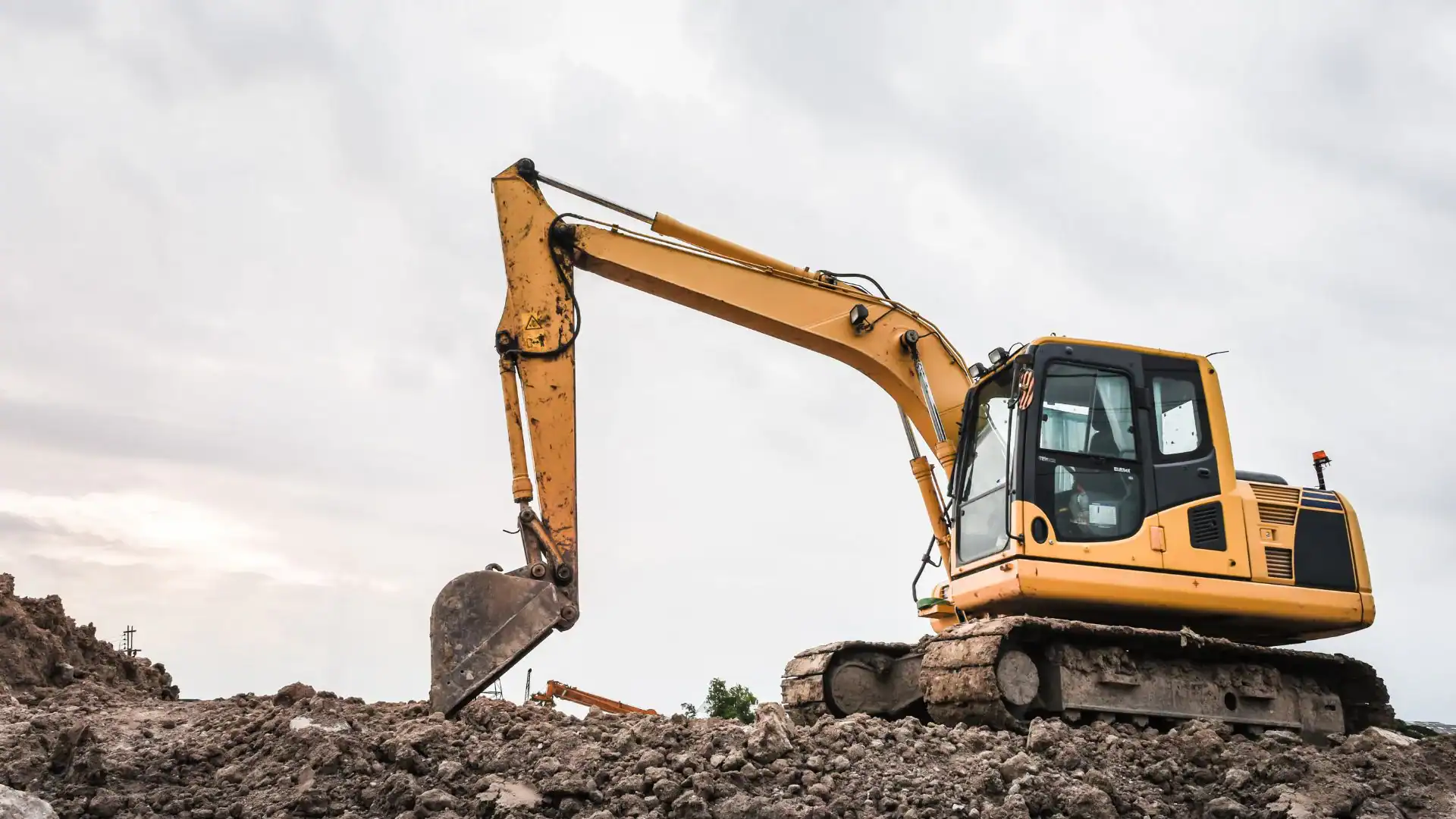
Centerport sits on Long Island’s Harbor Hill moraine a glacial formation that puts boulders, compacted till, and unpredictable soil layers right beneath some of the most valuable residential properties in Suffolk County. When you hire an excavation contractor who hasn’t worked this terrain before, you find out the hard way. Mid-project surprises turn into surprise invoices, and suddenly a straightforward pool excavation or site prep job is three weeks behind and over budget.
When the earthworks are done right, the rest of your project runs on schedule. The drainage works the way it should. The grade holds. The foundation sits level. And you’re not calling a second contractor to fix what the first one left behind. That outcome matters whether you’re adding a pool, building an addition, or overhauling the landscape on a sloped lot overlooking the harbor.
For homeowners near Centerport Harbor or on the peninsula, there’s also the water table to think about. Properties close to the water can hit saturated ground conditions that change how excavation needs to be approached. We plan for it upfront, not after digging.
We’re a Long Island–based excavation contractor serving Centerport and the surrounding North Shore communities, including Greenlawn, Northport, East Northport, and Cold Spring Harbor. The name Gold Coast Landworks isn’t just branding this stretch of the island, from Centerport Harbor to the Vanderbilt Museum estate on Little Neck Road, is the territory we work in every season.
We understand what the Town of Huntington requires when it comes to permits, engineering review, and code compliance under Chapter 87. We know what the moraine geology looks like at depth. And we know that when you’re working on a property valued near $1.2 million in a community this tight-knit, there’s no margin for sloppy work or vague communication.
Every project starts with a written, scoped quote not a ballpark. What’s included is clear before anything moves.

It starts with a site visit. Before we quote anything, we look at the lot the slope, the access, the soil indicators, and any features that need to be protected. On Centerport properties, that often means assessing how equipment will move on narrow residential streets, whether the terrain requires cut and fill work, and whether proximity to the harbor creates any groundwater considerations. We don’t price off a phone call.
Once the quote is approved and permits are confirmed through the Town of Huntington, we complete Dig Safely New York notification every time, no exceptions. That’s a legal requirement in New York State, and it’s the step that keeps underground gas, water, and electrical lines protected. Work doesn’t start until utilities are marked.
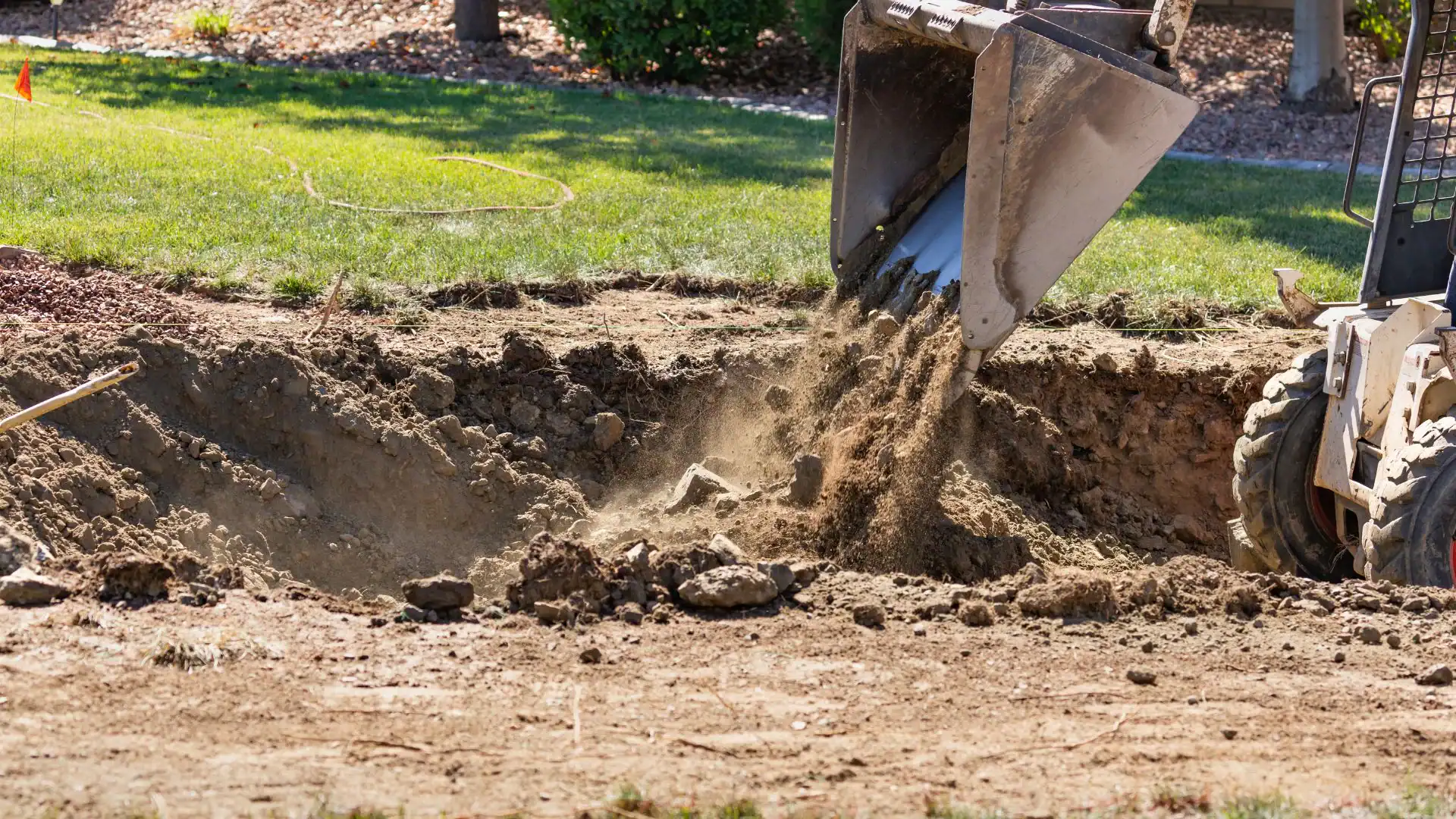
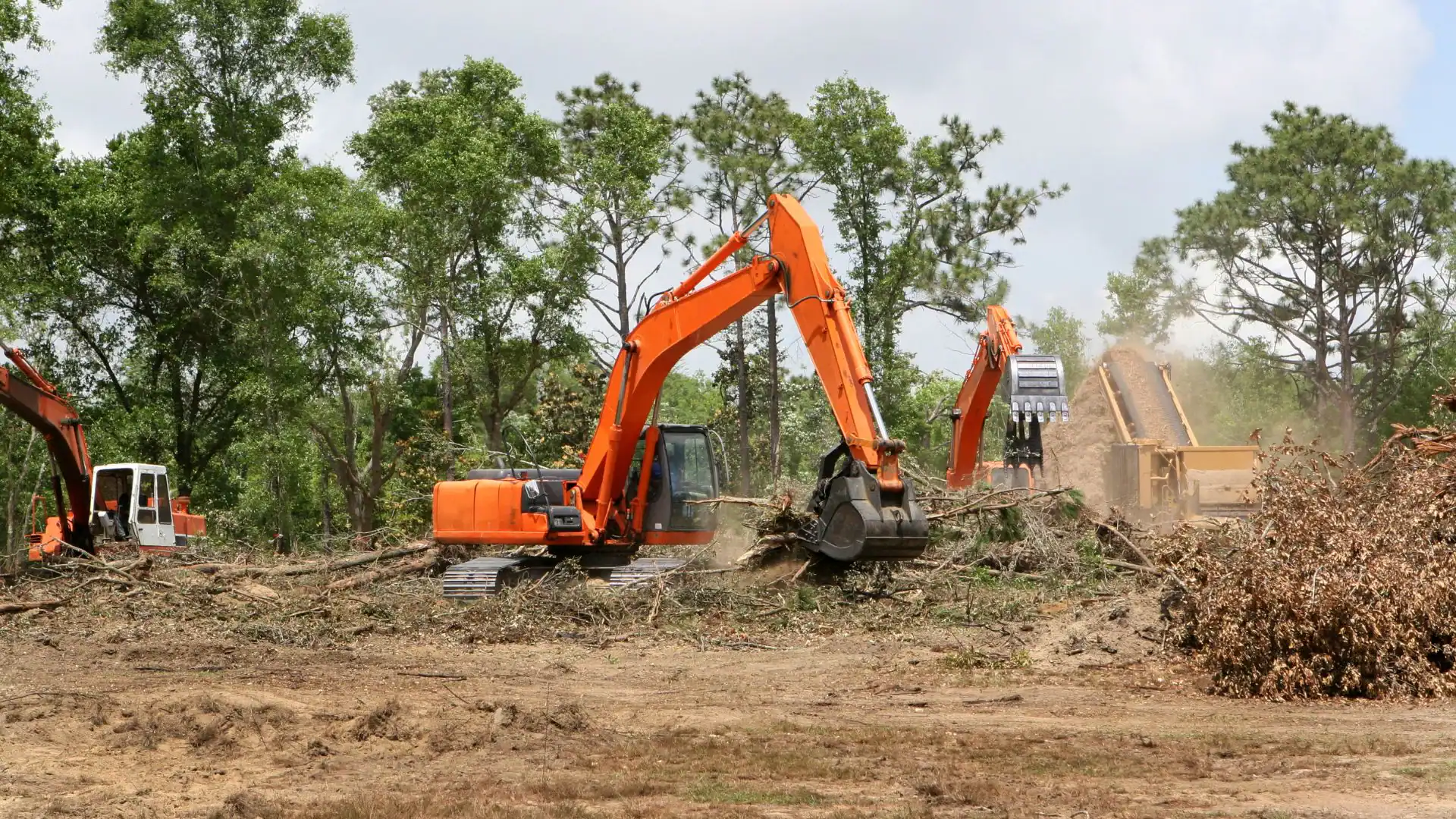
From there, the sequence depends on your project scope. Land clearing comes first if the site needs it, followed by excavation to the required depth and dimensions. Grading and drainage work follows once the dig is complete, and spoil removal is handled as part of the job not as a separate line item you find out about later. When we leave, the site is ready for the next trade, not left in a condition that creates more work.
Ready to get started?
We handle the complete range of residential and commercial excavation services in Centerport, NY from initial land clearing and site preparation through excavation, cut and fill, grading, and dig and haul. That means you’re not coordinating between a clearing crew, a separate excavation operator, and a third-party haulage company. One contractor carries the full scope, and one contractor is accountable for the result.
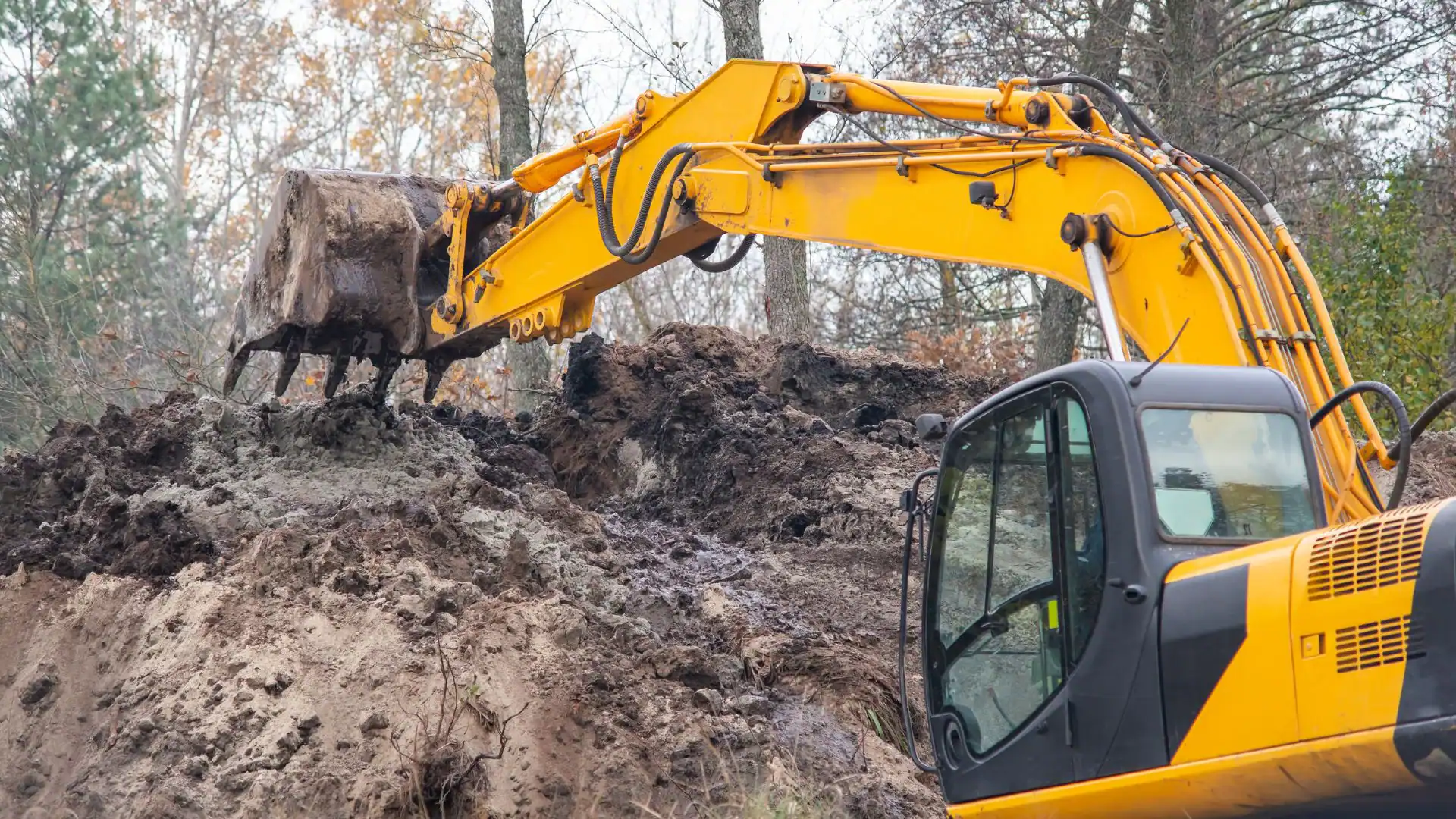
For Centerport homeowners, the most common project types are pool excavations on sloped or boulder-prone lots, retaining wall construction to manage the hilly terrain that defines so many North Shore properties, drainage system excavation for dry wells and French drains, foundation and addition site preparation, and driveway grading. These aren’t simple flat-ground digs they require operator experience with the specific conditions of this area.
On the commercial side, we handle site preparation for ground-up construction and development projects within the Town of Huntington, including rough grading, utility trench excavation, and earthworks scoped to meet engineering plan requirements. Whether the project is residential or commercial, the process is the same: a clear written scope, permit compliance from the start, Dig Safely NY notification before any digging, and a finished site that’s ready for what comes next.
In most cases, yes. Centerport falls under the jurisdiction of the Town of Huntington, which administers building permits and construction regulation through Chapter 87 of the Town Code. Permits are required for a range of excavation-related work including foundation construction, retaining walls above certain heights, and significant grading or drainage modifications that affect stormwater runoff or neighboring properties.
The specific permit requirements depend on the scope of your project. A pool excavation in Centerport, for example, is tied to the pool permit issued by the Town’s Department of Engineering Services. A freestanding retaining wall above a certain height may require engineered drawings in addition to the permit application. Work near Centerport Harbor or the Long Island Sound may also trigger review under Suffolk County Department of Health Services or NYSDEC regulations if the site is near a regulated wetland buffer or coastal erosion hazard area.
The short answer is: don’t assume you don’t need one. A stop-work order mid-project costs far more in time and money than the permit would have. We work within the Town of Huntington permit process and can advise you on what’s required before work begins.
Centerport’s position on the Harbor Hill moraine means the terrain is genuinely hilly not gently rolling, but steeply graded in many areas, particularly on the peninsula and near the harbor. That creates a few layers of complexity that don’t exist on flat South Shore lots.
First, sloped lots often require cut and fill work excavating material from higher elevations and redistributing it to create usable flat areas for pools, patios, or building pads. This takes more planning, more operator skill, and more time than a straightforward flat-ground dig. Second, the moraine geology means you’re working with a mix of sandy layers, clay lenses, and glacial boulders. Hitting a large boulder on a sloped Centerport lot isn’t unusual it’s a known feature of the local soil profile. A contractor who hasn’t worked this terrain before will often underprice the job and then come back to you for more money when the boulder shows up.
Third, sloped sites create drainage considerations. Where the water goes after grading matters both for your property and for your neighbors. That’s part of what we assess before we quote.
Dig Safely New York also known as NY 811 is the state-mandated utility notification system. Before any excavation begins in New York, the contractor is legally required to notify Dig Safely NY, which then coordinates with utility companies to mark the locations of underground gas lines, water mains, electrical cables, and telecommunications infrastructure at the project site.
Underground utility strikes cause serious injuries, significant property damage, and major legal liability. In a residential community like Centerport, where underground services run beneath established neighborhoods with mature infrastructure, the risk is real. A contractor who skips this step whether to save time or because they think they know where the lines are is putting you, your property, and themselves at risk.
We complete Dig Safely NY notification on every project before any digging starts. We document it as part of our standard process. If a contractor you’re considering can’t confirm this step clearly, that’s worth paying attention to before you sign anything.
For spring and summer projects which is peak season for pool installations, landscape overhauls, and outdoor renovation work in Centerport you should expect contractors to be booked four to eight weeks out, sometimes longer for larger or more complex scopes. If you’re planning a pool excavation for summer use, reaching out in late winter or very early spring gives you the best chance of locking in a start date that works for your timeline.
Fall is a second active window, particularly for homeowners trying to complete foundation work, drainage systems, or site preparation before the ground hardens in winter. Long Island typically sees ground freeze conditions from December through February, which limits excavation depth and workability on some project types.
The practical advice is simple: don’t wait until the ground thaws to start looking. By the time most homeowners are ready to move, the spring calendar is already filling up. A site visit and written quote cost you nothing, and they give you a real start date to plan around rather than an estimate that shifts every week.
Dig and haul means the excavated material the soil, rock, or fill that comes out of the ground is removed from your property as part of the job, not left in a pile for you to deal with later. That’s an important distinction, because not every contractor includes haul-off in their base quote. Some price the excavation separately from the removal, and the spoil disposal cost shows up as a line item after the fact.
With us, spoil removal is part of the scope. When we quote a dig and haul job in Centerport, what comes out of the ground leaves the site. That matters especially on North Shore properties where space is limited, neighboring lots are close, and leaving a significant spoil pile on a sloped lot creates drainage and erosion problems while the rest of your project catches up.
The volume of material removed depends on your project type and the depth of excavation required. A pool dig on a standard Centerport residential lot will generate significantly more spoil than a utility trench. We’ll give you a clear picture of what’s involved before work starts.
In New York, legitimate excavation contractors should carry general liability insurance and workers’ compensation coverage. Before signing any contract, you can ask for certificates of insurance directly a professional contractor will provide them without hesitation. If someone is reluctant to produce insurance documentation, that’s a meaningful red flag on a project involving a property worth what Centerport homes are worth.
Beyond insurance, it’s worth confirming that the contractor understands the local permit process. In Centerport, that means familiarity with the Town of Huntington’s Department of Engineering Services, Chapter 87 of the Town Code, and when Suffolk County or NYSDEC review is required. A contractor who doesn’t know what permits apply to your project isn’t just uninformed they’re creating compliance risk that lands on you as the property owner if a stop-work order follows.
Word of mouth carries real weight in a community as tight-knit as Centerport. Asking neighbors, checking reviews, and verifying that the contractor has actually worked on North Shore Long Island properties not just claiming to serve the area from a directory listing will tell you more than a polished website ever will.