
Hear from Our Customers
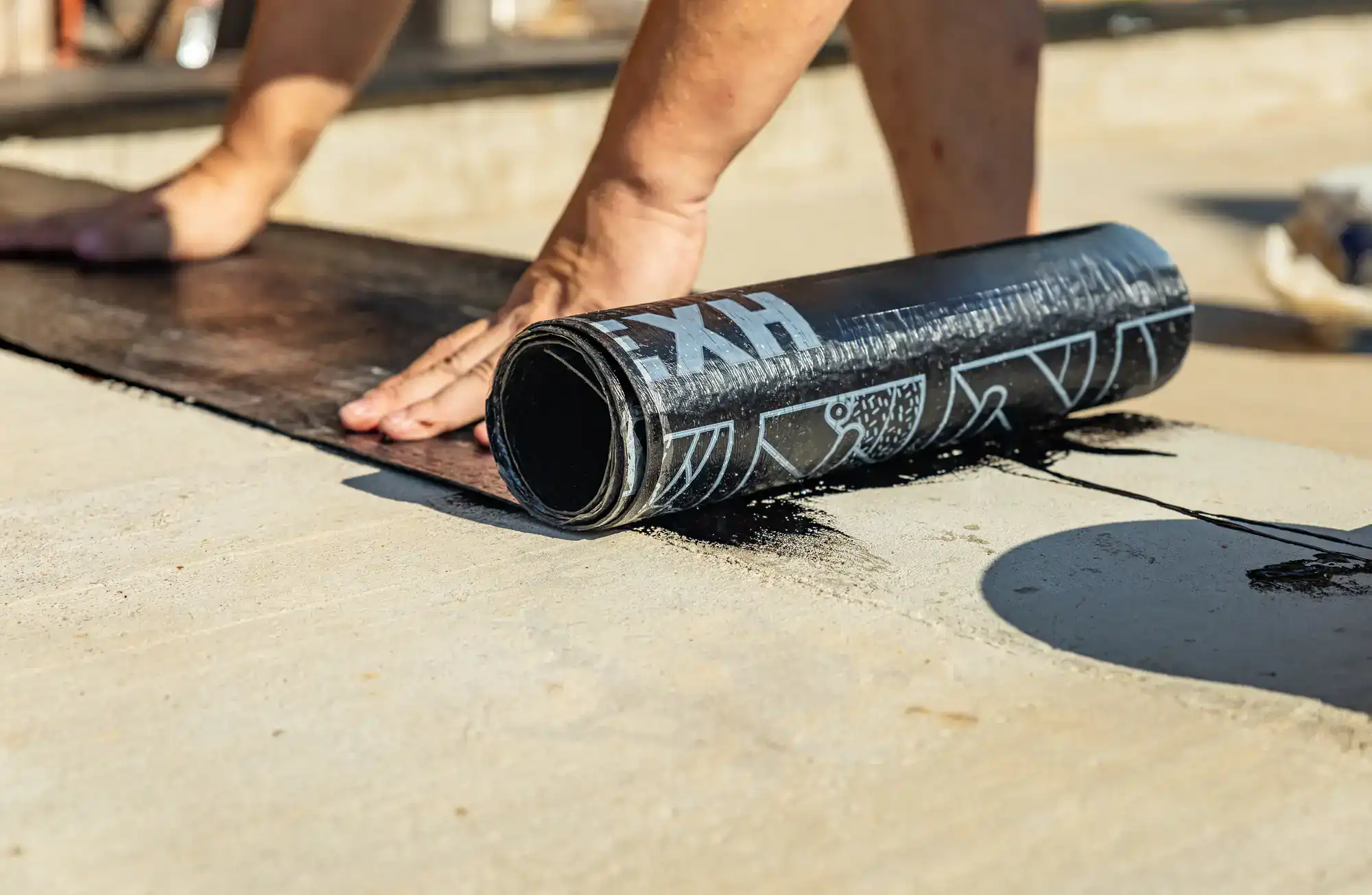
Water in your basement isn’t just an inconvenience it’s a problem that gets more expensive the longer it sits. A small foundation crack that costs under $1,500 to seal today can turn into a $10,000 structural repair in a few years if freeze-thaw cycles keep widening it through the winter. That’s the reality of owning a mid-century home in Deer Park, where January and February do real damage to aging concrete.
Once the work is done, you’re not just looking at a dry floor. You’re looking at better air quality throughout your home, no mold conditions building behind your walls, and a basement you can actually use. For families in Deer Park especially those with kids in the Deer Park school district or anyone using the basement as finished living space that matters more than most people realize until it’s a problem.
There’s also the financial side. Deer Park home values have climbed significantly over the past two decades. A documented, warranted waterproofing system is a real asset when you go to sell. Buyers’ inspectors flag wet basements immediately, and that finding can cost you far more on the sale price than the repair would have cost upfront.
We serve homeowners across Deer Park and the surrounding Town of Babylon communities and there’s a meaningful difference between a contractor who actually knows this area and one dispatching crews from a regional hub. The soil conditions along the western edge of the Long Island Central Pine Barrens aren’t uniform. Clay deposits, sandy outwash, and a water table that rises fast after a storm create different moisture behavior from one block to the next in Deer Park. That’s not something you figure out from a franchise training manual.
Every job starts with a real inspection not a phone estimate, not a predetermined scope. You get a written, itemized quote after someone has actually looked at your foundation, assessed the drainage situation, and identified where the water is coming from. No same-day pressure. No vague “lifetime warranty” language buried in fine print. Just a straightforward assessment of what your home needs and what it will cost.
It starts with a free on-site inspection. We come out, walk the interior of your basement, check the exterior foundation, look at your grading and drainage, and identify the actual source of the water intrusion. That’s the step most homeowners skip when they try to patch things themselves and it’s the reason the problem keeps coming back.
From there, you get a written estimate that spells out exactly what’s needed. Depending on what the inspection turns up, that might be foundation crack sealing using epoxy or polyurethane injection, a new or upgraded sump pump system, interior perimeter drainage, or waterproof wall treatment sometimes a combination. In Deer Park, where the Town of Babylon administers building permits, sump pump installations typically require a permit before work begins. We handle that process and keep you informed at every step so there are no surprises.
The actual work is scheduled around your availability. A lot of Deer Park residents commute into the city via the LIRR, so flexible scheduling isn’t just a nice-to-have it’s something we build around from the start. Once the job is complete, you’ll receive documentation of the work performed and clear warranty terms in writing.
Ready to get started?
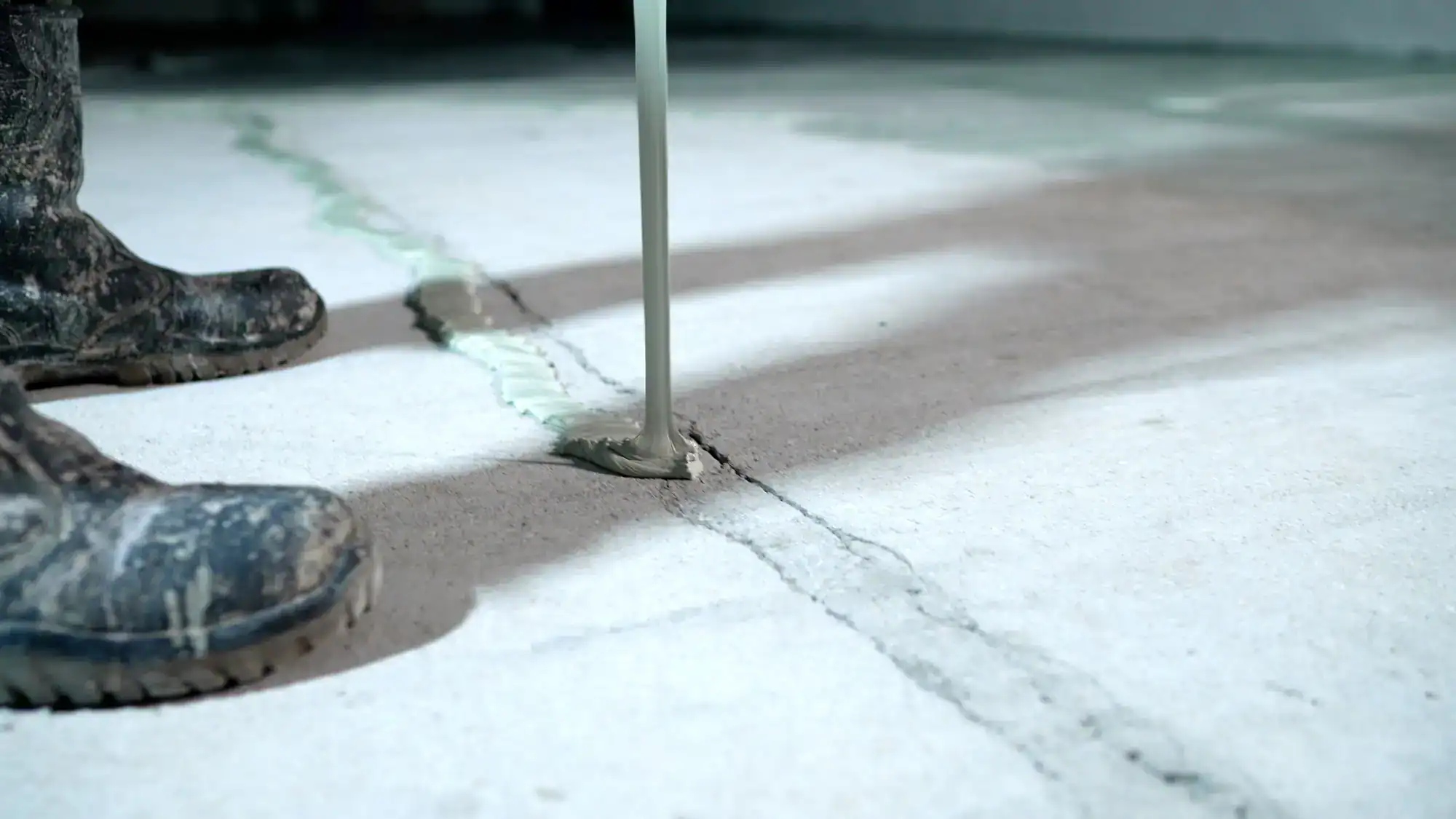
Basement waterproofing in Deer Park isn’t one thing it’s a category that covers several different problems with several different solutions. Foundation crack sealing addresses the most common entry point for water in the hamlet’s aging concrete block and poured concrete foundations. Epoxy injection works well for structural cracks that need to be bonded and stabilized. Polyurethane injection is better suited for active leaks where flexibility matters. The right call depends on what’s actually happening at your foundation not a default recommendation.
Interior basement waterproofing systems perimeter drainage channels paired with a properly sized sump pump are the right answer when water is entering through the floor or multiple wall locations and a single crack repair won’t be enough. For Deer Park homes where the water table rises quickly after a storm and clay soil holds moisture against the foundation for days, a battery backup sump pump isn’t optional it’s the difference between a dry basement and a flooded one during a power outage.
Waterproof basement wall treatments and crawl space encapsulation round out our service scope for homes where surface moisture and humidity are the primary concern. Whatever the situation, the starting point is always the same: an honest inspection, a clear diagnosis, and a written scope of work you can evaluate without pressure.
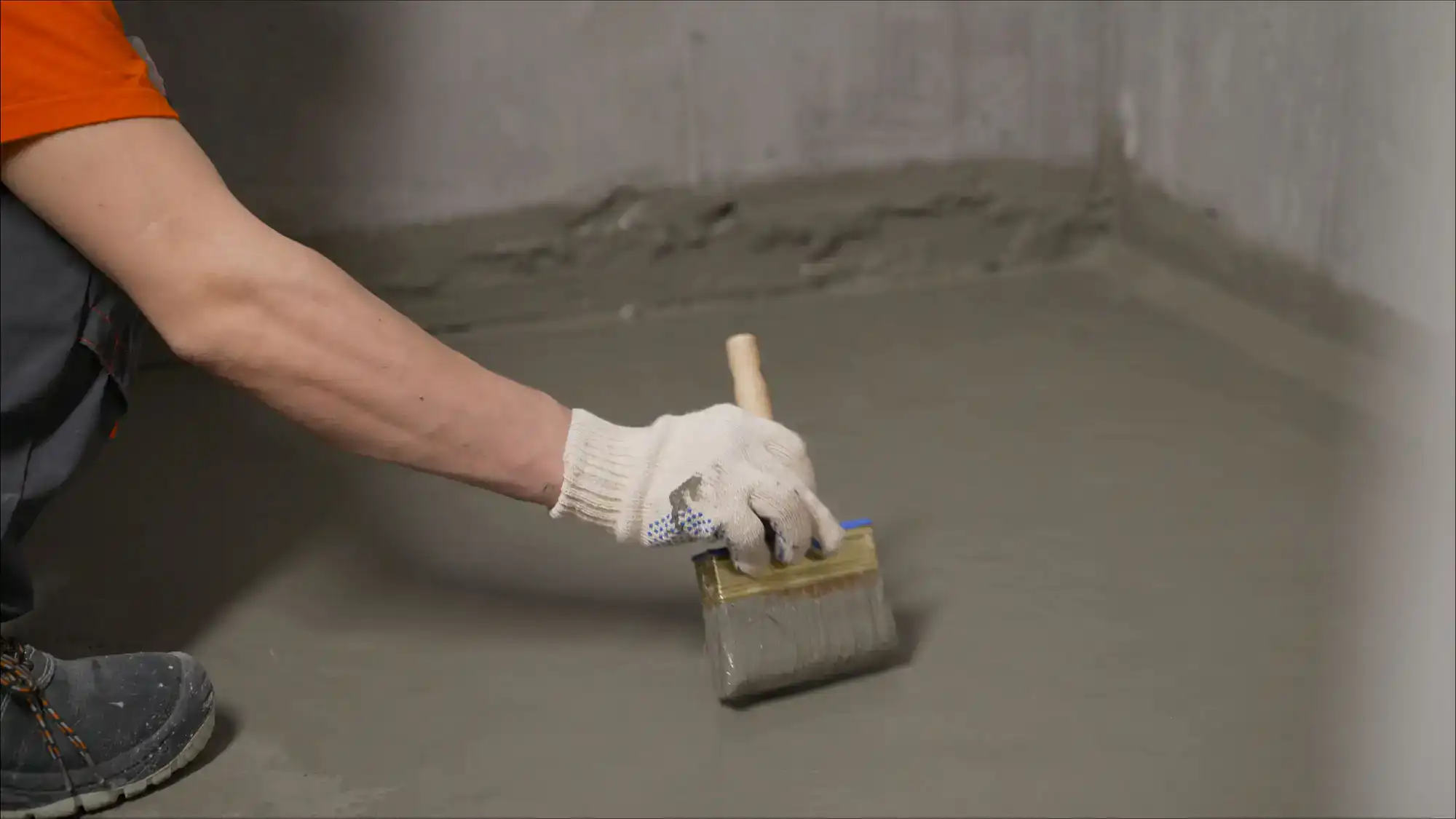
The most common reason is that the repair addressed the symptom, not the source. Hydraulic cement patches, waterproofing paint, and surface sealants are designed to block visible moisture, but none of them hold up against sustained hydrostatic pressure and in Deer Park, that pressure is real. Long Island’s clay-influenced soil doesn’t drain freely. After a significant rain event, water sits against your foundation walls for days, pushing through every crack and mortar joint it can find.
If you’ve patched a crack and the water came back, it’s likely because the crack wasn’t fully sealed through the depth of the wall, or because water is finding a secondary entry point you haven’t addressed yet. A proper inspection looks at the full picture interior walls, exterior grading, drainage patterns, and sump pump capacity so the fix actually holds. Surface treatments have their place, but they’re not a substitute for addressing what’s driving the water toward your foundation in the first place.
It depends on what the inspection turns up, and anyone who gives you a firm number over the phone without seeing your foundation is guessing. That said, here’s a realistic range for the most common services in this area: foundation crack sealing typically runs $800 to $1,500 per crack depending on length and depth. Sump pump installation ranges from $600 to $1,900 depending on the unit and whether a battery backup is included. A full interior drainage system with a new sump pump generally falls between $4,500 and $10,000 for a standard Deer Park home.
For the mid-century homes that make up the majority of Deer Park’s housing stock, the most common scenario is a combination of crack repair and sump pump upgrade which usually lands in the $2,000 to $5,000 range. The best way to get an accurate number is a free on-site estimate after a real inspection of your specific foundation, drainage situation, and water intrusion pattern.
A few things work together here, and they’re all relevant to this part of Suffolk County. First, most Deer Park homes were built between the 1940s and 1960s, which means the foundations are 60 to 80 years old. Concrete naturally develops hairline cracks as it ages and settles that’s not a defect, it’s just physics. The problem is what happens next.
Long Island’s freeze-thaw cycles do real mechanical damage to those existing cracks every winter. Water infiltrates the crack, freezes, expands, and widens the gap. By spring, a hairline crack from October has become a visible gap. On top of that, the clay-influenced soils common across Long Island’s glacial outwash plain hold water against the foundation wall and expand and contract with the seasons, putting cyclical lateral pressure on already-aging concrete. The combination of old foundations, freeze-thaw cycling, and clay soil is the primary driver of foundation crack problems in Deer Park and it’s why cracks that go unaddressed tend to get worse faster here than in other climates.
It depends on the scope of work. For sump pump installation, the Town of Babylon’s Building Department typically requires a permit before work begins this is something we handle as part of the job so you’re not left navigating the process on your own. Foundation crack repair using epoxy or polyurethane injection is generally considered a maintenance repair and may not require a permit, but any work that involves structural modifications to a load-bearing foundation wall can trigger a review.
Exterior waterproofing that involves excavating alongside the foundation will almost always require a permit, and depending on how the drainage is routed, there may be coordination needed with the Suffolk County Department of Health Services particularly relevant in Deer Park given that Long Island relies entirely on groundwater aquifers for its drinking water supply. The short answer: confirm requirements with the Town of Babylon Building Department before any work starts, and make sure your contractor is doing the same.
For most Deer Park homes, yes and here’s the practical reason why. The storms that raise Long Island’s water table the fastest are the same storms most likely to knock out your power. A standard sump pump runs on electricity. The moment the power goes out during a nor’easter or a heavy summer storm, your pump stops working and the water doesn’t. A battery backup unit keeps running for hours after the power goes out, which is exactly the window when your basement is most at risk.
Deer Park’s relatively flat terrain and the water table dynamics common to this part of western Suffolk County mean groundwater can rise quickly and stay elevated for an extended period after a significant rain event. That’s not a situation where you want to be relying on a single point of failure. A battery backup sump pump is a relatively modest addition to the overall cost of a sump pump installation and the one time it saves your basement, it pays for itself many times over.
It does, and in Deer Park’s real estate market, it’s more than just a theoretical benefit. When a buyer’s home inspector flags a wet basement active water staining, efflorescence on the walls, a musty odor, visible cracks it becomes a negotiating point that can cost the seller thousands on the final price, or kill the deal entirely. A documented waterproofing system with a transferable warranty removes that objection before it ever comes up.
Deer Park homeowners have seen real appreciation in property values over the past two decades. Protecting that investment means keeping the foundation sound and the basement dry. Beyond the sale scenario, a dry, usable basement adds functional square footage to your home finished or unfinished and eliminates the mold and air quality issues that can affect the livability of the entire house. For an owner-occupied community like Deer Park, where most residents have a long-term stake in their property, the return on a properly done waterproofing job is straightforward and well-documented.