
Hear from Our Customers
When your East Hampton basement stays dry, you’re not just avoiding a repair bill you’re protecting an asset that the local real estate market will scrutinize closely. Buyers’ inspectors flag water intrusion immediately, and a documented history of moisture problems can derail a sale or force a significant price reduction. A properly waterproofed basement removes that risk from the equation entirely.
East Hampton’s coastal geography makes this more urgent than most people realize. The town sits between the Atlantic Ocean and Gardiners Bay, with Georgica Pond, Hook Pond, Accabonac Harbor, and Three Mile Harbor all feeding into a groundwater system that shifts with every major storm. The USGS has confirmed that rising sea levels push water tables higher in coastal areas and East Hampton is directly in that path. When the water table rises, basements feel it first.
For the many East Hampton homeowners who close up their properties from October through May, that window is when the real damage happens. Freeze-thaw cycles crack foundations quietly. A nor’easter rolls through while the house sits empty. By Memorial Day weekend, what started as a hairline crack has become an active leak with mold already growing. Getting ahead of that cycle is exactly what professional waterproofing is designed to do.
We serve East Hampton and Long Island with a straightforward approach: inspect the property thoroughly, identify the actual source of the problem, and recommend only what the situation calls for. If the issue is a single foundation crack, that’s what we’ll tell you. If it requires a full interior drainage system, we’ll explain exactly why not just hand you a quote and hope you sign.
That matters especially in East Hampton, where homes range from pre-war cottages in Springs to historic village properties near Main Beach, and every foundation tells a different story. A home built in 1955 near Accabonac Harbor has different waterproofing needs than a newer build on higher ground in Wainscott. We know the difference, and we assess accordingly.
We’re fully licensed and insured in New York State, familiar with Suffolk County building requirements, and experienced with the flood zone regulations specific to East Hampton’s Town and Village Codes. You get a written, itemized estimate no phone quotes, no pressure, no surprises.
It starts with a real inspection not a quick walk-through designed to justify a pre-planned recommendation. We look at the interior and exterior of your foundation, check for active cracks, examine the floor-wall joint, assess existing drainage, and evaluate whether your sump pump (if you have one) is adequate for your property’s specific groundwater exposure. In East Hampton, that assessment always includes proximity to local water bodies and whether the property falls within a FEMA Special Flood Hazard Area, because those factors directly shape the right solution.
From there, we walk you through what we found and what we recommend. That might be polyurethane or epoxy injection to seal a foundation crack before winter sets in. It might be an interior drainage channel system along the perimeter of the basement, directing water to a sump pit and out of the house. For properties where the sump pump is outdated or missing a battery backup critical for any East Hampton home during a nor’easter that takes out the power we’ll address that as part of the plan.
Once the work is done, you’ll receive documentation of what was completed and what your warranty covers. For seasonal homeowners especially, that paperwork matters it gives you confidence that your property is protected while you’re away, and it’s a documented asset if you ever decide to sell.
Ready to get started?
Basement waterproofing isn’t one product applied the same way everywhere. In East Hampton, the combination of older housing stock, a high and fluctuating coastal water table, and strict local flood zone requirements means the solution has to fit the property not the other way around.
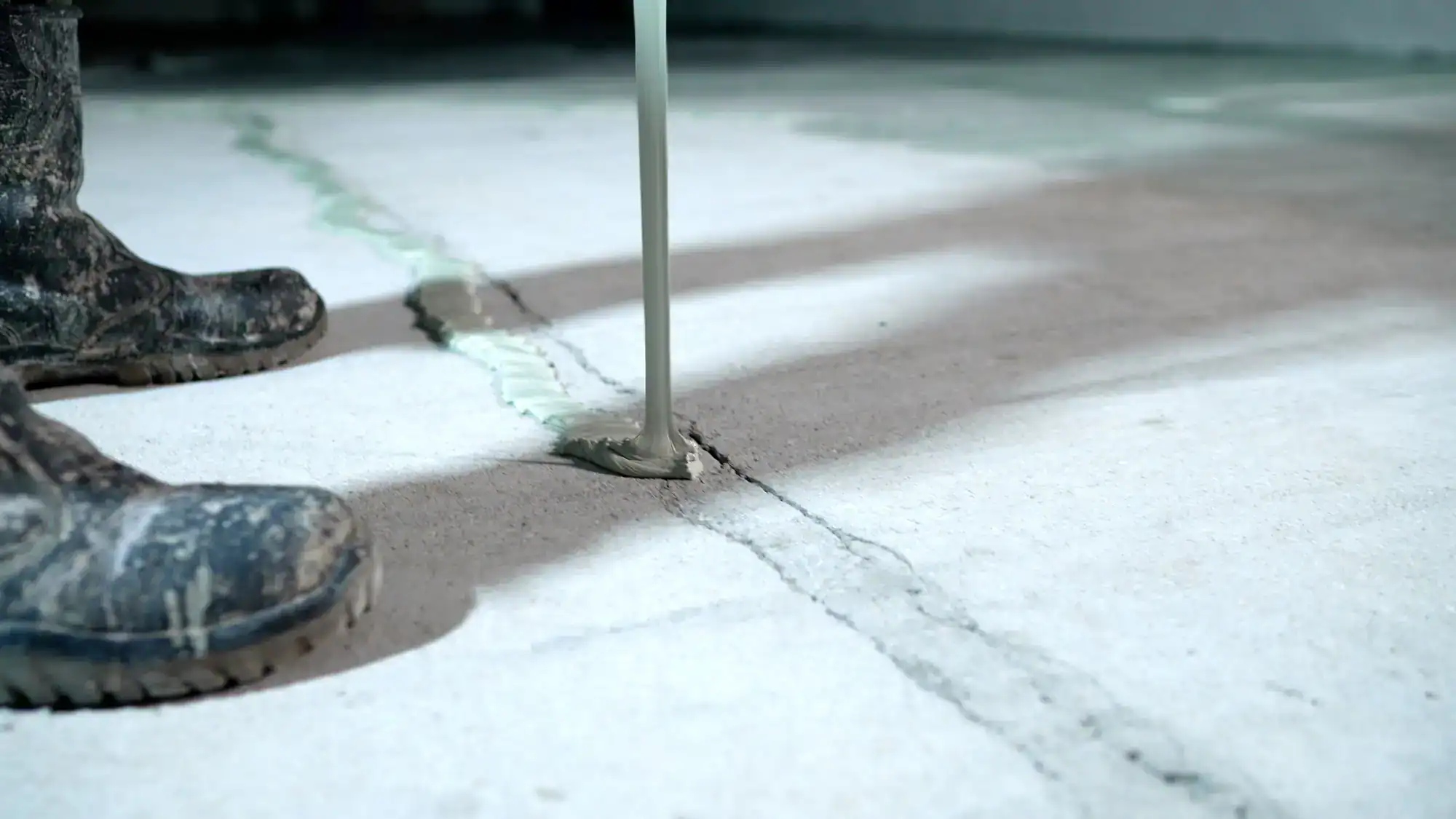
For homes with active foundation cracks common in the pre-1970 construction that makes up a significant share of East Hampton’s housing stock we use professional-grade epoxy or polyurethane injection to fill the crack from the inside out. This isn’t surface patching. The material bonds to the concrete and restores the wall’s integrity, stopping water infiltration at its actual entry point. For basements where water is coming in through the floor-wall joint or through porous block walls, an interior drainage system is typically the right call. We install a drainage channel along the interior perimeter of the foundation, connect it to a properly sized sump pit, and pair it with a primary pump and battery backup unit because in a coastal community like East Hampton where storm-related power outages are a real seasonal occurrence, a pump without backup isn’t a complete solution.
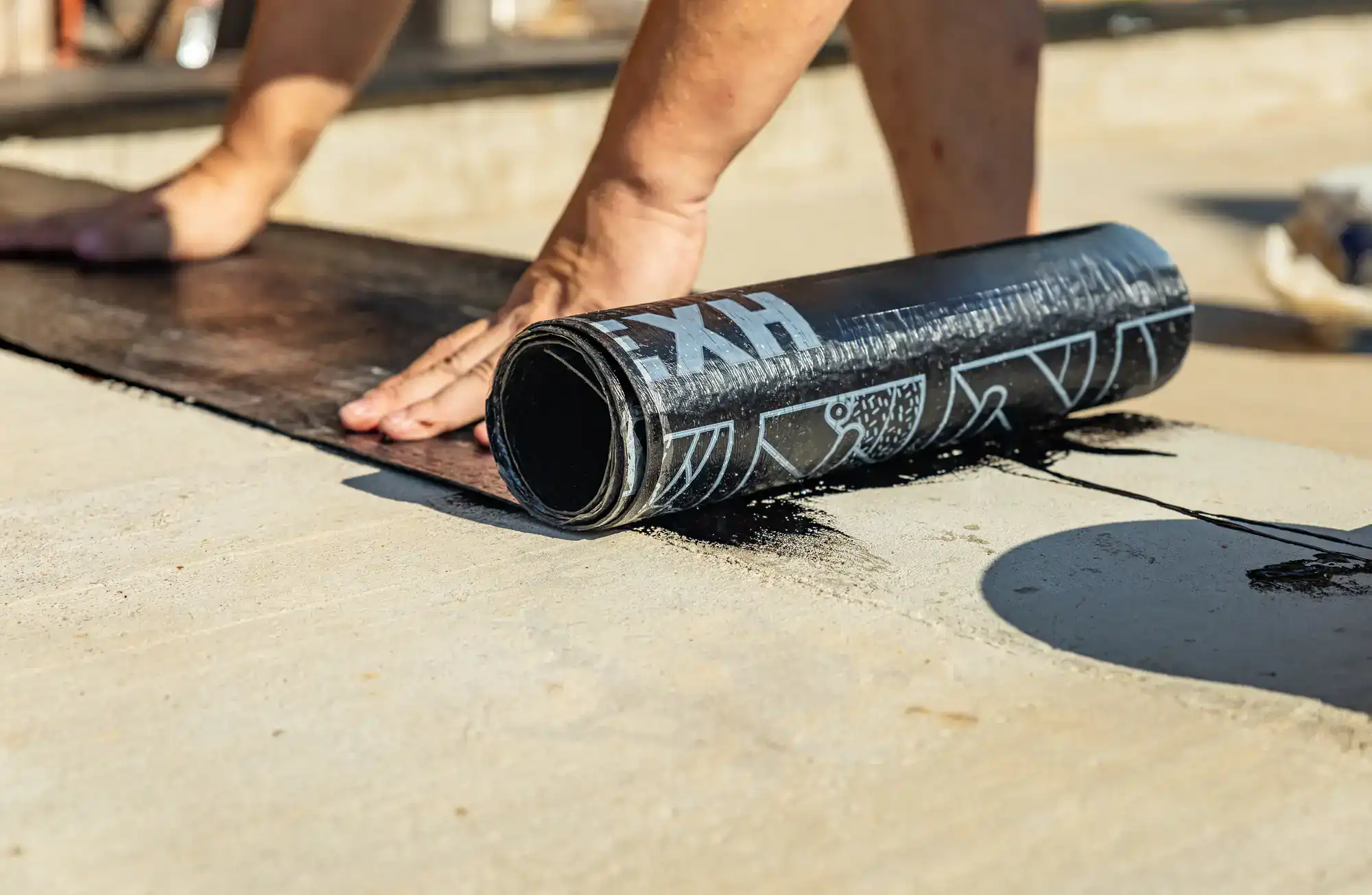
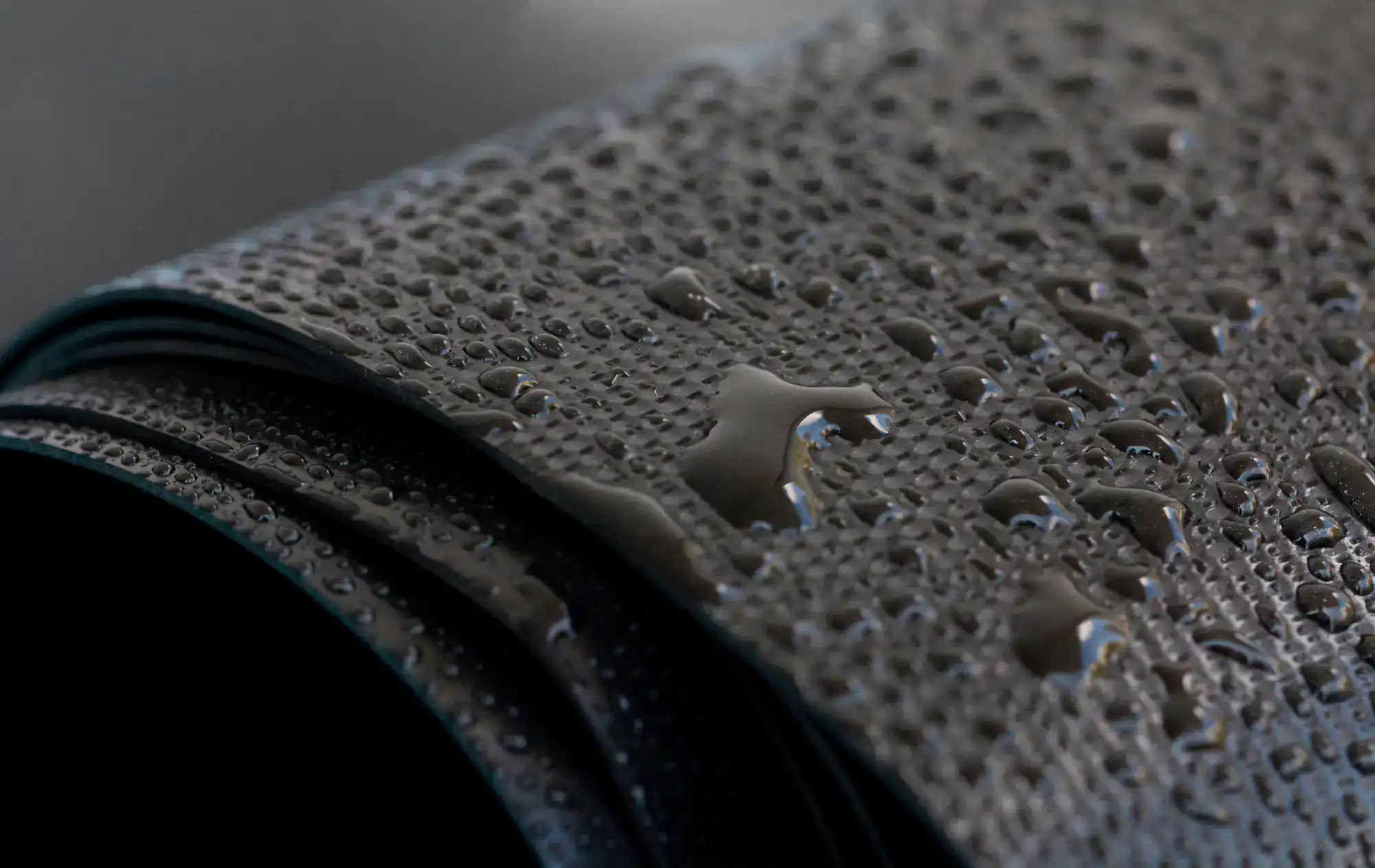
Waterproofing basement walls with appropriate membranes and drainage boards is also part of the picture for homes dealing with chronic humidity a factor that East Hampton’s coastal climate makes especially relevant during the warmer months. A basement that’s sealed against both active intrusion and ambient moisture is a usable space, not just a dry one. In a market where every square foot carries real value, that distinction is worth making.
It depends on the scope of the work. Minor repairs like foundation crack sealing typically don’t require a permit, but more involved work particularly anything that involves structural modifications or drainage system installation may require a building permit through the East Hampton Building Department. The Town administers the New York State Uniform Fire Prevention and Building Code, and properties located within designated Special Flood Hazard Areas are subject to additional requirements under the Town’s Flood Damage Prevention ordinance.
If your property is in one of East Hampton’s FEMA flood zones Zones AE, AH, or A1-A30 the Building Inspector may require certification from a licensed engineer confirming that any floodproofing work meets the elevation and construction criteria outlined in Town Code. We’re familiar with these local requirements and will let you know upfront if your project requires permits before any work begins. You won’t be caught off guard by a compliance issue after the fact.
The honest answer is that you usually can’t tell just by looking at it and that’s exactly why a proper inspection matters. A hairline crack in a poured concrete wall might be purely cosmetic, or it might be an active water intrusion point that worsens every freeze-thaw cycle. A wet floor could be condensation, a failed floor-wall joint, or hydrostatic pressure pushing water up through the slab. The symptoms often look similar even when the causes are very different.
What we do is assess the full picture: where the water is entering, how frequently, whether there’s any structural movement in the foundation, and what the drainage situation looks like around the exterior of the home. In East Hampton, we also factor in proximity to local ponds and wetlands, because a home near Georgica Pond or Three Mile Harbor is going to have a different groundwater profile than one on higher ground in East Hampton North. That context changes the diagnosis and the right solution.
The biggest risk is that damage accumulates over an entire season with no one noticing. Freeze-thaw cycles are the main culprit. Water finds its way into a small crack in the fall, freezes and expands in January, and by March that crack is measurably wider. Repeat that process over several winters and what was a minor seepage point becomes a significant structural issue. Mold can establish itself in a damp basement within 24 to 48 hours of moisture exposure, so by the time you return for Memorial Day, you may be dealing with remediation costs on top of repair costs.
The most effective protection for a seasonally occupied East Hampton home is a combination of pre-winter foundation crack sealing, a properly functioning sump pump with battery backup, and where applicable an interior drainage system that manages water passively without requiring anyone to be present. A sump pump with battery backup is especially important here because nor’easters frequently cause power outages on the South Fork, and a pump that loses power during a storm provides no protection at all.
Interior basement waterproofing involves installing a drainage channel system along the perimeter of the basement floor, just inside the foundation wall. The channel collects water that enters through the wall or the floor-wall joint and directs it to a sump pit, where a pump removes it from the home. It’s not a cosmetic fix it’s a water management system designed to handle ongoing groundwater pressure, which is exactly the kind of sustained pressure that East Hampton’s coastal water table can produce after a heavy storm or during periods of elevated sea level.
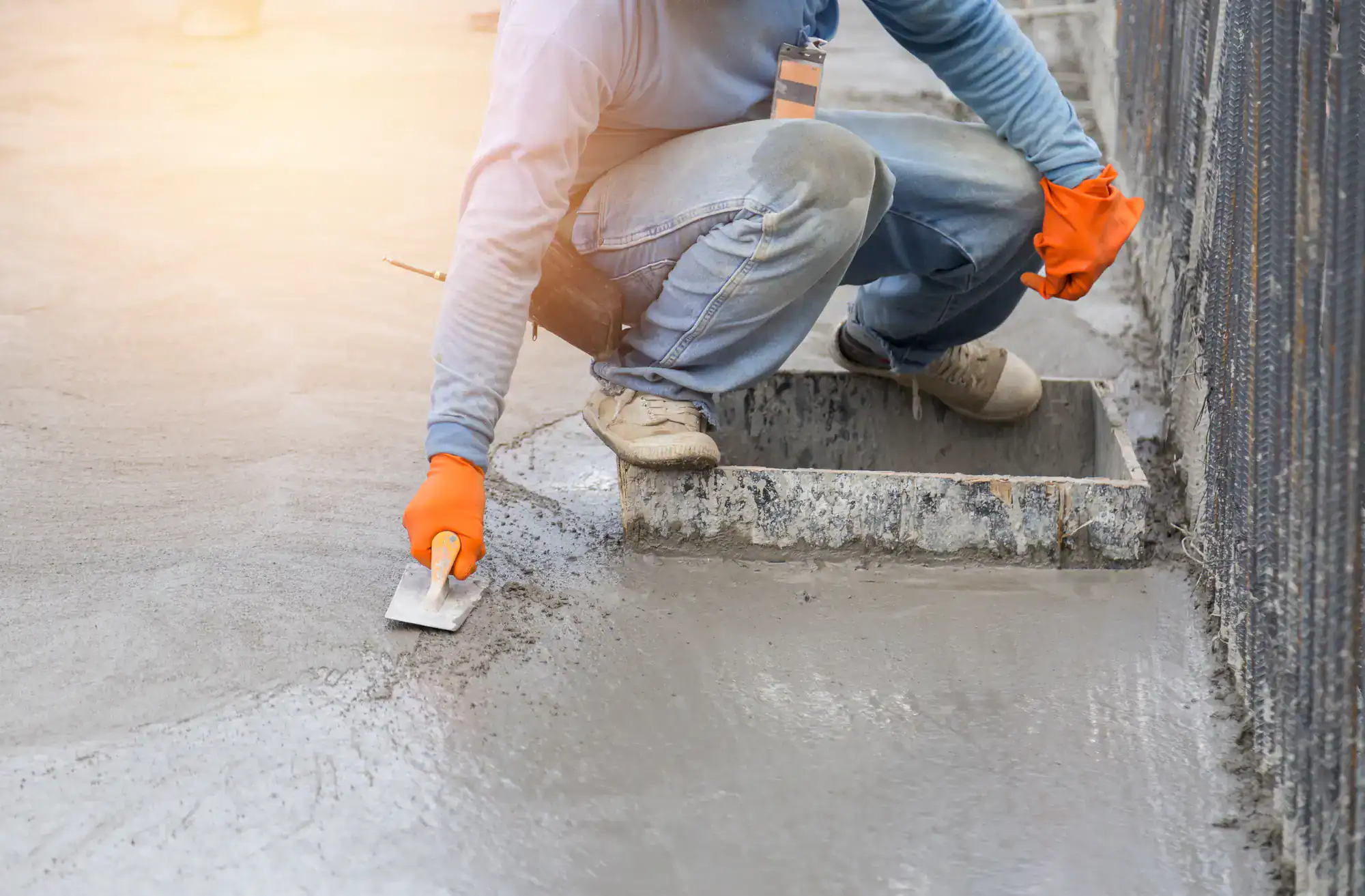
The work does require breaking up a narrow section of the concrete floor along the perimeter to install the channel, which means some disruption during the installation. Most jobs are completed in one to two days depending on the size of the basement. Once the channel is in place and the concrete is patched, the system is largely invisible and operates automatically. For older East Hampton homes where exterior excavation would be impractical or cost-prohibitive, interior waterproofing is typically the most realistic and effective long-term solution.
Cost varies significantly based on what the basement actually needs. A single foundation crack sealed with epoxy or polyurethane injection typically runs in the range of $800 to $1,500. A sump pump installation primary unit plus battery backup generally falls between $1,500 and $3,500 depending on the pit configuration and pump capacity. A full interior drainage system for a larger basement can range from $8,000 to $15,000 or more, depending on the linear footage of the perimeter and the complexity of the drainage layout.
In East Hampton, where the median home value exceeds $1.76 million, even the higher end of that range represents less than one percent of the property’s value and far less than what mold remediation, structural repair, or a failed real estate sale would cost if water intrusion goes unaddressed. We provide written, itemized estimates after a thorough inspection so you know exactly what you’re paying for and why. There are no phone quotes and no vague line items.
Yes and it’s one of the more commonly overlooked issues in East Hampton basements. Active water intrusion through cracks or joints is the obvious problem, but chronic humidity is a slower and quieter one. East Hampton’s position between the Atlantic Ocean and Gardiners Bay means ambient moisture levels are elevated throughout the warmer months, and that moisture works its way into basements through porous concrete walls and floor slabs even when there’s no visible leak or standing water.
The result is that musty smell most people associate with old beach houses but behind that smell is real moisture accumulation that promotes mold growth, degrades wood framing and stored belongings, and contributes to poor air quality throughout the home. Waterproofing basement walls with appropriate membranes and drainage boards addresses the intrusion side of the equation, while a properly sized dehumidification system manages the ambient humidity that coastal living brings. Together, they turn a damp, marginal space into a genuinely usable part of your home which in a market like East Hampton, where every square foot carries real value, is a meaningful upgrade.