
Hear from Our Customers
When water gets into your basement, it doesn’t stay there. It works its way into the framing, the insulation, the air you breathe and eventually into your home’s value. In a market where the average residential sale price hit roughly $987,000 in 2024, a wet basement isn’t a minor inconvenience. It’s a documented liability that shows up on every buyer’s inspection report.
More than 60% of homes in Greenport were built before 1939. That means most foundations in this village were never designed with modern waterproofing in mind no drainage systems, no membranes, no sump infrastructure. Decades of freeze-thaw cycles, tidal moisture, and coastal groundwater pressure have done real work on those walls. The cracks you’re seeing now didn’t happen overnight, and they won’t seal themselves.
Greenport’s position surrounded by Stirling Harbor to the west, Greenport Harbor to the south, and Long Island Sound to the north creates a water table that responds to storms, tidal shifts, and seasonal change in ways that inland communities simply don’t experience. Interior basement waterproofing and foundation crack sealing done right here means accounting for that reality, not ignoring it.
Gold Coast Landworks serves the eastern end of Long Island, and Greenport is squarely in our territory not a distant stop on a long list of service areas. We understand what it means to work on a 100-year-old stone foundation a few blocks from Stirling Harbor, or to address a basement that’s been quietly taking on moisture every time a nor’easter rolls through.
We show up, we assess what’s actually happening, and we give you a straight answer. No inflated scopes. No phone quotes. No sending a salesperson to upsell a system your home doesn’t need. Just an honest inspection and a written estimate based on what we find.
Suffolk County’s coastal communities have specific demands older housing stock, high water tables, tidal exposure, and homeowners who have invested serious money in properties they intend to protect. That’s the environment we work in every day, and it shapes how we approach every job.
It starts with a free in-person inspection. We walk the basement, examine the foundation walls, check the exterior grading, and look at how water is actually entering the space. In Greenport, that often means identifying whether you’re dealing with hydrostatic pressure from a shallow coastal water table, surface water intrusion from poor drainage, or cracks in aging masonry that have been widening slowly for years. Sometimes it’s all three.
From there, we put together a written estimate that outlines exactly what needs to happen and why. If the work involves structural modifications like installing an interior drainage channel, excavating a sump pump basin, or doing exterior foundation work we’ll let you know upfront whether a permit is required through the Village of Greenport Building Department on Third Street. We handle that process so it doesn’t become your headache.
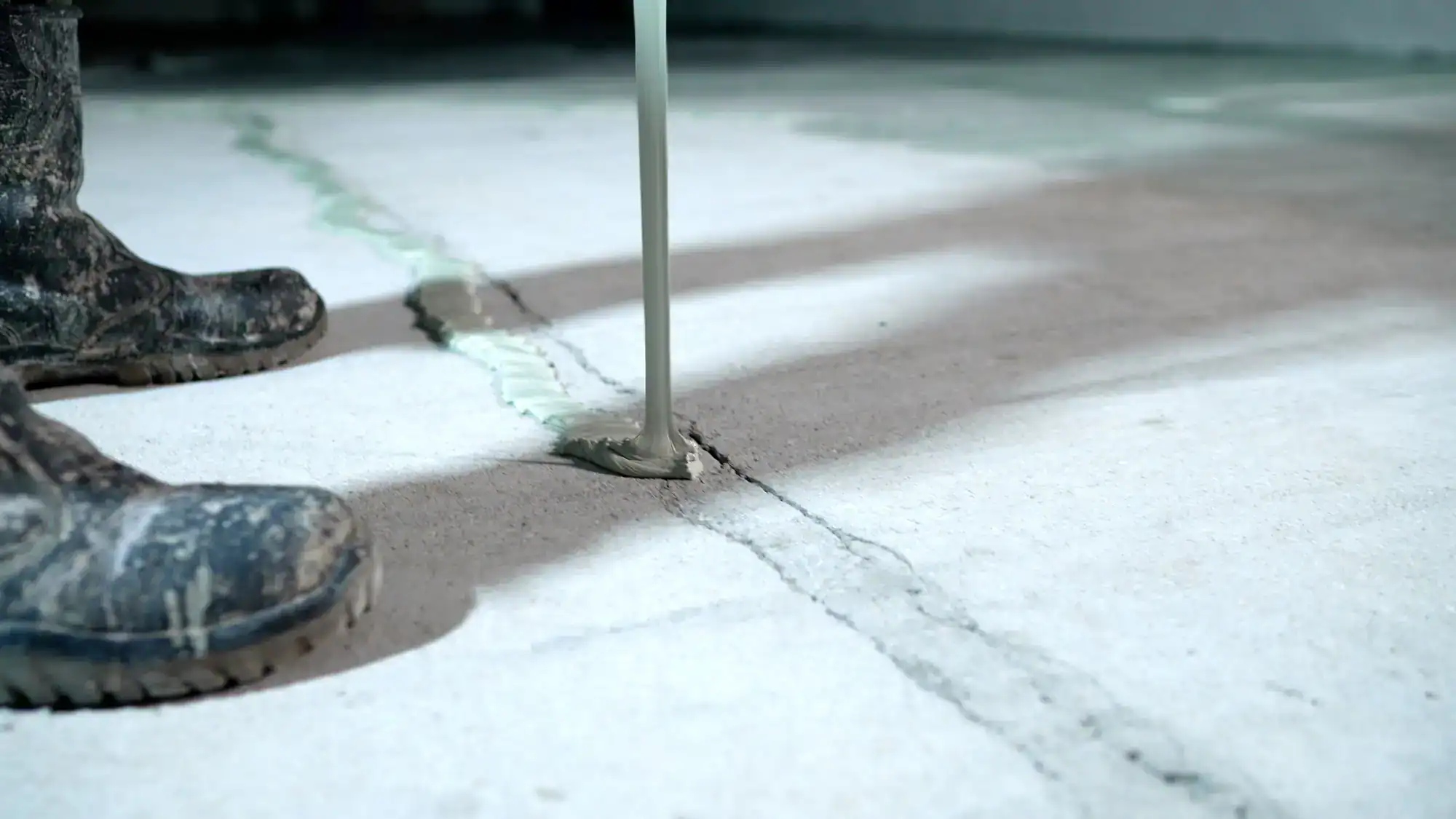
Then we get to work. Interior drainage systems are installed along the perimeter of the basement floor to intercept water before it pools. Foundation cracks are sealed using epoxy or polyurethane injection, depending on the crack type and location. Sump pump systems including battery backup units for when the power goes out during a storm are installed and tested before we leave. When the job is done, you get documentation: a written warranty, permit records if applicable, and a clear picture of what was done and why.
Ready to get started?
Basement waterproofing in Greenport, NY isn’t one-size-fits-all and the work we do reflects that. Interior basement waterproofing systems are designed around your specific foundation type, whether that’s original stone masonry, early poured concrete, or brick. Greenport’s glacially deposited soils create a dual challenge: sandy layers that allow water to move quickly toward your foundation, and clay pockets that hold moisture against the wall for extended periods. A system that doesn’t account for both won’t hold up long-term.
Sump pump installation in Greenport means sizing the pump correctly for the volume of water your basement can receive during a major coastal storm event not just a rainy afternoon. For seasonal homeowners and vacation property owners who aren’t present year-round, battery backup sump pumps are critical. A power outage during a nor’easter, with no one home to notice, can turn a manageable situation into a significant structural problem. We install and test backup systems as part of every sump pump job.
Waterproofing basement walls, sealing foundation cracks, and installing interior drainage are all services we deliver in Greenport with an eye toward the village’s historic housing stock and its coastal exposure. If you’re in the Greenport West area near Stirling Basin, or in the Village Center where pre-war homes are densest, we’ve worked on foundations like yours. We bring the same standard to every project documented, permitted where required, and backed by a written warranty.
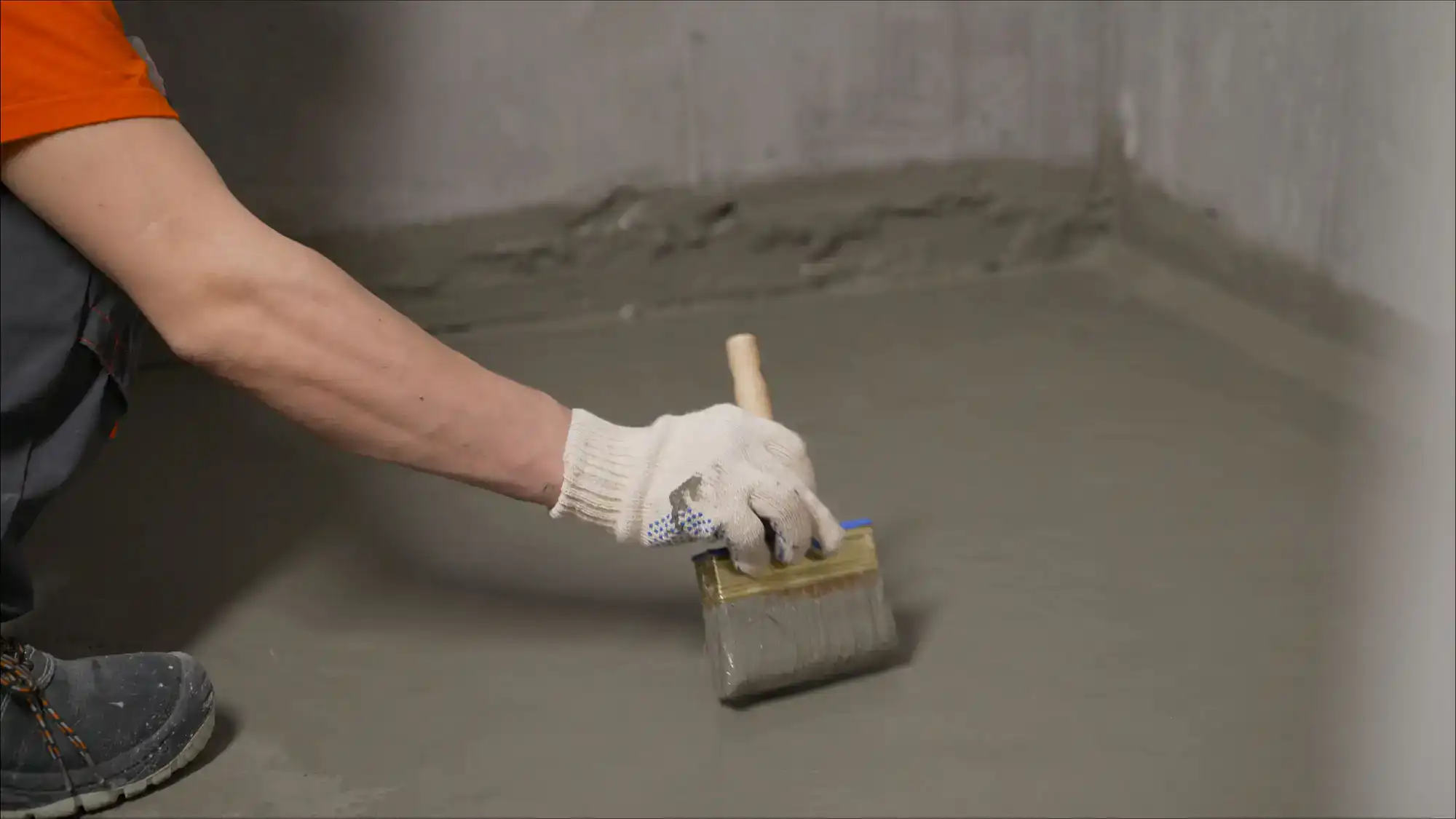
This is one of the most common frustrations we hear from homeowners on the North Fork. The short answer is that most DIY or surface-level fixes hydraulic cement, paint-on sealants, caulk address the symptom, not the source. They block the visible entry point temporarily, but they don’t address the hydrostatic pressure building up on the other side of the wall.
In Greenport specifically, the water table is shallow and tidal-responsive. It rises with storm events, seasonal precipitation, and long-term sea level trends that are well-documented along this stretch of Long Island Sound. When that water table rises above your foundation floor, it pushes water through every crack, joint, and porous section of your foundation walls and it will find a way in regardless of what’s been painted or patched on the interior surface. A proper interior drainage system intercepts that water before it reaches the floor, and a correctly installed sump pump removes it. That’s the difference between a real fix and a temporary one.
Cost depends heavily on what’s actually causing the problem, the size of the space, and the condition of the foundation. That said, here are realistic ranges to work with: interior drainage system installation with a sump pump typically runs $4,500 to $10,000 for a standard basement. Foundation crack sealing using epoxy or polyurethane injection is generally $800 to $1,500 per crack. A full interior waterproofing system on a 1,000-square-foot basement averages around $13,000 to $15,000 nationally, and in Greenport you should expect to be at or near that range given local labor costs, permit fees, and the complexity of working on pre-war masonry foundations.
What we won’t do is give you a number over the phone before we’ve seen the space. Every basement in Greenport has its own history, and a quote without an inspection is just a guess. We provide written, itemized estimates after an in-person walkthrough so you know exactly what you’re paying for and why.
Yes, and it’s not theoretical. USGS research confirms that rising sea levels in coastal areas cause a corresponding rise in the shallow water table which directly increases hydrostatic pressure on basement foundations. In Greenport, where the village sits surrounded by tidal water bodies on three sides, this effect is more pronounced than it would be in an inland community. Areas like Widow’s Hole on Fourth Street and the low-lying sections near Manor Place have already experienced documented flooding that overwhelmed bulkheads even after they were raised.
Stony Brook University researchers have projected a significant increase in Long Island flooding in the early 2040s, driven by a combination of sea level rise and tidal cycles. That means the pressure on Greenport foundations will increase over time not decrease. Waterproofing your basement now is both a response to current conditions and a forward-looking investment. Homes that are already showing signs of moisture intrusion will only see that problem worsen without intervention.
It depends on the scope of work. Not every waterproofing job requires a permit, but some do and in Greenport, that determination goes through the Village of Greenport Building Department on Third Street, which administers its own permitting process separately from the Southold Town Building Department. This is an important distinction that contractors unfamiliar with the village often miss.
Work that involves structural modifications like excavating a sump pump basin, installing an interior perimeter drainage channel, or doing exterior foundation work that requires digging may require a building permit and inspection. If your property is in the surrounding Town of Southold rather than within the incorporated Village limits, the Southold Town Building Department applies, and Chapter 236 of the Town Code governs stormwater and drainage provisions. We identify which jurisdiction applies to your property during the inspection and handle the permitting process as part of the job. You shouldn’t have to figure that out on your own.
If you’re not there year-round, a battery backup sump pump isn’t optional it’s the most important part of the system. The storms that create the highest flooding risk in Greenport nor’easters, tropical systems, and late-season storms are also the storms most likely to knock out power. A primary sump pump that runs on electricity is useless the moment the power goes out, which is exactly when you need it most.
For seasonal homeowners and vacation property owners who may be away for weeks or months at a time, a battery backup system is what stands between a manageable water event and a basement that’s been sitting wet since November. Mold can establish itself in as little as 24 to 48 hours in a damp environment, and a wet basement that goes unnoticed through a North Fork winter can cause structural damage that costs significantly more to remediate than the backup system would have. We install and test battery backup units on every sump pump job it’s built into the process, not an afterthought.
Historic foundations require a different approach than modern poured concrete. Stone masonry and brick foundations which make up a large portion of Greenport’s pre-1939 housing stock are porous by nature and were never built with waterproofing membranes. Aggressive exterior excavation on a structure that’s been standing for 100 or more years can create more problems than it solves, and in a village with over 250 buildings in its historic district, preserving the integrity of the structure matters.
The most effective approach for these foundations typically combines interior drainage with targeted crack and joint sealing. Interior drainage systems capture water at the perimeter before it pools on the floor, relieving hydrostatic pressure without requiring you to disturb the exterior of the foundation. Mortar joint deterioration one of the most common entry points in stone and brick foundations is addressed through repointing and targeted sealant application. Epoxy and polyurethane injection work well on concrete cracks but require different handling on historic masonry. We assess the specific foundation type during the inspection and recommend the method that protects the structure without compromising what makes it worth protecting in the first place.