
Hear from Our Customers
Most Mastic homes were built between the 1940s and 1980s long before waterproofing was a standard part of residential construction. That aging foundation, combined with one of the highest water tables on Long Island’s South Shore, means your basement is working against conditions it was never designed to handle. The result tends to show up as wall cracks, efflorescence, standing water after rain, or a damp smell that never fully goes away.
When that’s addressed properly, the difference is immediate and lasting. The space becomes usable for storage, for your kids, for whatever you actually need it for instead of something you avoid. And with Mastic-area roads flooding roughly 40 days a year from sea level rise alone, a basement that can hold its own isn’t a nice-to-have. It’s protection for the most valuable asset most families here own.
The right waterproofing also matters for resale. With median home values approaching $499,000 in this area, a wet or mold-affected basement is one of the first things a buyer’s inspector flags and one of the fastest ways to lose negotiating ground. A properly waterproofed basement with a written warranty removes that risk entirely.
We’re a Long Island-based waterproofing contractor not a national brand routing calls through a call center. When you reach out, you’re talking to someone who actually works in Mastic and understands what South Shore conditions do to a foundation over time.
That matters in a community like Mastic, where the Forge River wetlands, the proximity to Moriches Bay, and decades of coastal storm exposure create water challenges that are genuinely different from what an inland Suffolk County home deals with. A contractor who treats every basement the same isn’t doing right by you.
Every job starts with a real inspection not a phone estimate, not a predetermined package. What your home needs is based on what’s actually happening, not what generates the largest invoice. That’s the standard every Mastic homeowner deserves.
It starts with a free in-home inspection interior and exterior. We assess the grade around your foundation, the condition of your walls, any existing cracks, your drainage situation, whether there’s an active sump pump and whether it’s functioning. In Mastic, that inspection also accounts for your home’s proximity to the water table and any history of flooding in the area, because those factors directly affect what solution makes sense.
After the inspection, you get a written, itemized estimate. No vague line items, no pressure to decide on the spot. If the problem is a foundation crack that needs epoxy injection, that’s what we recommend. If the water table and drainage conditions require a full interior drainage system, that gets explained clearly what it involves, why it’s necessary, and what it costs.
Once work begins, everything is permitted through the Town of Brookhaven where required. Structural modifications, drainage system installations, and anything that alters the foundation fall under Brookhaven’s building code, and we handle that process as part of the job. When the work is done, you’ll have documentation of what was done, a written warranty, and a basement that’s built to handle what Mastic’s South Shore environment actually delivers.
Ready to get started?
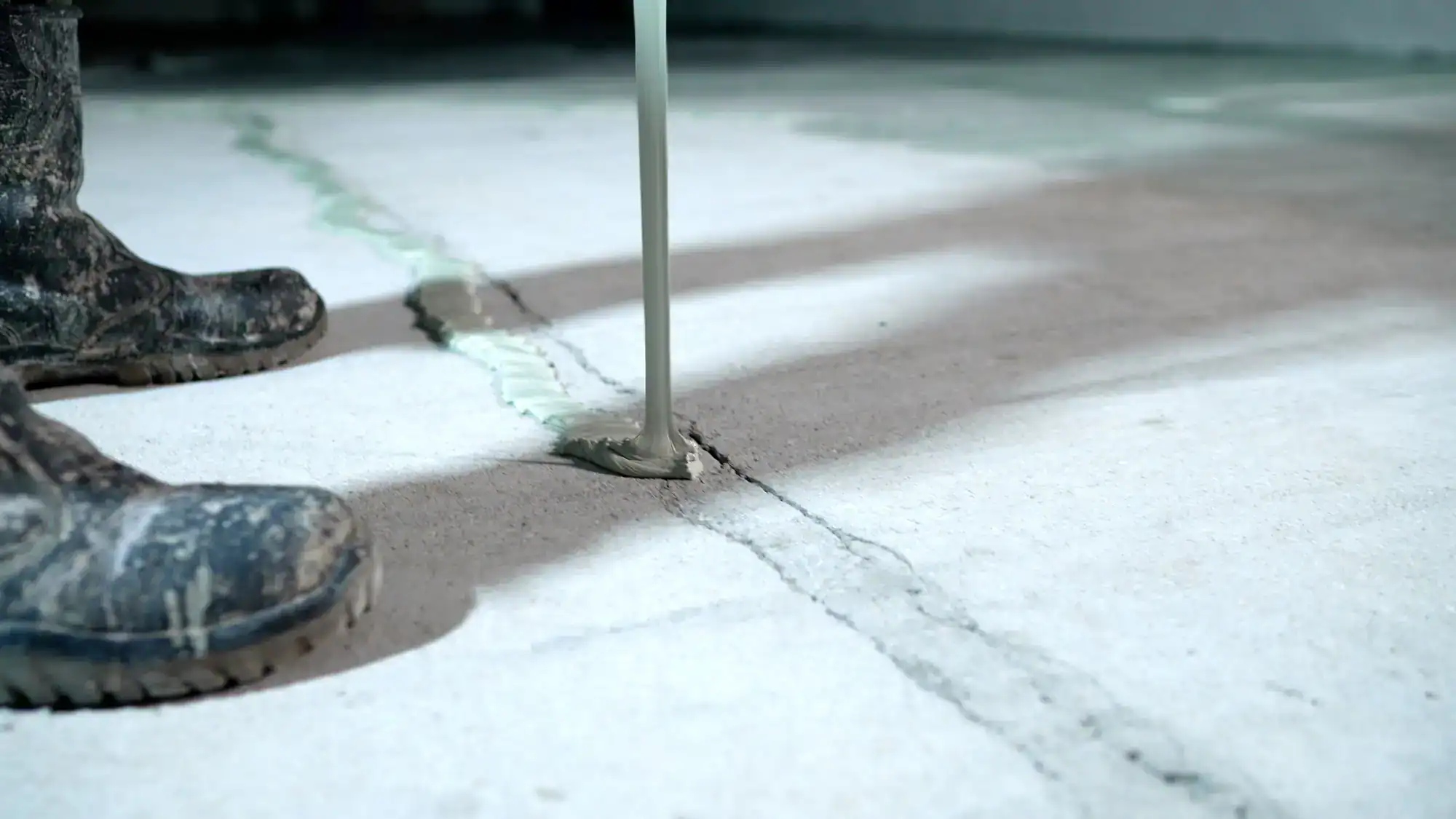
Foundation crack sealing is often the most direct solution available and in Mastic, it’s time-sensitive. Every winter freeze-thaw cycle widens existing cracks. Water that seeps in expands when it freezes, and by spring, what was a hairline crack becomes a real structural concern. Epoxy and polyurethane injection fills cracks from the inside out, bonding to the concrete and stopping water at the point of entry rather than just covering the surface.
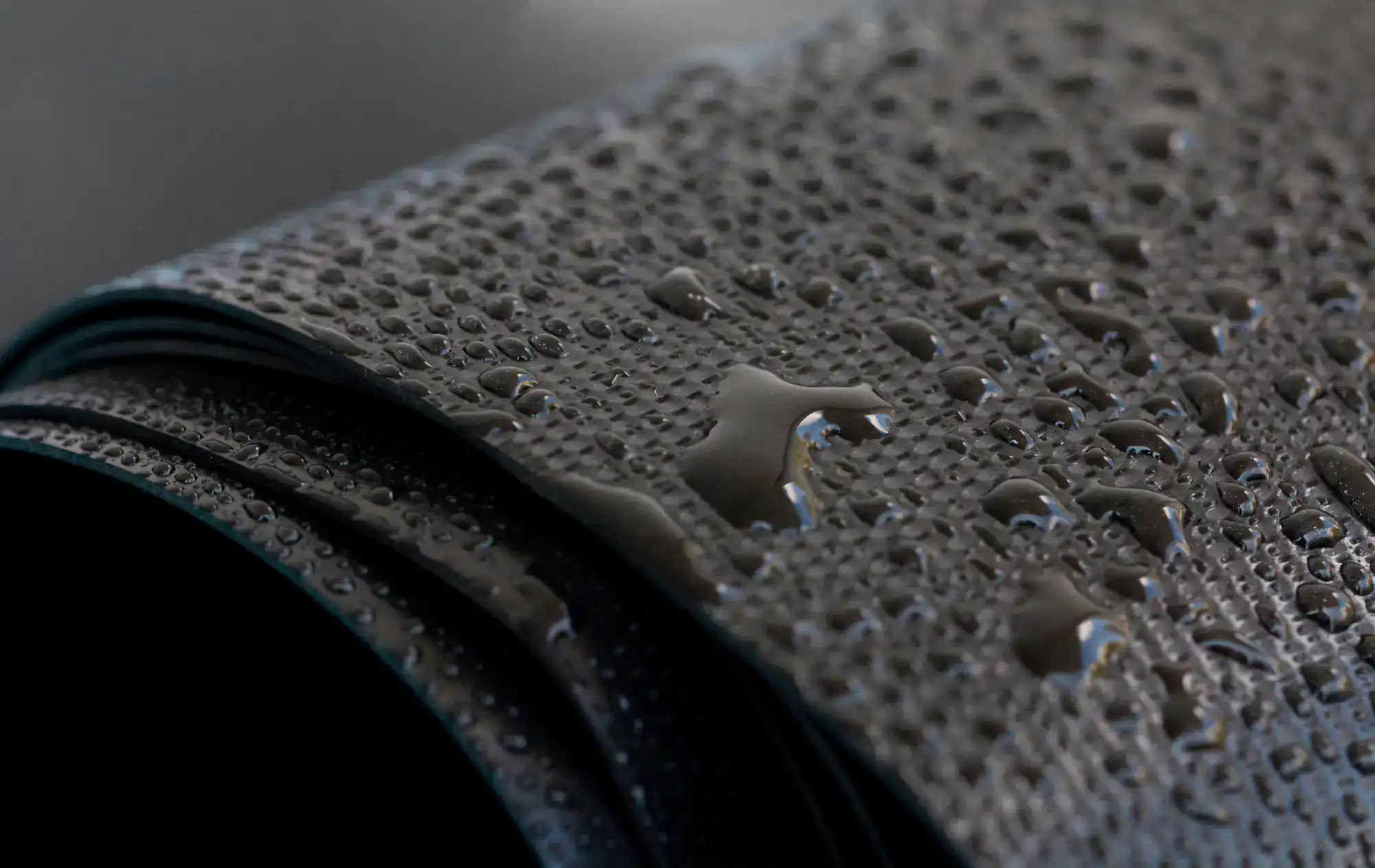
For homes dealing with persistent groundwater pressure which is most of Mastic, given the tidal influence from Moriches Bay interior basement waterproofing systems manage water that comes up through the floor or along the wall-floor joint. A perimeter drainage channel redirects that water to a sump pit before it has a chance to spread across the floor. Waterproofing basement walls with a drainage membrane keeps hydrostatic pressure from forcing moisture directly through the wall.
Sump pump installation is standard for most Mastic homes, and battery backup isn’t optional here it’s essential. South Shore storms are exactly the conditions that knock out power at the same moment flooding risk peaks. A battery backup system keeps the pump running when the grid goes down. If you have a crawl space instead of a finished basement, we handle encapsulation and vapor barrier installation to address the moisture and air quality issues that come with below-grade spaces in a coastal environment. Every recommendation is based on your home’s specific conditions not a predetermined tier.
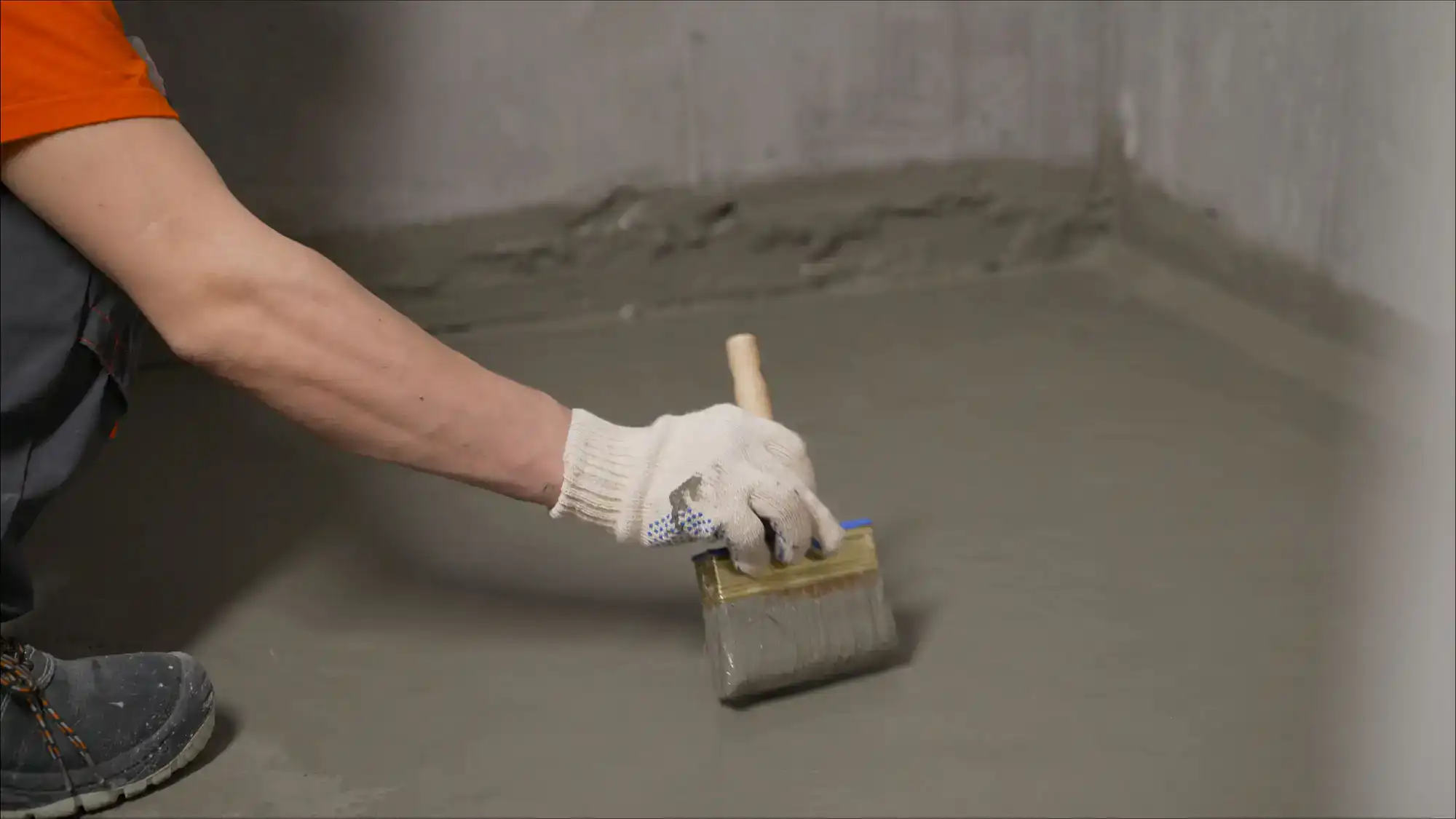
This is one of the most common questions from Mastic homeowners, and the answer usually comes down to groundwater rather than surface water. Mastic sits on Long Island’s South Shore adjacent to Moriches Bay and the Forge River wetlands, which means the water table here fluctuates with tidal cycles not just rainfall. When tides are high, groundwater levels rise, and that pressure pushes against your foundation walls and floor slab regardless of whether it’s been raining.
Homes built in the 1950s through 1980s which describes most of Mastic’s housing stock were rarely waterproofed to a standard that accounts for this kind of persistent hydrostatic pressure. Over time, that pressure finds the path of least resistance: existing cracks, the joint where the wall meets the floor, or porous concrete block walls. A proper inspection can identify exactly where the water is entering and what’s driving it, which is the only reliable way to determine the right fix.
Cost depends entirely on what your home needs, which is why a phone quote is never a reliable number. That said, here are realistic ranges based on common Mastic scenarios. Epoxy or polyurethane crack injection typically runs $800 to $1,500 per crack. Sump pump installation ranges from $600 to $1,900 depending on the system and whether battery backup is included and in Mastic, battery backup should always be included given the area’s storm exposure. A full interior drainage system, which is appropriate for homes with persistent groundwater intrusion, generally runs $4,500 to $10,000 depending on the basement’s size and the extent of the work.
The most important thing to understand is that the lowest quote isn’t always the most cost-effective option. A crack that costs $1,000 to seal today can turn into a structural repair costing $15,000 or more if it’s left through several more freeze-thaw cycles. Getting the right diagnosis upfront is what keeps the cost reasonable in the long run.
It depends on the scope of the work. Mastic falls under the jurisdiction of the Town of Brookhaven, and Brookhaven requires permits for work that involves structural modifications, installation of drainage systems, or any alteration to the foundation. Simple crack sealing typically doesn’t trigger a permit requirement, but installing an interior drainage system, adding a sump pit, or making changes that affect the structure of the foundation generally does.
This is worth paying attention to because unpermitted work can create problems when you sell. Buyers’ attorneys and inspectors in Suffolk County routinely check for open permits and unpermitted improvements, and a basement waterproofing job done without the required Brookhaven Town permit can complicate or delay a closing. We handle the permitting process as part of the job when it’s required, so you’re not left navigating that on your own.
Exterior waterproofing addresses the problem from the outside excavating around the foundation, applying a waterproof membrane to the exterior wall, and installing drainage to direct water away from the structure before it ever reaches the foundation. It’s the most comprehensive approach when it’s accessible, but it’s also the most involved and expensive, and it’s not always practical for homes with established landscaping, finished grades, or limited access.
Interior waterproofing manages water after it enters the foundation perimeter capturing it through a drainage channel installed along the interior footing and directing it to a sump pump before it spreads across the floor. For most Mastic homes dealing with groundwater pressure from the elevated South Shore water table, interior systems are the more practical and cost-effective solution. They don’t stop water from reaching the foundation, but they control it reliably and protect the living space. The right answer for your home depends on where the water is coming from and how your foundation is constructed which is exactly what the inspection determines.
A functioning sump pump is not the same as a properly sized, reliably backed-up sump pump and the difference matters a lot in Mastic. The South Shore’s combination of high groundwater, tidal influence, and regular storm activity means your pump needs to be sized for the actual volume of water your home can see during a bad nor’easter or a tropical storm remnant, not just an average rain event.
The most common failure point isn’t the pump itself it’s the absence of battery backup. When a storm is strong enough to flood your basement, it’s usually strong enough to knock out power. A pump without battery backup is useless exactly when you need it most. If your current system is more than seven to ten years old, runs frequently, or doesn’t have a working battery backup unit, it’s worth having it evaluated. An inspection will confirm whether your existing system is adequate or whether it needs to be upgraded to handle what Mastic’s water table actually demands.
Yes and in many cases it’s one of the higher-return improvements you can make before listing. Buyers in the Mastic market are purchasing homes that are often 40 to 60 years old, and their inspectors know exactly what to look for in South Shore basements: efflorescence on the walls, staining along the floor joint, evidence of past water intrusion, and any sign of mold or mildew. When those things show up in an inspection report, buyers either walk away or use it to negotiate a significant price reduction often more than the waterproofing would have cost.
A professionally waterproofed basement with a written, transferable warranty changes that dynamic. It removes one of the most common inspection objections, gives buyers confidence in the home’s structural integrity, and signals that the property has been properly maintained. In a community where homes are approaching a median list price of $499,000, protecting that equity with a waterproofing investment that typically runs a fraction of that cost is straightforward math.