
Hear from Our Customers
Water in your basement isn’t just an inconvenience. It’s mold waiting to establish itself, structural damage compounding quietly behind your walls, and equity disappearing from a home that’s worth protecting. In Riverhead, where median home values have climbed close to $487,000, a wet basement is one of the fastest ways to lose ground on an investment you’ve spent years building.
Downtown Riverhead the blocks around East Main Street, Polish Town, Reeves Park carries a dense stock of homes built between the 1940s and 1970s. Those foundations weren’t built to today’s standards, and they weren’t built for decades of hydrostatic pressure from a rising water table. Add the Peconic River’s influence on groundwater levels throughout the hamlet, and you’ve got a chronic pressure problem, not a seasonal one. Waterproofing your basement walls and floor perimeter doesn’t just stop the leak you can see it stops the moisture migration you can’t.
The other thing most homeowners don’t realize: flood insurance doesn’t cover gradual seepage. If your property sits near the river or falls within a FEMA-designated flood zone and many Riverhead properties do your policy has a gap. Professional basement waterproofing is what closes it.
We’re a local, owner-operated waterproofing contractor serving Riverhead and the surrounding hamlets Calverton, Wading River, Jamesport, Aquebogue, and beyond. When you call us, you’re not reaching a call center for a national franchise. You’re talking to someone who knows that the homes near Grangebel Park flood differently than a newer subdivision off Route 58 in Calverton, and that a block-foundation home in Polish Town needs a different approach than a poured concrete foundation near South Jamesport.
That local familiarity isn’t a talking point it’s what makes our inspections more accurate and our recommendations more appropriate. We carry full New York State licensing and insurance, and we comply with Suffolk County’s home improvement contractor requirements under Chapter 563. We don’t cut corners on credentials because we’re accountable to the communities we actually live and work in, not a corporate scorecard somewhere else.
Every project starts with a free in-home inspection. There’s no way to accurately scope a basement waterproofing job without seeing the foundation in person evaluating the wall material, identifying where water is entering, checking drainage conditions, and understanding the soil situation outside. In Riverhead, that last part matters more than most places. Suffolk County’s sandy soil shifts over time, which changes how water moves toward your foundation and how quickly existing cracks can widen.
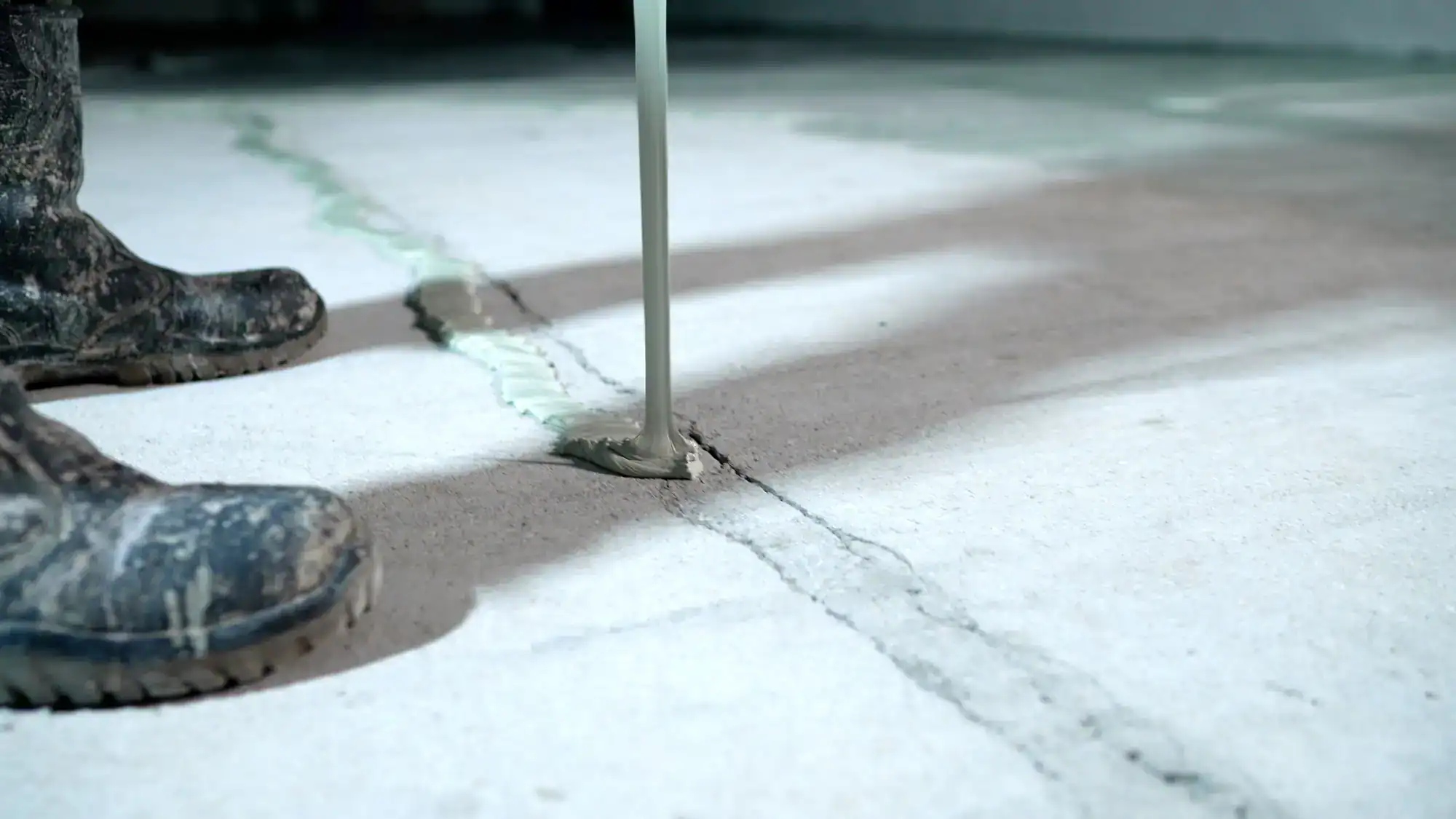
Once we understand the source of the problem, we walk you through what the fix actually involves. That might be epoxy or polyurethane crack injection to seal a foundation crack before this winter’s freeze-thaw cycles make it worse. It might be an interior drainage system along the perimeter with a sump pump primary and battery backup designed for Long Island’s storm season, not just average rain. It might be waterproof wall treatment to stop lateral moisture migration through aging block or poured concrete walls. The scope depends entirely on what we find, not on what’s easiest to sell.
If the work involves cutting the concrete floor for a drainage channel or modifying your sump system, we handle the permit process with the Town of Riverhead Building Department. For properties in designated flood zones, that can also include coordinating a FEMA Flood Elevation Certificate something we’re familiar with given how many Riverhead properties near the Peconic River and Peconic Bay carry that designation.
Ready to get started?
Basement waterproofing isn’t one product. It’s a diagnosis followed by the right combination of solutions and in Riverhead, those solutions vary more than they do in most Long Island towns because the housing stock and geography are so varied. A 1950s block-foundation home in the downtown hamlet has different failure points than a newer poured concrete home in a Calverton subdivision. A waterfront property in South Jamesport dealing with tidal influence needs a different approach than an inland home in Baiting Hollow with a drainage slope that’s slowly failing.
We provide interior waterproofing systems with perimeter drainage channels, primary and battery backup sump pump installation, foundation crack sealing via epoxy and polyurethane injection, waterproof basement wall treatments, and full basement leak repair. Each of these addresses a distinct failure mode and none of them get recommended without an inspection first. Cost ranges to have in mind: interior drainage systems with a sump pump typically run $4,500 to $10,000 on Long Island; sump pump installation alone runs $600 to $1,900; epoxy crack injection for a single foundation crack typically runs $800 to $1,500. Long Island waterproofing costs run approximately 32% above the national average due to higher labor costs, older housing stock complexity, and New York State licensing requirements that’s not a markup, that’s the market.
Every installation comes with a written warranty. If you’re planning to sell your Riverhead home in the next few years and given what values have done here since 2000, many homeowners are weighing that a documented, transferable warranty removes the wet basement flag from your inspection report before it ever becomes a negotiation.
This is one of the most common questions we get from homeowners in the downtown Riverhead hamlet and areas near the Peconic River. The answer usually comes down to hydrostatic pressure the force that groundwater exerts against your foundation walls and floor when the water table rises. In Riverhead, the water table sits close to the surface year-round, and it rises further after even moderate rain. That pressure pushes water through the path of least resistance: existing cracks, the cove joint where your floor meets the wall, or porous block and concrete walls that have been absorbing moisture for decades.
It’s not about the volume of rain that fell it’s about how saturated the ground already is. Homes near the Peconic River or in FEMA-designated flood zones often experience this as a near-constant condition, not just a storm event. The fix isn’t a dehumidifier or a coat of waterproofing paint. It’s a system that manages water at the foundation perimeter before it has a chance to enter the living space.
The honest answer is that it depends on what’s causing the problem and how extensive the work needs to be. A single foundation crack sealed with epoxy or polyurethane injection typically runs $800 to $1,500. A sump pump installation on its own runs $600 to $1,900 depending on the system. A full interior waterproofing system perimeter drainage channel, sump pump, and wall treatment typically runs $4,500 to $10,000 for most residential basements on Long Island.
Worth knowing: Long Island waterproofing costs run about 32% above the national average. That’s driven by higher labor costs, the complexity of older housing stock (particularly the mid-century homes throughout the Riverhead hamlet), and New York State’s licensing requirements for contractors. A quote that comes in dramatically lower than these ranges is worth scrutinizing it usually means something is being skipped. We provide written estimates after an in-person inspection, so you know exactly what you’re getting and why before any work begins.
It depends on the scope of the work. Applying a surface sealant or injecting a foundation crack typically doesn’t require a permit. But if the job involves cutting your concrete floor to install a perimeter drainage channel, or modifying your sump pump system in a way that affects the drainage layout, the Town of Riverhead Building Department will generally require a building permit under the New York State Building Code.
For properties in FEMA-designated flood zones which includes a meaningful number of homes near the Peconic River, Peconic Bay, and Long Island Sound there’s an additional layer. Certain exterior work or excavation near the foundation may require a FEMA Flood Elevation Certificate, prepared by a licensed NYS Land Surveyor, Architect, or Engineer. We’re familiar with this process and can help navigate it as part of the project. A licensed contractor handling your permits isn’t just a convenience it’s protection against code violations that can complicate a future home sale.
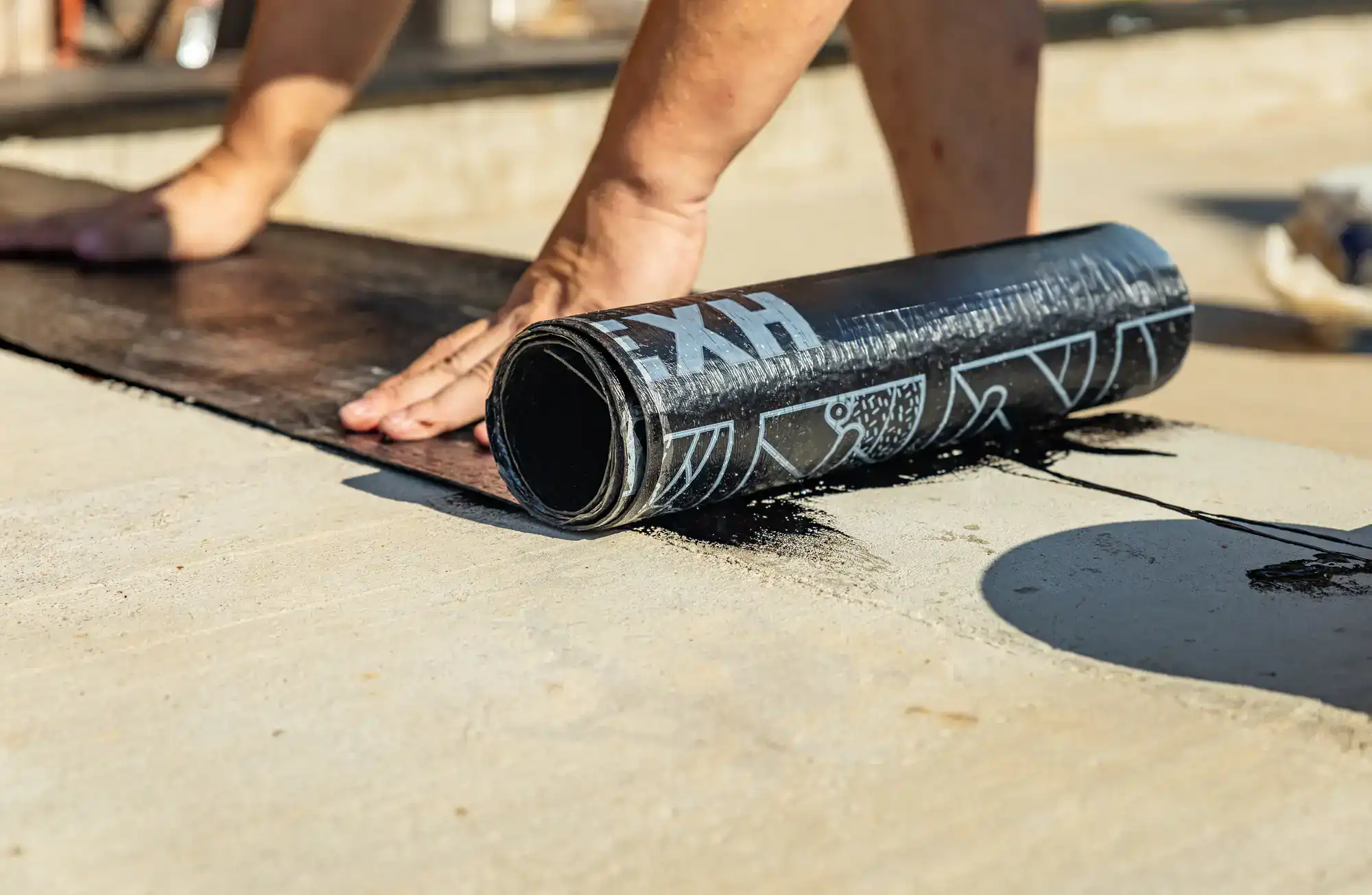
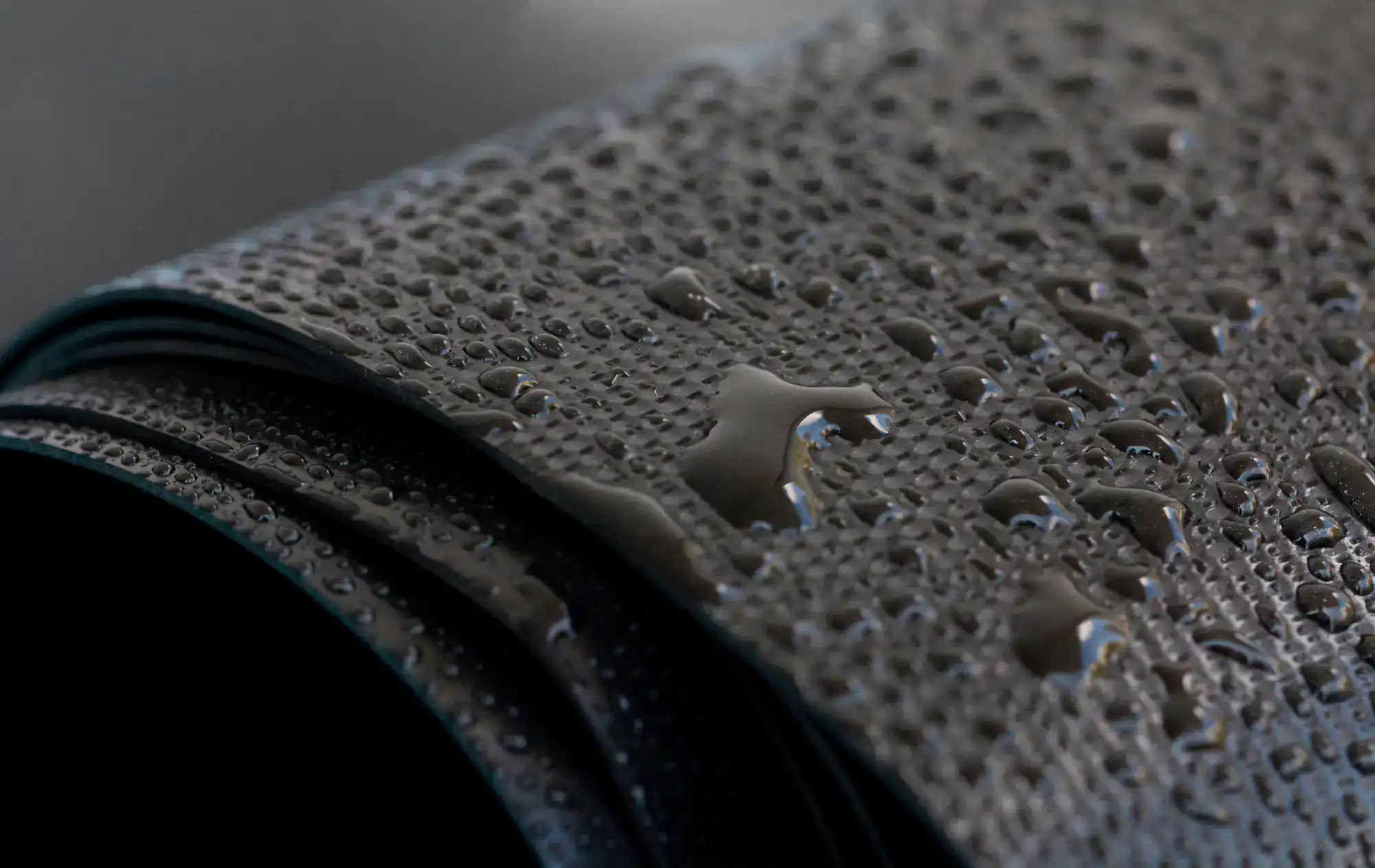
Exterior waterproofing involves excavating around the outside of the foundation, applying a waterproof membrane directly to the exterior wall, and installing drainage to redirect water away before it ever contacts the foundation. It’s the most comprehensive approach, but it’s also the most disruptive and expensive and in a town like Riverhead, where many homes sit on smaller lots in dense neighborhoods like Polish Town or Reeves Park, exterior excavation isn’t always practical.
Interior waterproofing manages water after it enters the foundation perimeter channeling it to a sump pump that removes it before it reaches the living space. This approach is less invasive, faster to complete, and in most Long Island residential situations, equally effective at keeping your basement dry. The right answer depends on your foundation type, your lot, your water source, and your budget. That’s exactly what the inspection is for to figure out which approach actually makes sense for your specific home, not to default to the most expensive option.
Some cracks are obvious you can see water seeping through a visible line in the wall, especially after a heavy rain or a nor’easter. Others are less obvious. Efflorescence the white, chalky mineral deposit that appears on concrete and block walls is one of the clearest early signs that water has been moving through your foundation consistently, even if you haven’t seen standing water. Musty odors, damp spots on the floor near the wall, and peeling paint on basement walls are all indicators worth taking seriously.
In Riverhead, freeze-thaw cycles are a major accelerant. Water enters a small crack, freezes, expands, and widens the gap every winter making it a larger entry point for spring water. Suffolk County’s sandy soil also shifts over time, which puts lateral stress on foundation walls and can open new cracks even in foundations that were solid when the home was built. If you’re seeing any of these signs, the best move is an inspection before the next winter season, not after.
A sump pump is a critical component of a basement waterproofing system but it’s not a waterproofing system by itself. What a sump pump does is remove water that has already entered the sump pit. If water is coming through your foundation walls, through cracks, or through the cove joint at the base of the wall, a sump pump alone won’t stop that. It will only deal with water after it’s already in the space.
For many Riverhead homeowners particularly those in the downtown hamlet with older block or poured concrete foundations the right setup is a perimeter drainage channel that intercepts water at the foundation wall and directs it to the sump, combined with a battery backup pump for when the power goes out during a storm. That last part matters here. Power outages during nor’easters are common on the East End, and a sump pump without battery backup is a single point of failure at exactly the moment you need it most. Whether you need just a pump upgrade or a full system is something we determine during the inspection not before it.