
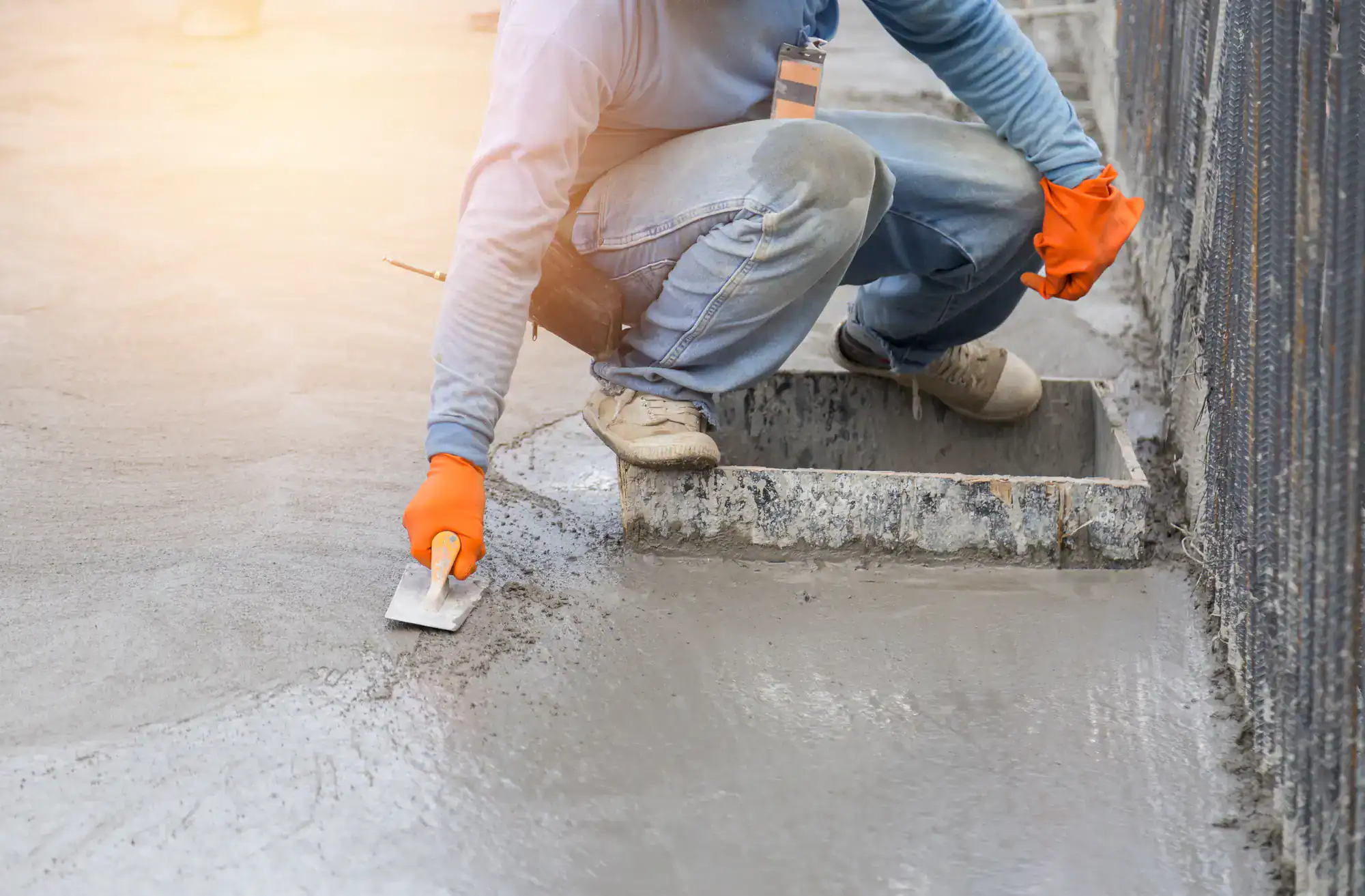
Hear from Our Customers
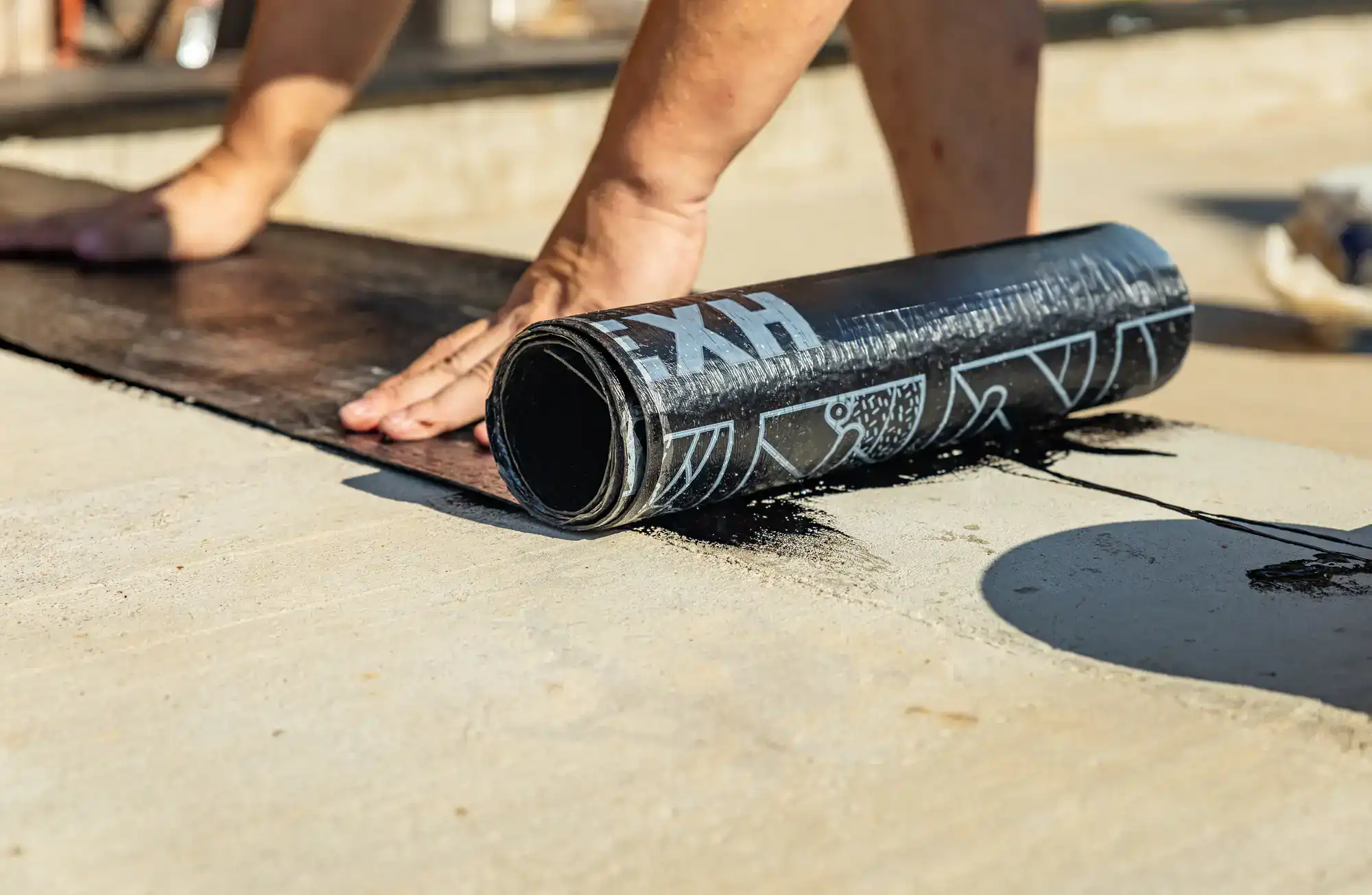
When water stops getting in, the whole picture changes. No more musty smell creeping into the rest of the house. No more avoiding the basement because you’re not sure what you’ll find down there. No more wondering whether the walls are getting worse.
For Shirley homeowners, that relief is especially real. Your home sits close to the Great South Bay, and the water table in this part of Suffolk County sits just a few feet below the surface year-round. That’s not a seasonal problem it’s a constant one. After a heavy storm or a stretch of spring rain, that groundwater rises and pushes against your foundation walls and floor from every direction. You don’t need a crack for water to get in. It can seep through solid concrete when the pressure builds high enough.
The homes in Shirley also have history working against them. A lot of the housing stock was built in the 1940s and 1950s many of those structures started as summer bungalows, not year-round homes. They weren’t designed for the sustained hydrostatic pressure that builds up decade after decade. Decades of freeze-thaw cycles have done their part too, turning hairline cracks into active leaks. Getting ahead of that now before mold sets in, before the concrete deteriorates further is the kind of decision that protects the equity you’ve built in a home that’s worth significantly more than it was ten years ago.
Gold Coast Landworks is a Long Island waterproofing contractor, not a national franchise with a local phone number. That distinction matters when you’re dealing with a basement problem in Shirley, where the conditions the coastal proximity, the elevated water table, the aging housing stock are specific enough that a generic approach usually falls short.
We serve homeowners throughout Suffolk County, and we understand what South Shore basements deal with in a way that a call center in another state simply doesn’t. We know what the ground looks like after a storm pushes water in from Narrow Bay. We know what 1950s-era foundations look like when they’ve been fighting hydrostatic pressure for seventy years. We know that a lot of Shirley homeowners have already tried the paint-and-patch approach and watched it fail.
Every job starts with a free in-home inspection. We look at your foundation inside and out, identify what’s actually causing the problem, and give you a written, itemized estimate before anything else happens. No phone quotes. No pressure. No surprises.
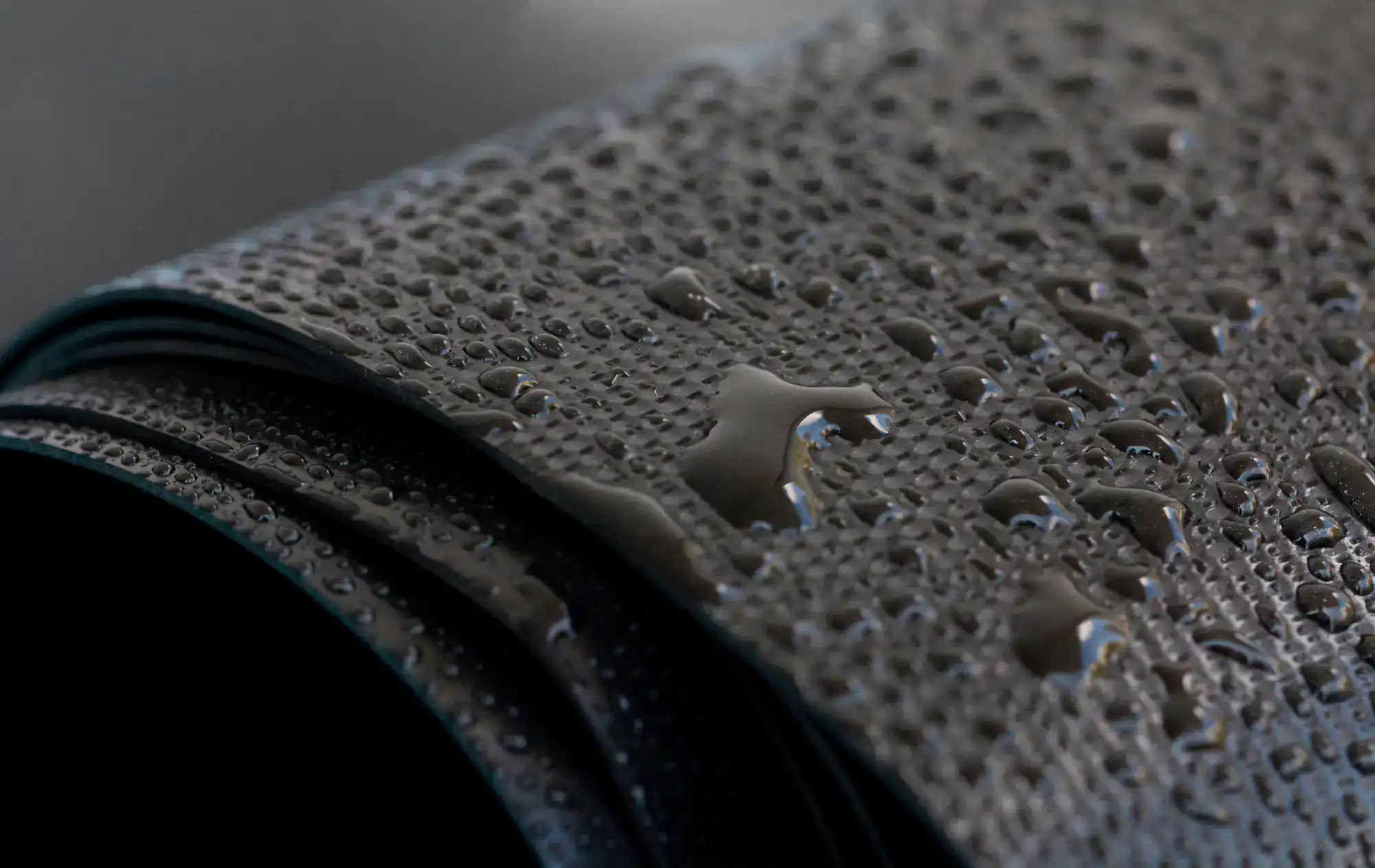
It starts with the inspection. When we come to your Shirley home, we’re not arriving with a predetermined solution. We’re looking at everything foundation walls, floor joints, the grading around your home’s exterior, where your downspouts discharge, and whether any existing drainage infrastructure is still doing its job. In a community where homes range from post-war bungalow conversions to 1970s raised ranches, the cause of water intrusion varies significantly from house to house. The inspection is how we find yours.
Once we know what we’re dealing with, we walk you through the findings and explain what the right fix actually looks like whether that’s interior drainage installation, foundation crack sealing, sump pump replacement, or a combination. You get a written estimate with line-item detail. You decide whether to move forward. There’s no clock running, no same-day pressure, and no deposit required before work begins.
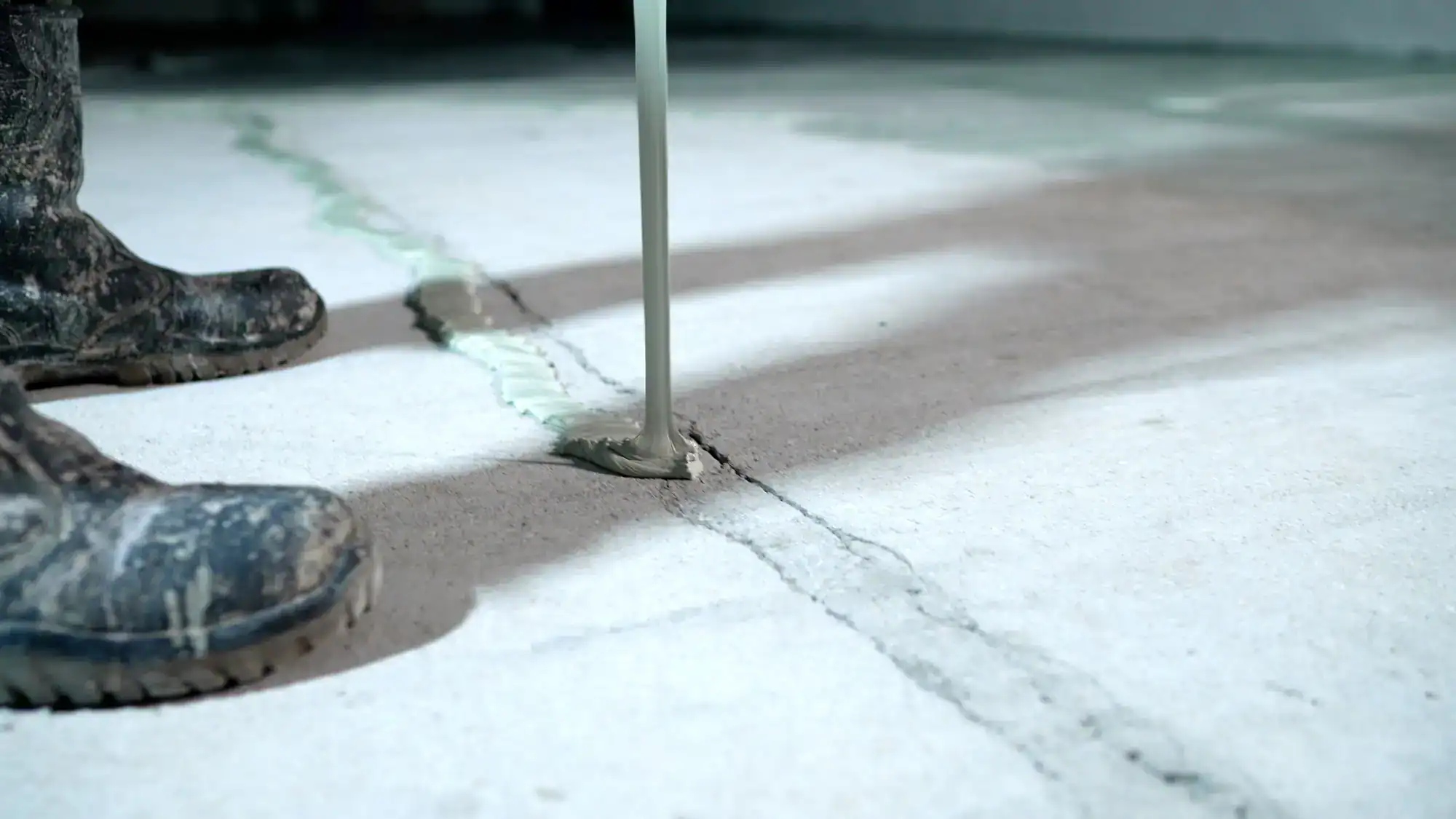
When the work starts, we move efficiently. Interior drainage systems are installed along the perimeter of your basement floor, directing water to a sump basin before it can spread. Foundation crack sealing is done with epoxy or polyurethane injection filling the crack from the inside out so it bonds to the concrete and stops being an entry point. Any work that requires a permit through the Town of Brookhaven’s Building Division gets handled correctly, so you’re protected on both ends.
Ready to get started?
Basement waterproofing isn’t one thing it’s a set of solutions that need to match the actual problem. For Shirley homeowners, that usually means addressing one or more of the following: an interior drainage system to manage chronic groundwater pressure, foundation crack sealing to close active entry points, or sump pump installation to give collected water somewhere to go.
Interior drainage systems are installed along the inside perimeter of your basement floor. They intercept water before it spreads and channel it to a sump basin. This is the right approach when the source of water is hydrostatic pressure from the surrounding soil which, given Shirley’s water table and South Shore geography, is one of the most common scenarios we see. Foundation crack sealing using epoxy or polyurethane injection addresses cracks directly not by covering them, but by filling them completely so the concrete is structurally sound again.
Sump pump installation matters more in Shirley than people sometimes expect, and the battery backup component matters even more. The storms most likely to flood your basement are also the ones most likely to knock out power along Sunrise Highway and William Floyd Parkway. A primary pump without a battery backup fails exactly when you need it most. We install both, and we make sure the system is sized correctly for your home’s drainage volume not just the smallest unit that fits the basin.
This is one of the most common questions we hear from homeowners in Shirley, and the answer comes down to hydrostatic pressure. On Long Island’s South Shore, the water table sits just a few feet below the surface. After significant rainfall or snowmelt, that water table rises and pushes against your foundation from the outside through the floor, through the walls, through any porous section of concrete. You don’t need a visible crack for water to get in. Concrete is naturally porous, and sustained pressure will force water through it.
In Shirley specifically, the combination of sandy soil, low elevation, and proximity to the bay means this pressure builds faster and higher than it does in inland communities. Waterproofing paint applied to the inside of your wall does nothing against that kind of pressure it just delays the point at which the water finds another way through. The right solution is an interior drainage system that intercepts groundwater at the perimeter and removes it before it can spread across your floor.
Cost depends on what’s actually causing the problem and what solution is appropriate which is why we don’t quote jobs over the phone. That said, here’s a realistic range for the most common work: foundation crack sealing typically runs $500–$1,500 per crack depending on length and depth. Interior drainage system installation for a full basement perimeter generally falls between $5,000 and $12,000. Sump pump installation with a battery backup unit typically runs $1,000–$3,000.
What we’d caution against is choosing a contractor based on the lowest number you hear over the phone. A quote that sounds significantly cheaper than others usually means something is being left out a backup pump, proper permits through the Town of Brookhaven, or the correct drainage system for your home’s actual conditions. The cost of redoing substandard waterproofing work is almost always higher than doing it right the first time. We give you a written, itemized estimate after an in-person inspection so you know exactly what you’re paying for before you commit to anything.
Both approaches have their place, but for most Shirley homeowners, interior waterproofing is the more practical and cost-effective solution. Exterior waterproofing involves excavating around the full perimeter of your foundation, applying a waterproof membrane to the outside of the walls, and installing drainage at the footing level. It’s highly effective, but it’s also significantly more invasive and expensive and in established residential neighborhoods where homes sit close together, excavation isn’t always feasible.
Interior waterproofing manages water after it enters the foundation assembly, channeling it to a sump system before it can spread. For homes dealing with hydrostatic pressure from the South Shore water table which describes a large percentage of Shirley’s housing stock interior drainage is the right fit. It doesn’t require tearing up your landscaping or disrupting your neighbors, and it addresses the chronic groundwater pressure that drives most of the water intrusion we see in this area. We’ll tell you which approach makes sense for your specific situation after we’ve actually looked at your foundation.
Not every crack is a structural emergency, but none of them should be ignored especially in a home that’s been through Long Island winters for several decades. Hairline cracks that run vertically are usually the result of normal concrete curing and settlement. They can become active water entry points without being structurally dangerous. Horizontal cracks are more concerning they can indicate lateral pressure from the surrounding soil pushing against the wall, which is a structural issue that needs to be evaluated carefully.
Stair-step cracks in block foundations and diagonal cracks near corners can indicate differential settlement, which warrants a closer look before any waterproofing work begins. In Shirley, where a lot of the housing stock dates to the 1940s and 1950s and has been through decades of freeze-thaw cycles and at least one major storm event in Sandy, it’s not unusual to find a combination of settlement cracks and active water entry points in the same foundation. The inspection we do at the start of every job is specifically designed to distinguish between them so you’re not paying for waterproofing on a wall that actually needs structural repair first.
Yes, and the most important maintenance item is your sump pump. We recommend testing your sump pump at least twice a year once in early spring before the heavy rain season hits, and once in the fall before temperatures drop. Testing it is straightforward: pour a bucket of water into the sump basin and confirm the float triggers the pump and the water discharges properly. If the pump runs but water isn’t moving, or if it doesn’t trigger at all, it needs attention before the next storm.
Battery backup units should be tested on the same schedule, and the battery itself typically needs to be replaced every three to five years depending on the model. Given that Shirley sits on the South Shore and sees its share of coastal storms that knock out power sometimes for extended periods a dead backup battery is a real risk. Interior drainage channels should also be checked periodically to confirm they’re clear and draining to the basin without obstruction. We walk every customer through the maintenance steps specific to their system before we leave the job.
It makes a meaningful difference. Mold needs three things to grow: a food source, the right temperature, and moisture. Your basement provides the first two without any help. Eliminating the moisture or reducing it significantly is what breaks the cycle. A properly installed interior waterproofing system doesn’t just keep the floor dry. It reduces the ambient humidity in the space, which is what feeds mold colonies even when there’s no standing water present.
In Shirley, this matters more than it might in a drier climate. The South Shore sees humid summers, coastal air year-round, and the kind of damp conditions that let mold establish itself quickly in any basement that admits water. Basement air doesn’t stay in the basement it circulates upward into the living areas of your home through gaps, HVAC systems, and natural air movement. For families with children, or anyone dealing with respiratory sensitivities, a chronically damp basement is a real indoor air quality problem, not just a storage inconvenience. Waterproofing addresses the source. If mold is already present, that’s a separate remediation step but stopping the water is always where it starts.