
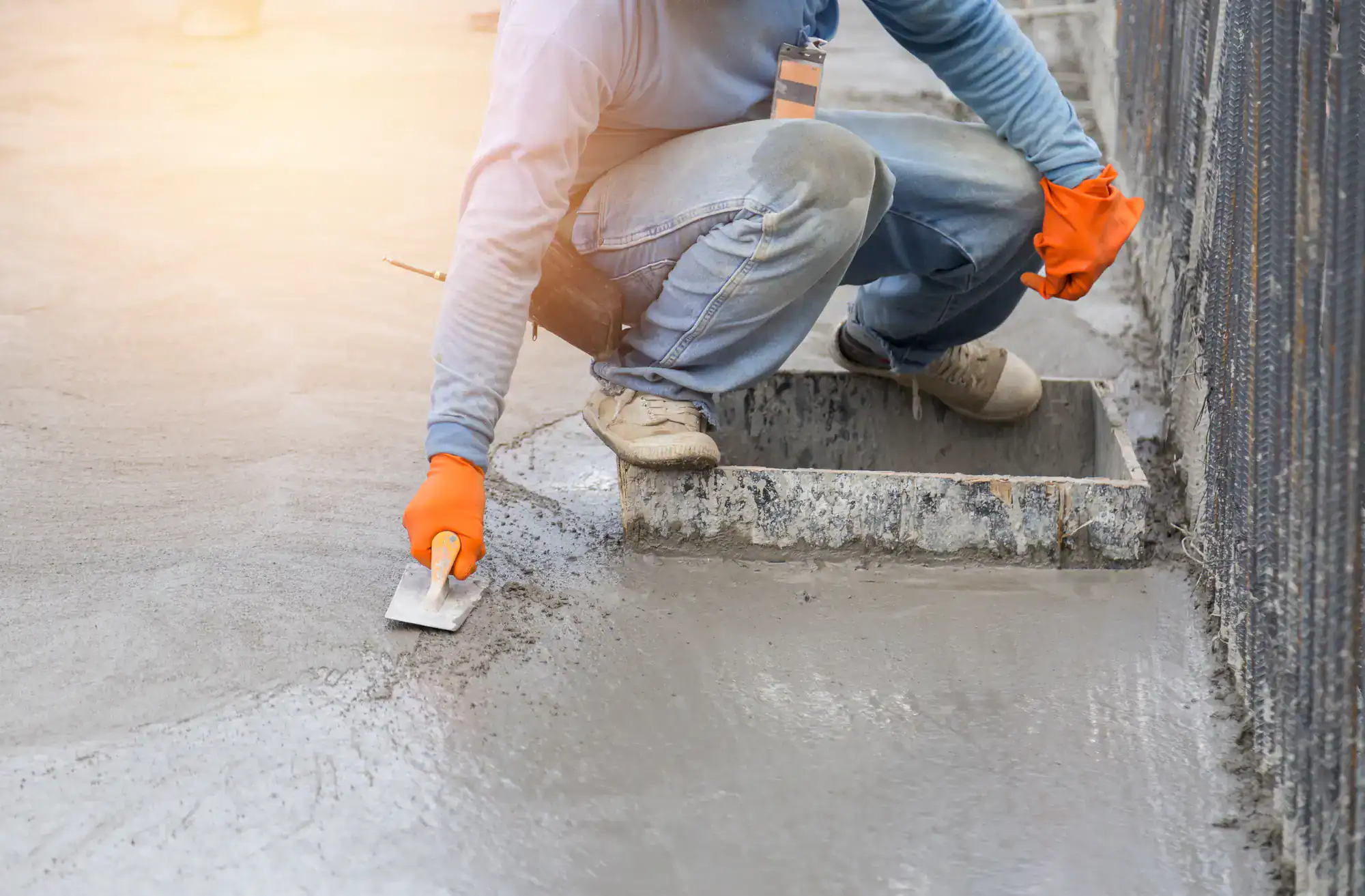
Hear from Our Customers
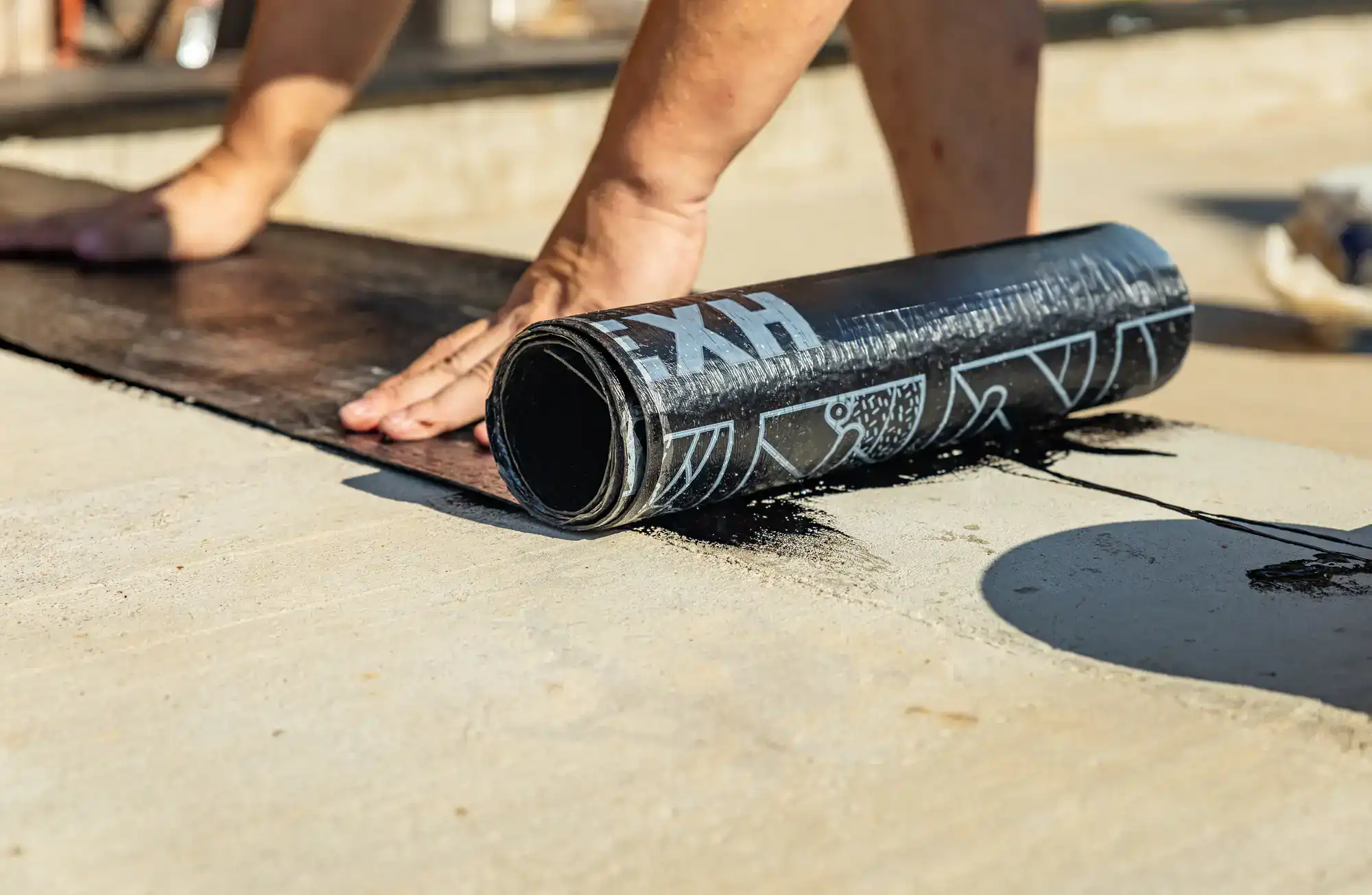
When the waterproofing is done right, you stop thinking about your basement every time it rains. No more checking the floor after a storm. No more damp smell in the summer. No more wondering if that crack is getting worse. That’s the outcome not a sales pitch, just what a properly waterproofed basement actually feels like to live with.
For St. James homeowners, the stakes are higher than most people realize. The North Shore sits on glacial moraine a ridge of clay-heavy soil deposited by the Wisconsin Glacier thousands of years ago. That clay absorbs water, swells, and pushes laterally against your foundation walls with every wet season. It’s not a question of whether it’s happening. It’s a question of how far along it is.
And the homes here aren’t young. Many of the established neighborhoods in and around St. James including properties near the historic district off Moriches Road were built decades before modern waterproofing standards existed. The original damp-proofing on those foundations has long since expired. If your home is 40 or 50 years old and has never had its waterproofing updated, you’re relying on protection that ran out before your kids were born. With home values in St. James averaging over $700,000, getting this right isn’t optional it’s asset protection.
Gold Coast Landworks is a Long Island-based waterproofing and foundation contractor. We work across the North Shore St. James, Smithtown, Kings Park, and the surrounding Suffolk County communities which means we know this geology, these soil conditions, and the specific way water behaves in this part of Long Island.
We don’t quote jobs over the phone. Every job starts with an in-person inspection of your foundation interior and exterior before we say a word about what we recommend. We check the walls, the floor, the grading around the home, where your downspouts are discharging, and what the drainage situation looks like. Then we tell you what we found, in plain language, and walk you through the options. If the right answer is a $1,200 crack injection, that’s what we’ll tell you.
The communities we serve including the established neighborhoods around Smithtown High School East and the historic pockets of St. James are full of homeowners who’ve been burned by contractors who walked in with a solution before they’d looked at anything. That’s not how we operate.
It starts with a free in-home inspection. We come to your St. James property, walk the basement, and examine the foundation from both inside and outside. We’re looking at where water is entering, what’s driving it hydrostatic pressure from the water table, a crack in the foundation wall, poor exterior grading, or a combination and what the condition of the existing structure tells us about how long this has been developing.
From there, we put together a written estimate. Itemized. Transparent. What the problem is, what we propose to do, what it costs, and what the warranty covers. No vague line items, no surprise additions once work starts. If the job requires a permit through the Town of Smithtown Building Department which applies to interior drainage system installations and certain sump pump work we handle that process and make sure everything is done to code.
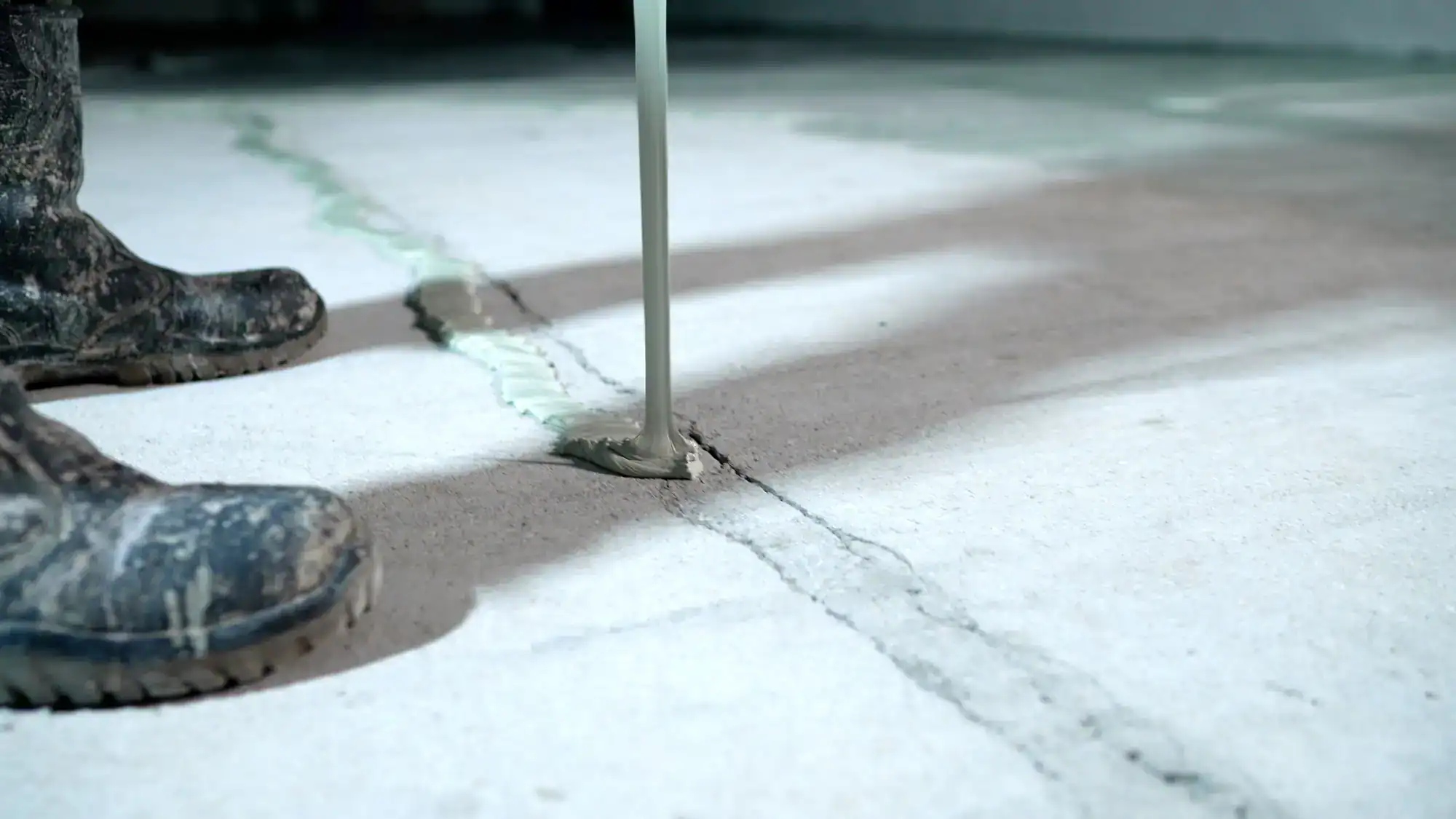
The work itself depends on what the inspection finds. Foundation crack sealing in St. James typically uses epoxy or polyurethane injection filling the crack from the inside out, not just patching the surface. Interior drainage systems involve breaking the perimeter of the basement floor, installing a drain channel, and routing water to a sump pump before it has a chance to pool. Sump pump installation in St. James includes battery backup systems so your basement stays protected even when the same storm that’s flooding your foundation has also knocked out your power. When the job is done, we walk you through what was installed, how it works, and what the warranty covers.
Ready to get started?
Not every wet basement needs the same fix. That’s the part a lot of contractors skip over. The waterproofing work we do in St. James is matched to what the inspection actually finds not a package sold before anyone’s looked at your foundation.
For homes with active foundation cracks which is common in older St. James properties where clay soil has been cycling through wet and dry seasons for decades foundation crack sealing using epoxy or polyurethane injection addresses the problem at the source. This isn’t surface patching. The injection material bonds to the concrete and fills the crack from the inside, restoring the wall’s integrity rather than just covering what’s visible. For foundations showing lateral pressure damage bowing walls, stair-step cracking in block foundations we assess whether carbon fiber straps or wall anchors are the appropriate structural response.
Where hydrostatic pressure is the primary driver, interior basement waterproofing in St. James involves a perimeter drainage system that captures water before it reaches the floor and channels it to a properly sized sump pump. The North Shore water table rises fast after a storm the kind of storm that put water in the streets of Smithtown and triggered rescues in St. James isn’t a once-in-a-generation event anymore. A battery backup sump pump isn’t an upgrade here; it’s a necessity. Waterproof basement walls, a functioning drainage channel, and a reliable pump system working together is what actually keeps a St. James basement dry long-term not any single fix on its own.
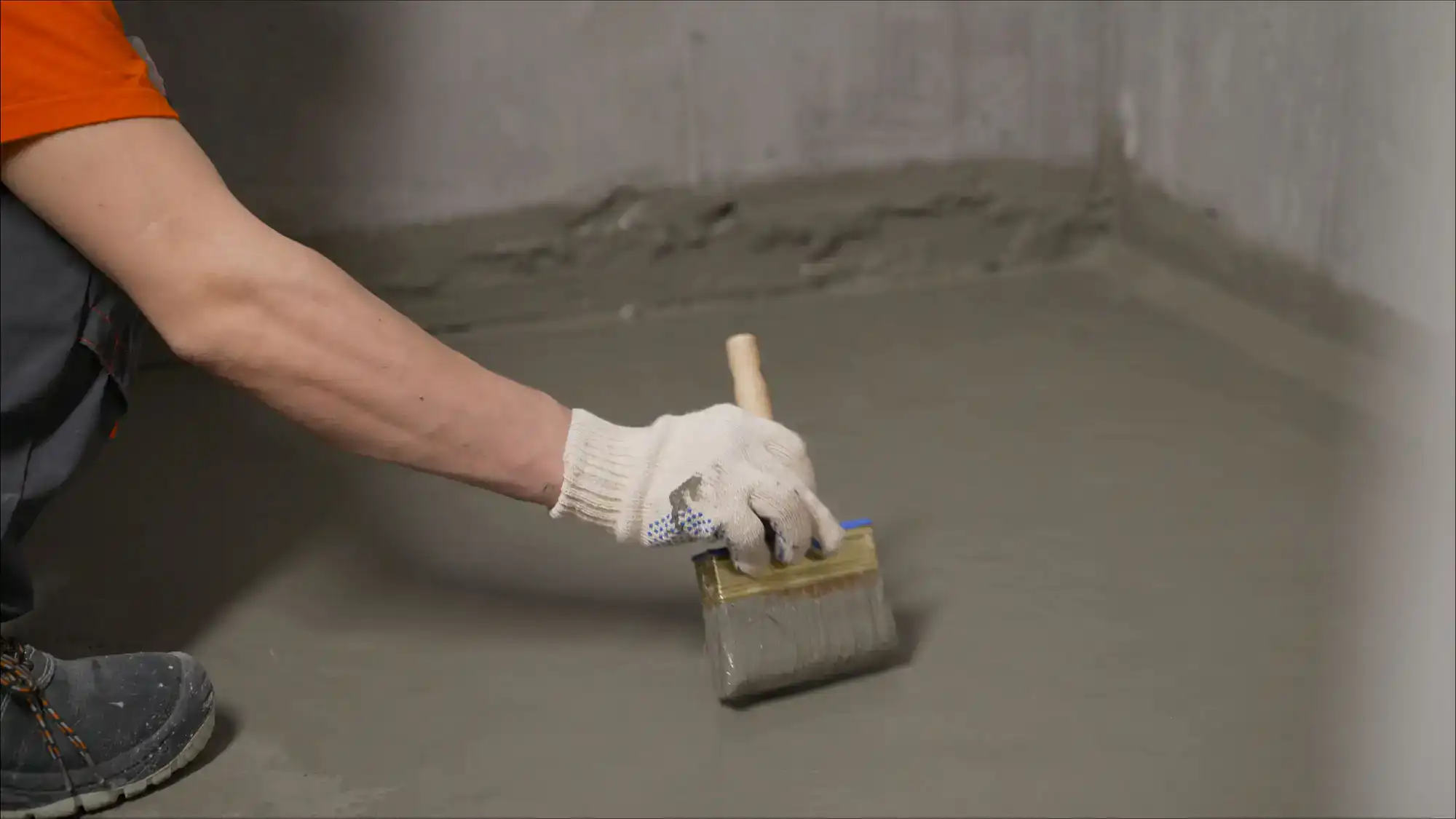
This is one of the most common questions we hear from homeowners on the North Shore, and the answer comes down to hydrostatic pressure. In St. James and the surrounding Smithtown area, the water table sits close to the surface. After snowmelt and spring rainfall, that water table rises and it pushes upward against your basement floor and laterally against your foundation walls, regardless of whether there are visible cracks. Water finds its way through the porous concrete itself, through the joint where the floor meets the wall, or through gaps that aren’t visible to the naked eye.
The fix isn’t about finding a crack to seal. It’s about managing where that water goes once it reaches the foundation. An interior drainage system installed at the perimeter of the basement floor intercepts that water before it pools and routes it to a sump pump for removal. If your basement gets wet every spring in St. James and you’ve never had a drainage system installed, that’s almost certainly what’s missing.
It depends on what the inspection finds, which is why we don’t quote over the phone. That said, here’s a realistic range for the most common work we do in the St. James area. Foundation crack sealing using epoxy or polyurethane injection typically runs $800 to $1,500 per crack. Sump pump installation in St. James generally falls between $600 and $1,900 depending on the system. A full interior drainage system on a standard basement runs anywhere from $4,500 to $10,000 for most residential applications, with larger or more complex jobs going higher.
What drives cost up is usually the scope of the problem how many linear feet of drainage channel are needed, whether the sump pit requires excavation, and whether there’s existing damage like mold or wood rot that needs to be addressed before waterproofing can begin. For St. James homeowners, the more useful number to keep in mind is the cost of waiting. A crack that costs $1,200 to seal today can widen through one or two freeze-thaw cycles into a structural repair that costs five to ten times that. The inspection is free use it.
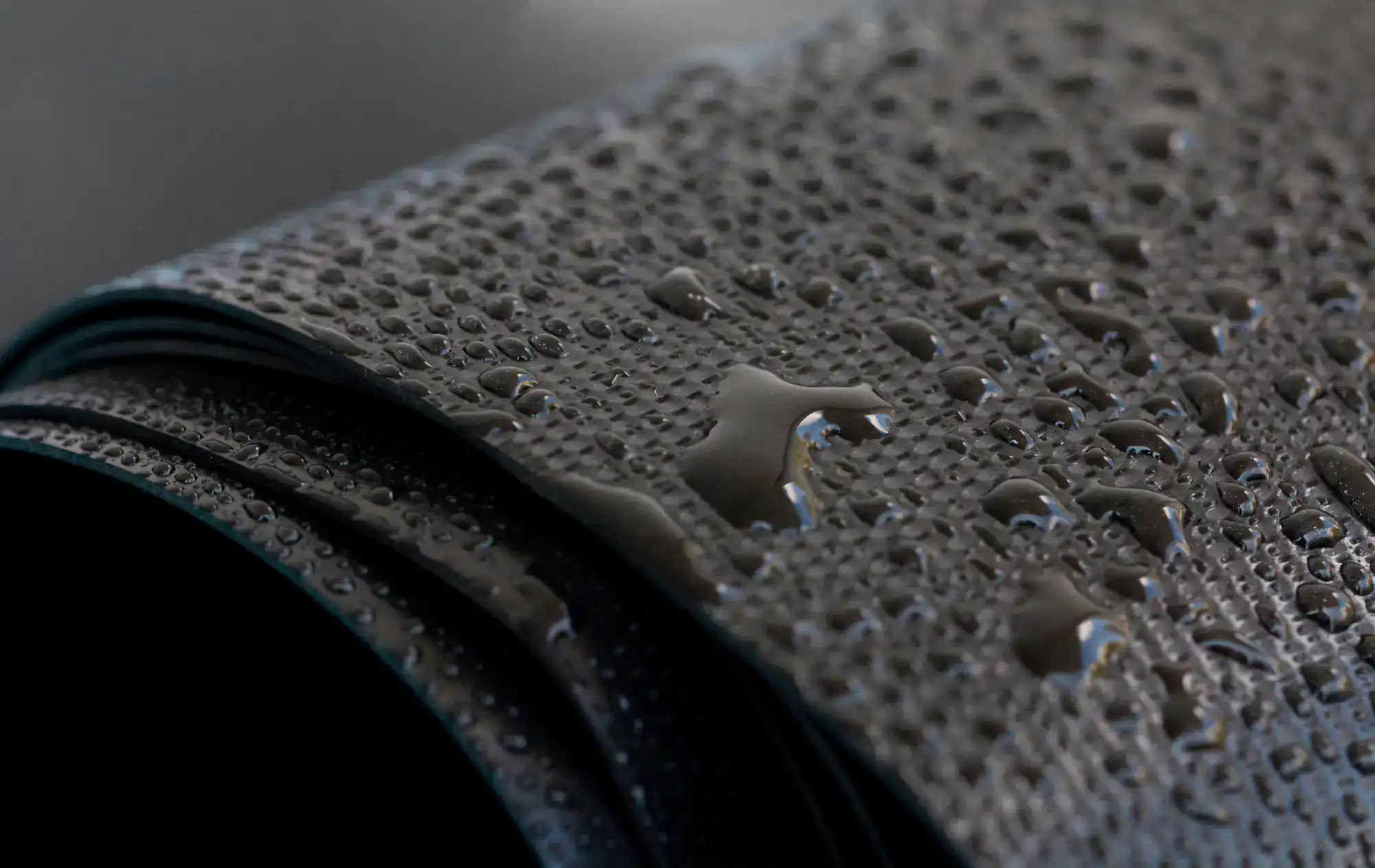
Exterior waterproofing means excavating around the foundation, applying a waterproof membrane to the outside of the wall, and installing drainage board and a drain tile system to redirect water away from the foundation before it ever makes contact. It’s the most comprehensive approach when it’s feasible, but it’s also the most expensive and disruptive it involves digging down to the footing around the perimeter of the home.
Interior basement waterproofing in St. James manages water after it reaches the foundation rather than before. A perimeter drainage channel is installed inside the basement floor, water that enters the wall or rises through the floor is captured and routed to a sump pump, and the pump removes it from the home. For most St. James homeowners especially those in established neighborhoods with mature landscaping, close lot lines, or finished exterior spaces interior waterproofing is the more practical and cost-effective solution. It doesn’t stop water from reaching the wall, but it stops water from damaging your home. In most cases, that’s exactly what’s needed.
It depends on the scope of the work. St. James is a hamlet within the Town of Smithtown, so permits are issued through the Town of Smithtown Building Department. For simple crack injection repairs, a permit is typically not required it’s a repair to an existing structure, not new construction. But if the job involves installing an interior drainage system, breaking the concrete floor, or installing a new sump pump with drainage connections, a permit is generally required.
Exterior waterproofing that involves excavation next to the foundation also requires permits and may involve a call-before-you-dig requirement through NY 811 to identify underground utilities. Structural repairs like carbon fiber straps or wall anchors for bowing foundation walls may require a permit and, in some cases, an engineer’s sign-off. We handle the permit process when it’s required as part of the job. We don’t ask you to manage that on your own. If you want to confirm current requirements before your inspection, the Town of Smithtown Building Department can be reached directly.
The honest answer is that you usually can’t tell just by looking at it and neither can most contractors without a proper inspection. There are some general patterns that signal more concern: horizontal cracks in a block or poured concrete wall are more serious than vertical ones because they indicate lateral pressure from the soil pushing inward. Stair-step cracking in a block foundation typically means the wall is moving. Cracks that are wider at one end than the other, or that you can feel a difference in depth on either side of, are worth taking seriously.
In St. James, the clay-heavy glacial soil puts real lateral pressure on foundation walls over time. A crack that looks stable in a dry August can open noticeably after a wet winter. The freeze-thaw cycle on the North Shore where ground temperatures fluctuate more significantly than on the flat South Shore accelerates that process. A hairline crack in November can be actively leaking by March. Getting an inspection before winter is the right call if you’ve noticed anything new or anything that’s changed since last year.
For most St. James homes, yes and here’s the practical reason. The storms that raise the water table and push water into basements on the North Shore are the same storms that knock out power. A standard sump pump runs on electricity. When the power goes out during a heavy storm, a pump without a battery backup stops working exactly when you need it most. That’s what happened during the storm that triggered water rescues in Smithtown and St. James and dropped nearly ten inches of rain on neighboring Stony Brook in a matter of hours.
A battery backup system runs independently of your home’s power and kicks in automatically when the primary pump loses electricity or when water volume exceeds what the primary pump can handle on its own. For a home sitting on North Shore clay soil with a water table that rises quickly after heavy rain, a backup system is the difference between a dry basement and a flooded one at the worst possible time. It’s the part of the system that actually protects you when the weather gets serious.