Hear from Our Customers
The biggest problem most East Quogue property owners run into isn’t the clearing itself it’s what happens when the wrong contractor starts work without checking what’s allowed. Southampton Town has a site disturbance permit requirement that applies to most residential lots over a half-acre. The Central Pine Barrens Overlay District divides properties into zones where clearing is either tightly restricted or outright prohibited. If your contractor doesn’t know the difference before they touch the property, you’re the one absorbing the stop-work order and the fine.
East Quogue’s soils add another layer. The outwash plain beneath most of the hamlet is sandy, loose, and highly erodible once you strip the vegetation. Without proper erosion controls in place during clearing silt fencing, staged removal, sediment barriers you can end up with soil movement that damages your property and puts you sideways with the Town’s stormwater requirements. That’s not a small issue on a lot you’re preparing for new construction or a renovation.
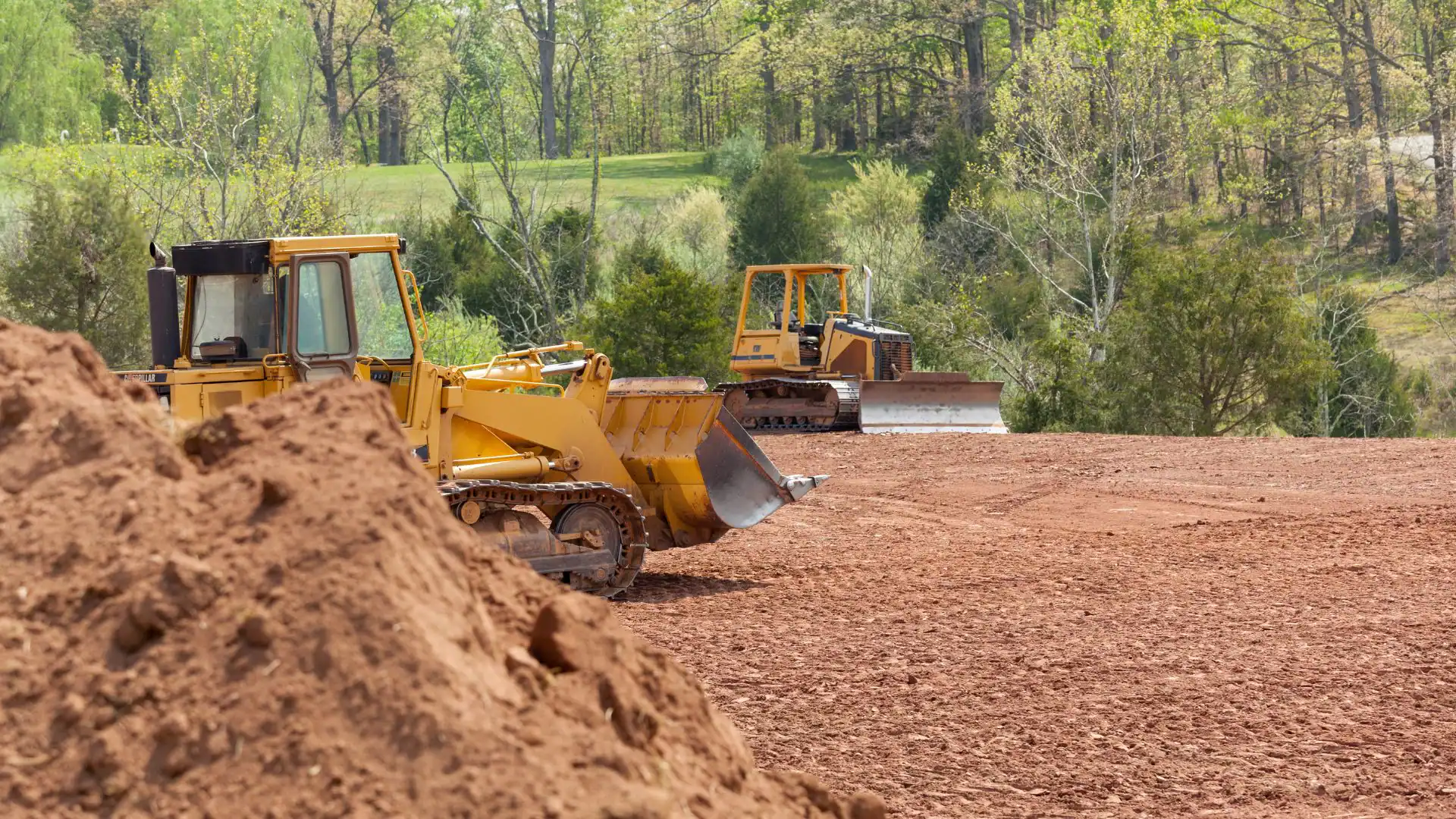
What you actually want at the end of this is a cleared, stable, construction-ready site no debris piles left in the corner, no compliance headaches waiting for you, and no surprises on the invoice. That’s the outcome worth paying for.
Gold Coast Landworks operates on the South Fork of Long Island, and East Quogue is part of the territory we know well not because we’ve added it to a service area list, but because we’ve worked on the properties here. We understand what a pine barrens-adjacent lot in the Compatible Growth Area looks like. We know the difference between a wetland buffer situation along Phillips Creek and a standard inland clearing job. We know how Southampton Town’s Department of Land Management operates and what they need to see before work begins.
We’re fully licensed and insured for work in Suffolk County. Every quote we provide for an East Quogue property includes a compliance review because skipping that step isn’t something we’re willing to do, and it shouldn’t be something you’re willing to accept from any contractor. If a permit is needed before clearing starts, we’ll tell you upfront, not after the fact.
It starts with a site assessment. Before any equipment is scheduled, we look at the property the vegetation type, the lot boundaries, the proximity to any wetlands or mapped pine barrens zones, and what Southampton Town is going to require before clearing can begin. For East Quogue properties near Shinnecock Bay, Phillips Creek, or anywhere within the Central Pine Barrens overlay, this step isn’t optional. It’s what keeps the job from getting stopped before it’s finished.
Once the compliance picture is clear, you get an itemised quote. Not a round number a breakdown that separates clearing, stump removal, debris disposal, and any site grading so you know exactly what you’re paying for. If the scope changes during the job, you hear about it before additional work proceeds. No invoice surprises.
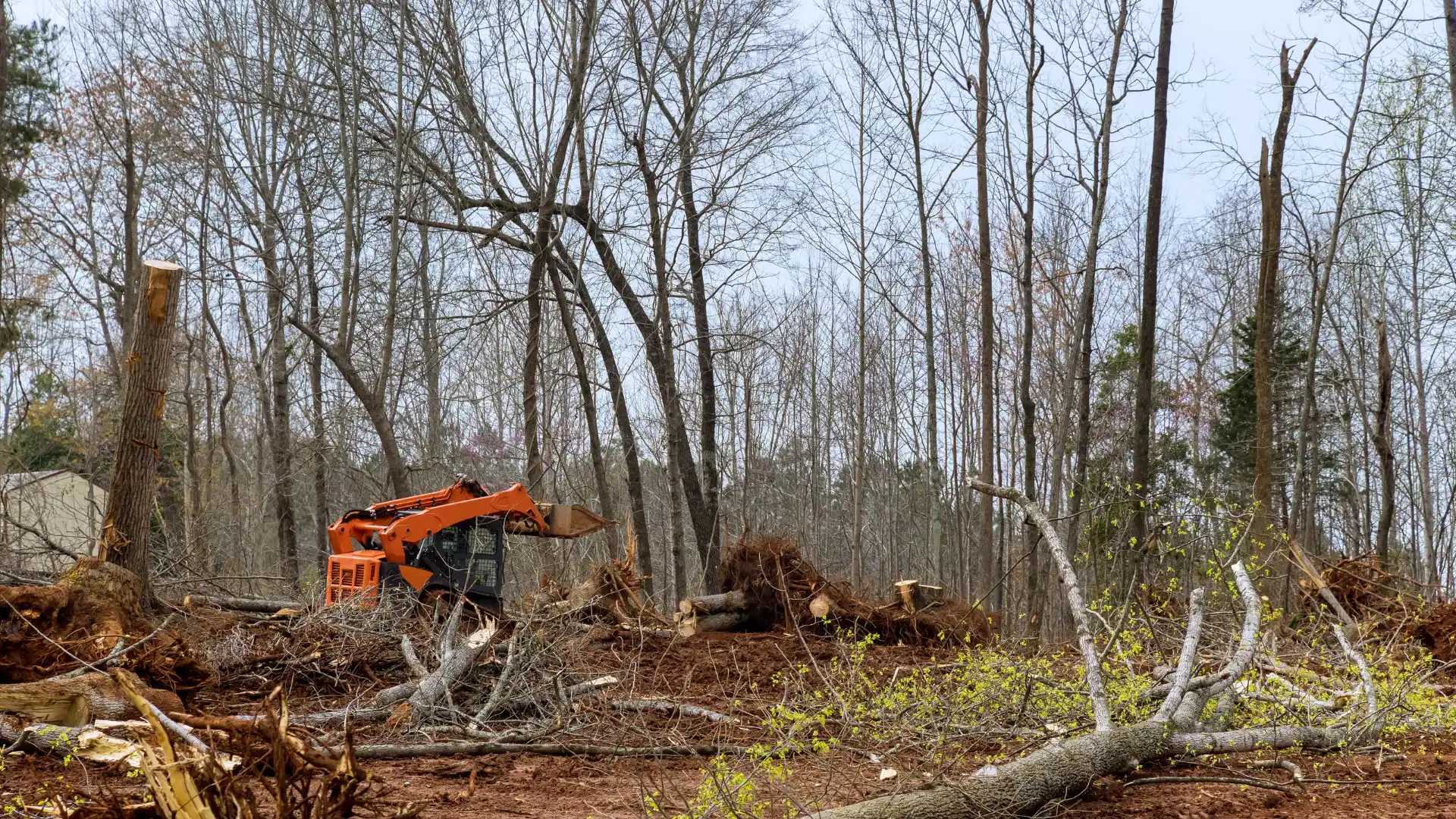
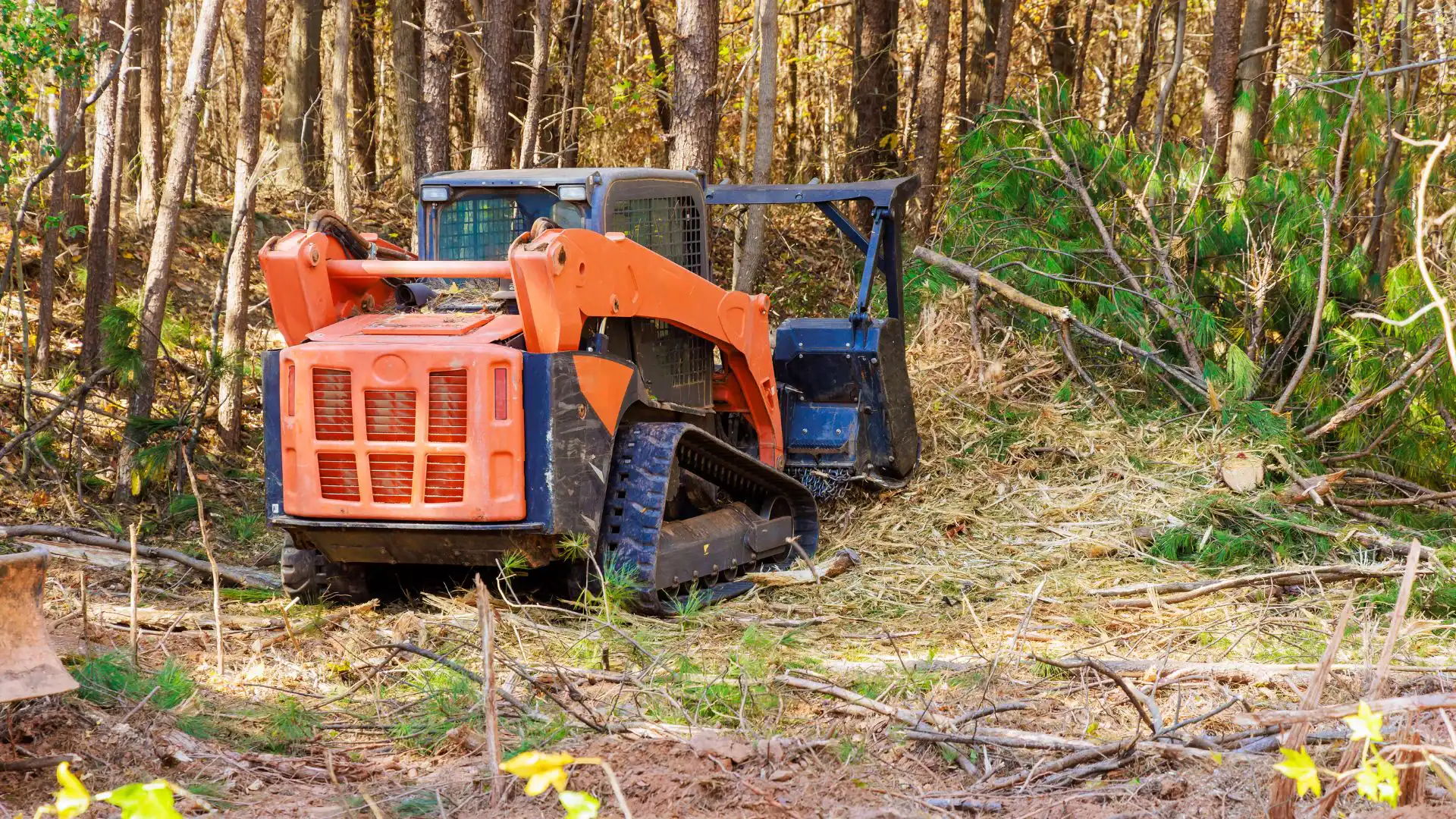
The clearing itself is staged and controlled. On East Quogue’s sandy soils, we implement erosion controls as we work not as an afterthought. When the job is done, the debris is gone, the site is clean, and if you have a builder, landscaper, or pool contractor coming in next, they’re walking onto a site that’s actually ready for them. That’s what the process is supposed to produce.
Ready to get started?
East Quogue properties present a specific vegetation profile that most generic clearing contractors aren’t set up for. Pitch pine, scrub oak, and heath shrubs dominate the inland and pine barrens-adjacent lots. Along the waterfront margins near Hampton Point and Pine Neck Landing, phragmites encroachment is a recurring issue and because phragmites sits close to wetland boundaries, how you remove it matters as much as whether you remove it. Invasive shrubs including multiflora rose and oriental bittersweet show up on neglected parcels throughout the hamlet, and they come back aggressively if they’re not removed correctly the first time.
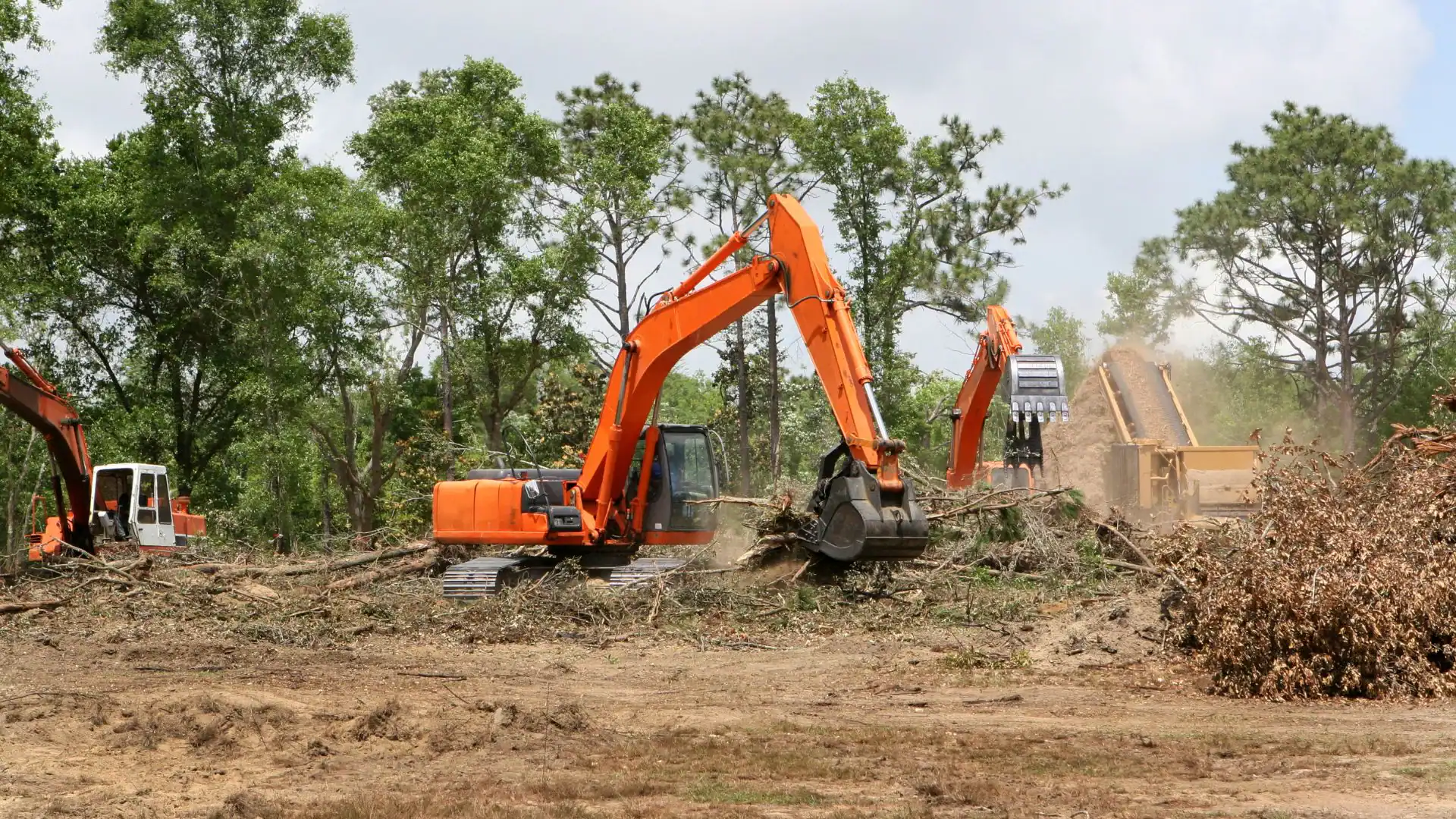
We handle the full scope under one quote: brush removal, tree clearing, stump grinding, debris processing, and site levelling. You don’t need to coordinate a separate tree service, a stump grinding company, and a debris hauler. One crew handles it start to finish. For properties that have been left unmanaged for years overgrown parcels purchased for development, inherited lots that have been neglected, or land reclamation jobs where the vegetation has fully reclaimed the site we start with a clear assessment of what’s there, what’s regulated, and what the finished property will look like before we quote the job.
If your East Quogue property falls within the Central Pine Barrens Compatible Growth Area, we work within those guidelines. If it’s near a mapped wetland, we flag the setback requirements before clearing begins. The goal is a clean, usable site done in a way that doesn’t come back to bite you.
In most cases, yes and the answer depends on a few things specific to your property. Southampton Town has a site disturbance permit requirement that applies to clearing or substantial regrading exceeding 2,000 square feet on properties over a half-acre. That threshold covers the majority of residential lots in East Quogue, so it’s not a requirement you can assume doesn’t apply to you.
On top of that, if your property falls within the Central Pine Barrens Overlay District which covers a significant portion of East Quogue you may need review from the Central Pine Barrens Joint Planning and Policy Commission before any clearing begins, depending on whether your lot is in the Core Preservation Area or the Compatible Growth Area. And if the property is near Shinnecock Bay, Phillips Creek, or any mapped wetland, Southampton Town code requires a wetlands permit for clearing within 125 feet of the wetland boundary. The short answer: don’t assume you’re clear to start without checking. We review all of this as part of the quoting process for every East Quogue job.
It varies based on lot size, vegetation density, access, and what the site requires when the clearing is done. For a standard residential lot in East Quogue, clearing costs generally range from around $1,500 to $3,500 on the lower end for lighter vegetation and smaller footprints, up to $7,000 or more per acre for heavily vegetated or difficult-access terrain. East Quogue’s pine barrens-adjacent lots where pitch pine and scrub oak are dense and root systems are well-established tend to fall toward the higher end of that range.
Stump grinding, debris removal, and any site grading are typically separate line items, which is why an itemised quote matters. A low headline number that doesn’t include debris hauling or stump removal isn’t a real quote it’s the beginning of a conversation that ends with a bigger invoice. When we quote an East Quogue clearing job, every cost is broken out so you know what you’re actually committing to before the work starts.
The Central Pine Barrens Overlay District is a regulatory layer established under Southampton Town Code that applies to properties within the designated pine barrens area which includes portions of East Quogue. The overlay divides land into two zones: the Core Preservation Area, where development and clearing are essentially prohibited, and the Compatible Growth Area, where clearing and development are permitted but subject to strict guidelines under the Central Pine Barrens Comprehensive Land Use Plan.
If your East Quogue property sits in the Compatible Growth Area, clearing is allowed but the process requires compliance with the plan’s standards, and in some cases review by the Central Pine Barrens Joint Planning and Policy Commission. If it falls in the Core Preservation Area, clearing is not permitted without a hardship exemption or waiver, which is a significant and difficult process. Before we quote any East Quogue property, we check which zone applies. It’s not something you want to discover after the fact, and it’s not something a contractor who doesn’t know the area will think to check.
Everything gets removed from the site that’s not an optional add-on, it’s part of what a complete clearing job means. Brush, tree material, and stumps are processed and hauled off the property so you’re not left managing a debris pile after the crew leaves. On East Quogue properties where lot presentation matters whether you’re preparing for a build, getting the property ready for sale, or simply reclaiming land that’s been overgrown leaving debris on site defeats the purpose of the job.
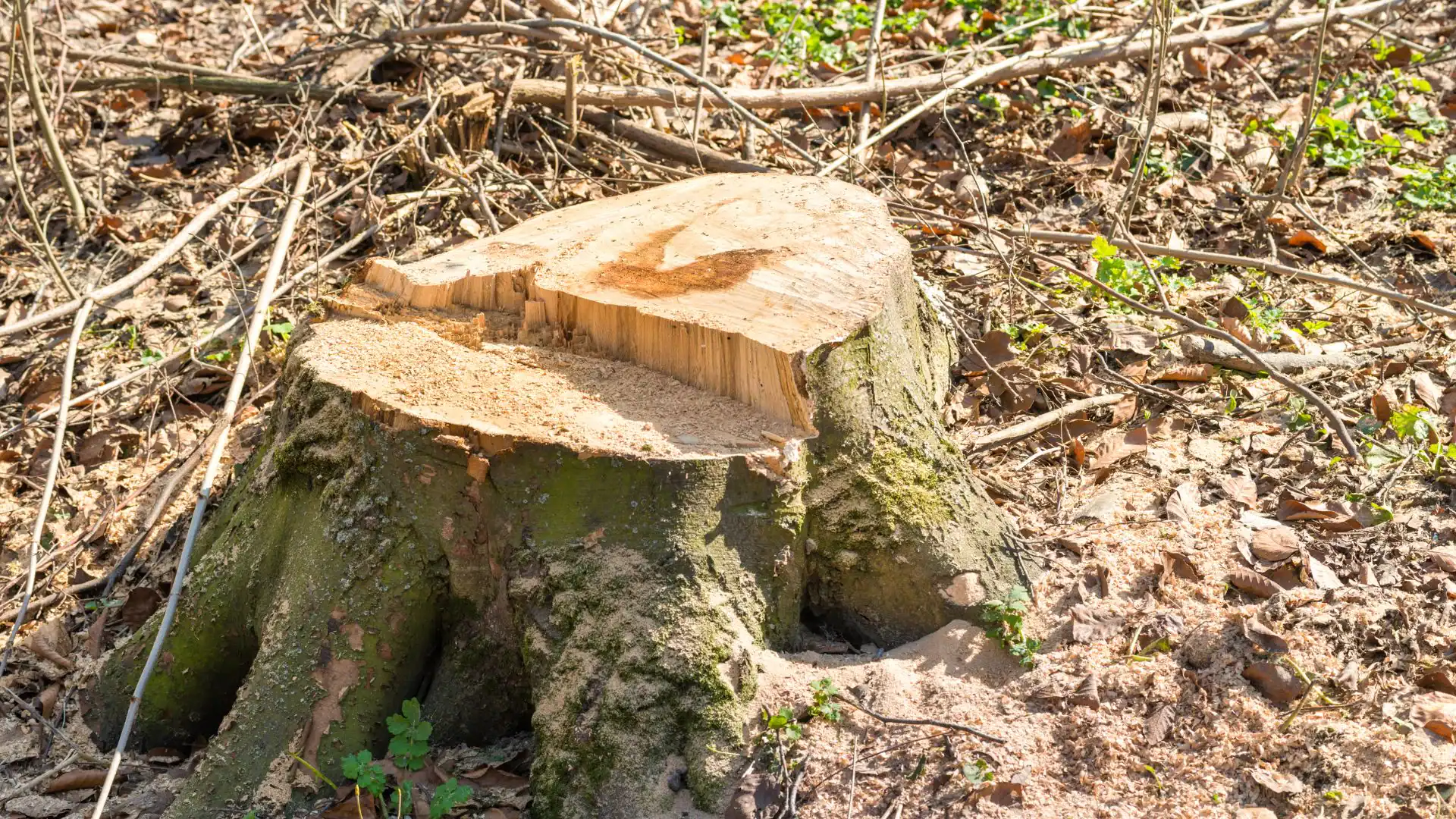
Stump grinding is handled as part of the clearing scope. Stumps that are left in the ground become a problem for any future grading, landscaping, or construction work, and on East Quogue’s sandy soils, partially removed root systems can create instability and uneven ground. We grind stumps to a depth that allows the site to be properly graded and used not just ground to surface level and called done. The final site is clean, level where required, and ready for whatever comes next.
Yes, significantly. If your property has frontage on Shinnecock Bay, Phillips Creek, or any mapped tidal or freshwater wetland, Southampton Town code requires that clearing and physical disturbance within 125 feet of the wetland boundary be reviewed and permitted before work begins. This applies to waterfront communities throughout East Quogue, including properties in Hampton Point and Pine Neck Landing, as well as any lot near a mapped water body.
The New York State Department of Environmental Conservation also has jurisdiction over tidal and freshwater wetlands, and DEC permits may be required in addition to Southampton Town’s review process. A contractor who clears vegetation within a restricted wetland buffer even unintentionally exposes both themselves and the property owner to enforcement action, fines, and mandatory restoration requirements. We identify wetland boundaries as part of the site assessment for every waterfront or near-water East Quogue property before any clearing scope is agreed. It’s not a bureaucratic formality it’s how you protect a property investment that’s worth protecting.
Late winter through early spring roughly February through April is the most in-demand window for East Quogue clearing jobs, and for good reason. Most second-home owners, developers, and renovation-focused buyers who want to build or improve during the summer season need their sites cleared and ready before the construction window opens. Builders, pool contractors, and landscapers in the Hamptons area book up quickly, and they need a cleared, graded site before they can start. If clearing gets pushed to May or June, you can lose your spot in the construction queue entirely.
That said, clearing can be done year-round in East Quogue, and fall is actually a reasonable time to schedule work on heavily vegetated lots vegetation is dormant or dying back, which makes the scope easier to assess and execute. The main thing to avoid is waiting until the last minute before a planned project start. We schedule East Quogue jobs with the construction calendar in mind, and early booking is the most reliable way to make sure your project starts when you need it to.