Hear from Our Customers
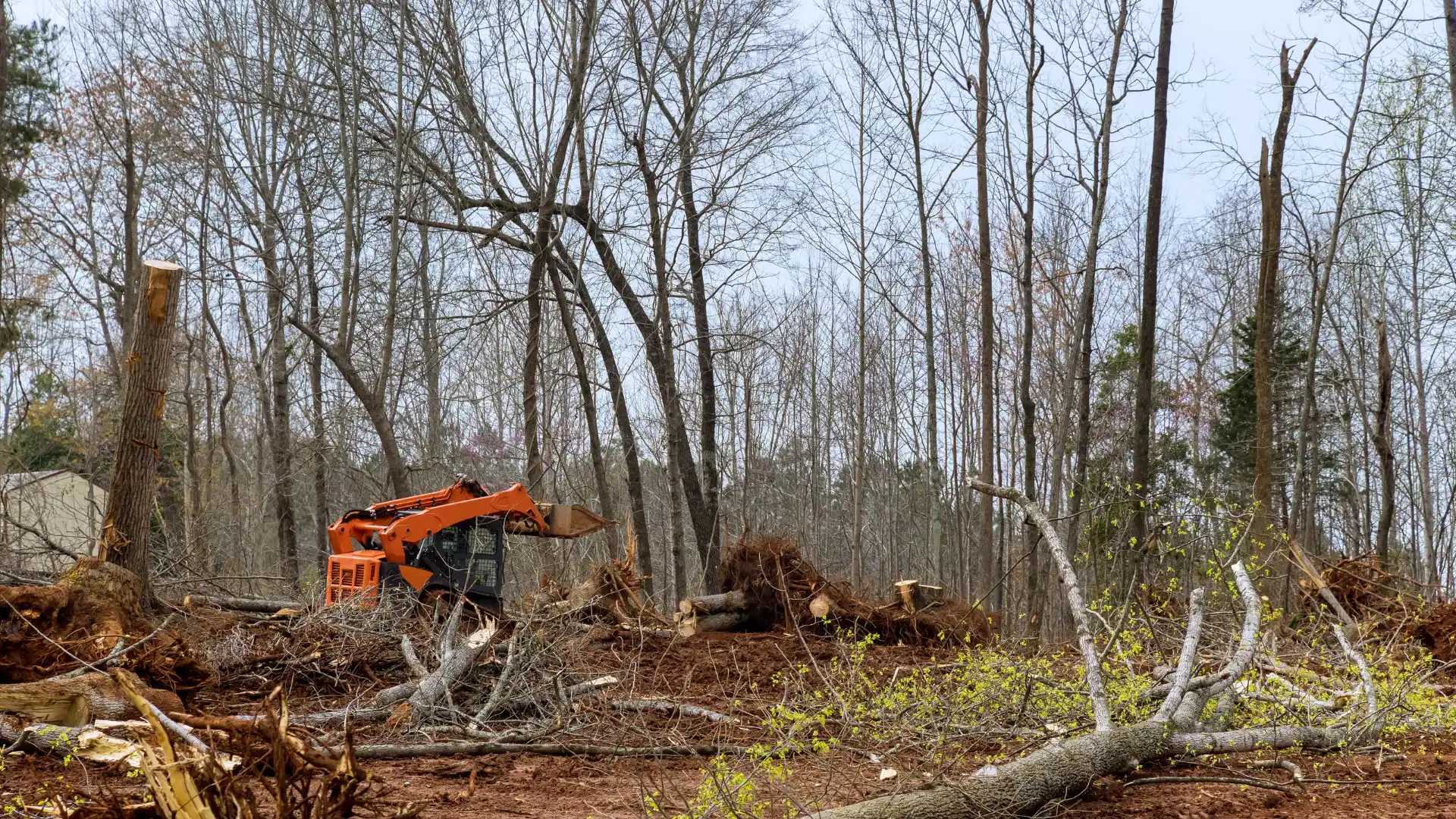
Buying a wooded property in Manorville is one thing. Actually being able to use it is another. Whether you’re building, landscaping, or reclaiming land swallowed by brush and secondary growth, the end goal is the same a cleared, usable piece of ground ready for whatever comes next.
What makes Manorville different from most of Long Island is what surrounds it. The Central Pine Barrens sits right on the doorstep of this hamlet, and that changes the clearing conversation significantly. Properties here can sit within or directly adjacent to a protected zone where clearing without the right approvals isn’t just a mistake it’s an enforcement issue. The last thing you want after purchasing a property near the Pine Barrens is a stop-work order or a remediation demand because someone didn’t check the regulatory status before they started.
Beyond compliance, there’s the fire risk angle that’s easy to overlook until you’ve lived in Manorville long enough to remember April 2012, when brushfires burned over 1,100 acres around the hamlet and closed sections of the Long Island Expressway. Overgrown vegetation close to structures isn’t just an eyesore in this area it’s a genuine hazard. Professional vegetation removal and brush clearing in Manorville isn’t just about aesthetics or development. For a lot of homeowners here, it’s about safety too.
We’re a land clearing and earthworks contractor serving Long Island, with deep familiarity across eastern Suffolk County including the wooded, large-lot properties that define Manorville and surrounding communities. This isn’t a tree service that added “land clearing” to a dropdown menu. It’s the core of what we do, and it shows in how we approach every job.
Most of the properties we work on in Manorville come with genuine complexity mature pitch pine and scrub oak, dense understory brush, invasive bamboo that grows back if you only cut it, and regulatory layers that most contractors simply aren’t tracking. We are. Before we quote any job in Manorville, we check the property’s status against the Central Pine Barrens Comprehensive Land Use Plan and the applicable Town of Brookhaven or Town of Riverhead codes because yes, your municipality matters here, and the northeast corner of Manorville falls under different jurisdiction than the rest of the hamlet.
You get a contractor who’s done this work in this environment. That’s not a small thing when you’re clearing land near the Pine Barrens.
It starts with a site inspection no exceptions, especially in Manorville. Before we write a quote, we need to walk the property. We’re assessing vegetation density, terrain, access points, and critically the regulatory status of the land. If your property sits within or adjacent to the Pine Barrens Compatible Growth Area, a Central Pine Barrens Commission waiver may be required before any clearing begins. If there are wetland features or proximity to the Carmans or Peconic river watersheds, we flag any DEC buffer requirements at this stage too. This isn’t busywork. It’s the step that keeps your project from getting stopped before it’s started.
Once the site inspection is complete, you receive an itemised quote. Clearing scope, stump removal, debris processing, haulage all listed separately so you know exactly what you’re paying for before anything moves. If the scope changes because the site revealed more than expected, that conversation happens before the equipment rolls in, not after the invoice lands.
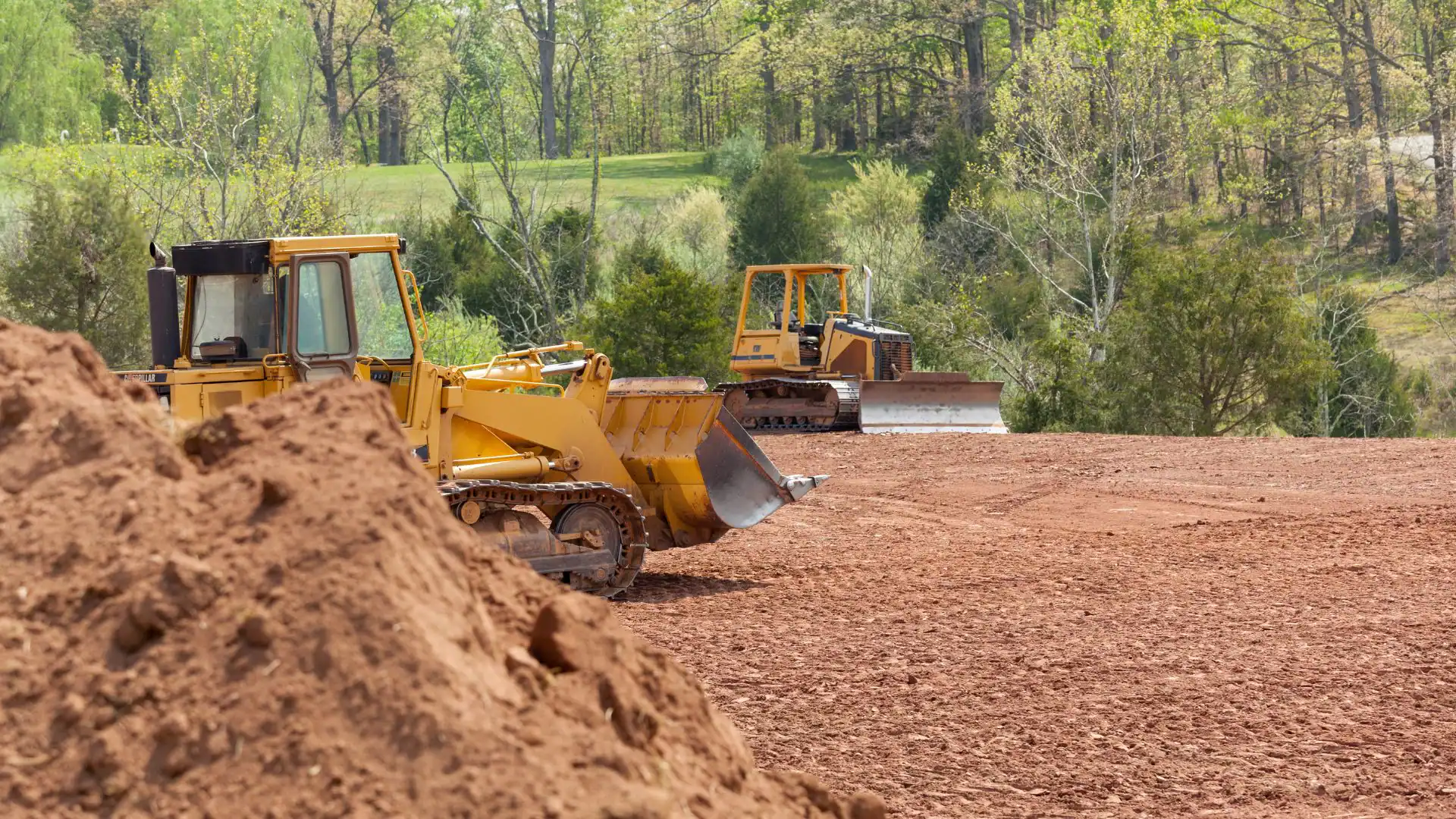
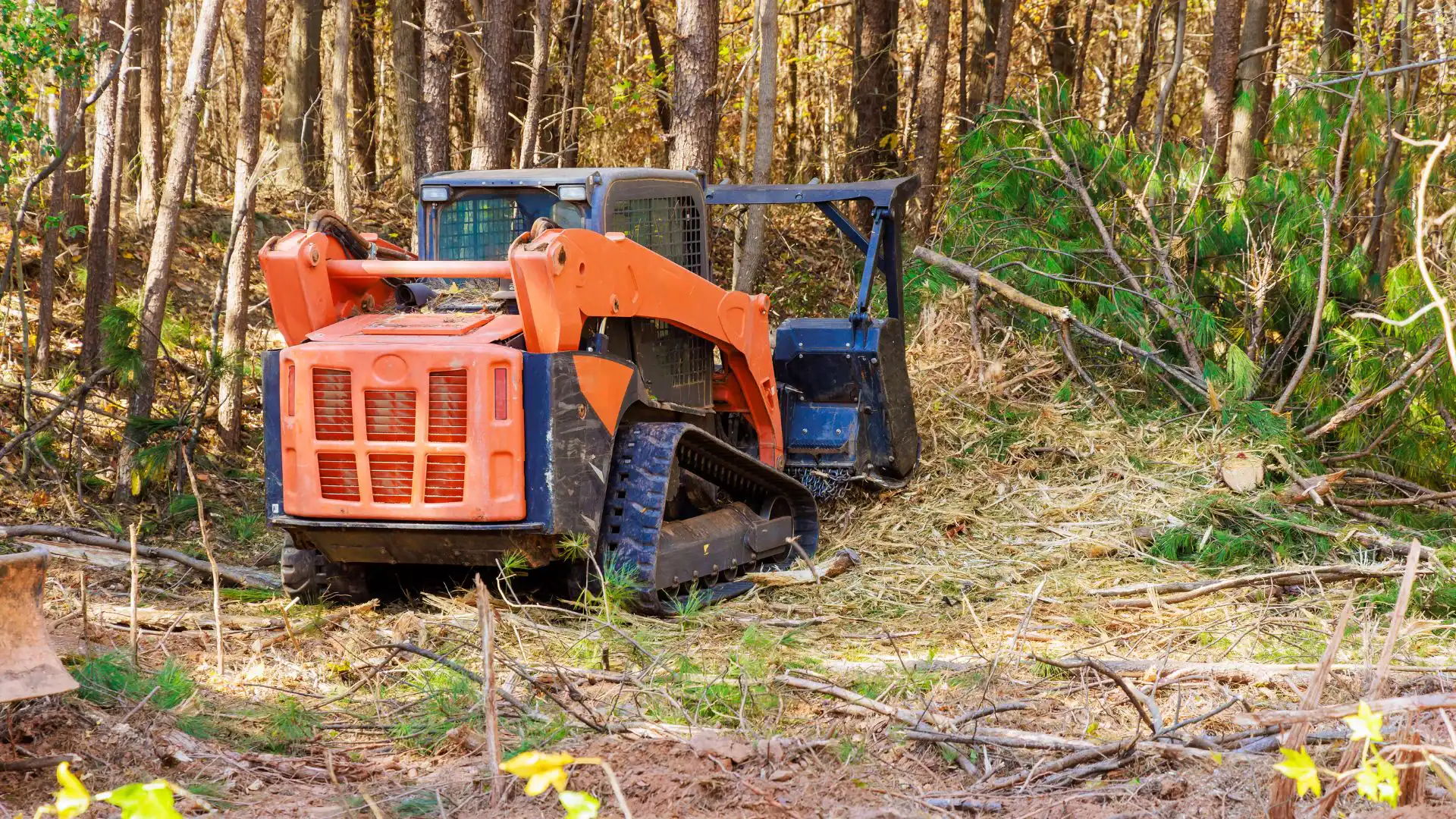
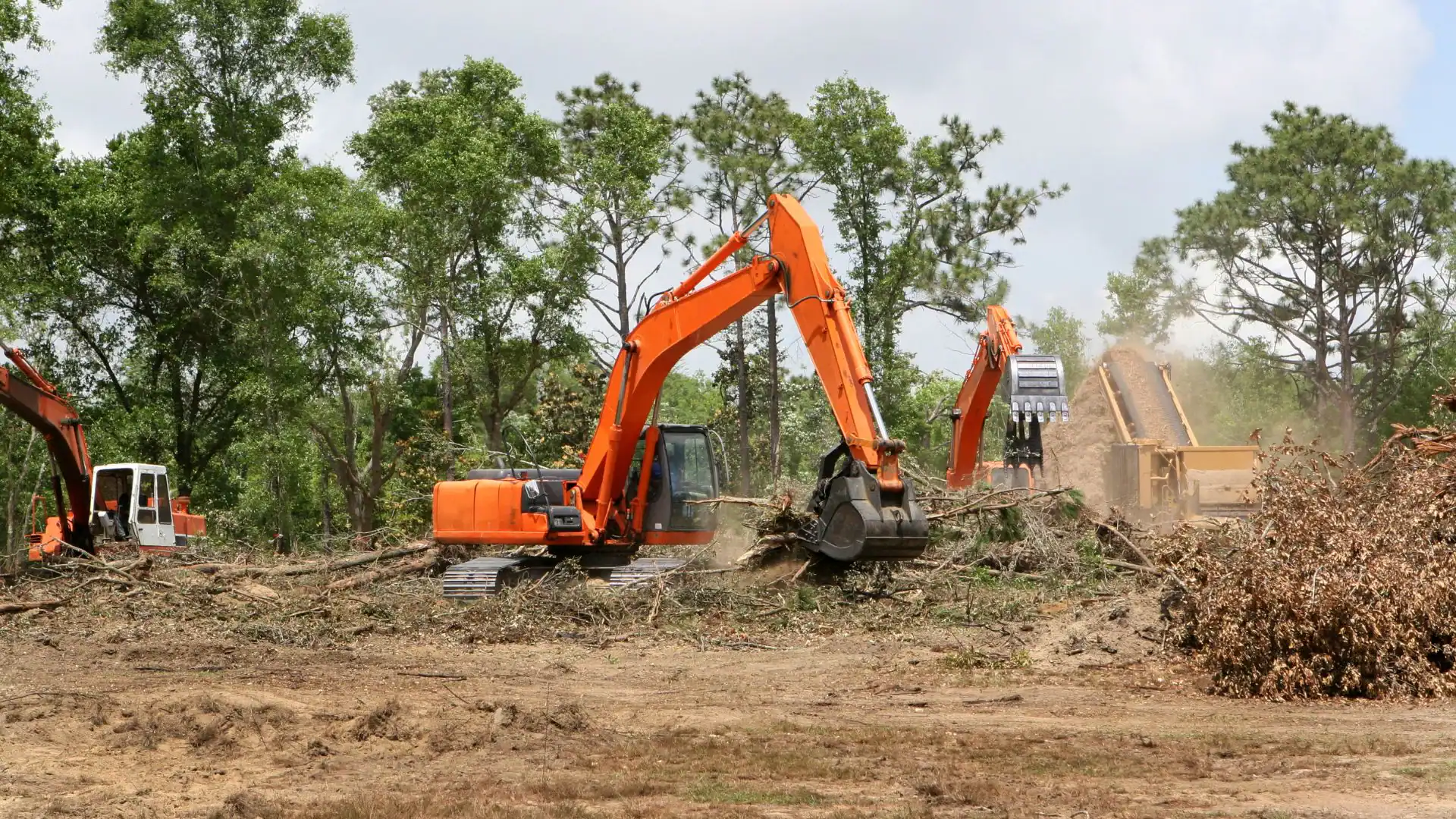
On the job itself, we bring the machinery appropriate for Manorville’s wooded, large-lot properties. Mature trees, dense scrub, bamboo with deep rhizome systems all of it gets handled properly. When the work is done, the site is clean. Debris doesn’t get piled at your boundary for you to deal with later. You get a cleared property that’s ready for whatever comes next whether that’s construction, landscaping, or simply land you can finally walk through without a machete.
Ready to get started?
Land clearing in Manorville covers a wide range of situations, and the scope of any job is driven by what’s actually on the property not a one-size-fits-all package. Overgrown property clearing on a lot that’s been neglected for years looks different from a wooded parcel being prepared for new construction, which looks different again from a land reclamation project where bamboo or invasive scrub has taken over a portion of an established yard.
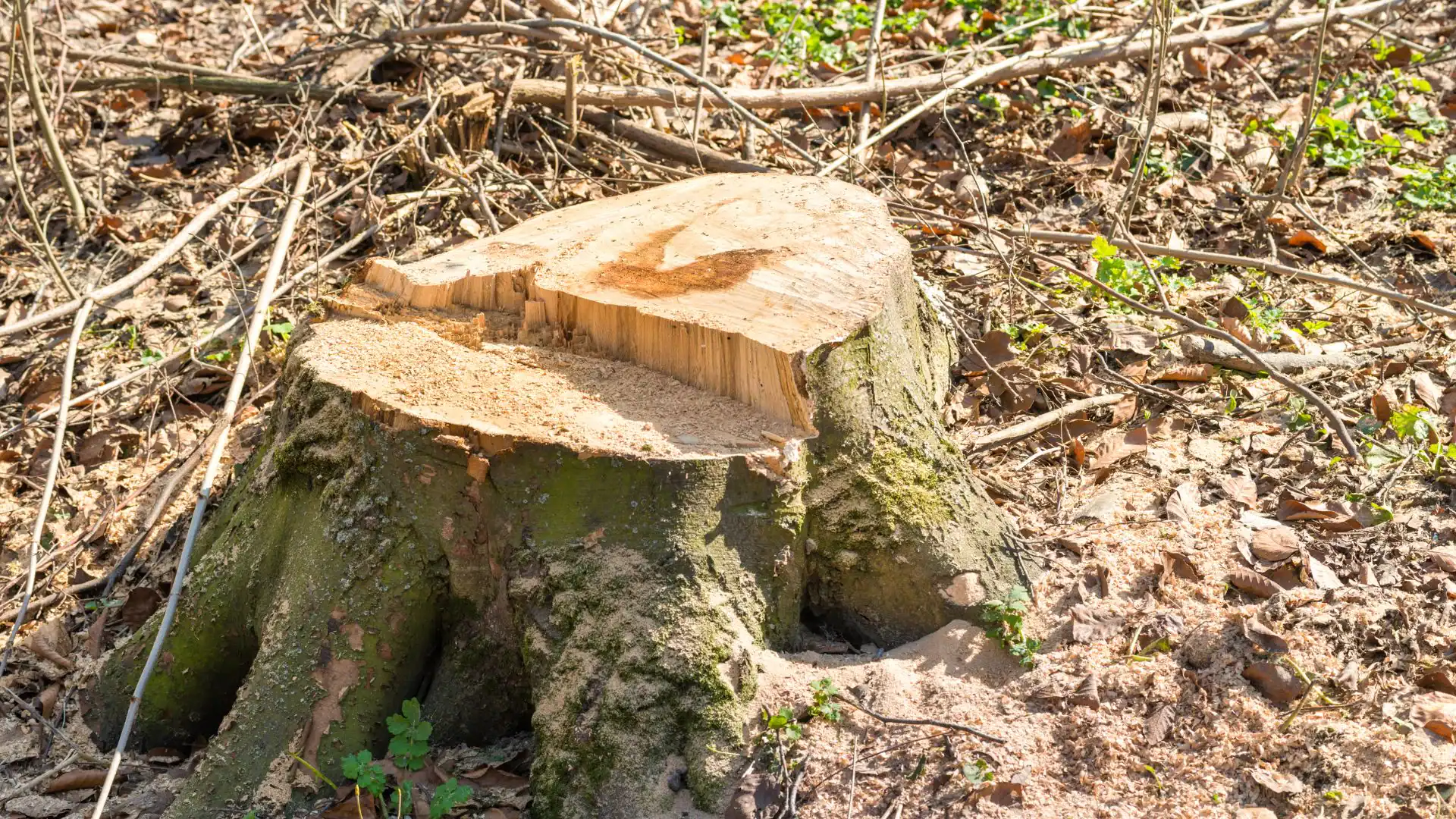
What stays consistent across every job is our approach: a site inspection before quoting, an itemised breakdown of costs, and a full-service process that takes the property from its current state to a clean, cleared result. That means vegetation clearing, stump grinding or removal, debris processing, and site cleanup handled in sequence by one crew, under one quote. No coordinating between three different contractors. No debris left on site. No surprises at invoice time.
For Manorville properties specifically, every job also includes a regulatory check as a standard part of the quoting process. Given the hamlet’s position relative to the Central Pine Barrens, the dual Brookhaven and Riverhead municipal jurisdictions, and the wetland sensitivities tied to the Carmans and Peconic watersheds, skipping this step isn’t an option. If a waiver or permit is required before clearing can begin, you’ll know that upfront with enough time to get it sorted before the scheduled start date.
It depends on where your property sits and what you’re clearing. Most of Manorville falls within the Town of Brookhaven, but the northeast corner of the hamlet is in the Town of Riverhead and each municipality has its own land use and environmental codes. Beyond the town level, if your property is within or adjacent to the Central Pine Barrens Compatible Growth Area, you may need a waiver from the Central Pine Barrens Joint Planning and Policy Commission before any clearing, excavation, or construction begins. The Core Preservation Area prohibits development entirely.
There are also Suffolk County DEC considerations if your property is near wetlands or within the Carmans or Peconic river watersheds both of which have headwaters in the Pine Barrens region that runs through Manorville. Land disturbance projects over five acres in Suffolk County require a separate county permit as well. The short answer is: don’t assume you’re clear to clear. A site inspection that confirms your property’s regulatory status before work begins is the step that keeps a straightforward clearing job from becoming a compliance problem.
The consequences are real and documented. The Central Pine Barrens Commission has enforcement authority over clearing activity within the protected zone, and violations can result in stop-work orders, fines, and mandatory remediation meaning you may be required to restore the vegetation you removed at your own expense. In 2024, the New York Attorney General and the Pine Barrens Commission reached a settlement with a landscaping business for illegally removing trees and vegetation from protected Pine Barrens land. This isn’t a theoretical risk for Manorville property owners.
The Pine Barrens Comprehensive Land Use Plan was also updated in July 2024, tightening the permitted clearing limits for non-residential developments from 65% to 60% of the impacted property. If you’re working with a contractor who isn’t tracking these updates or who doesn’t check your property’s status before quoting you’re taking on that regulatory risk yourself. The cost of getting it wrong is significantly higher than the cost of doing it right the first time.
There’s no honest flat-rate answer for land clearing in Manorville, because the variables here are significant. Lot size, vegetation density, tree size and species, terrain, access, stump removal requirements, debris volume, and whether any regulatory steps are needed before work begins all of these affect the final number. A half-acre of dense wooded scrub with mature pitch pine and bamboo is a fundamentally different job than a quarter-acre of light brush overgrowth.
What you should expect from us is an itemised quote after a site inspection not a rough number over the phone. Ballpark ranges for land clearing on Long Island typically start around $1,500 to $3,000 for smaller residential lots and can run $8,000 to $20,000 or more for larger, heavily wooded properties with significant stump removal and debris haulage. Given Manorville’s large-lot character and the density of vegetation typical of properties near the Pine Barrens fringe, many jobs here fall toward the middle to upper end of that range. An itemised quote after a proper site walk is the only way to give you an accurate number.
Yes but not by cutting alone. Bamboo spreads through underground rhizomes, and if you only cut the canes above ground, the root system will push new growth back up within a season. Permanent removal requires addressing the rhizome network, which means excavation and extraction of the root mass, not just surface clearing. This is a documented problem across Suffolk County properties, and Manorville is no exception bamboo has established itself on many Long Island lots and is one of the more persistent invasive removal challenges in the region.
The right approach depends on the extent of the infestation and the intended use of the cleared area. For properties being prepared for construction or landscaping, full excavation and removal of the rhizome layer is typically the most effective long-term solution. For larger areas or boundary infestations, a combination of mechanical removal and follow-up management may be more practical. Either way, a surface-level cut that needs to be repeated every year isn’t a solution it’s a maintenance contract. Make sure your contractor understands the difference before the work begins.
Fall and winter are genuinely underrated for land clearing on Long Island, and Manorville is a good example of why. Once the leaves drop, visibility into the canopy improves significantly you can assess the full scope of tree cover and secondary growth far more accurately than you can in July when everything is at peak density. Ground conditions in fall are typically firmer and drier than spring, which matters when you’re running heavy equipment across a wooded property with the sandy, variable soils common to the Pine Barrens fringe.
Spring is the busiest season for clearing requests, which means longer lead times for scheduling. If you’re planning a construction project or landscaping work for summer, getting the clearing done in fall or early winter puts you in a much better position the site is ready when the ground thaws and contractors are available. Winter clearing is also viable in Manorville; frozen ground can actually improve equipment access on soft or sandy soils. The one seasonal factor worth noting is fire risk during dry summer and fall periods, given the hamlet’s proximity to the Pine Barrens overgrown vegetation near structures is a heightened concern in this area during dry stretches.
Yes debris removal and site cleanup are part of the job, not an afterthought. When clearing is complete on a Manorville property, the cleared material is processed and removed from the site. You’re not left with a pile of brush and felled timber at your property line waiting for a separate haul-away contractor to schedule a pickup. That kind of handoff creates delays, coordination headaches, and often an additional cost that wasn’t in the original quote.
For larger Manorville jobs particularly wooded lots with significant timber volume debris processing may include chipping, log splitting, or on-site reduction before haulage, depending on the volume and the intended use of the cleared material. All of this is outlined in the itemised quote before work begins, so you know exactly what’s included and what the site will look like when the crew leaves. Given the scale of clearing projects typical in Manorville, where lots are larger and vegetation is denser than in most western Suffolk communities, having a single contractor handle the full sequence clearing, stumps, debris, cleanup is the most straightforward way to get from overgrown to finished without managing multiple moving parts.