Hear from Our Customers
Most Saint James properties don’t just need a few trees taken down. They need a contractor who understands what’s protected, what requires a permit, and what invasive species are quietly taking over the back half of the lot. When that work gets done correctly, you end up with land that’s actually usable not just technically cleared.
The Town of Smithtown has enforced a tree removal permit ordinance under Chapter 285 for years, and violations carry fines up to $10,000. That’s not a minor detail. On a 1.5-acre wooded lot in the 11780 ZIP code, the difference between a compliant clearing job and a non-compliant one isn’t just paperwork it’s the difference between breaking ground on schedule and dealing with a stop-work order.
Beyond the permit side, the North Shore invasive species problem is real and it’s aggressive. Oriental bittersweet, tree-of-heaven, multiflora rose these aren’t plants you can cut once and walk away from. If the root stock isn’t addressed, they come back thicker than before. A properly cleared Saint James property means the vegetation that’s gone stays gone, and what remains is healthy, protected, and ready for whatever comes next.
We work across Long Island’s North Shore, and Saint James is one of the more demanding markets we serve in the best way. The 11780 ZIP code isn’t just the Saint James hamlet. It includes the incorporated villages of Head of the Harbor and Nissequogue, where lots run large, tree canopies run deep, and the expectations for how a job gets done run high. We know that, and we work accordingly.
Every quote we put together for a Saint James property starts with a site assessment not a phone estimate. We check the tree ordinance requirements before anything gets cut, we identify invasive species that need targeted removal, and we give you a clear picture of what the job involves before you commit to anything.
The Town of Smithtown has held Tree City USA designation since 1986. That’s not a coincidence this community takes its trees seriously, and so do we. You’re not getting a crew that shows up and starts cutting. You’re getting one that knows what to protect, what to remove, and how to leave your Saint James property in better shape than we found it.
It starts with a site walk. Before any equipment moves, we assess the property in person identifying trees that fall under the Town of Smithtown’s Chapter 285 permit requirement, flagging invasive species that need specific removal techniques, and mapping out the clearing scope based on what you’re actually trying to accomplish. If permits are needed, we help you understand the process and what’s required before work begins.
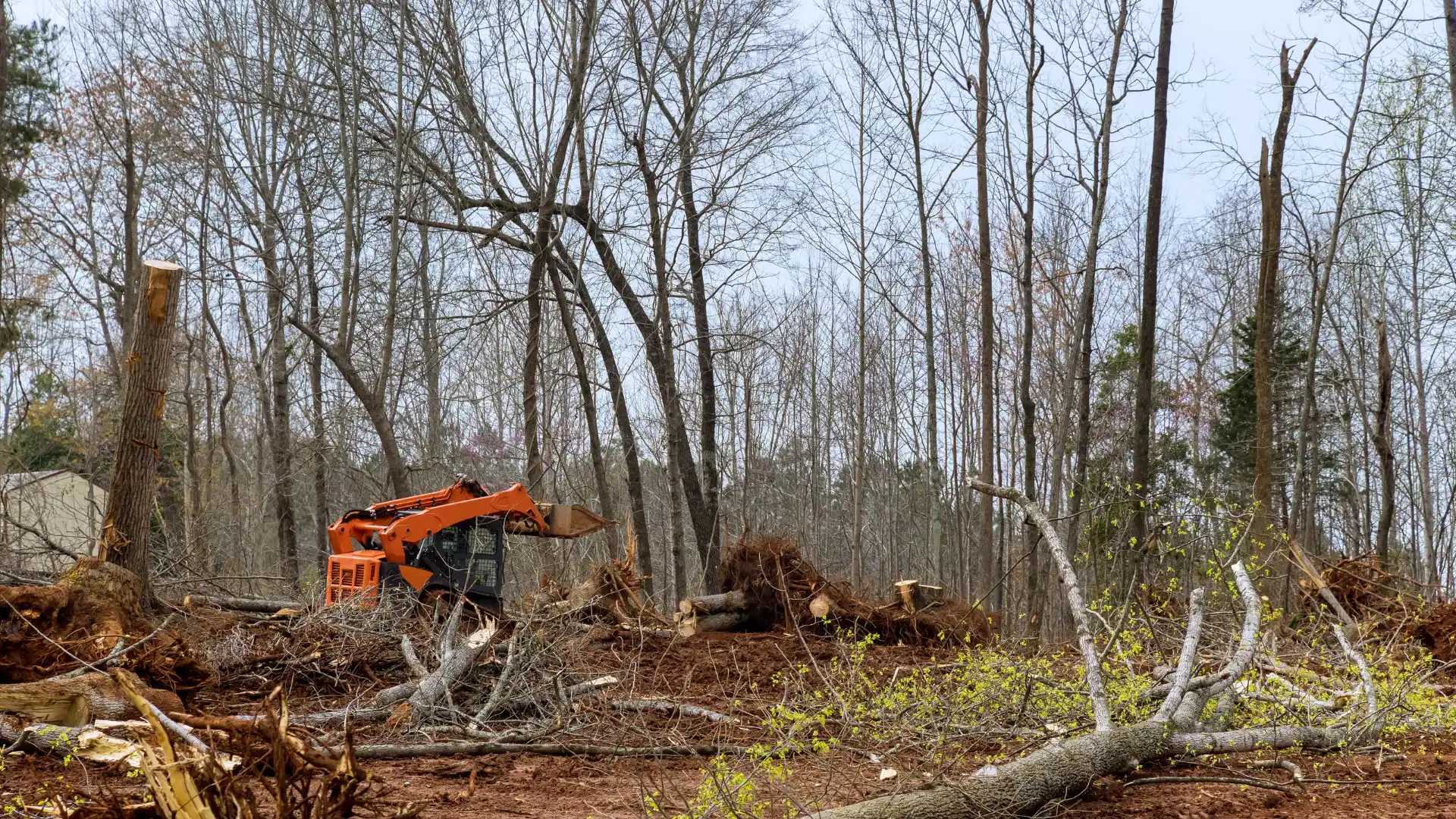
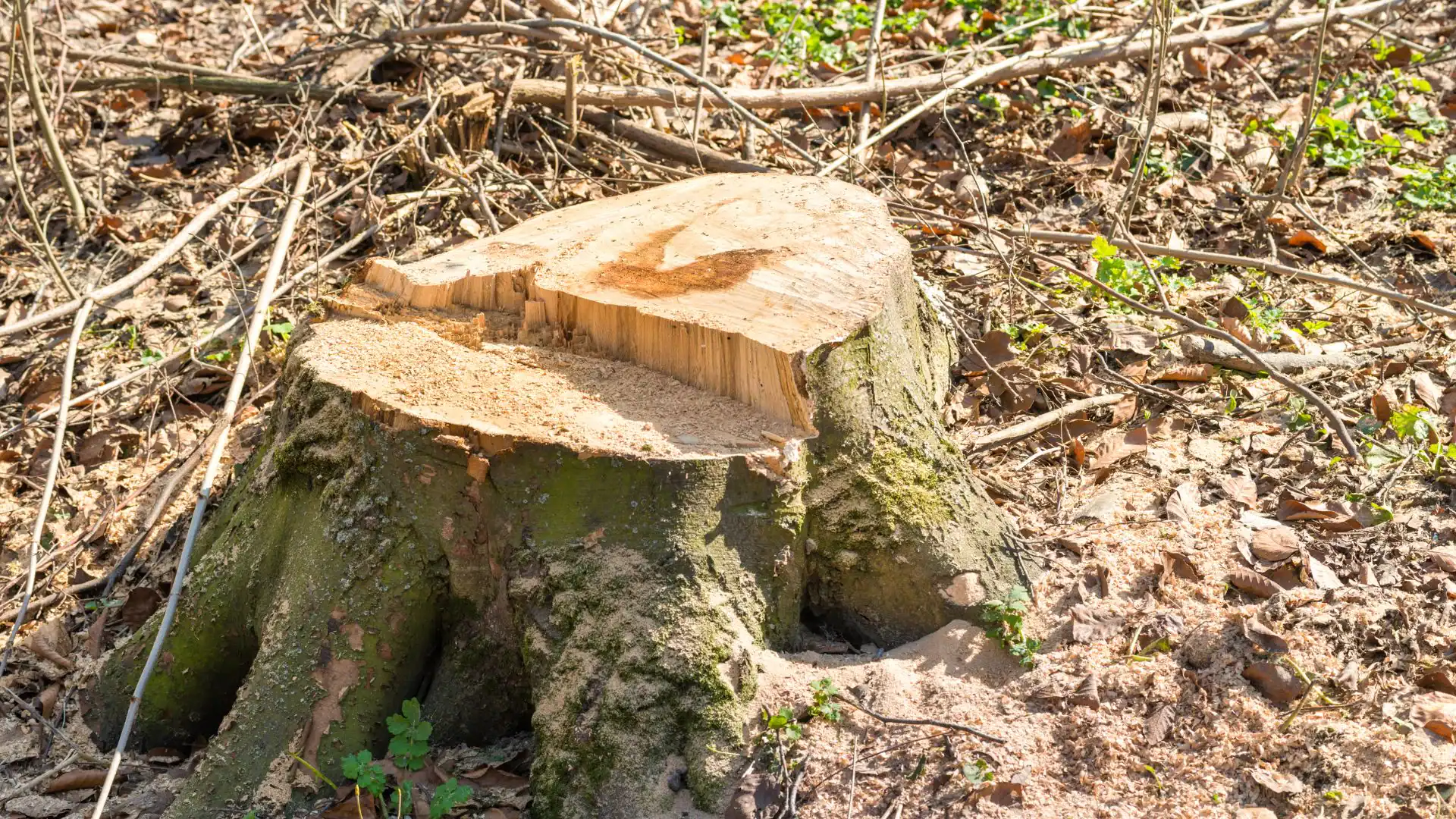
Once the scope is confirmed and permits are in order, clearing starts from the outside in. Overgrown brush, invasive shrubs, and problem vegetation come out first. Then we work through the tree removal, stump grinding, and any land reclamation work on sections of the property that have been left unmanaged for years. If you’re in Head of the Harbor or Nissequogue, we account for any village-level requirements that apply on top of the Town’s ordinance those incorporated villages have their own governance, and overlooking that layer is a mistake some contractors make.
Debris removal and site cleanup are part of the conversation from the start, not an afterthought. On a Saint James property worth what these properties are worth, leaving piles of cut material behind isn’t acceptable. When the job is done, the site is clean, the cleared areas are defined, and you know exactly what we did and why.
Ready to get started?
Land clearing in Saint James isn’t one-size-fits-all. A wooded lot in the Laurel Hill Community on 2-acre zoning has different needs than an overgrown estate parcel in Nissequogue or a lot being prepped for new construction near Stony Brook. What stays consistent across all of them is the scope of what we handle: land clearing, brush clearing, lot clearing, land reclamation, vegetation removal, and overgrown property clearing delivered as a complete service under one quote, not pieced together across multiple contractors.
Invasive species removal is a core part of what we do on North Shore properties, not an add-on. Tree-of-heaven, porcelain berry, English ivy, Oriental bittersweet these species are documented problems across Saint James and the surrounding villages, and they require more than just cutting. We address the root systems, not just what’s visible above ground, because that’s the only way the clearing actually holds.
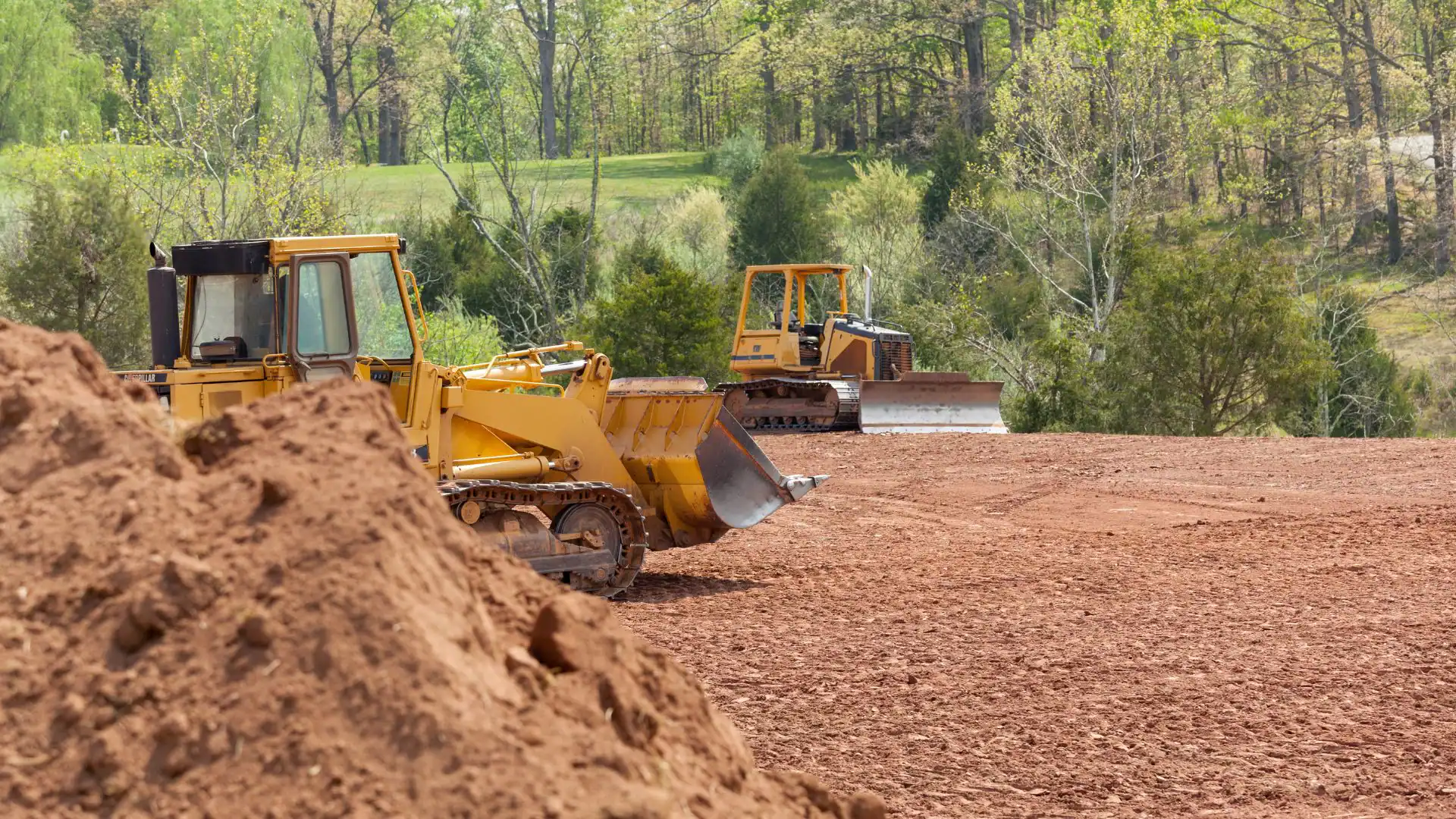
If you’re clearing land for new construction, we coordinate the full sequence from raw wooded parcel to builder-ready site. If you’re reclaiming an overgrown property that’s been neglected for years, we assess what’s worth saving and what needs to go. Every quote is itemized clearing, stump removal, invasive species treatment, debris haulage, and any permit-related costs are broken out clearly so you know exactly what you’re paying for before work starts.
Yes and this is one of the most important things to understand before any clearing work begins on your property. Under Chapter 285 of the Town of Smithtown Code, it is unlawful to remove, destroy, or substantially alter any tree on private property in the Town of Smithtown which includes Saint James without first obtaining a permit. This applies to residential properties, not just commercial sites. Fines for non-compliance can reach $10,000.
There are some limited exemptions dead or genuinely hazardous trees may qualify depending on the circumstances but the determination has to meet the ordinance’s specific definition, not just your own assessment. If your property falls within the incorporated villages of Head of the Harbor or Nissequogue, which share the 11780 ZIP code with Saint James, additional village-level requirements may also apply on top of the Town’s ordinance. Before any cutting happens on a Saint James property, the permit question needs to be answered, not assumed.
Lot clearing costs in Saint James vary significantly based on lot size, tree density, invasive species presence, stump removal requirements, and whether debris haulage is included. A lightly overgrown half-acre lot is a very different job from a densely wooded 2-acre parcel in a Nissequogue estate neighborhood and the pricing reflects that.
What you should expect from us is an itemized quote that breaks down each component of the job separately. Clearing, stump grinding, invasive species treatment, debris removal, and permit costs should each appear as their own line item. A single lump-sum number with no breakdown is a sign that the final invoice may not match what you were told upfront. On a Saint James property where land values average over $1 million per acre, the cost of clearing is a small fraction of the asset you’re working with and it’s worth getting it done correctly and transparently the first time.
The invasive species problem on Long Island’s North Shore is more serious than most property owners realize until they’re dealing with it firsthand. The most common species found on Saint James and surrounding properties include tree-of-heaven, Oriental bittersweet, multiflora rose, porcelain berry, English ivy, Norway maple, and Japanese honeysuckle. These aren’t just cosmetic issues they actively outcompete native vegetation, degrade property value, and in the case of vining species like Oriental bittersweet, can kill mature trees by girdling them over time.
The critical thing to understand about invasive species removal is that cutting alone doesn’t solve the problem. Most of these species regenerate aggressively from root stock, and some like tree-of-heaven actually respond to cutting by sending up multiple new shoots from the base. Effective removal means addressing the root system, not just what’s visible above ground. If you’ve had vegetation cleared before and watched it come back within a season, this is likely why. Correct identification and targeted removal technique are what separate a lasting result from a temporary one.
Late fall through early spring is generally the best window for land clearing on Long Island’s North Shore roughly October through April. Trees are dormant during this period, which makes cutting cleaner and reduces stress on surrounding vegetation you want to keep. Ground conditions are typically firmer in winter, which means better equipment access and less lawn and soil disturbance during the job.
Spring is the peak demand period for residential lot clearing in Saint James, as homeowners and developers prepare land for summer construction starts. If you’re planning a spring clearing job especially for new construction booking earlier in the season gives you better scheduling flexibility and avoids the backlog that builds up in April and May. Storm damage is a year-round driver as well. Long Island’s North Shore sees nor’easters, tropical storm remnants, and summer thunderstorms that bring down trees and create urgent clearing needs regardless of the calendar. If you’re dealing with storm damage, don’t wait for the ideal seasonal window reach out and we’ll assess the situation.
It can, and it’s worth understanding why. English ivy and dense ground cover vegetation are documented habitats for the White Footed Mouse, which is the primary carrier of Lyme disease on Long Island. Thick, overgrown vegetation especially along property edges and in wooded sections of larger lots creates the exact conditions that support tick populations through winter and into spring. Clearing that vegetation removes the habitat, which directly reduces tick pressure on the property.
This is a benefit that resonates particularly in Saint James and across the North Shore, where Lyme disease awareness is high and properties with significant wooded acreage are common. It’s not a marketing angle it’s a documented ecological relationship. If you’re clearing an overgrown section of your property for any reason, the tick habitat reduction is a real secondary benefit that comes with the job. For families with children or pets using the outdoor space, that’s not a minor detail.
Under Chapter 195 of the Town of Smithtown Code, commercial landscapers and vegetation removal contractors operating within the Town must be registered with the Department of Public Safety and hold a valid Suffolk County home improvement license. This applies to any contractor performing clearing, tree removal, stump removal, or related debris management work in Saint James. An unlicensed or unregistered contractor working in Smithtown is in violation of this ordinance and if something goes wrong on your property, an unlicensed contractor leaves you with very limited recourse.
Before any work begins, ask to see the contractor’s Suffolk County home improvement license number and verify that their insurance is current both general liability and workers’ compensation. On a high-value North Shore property, the risk of hiring an uninsured contractor isn’t abstract. If a crew member is injured on your lot, or if equipment damages a neighboring property, the liability question matters. A legitimate contractor will have no hesitation providing this documentation upfront. If they hedge or deflect, that’s your answer.