Hear from Our Customers
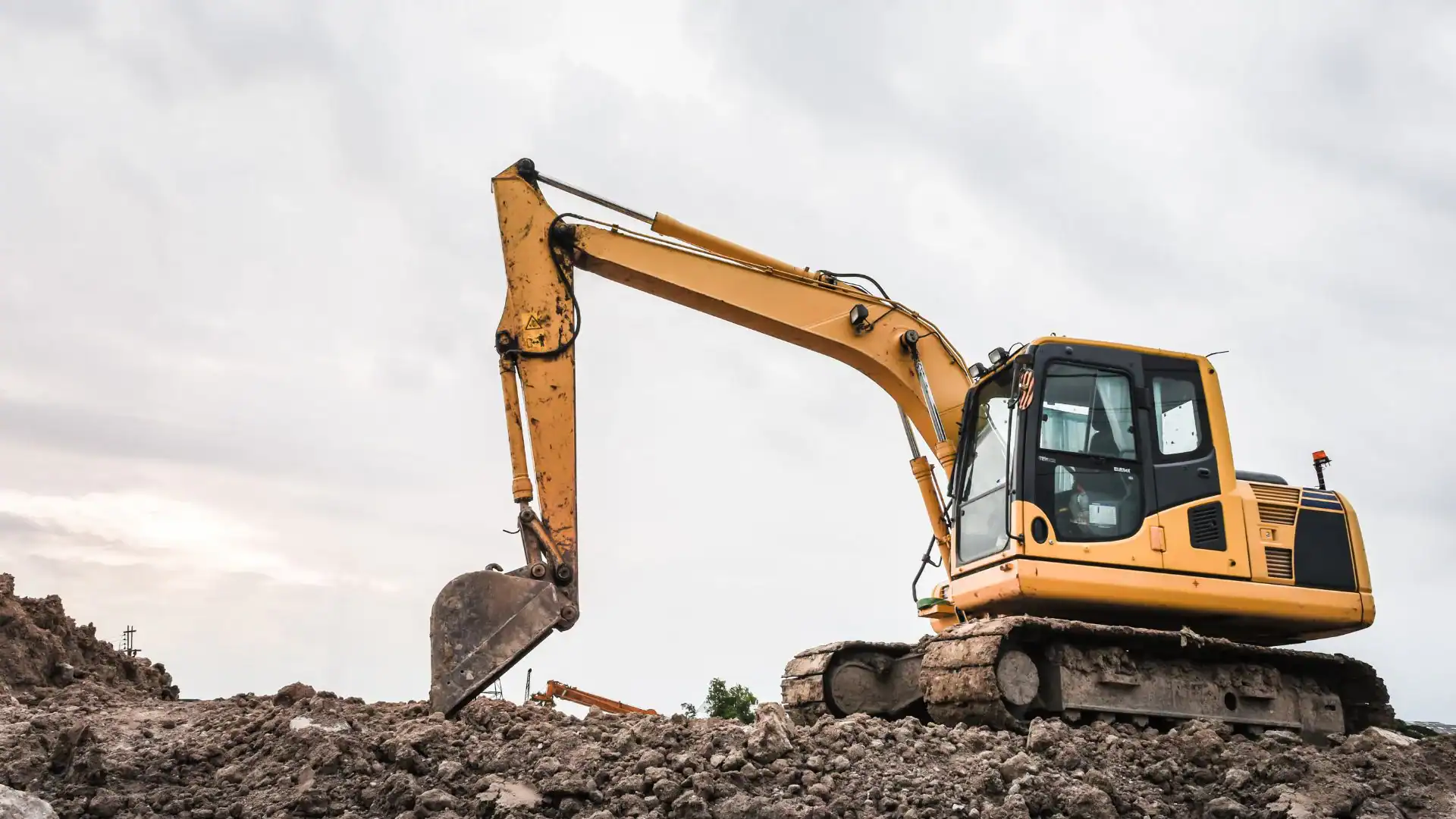
A lot of Bohemia’s housing stock was built around 1970. That means yards that were graded for a different era, drainage systems that have long since settled or failed, and lots that were never set up for the projects homeowners are taking on today pools, additions, septic replacements, full regrading. When the excavation is done right, those problems get solved at the root. When it’s done wrong, you’re dealing with standing water, unstable subgrade, and a yard that looks worse than when you started.
Bohemia’s south shore location adds another layer. Long Island’s glacial soil the sand, gravel, and silt that sits under most of these properties drains reasonably well near the surface but can surprise you at depth, especially after a wet spring or a storm event like the flooding that hit Suffolk County hard in August 2024. An excavation contractor who knows what to expect under a Bohemia lot doesn’t just dig. We read the site, manage groundwater conditions when they show up, and protect the subgrade so the finished work holds.
The end result you’re actually after isn’t a hole in the ground. It’s a yard that drains properly, a pool that gets installed on schedule, a foundation that sits on stable material, or a septic system that passes inspection. That’s what the excavation is for and that’s what a properly executed job delivers.
Gold Coast Landworks is a full-service excavation contractor serving Bohemia and the surrounding Connetquot corridor Oakdale, Ronkonkoma, Holbrook, Sayville, and the broader Town of Islip south shore. When you hire us, you get land clearing, excavation, grading, and dig-and-haul under a single contract with a single point of accountability. There’s no coordinating between three separate contractors. There’s no wondering who’s responsible when something doesn’t go right.
We understand the Town of Islip’s permit requirements for excavation and topsoil removal, and we complete New York 811 utility notification before any machine breaks ground every time, without exception. For homeowners in Bohemia who are managing a project around work schedules and family life, that means fewer surprises and fewer calls you have to make yourself.
This isn’t a regional operation routing your job to whoever is available. When you contact us about a Bohemia excavation project, you’re talking to a team that knows this area, knows the soil conditions along the south shore, and can give you a straight answer about your specific project.

It starts with a site visit. Before any quote goes out, we look at the property the lot size, existing grade, access points, proximity to structures, and any drainage patterns that are going to affect how we work. For Bohemia properties near the Connetquot River corridor or along the south shore lowlands, that site read matters more than most people expect. What looks like a straightforward dig on paper can get complicated fast if groundwater is closer to the surface than anticipated.
Once scope is confirmed, we handle the Town of Islip permit process and complete the mandatory New York 811 underground utility notification before anything starts. The Town of Islip requires a written permit before excavation is commenced and before soil or other material is removed from the ground this isn’t optional, and it’s not something we leave for you to figure out. We walk through what your project requires before work begins, not after.
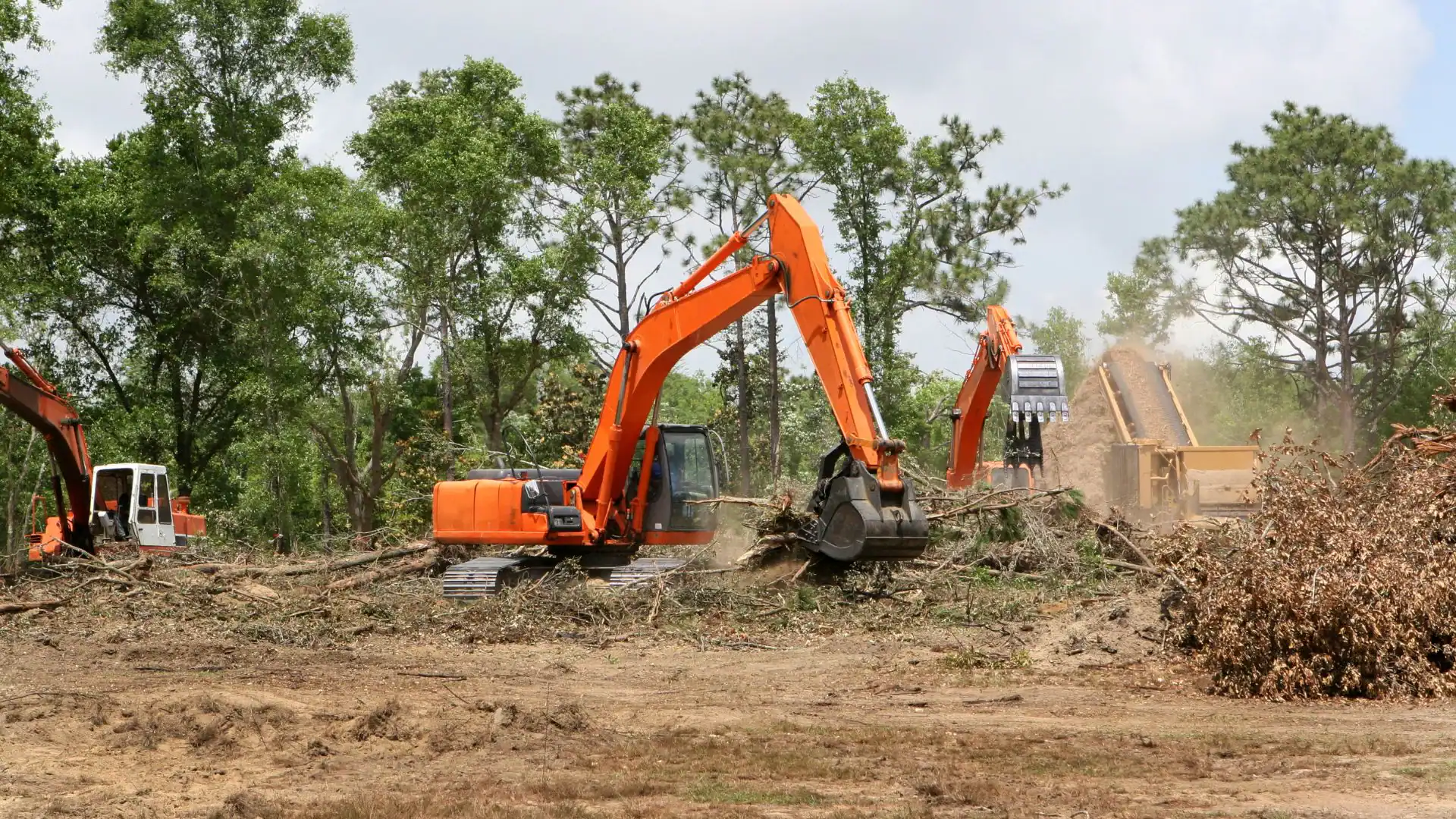
On the job itself, we manage the full sequence: clearing if needed, excavation to specified depth, grading to the required finish level, and complete spoil removal from the property. You get a written quote upfront that defines exactly what’s included. If conditions on site change the scope, we talk to you before the cost changes. When we leave, the site is clean, the grade is right, and the next phase of your project can move forward.
Ready to get started?
Residential excavation in Bohemia covers more ground than most homeowners expect when they start planning a project. Pool excavation is the most common call we get and on a typical Bohemia residential lot, that means working in close proximity to fences, gardens, and neighbouring driveways where operator precision matters as much as machine size. We bring the right equipment for the site, not just the biggest machine available.
Drainage regrading is the other major service category for this area. Bohemia’s older housing stock and its south shore position mean a lot of properties have low spots, failed original grades, and yards that collect standing water after any significant rain. Excavation and grading for French drains, dry wells, and yard reshaping is work we do regularly in this hamlet it’s not an add-on, it’s a core part of what residential excavation looks like here. Septic system excavation is also a growing need across Suffolk County as older cesspool systems face mandatory upgrade requirements under state and county regulations.
On the commercial side, we serve business owners and property developers along Bohemia’s Veterans Memorial Highway and Johnson Avenue corridors with site preparation, utility trenching, parking area grading, and cut-and-fill work. Whether the project is residential or commercial, the scope is the same: land clearing, excavation, grading, and full dig-and-haul services delivered under one contract, with a written quote that doesn’t change when the machine shows up.
Yes and it’s worth understanding exactly what triggers that requirement before you start planning. The Town of Islip requires a written permit from the Town Board before any excavation is commenced and before soil, earth, sand, gravel, rock, or other material is removed from the ground. The application goes through the Building Inspector and typically requires a detailed description of the proposed work along with a plan prepared by a licensed engineer or land surveyor. Separately, the Town of Islip’s building division requires New York 811 notification before any digging begins, with stated penalties for non-compliance.
This applies to most excavation work on Bohemia properties pool digs, drainage projects, site preparation for additions, and septic excavation all fall within scope. There are limited exceptions, but they’re narrow. If you’re not sure whether your specific project requires a permit, the safest move is to ask before you start. Getting that answer wrong after the machine is already on site is a much more expensive problem to solve.
Excavation cost in Bohemia varies based on the scope of work, the depth of dig, site access, and what happens to the material once it’s out of the ground. A pool excavation on a standard Bohemia residential lot typically a colonial or high ranch on a lot between 7,500 square feet and a half acre generally runs in the range of $3,500 to $8,000 depending on pool size, soil conditions, and haul-off requirements. Drainage regrading projects are often in the $4,000 to $10,000 range depending on how much material needs to move and what drainage infrastructure is being installed.
What matters most is that your quote is written and specific. It should clearly state what’s included excavation depth, spoil removal, grading to finish level, site cleanup so you know exactly what you’re paying for before any equipment arrives. A quote that’s missing line items isn’t a deal; it’s a setup for a cost blowout mid-project. Bohemia’s above-average home values mean you’re protecting a significant investment, and the excavation work that supports it should be priced and documented accordingly.
New York 811 is the state’s mandatory utility notification system commonly known as “call before you dig.” Before any excavation begins in New York State, the contractor is required to notify 811 so that underground utility lines can be located and marked. This includes gas lines, electric, water, telecommunications, and other buried infrastructure. On Long Island, where utility lines are dense and not always documented with precision, skipping this step is a genuine liability risk not just a paperwork issue.
The Town of Islip’s building division explicitly requires 811 notification before any digging or excavation activity on Bohemia properties, with stated penalties for failure to comply. A licensed, professional excavation contractor handles this as a standard part of project startup it shouldn’t be something you have to ask about or chase down. If you’re getting quotes from contractors who don’t mention it, that’s worth paying attention to. We complete 811 notification before every job, without exception, and we confirm utility clearance before any machine breaks ground.
Long Island’s geology is glacial the island was formed by glacial deposits, and the subsurface under most Bohemia properties consists of unconsolidated layers of sand, gravel, silt, and clay. Near the surface, the sandy loam that characterises south shore communities drains reasonably well. But deeper excavations anything going more than a few feet down for a pool, a deep dry well, or a septic system frequently encounter groundwater conditions that require active dewatering management and careful handling of the subgrade to prevent it from destabilising.
The seasonal timing of your project matters here. Spring excavation in Bohemia often means elevated soil moisture from winter precipitation and spring rain, which can complicate subgrade preparation and increase the risk of site saturation. Fall is generally the most stable season for excavation work in this area. An experienced contractor who has worked on south shore Long Island properties knows what to expect at depth and how to adapt that’s not something you can assume from a contractor who’s new to this area or working primarily in different soil conditions elsewhere on the island.
You don’t need separate contractors and for most Bohemia homeowners managing a project around a full-time schedule, coordinating multiple crews is a significant source of cost exposure and scheduling risk. When a clearing crew finishes and an excavation operator starts, gaps in communication between them can leave you with a site that isn’t prepared the way the next phase requires. Scope disputes between contractors are also common when something goes wrong mid-project and each crew points to the other.
We handle the complete scope land clearing, excavation, grading, and dig-and-haul under a single contract. The Town of Islip also requires a land clearing permit separately from an excavation permit, and having one contractor manage both means the permitting process is coordinated rather than fragmented. For a Bohemia homeowner installing a pool, correcting drainage, or preparing a lot for an addition, the single-contractor model removes a real layer of complexity from a project that already has enough moving parts.
Timeline depends heavily on the scope of work and site conditions. A standard residential pool excavation on a Bohemia lot assuming good site access and normal soil conditions typically takes one to two days for the dig itself, with spoil removal and rough grading completed in that same window. Larger drainage regrading projects or full site preparation for a new foundation can run three to five days depending on how much material needs to move and what finish grading is required.
What can extend a timeline in Bohemia specifically is groundwater. South shore Long Island properties, particularly those in lower-lying areas near the Connetquot River corridor, can encounter higher-than-expected water table conditions that require dewatering before excavation can continue. Permit processing through the Town of Islip also adds lead time before work can begin typically a few weeks depending on the complexity of the application and current processing volume. The most reliable way to protect your timeline is to start the permit process early and have a contractor who knows what to expect on site before the first day of work, not after.