
Hear from Our Customers
When excavation is done right in Commack, you don’t think about it again. The pool goes in on schedule. The addition gets its foundation without a stop-work order. The septic replacement passes inspection the first time. That’s what proper excavation actually looks like not just a hole in the ground, but a finished scope that holds up through every trade that comes after it.
Commack’s housing stock mostly split-levels, hi-ranches, and colonials built in the 1950s through 1970s comes with decades of buried infrastructure that wasn’t always mapped carefully. Gas lines, water mains, electrical conduits, drainage systems some of it installed, upgraded, and rerouted over sixty years of neighborhood development. Getting through a project without striking something underground isn’t luck. It’s the result of NY 811 compliance, proper site assessment, and an operator who takes that step seriously before any equipment is mobilized.
The soil profile in central Suffolk also matters more than most homeowners realize. Commack’s sandy loam drains faster than coastal clay, but it compacts differently and behaves differently under load. A site that’s excavated and graded correctly holds its shape, drains away from your foundation, and doesn’t settle unevenly six months after the job is done. That’s the difference between excavation as a service and excavation as an outcome.
Gold Coast Landworks is a full-service excavation contractor serving residential and commercial clients throughout central Suffolk County, including Commack and the surrounding communities of Kings Park, Hauppauge, Smithtown, Huntington, and Northport. Every project is handled with the same approach: clear scope, honest quoting, and work that finishes the way it was described before it started.
What sets our work apart in a market like Commack isn’t equipment it’s judgment. Knowing that a property near Hoyt Farm Nature Preserve sits on the Smithtown side of the hamlet, and that a property closer to the Jericho Turnpike corridor may fall under Huntington’s jurisdiction, is the kind of local detail that prevents costly permitting mistakes. That’s not something you learn from a map. It comes from working in this area consistently.
Every job begins with NY 811 notification as required by New York State law no exceptions. From there, the scope is managed transparently, the site is kept clean throughout, and the finished grade is left in a condition that actually functions, not just one that looks done.

It starts with a site assessment and a detailed written quote. Not a ballpark, not a range with a dozen asterisks a clear scope that tells you what’s included, what’s excluded, and what conditions would change the number and by how much. For Commack homeowners, that also means confirming which town jurisdiction covers your specific property, because the permit process looks different depending on whether you’re on the Huntington side or the Smithtown side of the hamlet.
Once the scope is agreed and permits are in order, the first step before any digging begins is a New York 811 notification required by state law under Article 36 of the General Business Law. Underground utilities are marked, reviewed, and accounted for in the dig plan. This is not optional, and it’s not treated as a formality. On established suburban lots in Commack where infrastructure has been in the ground for decades, this step protects your property, your neighbors, and your project timeline.
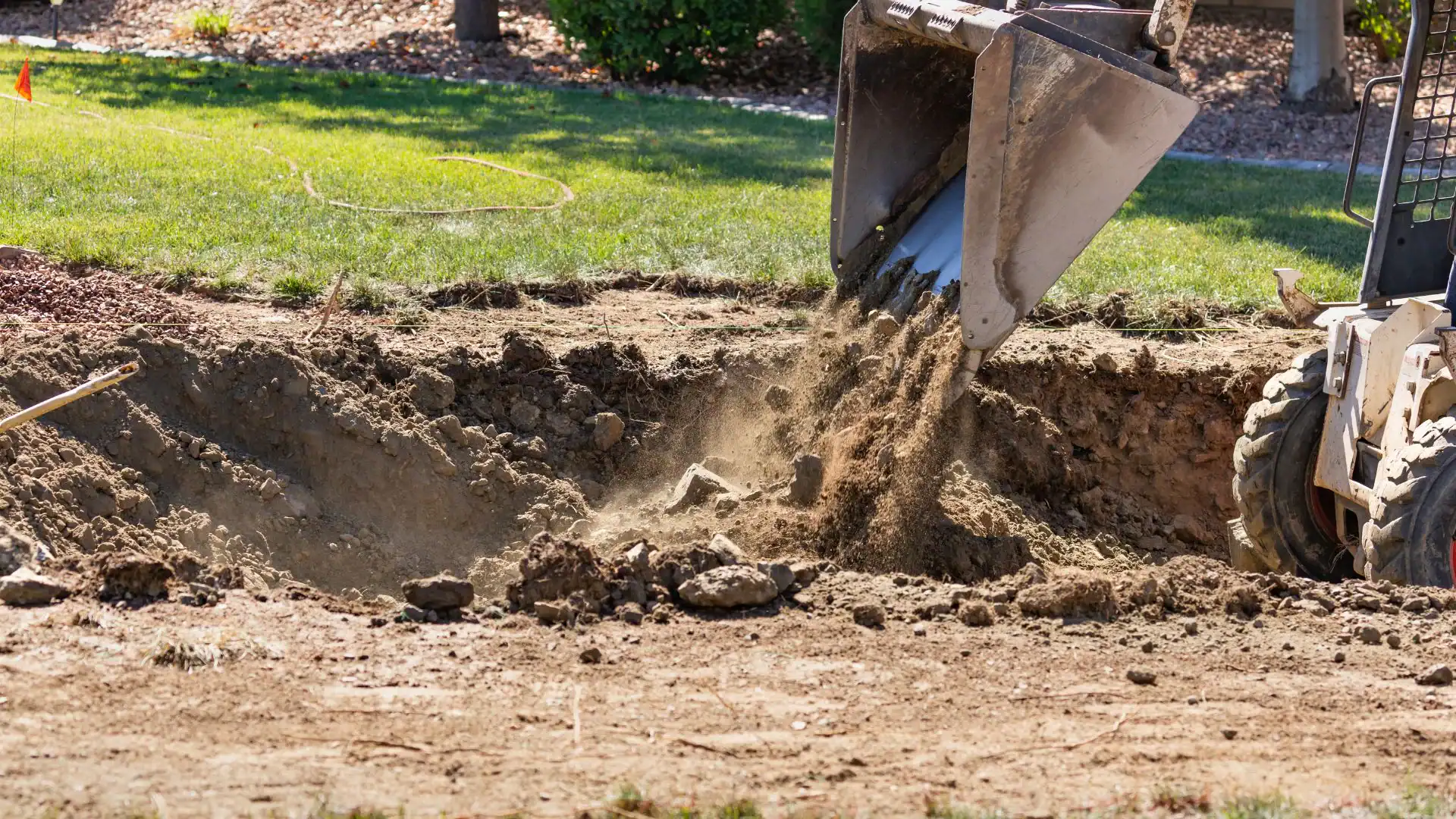
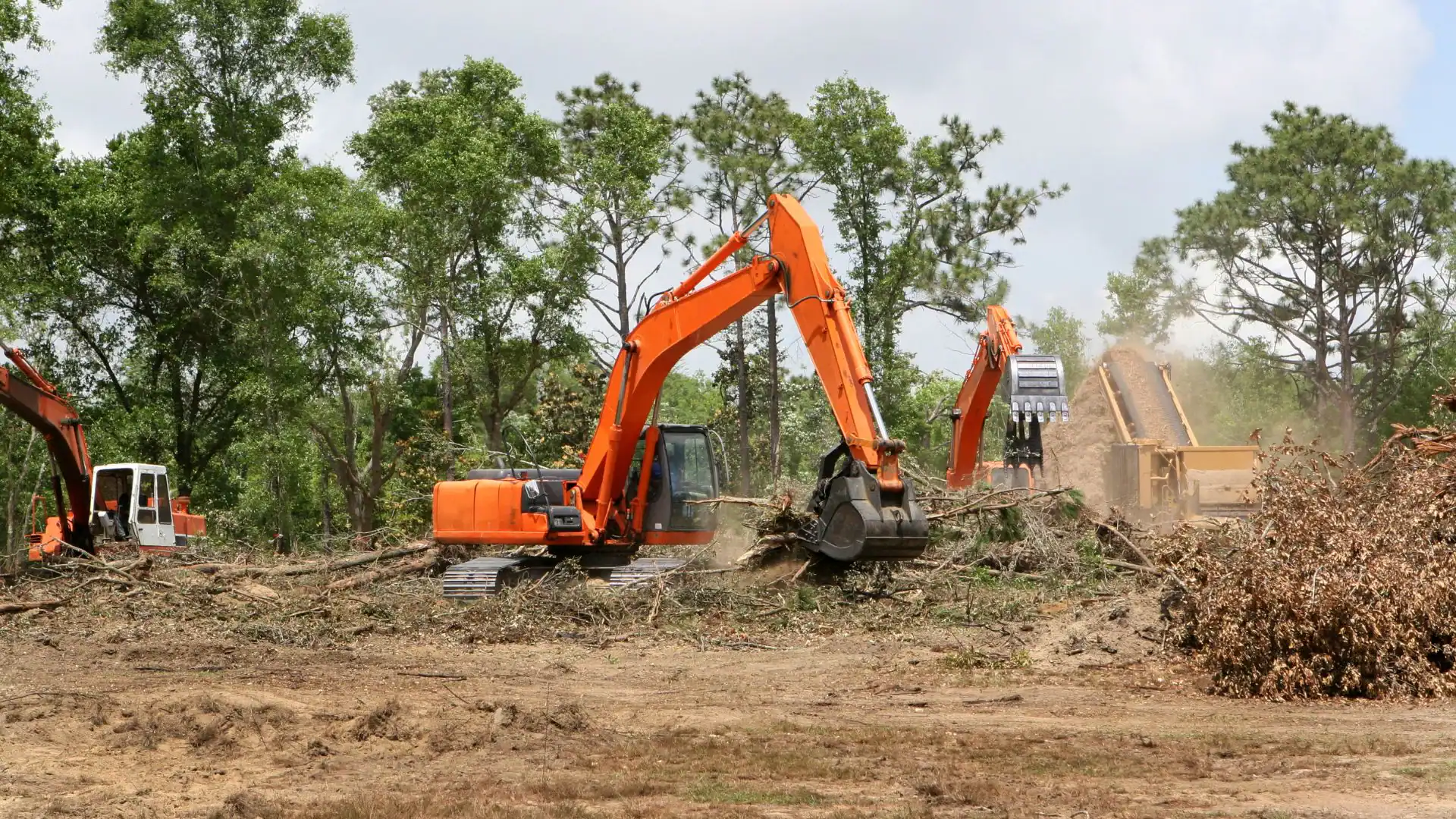
From there, excavation proceeds according to the agreed plan dig, haul, grade, and compact. Spoil is removed from your property and disposed of properly, not stockpiled at the edge of your lot. The finished grade is left to drain correctly and meet the specifications your builder, pool contractor, or engineer needs to proceed. When the job is done, it’s actually done.
Ready to get started?
We handle the complete range of residential and commercial excavation services in Commack pool excavation, foundation excavation for new construction and additions, site preparation, retaining wall excavation, driveway base work, septic and cesspool system excavation, and dig and haul services for properties that need material removed cleanly and efficiently.
In-ground pool installation is one of the most common residential excavation projects in Commack, and it’s also one of the most demanding. Lots in the quarter-to-third-acre range leave limited room for equipment access and spoil staging. Getting the dig dimensions right the first time, managing spoil removal within a tight footprint, and grading the surrounding area so drainage flows away from the pool structure that’s the scope, and it has to be executed correctly for the pool contractor behind you to do their job on time.
For septic and cesspool replacements, Suffolk County Department of Health Services approval governs the design and installation process. We’re familiar with the excavation standards those approvals require and work within that framework from the start not as an afterthought when the inspection is already scheduled. Commercial excavation services are also available for Commack’s active business corridors along Jericho Turnpike and the surrounding development areas, including site preparation, utility trench work, and drainage system installation.
In most cases, yes and in Commack specifically, the answer depends on which town your property sits in. Commack is one of the few hamlets in Suffolk County that straddles two separate municipal jurisdictions: the Town of Huntington and the Town of Smithtown. Depending on where your lot falls within the hamlet, your excavation permit will be issued by a different building department, follow a different application process, and involve different inspection requirements and fee schedules.
Beyond the local building permit, New York State law requires that any excavator contact New York 811 within 2 to 10 working days before beginning any digging this applies to every project regardless of size or location. If your project involves a septic system or cesspool replacement, Suffolk County Department of Health Services approval is also required. Projects disturbing one acre or more may trigger additional stormwater controls under New York’s SPDES program. Getting all of this right from the start is what prevents stop-work orders and inspection failures mid-project.
Pool excavation pricing in Commack depends on several factors: the size and depth of the pool, site access conditions, soil composition, and what’s included in the scope specifically whether spoil removal, grading, and site cleanup are part of the quote or billed separately. On a typical Commack residential lot in the quarter-to-third-acre range, you’re generally looking at a project that involves meaningful spoil volume and limited staging space, both of which affect the overall cost.
What matters more than finding the lowest number is understanding exactly what that number covers. A quote that doesn’t include spoil removal, final grading, or compaction isn’t a complete quote it’s a starting point that will grow. Ask every contractor you speak with to itemize the full scope in writing before you agree to anything. A detailed written quote that holds when the machinery arrives is worth more than a low number that changes once the job is underway. We provide itemized quotes for every pool excavation project in Commack so you know exactly what you’re getting before work begins.
New York 811 is the state’s utility notification system, and contacting them before any excavation is a legal requirement under Article 36 of New York’s General Business Law and 16 NYCRR Part 753. When you or your contractor submit a notification, the relevant utility companies send locators to mark the underground lines on your property before any digging begins. Gas, electric, water, telecommunications, and stormwater infrastructure are all flagged so the excavator knows exactly what’s below the surface.
In an established community like Commack, where most of the housing stock was built between the 1950s and 1970s, underground infrastructure has been in the ground for decades and in some cases has been upgraded, rerouted, or added to multiple times since original installation. That history isn’t always reflected in current records. Skipping the 811 step or working with a contractor who treats it as a formality rather than a genuine safety measure creates real risk: utility strikes, service outages, property damage, and liability that falls on the homeowner. It’s the first thing we do on every project, without exception.
It can affect it significantly if you’re working with a contractor who isn’t familiar with the split. Commack sits across both the Town of Huntington and the Town of Smithtown, and the permit process application forms, fee schedules, review timelines, and inspection requirements differs between the two. A contractor who doesn’t know which town governs your specific property, or who submits to the wrong building department, can create delays that push your project start back by weeks.
The practical implication is straightforward: before any excavation work is scheduled in Commack, the first question is which jurisdiction covers your lot. From there, the correct permit application goes to the correct building department, the review timeline is factored into the project schedule, and inspections are coordinated with the right town. For homeowners working within a broader construction timeline a pool installation, a home addition, a new build getting the permitting step right from day one is what keeps every trade behind you on schedule.
Late spring through early fall roughly May through October is the primary window for residential excavation on Long Island, and Commack is no exception. Summer is peak demand season, particularly for pool excavation and site preparation for home additions, and established contractors in this market regularly book four to eight weeks out during June, July, and August. If you have a project that needs to start in summer, reaching out in April or May gives you a realistic shot at the schedule you want.
Fall is a second busy period, with homeowners and builders racing to get foundations in and earthworks completed before the ground freezes. On Long Island, frost penetration can reach 36 inches in a hard winter, which makes excavation difficult or impossible during December through February. The freeze-thaw cycle also affects sites that were improperly graded or compacted heaving and settling are common on Commack properties where earlier work wasn’t done correctly. Spring can be complicated by saturated ground conditions after thaw and heavy rains, which affect access and compaction. Planning ahead and booking early gives you the most control over timing.
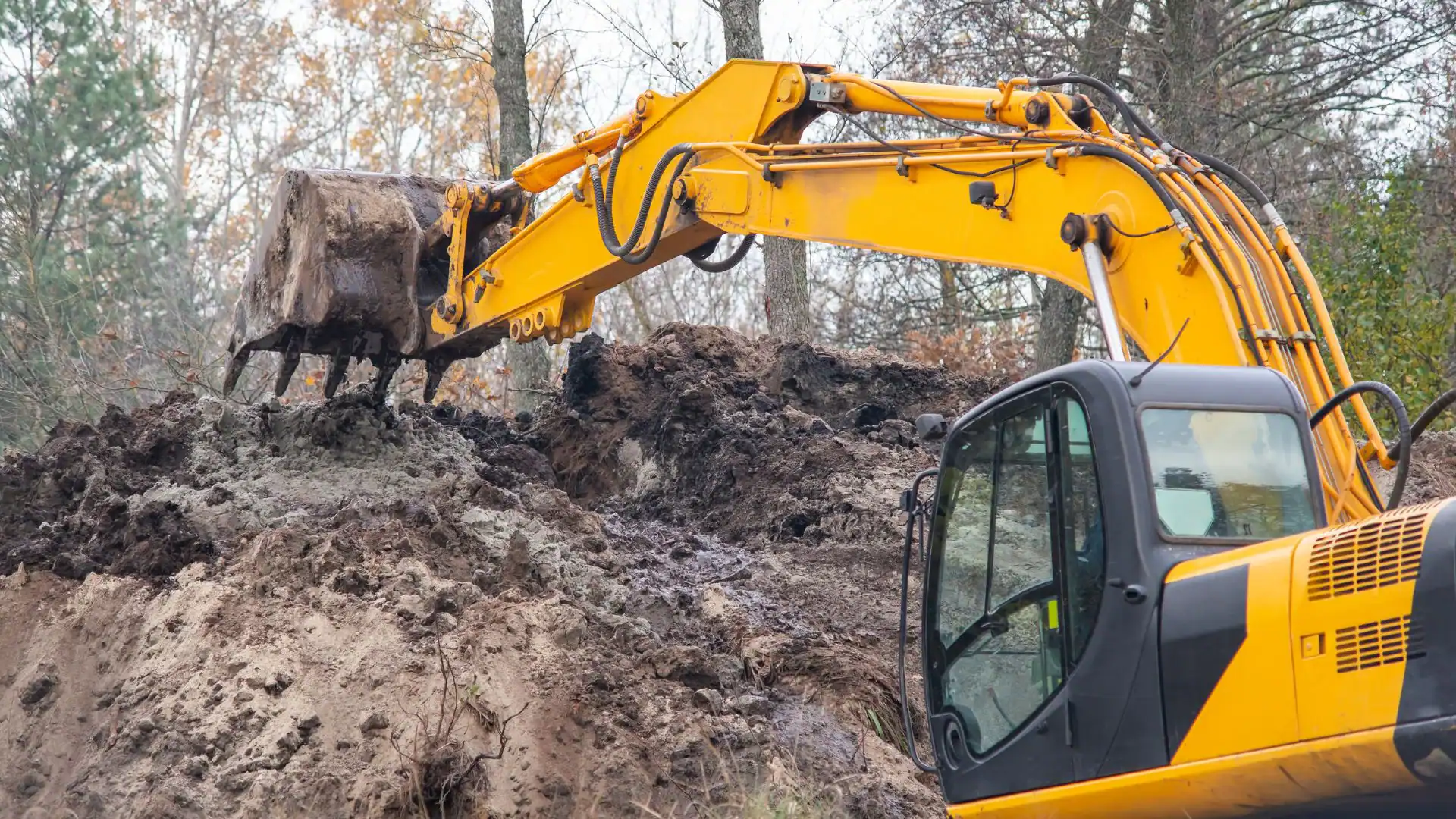
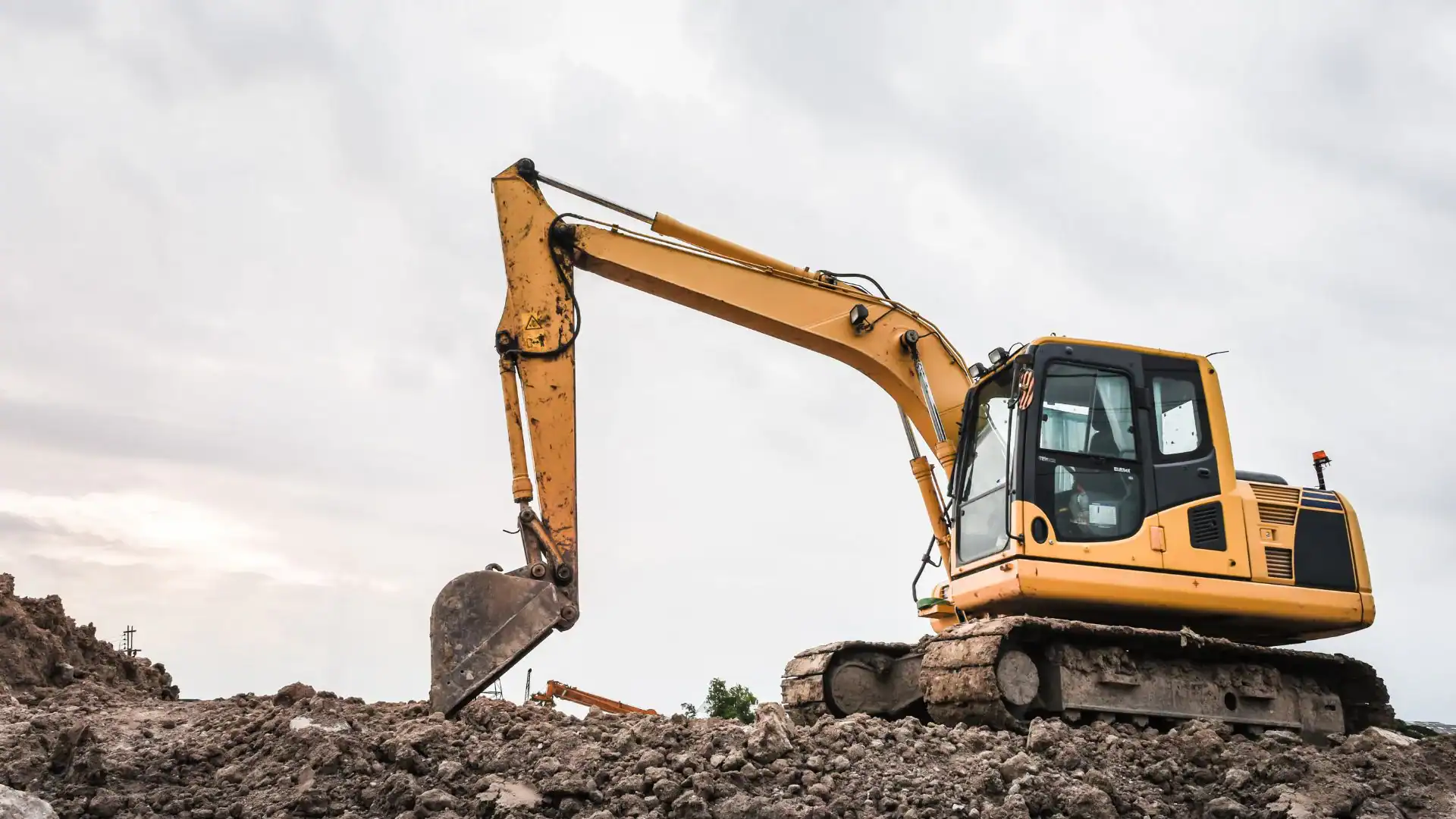
It requires the right equipment, an experienced operator, and a clear understanding of what’s already on the site before the first pass is made. Commack’s predominantly 1950s-through-1970s housing stock means most properties have existing foundations, utility connections, drainage systems, and sometimes aging infrastructure that wasn’t built to modern standards. Excavating near any of that for an addition, a retaining wall, a new pool, or a septic replacement requires a measured approach, not just moving dirt as fast as possible.
The equipment selection matters as much as the operator’s skill. Tight suburban lots in Commack often don’t have room for large machinery to maneuver freely, and the proximity to existing structures means precision is more important than speed. We assess site conditions and access constraints before mobilizing equipment, so the machine that shows up is the right fit for the job not the largest one available or the most convenient to dispatch. Combined with NY 811 utility marking and a clear dig plan, that preparation is what keeps existing structures, neighboring properties, and underground services intact throughout the project.