
Hear from Our Customers
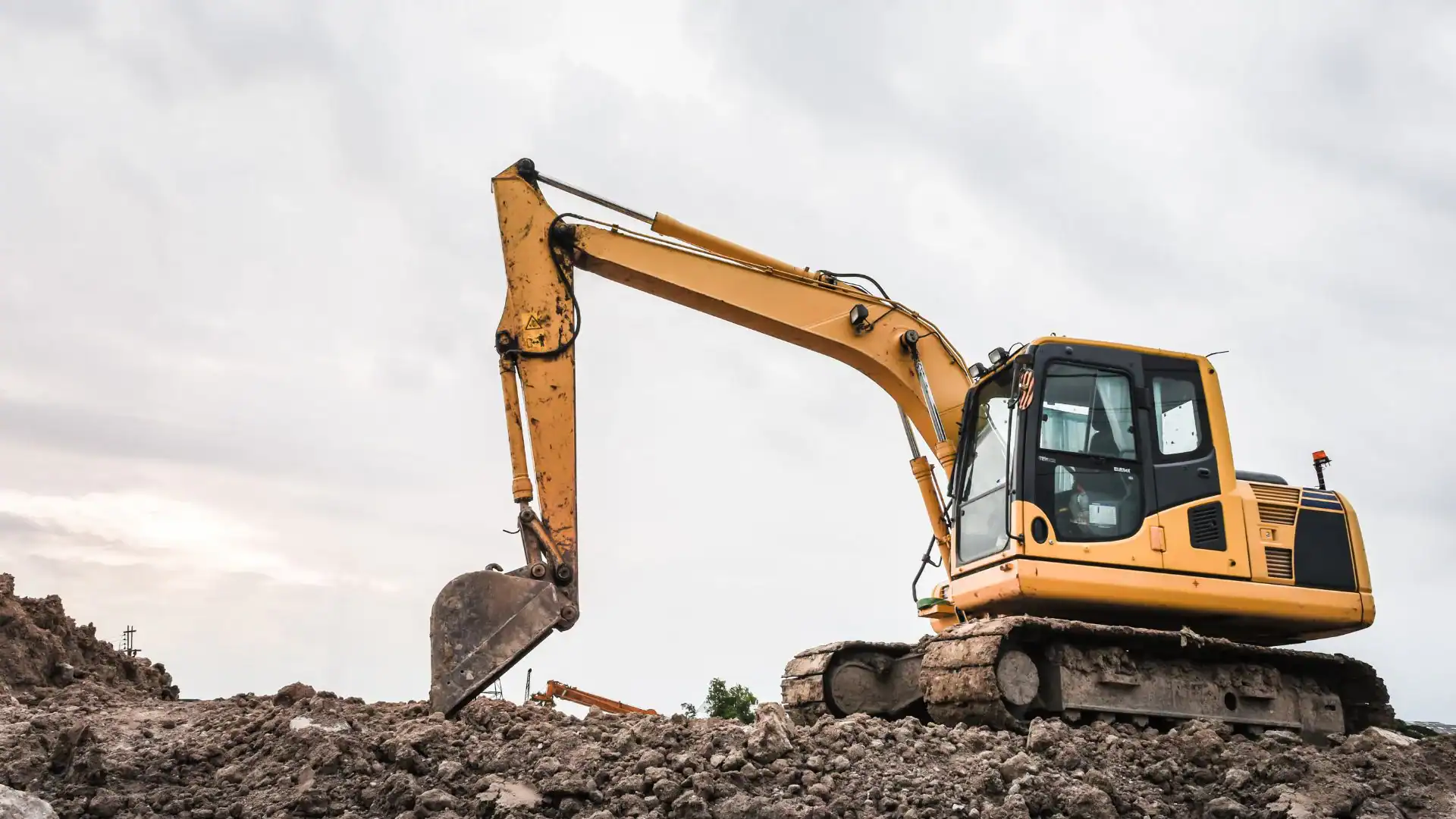
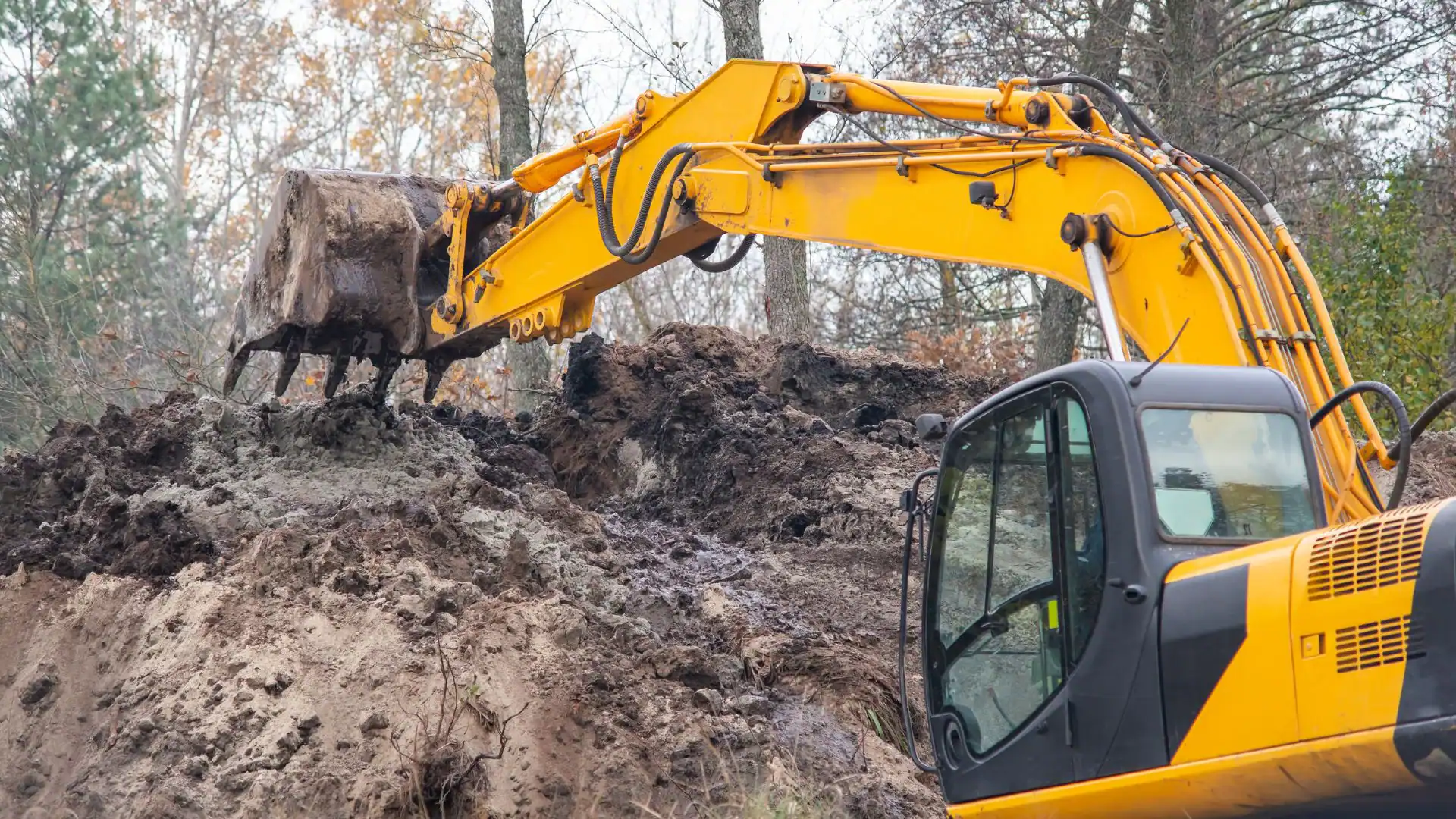
Excavation in East Islip is not the same as excavation in an inland town. The sandy coastal soils, the proximity to the Great South Bay, and the high water table conditions that show up on properties south of Montauk Highway all affect how a job needs to be approached. A contractor who hasn’t worked this area before will find that out mid-job and you’ll feel it in the timeline and the invoice.
When the excavation is done correctly from the start, everything downstream runs smoother. Your pool contractor follows without waiting on cleanup. Your drainage system actually solves the problem instead of moving it. Your addition or new build starts on a properly graded, permit-compliant site that doesn’t create issues six months later.
East Islip homes average around 69 years old. That means a lot of the drainage systems, utility lines, and site grades were designed for a different era. Whether you’re dealing with a yard that holds water after every nor’easter, a driveway that’s been sinking for years, or a backyard ready for a pool, the outcome you’re looking for is simple: a site that’s ready for what comes next, done without drama.
We’re a Long Island excavation contractor that works across Suffolk County and East Islip is familiar ground. The South Shore has its own set of conditions: bay-adjacent lots with wetland buffers, flood zone overlays near the water, and a Town of Islip permitting process that requires a written excavation permit from the Town Board before any work begins. We know what’s required, and we handle it.
That matters because a lot of contractors don’t bring that knowledge to the table until there’s already a problem. We talk through permit requirements, site conditions, and realistic timelines before a shovel moves so you’re not getting a call three days in explaining why the job is on hold.
From Country Village to the neighborhoods south of Montauk Highway near the East Islip Marina, we’ve worked the range of what this community asks for. You get a contractor who understands the ground beneath East Islip specifically not just Long Island in general.

It starts with a site assessment. Before we quote anything, we look at what you’re working with lot size, existing grades, proximity to wetland areas, and any conditions that will affect the approach. In East Islip, that step matters more than in most places. Properties near the Great South Bay can carry wetland buffer requirements that trigger a Wetlands and Watercourses Permit from the Town of Islip Planning Division. We identify that upfront, not after you’ve already committed to a timeline.
Once the scope is clear, we file for the required Town of Islip excavation permit and submit New York 811 notification mandatory under Town code before any digging begins. These aren’t optional steps. Skipping them exposes you to fines, stop-work orders, and liability if an underground line gets hit. We handle both without you having to chase it down.
Then we execute. Excavation, grading, spoil removal, erosion controls all coordinated so the site is clean, level, and ready for your next trade when we leave. If something unexpected comes up during the dig, you hear about it before we proceed, not after. That’s the whole process. No mystery, no surprises.
Ready to get started?
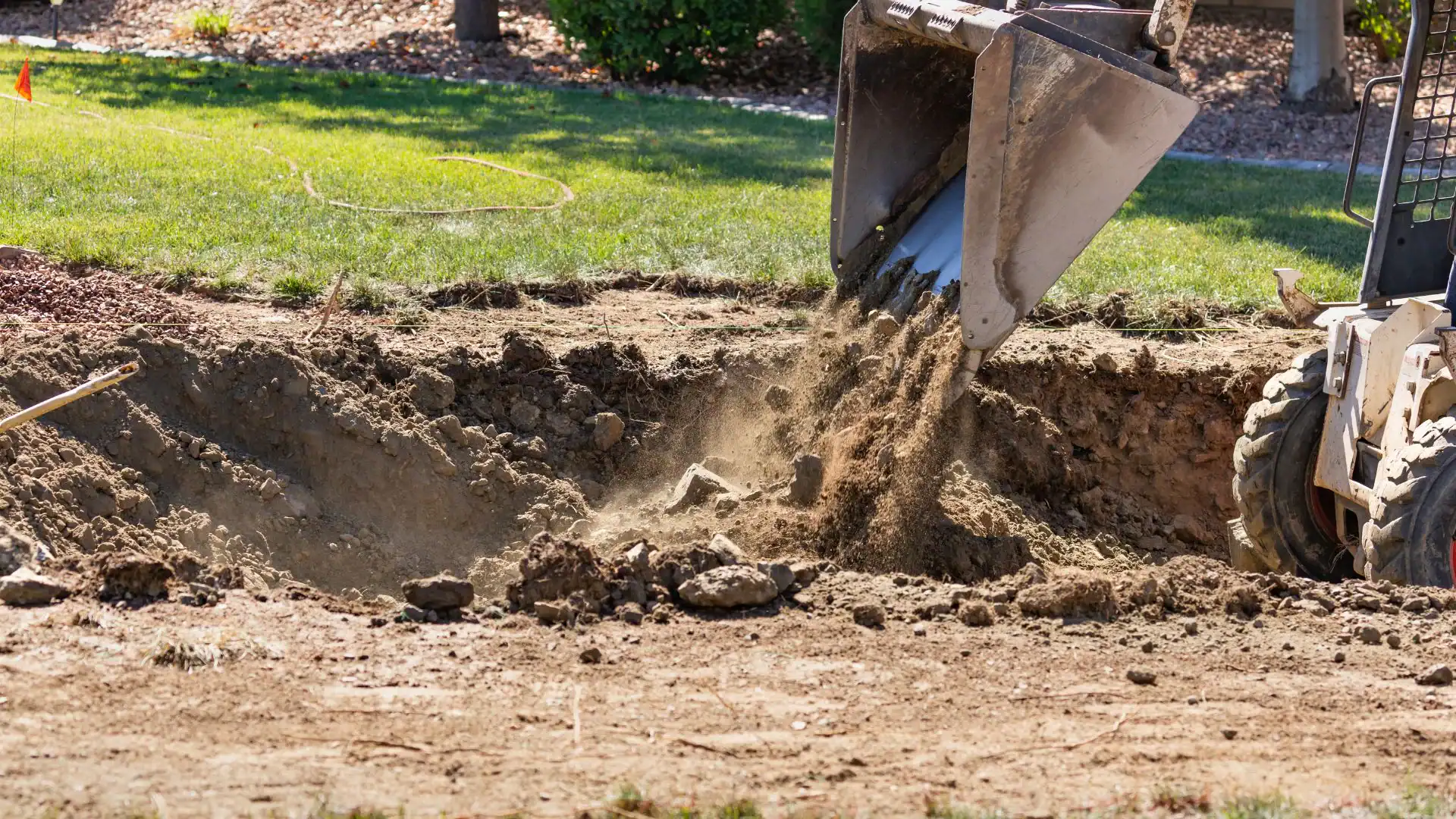
The excavation work we handle in East Islip covers the full range of what residential and commercial projects in this area require. Pool excavation is one of the most common requests and on the modest lot sizes typical throughout East Islip, it requires precise dig dimensions, careful spoil management, and a clean handoff to your pool contractor without leaving them a site to sort out first. We include dig and haul as part of that process so excavated material leaves your property in the same operation.
Drainage excavation is just as consistent a need here. Between the aging housing stock, the South Shore’s water table, and the storm exposure that comes with living near the Great South Bay, a lot of East Islip properties have drainage systems that are either undersized or failing. We trench and prepare for dry wells, French drains, catch basins, and full stormwater systems and we do it in compliance with the Town of Islip’s stormwater management requirements, which specifically address runoff into the bay.
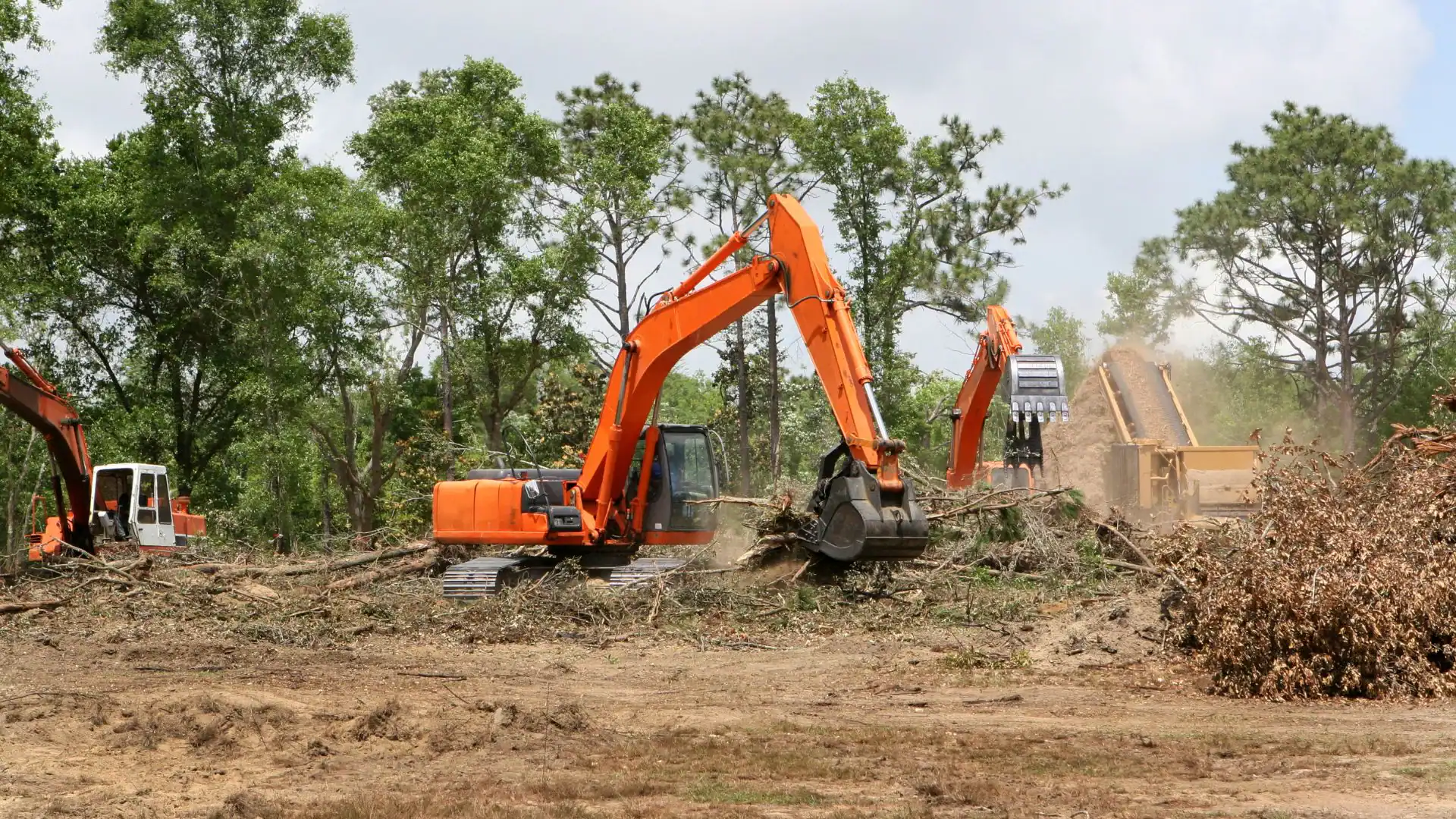
Beyond pools and drainage, we handle site preparation for new builds and additions, retaining wall excavation, driveway regrading, utility trenching, and land clearing for infill lots. Whatever the scope, you get a written quote that covers what’s included spoil removal, erosion controls, cleanup so the number you approve is the number you pay.
Yes and this is one of the most important things to get right before any work starts. Under the Town of Islip’s code, a written excavation permit from the Town Board is required before any excavation or topsoil removal begins on a property. That applies to residential projects just as much as commercial ones. The application requires a detailed statement of the proposed work along with the property owner’s written consent.
If your property is in or near a wetland area or flood zone which applies to a meaningful number of parcels in East Islip, particularly south of Montauk Highway and closer to the Great South Bay you’ll also need a Wetlands and Watercourses Permit from the Town’s Planning Division. In some cases, NYSDEC approval is required on top of that. Getting this wrong doesn’t just delay your project it can result in fines and stop-work orders that cost you far more than the permit process would have. We walk through what’s required for your specific East Islip property before anything moves.
New York 811 is the state’s utility notification system it’s what you call or submit online before any digging begins so that underground utility lines can be marked at your property. Gas, electric, water, telecommunications all of it runs beneath the established streets and yards of East Islip, much of it installed decades ago when the neighborhood was first built out.
The Town of Islip’s Building Division explicitly requires New York 811 notification before excavation begins anywhere in the town. Failure to comply can result in penalties and fines. More seriously, hitting an unmarked utility line creates significant liability and that liability doesn’t stay with the contractor if the homeowner hired an operator who skipped this step. We submit New York 811 notification as a standard first step on every project, without exception. It’s not something you should have to ask about it should already be part of how your contractor operates.
The physical excavation work itself for a standard pool dig, drainage installation, or site prep usually runs one to three days depending on scope and site conditions. What takes longer is the front end: permits, New York 811 notification processing, and any wetland or flood zone approvals that apply to your property. In East Islip, that process can add days to a couple of weeks depending on the complexity of your site and what’s required by the Town of Islip.
This is why project planning matters. If you’re working toward a specific start date with a pool contractor or a builder following behind us, those permit timelines need to be factored in from the beginning not discovered after you’ve already committed to a schedule. We’re upfront about realistic timelines during the quoting process so you can plan around them accurately. Spring is the busiest season for excavation on Long Island, and slots fill fast the earlier you plan, the more control you have over your timeline.
It means there are additional regulatory steps before excavation can begin and it’s more common in East Islip than people expect. Properties near the Great South Bay, along low-lying areas south of Montauk Highway, or near any designated wetland corridor may require a Wetlands and Watercourses Permit from the Town of Islip Planning Division before a permit is issued. Depending on the proximity and scope of work, the New York State Department of Environmental Conservation may also need to weigh in.
This doesn’t mean your project can’t happen it means it needs to be properly scoped and permitted before it starts. The Town of Islip has these requirements in place specifically to protect the bay and the surrounding environment, and the stormwater management rules that govern excavation in this area reflect that. We assess your property’s regulatory status as part of the initial site review, so you know what you’re working with before you’re committed to a timeline that doesn’t account for those approvals.
The soil conditions on Long Island’s South Shore are meaningfully different from what you’d find in inland Suffolk County towns like Dix Hills or Commack. East Islip sits on sandy, glacially deposited coastal plain soils that drain quickly in some conditions but are prone to erosion during active excavation if they’re not managed properly. More importantly, the water table in many parts of East Islip especially closer to the bay sits higher than homeowners often expect, and that affects both the excavation approach and what drainage solutions will actually work long-term.
A contractor who primarily works inland communities may not account for these conditions in their initial quote or site plan, and you end up dealing with the consequences mid-project. We assess soil conditions and water table depth as part of the pre-job evaluation, and we select equipment and methods suited to what we’ll actually encounter not what a generic site plan assumes. That upfront assessment is what keeps jobs on schedule and on budget when the ground doesn’t cooperate.
Dig and haul means the excavated material all of it leaves your property as part of the same job. In a densely settled community like East Islip, where residential lots are relatively modest in size and neighbors are close, leaving spoil piled on site isn’t a realistic option. It blocks access, creates drainage problems of its own, and leaves your next contractor waiting on a cleanup that was never part of their scope.
When we provide dig and haul services in East Islip, we excavate and remove material in a single coordinated operation. Your pool contractor, builder, or landscaper can follow directly behind us without waiting for a separate haulage crew. We handle spoil disposal so you don’t have to coordinate it as a separate line item. It’s included in the written quote upfront not added at the end when the trucks show up. For homeowners managing a larger improvement project with multiple trades on a schedule, that coordination matters more than most people realize until they’ve dealt with a contractor who handled it the other way.