Hear from Our Customers
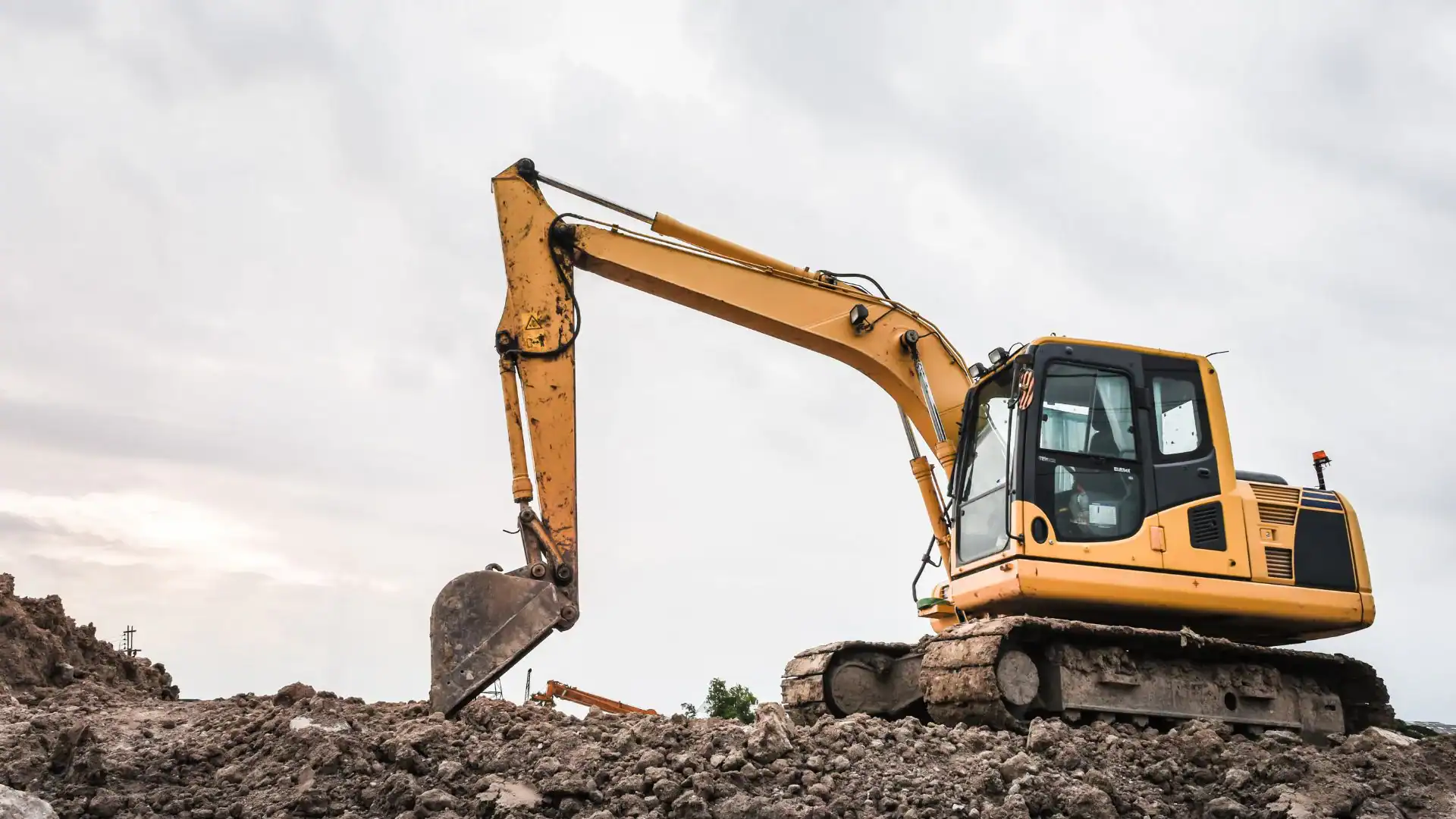
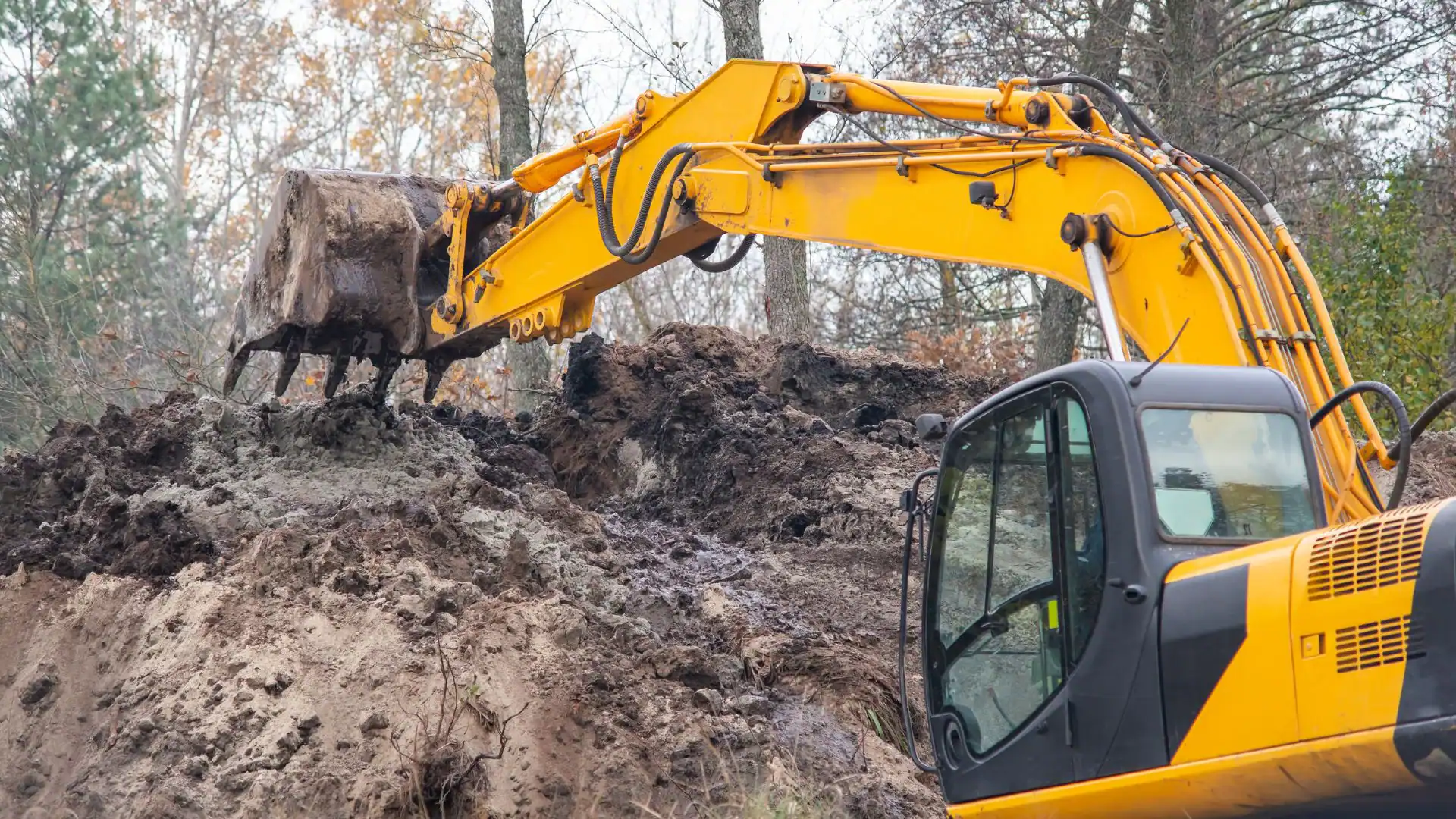
A lot of Hauppauge’s housing stock was built in the late 1960s. That means aging drainage systems, cesspools that are well past their design life, and drainage grades that were never built to handle modern stormwater loads. When those systems start failing, the excavation work isn’t optional it’s the only way forward. What you need is a contractor who shows up knowing what they’re getting into, not one who figures it out after the first dig.
When your project is done right, you get a site that’s properly graded, cleared, and ready for whatever comes next whether that’s a new foundation, a drainage correction, a pool, or a full land prep job. No leftover spoil piled at the edge of your lawn. No calls from the town because a permit wasn’t pulled from the right municipality. Just a clean, finished site and a clear record of what was done.
Hauppauge’s high water table adds another layer that most homeowners don’t think about until it’s a problem mid-project. Sandy, glacially deposited soils drain fast in some spots and hold water in others and that changes how excavation gets managed below grade. We know that before the machine hits the ground, which is what separates a smooth job from a stalled one.
We’re a licensed and insured excavation contractor serving western Suffolk County, including Hauppauge and the surrounding communities along the Route 111 and Veterans Memorial Highway corridors. We handle residential and commercial excavation land clearing, site prep, drainage excavation, foundation digs, cut and fill, and complete dig and haul services as a single, coordinated scope of work.
What makes the difference here isn’t a tagline. It’s knowing that a property on one side of Hauppauge may require permits through the Town of Islip, while a project a few blocks north falls under the Town of Smithtown and that mixing those up costs time and money. It’s knowing that the soils around the Long Island Innovation Park behave differently than the residential lots off Terry Road near Hidden Pond Park. That kind of working knowledge doesn’t come from a directory listing. It comes from doing this work here in Hauppauge.
We’re fully compliant with New York State’s 811 call-before-you-dig requirements, and we carry the credentials to back up everything we tell you.
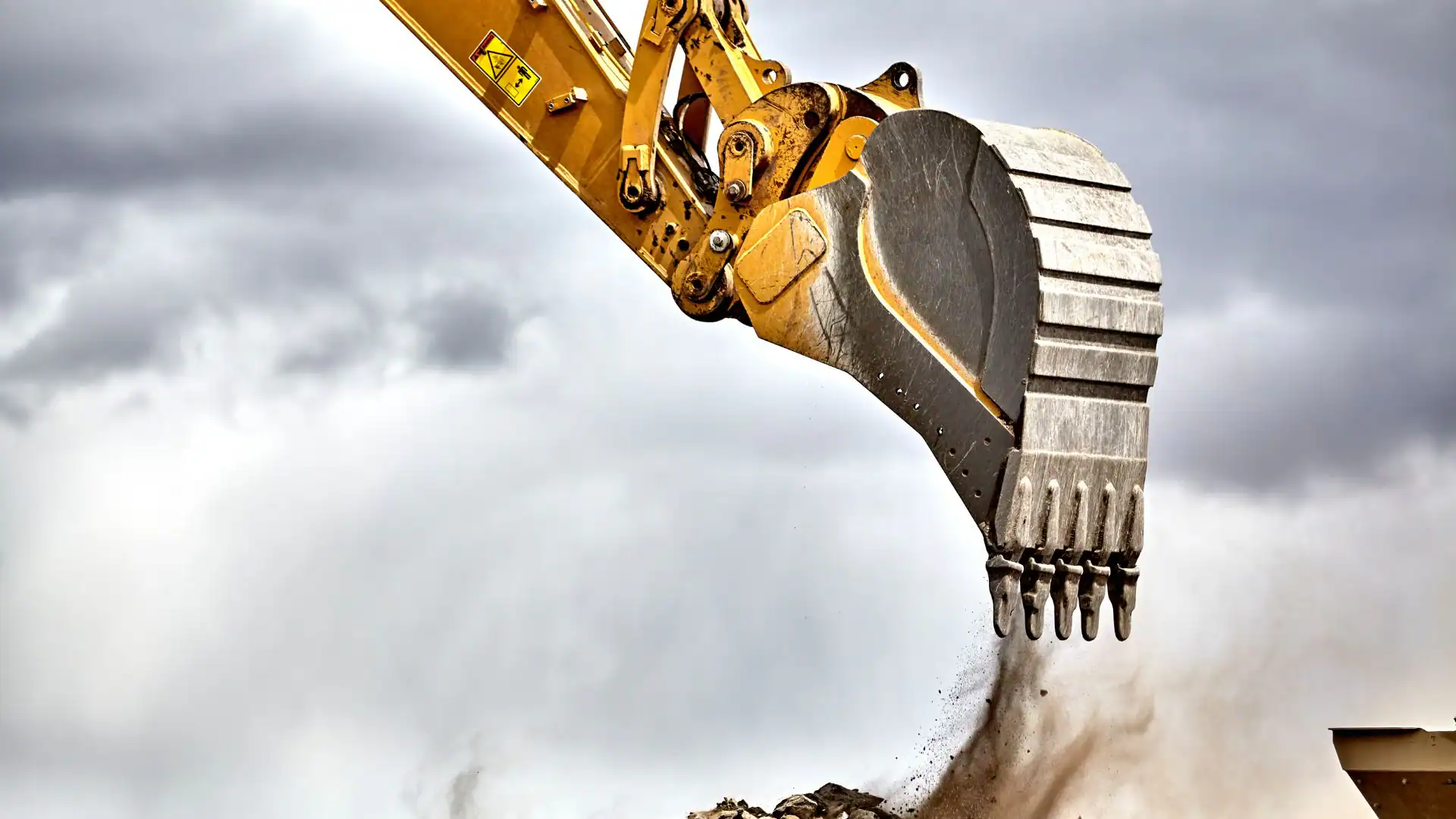
It starts with a site visit and a conversation about what you’re actually trying to accomplish. Before anything else, we need to understand the scope what’s coming out, what’s staying, what the finished grade needs to look like, and whether there are any drainage, groundwater, or access considerations that will affect how the work gets done. In Hauppauge, that conversation almost always includes a question about which town your property falls under, because the permit process differs depending on whether you’re in the Islip or Smithtown portion of the hamlet.
Once we’ve assessed the site, you get a written quote that spells out exactly what’s included excavation, spoil removal, grading, and any drainage or erosion controls the job requires. No line items that show up later. If the scope is clear, the quote is clear. We also handle the permit coordination so you’re not navigating two different municipal offices on your own.
On the job itself, we work with the site conditions as they are not as they should be on paper. Long Island’s water table can surprise you, especially in spring when snowmelt saturates the ground. We plan for that. When the job is done, the site is clean, the spoil is hauled, and you’re ready for the next trade to come in without delays.
Ready to get started?
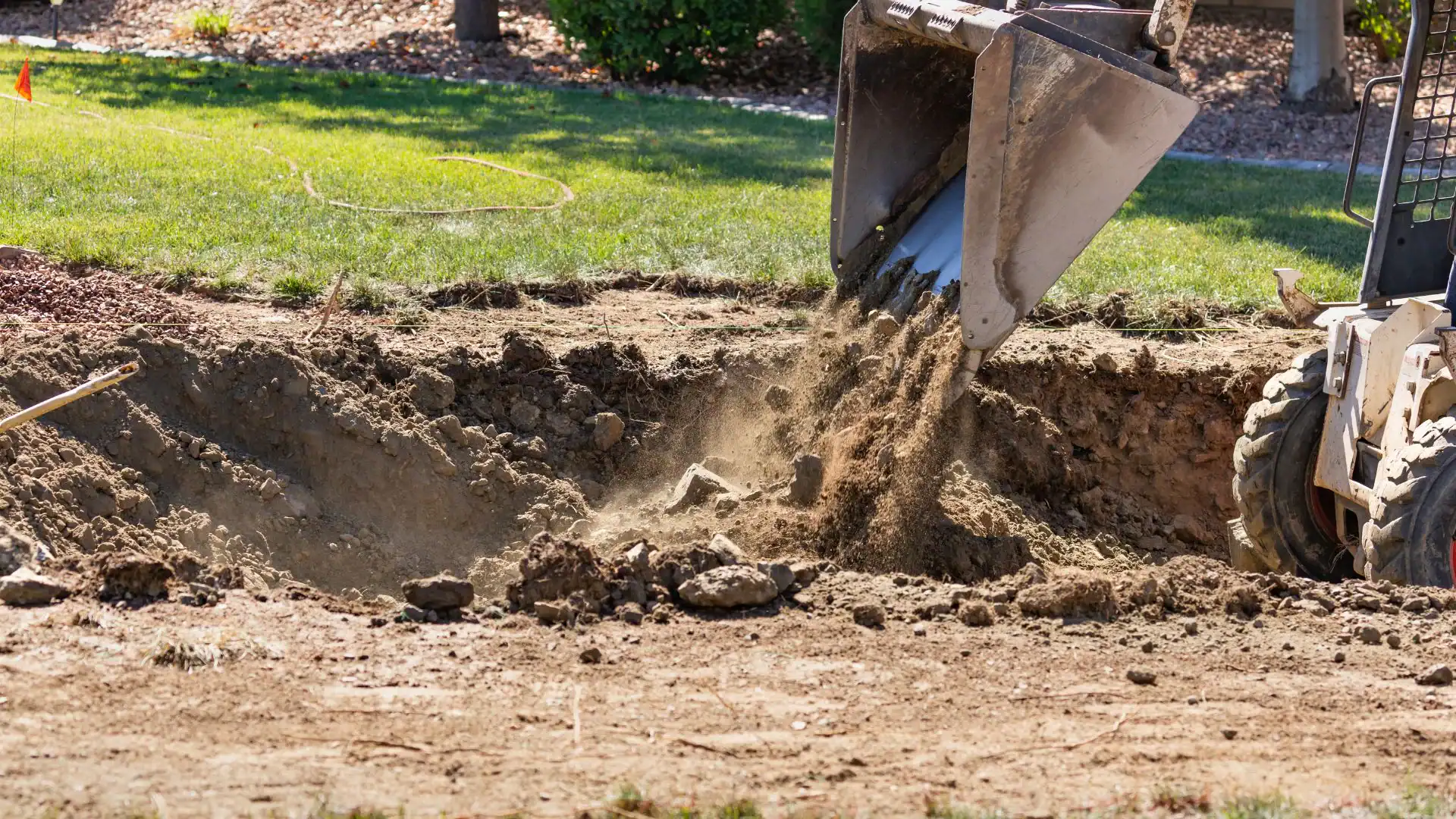
We handle the complete range of excavation and grading services that Hauppauge residential and commercial properties require. On the residential side, that means foundation excavation for new builds and additions, drainage trenching and dry well installation for homes dealing with stormwater issues, cesspool-related excavation in compliance with Suffolk County Department of Health Services requirements, pool excavation, land clearing, and site grading. Dig and haul is included as part of the engagement spoil leaves the site, not just the hole.
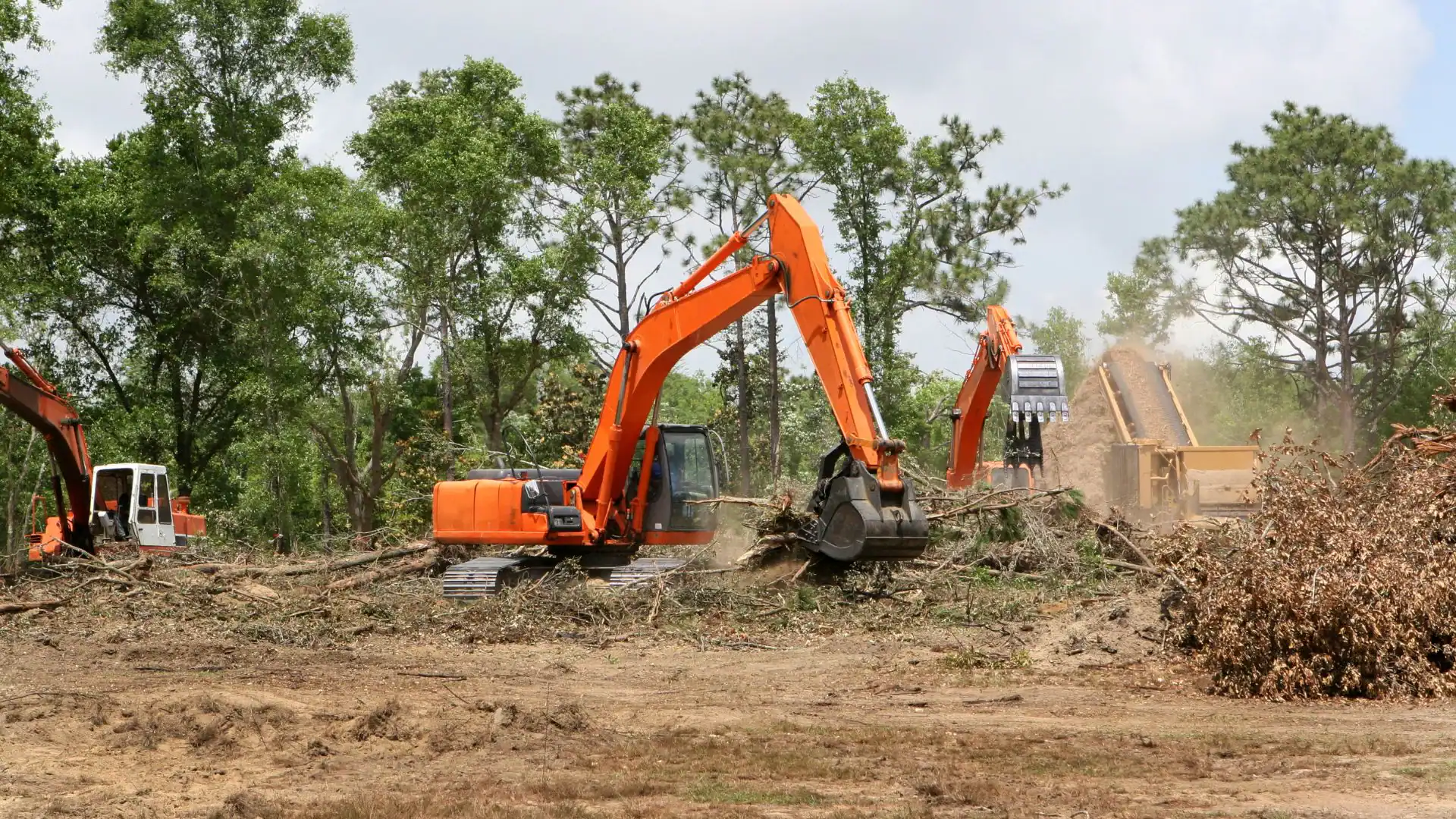
On the commercial side, the Long Island Innovation Park and the broader Motor Parkway corridor represent a different category of work entirely. Site preparation for new construction, infrastructure excavation, and cut-and-fill operations in an active commercial environment require scheduling discipline and the ability to work around ongoing business operations without creating disruption. That’s a different skill set than residential work, and we bring both.
Every job in Hauppauge goes through New York State’s 811 underground service identification process before ground is broken. With the density of utilities, data lines, and service infrastructure concentrated in and around the Innovation Park, that’s not a formality it’s a genuine protection for your project and your property. Suffolk County’s setback requirements for cesspool and drainage work are also part of every relevant scope, handled correctly from the start.
This is one of the most common questions we get from Hauppauge property owners, and it’s a genuinely important one. Hauppauge straddles the Town of Islip and the Town of Smithtown, which means the answer depends entirely on where your property sits. Homes and parcels in the southern portion of Hauppauge fall under the Town of Islip’s jurisdiction, while properties in the northern section are governed by the Town of Smithtown. Each municipality has its own building department, permit application process, and inspection requirements.
Most excavation work foundation digs, drainage installations, grading that alters site elevation requires a permit from the applicable town. Cesspool-related excavation also involves the Suffolk County Department of Health Services, which has its own setback and installation requirements independent of the town-level permit. If you’re not sure which jurisdiction applies to your address, that’s the first thing we sort out before any work is quoted or scheduled. Getting that wrong costs time and can stop a project mid-dig.
Excavation costs vary based on scope, soil conditions, depth, access, and what happens to the spoil once it’s out of the ground. A straightforward drainage trench or dry well installation on a typical Hauppauge residential lot might run a few thousand dollars. A full foundation excavation for a new build or major addition is a different scale depending on depth, footprint, and site conditions, you’re generally looking at $8,000 to $25,000 or more for larger scopes.
What affects cost in Hauppauge specifically is the water table. Long Island’s glacial soil profile means groundwater can be closer to the surface than expected, particularly in lower-lying areas or during spring snowmelt. If dewatering is required during a below-grade dig, that adds to the scope. The dual-permit environment also adds a step permit fees vary between the Town of Islip and the Town of Smithtown, and those costs should be factored into your budget from the start. A detailed written quote before any work begins is the only way to know what you’re actually committing to.
Given that most of Hauppauge’s housing stock was built around 1969, the most common residential excavation jobs we see fall into a few consistent categories. Drainage correction is at the top of the list homes built in that era were often constructed before modern stormwater standards, and aging dry wells, failed cesspools, and inadequate site grades are generating real problems for homeowners now. Excavation for cesspool replacement and new dry well installation is a significant and growing part of residential work in this community.
Foundation excavation for additions and accessory structures is also common, particularly as homeowners with higher property values invest in expanding rather than moving. Pool excavation is another frequent request, especially on the larger lots found in Hauppauge’s established neighborhoods. And land clearing for properties being prepared for new construction whether a tear-down rebuild or a previously undeveloped lot rounds out the typical residential scope. If you’re dealing with water in your basement or pooling in your yard, the root cause is almost always something that excavation can address.
Long Island sits on glacially deposited sandy soils with a water table that can be surprisingly shallow, and Hauppauge is no exception. In some areas of the hamlet particularly lower-elevation sections and properties near drainage corridors groundwater can be encountered at depths that affect foundation digs, drainage installations, and any below-grade work. This isn’t unusual for the region, but it does need to be planned for, not discovered mid-project.
When groundwater is encountered at relevant depths, dewatering is required to keep the excavation stable and allow the work to proceed safely. This involves pumping water out of the active dig area and managing it in a way that doesn’t create runoff or erosion issues on the site or neighboring properties. Spring is the highest-risk period snowmelt combined with heavy rain can saturate the soil and raise the water table temporarily. Scheduling excavation work that involves significant depth outside of peak saturation periods is one of the ways we manage this on Hauppauge jobs. It’s a factor worth discussing during the site assessment before any work is quoted.
Yes and commercial excavation in and around the Long Island Innovation Park at Hauppauge is a meaningfully different kind of work than residential site prep. With over 1,400 companies and roughly 55,000 employees operating in that park on any given day, site access is constrained, schedules are tight, and the tolerance for disruption to neighboring businesses is low. That environment requires a contractor who can plan the work carefully, communicate clearly with property managers and other trades, and execute without creating delays or safety issues in an active commercial setting.
We handle commercial site preparation, foundation excavation, infrastructure trenching, and cut-and-fill operations for business and industrial clients in western Suffolk County. Whether it’s a new building footprint, a utility installation, or a site prep scope tied to an expansion within the park, the process is the same: a clear written scope, proper permitting, 811 compliance before any ground is broken, and a finished site that’s ready for the next phase of the project on schedule.
Licensing and insurance are the baseline not optional. New York State has specific contractor licensing requirements, and any excavation contractor working in Hauppauge should be able to show you their credentials without hesitation. Beyond that, the questions worth asking are about local experience specifically: does this contractor know which permits apply to your property, does the quote include spoil removal or is that a separate line item later, and have they worked in both the residential neighborhoods and the commercial areas of western Suffolk County?
The other thing worth verifying is 811 compliance. New York State law requires all excavators to contact 811 before any ground disturbance it’s not a suggestion, and a contractor who skips it is exposing you to real liability if an underground service gets struck. In Hauppauge, where utility infrastructure is dense both in residential areas and throughout the Innovation Park corridor, this matters more than it might in a rural setting. A written quote that clearly spells out scope, permit coordination, and what’s included in spoil removal is the clearest signal that a contractor is running a professional operation not just showing up with a machine and figuring it out as they go.