Hear from Our Customers
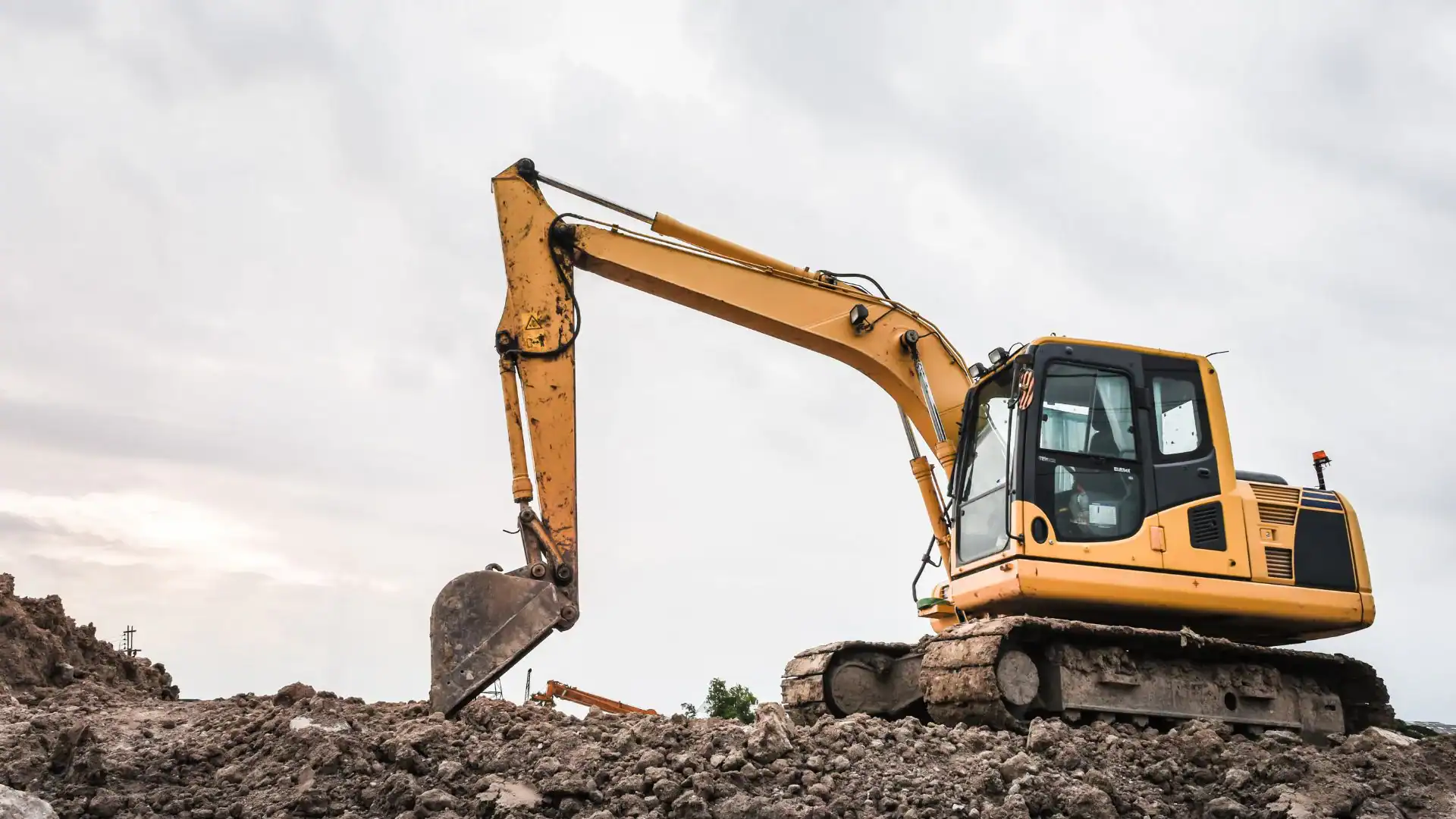
When you’re working with a heavily wooded lot in Manorville the kind with mature trees, deep root systems, and sandy Pine Barrens soil underneath the excavation process is more involved than it looks on paper. The clearing has to come first, then the grading, then the dig, then the haul. If any one of those steps is mishandled or handed off to a separate crew that doesn’t know what the last crew left behind, your timeline falls apart and your costs climb fast.
What you actually want is simple: a site that’s ready when it needs to be, a quote that reflects the real scope of the work, and a contractor who doesn’t discover surprises after the equipment arrives. That’s what a proper site assessment and honest scoping process delivers and it’s the difference between a project that moves and one that stalls.
Manorville’s sandy, well-draining soils excavate efficiently, but they also erode quickly in open cuts and require real erosion control measures during the job. The Peconic River corridor runs through parts of the hamlet’s northern sections, and if your property sits near any of those wetland areas, you need a contractor who knows what buffer zones apply before a single yard of soil is moved. Getting that wrong doesn’t just cause delays it can trigger stop-work orders and remediation requirements that dwarf the original project cost.
We’re a full-service excavation and site preparation contractor serving Manorville and the surrounding eastern Suffolk County communities. We work across the Town of Brookhaven and into Riverhead, handling everything from large wooded lot clearing and new home site preparation to septic excavation, pool digs, grading, and haul all under one contract, with one accountable team.
Manorville is the largest hamlet in New York State by land area. That’s not trivia it means the lots here are larger, the clearing requirements are heavier, and the regulatory environment is more layered than what most contractors are used to dealing with. We understand the Town of Brookhaven’s grading and excavation permit requirements, we know where the Central Pine Barrens boundaries fall, and we work with the Commission’s review process as a standard part of how we plan projects in Manorville not as an afterthought.
You get a contractor who has actually worked in this community, knows what the land looks like, and tells you what your project requires before the job starts not after.

It starts with a site visit. Before any quote is written, we walk the property looking at tree cover, soil conditions, grade changes, access points, proximity to wetland areas, and anything else that affects scope. On a Manorville lot, that walkthrough matters more than almost anywhere else on Long Island. Large, heavily vegetated properties can hide variables that significantly affect the cost and timeline of the work, and the only way to quote honestly is to actually see what we’re dealing with.
Once we’ve assessed the site, we provide a written quote that covers the full scope clearing, excavation, grading, spoil removal, and erosion controls with no ambiguity about what’s included. If your project falls within or near the Pine Barrens Compatible Growth Area, we’ll identify that upfront and walk you through what the Town of Brookhaven permit process and any Central Pine Barrens Commission review will require before work can begin. That permitting clarity is part of our service, not a separate conversation you have to chase down on your own.
When the work starts, we follow NY 811 protocols on every project no exceptions to identify underground utilities before any ground is broken. From there, we move through the clearing, excavation, and grading sequence in a coordinated way, managing spoil removal and site conditions throughout. When we’re done, the site is clean, graded to spec, and ready for whatever comes next whether that’s a foundation pour, a pool installation, a septic system, or a landscaping crew.
Ready to get started?
Manorville residential projects new construction, major additions, in-ground pools, septic replacements, lot improvements consistently require more preparation work than a typical suburban build. The lots are larger, the vegetation is denser, and the regulatory environment is more demanding. We provide the complete range of excavation services that these projects require: land clearing, foundation excavation, grading, dig and haul, and drainage work, delivered as a coordinated scope rather than a patchwork of separate contractors.
For property owners near the Peconic River or within the Pine Barrens Compatible Growth Area, we handle the compliance side of the project including Town of Brookhaven Chapter 35 and Chapter 53 permit requirements and any applicable Pine Barrens Commission review as part of how we manage the job. Suffolk County’s active push to replace older cesspools with modern IA septic systems has also driven significant septic excavation demand across Manorville, and we have direct experience with the excavation requirements of SCDHS-permitted installations on occupied residential properties.
Every project includes a thorough site assessment, a written scope with clear inclusions, proper erosion and sediment controls during the work, and complete spoil removal and site cleanup at close. You’re not left managing haul coordination or chasing a separate crew to finish what we started the job is complete when we leave.
It depends on where your property sits in relation to the Pine Barrens boundaries. The Long Island Central Pine Barrens is divided into two zones the Core Preservation Area, where no new development is permitted, and the Compatible Growth Area, where limited, environmentally compatible development is allowed with Commission review. Manorville sits at the western edge of this protected area, and depending on your parcel’s location, clearing, excavation, or construction activity may require a waiver or approval from the Central Pine Barrens Joint Planning and Policy Commission before any work begins.
This isn’t a formality to skip. The Commission actively enforces these requirements, and lawsuits have been filed against property owners and contractors for illegal clearing and excavation within the protected area as recently as 2024 and 2025. The consequences can include stop-work orders, mandatory site restoration, and significant legal costs. Before any work starts on your Manorville property, we identify where your parcel falls relative to these boundaries and advise you on exactly what review or approval your project requires.
Most excavation and grading work in the Town of Brookhaven which covers the majority of Manorville requires permits under Chapter 35 (Grading) and potentially Chapter 53 (Excavation and Topsoil Removal), depending on the scope and scale of the project. If your work involves a new foundation, an in-ground pool, or significant changes to grade or drainage patterns, a building permit from the Town’s Building Division will also be required. For properties in Manorville’s northern sections near the Peconic River or associated wetland areas, a wetlands permit under Chapter 81 may apply as well.
The permit process in Brookhaven is manageable when you know what’s required from the start. Where it becomes a problem is when a contractor begins work without the right approvals in place that’s when stop-work orders happen and projects stall. We identify the applicable permit requirements during the site assessment phase and factor the approval timeline into the project schedule so you’re not caught off guard. If your property falls in the northeast corner of Manorville within the Town of Riverhead’s jurisdiction, the permit requirements differ slightly, and we account for that too.
Excavation costs in Manorville vary more than they do in most other Long Island communities, primarily because of lot size and clearing requirements. A straightforward foundation excavation on a cleared lot might run in the range of $3,000 to $8,000. A project that includes significant land clearing, stump removal, grading, and full spoil haul on a large wooded lot which is common in Manorville can run considerably higher, often $10,000 to $25,000 or more depending on the volume of material, access conditions, and the distance to disposal.
The honest answer is that no responsible contractor can give you an accurate number without seeing your property. Manorville lots are large, heavily vegetated, and variable root systems, buried debris, wet areas near the Peconic River corridor, and soil depth can all affect the real scope of the work. What we can tell you is that our quotes are written after a proper site assessment, they include everything in scope, and they don’t change on you once work begins unless you add scope. That’s what an honest quote looks like.
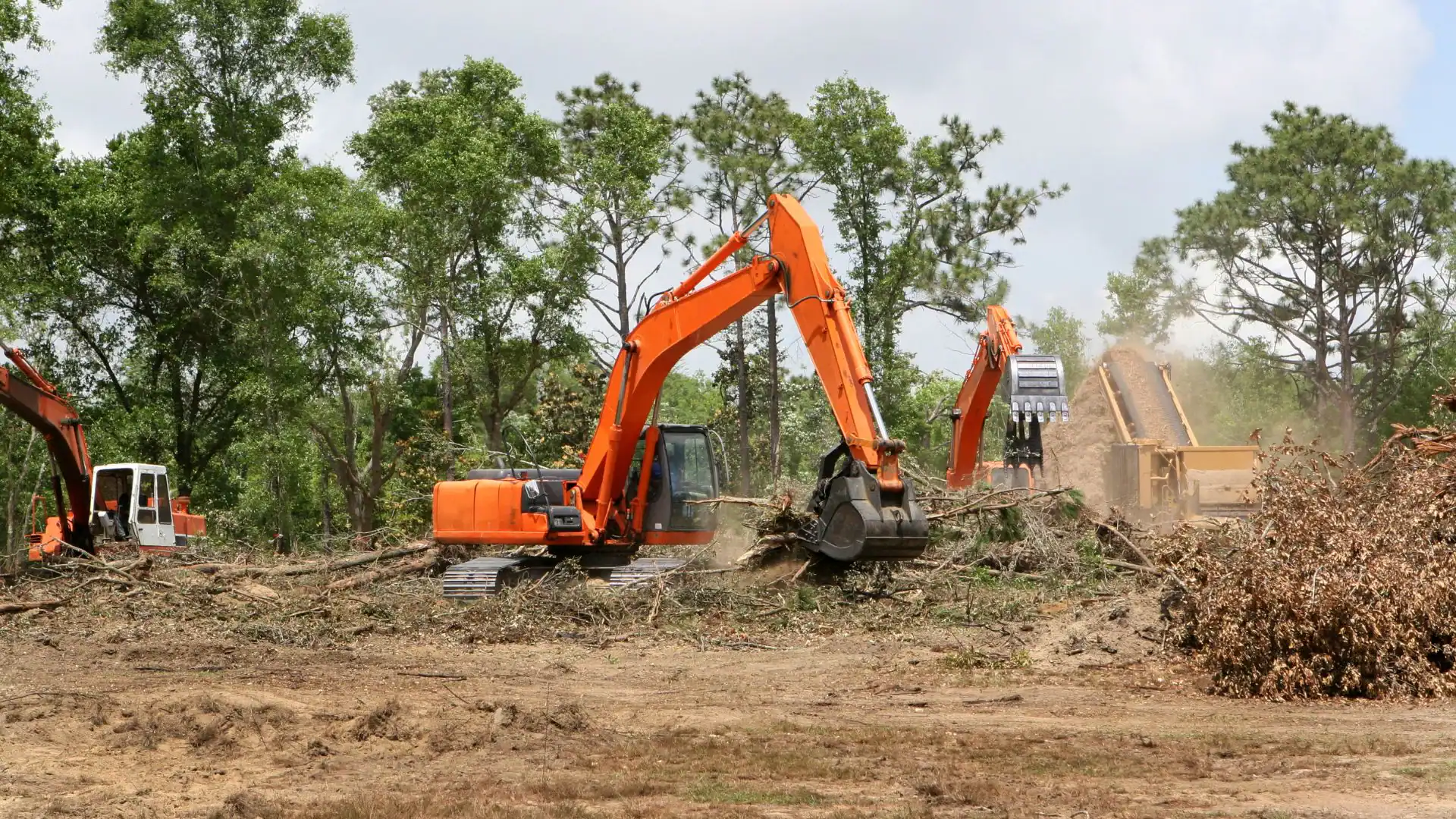
Site preparation on a large wooded Manorville lot follows a specific sequence, and skipping steps or splitting the work between contractors who aren’t coordinating with each other is the fastest way to create problems. The process starts with land clearing removing trees, brush, and stumps followed by root extraction where needed, rough grading to establish the correct elevations and drainage patterns, foundation excavation, and finally spoil removal and site cleanup. Each step affects the next, which is why having one contractor manage the full sequence matters.
Before any of that begins, the permitting picture needs to be clear. Depending on your parcel’s location relative to the Pine Barrens boundaries, the Peconic River wetland corridor, and the Town of Brookhaven’s grading requirements, multiple approvals may be required before ground is broken. Getting those in order at the start of the project rather than discovering a missing permit mid-dig is what keeps a construction timeline on track. We handle the site assessment, permit identification, and full preparation scope as a coordinated process so that by the time your builder needs the site, it’s actually ready.
The northern sections of Manorville contain wetland areas associated with the Peconic River watershed, including land adjacent to Robert Cushman Murphy County Park Suffolk County’s first natural park and a 2,200-acre protected area that sits within the Peconic River corridor. If your property is in this part of the hamlet, excavation work near these areas is subject to Town of Brookhaven Chapter 81 wetlands regulations and potentially New York State DEC buffer zone requirements, depending on how close the work is to mapped wetland boundaries.
In practical terms, this means that excavation within a certain distance of wetland areas may require a wetlands permit from the Town’s Division of Environmental Protection before work begins. The buffer zone distance varies based on the type of wetland and the nature of the proposed work. Contractors who aren’t familiar with these requirements or who don’t check wetland maps before quoting can put their clients in a difficult position. We review wetland proximity as part of every site assessment for Manorville properties in the northern sections of the hamlet, so you know what applies to your project before any commitments are made.
Yes, and it’s worth thinking about this before you book. Long Island winters bring ground frost that can reach 24 to 36 inches in depth during a cold stretch, which makes certain types of excavation work impractical and increases equipment wear. Most experienced contractors on Long Island plan around the hardest frost periods, typically December through February, or use frost-breaking equipment when the schedule demands it. If you’re planning a project that needs to be complete before winter a new foundation, a pool, a septic replacement getting the excavation done in the fall window between September and November gives you the most reliable conditions.
Spring can bring saturated soil in low-lying areas and near Manorville’s wetland corridors, which can delay project starts and create site access challenges even with the hamlet’s generally sandy, well-draining soils. Summer is peak construction season on Long Island, and experienced excavation contractors book out weeks in advance sometimes further. If you have a specific timeline tied to a construction start or a permit expiration, the earlier you get a site assessment and a written quote, the more control you have over when your project actually begins.