Hear from Our Customers
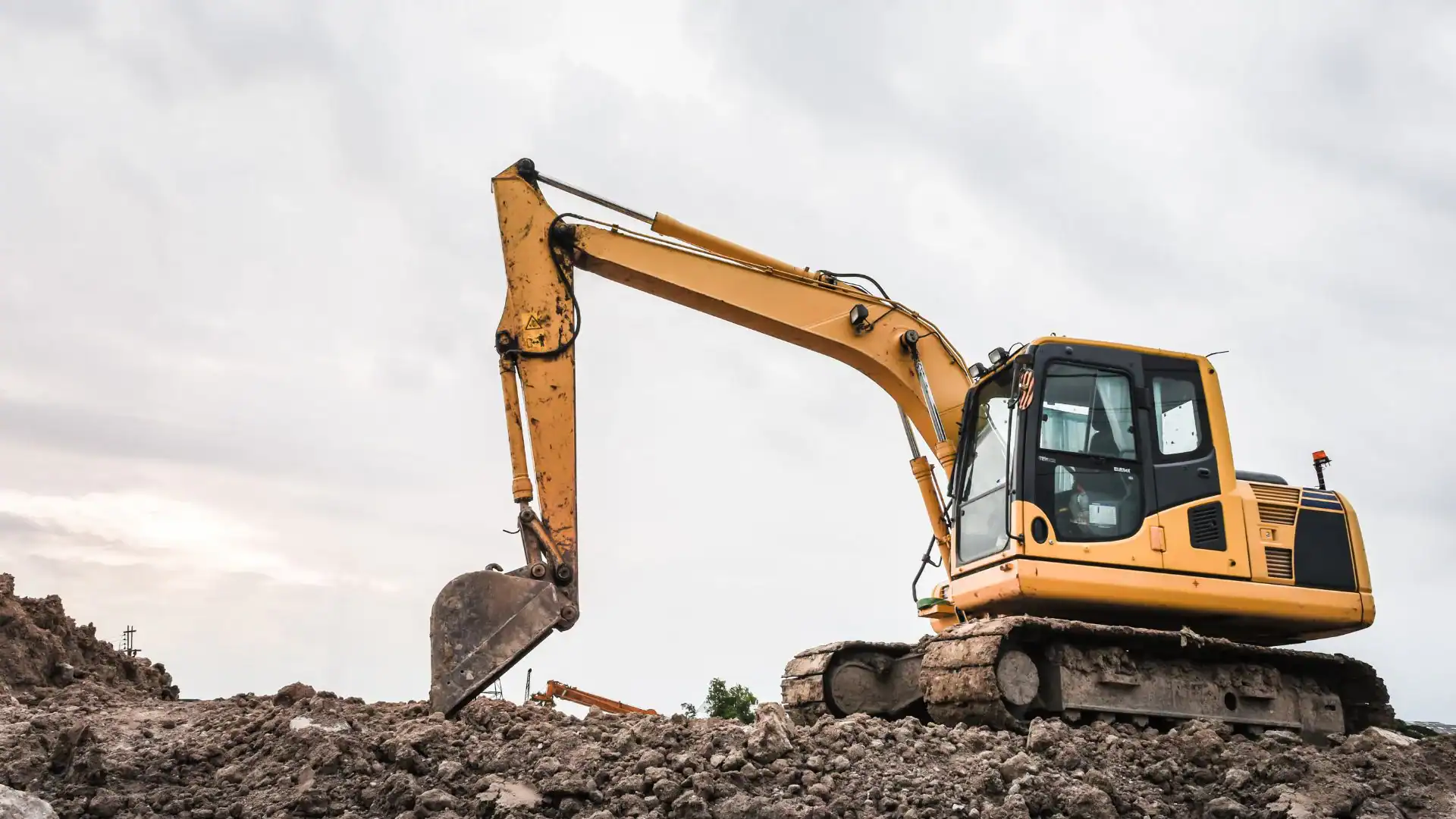
Excavation sets the pace for everything that follows. When it’s done right correct grades, clean spoil removal, no underground surprises your builder can move. When it’s not, you’re paying for delays at every trade behind it. That’s the real cost of a bad first dig, and it’s one most homeowners don’t see coming until they’re already in it.
Middle Island adds its own layer to that equation. A lot of properties here sit within or right up against the Central Pine Barrens, which means you’re often starting with pitch pine, scrub oak, and dense root systems before a single bucket of soil gets moved. A contractor who treats that like a standard suburban lot is going to run into problems with the clearing scope, with the Town of Brookhaven permit process, and with the sandy, porous soils that shift differently than what you’d find on the North Shore or the South Shore.
The sandy glacial soils under Middle Island excavate efficiently, but they also move easily after the fact. Getting the grades right the first time and keeping erosion in check near water bodies like Artist Lake and the headwaters of the Carmans River isn’t just good practice here. It’s what responsible site work in this community looks like.
We’re a Long Island excavation contractor that works across Suffolk County, including Middle Island and the surrounding communities of Coram, Ridge, Rocky Point, and Yaphank. The work here isn’t the same as it is in a dense, already-cleared town farther west and our approach reflects that.
Every project comes with a real understanding of what it takes to work in the Town of Brookhaven’s permit environment, what the Central Pine Barrens Commission’s jurisdiction means for land clearing in Middle Island, and what Suffolk County’s evolving septic regulations require when excavation is tied to a system replacement or new installation. That’s not a sales point it’s just what doing this job properly in Middle Island actually requires.
The crew that shows up knows the difference between a standard dig and one that needs erosion controls near a Pine Barrens recharge zone. You get people who’ve worked this ground before, not a team figuring it out as they go.

It starts with a site assessment. Before any equipment is scheduled, the scope gets defined what’s on the lot, what needs to come off, what permits the Town of Brookhaven requires, and whether the property falls within a Pine Barrens jurisdiction that needs to be addressed before clearing begins. Skipping that step is how projects get stopped mid-job.
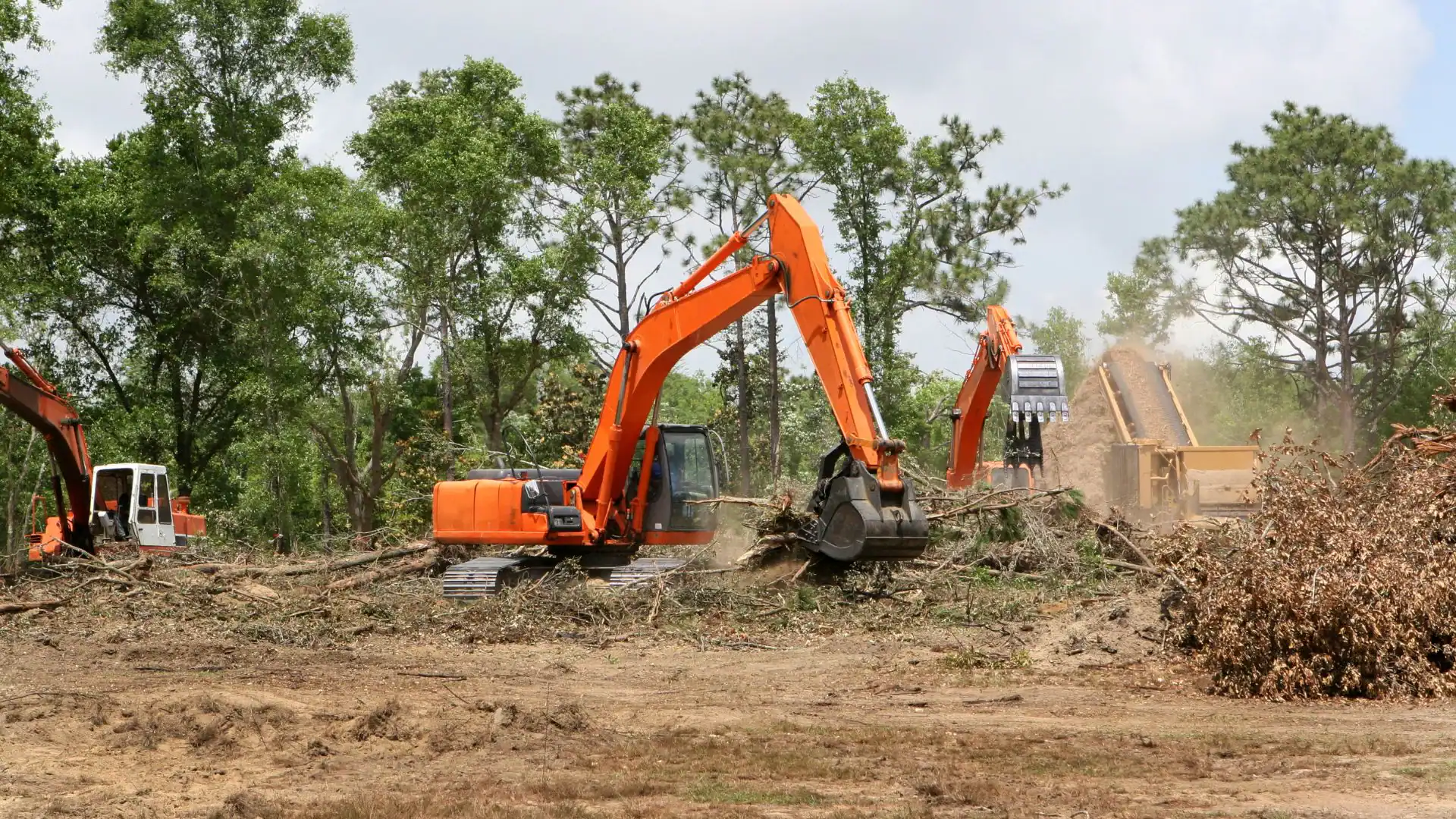
Once the scope is confirmed and approvals are in order, the 811 call-before-you-dig notification goes in no exceptions, required by New York State law before any ground is broken. From there, clearing comes first on wooded lots: trees, stumps, root systems, and brush. The excavation follows, whether that’s foundation work, pool prep, septic system installation, or a full cut and fill for a building pad. Spoil and cleared material gets hauled off site entirely there’s nowhere to stockpile it on a residential lot, and leaving it isn’t an option.
Grading is the final step, and it matters as much as the dig itself. Middle Island’s sandy soils need to be finished to the right grades for drainage compliance and long-term stability especially on lots near Artist Lake or other sensitive water bodies where runoff has real consequences. When that’s done, your builder has a site that’s actually ready to build on.
Ready to get started?
We deliver residential excavation services and commercial excavation services in Middle Island, NY including land clearing, cut and fill, dig and haul, trenching, grading, and retaining wall excavation. The goal on every job is the same: one contractor handles the full earthworks scope so you’re not coordinating multiple crews or absorbing the gaps between them.
For Middle Island specifically, that full-scope capability matters more than it does in a lot of other communities. Wooded lots off Middle Country Road or near Cathedral Pines don’t just need a machine and an operator they need land clearing handled before excavation can begin, proper erosion controls given the proximity to the Carmans River watershed, and a crew that understands how the Town of Brookhaven’s permit requirements apply to the specific work being done. Septic-related excavation also makes up a significant portion of the work here, given that Middle Island is almost entirely unsewered and Suffolk County’s Septic Improvement Program is actively pushing homeowners toward system upgrades.
Whether you’re breaking ground on a new home build, prepping for a pool, replacing an aging cesspool, or clearing and grading a wooded parcel you’ve been sitting on the scope gets handled from start to finish. Fully licensed. Fully insured. No subcontracting the haul and hoping it shows up.
Yes for most excavation work in Middle Island, you’ll need a permit from the Town of Brookhaven Building Division. Foundation excavation, in-ground pool installation, demolition, and any grading or ground disturbance beyond minor landscaping all require permits under Brookhaven Town Code and the New York State Uniform Fire Prevention and Building Code. The Town requires that clearing, grading, and ground disturbance be limited to the minimum necessary for the scope of work so you can’t just clear the whole lot and figure out the rest later.
What catches a lot of homeowners off guard is that the permit process has to happen before work begins, not alongside it. If your contractor starts digging without the right approvals in place, you’re looking at a potential stop-work order, remediation costs, and a project timeline that’s now completely derailed. Part of what we bring to every Middle Island job is familiarity with what Brookhaven requires and when so the permit side doesn’t become a problem that surfaces after equipment is already on site.
It depends on where your property sits within the Central Pine Barrens boundary. Middle Island falls within the Pine Barrens footprint, and properties located in the core preservation area or compatible growth area may be subject to review by the Central Pine Barrens Joint Planning and Policy Commission before land clearing or ground disturbance can proceed. This is a layer of oversight that exists on top of the Town of Brookhaven’s permit process not instead of it.
Not every Middle Island property triggers Pine Barrens Commission review, but a lot of homeowners don’t find out until they’re already trying to start work. The safest approach is to identify your property’s status in the Pine Barrens map before scheduling any clearing or excavation. A contractor who isn’t aware that this jurisdiction exists or who assumes it doesn’t apply can put you in a position where work gets stopped by a regulator they didn’t account for. That’s a situation worth avoiding from the start.
Middle Island is almost entirely unsewered, which means virtually every home runs on a private septic system or cesspool. Suffolk County’s updated sanitary regulations now require that many of these aging systems be replaced with Innovative/Alternative Onsite Wastewater Treatment Systems nitrogen-reducing units that meet the county’s current standards for groundwater protection. The excavation scope for that kind of replacement typically involves exposing and removing the existing system, preparing the area for the new installation, and restoring the site once the system is in place.
Suffolk County’s Septic Improvement Program offers financial assistance to qualifying homeowners going through this process, which means there’s real incentive to move forward but the excavation work still needs to be done in compliance with Suffolk County Department of Health Services requirements. We’ve handled septic-related excavation in Middle Island and the surrounding communities and understand what the county’s process requires from the ground up.
In Middle Island, the frost line sits at approximately 36 inches deeper than what you’d find in coastal communities along the South Shore, where the ocean moderates winter temperatures. That means footings and foundation walls need to be placed below that depth to avoid frost heave, which can shift and crack a foundation over time if the bearing surface freezes and thaws beneath it. Your builder will specify the exact depth based on the structure, but the excavation contractor needs to hit that mark accurately.
Middle Island’s sandy, glacial outwash soils actually excavate well they’re loose and workable compared to the heavier clay soils you’d find on parts of the North Shore. But that same looseness means open excavations can shift, especially during the freeze-thaw cycles that are common in late fall and early spring in central Suffolk County. Shoring, sequencing, and timing all matter on foundation digs here, and an experienced excavation contractor accounts for those conditions rather than treating every job like it’s summer on a stable site.
Excavation costs in Middle Island vary based on the scope of the job, the condition of the lot, and how much material needs to come off site. A straightforward foundation dig on a cleared lot runs differently than a full land clear and excavation on a wooded Pine Barrens parcel where you’re starting with trees, stumps, and root systems before the actual earthmoving begins. Pool excavation, septic system work, and grading-only jobs each carry their own cost profile as well.
What matters more than a ballpark number is getting a quote that actually reflects the full scope not a low opening number that grows once the job starts. Middle Island lots can surprise contractors who don’t assess them properly: the volume of cleared material on a wooded lot, the haul-away requirement when there’s nowhere to stockpile spoil on site, and the erosion controls needed near sensitive water bodies all add real cost if they weren’t accounted for upfront. The right quote covers all of it before the first machine arrives, so you’re not absorbing surprises halfway through your project.
The primary excavation season in Middle Island runs from approximately April through November. Spring particularly April through June tends to be the busiest window, as homeowners and builders push to start projects after winter delays. Fall is also active, with many people trying to get ground broken before the frost line sets in around late November or December. If you’re planning a new build or a major site project, getting your excavation scheduled early in the season gives you the most flexibility and the least risk of weather-related delays.
Winter excavation in Middle Island is possible but comes with real limitations. The frost line here is around 36 inches, and frozen ground in January or February makes digging significantly harder and more expensive. The freeze-thaw cycles in late fall and early spring can also affect site stability in open excavations, particularly in the sandy soils common across central Suffolk County. If your project timeline is flexible, spring scheduling gives you the best combination of workable ground conditions, available equipment, and a clear runway for the trades that follow excavation. If your timeline isn’t flexible, the earlier you book, the better your position heading into peak season.